Top 5 Natural Monuments around Villy-Le-Bouveret
Best natural monuments around Villy-Le-Bouveret are found within the Haute-Savoie department of France, a region known for its commitment to preserving natural spaces. The area, part of the Plateau des Bornes, features diverse geological formations and prominent pre-Alpine landscapes. Visitors can explore a variety of natural sites, from unique caves to expansive viewpoints, showcasing the region's natural heritage. This area provides opportunities to experience local biodiversity and contributes to regional conservation efforts.
Best natural monuments around Villy-Le-Bouveret
- The most popular…
Last updated: July 2, 2026
Orjobet Cave
Highlight • Cave
Translated by Google •
Tip by

The Trou de la Tine
Highlight • Cave
Translated by Google •
Tip by
Sign up now to discover places like this
Get recommendations on the best single tracks, peaks, & plenty of other exciting outdoor places.
Sign up for free
Rochers de Faverges
Highlight • Natural Monument
Translated by Google •
Tip by

Cross on the mountain
Highlight • Natural Monument
Translated by Google •
Tip by

La Coraterie Cliff
Highlight • Climb
Translated by Google •
Tip by

Sign up for free to discover even more natural monuments around Villy-Le-Bouveret.
Sign up for free
Already have an account?
Start today with a free account
Your next adventure awaits.
Login or Signup
Tips from the Community

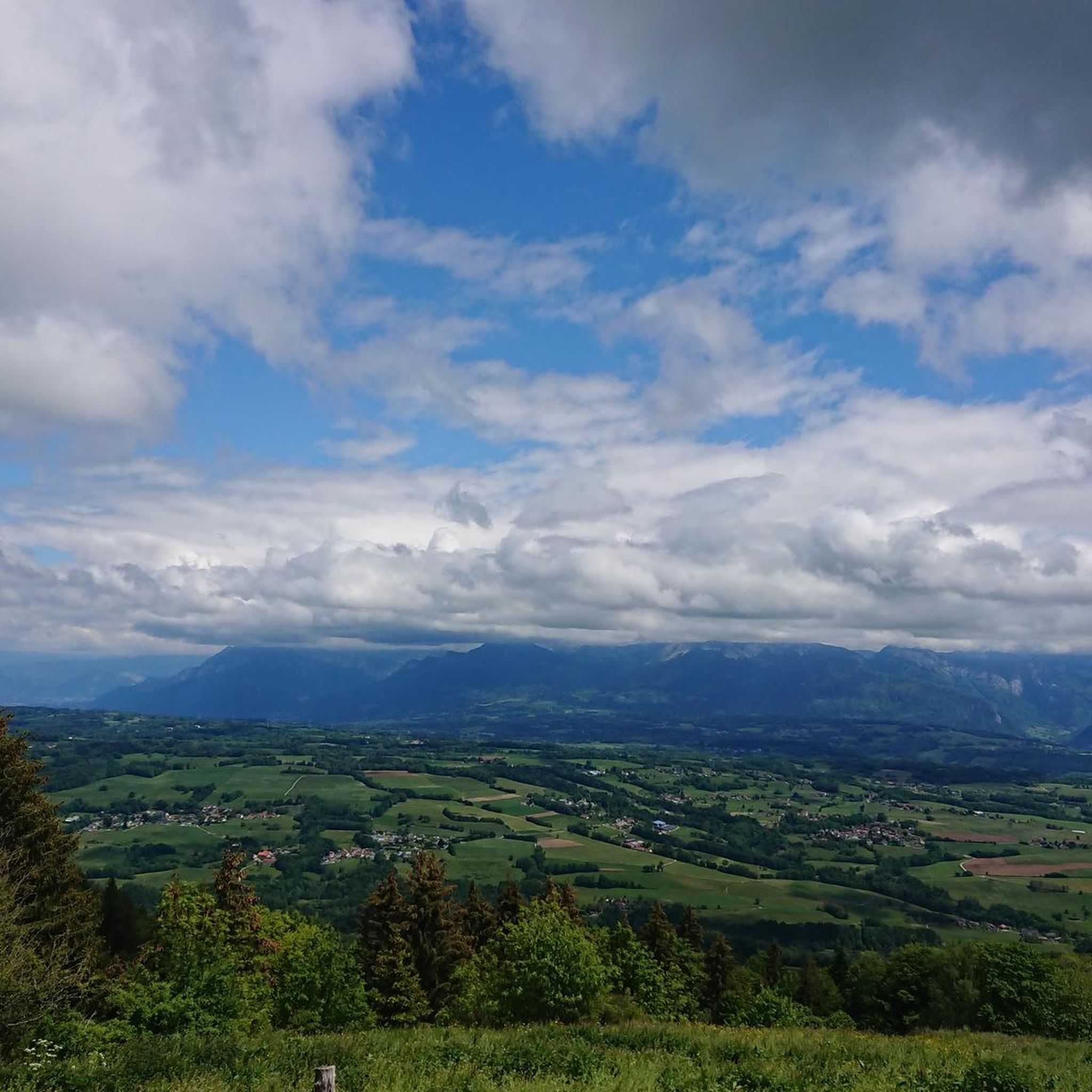
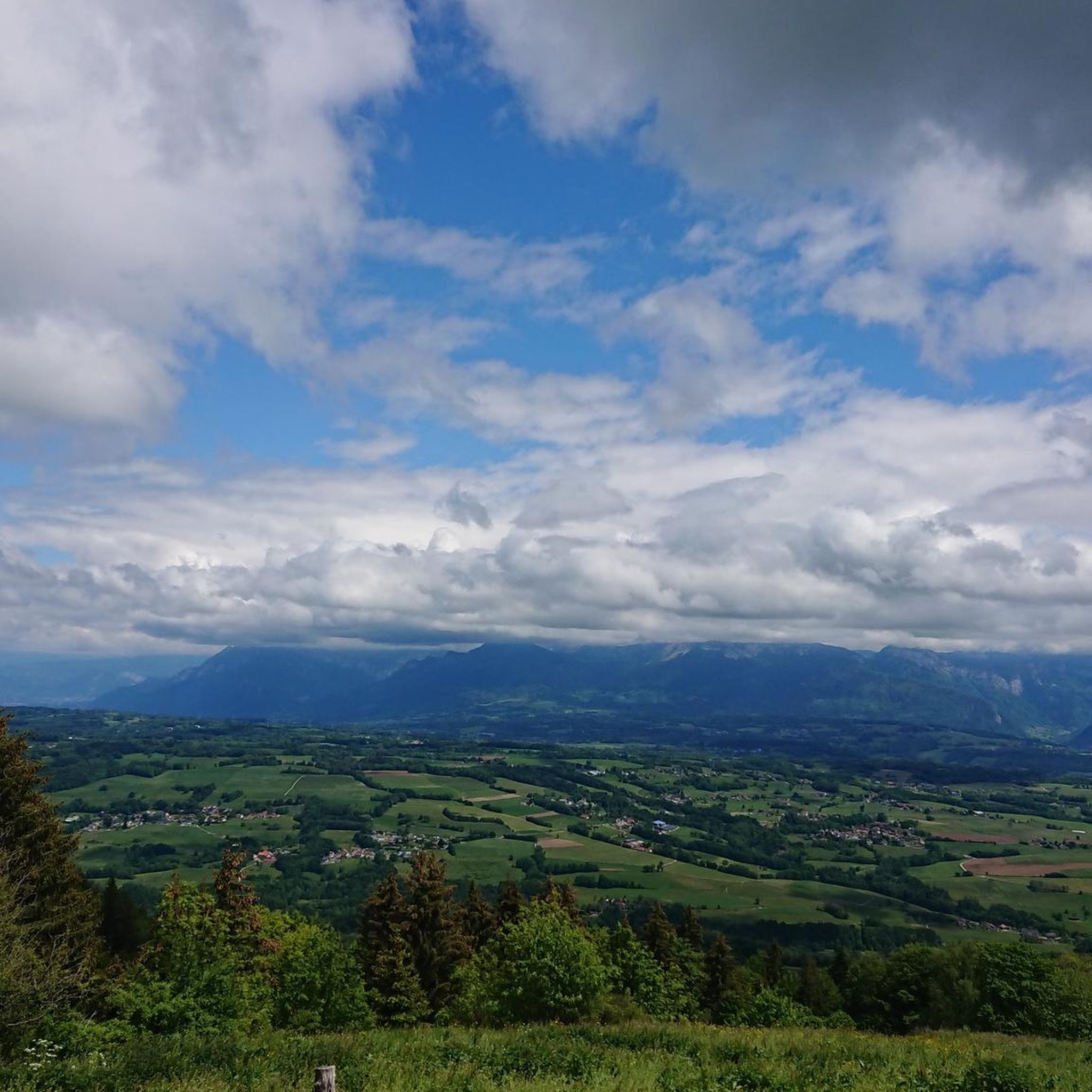
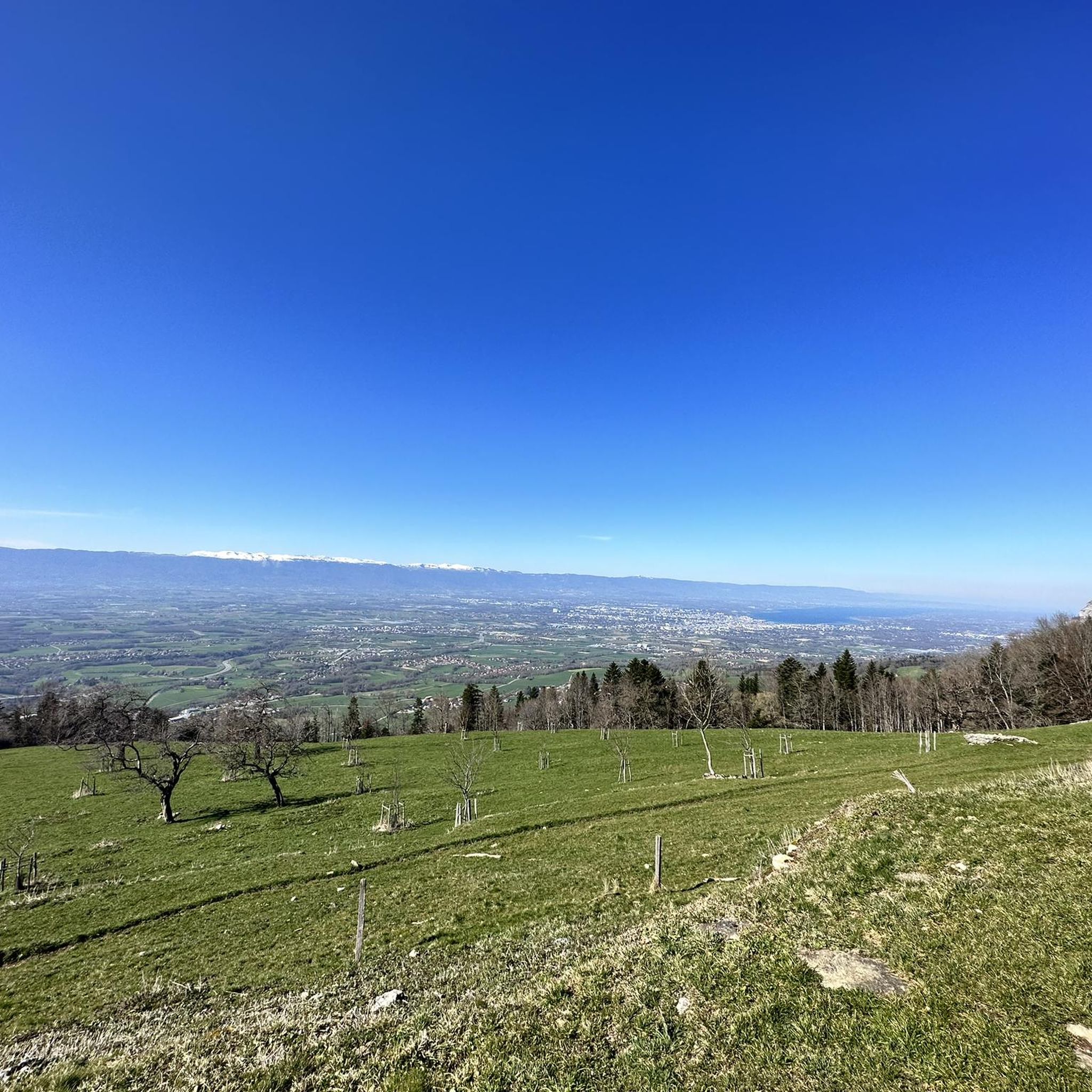
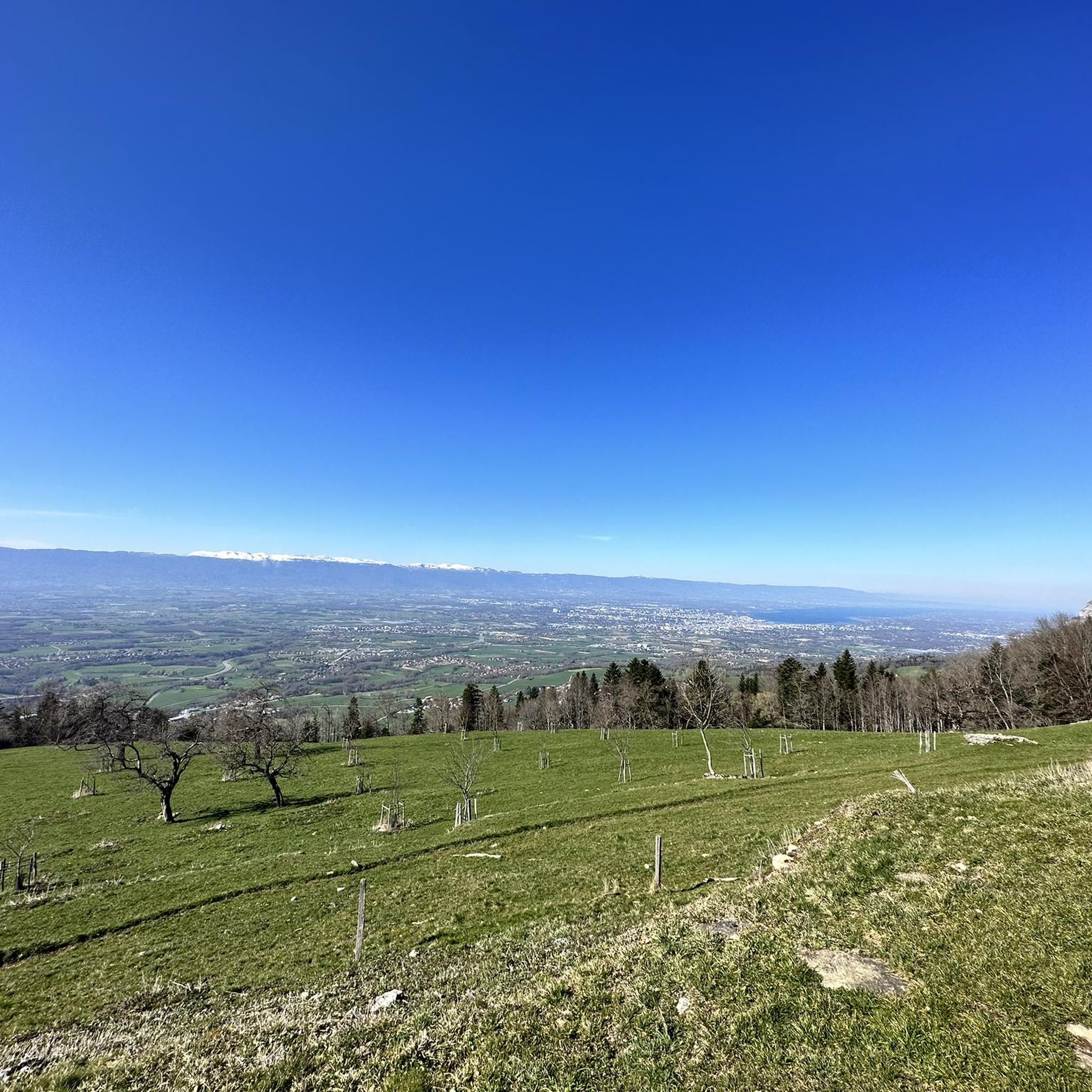
La Corraterie is a narrow rocky ledge and cliff path on the west flank of Mont Salève (the so-called “Balcony of Geneva”) in Haute-Savoie (France). From here, you have breathtaking panoramic views of Lake Geneva, the city of Geneva, and the Jura Mountains. Highlights along the path besides the view ;-): ⭐ The passage cave Grotte d'Orjobet. ⭐ Trou de la Tine: An impressive natural rock arch and sinkhole formed by erosion in the cliffs of La Corraterie. ⭐ Numerous climbers can be observed on the vertical limestone walls. And here is the story behind the flag on the mountain path: It is not the Swiss flag, but the coat of arms of Savoy (meaning no white cross, but the bars extend to the edge). It all began in the late 1960s. American students from the nearby Adventist campus in Collonges-sous-Salève climbed the steep rock face after a night of revelry. Since the mountain offers a direct view of Geneva, they were firmly convinced they were in Switzerland. They painted a huge Swiss flag on the rocks. However, Mont Salève is geographically located in France (Haute-Savoie region). The local French residents found the Swiss flag on their mountain to be an affront. Local activists climbed up and painted over the Swiss cross, turning it into the coat of arms of Savoy (Cross of Savoy) to emphasize the French-Savoyard affiliation. To this day, unknown individuals (mostly from Geneva) regularly climb the wall at night to shorten the bars and turn the Savoy coat of arms back into a Swiss flag.
0
0

Le Trou de la Tine (Trou of the Tine Cave) was formed by erosion on the flank of Mont Salève. It is a deep, sunken hole shaped like an open-topped barrel ("Tine" is an old dialect term for barrel, "trou" means hole). The cave's ceiling has collapsed due to erosion, revealing a natural "barrel" with a side opening. One can walk into the "barrel" through this side opening.
0
0


Cave with collapsed ceiling
1
0
A beautiful geological formation
0
2

Nice little tour (steep!!) in this geological curiosity
0
3
Frequently Asked Questions
What are some of the most unique natural features to explore around Villy-le-Bouveret?
The region is rich in unique geological formations. You can explore the fascinating Orjobet Cave, known for its historical path, or venture into The Trou de la Tine, a barrel-shaped cave formed by erosion. Beyond these, the impressive Gorges du Fier, with its suspended walkways over a roaring river, offers a dramatic experience of natural power.
Are there natural monuments with panoramic views near Villy-le-Bouveret?
Yes, several spots offer breathtaking vistas. The Grand Piton Tour provides expansive views over Geneva, Lake Geneva, and the Jura mountains. Mont Salève, often called the 'Balcony of Geneva,' also offers panoramic views of Lake Geneva, the Jura, and Mont Blanc on clear days. For a more challenging ascent, the Cross on the mountain offers stunning views, though it requires sure-footedness.
What historical or geological natural sites can I visit?
The Orjobet Cave has a rich history, named after a local farmer who guided its discoverer, and its path was first equipped in 1905. The Rochers de Faverges are geologically distinct, made of Eocene sandstone, and were exploited for iron oxide in Roman times, giving them their name.
What outdoor activities can I do near these natural monuments?
The area around Villy-le-Bouveret is perfect for various outdoor activities. You can find numerous hiking trails, such as the easy 'Lac des Dronières – Les Dronières loop from Cruseilles' or the moderate 'Château des Avenières – Les Dronières loop from Cruseilles'. Mountain biking is also popular, with routes like the 'Les Usses River Picnic Spot – Panoramic view to le Parmelan loop from Chez Leydevant'. For more options, explore the hiking guide, MTB guide, or running guide for Villy-le-Bouveret.
Are there family-friendly natural monuments or activities in the area?
Yes, the Gorges du Fier offers an unforgettable and dramatic experience with its suspended walkways, making it a unique outing for families. Lac d'Annecy is also a popular destination for families, offering various water sports and cycling opportunities along its shores. Many of the hiking trails around Villy-le-Bouveret, such as the 'Lac des Dronières – Les Dronières loop from Cruseilles', are rated as easy and suitable for families.
What is the best time of year to visit the natural monuments around Villy-le-Bouveret?
The best time to visit is generally from spring through autumn (April to October) when the weather is mild and most trails and attractions are fully accessible. During these months, you can enjoy hiking, cycling, and water sports on Lac d'Annecy. While some areas like Mont Salève offer winter sports, general access to natural monuments might be limited by snow or ice in colder months.
What do visitors enjoy most about the natural monuments in this region?
Visitors frequently praise the stunning panoramic views, especially from spots like the Grand Piton Tour, which offers clear sights of Geneva and Lake Geneva. The unique geological formations, such as the Orjobet Cave and The Trou de la Tine, are also highly appreciated for their distinctiveness and the sense of adventure they offer. The region's commitment to preserving its natural spaces within the Plateau des Bornes also contributes to a high-quality outdoor experience.
Are there any natural monuments that are easily accessible or suitable for shorter visits?
For a relatively easy and unique experience, the Orjobet Cave has an equipped path, making it accessible for a pleasant walk. The Gorges du Fier, while dramatic, offers a well-maintained walkway system for exploration. For scenic views without extensive hiking, the cable car on Mont Salève provides an easy ascent to enjoy the breathtaking vistas.
Can I find natural monuments that are part of a larger conservation effort?
Yes, Villy-le-Bouveret is situated within the Plateau des Bornes, a region actively committed to preserving its remarkable natural spaces. This includes managing wetlands and conducting inventories of trees with high biodiversity potential. Visiting these areas contributes to experiencing local biodiversity and supports regional conservation efforts.
What should I wear when visiting the natural monuments?
Given the diverse terrain, it's advisable to wear comfortable, sturdy walking shoes or hiking boots, especially if you plan to explore caves or trails. Layered clothing is recommended as weather conditions can change, particularly at higher elevations like Mont Salève. For cave explorations or cooler days, a light jacket is useful. Don't forget sun protection and plenty of water.
Are there opportunities for water-based activities near the natural monuments?
Absolutely. Lac d'Annecy, renowned for its exceptionally clean and clear waters, is a popular destination for various water sports. You can enjoy swimming, paddleboarding, kayaking, or simply cycling along its scenic shores. While not a natural monument itself, its proximity makes it a perfect complement to exploring the region's natural wonders.
Are there any natural monuments that offer a glimpse into the region's geology?
The Rochers de Faverges are a prime example, showcasing Eocene sandstone with veins of iron oxide, distinct from the Jurassic limestone of Mont Salève. The formation of The Trou de la Tine and the Gorges du Fier also vividly demonstrate the powerful effects of erosion on the region's limestone strata.
Most popular routes around Villy-Le-Bouveret
Most popular attractions around Villy-Le-Bouveret

Get inspired with the komoot mobile app


Explore more
Extend your search for the best caves by checking out these guides of the top ones around Villy-Le-Bouveret:
