Top 6 Natural Monuments around Lampertheim
Best natural monuments around Lampertheim offer diverse natural landscapes in Hesse, Germany. The region is characterized by its proximity to the Rhine river, featuring significant nature reserves and unique geological formations. Visitors can explore areas with rich biodiversity, ancient trees, and riverine ecosystems. These natural features provide opportunities for outdoor activities and observation of local flora and fauna.
Best natural monuments around Lampertheim
- The most popular natural monuments is Kalbsgiessen Waterfall, a waterfall that offers a nice section for…
Last updated: May 4, 2026
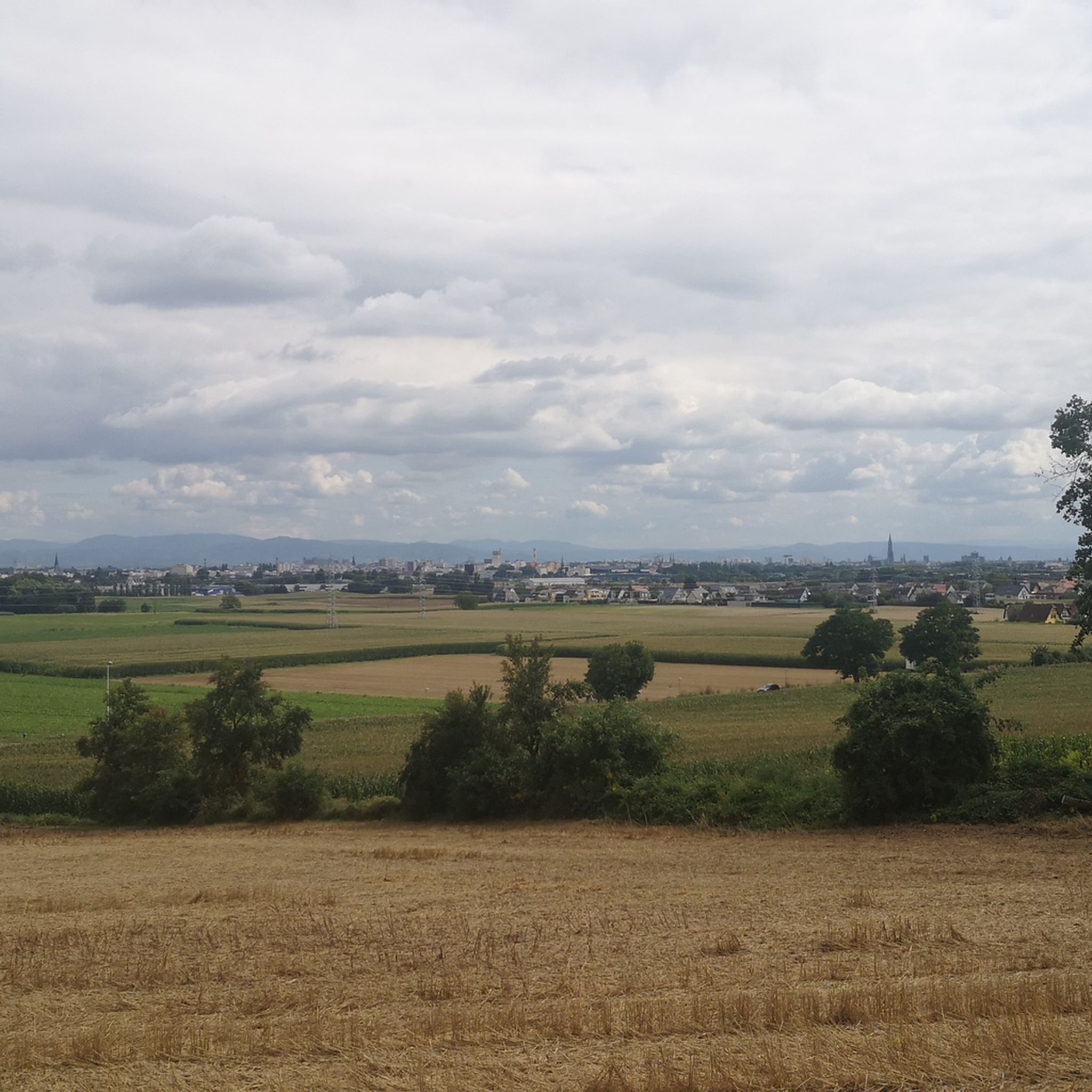
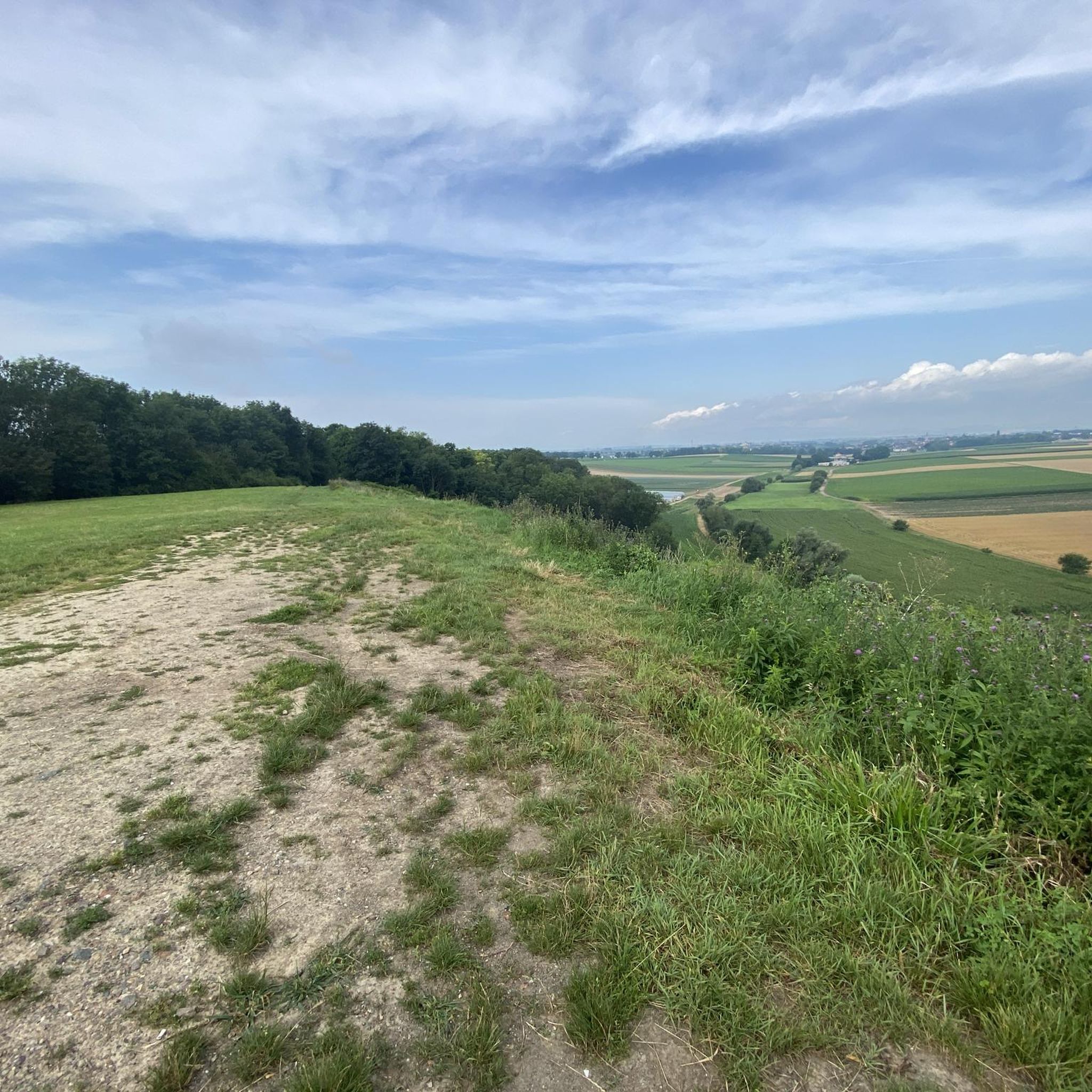
Kalbsgiessen Waterfall
Highlight • Waterfall
Translated by Google •
Tip by

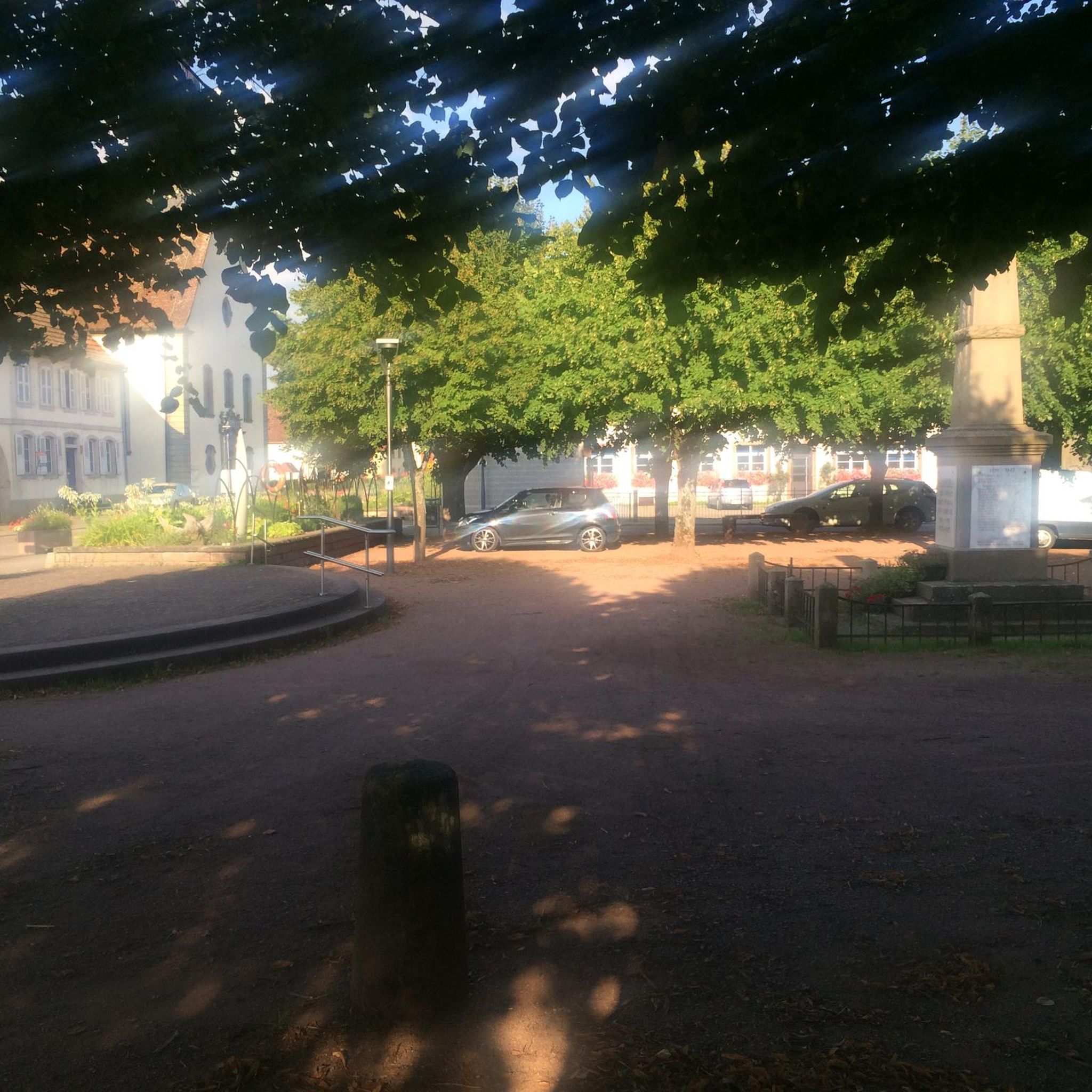
War Memorial, Place de la République
Highlight • Monument
The Palais du Rhin: Former imperial palace and manifesto of political power
A special feature of Strasbourg is the former German imperial …
Translated by Google •
Tip by

Sign up now to discover places like this
Get recommendations on the best single tracks, peaks, & plenty of other exciting outdoor places.
Sign up for free
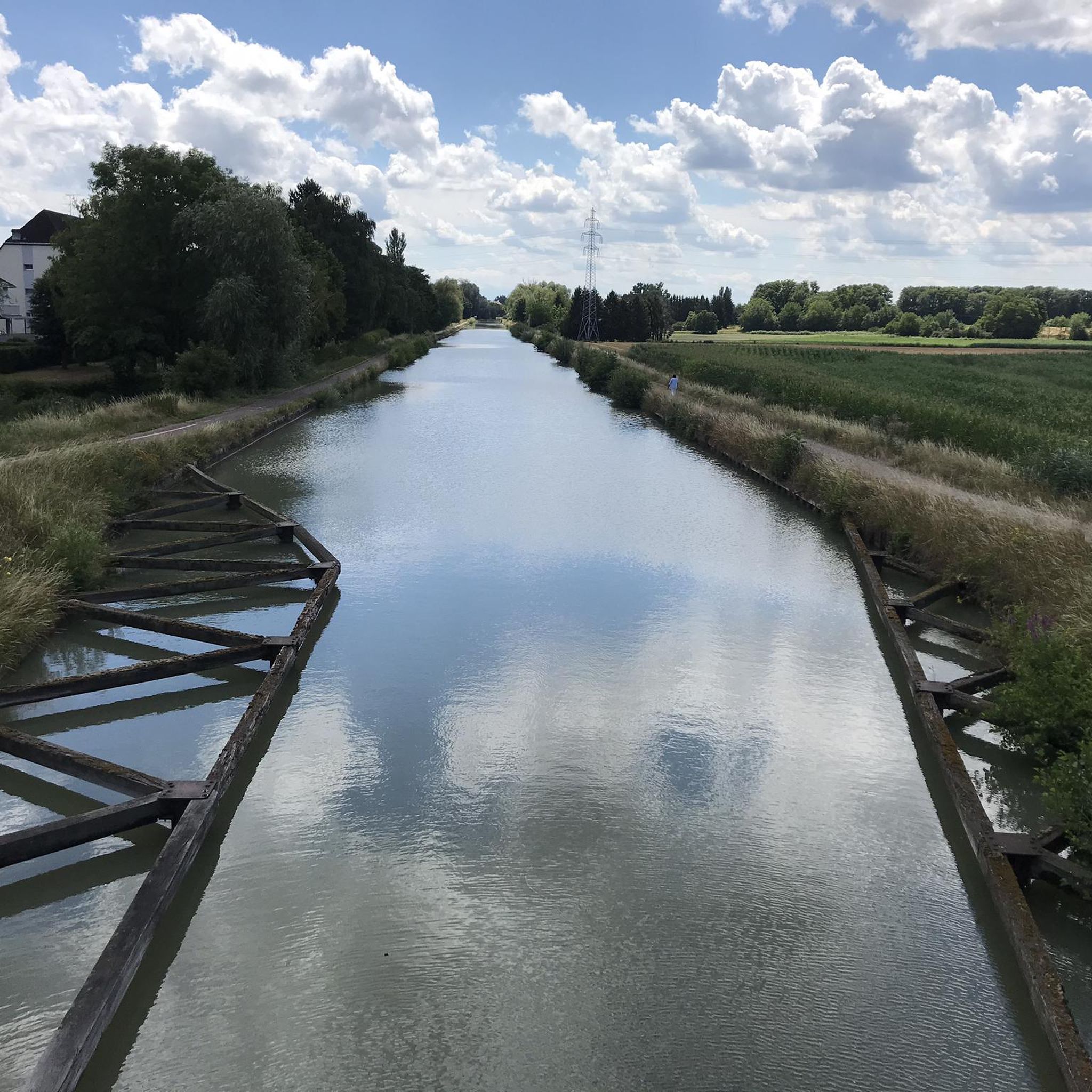
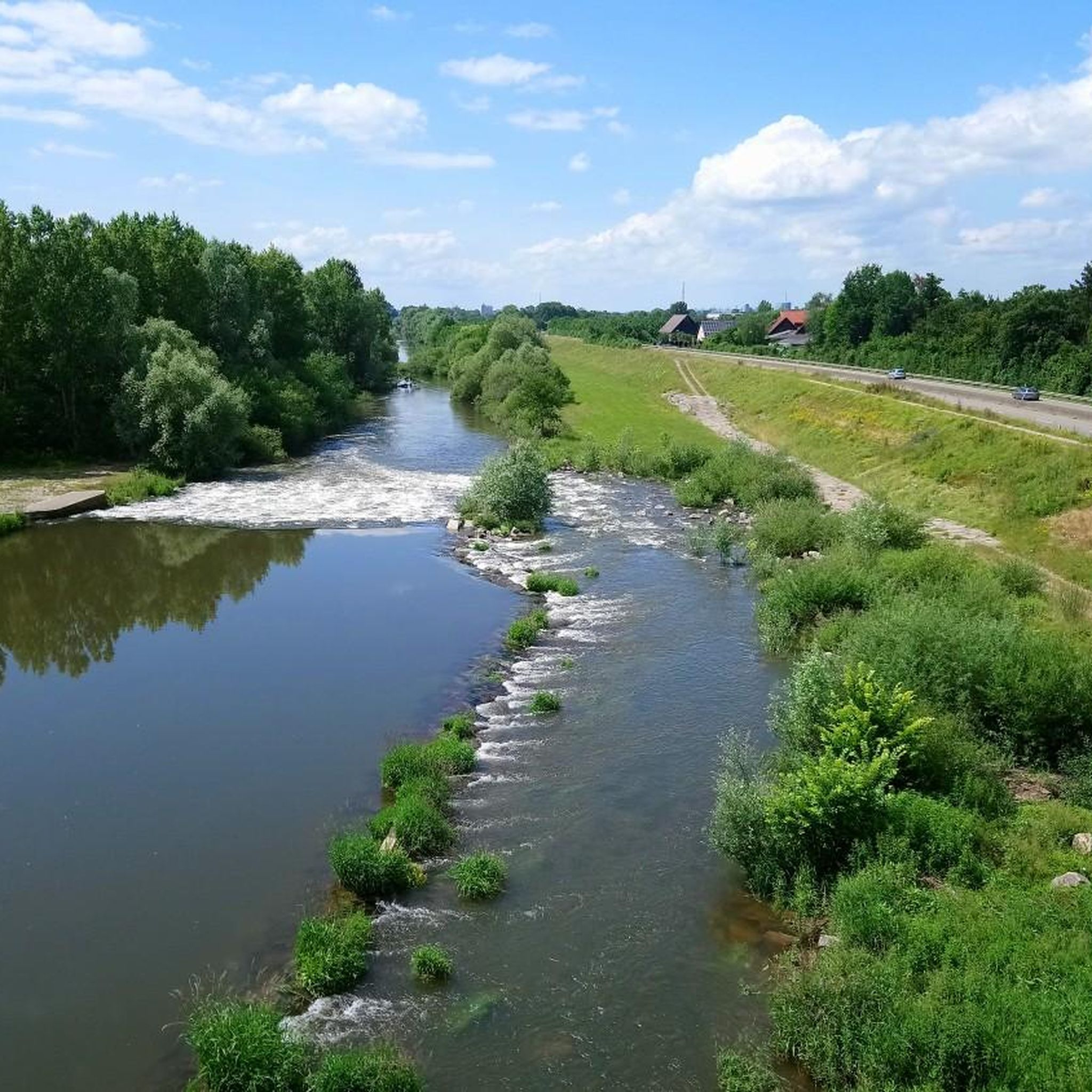
Confluence of the Kinzig and Rhine
Highlight • River
Translated by Google •
Tip by

London Plane Tree (Platanus x acerifolia), Grande Île, Strasbourg
Highlight • Natural Monument
Translated by Google •
Tip by

Start today with a free account
Your next adventure awaits.
Login or Signup
Tips from the Community

You have to experience it at least once!
0
0

Beautiful park 🤩 👌🏼
1
0

I wouldn't come specifically for the plane tree, but the area is still beautiful
0
0

After 93 km the Kinzig flows into the Rhine
0
0

Countless swans stay here .......
1
0

The tree has had a good time.
1
0

Plane tree planted ca 1667
1
0

Palais du Rhin / Rhine Palace, city tour The Palais du Rhin: Former imperial palace and manifesto of political power A special feature of Strasbourg is the former German imperial palace, which was built by the Hohenzollerns as a political manifesto for the permanent annexation of the state of Alsace-Lorraine to the German Empire. In the plan for the expansion of the city adopted in 1880, the former Imperial Square (now Place de la République) is dominated to the west by the eclectic architecture of the Imperial Palace, a masterpiece of measures in the middle of a garden with many trees. The palace commissioned by Wilhelm I of Hohenzollern is the work of the Prussian architect Hermann Eggert. It was built between 1884 and 1889 and inaugurated by his grandson Wilhelm II. It is more a testament to political power than an imperial residence; the three gentlemen of Hohenzollern only lived here occasionally. Text / Source: CITY AND EUROMETROPOLE STRASBOURG https://int.strasbourg.eu/de/place/-/entity/sig/985_CUL_136
13
0
Frequently Asked Questions
What types of natural monuments can I explore around Lampertheim?
Lampertheim offers a diverse range of natural monuments, from expansive nature reserves to unique geological formations and ancient trees. You can discover significant floodplain landscapes like the Lampertheimer Altrhein and Maulbeeraue, as well as specific features such as the Kalbsgiessen Waterfall, the Confluence of the Kinzig and Rhine, and the historic London Plane Tree.
Are there significant nature reserves near Lampertheim for nature lovers?
Yes, the region is home to the expansive Naturschutzgebiet Lampertheimer Altrhein, the third-largest nature reserve in Hesse, covering 530 hectares. It's a Natura 2000 area known for its diverse habitats, including reed beds and floodplain forests. Another important reserve is the Maulbeeraue, a charming Rhine island with rich meadows and a unique floodplain ecosystem.
What unique geological features can I find in the natural monuments around Lampertheim?
The Lampertheimer Wald, located east of the town, features fascinating 'eiszeitlichen Dünenbuckeln' (Ice Age dune hills). These geological formations are remnants of ice age flying sands, offering a distinct natural landscape compared to the riverine areas.
Can I observe wildlife in the natural monuments around Lampertheim?
The Naturschutzgebiet Lampertheimer Altrhein is an excellent spot for wildlife observation, especially birdwatching. It's a designated bird protection area where around 100 different bird species have been observed. It serves as an important breeding, resting, and overwintering ground for rare species like marsh harriers, bluethroats, great egrets, and grey herons.
Are there family-friendly natural monuments to visit in Lampertheim?
Many natural monuments around Lampertheim are suitable for families. The Kalbsgiessen Waterfall is a pleasant spot for a break, and the Confluence of the Kinzig and Rhine offers an interesting natural spectacle. The well-developed paths in the Lampertheimer Altrhein Nature Reserve and the Maulbeeraue are also great for family walks and bike rides.
What outdoor activities can I do near these natural monuments?
The natural monuments provide excellent opportunities for outdoor activities. You can enjoy hiking and cycling through the well-developed network of paths in the Lampertheimer Altrhein and Maulbeeraue. For more structured routes, consider exploring the various cycling routes, MTB trails, or road cycling routes available around Lampertheim.
What is the best time to visit the natural monuments around Lampertheim?
The natural monuments are beautiful year-round, but spring and summer are particularly rewarding for observing flora and fauna. In spring, the meadows of the Maulbeeraue burst with vibrant blossoms, and birdlife is very active in the Lampertheimer Altrhein. Autumn offers picturesque colors in the floodplain forests. Winter can provide a serene, quiet experience, especially for birdwatching.
Are there historical aspects to any of the natural monuments?
Yes, the Maulbeeraue has historical significance. Historical findings suggest a Celtic Rhine crossing around 500 BC, and the area was mentioned in documents as 'Mulberauwe' as early as 1427. While most original mulberry trees are gone, remnants can still be found around a historical fountain on the island.
What do visitors enjoy most about the natural monuments in Lampertheim?
Visitors frequently appreciate the peaceful recreation and natural beauty. For instance, the Kalbsgiessen Waterfall is praised as a 'nice resting place in the middle of nature' where you can 'take a break at a stream'. The merging of rivers at the Confluence of the Kinzig and Rhine is also a popular sight.
Are the natural monuments around Lampertheim suitable for dog walking?
Many of the natural areas, particularly the well-maintained paths within the Lampertheimer Altrhein Nature Reserve and the Maulbeeraue, are suitable for dog walking. It's always recommended to keep dogs on a leash, especially in nature reserves, to protect wildlife and ensure a pleasant experience for all visitors.
What kind of trees can be found in the natural monuments?
The natural monuments boast a variety of trees. The Lampertheimer Altrhein features ancient oak, elm, and silver willow trees within its floodplain forests. Additionally, the historic London Plane Tree, planted around 1667, is a significant botanical landmark.
How can I learn more about the protected species and habitats in the Lampertheimer Altrhein?
The Naturschutzgebiet Lampertheimer Altrhein has information boards available along its paths. These boards guide visitors and educate them about the protected species and diverse habitats found within this important Natura 2000 area and bird protection zone.
Most popular routes around Lampertheim
Most popular attractions around Lampertheim

Get inspired with the komoot mobile app


Explore more
Extend your search for the best caves by checking out these guides of the top ones around Lampertheim:
