Top 20 Natural Monuments around Puy-Saint-André
Best natural monuments around Puy-Saint-André include diverse landscapes in the Hautes-Alpes department of France. This region, nestled in the Southern French Alps, offers a variety of natural features. Visitors can explore protected areas and high-altitude terrain. The area is characterized by its mountain environment, providing opportunities for outdoor activities amidst preserved natural settings.
Best natural monuments around Puy-Saint-André
- The most popular natural monuments is Lac de l'Eychauda, a lake that is one of the largest in the Écrins massif.…
Last updated: July 2, 2026
Vauban Fortress
Highlight • Castle
Translated by Google •
Tip by

Lac de l'Eychauda
Highlight • Lake
Translated by Google •
Tip by

Sign up now to discover places like this
Get recommendations on the best single tracks, peaks, & plenty of other exciting outdoor places.
Sign up for free
Tête d'Oréac
Highlight • Viewpoint
Translated by Google •
Tip by

Plateau de Chambran
Highlight • Natural Monument
Translated by Google •
Tip by
Col des Ayes
Highlight • Mountain Pass
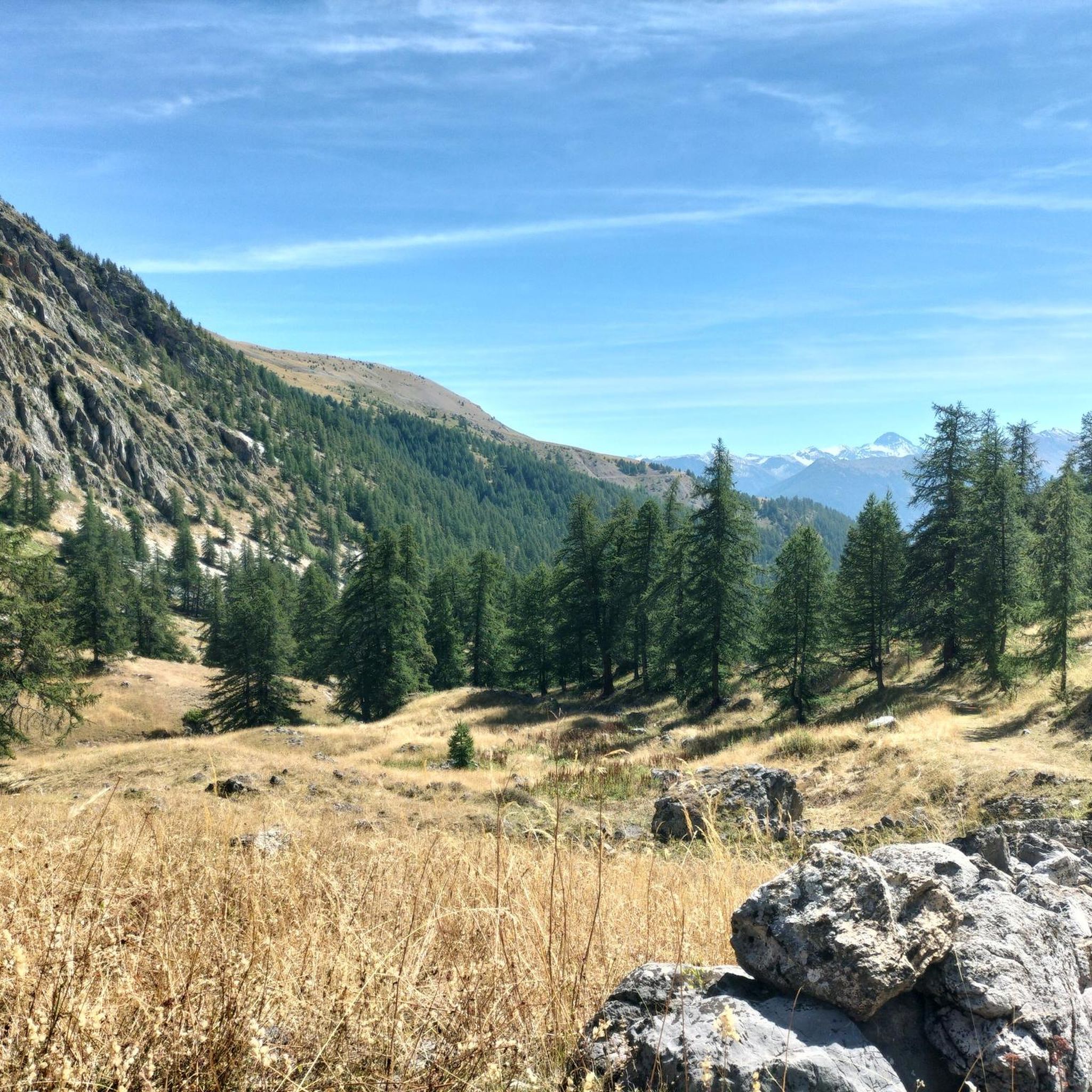
“At 2,477 meters above sea level, I reach the Col des Ayes which separates Briançon where I will go …
Translated by Google •
Tip by

Sign up for free to discover even more natural monuments around Puy-Saint-André.
Sign up for free
Already have an account?
Start today with a free account
Your next adventure awaits.
Login or Signup
Tips from the Community

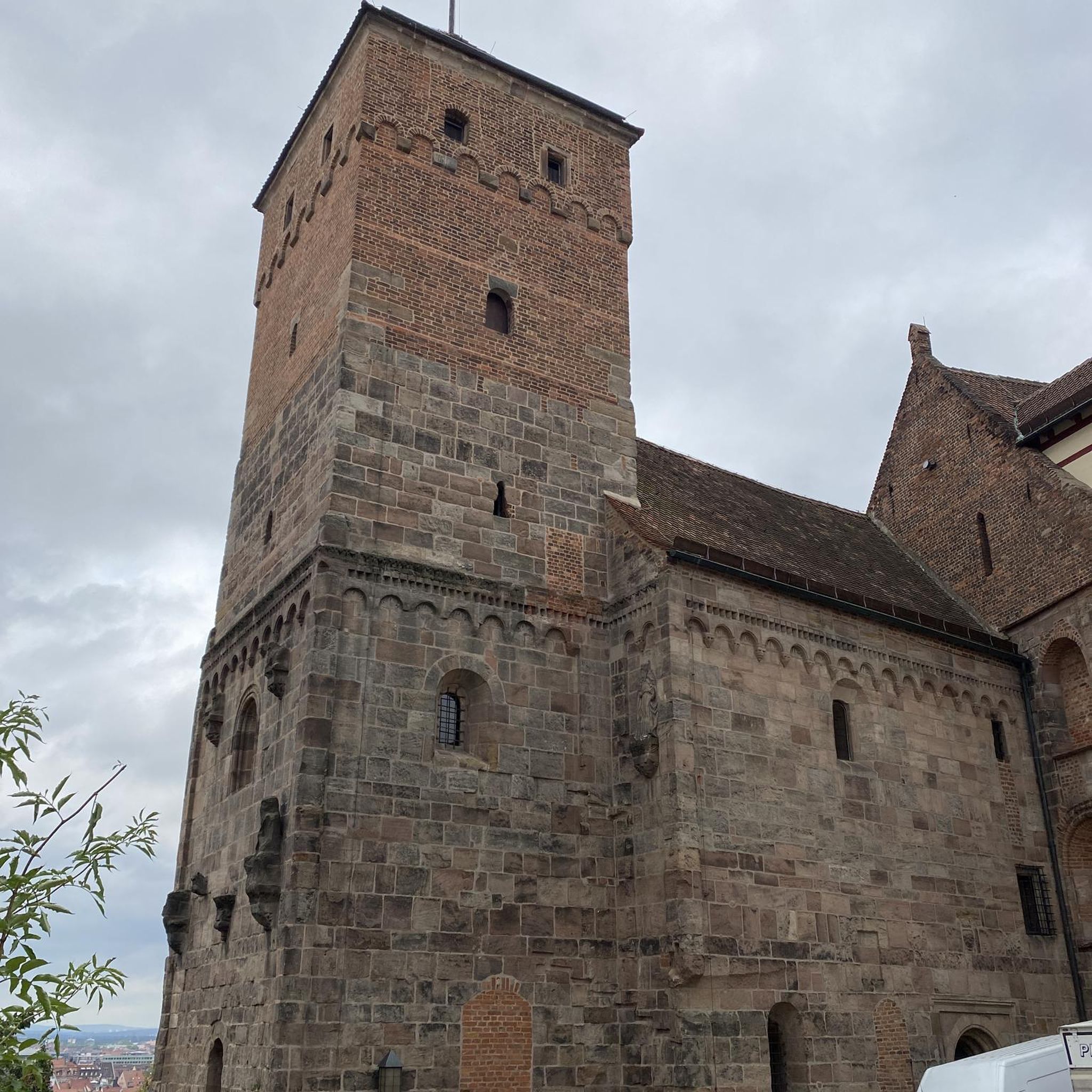
And the Vauban fortress. It is not a castle
0
0

Very beautiful old building.
0
0

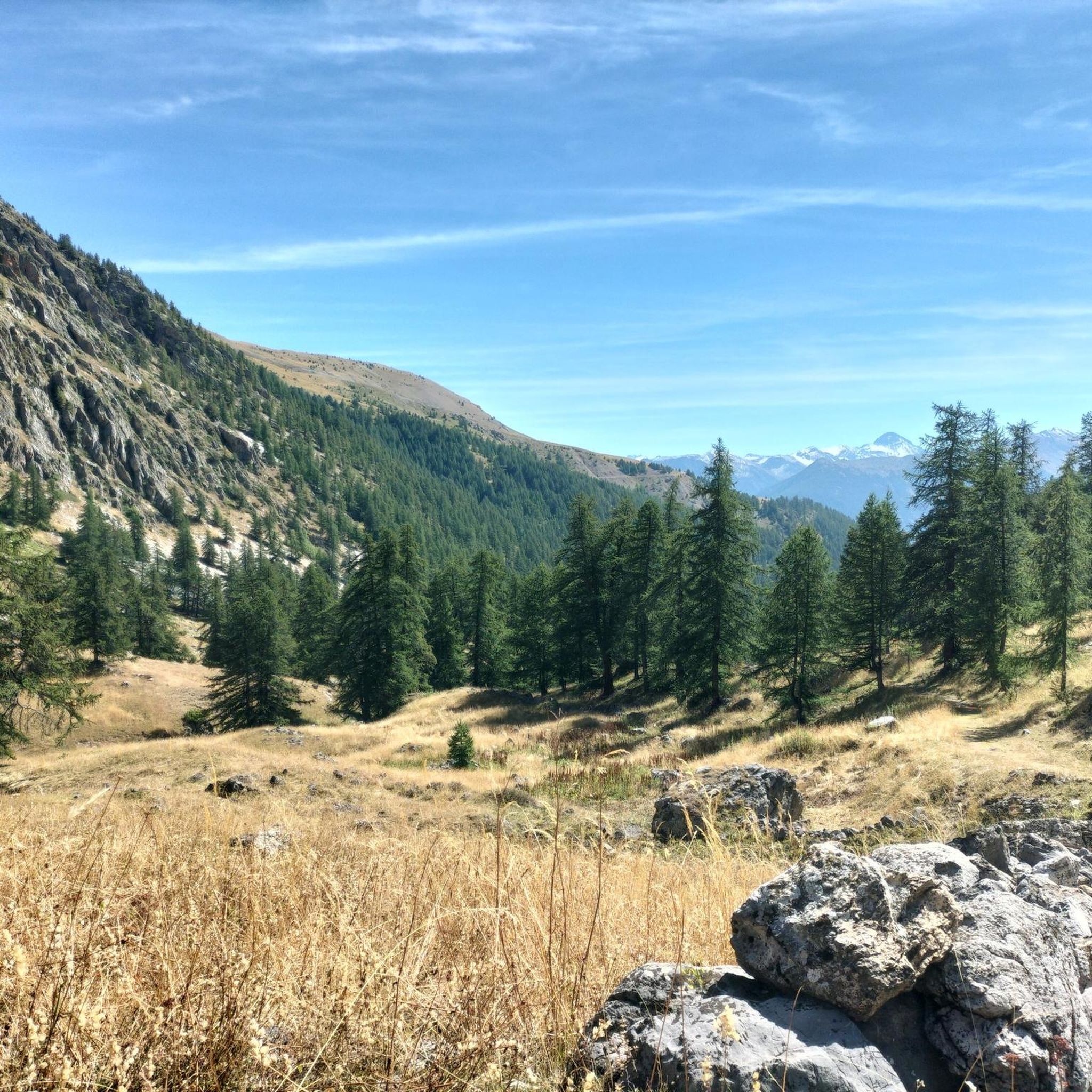
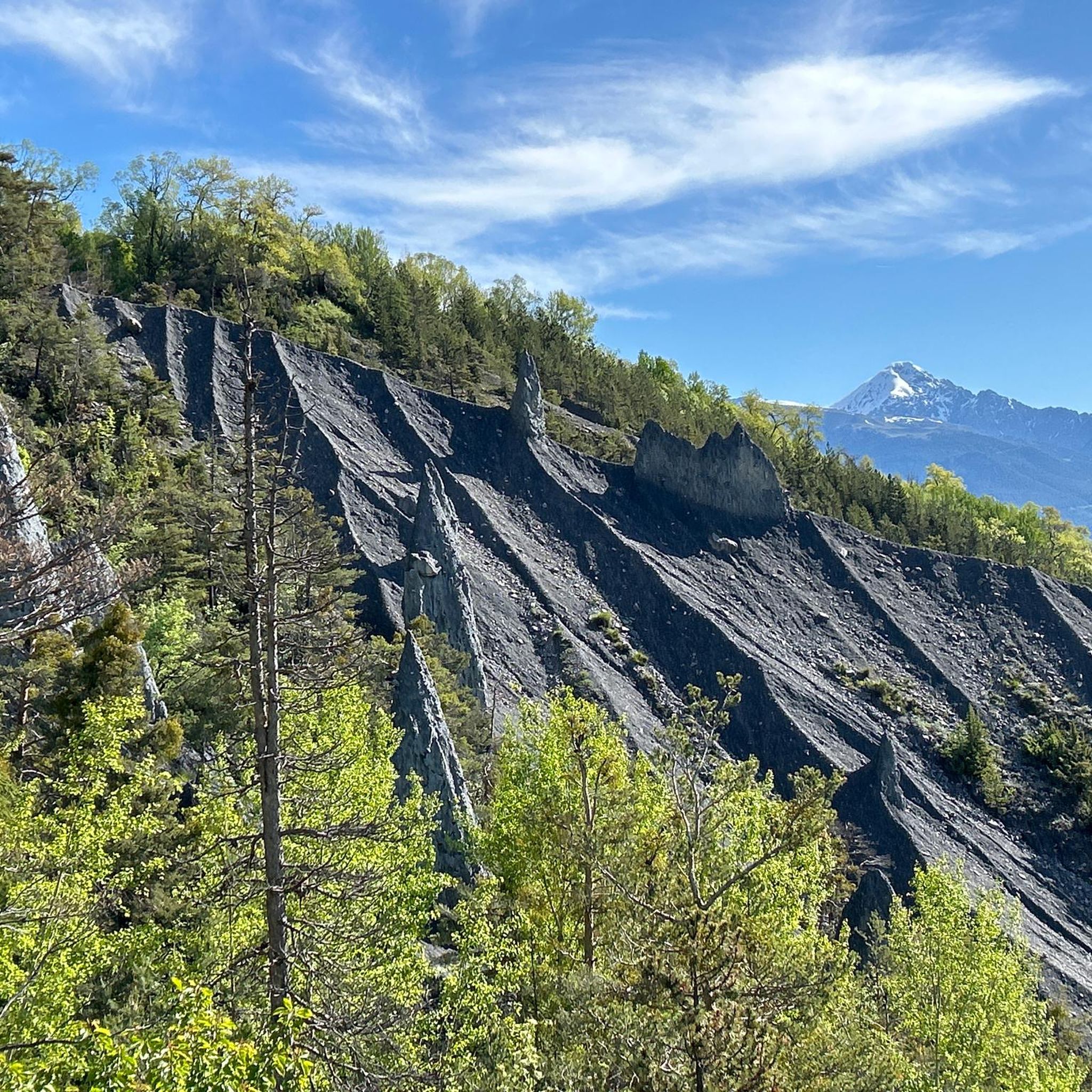
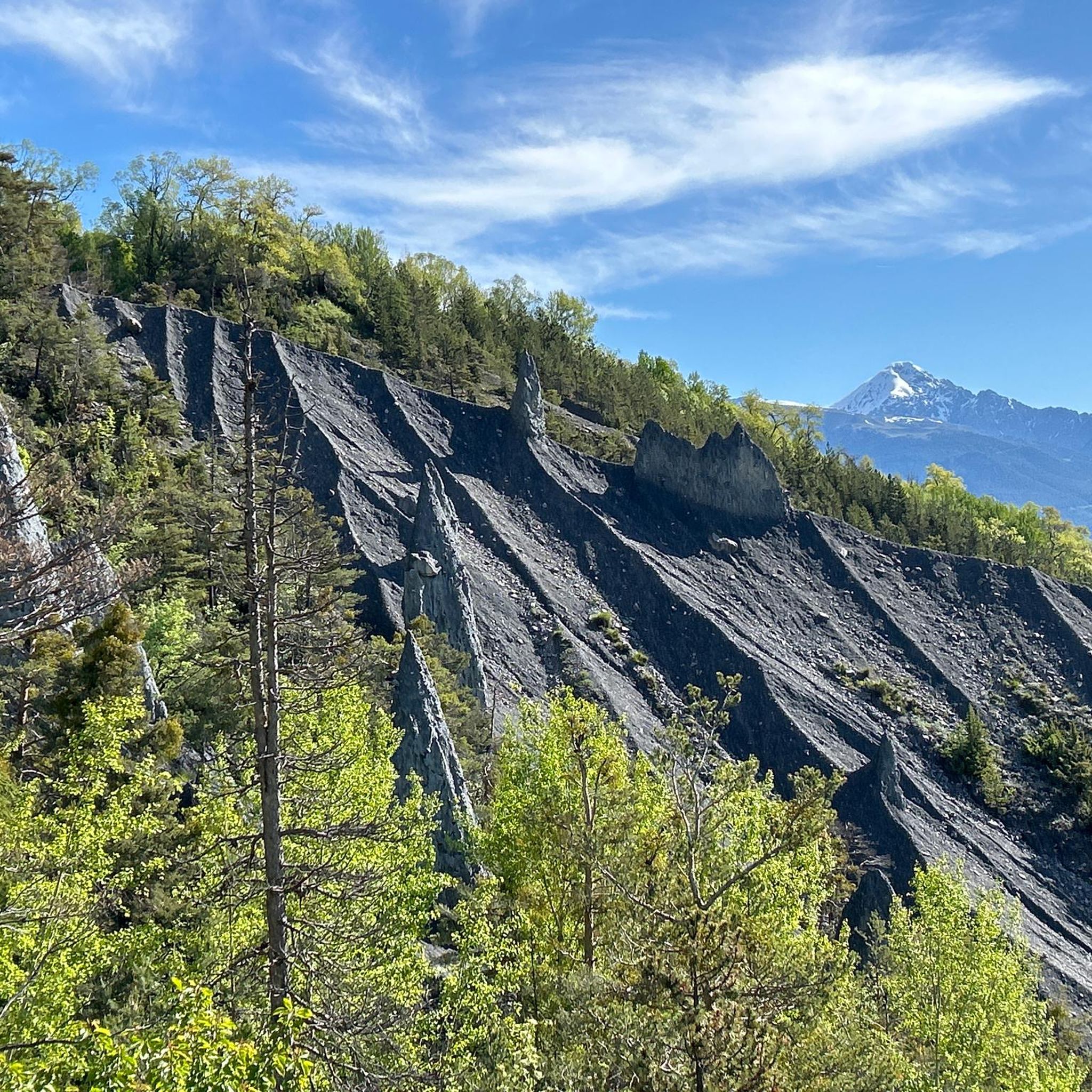
The Chambran plateau, known as Chambran, has the label of natural park and thus constitutes an area of ecological, fauna and flora interest. This status means it is strongly protected. The landscapes there are fantastic. If it is the starting point for many hikes to the peaks, it is also enough to be a superb hiking destination.
1
0
Lake Eychauda is a natural lake of glacial origin. It is one of the largest lakes in the Écrins massif. It is also located in the heart of the Écrins National Park and thus constitutes a refuge of choice for biodiversity. Its milky appearance, fed by meltwater from the Séguret Foran glacier, makes it easily identifiable.
2
2

The Château de Briançon, located in the Hautes-Alpes, is a remarkable historic site. Perched on a hill, it offers panoramic views of the Alpine region. This medieval castle, dating from the 13th century, bears witness to the architecture and life of the time. Its stone walls, towers and moats tell a fascinating story of the past.
0
0

The Fort de Chàteau is located on the left side coming from Montgenevre
0
1


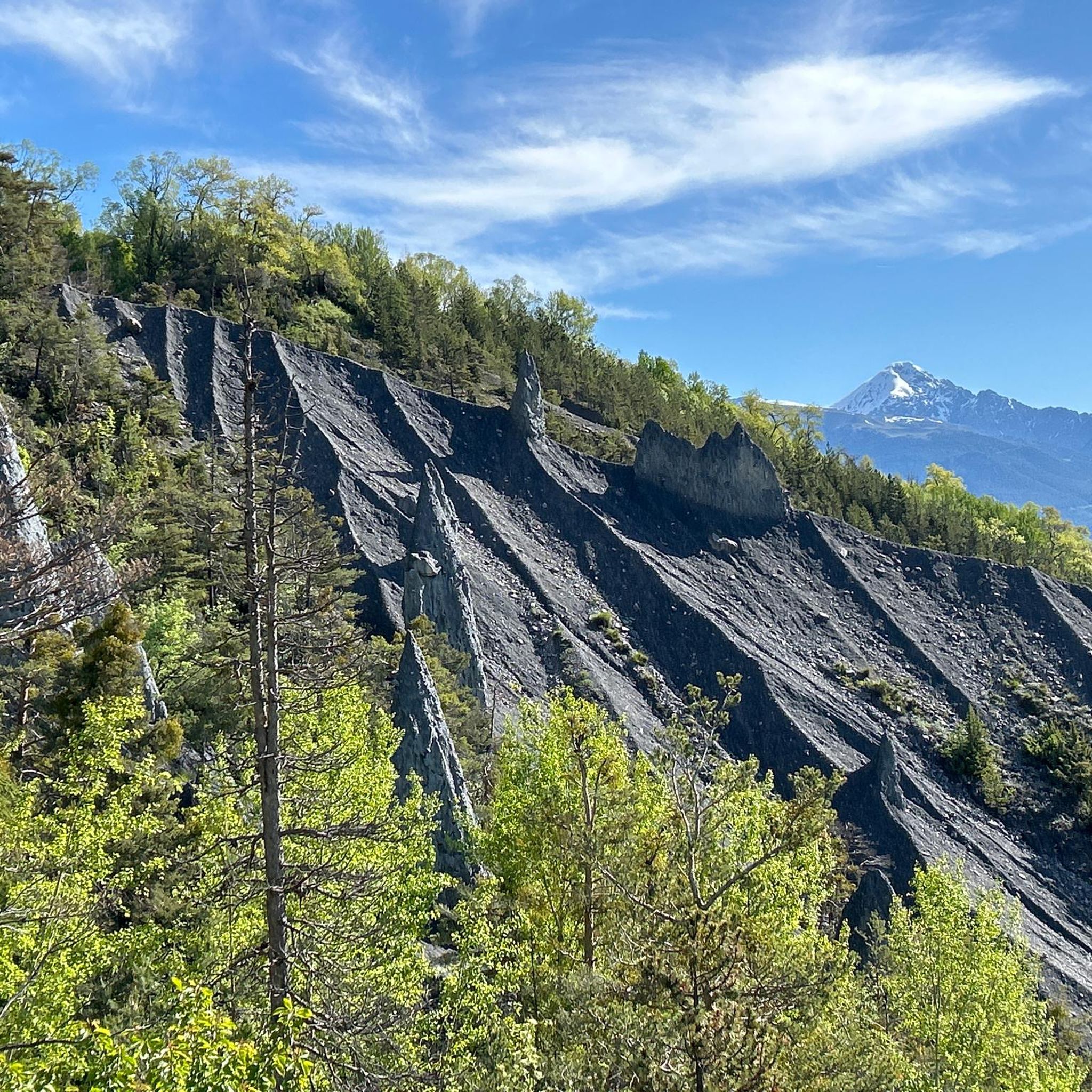
Small wild summit which offers a superb view of the Fournel valley and the Tête de Dormillouse massif. The access from the Col de la Pousterle is rather accessible at the start, then becomes more difficult towards the arrival at the summit, with an ascent on a small, somewhat steep and windy ridge.
0
0
Frequently Asked Questions
What unique natural features can I explore around Puy-Saint-André?
The region around Puy-Saint-André offers diverse natural features. You can discover glacial lakes like Lac de l'Eychauda, which is one of the largest in the Écrins massif. There are also high-altitude viewpoints such as Tête d'Oréac, offering panoramic views, and mountain passes like Col des Ayes.
Where can I experience significant biodiversity near Puy-Saint-André?
For a rich biodiversity experience, visit the Réserve Naturelle Régionale des Partias. This regional nature reserve, located in the Partias valley, spans various altitudes and boasts a diverse landscape including larch forests, fens, and alpine moorlands. It's home to 97 bird species and over 400 plant species, some of which are rare.
Are there family-friendly natural monuments around Puy-Saint-André?
Many natural monuments in the area can be enjoyed by families, depending on the activity level. The Réserve Naturelle des Partias offers well-marked hiking trails suitable for exploring its environment. For a more relaxed experience, the Plateau de Chambran is a beautiful area with stunning landscapes, and it can be a starting point for various walks.
What outdoor activities can I do near these natural monuments?
The area around Puy-Saint-André is ideal for various outdoor activities. You can find numerous hiking trails, such as the 'Puy Chalvin – Trancoulette Pass loop' or the 'Trancoulette Pass – Lake des Partias loop'. Cycling is also popular, with routes like the 'Le Villaret loop from Puy-Saint-André'. For more options, explore the hiking guide or the cycling guide for Puy-Saint-André.
What is the best time of year to visit the natural monuments around Puy-Saint-André?
The best time to visit largely depends on the activities you plan. Summer (June to September) is ideal for hiking and exploring high-altitude areas like the Écrins National Park and Lac de l'Eychauda, as trails are generally clear of snow. Spring and autumn offer beautiful scenery with fewer crowds, though some higher passes might still have snow in spring or see early snow in late autumn. Winter provides opportunities for snowshoeing or winter hiking in accessible areas.
Are there any historical sites alongside the natural monuments?
Yes, while focusing on natural monuments, the region also features historical sites. For example, Briançon Castle, a historic fortification built by Vauban, overlooks the town and has been modified over centuries. It offers a glimpse into the area's past and is partially accessible to visitors.
Can I bring my dog to the natural monuments?
Rules regarding dogs can vary, especially in protected areas like the Écrins National Park or the Réserve Naturelle Régionale des Partias. Generally, dogs are often permitted on leash on designated trails, but may be restricted in core zones to protect wildlife. It's advisable to check specific regulations for each natural monument or protected area you plan to visit.
Where can I find easy natural monument trails around Puy-Saint-André?
For easier trails, consider exploring the lower-altitude sections of the Réserve Naturelle des Partias, which has well-marked paths. The Plateau de Chambran also offers a beautiful setting for less strenuous walks, with a refuge where you can take a break. Always check trail descriptions for difficulty ratings before heading out.
What do visitors particularly enjoy about the natural monuments in this region?
Visitors frequently praise the breathtaking alpine scenery and the sense of untouched mountain wilderness. The milky appearance of Lac de l'Eychauda is often highlighted as a beautiful sight, and the panoramic views from spots like Tête d'Oréac are highly appreciated for their 360-degree vistas.
How long should I plan for a visit to these natural monuments?
The duration of your visit depends on the specific monument and your planned activity. A short visit to a viewpoint like Tête d'Oréac might take a few hours, including the hike. Exploring a larger area like the Réserve Naturelle des Partias or hiking to Lac de l'Eychauda could be a full-day excursion. Many visitors spend several days in the region to experience multiple sites and activities.
Is public transport available to reach natural monuments near Puy-Saint-André?
While Puy-Saint-André is nestled in a mountainous region, public transport options to directly access all natural monuments can be limited. Services might connect to larger towns or trailheads, but many natural sites require personal transport or a significant hike to reach. It's best to check local bus schedules or consider carpooling for more remote locations.
Most popular routes around Puy-Saint-André
Most popular attractions around Puy-Saint-André

Get inspired with the komoot mobile app


Explore more
Extend your search for the best caves by checking out these guides of the top ones around Puy-Saint-André:
