Top 7 Natural Monuments around Giverny
Natural monuments around Giverny are characterized by a blend of cultivated landscapes and geological formations. The village is known for its association with Claude Monet, whose meticulously designed gardens are considered significant natural attractions. These sites offer insights into the region's natural beauty and its influence on art. The area features diverse natural elements, including river valleys, limestone cliffs, and curated botanical spaces.
Best natural monuments around Giverny
- The most popular natural monument is Claude Monet Gardens and Foundation, a natural monument that includes the famous Water Lily Garden. It is a living work of art that served as Monet's open-air studio, offering dynamic perspectives and ever-changing blooms.
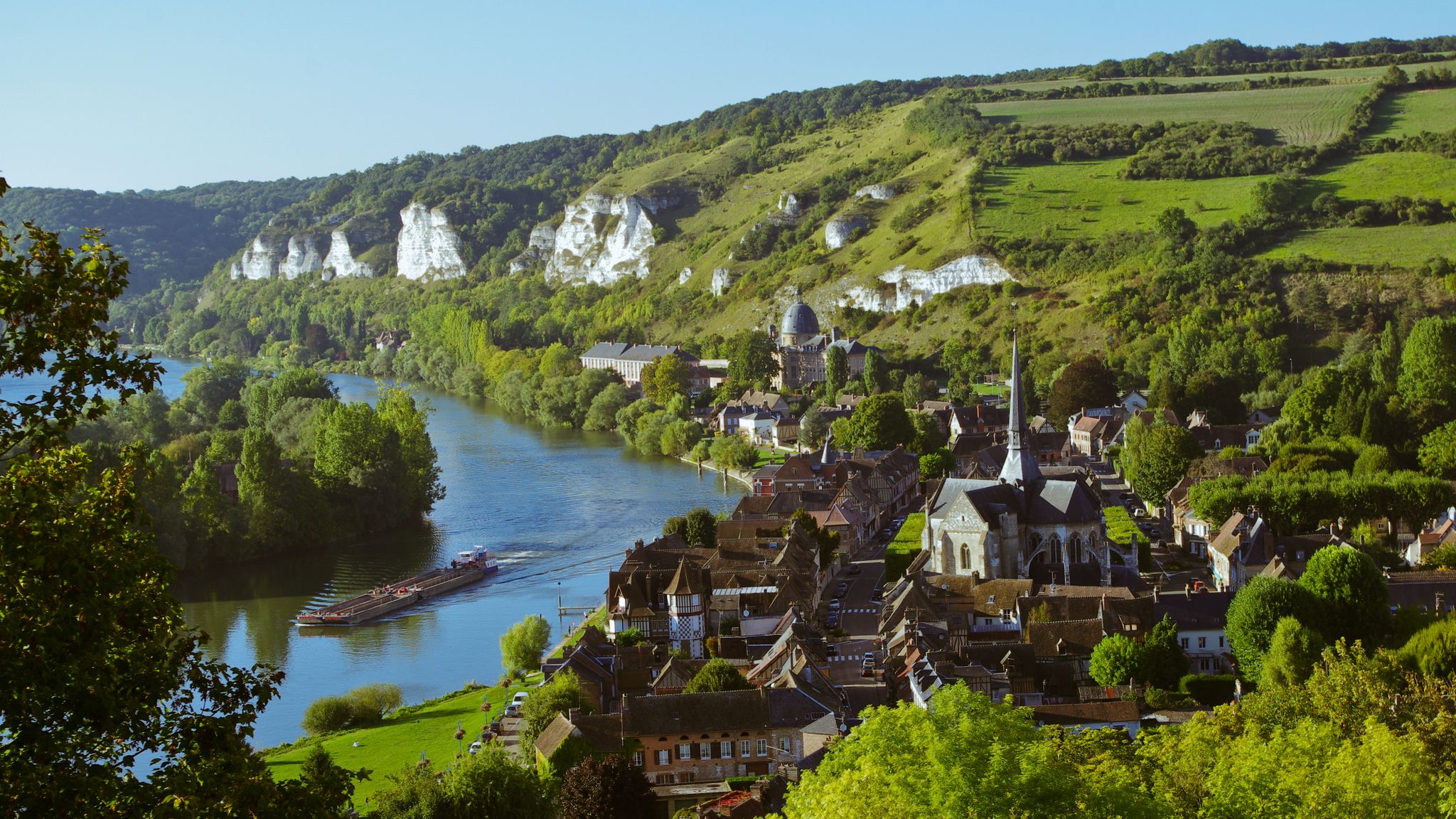
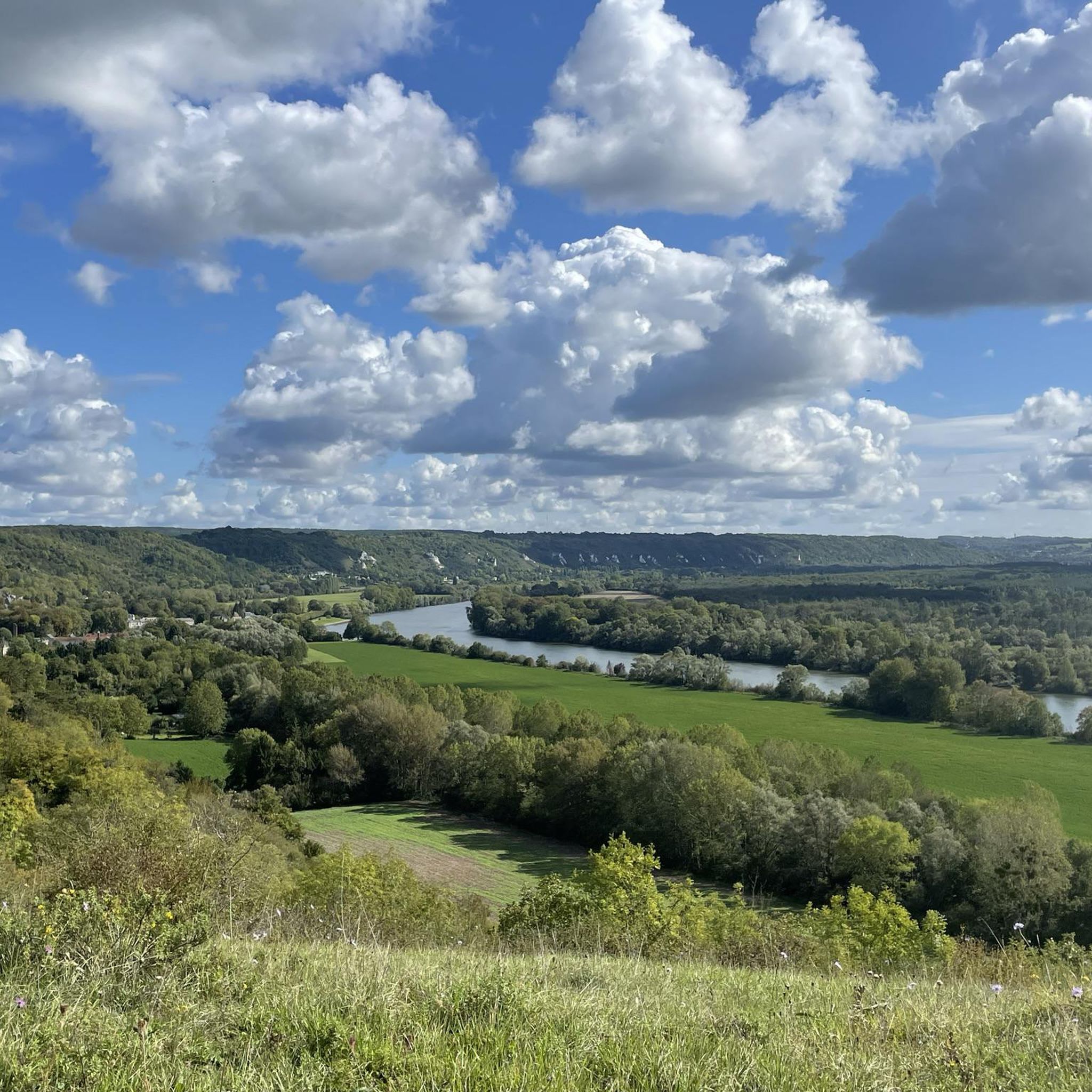
- Another must-see spot is Cliffs of La Roche-Guyon, a natural monument featuring limestone cliffs. Here, visitors can enjoy views of the cliffs and the hillsides of the Seine, representing a geological feature in Île-de-France.
- Visitors also love Monet's Water Garden, a lake and natural monument. This Japanese-inspired garden, with its iconic lily pond and Japanese bridge, directly manifests Monet's artistic vision and offers a serene atmosphere.
- Giverny is known for its cultivated gardens, river valleys, and limestone cliffs. The region offers a variety of natural monuments to see and explore, from artistic landscapes to geological formations.
- The natural monuments around Giverny are appreciated by the komoot community, with more than 300 upvotes and over 140 photos shared by visitors.
Last updated: October 5, 2026
Claude Monet Gardens and Foundation
Highlight • Natural Monument
Translated by Google •
Tip by

Cliffs of La Roche-Guyon
Highlight • Natural Monument
Translated by Google •
Tip by

Sign up now to discover places like this
Get recommendations on the best single tracks, peaks, & plenty of other exciting outdoor places.
Coteaux de la Seine
Highlight • Natural Monument
Translated by Google •
Tip by
Monet's Water Garden
Highlight • Structure
Tip by

Troglodyte Church of Haute-Isle
Highlight • Religious Site
Translated by Google •
Tip by

Sign up for free to discover even more natural monuments around Giverny.
Already have an account?
Start today with a free account
Your next adventure awaits.



Tips from the Community

Here we enter a work of art created for us by the great impressionist Claude Monet.
1
0

Very well-maintained facility, easy to reach with the hordes of tour buses
1
0

We can only recommend this
0
0

Avoid weekends during peak season if you want to visit...
1
0


This Harten, which is the size of a small park, is a total work of art. I am not judging it from a botanical perspective, but as someone who paints under the influence of impressionism. Incidentally, his Japanese bridge can be admired as a painting in the Metropolitan Museum of Art, (“Met”), in New York. I have already looked at several important museums in the world (the Museum of Modern Art in NYC was disappointing), and can therefore say that the Met is a museum of superlatives, without going into too much detail. Monet is represented here with around 15 works.
3
0

In 1893, ten years after his arrival in Giverny, Monet bought the plot of land adjacent to his property, on the other side of the railway and road. It was crossed by a small stream, the Ru, a branch of the Epte. With the support of the prefecture, Monet had the first small pond dug, despite opposition from his peasant neighbors, who feared that his strange plants would poison the water. Later, the pond was enlarged to its current size. The water garden is asymmetrical and curved. Monet was inspired by Japanese gardens, which he knew from prints. The painter was a passionate collector of Japanese woodcuts.
2
0
Frequently Asked Questions
What types of natural monuments can I explore around Giverny?
Giverny offers a unique blend of natural monuments, from meticulously cultivated gardens to geological formations. You can experience the artistic landscapes of Claude Monet Gardens and Foundation, including the famous Water Lily Garden, as well as the striking limestone Cliffs of La Roche-Guyon. The region also features river valleys and curated botanical spaces.
Are there any family-friendly natural sites in Giverny?
Yes, several natural monuments around Giverny are suitable for families. Both Claude Monet Gardens and Foundation and Monet's Water Garden are considered family-friendly, offering beautiful and inspiring environments for all ages. The Cliffs of La Roche-Guyon also provide a family-friendly viewpoint with scenic vistas.
What is the best time of year to visit the natural monuments in Giverny?
The natural monuments, especially Monet's Gardens, are best visited from spring through autumn. This period offers the most vibrant display of blooms and foliage. To enjoy the gardens and the Claude Monet Foundation in peace, it's advisable to arrive early in the morning, especially during peak season, as the area can be quite touristy.
What outdoor activities can I do near the natural monuments in Giverny?
The Giverny area offers various outdoor activities. You can find numerous routes for gravel biking, mountain biking, and road cycling. For example, there are gravel biking routes like the 'La Roche-Guyon Castle – Giverny loop' and MTB trails such as the 'Old Mill of Vernon – Beautiful path loop'. You can explore more options on the Gravel biking around Giverny, MTB Trails around Giverny, and Road Cycling Routes around Giverny guide pages.
Are there any geological sites or unique natural features to see?
Yes, beyond the cultivated gardens, the region boasts significant geological features. The Cliffs of La Roche-Guyon are a prominent example, showcasing impressive limestone cliffs and offering views of the Seine's hillsides. Another interesting site is the Troglodyte Church of Haute-Isle, a small cave church carved into the rock face.
Can I find good viewpoints of the natural landscape around Giverny?
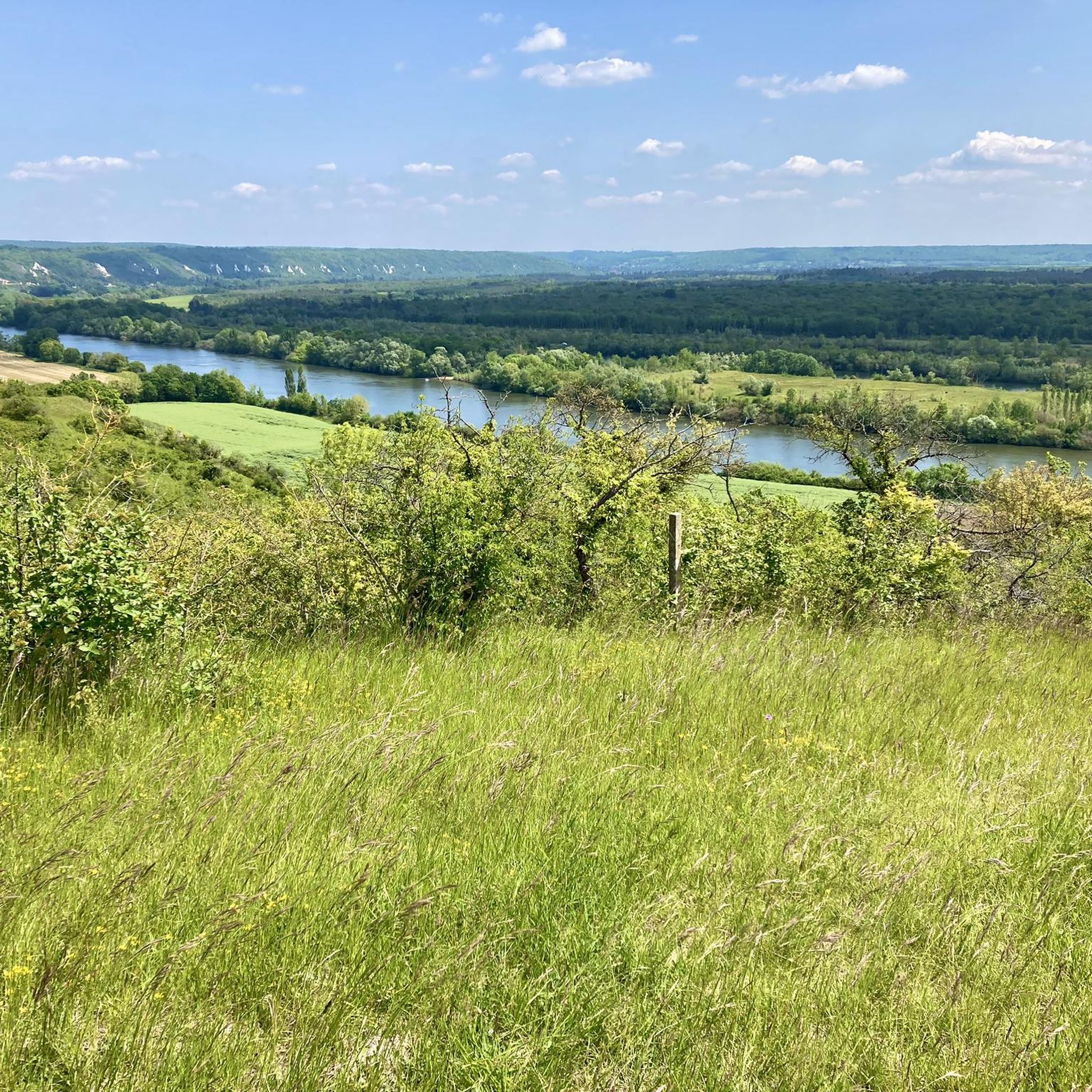
Absolutely. The Cliffs of La Roche-Guyon offer breathtaking views of the limestone cliffs and the Seine valley. Additionally, the View of the Seine Valley from the Côteaux de la Seine Nature Reserve provides another unmissable panorama of the river and surrounding natural beauty.
What makes Monet's Water Garden a significant natural monument?
Monet's Water Garden is significant because it was literally shaped by Claude Monet to become the subject of his famous Impressionist paintings, particularly his water lily series. This Japanese-inspired garden, with its iconic lily pond, Japanese bridge, and weeping willows, offers a serene atmosphere and allows visitors to step directly into the artist's vision, experiencing the interplay of light, color, and reflections that inspired him.
Are there any restrictions or permits needed for hiking or visiting natural sites?
While general permits for visiting most natural sites are not typically required, it's important to be aware of specific restrictions. For instance, to protect endangered wildlife, access to the chalk peaks in the commune of Haute-Isle (near the View of the Seine Valley from the Côteaux de la Seine Nature Reserve) is prohibited annually from March 1 to June 30. Always check local signage for current regulations.
What do visitors enjoy most about the natural monuments in Giverny?
Visitors frequently praise the beauty and meticulous maintenance of Monet's Gardens, noting how they perfectly resemble the artist's paintings. The serene atmosphere of the Water Garden and the dynamic perspectives of the Flower Garden are often highlighted. The stunning views from the Cliffs of La Roche-Guyon are also highly appreciated for their natural beauty and geological interest.
Are there any natural parks or forests near Giverny for further exploration?
While Giverny itself is famous for its cultivated gardens, the surrounding region offers natural areas for exploration. The nearby Parc Naturel Régional du Vexin Français provides extensive opportunities for hiking and enjoying diverse landscapes. You can also find forests, such as the Foret de Bizy, which offer trails for walking and experiencing the natural environment.
How can I get to the natural monuments around Giverny using public transport?
Giverny is accessible by public transport, though direct access to all natural sites might require some planning. You can typically take a train to Vernon-Giverny station, and from there, shuttle buses or taxis are available to reach Monet's House and Gardens. For other natural monuments further afield, local bus services or a combination with cycling might be necessary. It's recommended to check local transport schedules in advance.
Are there options for riverside walks along the Seine near Giverny?
Yes, the region offers pleasant riverside walks along the Seine. The road along the Seine between Bonnières and La Roche-Guyon is particularly scenic, allowing you to admire the beautiful limestone cliffs and the river itself. These walks provide a different perspective on the natural landscape of the area.
Where can I find cafes or accommodation near the natural monuments?
Giverny village itself has several cafes, restaurants, and accommodation options, especially around Monet's House and Gardens. For natural monuments slightly further out, like the Cliffs of La Roche-Guyon, you'll find amenities in the nearby villages such as La Roche-Guyon. It's always a good idea to check availability and opening hours, particularly outside of peak tourist season.
Most popular routes around Giverny
Most popular attractions around Giverny

Get inspired with the komoot mobile app


Explore more
Extend your search for the best caves by checking out these guides of the top ones around Giverny:
