Top 20 Natural Monuments around Le Noyer
Best natural monuments around Le Noyer are found in a diverse landscape, characterized by mountainous terrain, deep gorges, and unique geological formations. This region offers a variety of natural features, from high-altitude passes and summits to waterfalls and ancient peat bogs. Visitors can explore a mid-mountain environment with cliffs, forests, and meadows. The area provides opportunities to experience different natural settings, from challenging ascents to tranquil nature walks.
Best natural monuments around Le Noyer
- The most popular natural monuments is…
Last updated: July 2, 2026
Nivolet Cross
Highlight • Summit
The view - everyone agrees - is phenomenal!
Translated by Google •
Tip by

Col du Frêne (950 m)
Highlight • Mountain Pass
Translated by Google •
Tip by

Sign up now to discover places like this
Get recommendations on the best single tracks, peaks, & plenty of other exciting outdoor places.
Sign up for free
Cascade de la Doriaz
Highlight • Waterfall
Translated by Google •
Tip by
Mont Colombier
Highlight • Summit
Translated by Google •
Tip by
Trail of sinkholes and ice caves
Highlight (Segment) • Trail
Translated by Google •
Tip by
Sign up for free to discover even more natural monuments around Le Noyer.
Sign up for free
Already have an account?
Start today with a free account
Your next adventure awaits.
Login or Signup
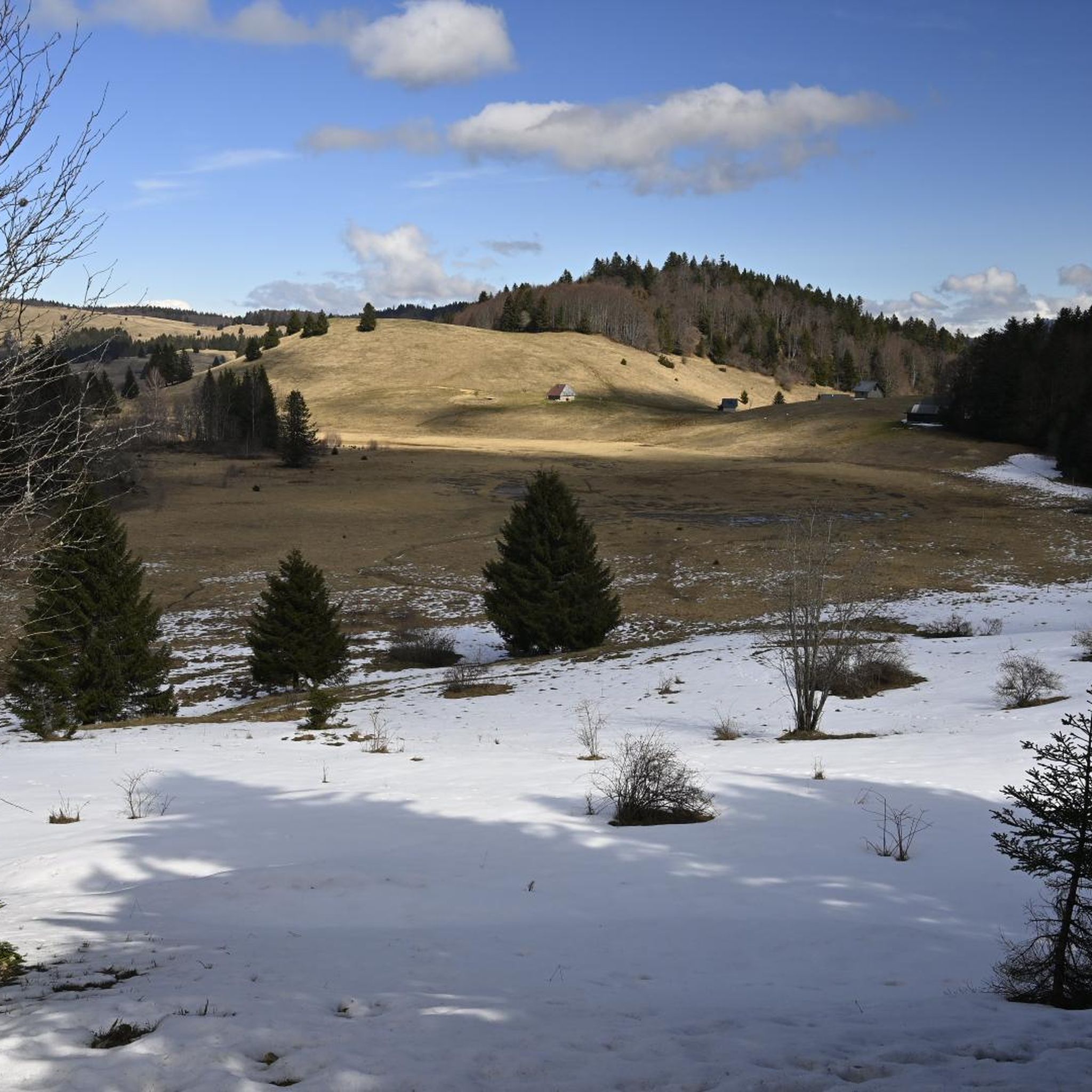
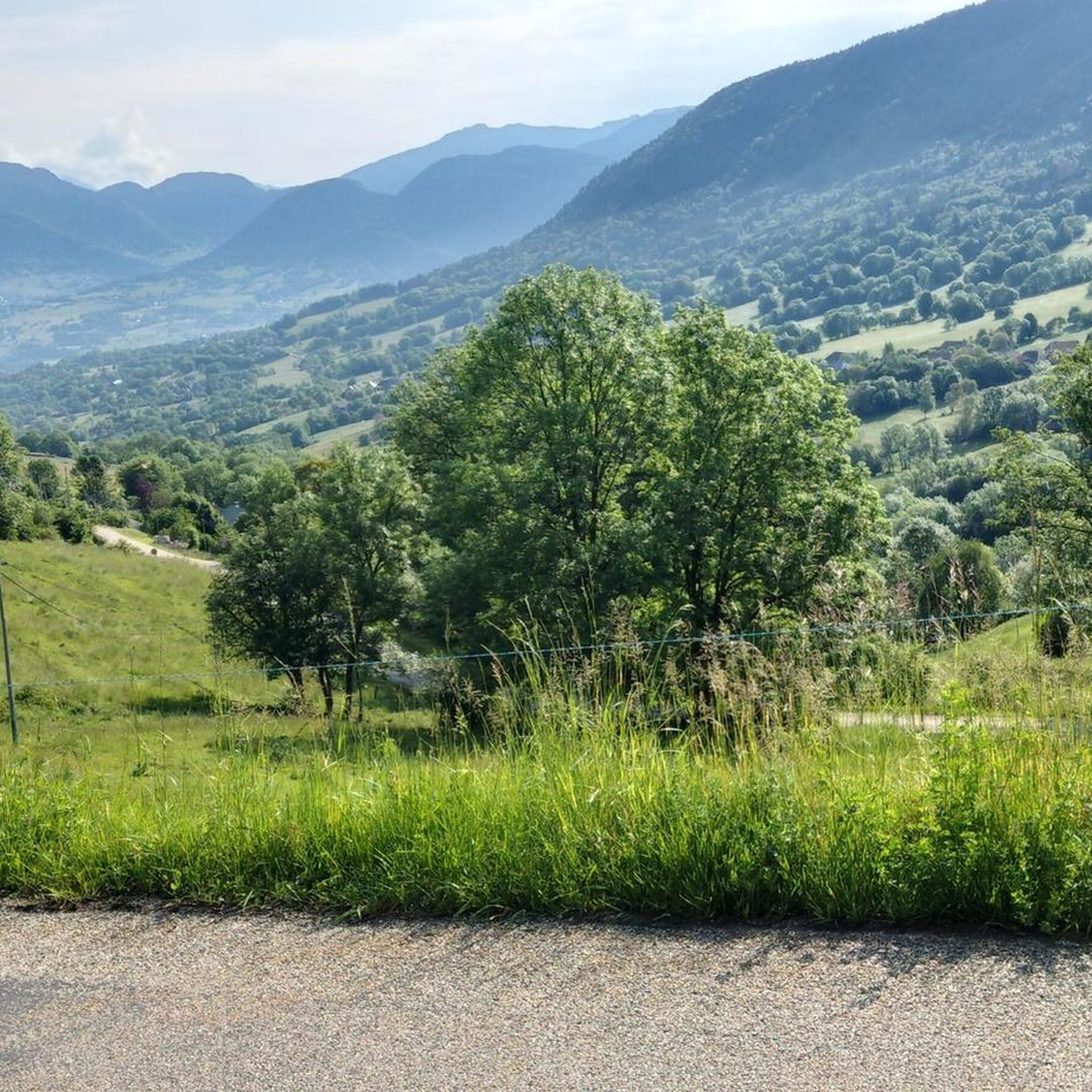

Tips from the Community

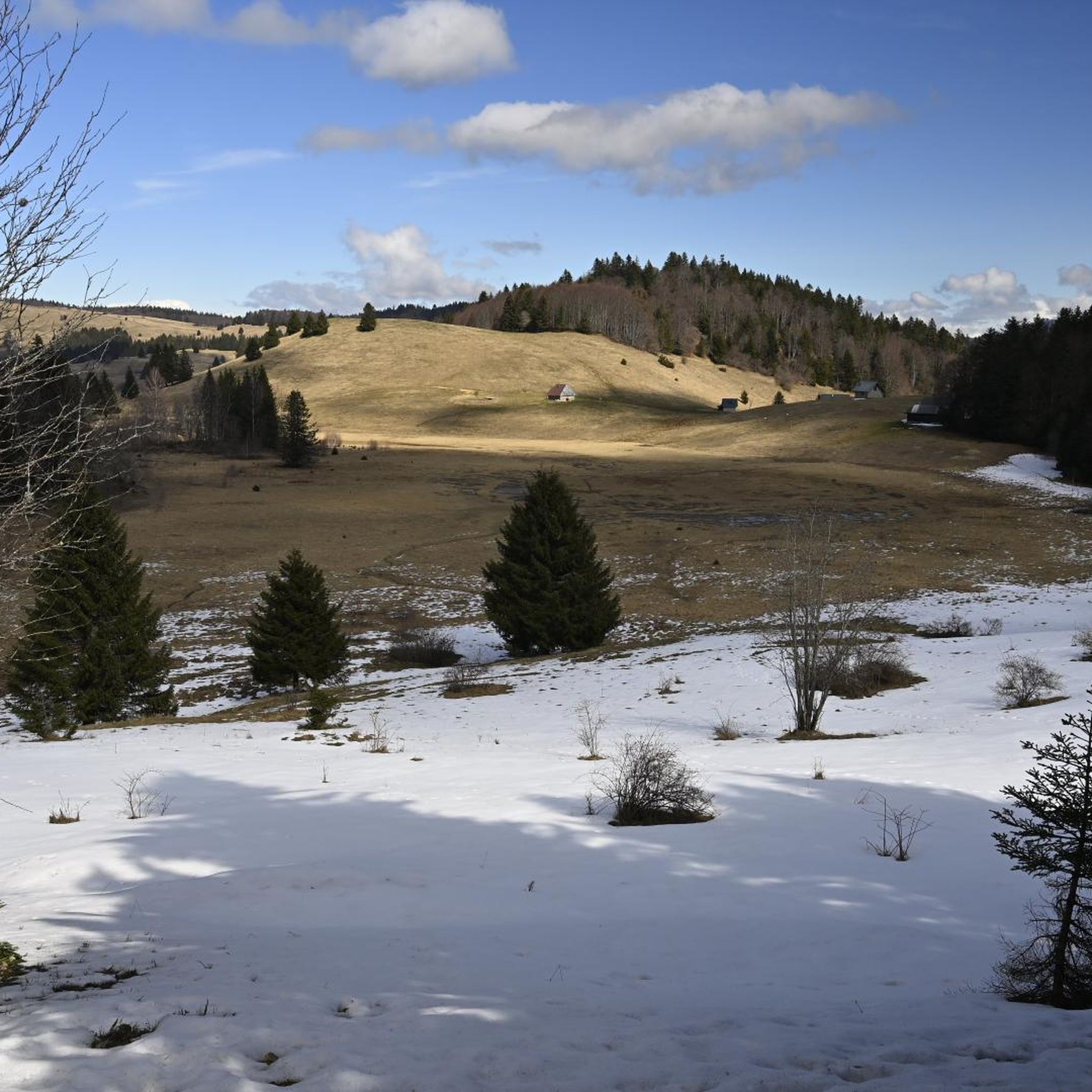
Magnificent view of Chambéry and Lake Bourget A lovely picnic area
0
0

Don't forget that even if it's in the mid-mountains, you need to be equipped for the weather, good shoes, and good physical condition.
0
0

Quiet little road to begin the ascent of the Col du Frêne. Very beautiful view.
0
0

Beautiful pass. The climb is a bit gentler from the north. The descent to the south offers beautiful views of the Isère Valley.
0
0

Col du Frêne from Saint Pierre d'Albigny is a climb in the Annecy region. It is 7.7 kilometres long and has a vertical ascent of 554 metres with an average gradient of 7.2%, implying a difficulty level of 483. The summit of the climb is located at 960 metres
0
0

The climb is very pretty and pleasant until the Col
1
0

The Col du Frêne culminates at an altitude of 950 meters. This mid-mountain pass allows you to enjoy views of both the Combe de Savoie and the impressive Dent d’Arclusaz.
1
0
The Col du Frêne from Saint Pierre d'Albigny is a climb located in the Annecy region. This climb has a length of 7.7 kilometers, with a gradient of 554 meters. The Col du Frêne in Saint Pierre d'Albigny has an average slope of 7.2%. With this gradient, the climb has 483 difficulty points. The highest point is 960 meters above sea level.
1
0
Frequently Asked Questions
What are some of the most impressive natural features to explore around Le Noyer?
The region around Le Noyer offers a diverse range of natural features. You can discover spectacular canyons like the Gorges de l'Infernet, impressive waterfalls such as Cascade de la Doriaz, and unique geological sites like the Trail of sinkholes and ice caves. The Gillardes Spring is also a notable resurgence where the Souloise River emerges from rock.
Are there natural monuments suitable for families around Le Noyer?
Yes, several natural monuments are family-friendly. The Gillardes Spring is easily accessible, even for young children, and a great spot for picnics. Additionally, the Nivolet Cross and Mont Colombier are noted as accessible for families, offering rewarding views after a hike.
What kind of views can I expect from the natural monuments in the area?
The natural monuments around Le Noyer offer breathtaking panoramic views. From the Nivolet Cross, you get extensive views of the Chambéry region. Mont Colombier provides incredible vistas of the Belledonne chain, the Bauges, Mont Blanc, and three regional lakes (Bourget, Léman, and Annecy). The Col du Noyer and Col du Frêne also offer magnificent views of the surrounding mountainous landscapes.
What outdoor activities can I do near these natural monuments?
The region is excellent for various outdoor activities. You can find numerous hiking trails, from easy to challenging, leading to summits and waterfalls. Cycling is popular, especially over mountain passes like the Col du Noyer. For more specific routes, you can explore options for hiking, cycling, and gravel biking around Le Noyer.
Are there any unique geological sites to visit?
Yes, the area boasts unique geological formations. The Trail of sinkholes and ice caves near Margériaz allows you to explore limestone chasms, some deep enough to form ice. The Tourbière des Creusates, a peat bog born from a lake 14,000 years ago, is another exceptional natural site within the Parc Naturel Régional du Massif des Bauges.
What is the best time to visit the natural monuments around Le Noyer?
The best time to visit largely depends on the activity. For hiking and cycling, late spring to early autumn (May to October) generally offers the most favorable weather conditions. During these months, mountain passes are typically clear of snow, and trails are accessible. Summer provides lush landscapes, while autumn brings vibrant colors.
Can I find challenging hiking trails among the natural monuments?
Absolutely. For those seeking a challenge, the ascent to Mont Colombier (2,043 meters) is a rewarding option. The Pic de Gleize and Vieux Chaillol also offer significant challenges for mountaineering enthusiasts. The path to the source of Cascade de la Doriaz is steep and requires caution due to slippery surfaces.
What kind of wildlife might I encounter?
The natural environments around Le Noyer are home to diverse wildlife. In areas like the Gorges de l'Infernet, you might spot peregrine falcons and wild goats. The Écrins National Park, though not directly in Le Noyer, is nearby and known for its rich biodiversity, including chamois, ibex, and various bird species.
Are there any natural monuments that are particularly good for photography?
Many sites offer stunning photographic opportunities. The panoramic views from the Col du Noyer, Nivolet Cross, and Mont Colombier are ideal for landscape photography. The dramatic cliffs and lush vegetation of the Gorges de l'Infernet, and the impressive Cascade de la Doriaz, also provide excellent subjects.
What do visitors enjoy most about the natural monuments in this region?
Visitors frequently praise the phenomenal and incredible views from summits like the Nivolet Cross and Mont Colombier. The diverse and varied paths, such as the Trail of sinkholes and ice caves, are also highly appreciated for their unique exploration opportunities. Many enjoy the tranquility and the chance to relax in shaded spots like near the Cascade de la Doriaz.
Are there any natural monuments within the Parc Naturel Régional du Massif des Bauges?
Yes, Le Noyer in Savoie is an integral part of the Parc Naturel Régional du Massif des Bauges. Within this park, you can explore the unique ecosystem of La Tourbière des Creusates, a significant peat bog with a dedicated trail. The Montagne de Bange area also offers diverse natural exploration, including forests, alpine pastures, and views from cliff tops.
What should I wear when hiking to natural monuments around Le Noyer?
Given the mountainous terrain and varying conditions, it's advisable to wear sturdy hiking boots, layered clothing suitable for changing weather, and waterproof outerwear. Sun protection, a hat, and plenty of water are also essential, especially for longer hikes or during warmer months.
Most popular routes around Le Noyer
Most popular attractions around Le Noyer

Get inspired with the komoot mobile app


Explore more
Extend your search for the best caves by checking out these guides of the top ones around Le Noyer:
