Top 15 Natural Monuments around Nahuja
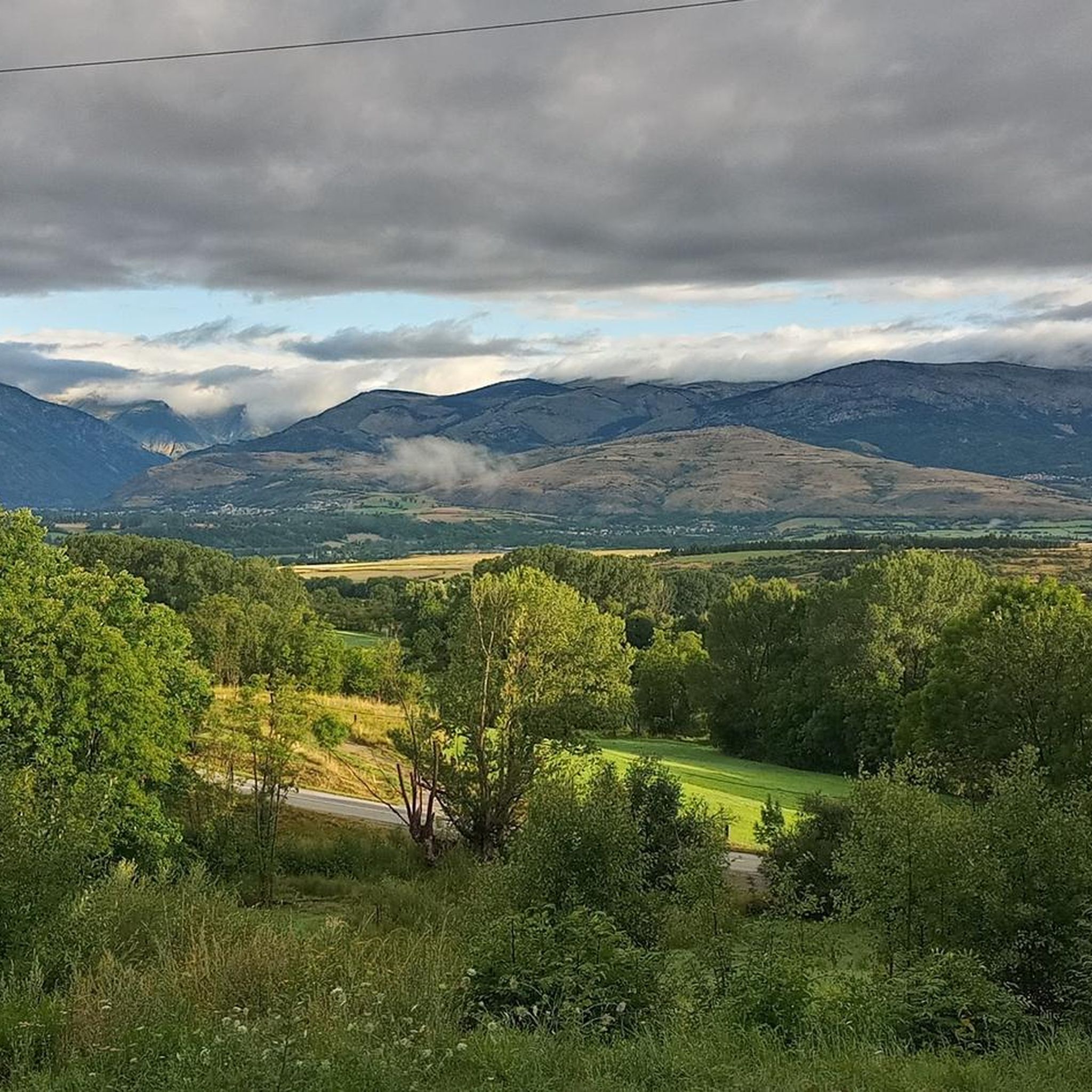
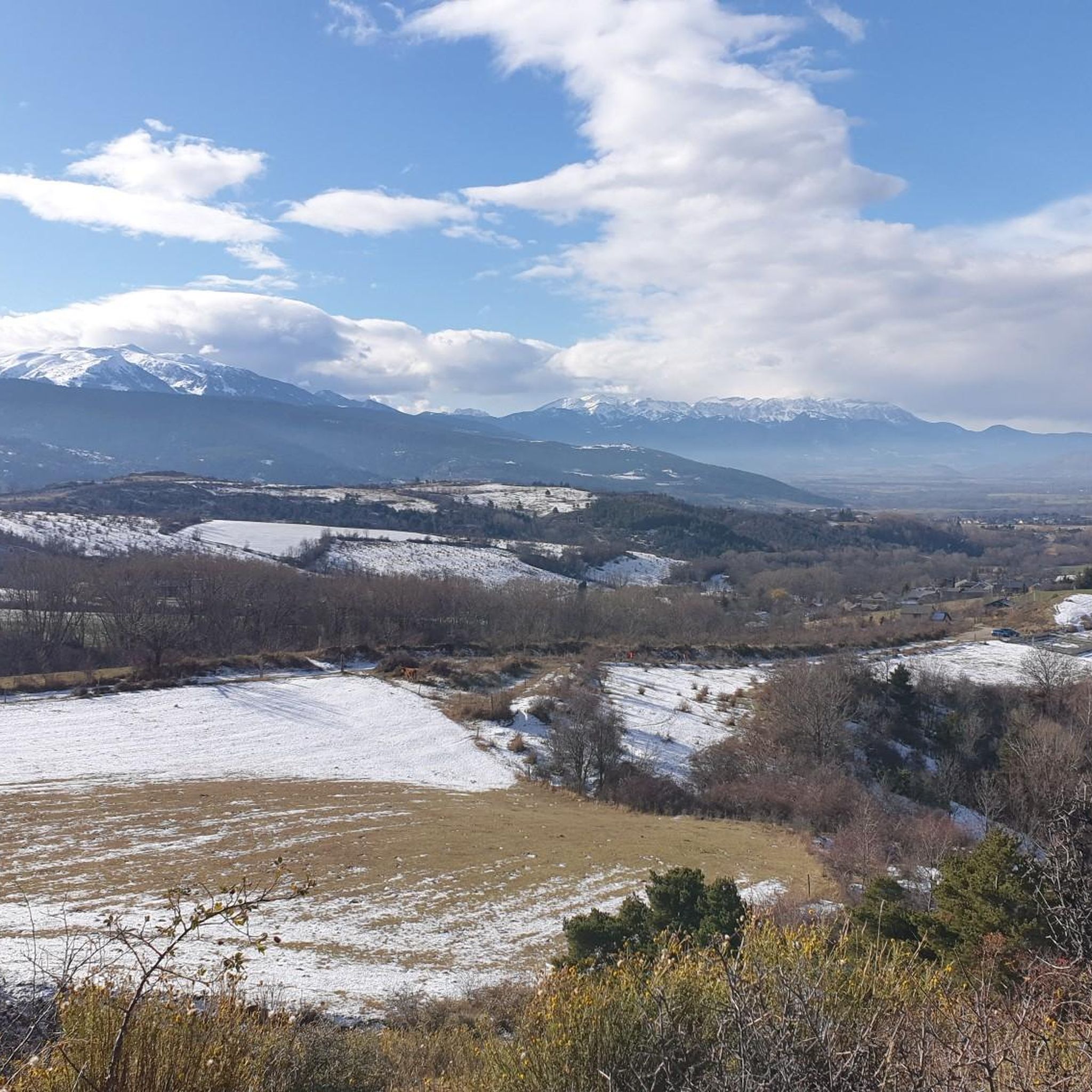
Best natural monuments around Nahuja are found within the Cerdanya valley in the Pyrénées-Orientales department of southern France. This rural commune is situated in the Eastern Pyrenees, featuring a mountainous landscape with alpine meadows and forests. Nahuja serves as a base for exploring the broader natural environment of the surrounding Pyrénées Catalanes Regional Natural Park. The area offers diverse ecosystems, from high mountain landscapes to dense forests, providing varied terrain for outdoor exploration.
Best natural monuments around Nahuja
- The most…
Last updated: August 11, 2026
Puigmal d'Er Summit
Highlight • Summit
Translated by Google •
Tip by

Pic de Finestrelles
Highlight • Summit
Translated by Google •
Tip by
Sign up now to discover places like this
Get recommendations on the best single tracks, peaks, & plenty of other exciting outdoor places.
Sign up for free
Pas dels Lladres (2,534 m)
Highlight • Mountain Pass
Translated by Google •
Tip by
Peak of the Moors
Highlight • Summit
Translated by Google •
Tip by

Clot de la Pastera (Cradle of Puigmal)
Highlight • Gorge
Translated by Google •
Tip by
Sign up for free to discover even more natural monuments around Nahuja.
Sign up for free
Already have an account?
Start today with a free account
Your next adventure awaits.
Login or Signup


Tips from the Community

the views and the pleasure of climbing almost to 3000 m
1
0

Where did you drive up there from and which gate did you take? Where did you drive up there from and which gate did you take? From where did you drive up there and which gate did you take?
0
1

There isn't really much of a view to enjoy here. The other mountains in the same category that can be hiked along the ridge are more impressive. But you are still "up there" here. Away from the hustle and bustle of the world, in silence. Only the wind blows over the peaks, kicks up a few dust devils, and in summer cools the sweat of the climb.
3
0

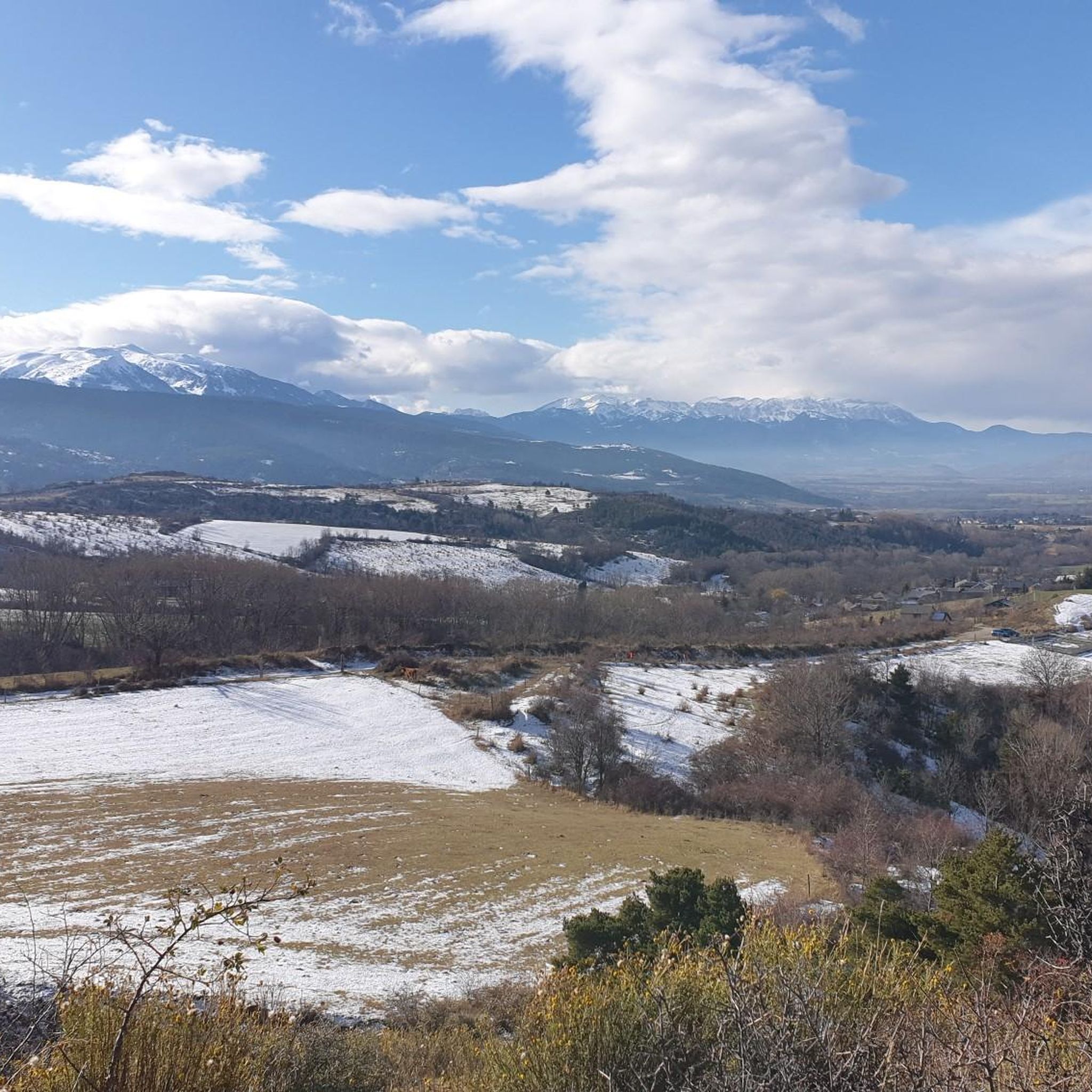
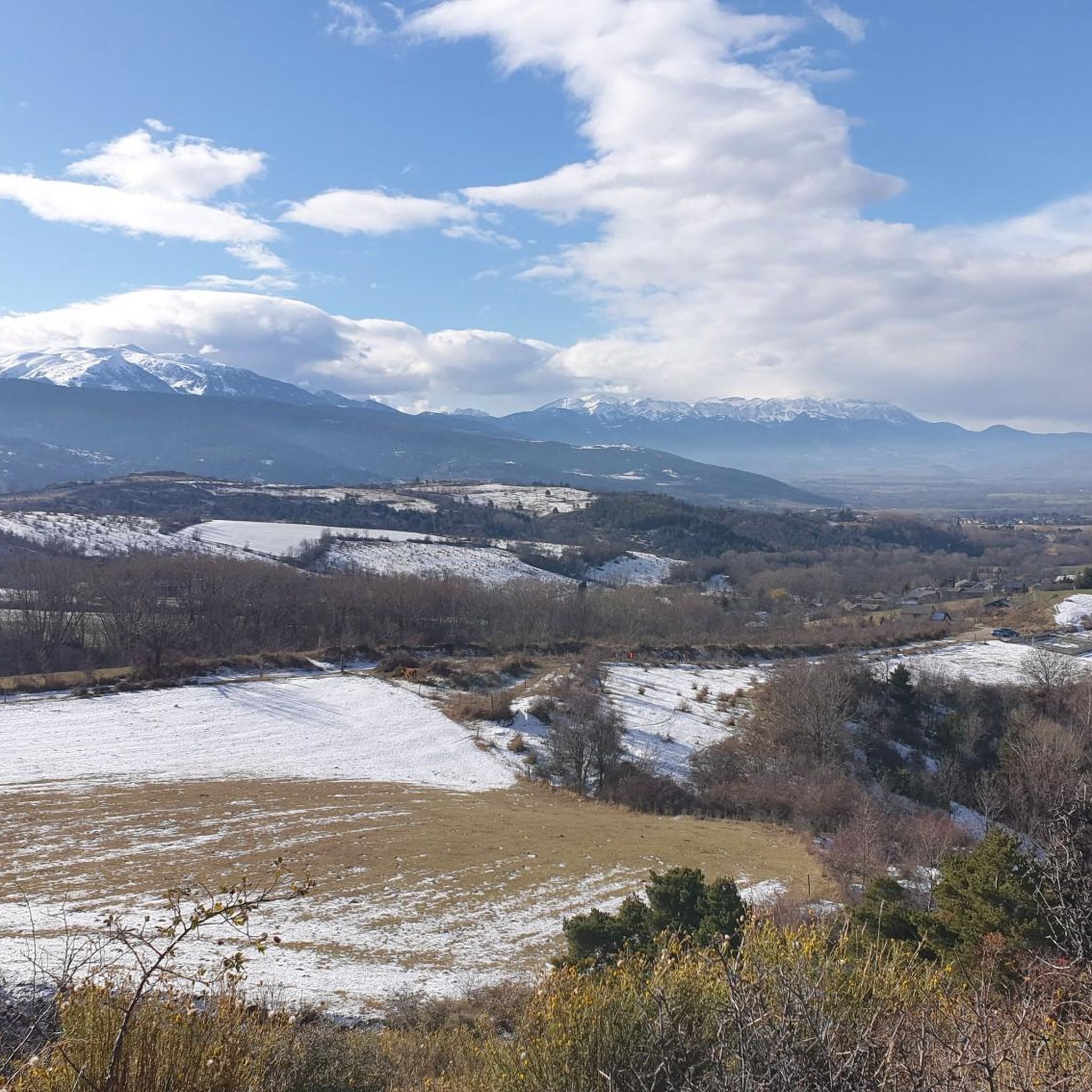
The Pic dels Moros culminates at 2,138 meters on the heights of Font-Romeu. Easy to access, it offers a remarkable panorama of the Pyrenees chain.
0
0

The Pic dels Moros, at an altitude of 2,138 meters west of Font-Romeu, offers magnificent views of Cerdanya.
1
0

There are many legends surrounding the Puigmal. Among others that this was a giant of the mountain who did not like the human presence at the top. Without a doubt, a very Pyrenean peak.
2
1

the Clot de la Pastera or Bressol del Puigmal is located where the paths of Pas del Lladres and the path that goes up from Vallcebollera meet and is where the last steep climb to the summit of Puigmal begins. As its name indicates, it is a hollow where after the thaw or during heavy rains it can become a pond.
1
0
Key mountain pass for the ascent to Puigmal from Collet de les Barraques, located between Pic de Dorria (2548m) to the SW. and the pass of Pas dels Lladres to the N-NE. This is where the track passes from Oceja, through the Coll de Pradelles and the Coll de Sant Salvador to the slopes of Tossa del Pas dels Lladres and which can be done by mountain bike. I have met once. Going down in the direction of NO we could reach Vallcebollera passing through the chapel of Sant Bernabé.
1
0
Frequently Asked Questions
What kind of natural features can I expect to see in the Nahuja area?
The Nahuja area, nestled in the Cerdanya valley within the Pyrénées Catalanes Regional Natural Park, offers a diverse mountainous landscape. You'll find alpine meadows, dense forests, and high mountain environments. The region is characterized by significant peaks, mountain passes, and geological formations, providing varied terrain for exploration.
What are some unique natural monuments around Nahuja?
Beyond the well-known summits, you can explore unique geological formations like the Clot de la Pastera (Cradle of Puigmal), a hollow that can become a pond after heavy rains or thaw, marking the start of the steep climb to Puigmal. Another notable feature is the Pas dels Lladres (2,534 m), a key mountain pass offering routes for hiking, skiing, and mountain biking in the Cerdanya Pyrenees sector.
Are there family-friendly natural monuments or activities near Nahuja?
While many of the prominent natural monuments are summits requiring intermediate to challenging hikes, the broader Pyrénées Catalanes Regional Natural Park offers numerous trails suitable for families. Look for easier sections within the park's extensive network of paths. For specific family-friendly routes, you might find options in the Mountain Hikes around Nahuja guide, such as the 'Dolmen de lo Pou – Dolmen d'Els Pascarets loop from Eyne' which is rated easy.
What outdoor activities can I do near these natural monuments?
The region around Nahuja is excellent for various outdoor activities. You can enjoy running, gravel biking, and mountain hiking. For detailed routes and guides, explore options like Running Trails around Nahuja, Gravel biking around Nahuja, and Mountain Hikes around Nahuja.
Are there hiking trails near the natural monuments around Nahuja?
Yes, the area is rich with hiking trails. Many natural monuments, especially the summits and mountain passes, are accessible via well-defined paths. For example, the ascent to Puigmal d'Er Summit is considered simple under good weather conditions. You can find various hiking options, from easy to difficult, in the Mountain Hikes around Nahuja guide.
What is the best season to visit the natural monuments around Nahuja?
The best season largely depends on your preferred activity. For hiking and exploring the high mountain natural monuments, late spring to early autumn (June to September) generally offers the most favorable weather conditions with less snow and milder temperatures. During winter, the area transforms into a snowy landscape, suitable for snowshoeing or skiing, but access to some high-altitude monuments may be challenging.
How challenging are the natural monuments to access or hike around Nahuja?
The challenge level varies significantly. Summits like Puigmal d'Er Summit and Pic de Finestrelles are generally considered intermediate to challenging, though their ascents can be simple in good weather. Other areas, especially within the broader regional park, offer easier trails. Always check the specific route difficulty and current conditions before heading out.
What do visitors enjoy most about the natural monuments in this region?
Visitors consistently praise the magnificent panoramic views from the summits, such as the Cerdanya and Capcir plateaus from Peak of the Moors. The serene environment, the rich biodiversity, and the opportunity for immersion in the Pyrenean landscape are also highly valued. The broad, rounded peaks and the sense of achievement after an ascent are frequently mentioned highlights.
Can I bring my dog to the trails around Nahuja's natural monuments?
Generally, dogs are permitted on many trails within the Pyrénées Catalanes Regional Natural Park, but it's crucial to keep them on a leash, especially in areas with livestock or protected wildlife. Always check specific local regulations or signage at trailheads, as rules can vary. Be prepared to clean up after your pet.
What should I pack for a trip to the natural monuments around Nahuja?
Given the mountainous terrain and variable weather, it's advisable to pack layers of clothing, including waterproof and windproof outer shells. Sturdy hiking boots, sufficient water, snacks, a map or GPS device, sun protection (hat, sunglasses, sunscreen), and a first-aid kit are essential. For higher altitudes, even in summer, a warm layer is recommended.
Are there options for public transport to reach natural monuments near Nahuja?
Nahuja is a small, rural commune, and direct public transport options to specific natural monuments are limited. Access typically requires a car to reach trailheads or starting points. Some regional bus services might connect larger towns in the Cerdanya valley, but for direct access to the more remote natural sites, personal transport is usually necessary.
Where can I find cafes or refreshments near the natural monuments?
As many natural monuments are in remote mountain areas, direct access to cafes or restaurants is rare. It's best to pack your own food and drinks for your excursion. You'll find cafes and restaurants in nearby villages and towns within the Cerdanya valley, such as Osséja or Font-Romeu, which can serve as starting or ending points for your trips.
Most popular routes around Nahuja
Most popular attractions around Nahuja

Get inspired with the komoot mobile app


Explore more
Extend your search for the best caves by checking out these guides of the top ones around Nahuja:
