Top 5 Natural Monuments around Chambly
Best natural monuments around Chambly offer diverse natural features and recreational opportunities. The region is characterized by its natural landscapes, providing settings for outdoor exploration. These areas blend ecological importance with accessible trails and sites. Visitors can discover a variety of natural monuments, from geological formations to forested lakes.
Best natural monuments around Chambly
- The most popular natural monuments is Singletrack along the Marais de Stors, a trail that runs along the Stors marsh nature reserve. This path features…
Last updated: July 2, 2026
Singletrack along the Marais de Stors
Highlight (Segment) • Trail
Translated by Google •
Tip by

The Blue Lake of Carnelle
Highlight • Forest
Translated by Google •
Tip by
Sign up now to discover places like this
Get recommendations on the best single tracks, peaks, & plenty of other exciting outdoor places.
Sign up for free
Pierre de Lait Polishing Stone
Highlight • Historical Site
Translated by Google •
Tip by

Covered alley
Highlight • Historical Site
Translated by Google •
Tip by

Auversian Geological Site
Highlight • Natural Monument
The interest of this quarry lies in the geological substrate, formed from the famous sands of Auvers.
valdoise.fr/888-site-geologique-de-l-auversien.htm
Translated by Google •
Tip by
Sign up for free to discover even more natural monuments around Chambly.
Sign up for free
Already have an account?
Start today with a free account
Your next adventure awaits.
Login or Signup

Tips from the Community

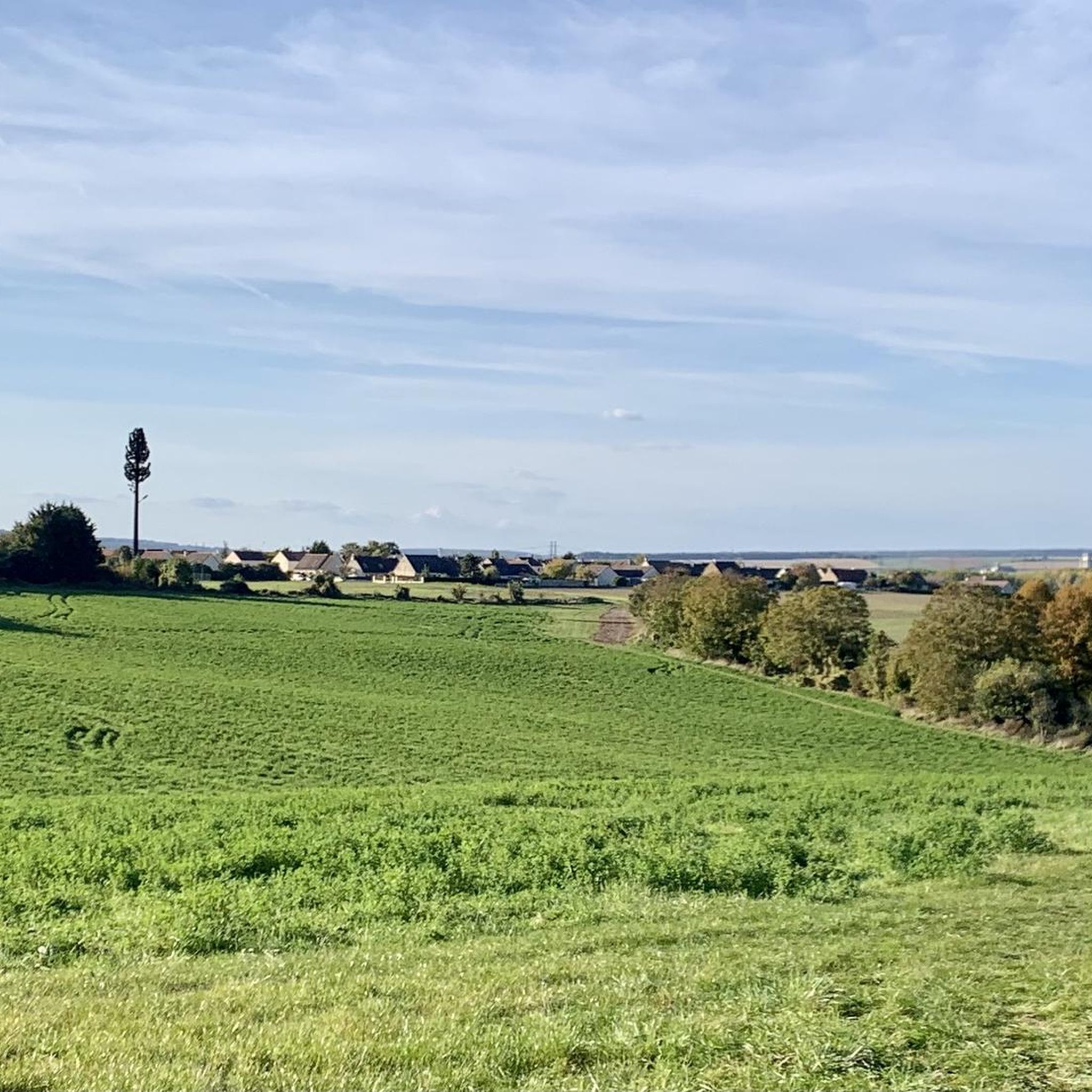
What is to be remembered from this route is the passage through the Carnelle forest. However, there are too many roads on the Isle Adam and along the Oise. No particular difficulty.
0
0

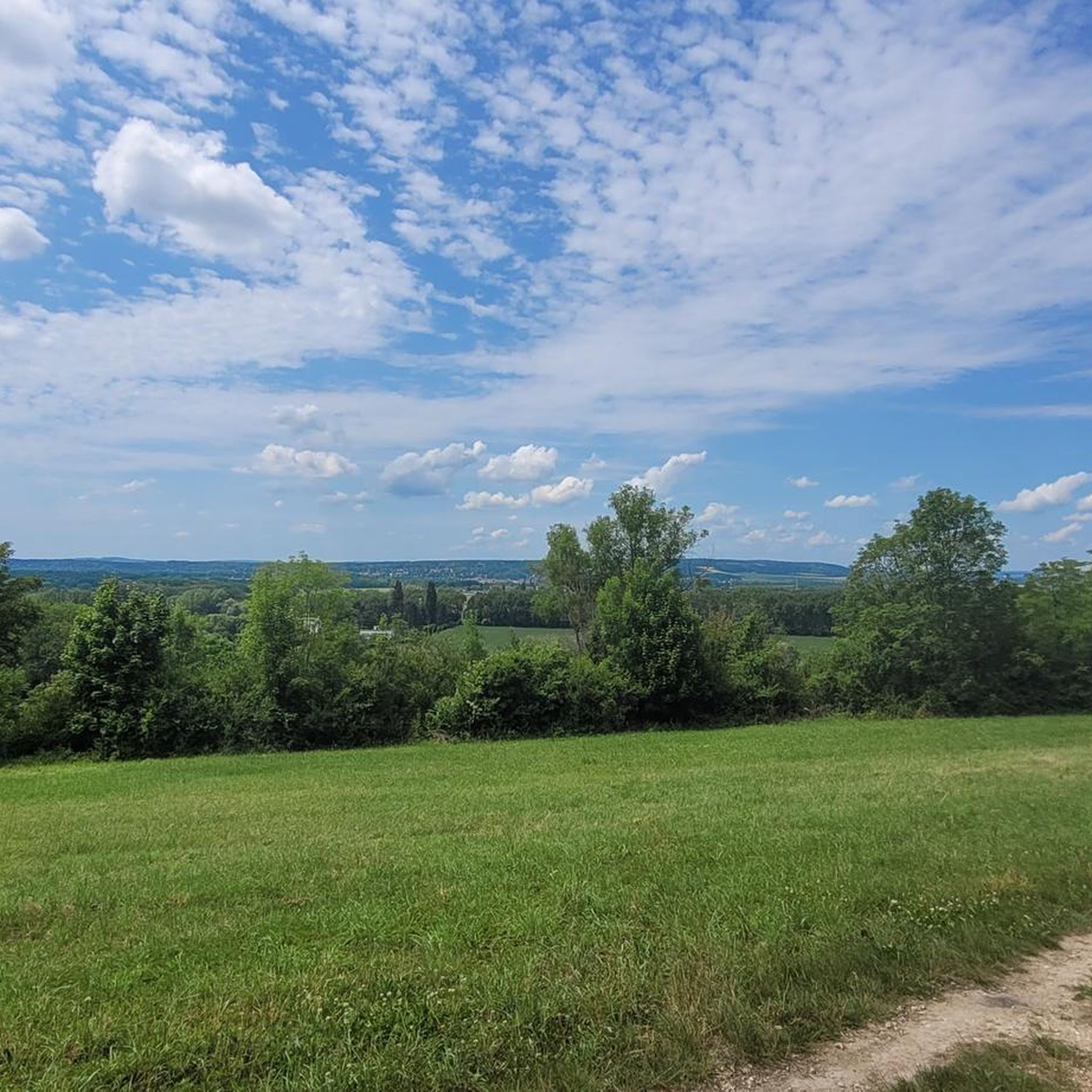
pretty lake hidden in the middle of the forest
0
0

This funerary megalith dates back to the beginning of the Neolithic period! It is the largest and most famous of all the covered alleys in the Paris region, which has become the archetype of burials associated with the Seine-Oise-Marne culture. All the slabs are in Fontainebleau sandstone, several outcrops of which are visible on the hillside.
2
0

in a beautiful forest we arrive there with a magnificent sun which warms up a little
0
0

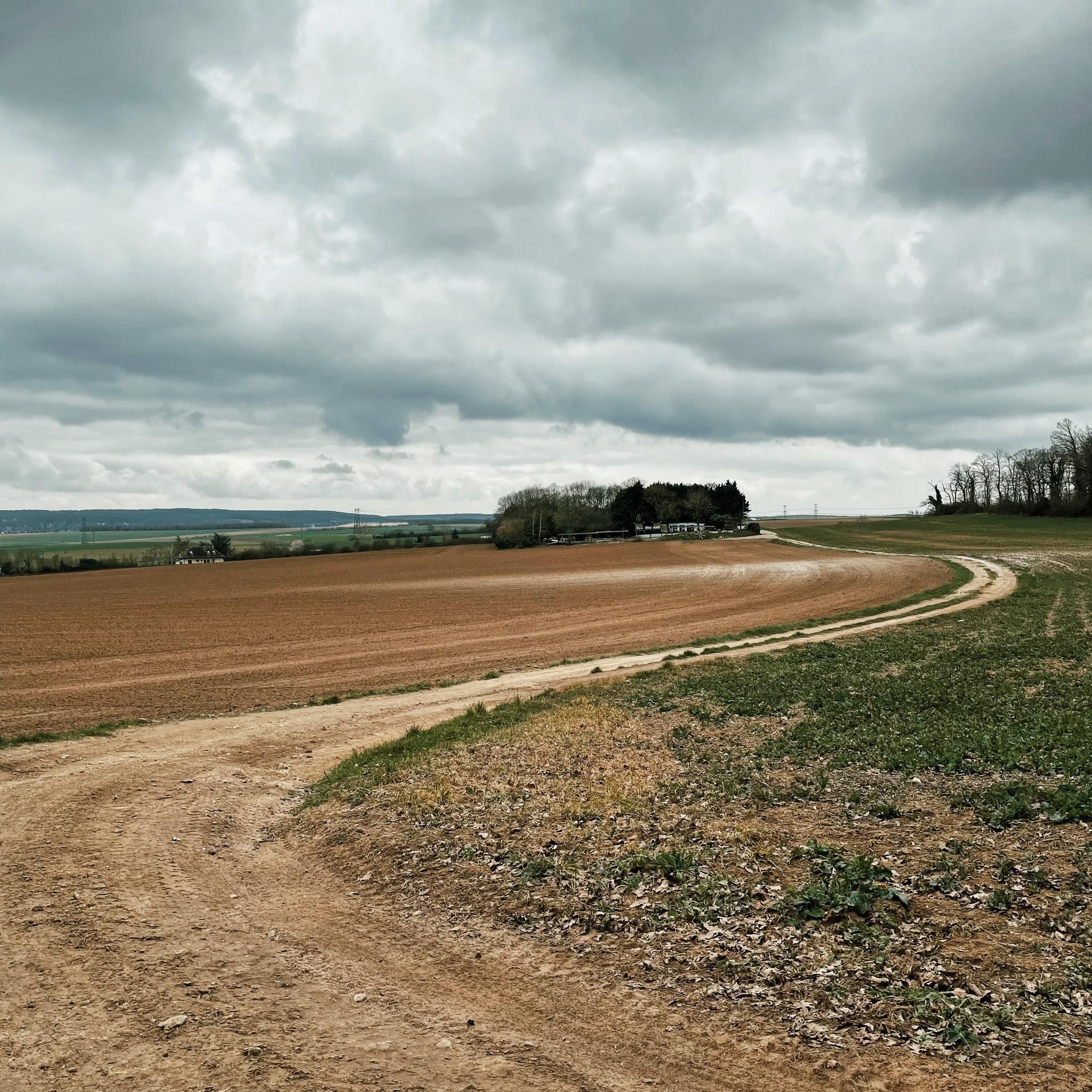
This bucolic path runs along the Stors marsh nature reserve. The ground quickly becomes muddy in bad weather and the days following the rain. That said, the setting is beautiful along the rock faces. For the rest, it's a fairly easy single.
0
0

Magnificent natural reserve that this marsh of Stors.
0
0
Lac Bleu is one of the two bodies of water in the Carnelle forest. On sunny days, its name takes on its full meaning. But there is another reason for the name of this lake from ancient quarries. The rock at the bottom is a mixture of gypsum and marl. The color is changing due to algae, but originally it is deep blue. Around the lake, one can appreciate oaks, beeches and chestnuts. A feast for the eye!
1
0
The Blue Lake, like the small pond located a few dozen meters away, has been built in old marl quarries, which give the water a bluish color. For this reason, they reach a depth of 20 to 30 m and swimming is prohibited there for safety reasons. On the other hand, you can go fishing there. The ponds have replaced the quarries, and the presence of green marls, which color their bed, explains their astonishing variation in color. Going from turquoise blue to emerald green, depending on the depth, the time of day, the intensity of the light.
0
0
Frequently Asked Questions
What unique natural features can I discover around Chambly?
The Chambly area offers a blend of natural and historically significant features. You can explore sites like the Auversian Geological Site, an old quarry being restored for educational purposes, showcasing the region's unique geological substrate. Additionally, the Richelieu River and Chambly Basin are notable for their rich aquatic and riparian ecosystems, including rapids and diverse fish species like the endangered Copper Redhorse.
Are there family-friendly natural monuments to visit near Chambly?
Yes, several natural monuments around Chambly are suitable for families. The Blue Lake of Carnelle, nestled in the Carnelle forest, is a beautiful spot with its distinctive deep blue color and surrounding oaks, beeches, and chestnut trees, perfect for a leisurely stroll. The Covered alley, a funerary megalith, also offers an accessible historical natural monument experience for all ages.
What kind of wildlife can I expect to see in the natural areas around Chambly?
The natural areas around Chambly are rich in biodiversity. Along the Richelieu River, you might spot various bird species inhabiting maple, ash, poplar, and coniferous trees, as well as seasonal ducks. The river is also home to approximately sixty species of fish, including the unique Copper Redhorse. At Parc naturel des Ruisseaux, you can observe diverse flora and fauna, including bird species like the American waxwing and red-tailed hawk, and potentially frogs, salamanders, and garter snakes.
What historical natural monuments can I explore in the Chambly region?
The region features fascinating historical natural monuments. The Pierre de Lait Polishing Stone is a remarkable block of sandstone used as a polisher in the Neolithic period, offering a unique glimpse into ancient human activity within a forest setting. The Covered alley is another significant site, a funerary megalith dating back to the beginning of the Neolithic period, known as the largest and most famous of its kind in the Paris region.
What outdoor activities can I do near the natural monuments around Chambly?
The Chambly area is excellent for various outdoor activities. You can find numerous routes for mountain biking, hiking, and cycling. For mountain biking, explore trails like 'L'Isle Adam – La Butte des Landes loop' or 'Tunnel of verdure – Pierre de Lait Polishing Stone loop.' Hikers can enjoy routes such as 'Chemin des Marais de Chambly loop' or 'Laundry – Pierre de Lait Polishing Stone loop.' Cyclists have options like 'Carnelle Spring – The Blue Lake of Carnelle loop.' You can find more details on these activities in the MTB Trails around Chambly, Hiking around Chambly, and Cycling around Chambly guides.
Are there specific hiking trails near the natural monuments?
Yes, there are several hiking trails that allow you to explore the natural monuments. For instance, you can hike the 'Chemin des Marais de Chambly loop' or the 'Laundry – Pierre de Lait Polishing Stone loop.' These trails offer varying distances and moderate difficulty, providing opportunities to immerse yourself in the local nature and discover sites like the Pierre de Lait Polishing Stone. More hiking options are available in the Hiking around Chambly guide.
What is the best time to visit the natural monuments in Chambly?
The natural monuments around Chambly can be enjoyed throughout the year, with each season offering a different experience. Spring and fall provide pleasant temperatures for hiking and cycling, with vibrant foliage or blooming nature. Summer is ideal for enjoying the waterways and lush landscapes. Even in winter, places like Parc naturel des Ruisseaux transform to offer cross-country ski trails and oversized bike trails, making it a valuable recreational spot during colder months.
What do visitors enjoy most about the natural monuments around Chambly?
Visitors particularly appreciate the diverse natural settings and the blend of nature with history. The Singletrack along the Marais de Stors is loved for its beautiful setting along rock faces and rich flora and fauna. The Blue Lake of Carnelle is praised for its stunning deep blue color and the surrounding ancient trees. The historical sites like the Pierre de Lait Polishing Stone evoke a sense of wonder about ancient human activity within a magnificent forest.
Are there any specific natural reserves or parks to visit in Chambly?
Yes, beyond individual monuments, the region boasts significant natural areas. The Chambly Canal National Historic Site, while man-made, is deeply integrated into the natural landscape and recognized for its natural and scientific aspects. It offers a 'small paradise' for cyclists, boaters, and hikers to observe various animals and plants. Additionally, Parc naturel des Ruisseaux is a municipal park spanning 47.28 hectares with nearly five kilometers of hiking trails through a diverse forest ecosystem.
Can I find trails with varying difficulty levels around Chambly's natural monuments?
Yes, the trails around Chambly cater to different skill levels. For instance, the Singletrack along the Marais de Stors is generally considered a fairly easy singletrack, though it can be muddy. Many hiking and cycling routes in the area are rated as moderate, offering a good balance for most outdoor enthusiasts. You can find detailed difficulty ratings for specific routes in the Hiking around Chambly and Cycling around Chambly guides.
What are the main ecological highlights of the Richelieu River near Chambly?
The Richelieu River, particularly around the Chambly Basin, is an ecological hotspot. It's characterized by tumultuous rapids and a rich aquatic and riparian ecosystem. It supports approximately sixty species of fish, including the critically endangered Copper Redhorse, which reproduces in the Chambly Rapids during the first two weeks of June. The riverbanks and wooded areas also provide habitat for diverse bird species and other wildlife, making it a significant area for biodiversity and conservation efforts.
Most popular routes around Chambly
Most popular attractions around Chambly

Get inspired with the komoot mobile app


Explore more
Extend your search for the best caves by checking out these guides of the top ones around Chambly:
