Top 10 Natural Monuments around Trets
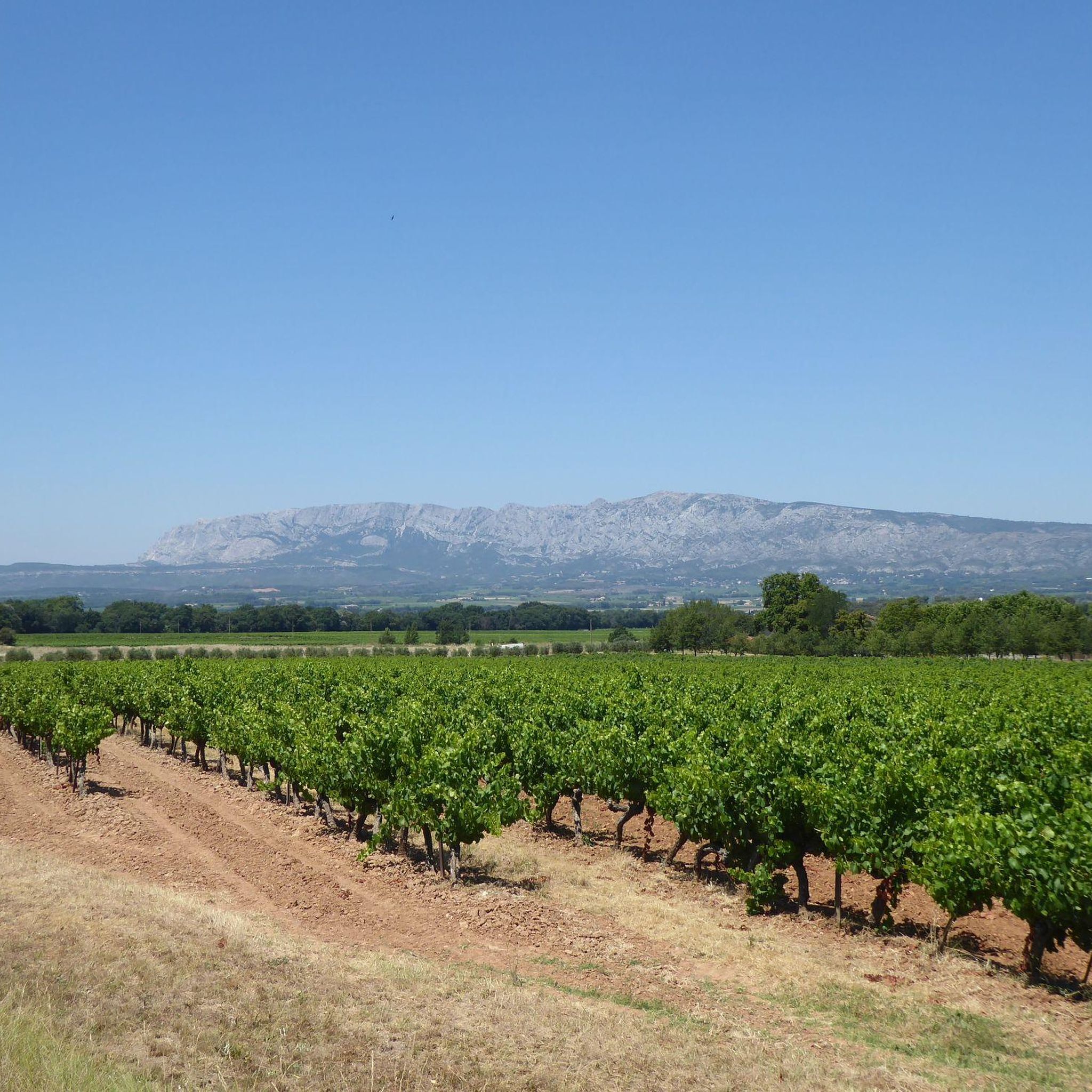
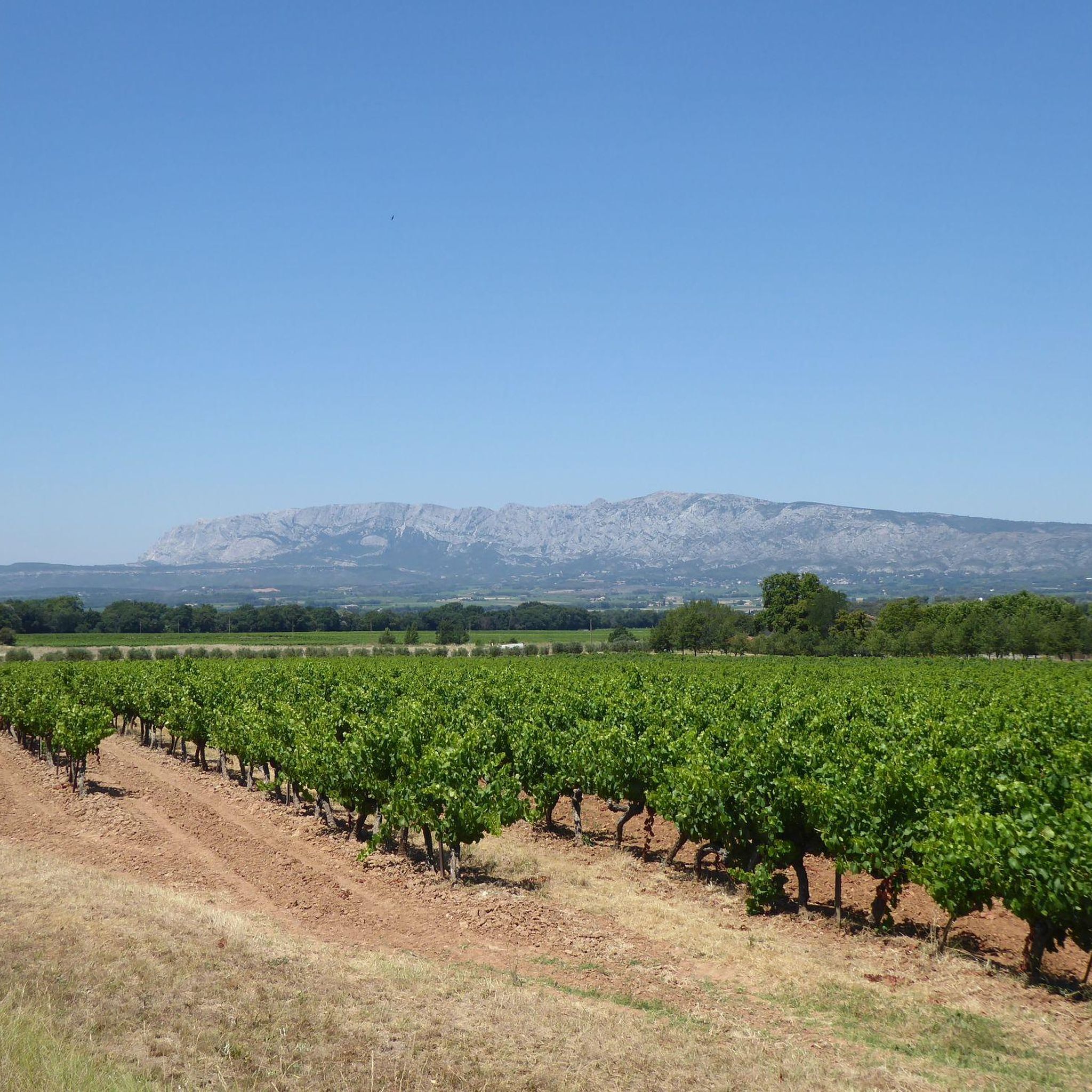
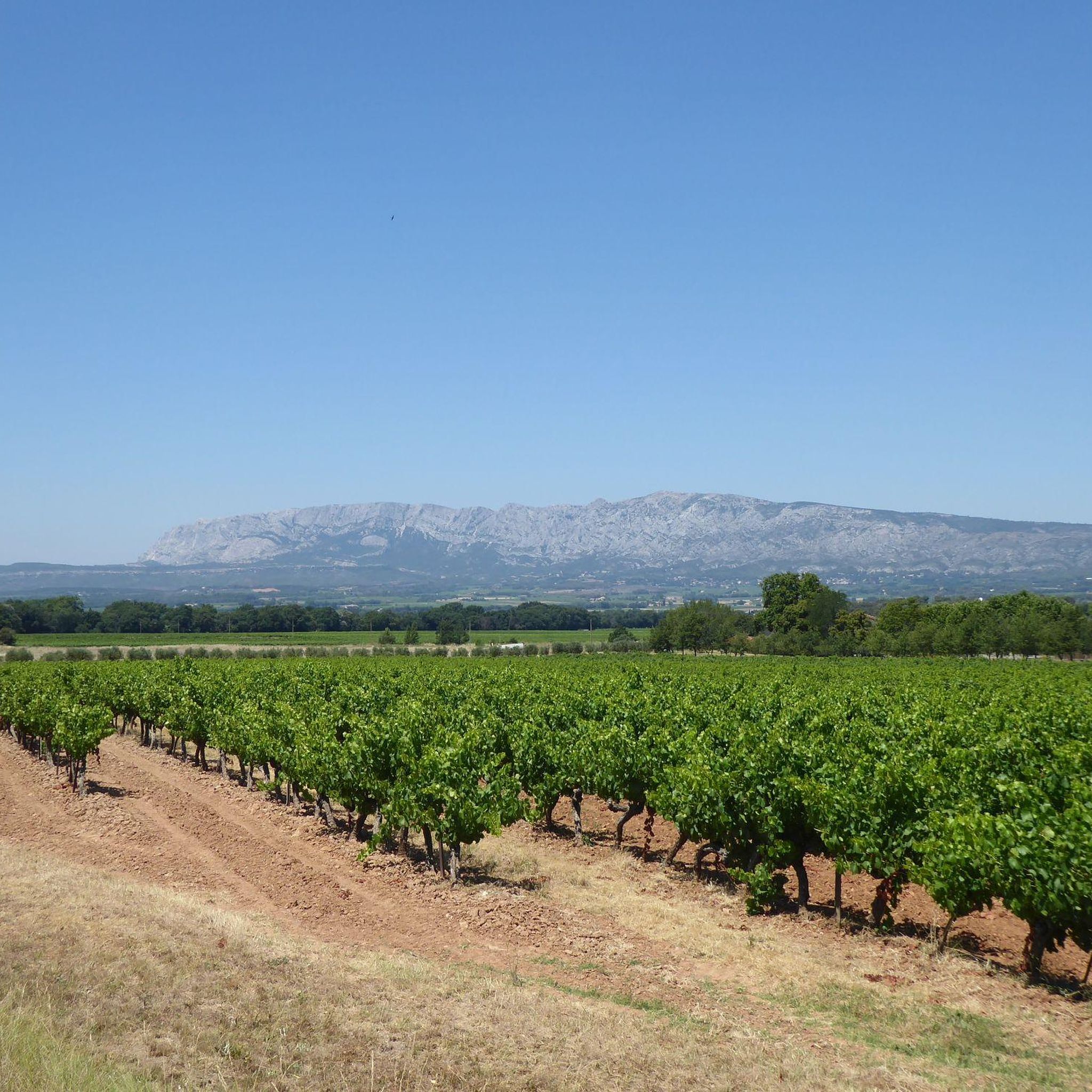
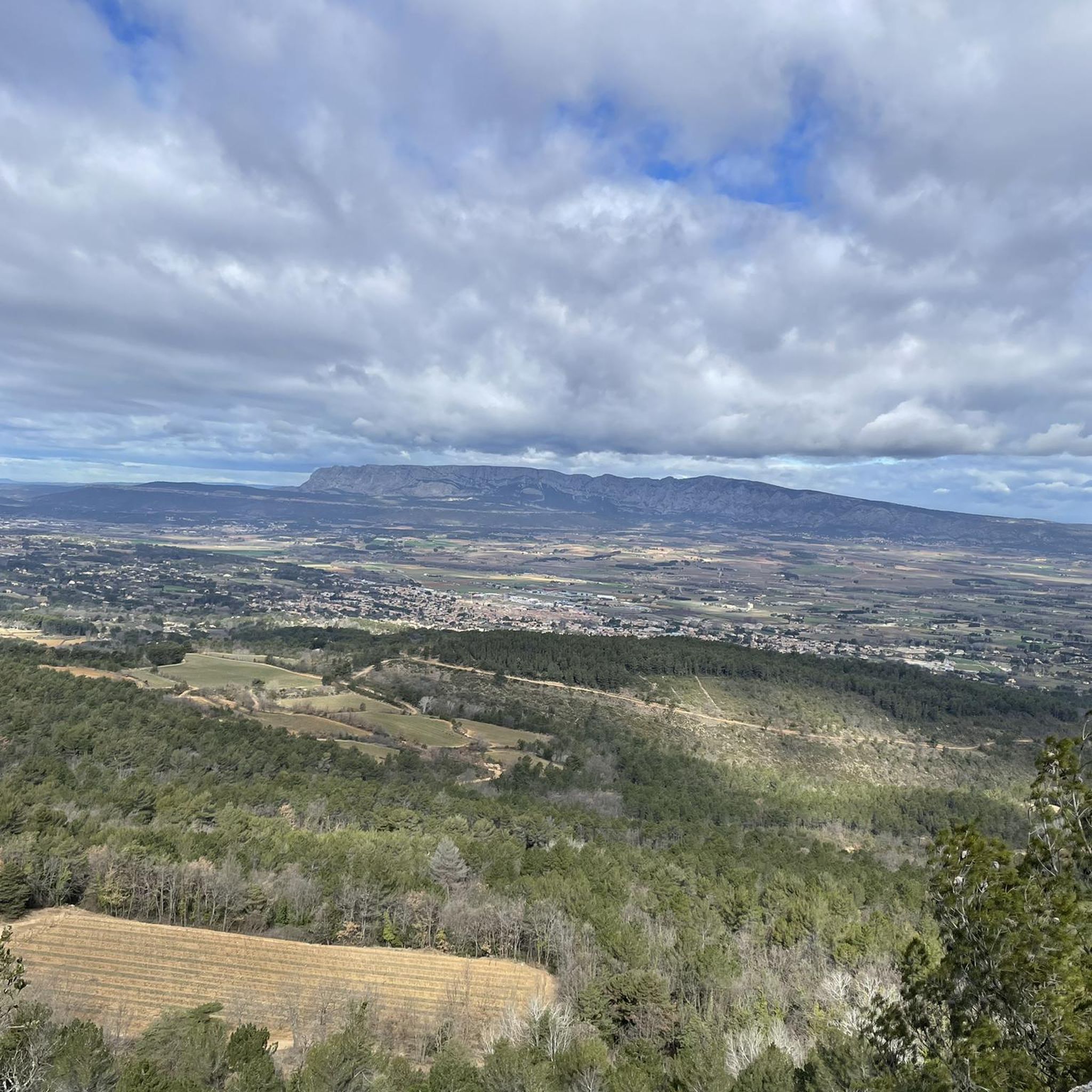
Best natural monuments around Trets are characterized by the iconic Montagne Sainte-Victoire, a prominent limestone massif located near the commune. This region features diverse geological formations, offering panoramic views and rich biodiversity. The landscape includes significant wooded areas and various natural features, making it a notable destination for outdoor exploration. The area provides opportunities to experience the natural heritage of Provence.
Best natural monuments around Trets
- The most popular natural monuments is Croix de Provence, a summit that offers…
Last updated: June 18, 2026
Croix de Provence
Highlight • Summit
Translated by Google •
Tip by

Saint Mary Magdalene Grotto
Highlight • Cave
It is a …
Translated by Google •
Tip by

Sign up now to discover places like this
Get recommendations on the best single tracks, peaks, & plenty of other exciting outdoor places.
Sign up for free
Climb to Col de l'Espigoulier
Highlight (Segment) • Mountain Pass
Translated by Google •
Tip by

Source of the Huveaune
Highlight • River
Translated by Google •
Tip by
Pic des Mouches
Highlight • Summit
Translated by Google •
Tip by
Sign up for free to discover even more natural monuments around Trets.
Sign up for free
Already have an account?
Start today with a free account
Your next adventure awaits.
Login or Signup

Tips from the Community

A summit with very few peoples on it compared to the croix de Provence. Can be accessed by the crest, much harder and longuer than the Imoucha path.
1
0

Not the most beautiful place on Sainte-Victoire in itself, but what an extraordinary view 🔥 Sainte-Baume and the mountains of Marseille to the South, the Bessillons and the Alps behind the Verdon to the East, the Montagne de Lure, the Écrins, the Ventoux...
1
0

The HUVEAUNE does not originate – at least according to Wikipedia – in these calcareous sinter basins, but in the Grotte de Castelette, which is of course also a hiking highlight in the system, see =>> https://www.komoot.com/de-de/highlight/627453
3
0

place of silence, peace and reconnection between nature and the church
0
0

Honestly, it's a feast for the eyes.
0
0

laces of a beauty equaled by the view of Marseille from the top of the pass - it is a must to do
0
0

The trails are much simpler starting from the D10 rather than Puyloubier. Many families with children can easily climb them.
1
0
Dangerous ascent and daring descent. Bring good hiking shoes and perhaps something to rappel into...
1
0
Frequently Asked Questions
What are some notable natural monuments to visit near Trets?
The most prominent natural monument is the Montagne Sainte-Victoire, an iconic limestone massif. Within this area, you can visit the Pic des Mouches, its highest point offering panoramic views, and the Croix de Provence, known for its unique panoramas extending to the Mediterranean and the Alps on clear days. Another must-see is the Col de l'Espigoulier, a mountain pass with magnificent switchbacks and expansive views towards the sea.
What kind of terrain and difficulty can I expect on hiking trails around Trets' natural monuments?
Hiking trails around Trets, particularly on Montagne Sainte-Victoire, can vary. Paths to highlights like the Croix de Provence are often stony and rocky, recommending sturdy hiking boots. Some routes, especially to the Pic des Mouches, can be challenging or even daring, with some sections requiring good hiking shoes. However, there are also simpler trails, especially starting from the D10, suitable for families.
Are there family-friendly options among the natural monuments near Trets?
Yes, Montagne Sainte-Victoire offers trails suitable for families, particularly those starting from the D10, which are considered much simpler than routes from Puyloubier. While specific highlights like the Croix de Provence and Pic des Mouches can be challenging, there are easier sections and paths around the mountain that provide a pleasant experience for all ages.
Can I bring my dog to the natural monuments around Trets?
While many natural areas in France are dog-friendly, it's always best to check specific regulations for protected sites like Montagne Sainte-Victoire, which is a Grand Site de France. Generally, dogs are allowed on trails if kept on a leash, but some areas might have restrictions, especially during nesting seasons or in nature reserves. Always ensure your dog is under control and that you clean up after them.
What is the best time of year to visit the natural monuments near Trets?
The spring and autumn months are generally the best times to visit the natural monuments around Trets. The weather is milder, making hiking more comfortable, and the landscapes are vibrant. Summers can be very hot, especially on exposed trails, and there's a higher risk of forest fires, which can lead to trail closures. Winters are cooler but can still offer clear, crisp days for exploration.
How can I access Montagne Sainte-Victoire using public transport from Trets?
Public transport options directly from Trets to the trailheads of Montagne Sainte-Victoire are limited. It is generally easier to reach the mountain by car. However, you can often find bus services from Trets to Aix-en-Provence, and from Aix, there might be local buses that go closer to certain access points of Sainte-Victoire. Checking local bus schedules for the Aix-en-Provence region is recommended for the most up-to-date information.
Are there any historical or cultural sites within the natural monuments area?
Yes, beyond its natural beauty, Montagne Sainte-Victoire holds historical and cultural importance. You can find religious heritage sites such as the 17th-century Sainte-Victoire Priory and the Saint-Ser Hermitage, a small chapel built in a cave. The Croix de Provence itself is a notable landmark with historical significance.
What outdoor activities, besides hiking, can I do near these natural monuments?
The region around Trets offers a variety of outdoor activities. You can enjoy cycling on routes like the "Route des vignobles" or the "Esparron pass" loop. For running enthusiasts, there are trails such as the "Saint-Jean-du-Puy Hermitage" loop. Gravel biking is also popular, with routes like the "Beautiful road – la coutronne loop." You can find more details on these activities in the Cycling around Trets, Running Trails around Trets, and Gravel biking around Trets guides.
Where can I find panoramic views of the region?
For spectacular panoramic views, head to the Croix de Provence, where on clear days, you can see the Mediterranean and the Alps. The Pic des Mouches, the highest point of Sainte-Victoire, also offers an orientation table and extensive views of the surrounding region. Additionally, the Col de l'Espigoulier provides breathtaking views towards the sea.
What makes Montagne Sainte-Victoire a significant natural monument?
Montagne Sainte-Victoire is significant for its geological grandeur, rising to 1,011 meters with a distinctive limestone formation. It offers spectacular panoramic views and boasts rich biodiversity, recognized as a "Grand Site de France." Beyond its natural beauty, it holds cultural importance, having inspired artists like Paul Cézanne, and features historical sites such as the Sainte-Victoire Priory. It's a prime location for hiking, nature observation, and enjoying serene Provençal scenery.
Are there any natural water features or rivers to explore?
Yes, you can explore the Source of the Huveaune, which originates in the Sainte-Baume massif. This area is notable for its series of small dams and cascades formed by water bottles, creating unique sinter basins. The journey to the source itself, along these formations, is a highlight for many hikers.
What should I know about parking when visiting natural monuments near Trets?
Parking availability varies by location. For popular trailheads on Montagne Sainte-Victoire, especially during peak seasons or weekends, parking lots can fill up quickly. It's advisable to arrive early. Some areas, like the Bimont dam, may have designated parking. Always check for local signage regarding parking restrictions or fees, and avoid parking illegally to protect the natural environment.
Are permits required for hiking in the natural monuments around Trets?
Generally, permits are not required for hiking on the established trails within the natural monuments around Trets, including Montagne Sainte-Victoire. However, certain areas, especially during periods of high fire risk (typically in summer), may have access restrictions or require prior consultation. It's always wise to check local regulations or park websites before your visit, particularly if planning a hike during dry or hot periods.
What wildlife might I encounter in the natural monuments region?
The Montagne Sainte-Victoire and its surrounding areas are recognized for their rich biodiversity. As a significant wooded area within the Bouches-du-Rhône department, it is home to diverse flora and fauna. You might encounter various bird species, small mammals, and reptiles. The region's Mediterranean climate supports a unique ecosystem, making it an interesting spot for nature lovers to observe local wildlife.
Most popular routes around Trets
Most popular attractions around Trets

Get inspired with the komoot mobile app


Explore more
Extend your search for the best caves by checking out these guides of the top ones around Trets:
