Top 4 Natural Monuments around Cuincy
Best natural monuments around Cuincy include a variety of natural and historical sites within the Nord department of France. The region features unique landscapes such as reclaimed slag heaps, ancient forests, and historical natural formations. These areas offer opportunities to explore diverse ecosystems and historical remnants. The natural environment around Cuincy provides a range of outdoor experiences.
Best natural monuments around Cuincy
- The most popular natural monuments is Leforest slag heap, a natural monument that offers a challenging climb.…
Last updated: July 2, 2026
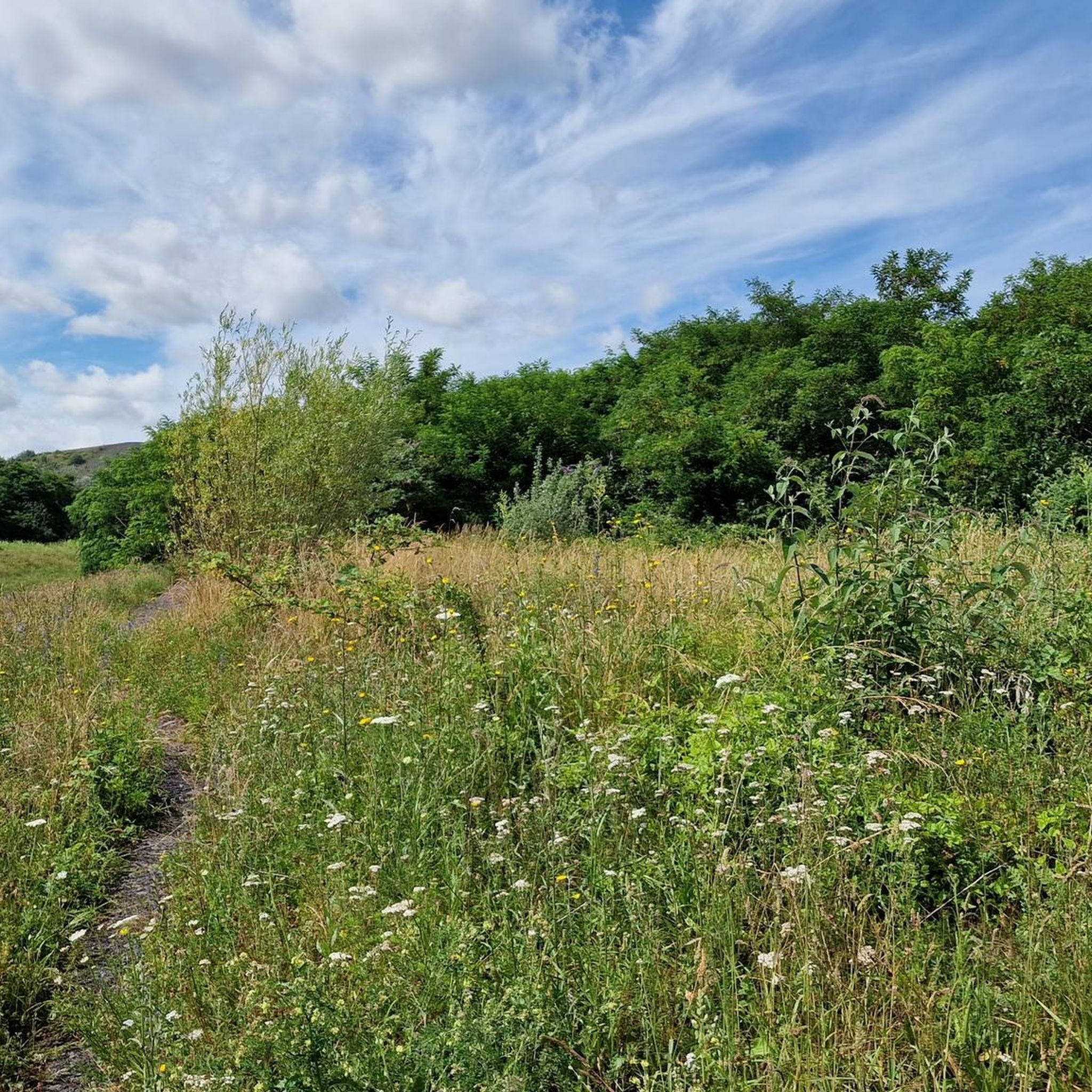
Ostricourt slag heap
Highlight • Natural Monument
Translated by Google •
Tip by

Leforest slag heap
Highlight • Natural Monument
Translated by Google •
Tip by
Sign up now to discover places like this
Get recommendations on the best single tracks, peaks, & plenty of other exciting outdoor places.
Sign up for free
Ladder Tree
Highlight • Forest
It is easily accessible by bicycle.
Which is not the path that goes deep into the forest.
Translated by Google •
Tip by

Hamel Dolmen or the Sorcerers' Kitchen (Pierre Chavatte)
Highlight • Natural
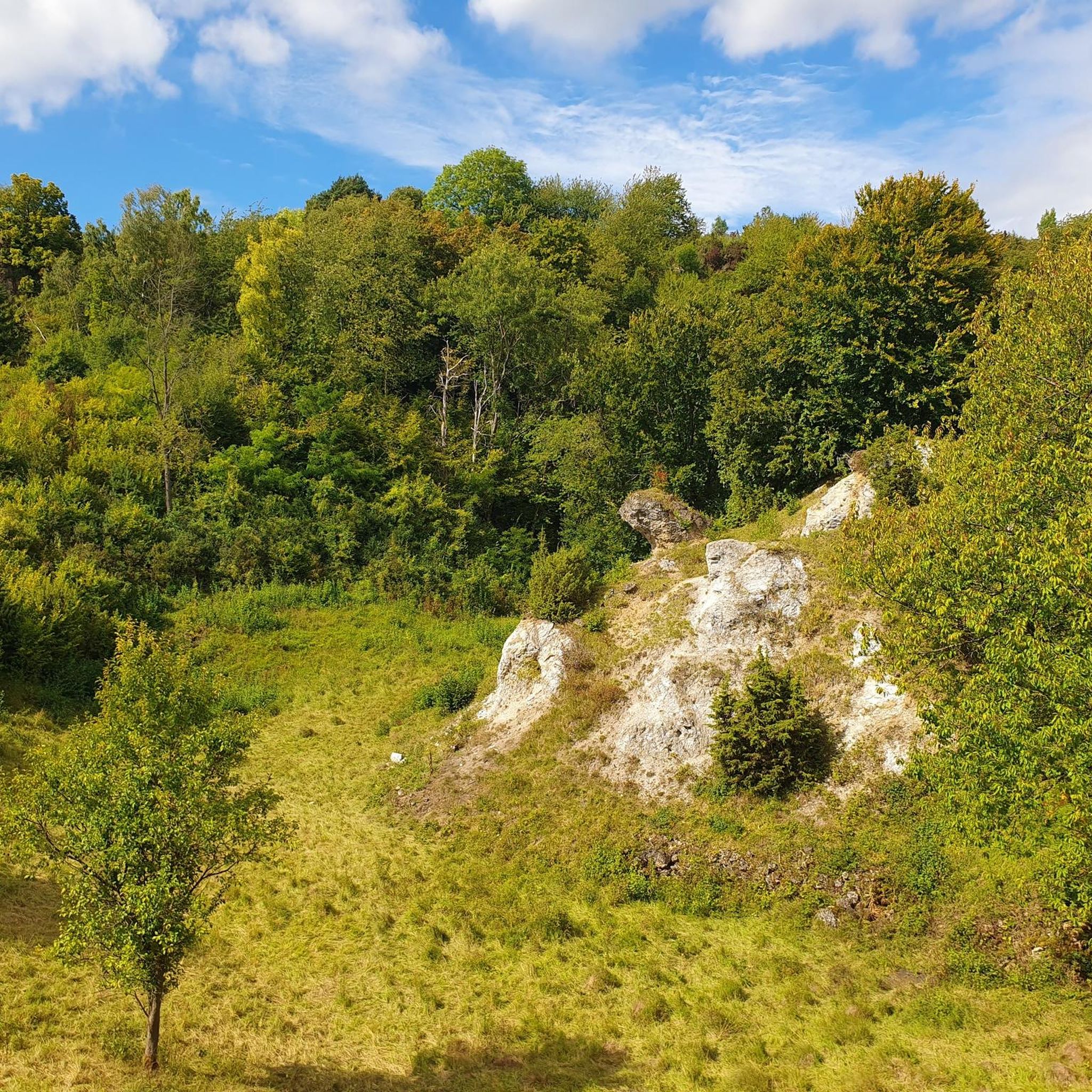
Connu aussi sous le nom de « Pierre-aux-savates » ou « Cuisine des Sorciers », le dolmen du Bois …
Tip by

Roost-Warendin Slag Heap 138
Highlight • Natural Monument
Translated by Google •
Tip by
Sign up for free to discover even more natural monuments around Cuincy.
Sign up for free
Already have an account?
Start today with a free account
Your next adventure awaits.
Login or Signup



Tips from the Community

beautiful mountain bike playground
0
0

not highlighted enough. But it’s a komoot must-have now 🥳
0
0

This oak, 200 to 300 years old, would have been used by the German army during the First World War as an observation post. The panel states: "The soldiers could thus observe the artillery and enemy movements. We can still observe some of the iron bars which would have been inserted into the trunk in order to constitute a ladder. The tree having continued to grow, the majority of the bars have been absorbed by the bark."
1
0

Remarkable century-old oak, having participated in the history of the First World War. It is easily accessible by bicycle. Which is not the path that goes deep into the forest.
1
0


Mandatory and iconic stopover in the region
1
0

Nice place typical of the North. Difficult in gravel in wet weather.
0
0

Difficult to drive on the site at this time because of the "luxuriant" vegetation. Access to the karting level is blocked by padlocked gates.
0
0
Frequently Asked Questions
What are some of the most popular natural monuments to visit near Cuincy?
Visitors frequently enjoy the unique landscapes of the slag heaps and historical sites. The Leforest slag heap is popular for its challenging climb and rewarding viewpoint. Another favorite is the Ostricourt slag heap, known for its varied terrain and singletrack paths. For a blend of nature and history, the Ladder Tree, a century-old oak with WWI significance, is also highly appreciated.
Are there family-friendly natural monuments around Cuincy?
Yes, several natural areas offer great experiences for families. The Ladder Tree is easily accessible and provides an interesting historical context. Further afield, Les Prés du Hem, about 37 kilometers from Cuincy, is an excellent family destination with a large artificial lake for water sports, a swimming beach, and a unique 1 km barefoot walking trail. It also features an ornithological reserve and treetop adventure.
What kind of natural features can I expect to see near Cuincy?
The region around Cuincy boasts a diverse range of natural features. You can explore unique wetland ecosystems at the Réserve Naturelle Régionale du Marais de Wagnonville, which features aquatic habitats, reed beds, and peat bogs. The Forêt de Mormal offers extensive deciduous woodlands, while the slag heaps like Roost-Warendin Slag Heap 138 provide elevated viewpoints and distinct landscapes formed from former mining activities.
What outdoor activities can I do near these natural monuments?
The natural monuments around Cuincy are excellent starting points for various outdoor activities. You can find numerous trails for hiking, running, and road cycling. For example, you can explore routes like the 'Sentier bord de la Scarpe loop' for running or the 'Parc Jacques Vernier – Jacques Vernier Park loop' for hiking. For more options, check out the dedicated guides for hiking, running, and road cycling around Cuincy.
Are there any historical natural sites or monuments with cultural significance?
Yes, the area combines natural beauty with rich history. The Ladder Tree, a remarkable oak, served as an observation post during the First World War. Additionally, the Hamel Dolmen or the Sorcerers' Kitchen (Pierre Chavatte) is a rare Neolithic covered alley, dating back to 2800-2000 BC, classified as a historical monument. The Jardin écologique du Vieux-Lille also preserves parts of the Vauban fortifications, blending nature with historical elements.
What is the best season to visit the natural monuments around Cuincy?
The best season largely depends on the type of experience you seek. Spring and autumn offer pleasant temperatures for hiking and exploring the forests and wetlands, with vibrant flora and fauna. Summer is ideal for water activities at places like Les Prés du Hem. Some sensitive areas, like the Réserve Naturelle Régionale de la Tourbière de Vred, are generally closed to the public, with guided visits occasionally organized, so it's best to check specific site information if you plan to visit such reserves.
Can I spot wildlife in the natural monuments near Cuincy?
Absolutely. The natural reserves are rich in biodiversity. The Réserve Naturelle Régionale du Marais de Wagnonville is home to over 100 animal species, including 67 bird species. The Réserve Naturelle Régionale de la Tourbière de Vred protects nearly 500 animal species, notably the rare Moor Frog. The Réserve Naturelle Régionale du Pré des Nonnettes is renowned for its avifauna, including the Bluethroat and Western Marsh Harrier. Even the Forêt de Mormal, while challenging for large wildlife, offers opportunities to observe smaller flora and fauna.
Are there any hidden gems or lesser-known natural monuments worth exploring?
Beyond the more popular sites, the Réserve Naturelle Régionale du Pré des Nonnettes is a valuable scientific and educational site within the Scarpe-Escaut Regional Natural Park, known for its unique pastoral landscapes and exceptional biodiversity. While generally closed to the public, the Réserve Naturelle Régionale de la Tourbière de Vred is a unique peat bog ecosystem that offers rare guided visits, providing an exceptional opportunity to explore a truly special natural environment.
Are the natural monuments around Cuincy suitable for dog walking?
Many natural areas and forests around Cuincy are generally dog-friendly, especially if dogs are kept on a leash. For instance, the Forêt de Mormal offers hundreds of kilometers of paths suitable for walking with dogs. However, sensitive natural reserves, particularly those protecting specific wildlife or fragile ecosystems, may have restrictions or require dogs to be kept on a very short leash. Always check local signage or specific reserve rules before visiting with your dog.
What are the options for parking when visiting natural monuments near Cuincy?
Parking availability varies by location. For larger natural areas like the Forêt de Mormal or Les Prés du Hem, designated parking lots are typically available. For smaller, more remote natural monuments or reserves, parking might be limited to roadside spots or small, informal areas. It's advisable to check specific access points or trailheads for parking information before your visit.
Are there any natural monuments that demonstrate successful ecological restoration?
Yes, the Jardin écologique du Vieux-Lille, located about 30 kilometers from Cuincy, is France's first ecological garden and a prime example of successful urban ecological restoration. It showcases how nature can thrive in an urban environment, preserving native plants and creatures within the former Vauban fortifications. Visitors can learn about local ecosystems and the coexistence of wildlife in a city setting.
Most popular attractions around Cuincy

Get inspired with the komoot mobile app


Explore more
Extend your search for the best caves by checking out these guides of the top ones around Cuincy:
