Top 4 Natural Monuments around Monchecourt
Best natural monuments around Monchecourt offer a unique blend of industrial heritage and natural reclamation in the Nord department of France. This region features former mining spoil tips, known as terrils, which have transformed into significant natural spaces. These areas provide opportunities for walks, bird observation, and engagement with the mining basin's history. Monchecourt's natural features showcase nature's ability to reclaim and repurpose landscapes.
Best natural monuments around Monchecourt
- The most popular natural monuments is Terril des Argales, a…
Last updated: July 2, 2026
The Big Rock
Highlight • Historical Site
Be careful, the place is very swampy and it is more easily accessible in dry weather 😉.
Translated by Google •
Tip by

the stone that grows
Highlight • Historical Site
Translated by Google •
Tip by
Sign up now to discover places like this
Get recommendations on the best single tracks, peaks, & plenty of other exciting outdoor places.
Sign up for free
Hamel Dolmen or the Sorcerers' Kitchen (Pierre Chavatte)
Highlight • Natural
Connu aussi sous le nom de « Pierre-aux-savates » ou « Cuisine des Sorciers », le dolmen du Bois …
Tip by

Terril 125 of Sainte-Marie
Highlight • Natural Monument
Translated by Google •
Tip by

Terril de Roeulx
Highlight • Natural Monument
Possibility of reaching the top, which is not very high, but which allows to have a panoramic view of the surroundings.
Translated by Google •
Tip by
Sign up for free to discover even more natural monuments around Monchecourt.
Sign up for free
Already have an account?
Start today with a free account
Your next adventure awaits.
Login or Signup


Tips from the Community

The menhir is located in the marsh of Aubigny-au-Bac, on a footpath leading to Brunémont. It is a block of Landenian sandstone 2.90 m high (including 1.48 m above ground) by 2.15 m wide and 0.70 m thick. It is said to have been sunk to about 2.40 m. Shaped like a horse's head, it is associated with a prehistoric megalith despite the absence of evidence.
0
0

not highlighted enough. But it’s a komoot must-have now 🥳
0
0

Menhir part of the local history to discover. Be careful, the place is very swampy and it is more easily accessible in dry weather 😉.
1
0
Very beautiful monument of local history to discover during a walk in nature.
1
0

It is a magical place, sheltered in a small clearing, which is accessed by a footbridge. Don't make (too much) noise ...
0
0

fairly steep climb but not too high (40m D +)
0
0
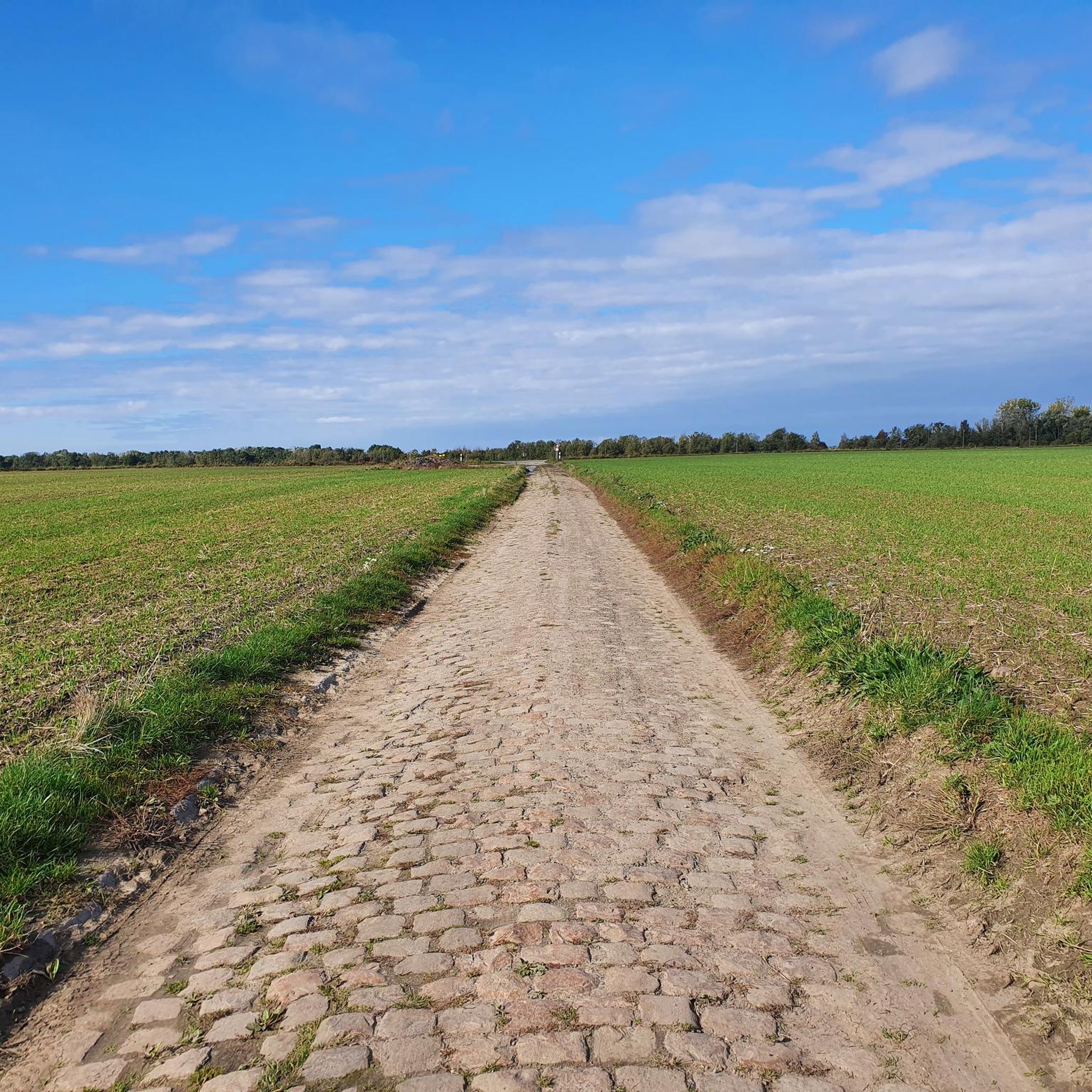
Heap and nice natural area with schist tracks. Accessible by mountain bike and gravel. Possibility of reaching the top, which is not very high, but which allows to have a panoramic view of the surroundings.
1
0

Accessible by gravel if you follow the trail. Please note that the entrance on the Bruille lez Marchiennes side has been blocked off to prevent the passage of cars. it will be necessary to climb some rocks to pass.
2
0
Frequently Asked Questions
What unique natural monuments can I visit near Monchecourt?
The region offers a blend of industrial heritage and ancient megaliths. You can explore the Terril des Argales, a former mining spoil tip now an ornithological reserve with great views. Another significant site is the Terril 125 of Sainte-Marie, which features trails for walking and cycling. Don't miss the ancient megaliths like the stone that grows, a menhir steeped in local tradition.
Are there historical natural monuments to explore in the Monchecourt area?
Yes, the area is rich in history. The terrils, such as Terril des Argales and Terril 125 of Sainte-Marie, are remnants of the region's mining past, now reclaimed by nature. You can also visit ancient megaliths like the stone that grows and the Hamel Dolmen or the Sorcerers' Kitchen (Pierre Chavatte), both classified as historical monuments with intriguing local legends.
What kind of wildlife can I expect to see at these natural monuments?
Many of the former mining spoil tips have transformed into havens for wildlife. The Terril des Argales, for instance, is an ornithological reserve centered around a pond, making it an excellent spot for birdwatching. The Terril de la Fosse Saint-Roch, while not listed in the guide highlights, is also known for providing refuge for various birds and other wildlife.
Are there hiking opportunities around the natural monuments near Monchecourt?
Absolutely. The Terril 125 of Sainte-Marie features trails, and parts are even accessible by bicycle. The Terril des Argales also offers paths with unobstructed views. For more extensive hiking, you can explore the many routes available in the area. Find more details on routes in the Hiking around Monchecourt guide.
When is the best time to visit the natural monuments around Monchecourt?
Visiting during dry weather is generally recommended, especially for sites like The Big Rock, which can be very swampy. Spring and autumn offer pleasant temperatures for exploring the trails and enjoying the natural beauty. Be aware that the Terril des Argales can sometimes have gases and smoke escaping due to internal combustion, so check local conditions.
Are there any natural monuments suitable for family outings near Monchecourt?
Yes, several sites are family-friendly. The area around the stone that grows offers a magical place in a small clearing, accessed by a footbridge, perfect for a gentle walk. Additionally, the Parc Saint-Roch, adjacent to the Terril de la Fosse Saint-Roch, is a 22-hectare park with numerous trails and a pond, ideal for family outings.
What are the parking options for natural monuments in Monchecourt?
Specific parking details vary by site. For the Parc Saint-Roch, which is a key natural area, parking is generally available. For other sites like the terrils or megaliths, access might be more rustic. For example, the entrance to Terril 125 of Sainte-Marie on the Bruille lez Marchiennes side has been blocked to prevent cars, requiring visitors to navigate some rocks.
Are there any dog-friendly trails or natural monuments in the area?
Many natural areas and trails around Monchecourt are suitable for dogs, provided they are kept on a leash and owners clean up after them. The various terrils and the Parc Saint-Roch offer open spaces and trails for walks with your canine companion.
Where can I find amenities like cafes or accommodation near these natural monuments?
While the natural monuments themselves are often secluded, you can find amenities in nearby towns and villages. Monchecourt and surrounding communes will offer options for cafes, pubs, and accommodation. The Parc Saint-Roch area, being a popular destination, is a good starting point for finding nearby services.
How can I access the Terril de la Fosse Saint-Roch?
The Terril de la Fosse Saint-Roch is located in Monchecourt and is accessible for walks. It's recognized as a peaceful area for visitors to observe nature and engage with the region's mining history. For more detailed visitor information, you can check resources like Tourisme en Hauts-de-France.
What cycling routes are available near Monchecourt's natural monuments?
The region offers various cycling opportunities. You can find routes suitable for road cycling and gravel biking. For instance, the Terril 125 of Sainte-Marie has sections accessible by bicycle. Explore more options in the Road Cycling Routes around Monchecourt guide and the Gravel biking around Monchecourt guide.
Most popular routes around Monchecourt
Most popular attractions around Monchecourt

Get inspired with the komoot mobile app


Explore more
Extend your search for the best caves by checking out these guides of the top ones around Monchecourt:
