Top 4 Natural Monuments around Brunémont
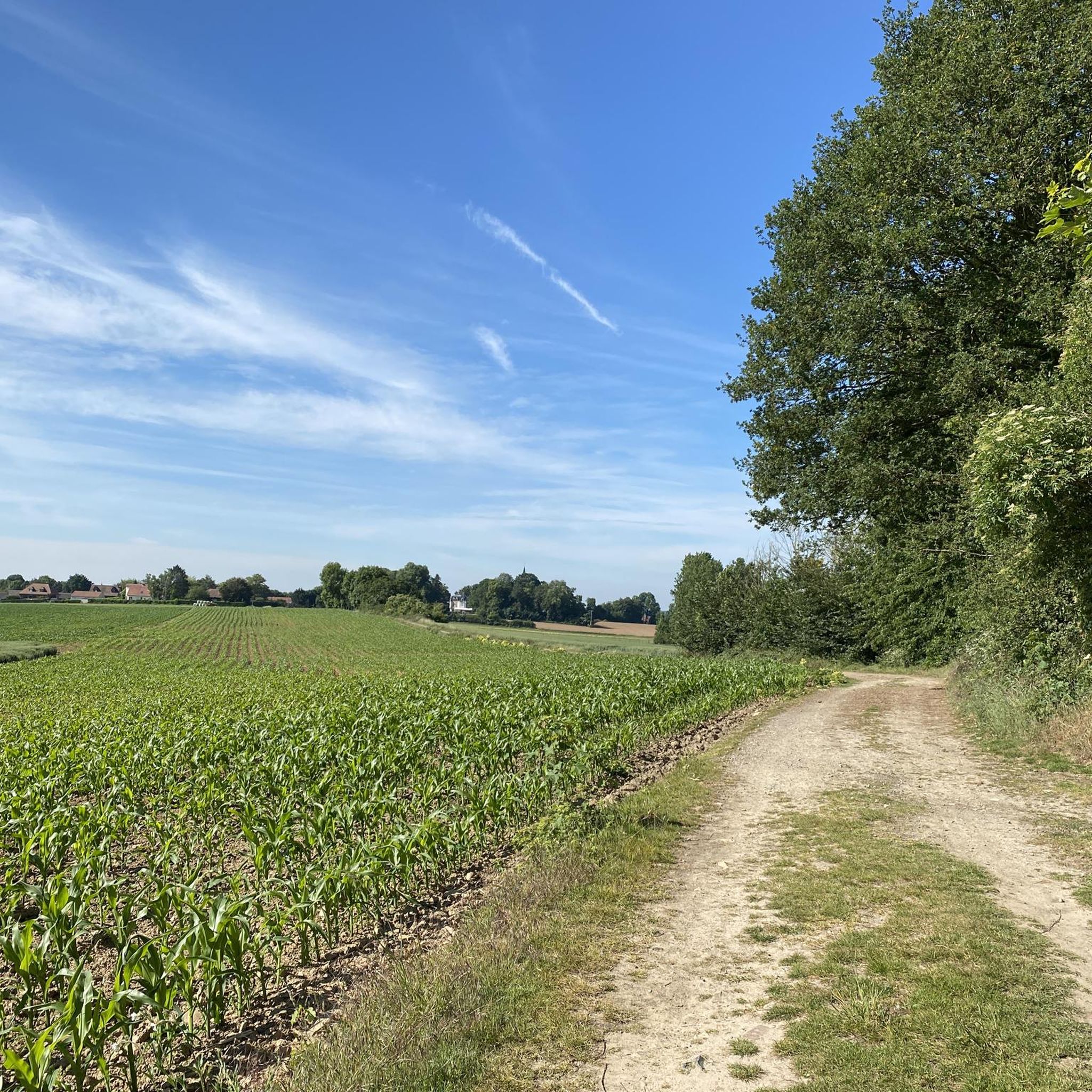
Best natural monuments around Brunémont are found within a rural commune characterized by its agricultural landscape in the Sensée valley. The area offers a blend of natural beauty and historical significance, with several notable sites in its immediate vicinity. Visitors can explore unique geological formations, ancient megaliths, and diverse wetland ecosystems. These natural monuments provide opportunities to experience the region's distinct geography and cultural heritage.
Best natural monuments around Brunémont
- The most popular natural monument is The Menhir of Lécluse…
Last updated: July 2, 2026
The Menhir of Lécluse or the Devil's Stone
Highlight • Summit
Translated by Google •
Tip by

The Big Rock
Highlight • Historical Site
Be careful, the place is very swampy and it is more easily accessible in dry weather 😉.
Translated by Google •
Tip by

Sign up now to discover places like this
Get recommendations on the best single tracks, peaks, & plenty of other exciting outdoor places.
Sign up for free
the stone that grows
Highlight • Historical Site
Translated by Google •
Tip by
Hamel Dolmen or the Sorcerers' Kitchen (Pierre Chavatte)
Highlight • Natural
Connu aussi sous le nom de « Pierre-aux-savates » ou « Cuisine des Sorciers », le dolmen du Bois …
Tip by

Terril 125 of Sainte-Marie
Highlight • Natural Monument
Translated by Google •
Tip by

Start today with a free account
Your next adventure awaits.
Login or Signup
Tips from the Community

The menhir is located in the marsh of Aubigny-au-Bac, on a footpath leading to Brunémont. It is a block of Landenian sandstone 2.90 m high (including 1.48 m above ground) by 2.15 m wide and 0.70 m thick. It is said to have been sunk to about 2.40 m. Shaped like a horse's head, it is associated with a prehistoric megalith despite the absence of evidence.
0
0

not highlighted enough. But it’s a komoot must-have now 🥳
0
0

They are part of the unknown treasures of Arras and the Pays d'Artois. The various megalithic sites are good for a beautiful walk, among mysteries and legends, history and extraordinary landscapes. Set sail for the Scarpe valley and the Sensée valley, in the wake of the megaliths of the Pays d'Artois.
2
0

The story goes that once the people of the country showed the scratches produced, according to legend, by the claws of the demon when he seized the stone. Streaks do indeed appear on two sides of the menhir… But are they the same as before or do they come from the destruction of the stone in 1918
2
0

Menhir to discover. A descriptive panel is present at the parking lot of the site. Access is by a grassy path, not dented, practicable.
1
0
Menhir part of the local history to discover. Be careful, the place is very swampy and it is more easily accessible in dry weather 😉.
1
0
Very beautiful monument of local history to discover during a walk in nature.
1
0

It is a magical place, sheltered in a small clearing, which is accessed by a footbridge. Don't make (too much) noise ...
0
0
Frequently Asked Questions
What unique natural monuments can I explore near Brunémont?
Near Brunémont, you can discover a diverse range of natural monuments. These include ancient megalithic sites like The Menhir of Lécluse or the Devil's Stone, known for its legends, and the stone that grows in Aubigny-au-Bac, which is steeped in local folklore. You can also visit unique landscapes such as Terril 125 of Sainte-Marie, a re-colonized former mining site, and the ecologically rich Marais du Grand Clair in Paillencourt.
Are there any historical or archaeological sites among the natural monuments?
Yes, several natural monuments in the area also hold significant historical and archaeological value. The Menhir of Lécluse or the Devil's Stone and the stone that grows are both ancient megaliths with rich local legends and are classified as historical monuments. Additionally, the Hamel Dolmen or the Sorcerers' Kitchen (Pierre Chavatte) is a rare example of a covered alley dating back to the late Neolithic period.
What kind of natural features can I expect to see?
The natural monuments around Brunémont offer a variety of landscapes. You'll encounter ancient megaliths, marshlands with unique wetland ecosystems, and former mining sites like terrils that have been re-colonized by vegetation, now hosting diverse flora and fauna. The broader Scarpe-Escaut Regional Natural Park, nearby, features expansive meadows, farmlands, peat bogs, and valleys carved by rivers.
Are there family-friendly natural monuments around Brunémont?
Yes, several natural monuments are suitable for families. The Menhir of Lécluse or the Devil's Stone and the stone that grows are both listed as family-friendly, offering intriguing folklore that can capture children's imaginations. These sites provide a blend of nature and history that can be engaging for all ages.
What outdoor activities can I do near these natural monuments?
The area around Brunémont is excellent for various outdoor activities. You can enjoy running, gravel biking, and mountain biking on numerous trails. For example, there are routes like the "Jetty on the Aubigny Marsh loop" for running, or the "Oisy-le-Verger Marshes – Single Canal Arleux loop" for mountain biking. You can find detailed routes and guides for these activities on komoot, such as the Running Trails around Brunémont, Gravel biking around Brunémont, and MTB Trails around Brunémont guides.
What is the best time of year to visit the natural monuments around Brunémont?
The marshy terrain around some monuments, like The Big Rock (Menhir of Oisy-le-Verger), can be very swampy, especially during periods of rain. Therefore, visiting during drier seasons, such as late spring, summer, or early autumn, is generally recommended for more comfortable access and exploration. These periods also offer better conditions for birdwatching in the marshlands.
What should I wear for exploring the natural monuments?
Given the marshy conditions in some areas and the potential for uneven terrain, it's advisable to wear appropriate outdoor footwear, such as waterproof hiking boots or sturdy walking shoes. Layers of clothing are also recommended to adapt to changing weather conditions. For visits during wetter periods, rain gear might be beneficial.
Are there accessible natural monuments near Brunémont?
While some areas can be challenging due to marshy conditions, Terril 125 of Sainte-Marie offers accessible paths for exploration, with parts even suitable for bicycles. For other sites, access might involve pedestrian paths or require navigating natural terrain, so checking specific conditions before your visit is recommended.
Can I bring my dog to the natural monuments?
Many natural areas and trails in the region are generally dog-friendly, especially within the Scarpe-Escaut Regional Natural Park which offers numerous marked footpaths. However, it's always best to keep dogs on a leash and be mindful of local regulations, especially in protected wildlife areas like marshlands, to ensure the safety of both your pet and the local fauna.
What wildlife can I observe in the Brunémont natural monuments area?
The marshlands, such as the Marais du Grand Clair and those surrounding megaliths like The Big Rock, are rich in biodiversity. These wetland ecosystems provide habitats for numerous bird species, amphibians, and other wetland wildlife. The re-colonized terrils in the Scarpe-Escaut Regional Natural Park also host rare plant and animal species, making the area a great spot for nature enthusiasts and birdwatchers.
What do visitors enjoy most about the natural monuments around Brunémont?
Visitors particularly appreciate the blend of natural beauty and rich history. The local legends surrounding megaliths like The Menhir of Lécluse or the Devil's Stone and the stone that grows are a major draw. The tranquil natural settings of the marshlands and the unique landscapes of the re-colonized mining sites also offer peaceful exploration and opportunities for nature observation.
Most popular routes around Brunémont
Most popular attractions around Brunémont

Get inspired with the komoot mobile app


Explore more
Extend your search for the best caves by checking out these guides of the top ones around Brunémont:
