Top 5 Natural Monuments around Wargnies-Le-Petit
Best natural monuments around Wargnies-Le-Petit include a landscape characterized by an undulating relief and a rich ecological environment. The area features the Aunelle River, which shapes the local scenery, and is situated on the Quercitain plateau. This region offers a preserved rural aspect with scattered arboreal plantations and picturesque views. Visitors can explore various natural features that contribute to the commune's charm.
Best natural monuments around Wargnies-Le-Petit
- The most popular natural monuments is Le Caillou-qui-Bique, a natural monument that…
Last updated: July 2, 2026
Le Caillou-qui-Bique
Highlight • Natural Monument
A little step back in time... …
Translated by Google •
Tip by

Bois d'Angre
Highlight • Forest
Translated by Google •
Tip by

Sign up now to discover places like this
Get recommendations on the best single tracks, peaks, & plenty of other exciting outdoor places.
Sign up for free
Trees with mistletoe
Highlight • Forest
The white, berry-like fruit is spread by birds. …
Translated by Google •
Tip by

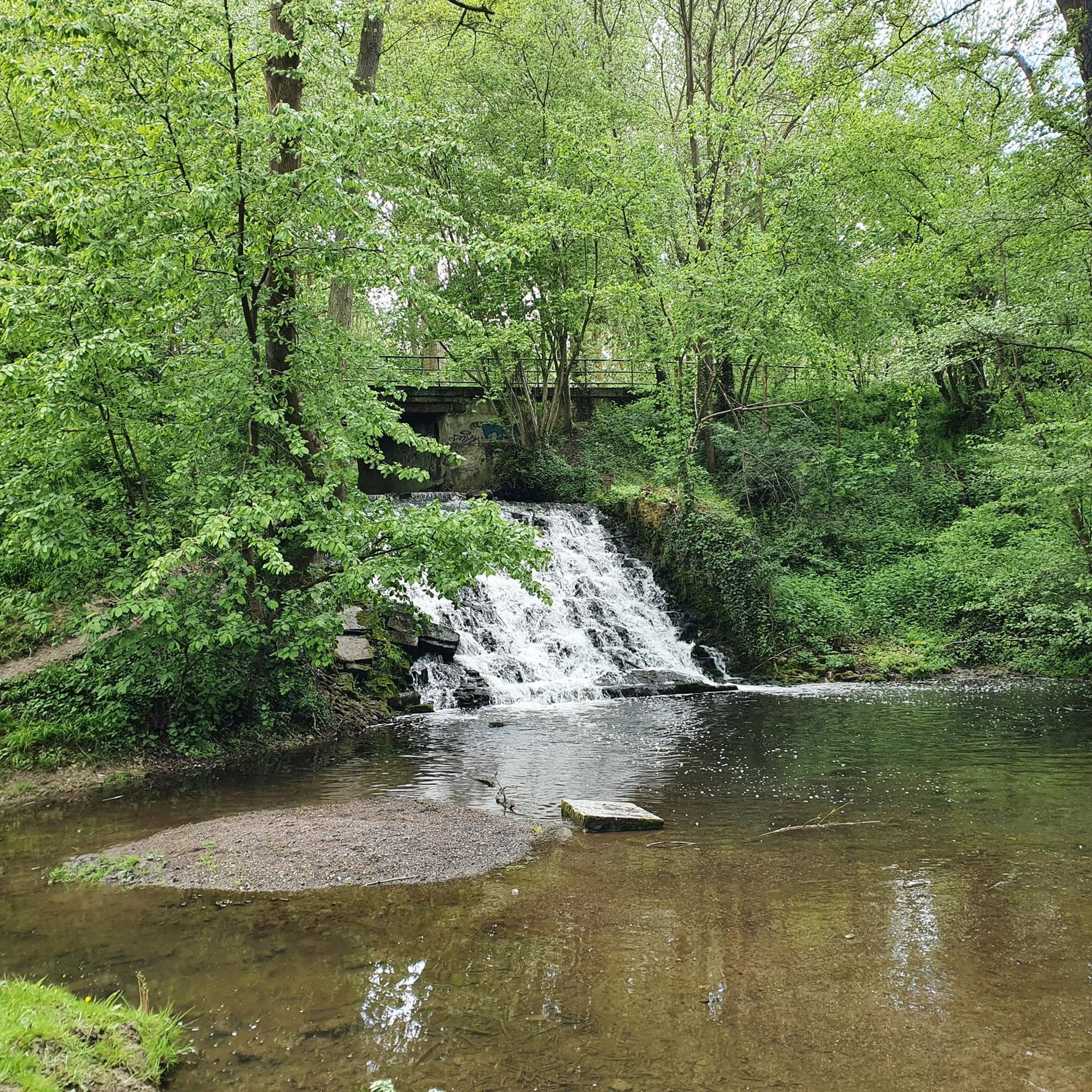
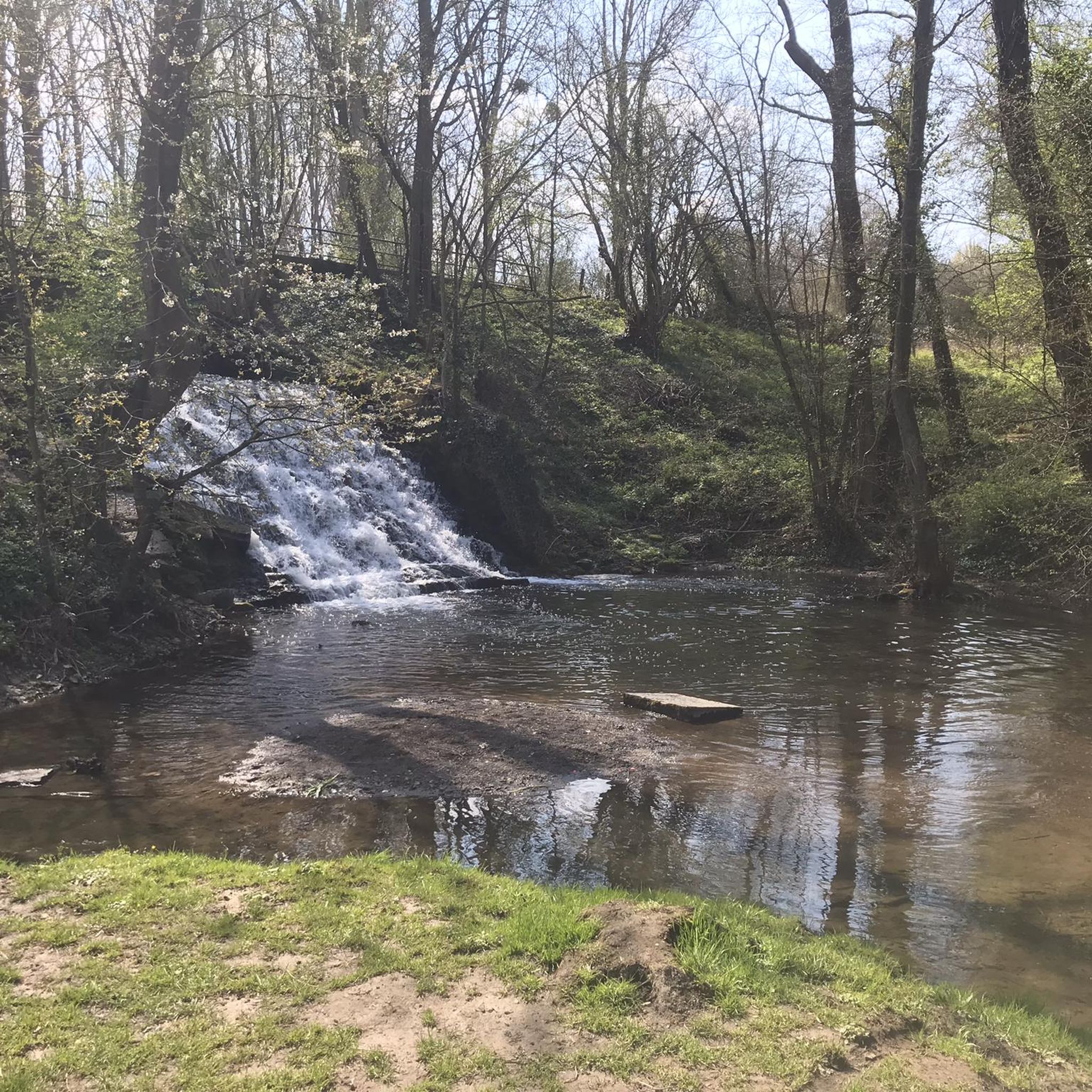
Quélipont Waterfall
Highlight • Waterfall
Translated by Google •
Tip by

GR121C
Highlight (Segment) • Trail
Translated by Google •
Tip by
Sign up for free to discover even more natural monuments around Wargnies-Le-Petit.
Sign up for free
Already have an account?
Start today with a free account
Your next adventure awaits.
Login or Signup

Tips from the Community

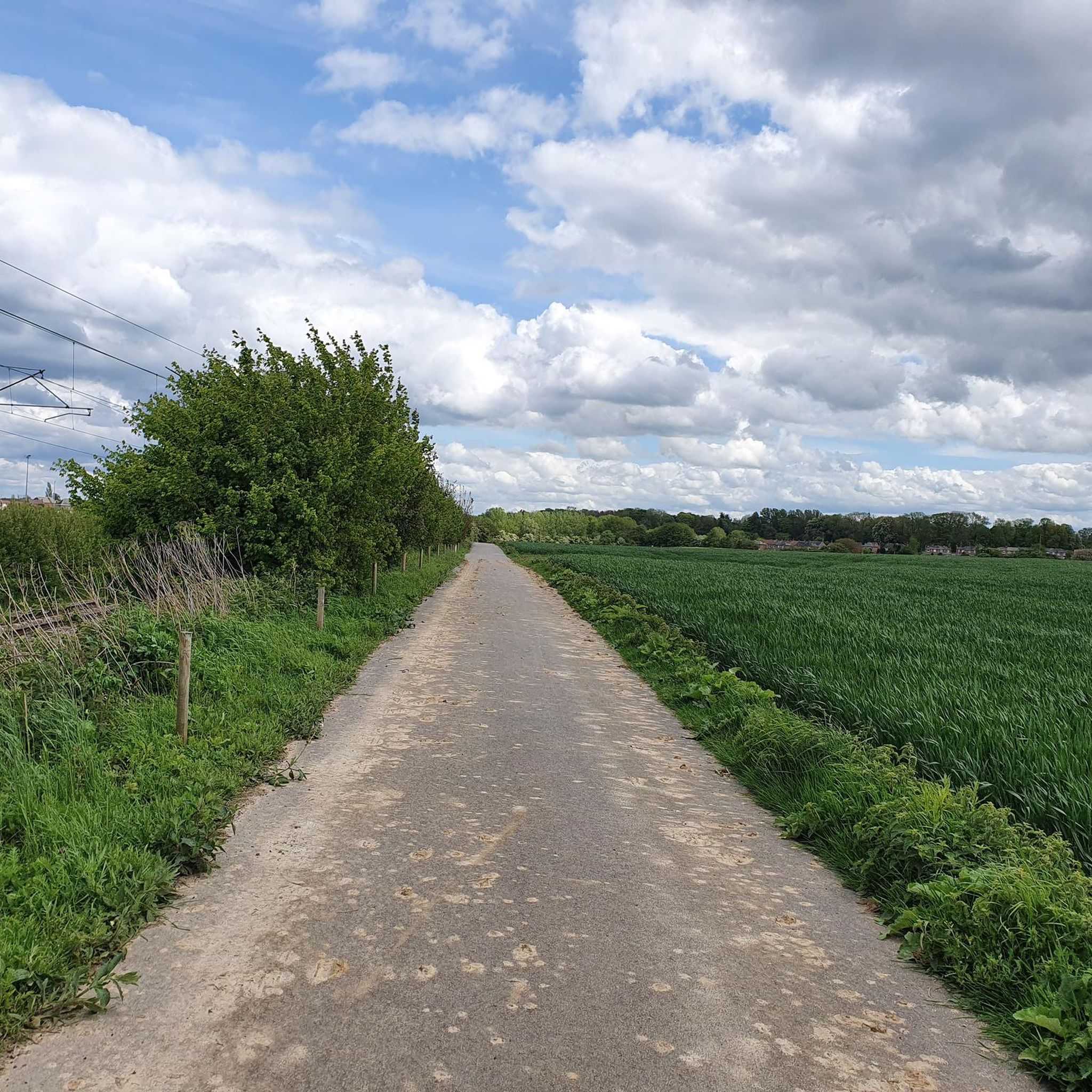
Very nice little spot at the bend of a jogging
1
0

The Bois d'Angre, located in Honnelles, is a forest renowned for the Caillou-qui-Bique, a 370 million year old pudding rock. This forest is home to rich biodiversity with oaks, ash trees and various rare species. A place of legends and hikes, the Angre woods is a precious natural site in Wallonia, managed by Natagora and other organizations to preserve its unique fauna and flora.
2
0

This rock formation is very special in the forest!
2
0


A legend has been perpetuated for generations on this 25 meter high stone planted on a ridge (in patois we say that it rocks). A little step back in time... Saint-Ghislain completes the construction of its abbey. The devil decides that he will take advantage of the inauguration day to destroy the abbey and its occupants, by throwing an enormous stone found in the Pyrenees at the community. An angel warns Saint-Ghislain of the imminent danger weighing on the abbey. He gathers as many pairs of worn shoes as possible, which he slips into a huge bag and takes to the road to meet the evil one. Coming across a poor fellow in rags with holes in his shoes at this place, the devil, quite exhausted by the heavy load, questions him: “Is the abbey of Saint-Ghislain still far away? ". - “I’m coming from there, if it’s far!” » replies the old man while emptying his bag, filled with threadbare shoes, in front of the devil. Discouraged and disappointed, Satan preferred to give up, dropping his heavy stone on the ground and walking away blaspheming, fooled by the subterfuge. An hour and a half. N.B.: some historians say that this is the legend of Saint Remacle, during the construction of Stavelot Abbey. You are therefore free to substitute Remacle for Saint-Ghislain since this substitution does not modify the spirit of the story. In both cases, the devil is defeated. Cfr de informatiesteen ter hoogte van Le Chalet de Garde.
10
1
The Bois d'Angre or Bois du Caillou-qui-bique is a Belgian forest located in Angre in the commune of Honnelles in the Walloon region, on a private plot. It is particularly known for its "poudingue" (hard rock sediment), 370 million years old, 25 meters high, whose shape is reminiscent of a human face. He is also said to have inspired the poet Émile Verhaeren. https://fr.wikipedia.org/wiki/Bois_d%27Angre
6
0
Frequently Asked Questions
What are some of the most unique natural features to explore around Wargnies-Le-Petit?
One of the most unique natural features is Le Caillou-qui-Bique, a 25-meter high puddingstone rock steeped in local legend, located within the Bois d'Angre. This geological formation dates back 370 million years and is a significant landmark in the broader area. You can also discover the Quélipont Waterfall on the Aunelle River, which offers a refreshing spot and serves as a starting point for walks.
Are there family-friendly natural sites suitable for children?
Yes, several natural sites are suitable for families. The Bois d'Angre is a forest renowned for its rich biodiversity and offers pleasant walks. The Quélipont Waterfall is also considered family-friendly, providing an accessible and refreshing place to visit. Additionally, exploring the 'Trees with mistletoe' can be an interesting and educational experience for children.
What kind of outdoor activities can I do near these natural monuments?
The area around Wargnies-Le-Petit offers various outdoor activities. You can enjoy running on trails like the 'Quélipont Waterfall loop' or 'Bois de Quélipont loop'. For cycling enthusiasts, there are road cycling routes such as the 'Côte du Caillou qui Bique' loop, and gravel biking options like the 'Trails of Bois d'Angres' loop. You can find more details on these activities in the Running Trails, Road Cycling Routes, and Gravel Biking guides for the region.
What is the best time of year to visit the natural monuments?
The natural monuments around Wargnies-Le-Petit can be enjoyed throughout the year. Spring and autumn offer pleasant temperatures for walking and cycling, with vibrant foliage or blooming nature. Summer provides a refreshing escape, especially near the Quélipont Waterfall. Even winter can be beautiful for tranquil hikes, though some trails might be muddy.
Are there any historical or cultural aspects associated with the natural monuments?
Yes, Le Caillou-qui-Bique is deeply rooted in local legend, often involving tales of the devil and saints. This 25-meter high rock has also been made famous by the Belgian poet Émile Verhaeren, adding a literary dimension to its natural significance. The nearby Quélipont Waterfall is also found alongside the remains of a 13th-century mill, hinting at historical human activity in the area.
What kind of terrain can I expect on trails near these natural monuments?
The region around Wargnies-Le-Petit is characterized by a gently undulating terrain, situated on the Quercitain plateau. You can expect a mix of paths through wooded areas like the Bois d'Angre and along the Aunelle River. While generally not overly strenuous, some routes may feature moderate inclines, offering picturesque views of the valley landscape.
Can I bring my dog to the natural monuments and trails?
Many natural areas and trails around Wargnies-Le-Petit are generally dog-friendly, especially those through forests and along rivers. The Bois d'Angre and the paths leading to the Quélipont Waterfall are popular choices for walks with dogs. It's always advisable to keep dogs on a leash to protect local wildlife and ensure a pleasant experience for all visitors.
What wildlife might I encounter in the natural areas?
The Bois d'Angre is particularly known for its rich biodiversity, including various species of fauna and flora. You might spot common forest animals, birds, and insects. The presence of oaks and ash trees indicates a healthy ecosystem. The Aunelle River also supports aquatic life and attracts various bird species.
Are there any specific long-distance trails that pass through or near the natural monuments?
Yes, the GR121C, a long-distance trail, passes through the area. This section of the GR121C is known for its scenic beauty, particularly where it runs between ramparts. It offers a great opportunity for longer hikes and to experience the natural and historical landscape.
Where can I find parking when visiting these natural sites?
While specific parking details for every natural monument are not always listed, areas like the Quélipont Waterfall, which serves as a starting point for walks, typically have designated or informal parking nearby. For forest areas like Bois d'Angre, parking is usually available at trailheads or along access roads. It's recommended to check local signage upon arrival.
What makes the landscape around Wargnies-Le-Petit special?
The landscape around Wargnies-Le-Petit is special due to its undulating relief and rich ecological environment. Situated on the Quercitain plateau, it features scattered arboreal plantations that contribute to a preserved rural aspect. The 'valley landscape' with its steep valleys offers picturesque views, and the Aunelle River significantly shapes the local scenery, creating a serene environment for exploration.
Are there any lesser-known natural spots worth discovering?
Beyond the main highlights, the general 'valley landscape' of Wargnies-Le-Petit itself offers many serene and picturesque spots for peaceful strolls. The Bois de la Ferrière, though not a formal highlight in the guide, is referenced in local walking circuits and provides another opportunity for nature walks away from more frequented areas, allowing you to discover the commune's preserved rural charm.
Most popular routes around Wargnies-Le-Petit
Most popular attractions around Wargnies-Le-Petit

Get inspired with the komoot mobile app


Explore more
Extend your search for the best caves by checking out these guides of the top ones around Wargnies-Le-Petit:
