Top 4 Natural Monuments around Maresches
Best natural monuments around Maresches include a variety of natural and geological features within the surrounding Nord department. The region offers diverse ecosystems, from forests and wetlands to unique rock formations. These sites provide opportunities for outdoor activities and observing local flora and fauna. The landscape around Maresches is characterized by its natural heritage and protected areas.
Best natural monuments around Maresches
- The most popular natural monuments is Bois d'Angre, a forest renowned for the Caillou-qui-Bique, a 370 million…
Last updated: July 2, 2026
Bois d'Angre
Highlight • Forest
Translated by Google •
Tip by

Menhir known as Le Gros Caillou or Grès Montfort
Highlight • Historical Site
The place allows you to take a short break and enjoy a very beautiful view.
The paths are very rolling and very well maintained.
Translated by Google •
Tip by

Sign up now to discover places like this
Get recommendations on the best single tracks, peaks, & plenty of other exciting outdoor places.
Sign up for free
Quélipont Waterfall
Highlight • Waterfall
Translated by Google •
Tip by
GR121C
Highlight (Segment) • Trail
Translated by Google •
Tip by

Fontaine de Lorgnies
Highlight • Structure
Ideal for cooling off during a stop.
Please note that the water is not drinkable!
Translated by Google •
Tip by
Start today with a free account
Your next adventure awaits.
Login or Signup





Tips from the Community

a beautiful place to rest
0
0

Beautiful walk between countryside and village. Pretty paths and alleys. To discover
0
0


Very nice little spot at the bend of a jogging
1
0

The Bois d'Angre, located in Honnelles, is a forest renowned for the Caillou-qui-Bique, a 370 million year old pudding rock. This forest is home to rich biodiversity with oaks, ash trees and various rare species. A place of legends and hikes, the Angre woods is a precious natural site in Wallonia, managed by Natagora and other organizations to preserve its unique fauna and flora.
2
0

magnificent view of the Ecaillon valley
0
0

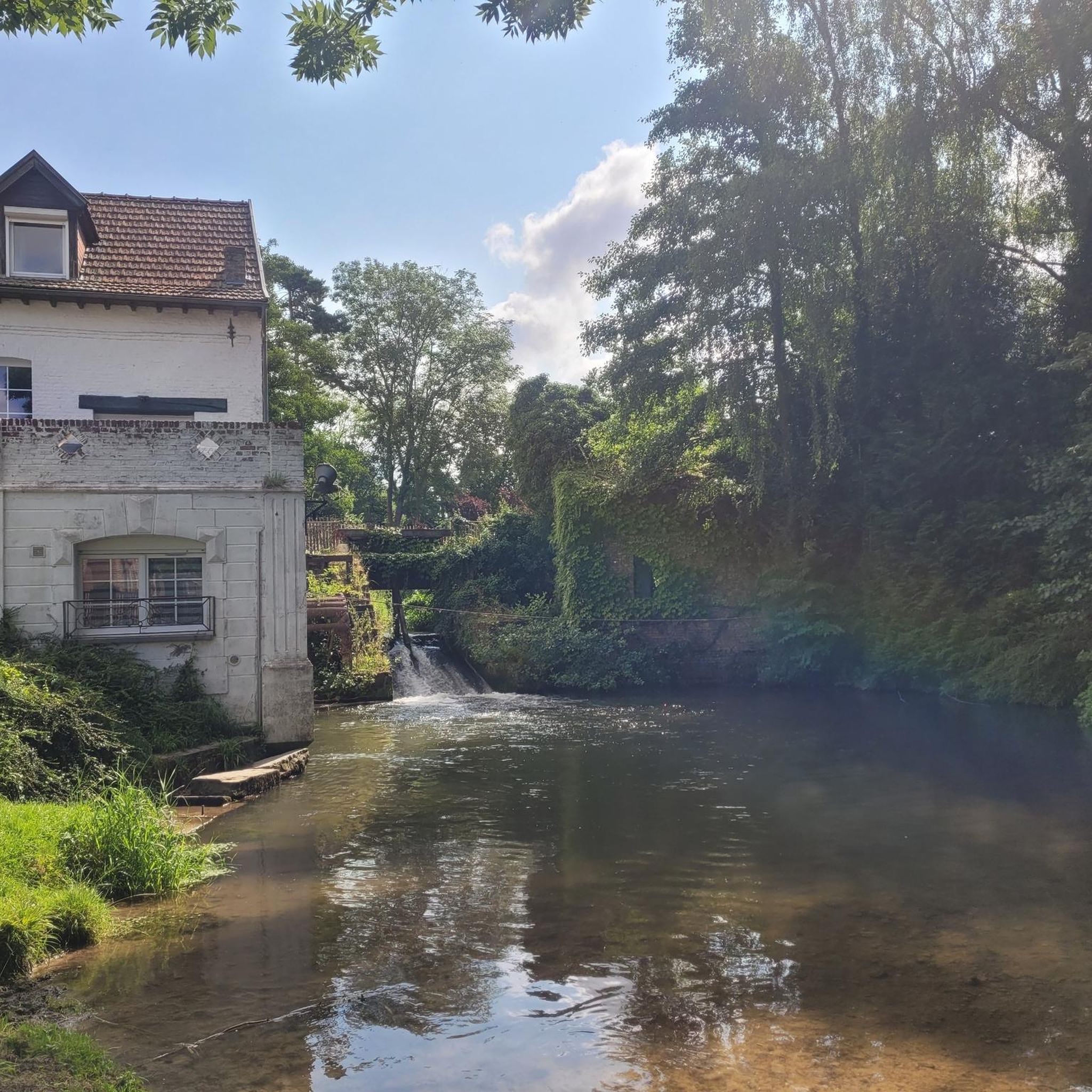
Small spring flowing from a blue stone fountain. Ideal for cooling off during a stop. Please note that the water is not drinkable!
1
0
Frequently Asked Questions
What unique geological features can I find near Maresches?
The region around Maresches offers several interesting geological formations. A notable example is the Caillou-qui-Bique, a 370-million-year-old pudding rock located within the Bois d'Angre. Additionally, you can visit the Menhir known as Le Gros Caillou or Grès Montfort, a historical megalith that also provides a beautiful view.
Are there any protected natural areas or parks near Maresches?
Yes, the Nord department surrounding Maresches features several protected natural areas. These include the Réserve naturelle régionale de la Tourbière de Vred, the Réserve naturelle régionale du Pré des Nonnettes, and the Réserve naturelle régionale du Marais de Wagnonville, which preserve specific habitats like peat bogs and wetlands. You are also close to the Scarpe-Escaut Regional Natural Park and the Avesnois Regional Natural Park, both offering diverse landscapes and outdoor opportunities.
Where can I find forests for walking or nature observation near Maresches?
The Bois d'Angre is a renowned forest known for its rich biodiversity, including oaks and ash trees, and offers various walking paths. The Forest of Mormal, located about 15 km away, is another significant forested area with established walking and cycling paths, ideal for nature observation.
Are there family-friendly natural monuments around Maresches?
Many natural sites in the area are suitable for families. The Bois d'Angre offers easy walks and a unique geological feature. The Menhir known as Le Gros Caillou or Grès Montfort is easily accessible and provides a nice spot for a break. The Quélipont Waterfall is a pretty and refreshing spot in a forest, perfect for a family outing.
What outdoor activities can I do near these natural monuments?
The region offers a variety of outdoor activities. You can explore numerous trails for hiking and cycling within the Scarpe-Escaut and Avesnois Regional Natural Parks. For specific routes, consider checking out the Road Cycling Routes around Maresches, Running Trails around Maresches, or Cycling around Maresches guides for detailed options.
Are there any waterfalls or refreshing natural spots to visit?
Yes, the Quélipont Waterfall is a lovely spot located in a forest, offering a refreshing environment and an ideal place to pause. You can also find the Fontaine de Lorgnies, a small spring that provides a cool spot to refresh yourself during a stop, though its water is not drinkable.
Can I find unique landscapes related to the region's industrial heritage?
Yes, the broader Nord-Pas-de-Calais region, which includes the area around Maresches, is known for its 'terrils' (slag heaps) from mining. While man-made, many of these have been re-naturalized and are now recognized as UNESCO World Heritage sites, offering unique hiking and viewing experiences that blend industrial history with ecological rehabilitation.
What is the best time to visit the natural monuments around Maresches?
The best time to visit is generally during spring, summer, and early autumn when the weather is mild and the natural landscapes are at their most vibrant. Spring brings blooming flora, summer offers pleasant conditions for outdoor activities, and autumn provides beautiful foliage. Always check the local weather forecast before your visit.
Are there any historical natural sites in the area?
Beyond the natural beauty, you can visit the Menhir known as Le Gros Caillou or Grès Montfort, a significant megalith with local legends. The GR121C trail also passes through areas with historical significance, offering a blend of natural and historical exploration.
What do visitors enjoy most about the natural monuments around Maresches?
Visitors particularly appreciate the diverse natural beauty, from the ancient geological formations like the Caillou-qui-Bique in Bois d'Angre to the refreshing Quélipont Waterfall. The opportunities for peaceful walks, scenic views, and discovering local biodiversity are frequently highlighted. The well-maintained paths and family-friendly nature of many sites also contribute to a positive experience.
Where can I find wetlands or peat bogs for nature observation?
For observing wetlands and peat bogs, you can visit regional nature reserves such as the Réserve naturelle régionale de la Tourbière de Vred or the Réserve naturelle régionale du Marais de Wagnonville. These protected areas are specifically managed to preserve these unique ecosystems and their associated flora and fauna.
Most popular routes around Maresches
Most popular attractions around Maresches

Get inspired with the komoot mobile app


Explore more
Extend your search for the best caves by checking out these guides of the top ones around Maresches:
