Top 10 Natural Monuments around Noisy-Le-Roi
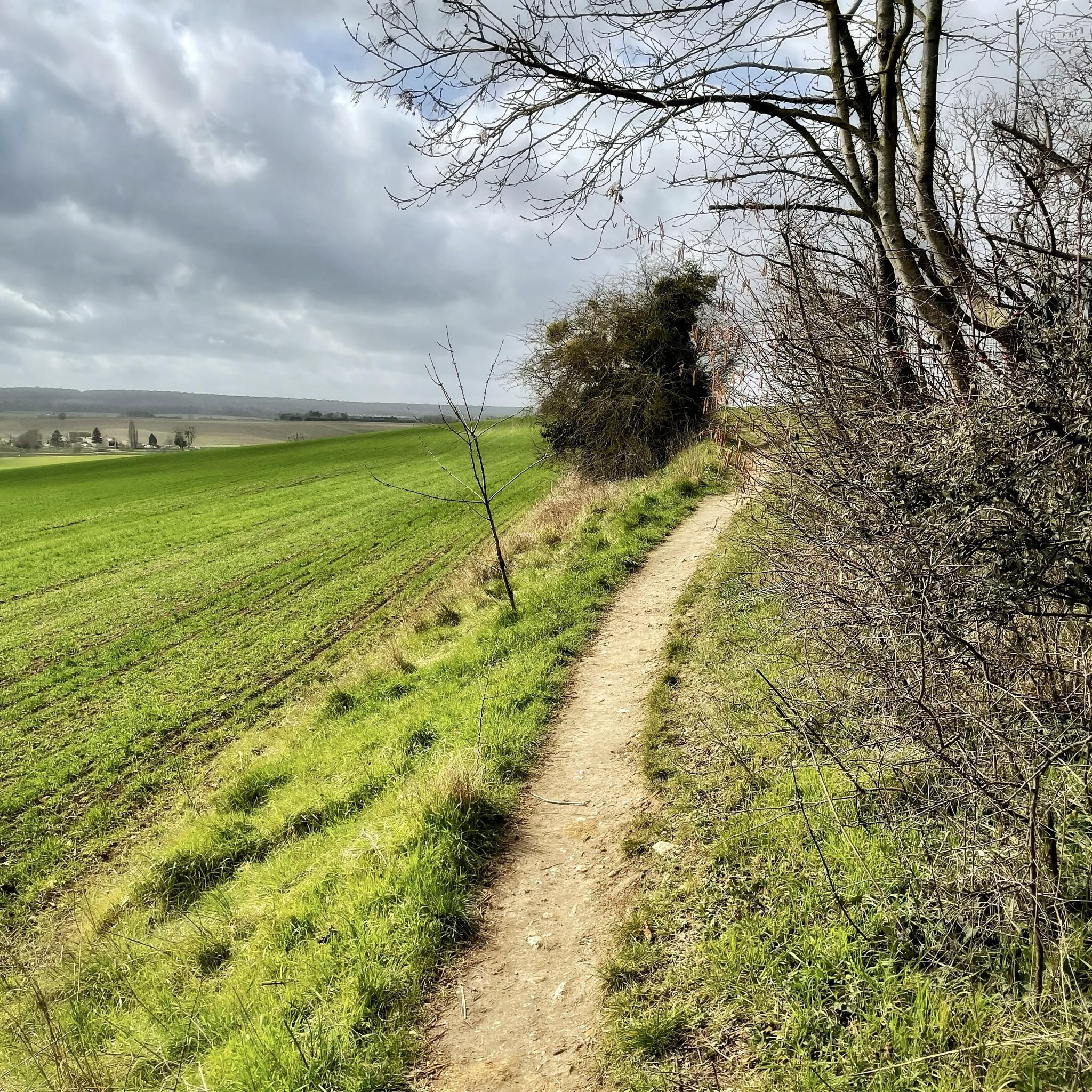
Best natural monuments around Noisy-Le-Roi include significant green spaces and broader natural landscapes, benefiting from its location between the Plain of Versailles and the Forest of Marly. This area offers opportunities for enjoying nature within both managed parks and extensive natural areas. Noisy-Le-Roi's natural heritage encompasses diverse environments, from cultivated gardens to ecological meadows and forests. The region provides a variety of natural areas for exploration and outdoor activities.
Best natural monuments around Noisy-Le-Roi
- The most popular natural monuments is…
Last updated: July 2, 2026
Latona Fountain
Highlight • Monument
Translated by Google •
Tip by

Old Chestnut Tree at Place Audran
Highlight • Natural Monument
Translated by Google •
Tip by

Sign up now to discover places like this
Get recommendations on the best single tracks, peaks, & plenty of other exciting outdoor places.
Sign up for free
Bosquet of the Baths of Apollo
Highlight • Monument
Translated by Google •
Tip by
Bassin de Flore
Highlight • Monument
Translated by Google •
Tip by
La Marche Pond
Highlight • Lake
Translated by Google •
Tip by

Sign up for free to discover even more natural monuments around Noisy-Le-Roi.
Sign up for free
Already have an account?
Start today with a free account
Your next adventure awaits.
Login or Signup
Tips from the Community

Added to the collection: komoot.com/de-de/collection/3600632/-naturdenkmaeler-besondere-baeume-und-weitere-schaetze-der-natur
0
0

This site is open to the public according to the following schedules: November to March: 8:30 a.m. - 5:00 p.m. April to October: 8:30 a.m. - 7:00 p.m. ATTENTION: The reception agents invite the public to go to the nearest exit, 15 minutes before the park closes.
0
0

Located at the crossroads of several groves, including that of the Queen, the basin of Flora, Roman goddess of flowers, gardens and spring, symbolizes the first season of the year. Sculpted by Jean-Baptiste Tuby, she is represented with a wreath of flowers, in the center of the basin. https://bienvenue.chateauversailles.fr/fr/jardins/a-voir/310_bassin-de-flore#!panel-242
5
0
The current grove dates from the reign of Louis XVI, laid out between 1778 and 1781. Its center is occupied by a lake dominated by a huge fake rock embellished with waterfalls and hollowed out with a cave. This hosts the sculptures of the Horses of the Sun placed on either side of the group of Apollo served by the nymphs, created by François Girardon and Thomas Regnaudin. https://bienvenue.chateauversailles.fr/fr/jardins/bienvenue/304_bosquet-des-bains-d-apollon#!panel-46
6
0
The Latona basin results from the desire of Louis XIV to create, in the center of his Garden, a fountain which recounts the childhood of Apollo, the sun god he chose as his emblem. To create this fountain, Louis XIV transformed a pool dug by Louis XIII by gradually installing water features and decorations sculpted by the Marsy brothers. The Latona basin went through several states before adopting its current form. In 1667, it was the Toad Fountain. From 1668 to 1670, a first Latona basin appeared; Latona is then at the same level as the other figures and turned towards the Castle. From 1687 to 1689, Jules Hardouin-Mansart created the current pool, by making Latona turn around and hoisting her to the top of a marble pyramid. http://latone.chateauversailles.fr/page/le-bassin-de-latone/histoire-du-bassin
11
0


An article if you are interested in the subject: https://france3-regions.francetvinfo.fr/paris-ile-de-france/paris/grand-paris/un-chataignier-des-yvelines-elu-plus-bel-arbre- of-the-year-2424739.html
1
0
Frequently Asked Questions
What types of natural monuments can I explore around Noisy-Le-Roi?
Noisy-Le-Roi offers a diverse range of natural monuments, from significant green spaces and ecological meadows to extensive forests and cultivated parks. You can find historical garden features, ancient trees, and tranquil lakes. The region benefits from its location between the Plain of Versailles and the Forest of Marly, providing varied natural landscapes.
Are there any unique natural features or historical natural monuments to see?
Yes, you can discover several unique spots. For instance, the Old Chestnut Tree at Place Audran is a remarkable natural monument, estimated to be 330 years old and a winner of the 'Tree of the Year' public prize. It stands as a witness to centuries of history. You can also visit the Etang de Saint-Cucufa, a beautiful lake within a historical forest acquired by Joséphine de Beauharnais, offering opportunities to observe numerous birds.
What are some family-friendly natural monuments in the area?
Many natural monuments around Noisy-Le-Roi are suitable for families. The Latona Fountain, with its sculpted depictions of Apollo's childhood, offers wide views over the Bassin de Latone and is a captivating spot for all ages. The Bassin de Flore, symbolizing spring with its sculpture of Flora, is another pleasant and family-friendly location.
Can I find natural monuments with historical significance?
Absolutely. The region is rich in natural monuments with historical ties. The Bosquet of the Baths of Apollo, for example, dates from the reign of Louis XVI and features a lake with an artificial rock, waterfalls, and sculptures depicting Apollo. These sites blend natural beauty with the rich history of the French monarchy.
What outdoor activities can I do near these natural monuments?
The area around Noisy-Le-Roi is excellent for various outdoor activities. You can enjoy cycling on routes like the 'Saint-Michel Cross – Forest Trail loop' or the 'Nice little bike path – Palace of Versailles loop.' For gravel biking, consider routes such as the 'Enduro Descent – Rapeseed fields loop.' Road cyclists can explore longer routes like the 'Loop in the Yvelines starting from the forest of Marly.' Find more details on these activities in the Cycling around Noisy-Le-Roi, Gravel biking around Noisy-Le-Roi, and Road Cycling Routes around Noisy-Le-Roi guides.
Are there any natural areas focused on wildlife observation?
Yes, the region's natural heritage includes areas crucial for preserving local fauna. Les Prairies Naturelles (Natural Meadows) in Noisy-Le-Roi are an essential transition zone to the Marly forest, vital for local wildlife and for observing flora and fauna in a relatively undisturbed habitat. The Etang de Saint-Cucufa is also known for its numerous birds, including woodpeckers, moorhens, and herons.
What is the best season to visit the natural monuments around Noisy-Le-Roi?
The natural monuments around Noisy-Le-Roi offer beauty throughout the year. Spring and summer are ideal for enjoying the vibrant displays of flowers in places like Parc de la Roseraie and observing wildlife in the meadows. Autumn brings beautiful foliage to the Forest of Marly, while winter can offer serene, crisp walks, especially in the extensive forest areas.
Are there dog-friendly natural monuments or walks in the area?
Many of the natural areas and trails around Noisy-Le-Roi, particularly within the Forest of Marly and the broader green spaces, are suitable for walks with dogs. When visiting specific parks or managed sites, it's always advisable to check local regulations regarding leash requirements.
Where can I find cafes or amenities near the natural monuments?
While specific cafes directly adjacent to every natural monument might be limited, you can often find amenities in the nearby villages and towns. For example, after exploring the Bois de St. Cucufa, you can find a restaurant and bakery at the exit of the woods, heading towards the old village of Garches.
What do visitors enjoy most about the natural monuments around Noisy-Le-Roi?
Visitors particularly appreciate the blend of cultivated beauty and wild nature. The historical garden features like the fountains and bosquets are highly valued for their artistry and historical context. The extensive green spaces, such as the Forest of Marly and the ecological meadows, are enjoyed for their tranquility, opportunities for outdoor activities, and the chance to connect with nature close to urban areas.
Are there any accessible natural monuments for visitors with mobility considerations?
While specific accessibility information for every site varies, many of the larger parks and forest paths, particularly those that are well-maintained, may offer more accessible sections. For instance, the Parc de la Roseraie, with its cultivated paths, might be more easily navigable. It's recommended to check specific site details or contact local tourism offices for the most up-to-date accessibility information.
Most popular routes around Noisy-Le-Roi
Most popular attractions around Noisy-Le-Roi

Get inspired with the komoot mobile app


Explore more
Extend your search for the best caves by checking out these guides of the top ones around Noisy-Le-Roi:
