Top 18 Natural Monuments around Amélie-Les-Bains-Palalda
Natural monuments around Amélie-Les-Bains-Palalda are situated in the Vallespir valley of the Pyrénées-Orientales, offering access to diverse natural features. The area is characterized by its position along the Tech River and proximity to the Pyrenees mountain range. This location provides a varied natural environment, serving as a base for exploring geological formations and mountain landscapes. The region's natural monuments include gorges, mountain passes, and significant peaks.
Best natural monuments around Amélie-Les-Bains-Palalda
- The most popular natural monuments is Gorges of Albanyà…
Last updated: July 2, 2026
Pou de la Neu Pass
Highlight • Mountain Pass
Translated by Google •
Tip by

Cork Oak Trees
Highlight • Forest
The cork oak is a tree found mainly in the western Mediterranean and is known for its bark, which …
Translated by Google •
Tip by

Sign up now to discover places like this
Get recommendations on the best single tracks, peaks, & plenty of other exciting outdoor places.
Sign up for free
Gorges of Albanyà
Highlight • Gorge
Translated by Google •
Tip by

Salt de Baoussous Waterfall
Highlight • Waterfall
Translated by Google •
Tip by

Puig de les Salines (Salines Peak)
Highlight • Summit
Translated by Google •
Tip by

Sign up for free to discover even more natural monuments around Amélie-Les-Bains-Palalda.
Sign up for free
Already have an account?
Start today with a free account
Your next adventure awaits.
Login or Signup
Popular around Amélie-Les-Bains-Palalda
The Crossing of the Pyrenees via the GR 10 — Eastern Pyrenees
Haute Route Pyrénéenne – Pyrenees Crossing
Hiking around Amélie-Les-Bains-Palalda
Running Trails around Amélie-Les-Bains-Palalda
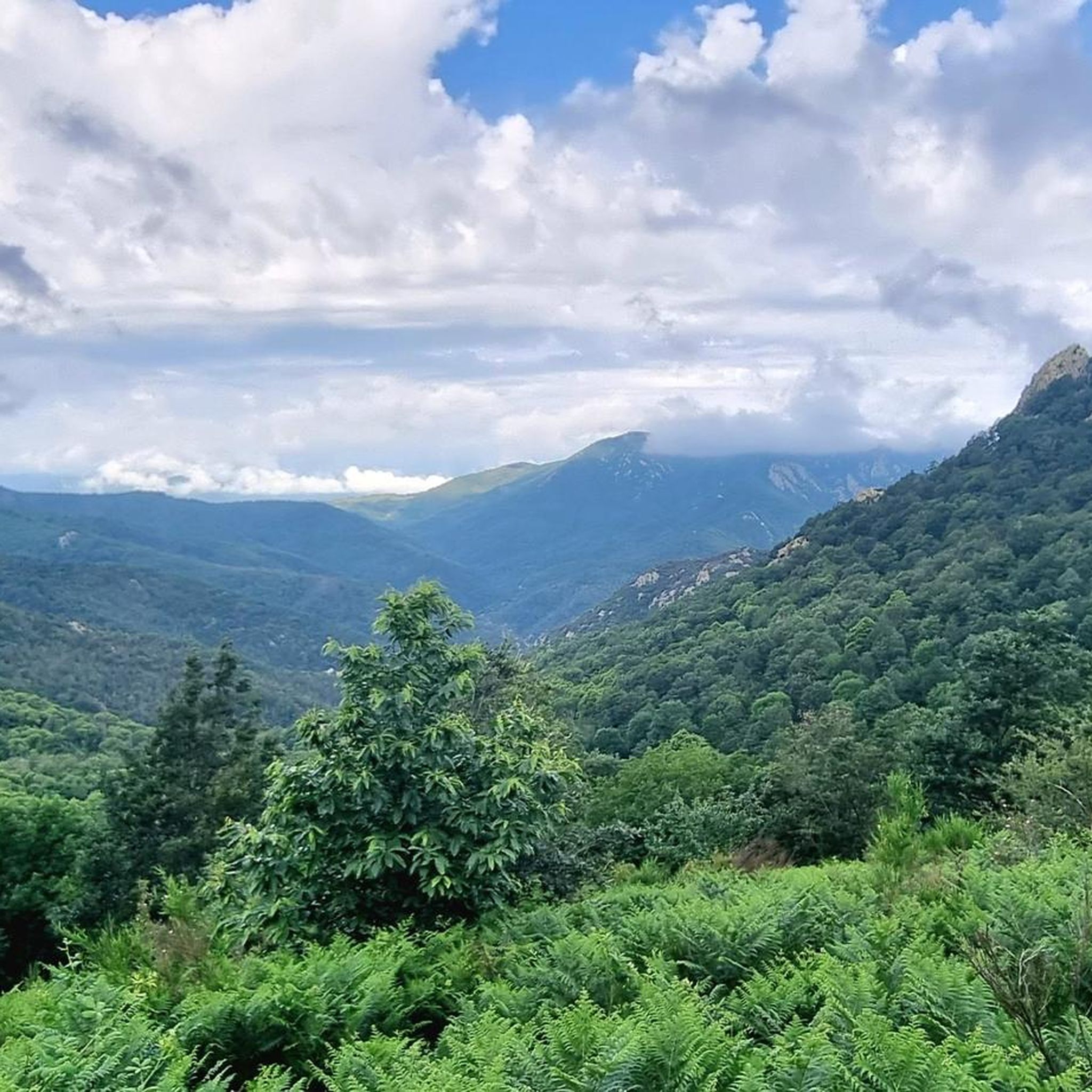
Cycling around Amélie-Les-Bains-Palalda
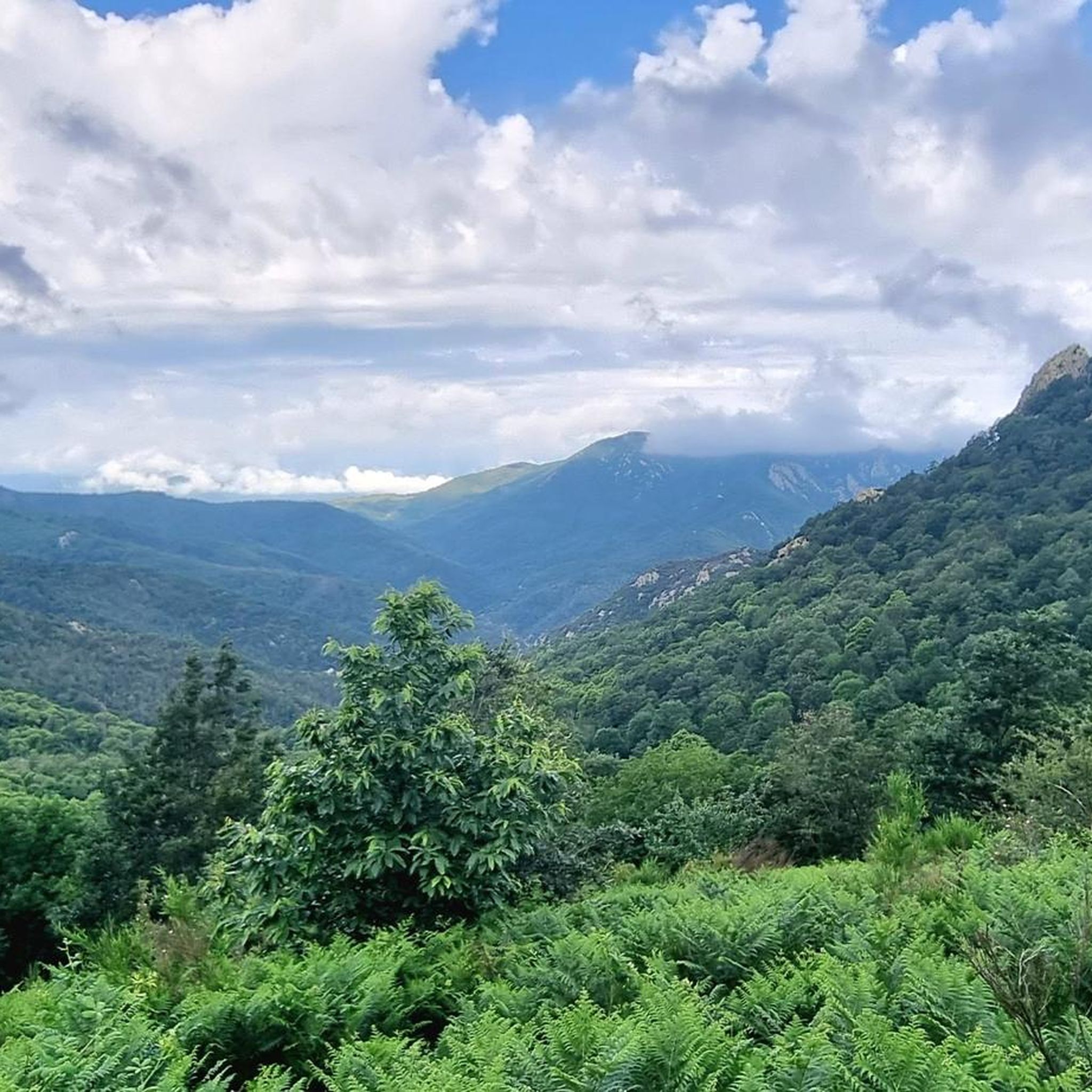
Road Cycling Routes around Amélie-Les-Bains-Palalda
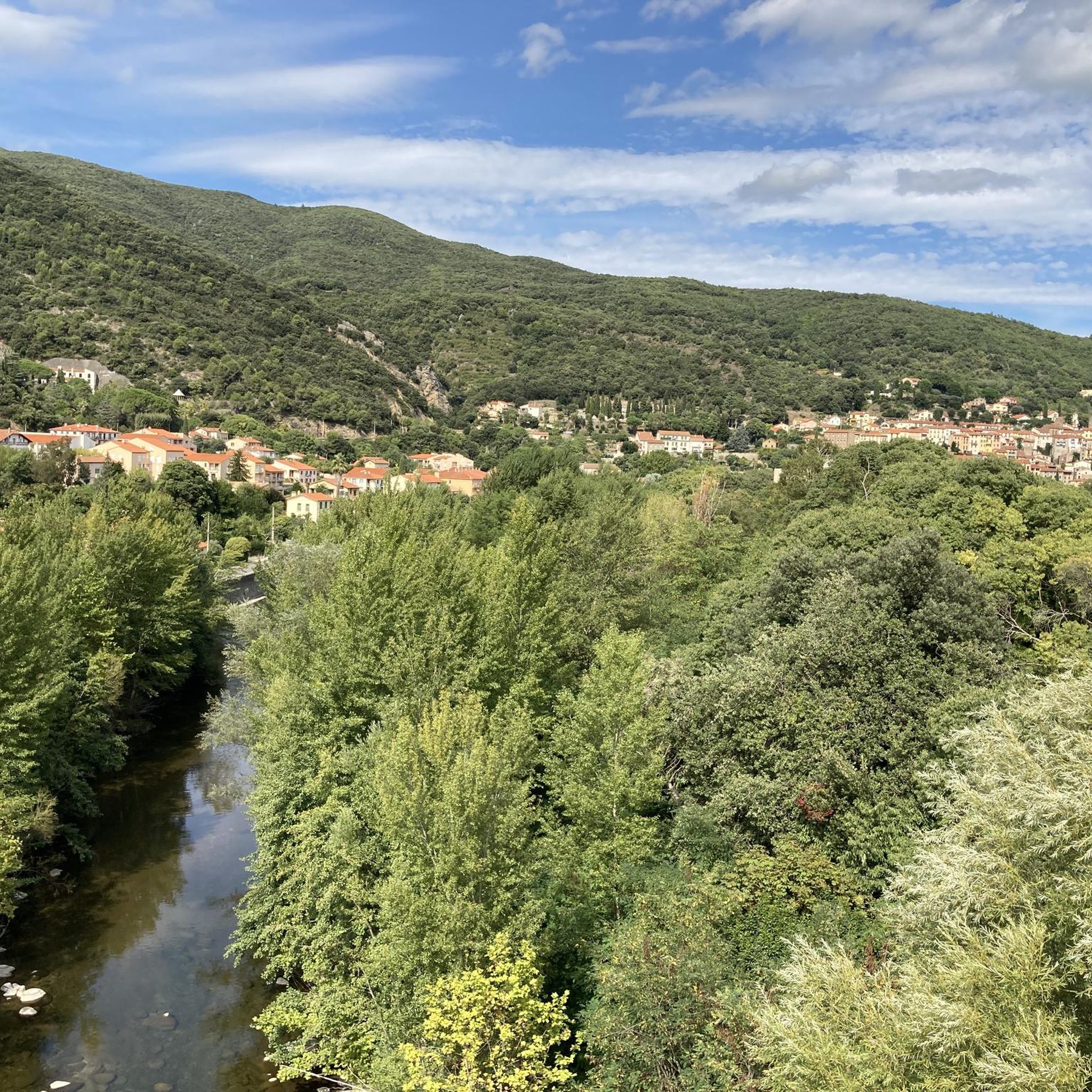
MTB Trails around Amélie-Les-Bains-Palalda

Gravel biking around Amélie-Les-Bains-Palalda
Other adventures around Amélie-Les-Bains-Palalda


Tips from the Community

We completed this route on August 29, 2025, and upon reaching the dolmen, we were unable to continue because the trail was closed. We had to return along the same path we had taken. The return trail was closed because it crossed private property.
0
0

Fantastic gorges that today have enough water to immerse yourself in with your whole body. Today I was the only one who swam in them, but it was a "tasty" after almost 50 km and 1400 meters of elevation gain.
1
0

This pass was important as a passage between regions, especially in activities such as transhumance or the transport of goods. The snow wells that give the place its name were also key elements in the economy of the mountainous areas. The term "Pou de la Neu" refers to the snow or ice wells that were traditionally used to store snow during the winter. These structures, dug into the ground or built with stones, served to preserve ice that was later transported to the lower areas for use in food, medicine or food preservation.
1
0

The name of the place is called "Salt de Baoussous"
1
0

This hiking pass is a real hub of hiking trails that go to both France and Spain. The views there are magnificent.
3
1

‼️⚠️ As with all bathing pools in river valleys, only get in when the weather is absolutely stable. When it rains, the water level can rise quickly!
1
0
2023: Due to the extreme drought and the poor water quality, swimming is no longer allowed in most of the pools. Here it goes ....
1
2

There are many cork oaks in this section of the hike. The cork oak is a tree found mainly in the western Mediterranean and is known for its bark, which is used as cork. The bark is harvested every nine to twelve years, removing the outer layer to reveal the cork. The bark then grows back and can be harvested again. Cork is used in a variety of products including wine stoppers, flooring and insulation materials. The cork oak is a long-lived tree that can live up to 250 years. It can grow up to 20 meters tall and has a broad, spreading crown. The leaves of the cork oak are evergreen and have a leathery texture. The cork oak is a symbol of sustainability and environmental protection, as its harvest and use help preserve forests and promote biodiversity. It is also an important part of the Mediterranean ecosystem, providing habitat for a wide variety of animal and plant species.
0
0
Frequently Asked Questions
What unique natural features can I explore around Amélie-les-Bains-Palalda?
The region offers a diverse range of natural features. You can discover dramatic gorges like the Gorges of Albanyà with its beautiful pools, or explore mountain passes such as Pou de la Neu Pass, which serves as a hub for trails connecting France and Spain. The area also features unique forests, including sections with Cork Oak Trees, and impressive waterfalls like the Salt de Baoussous Waterfall.
Are there any significant gorges to visit in the Amélie-les-Bains-Palalda area?
Yes, the region is known for its gorges. The Gorges of Albanyà are a popular spot, featuring the Muga River carving through the forest with beautiful pools perfect for cooling off. Historically, the Gorges de la Fou was also a renowned natural monument, famous for being one of the narrowest gorges in the world, though it is currently closed due to safety concerns.
Where can I find panoramic views of the region?
For expansive views, head to Pou de la Neu Pass, which offers magnificent vistas and a short climb to the Roc del Pou. Another excellent spot is Puig de les Salines (Salines Peak), a summit at 1,333 meters that marks the border between France and Spain and provides stunning panoramas. The majestic Pic du Canigou, while a more challenging hike, also offers breathtaking views from its massif.
Are there family-friendly natural monuments around Amélie-les-Bains-Palalda?
Yes, the area offers options for families. The sections with Cork Oak Trees are considered family-friendly, offering an interesting natural environment to explore. When visiting places with natural pools like the Gorges of Albanyà or Salt de Baoussous Waterfall, always check water levels and conditions for safety, especially with children.
What outdoor activities can I do near these natural monuments?
The natural monuments are often integrated into various outdoor routes. You can find numerous hiking trails, especially around Pou de la Neu Pass and the Pic du Canigou massif. For cycling enthusiasts, there are many routes, including challenging road cycling tours like the 'Coll d'Ares – New Bridge of Camprodon loop' or 'Prats-de-Mollo-la-Preste – Prats de Mollo loop'. Running trails are also available, such as the 'Sainte-Engracia Chapel – Panoramic View of the Canigou loop'. You can find more details on these activities in the cycling guide, road cycling guide, and running guide for Amélie-les-Bains-Palalda.
Are there hiking trails near these natural monuments?
Absolutely. Many natural monuments are focal points for hiking. Pou de la Neu Pass is a significant hub for hiking trails that lead into both France and Spain. The Pic du Canigou massif also offers a variety of routes for hikers of different skill levels, providing access to pristine mountain environments and spectacular viewpoints. You can explore various hiking options in the region to discover these sites.
What is the best time to visit the natural monuments around Amélie-les-Bains-Palalda?
The best time to visit largely depends on the activity. Spring and autumn generally offer pleasant temperatures for hiking and exploring, with vibrant flora or beautiful fall colors. Summer is ideal for enjoying natural pools at sites like the Gorges of Albanyà, but be mindful of water levels and conditions. For higher altitude monuments like Pic du Canigou or Puig de les Salines, late spring to early autumn typically provides the most favorable weather for ascents.
What should I wear when visiting natural monuments in this region?
Given the varied terrain, comfortable and sturdy footwear is essential, especially if you plan to hike. For areas with natural pools or waterfalls like the Gorges of Albanyà or Salt de Baoussous Waterfall, bathing shoes are highly recommended. Layered clothing is advisable as weather conditions can change, particularly in mountainous areas or gorges where temperatures can be cooler.
Are there any natural monuments that are particularly good for photography?
Many sites offer excellent photographic opportunities. The dramatic geological formations of the Gorges of Albanyà, with its river-carved landscapes and pools, are very photogenic. Panoramic viewpoints from Pou de la Neu Pass and Puig de les Salines provide stunning landscape shots. Even the unique Cork Oak Trees offer interesting textures and light for nature photography.
What do visitors enjoy most about the natural monuments around Amélie-les-Bains-Palalda?
Visitors frequently appreciate the opportunity to immerse themselves in pristine nature. The beautiful pools and refreshing waters of the Gorges of Albanyà are a highlight for many, especially for cooling off. The magnificent views from mountain passes like Pou de la Neu Pass and the sense of accomplishment from reaching summits like Puig de les Salines are also highly valued. The region's diverse landscapes, from river valleys to high peaks, offer something for every nature lover.
Are there any natural monuments that are easily accessible or suitable for beginners?
While many sites involve some hiking, some areas might be more accessible. For instance, exploring the Cork Oak Trees can be part of gentler walks. When planning a visit, it's always recommended to check the difficulty level of specific trails leading to the monuments. Many routes in the region cater to various fitness levels, so you can find options that suit beginners.
Can I find cafes or restaurants near the natural monuments?
While some natural monuments are in remote areas, you'll typically find cafes and restaurants in the nearby towns and villages, such as Amélie-les-Bains-Palalda itself, or Albanyà if visiting the Gorges of Albanyà. It's a good idea to pack snacks and water, especially for longer excursions, as amenities might not be directly at the natural sites.
Most popular routes around Amélie-Les-Bains-Palalda
Most popular attractions around Amélie-Les-Bains-Palalda

Get inspired with the komoot mobile app


Explore more
Extend your search for the best caves by checking out these guides of the top ones around Amélie-Les-Bains-Palalda:
