Top 20 Natural Monuments around Marseille
Best natural monuments around Marseille include dramatic coastal formations, unique island ecosystems, and prehistoric caves. The region is characterized by its rugged limestone landscape and the Mediterranean coast. Marseille's natural features offer diverse experiences, from steep-walled inlets to significant marine areas. These natural monuments provide opportunities to explore the unique geology and biodiversity of the area.
Best natural monuments around Marseille
- The most popular natural monuments is Route des Crêtes, a viewpoint that connects La Ciotat to Cassis. This…
Last updated: August 11, 2026
Port-Pin Beach
Highlight • Canyon
Translated by Google •
Tip by

View of the Port Miou calanque
Highlight • Lake
Translated by Google •
Tip by

Sign up now to discover places like this
Get recommendations on the best single tracks, peaks, & plenty of other exciting outdoor places.
Sign up for free
En-Vau Beach
Highlight • Beach
Translated by Google •
Tip by

Morgiou Cove
Highlight • Canyon
Translated by Google •
Tip by
Route des Crêtes
Highlight • Viewpoint
Translated by Google •
Tip by
Climb to Col de l'Espigoulier
Highlight (Segment) • Mountain Pass
Translated by Google •
Tip by

Marseilleveyre summit
Highlight • Summit
Translated by Google •
Tip by
ℹ️ Trolib - Calanque de Port Pin and its guinguette (1950)
Highlight • Beach
🙏 Please take the right steps to preserve this treasure and ensure everyone's peace and quiet!
Between Port-Miou and En-Vau, the cove of Port-Pin captivates with its beauty and easy access.
Translated by Google •
Tip by

Palais Longchamp
Highlight • Monument
In 1835, a …
Translated by Google •
Tip by

Cavau Battery
Highlight • Historical Site
Translated by Google •
Tip by

Sign up for free to discover even more natural monuments around Marseille.
Sign up for free
Already have an account?
Start today with a free account
Your next adventure awaits.
Login or Signup
Popular around Marseille
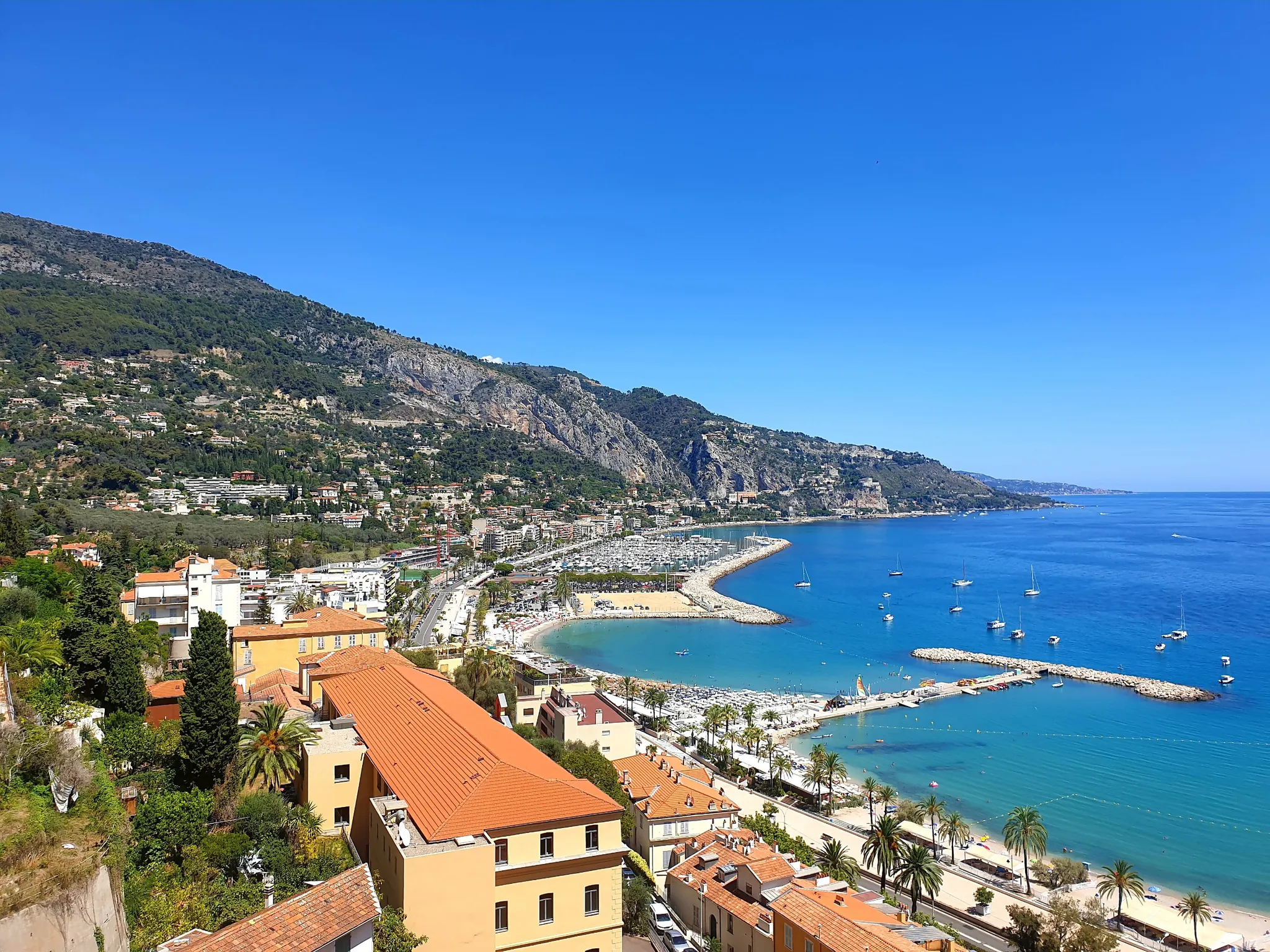
Between sea and mountains – other balcony of the Mediterranean
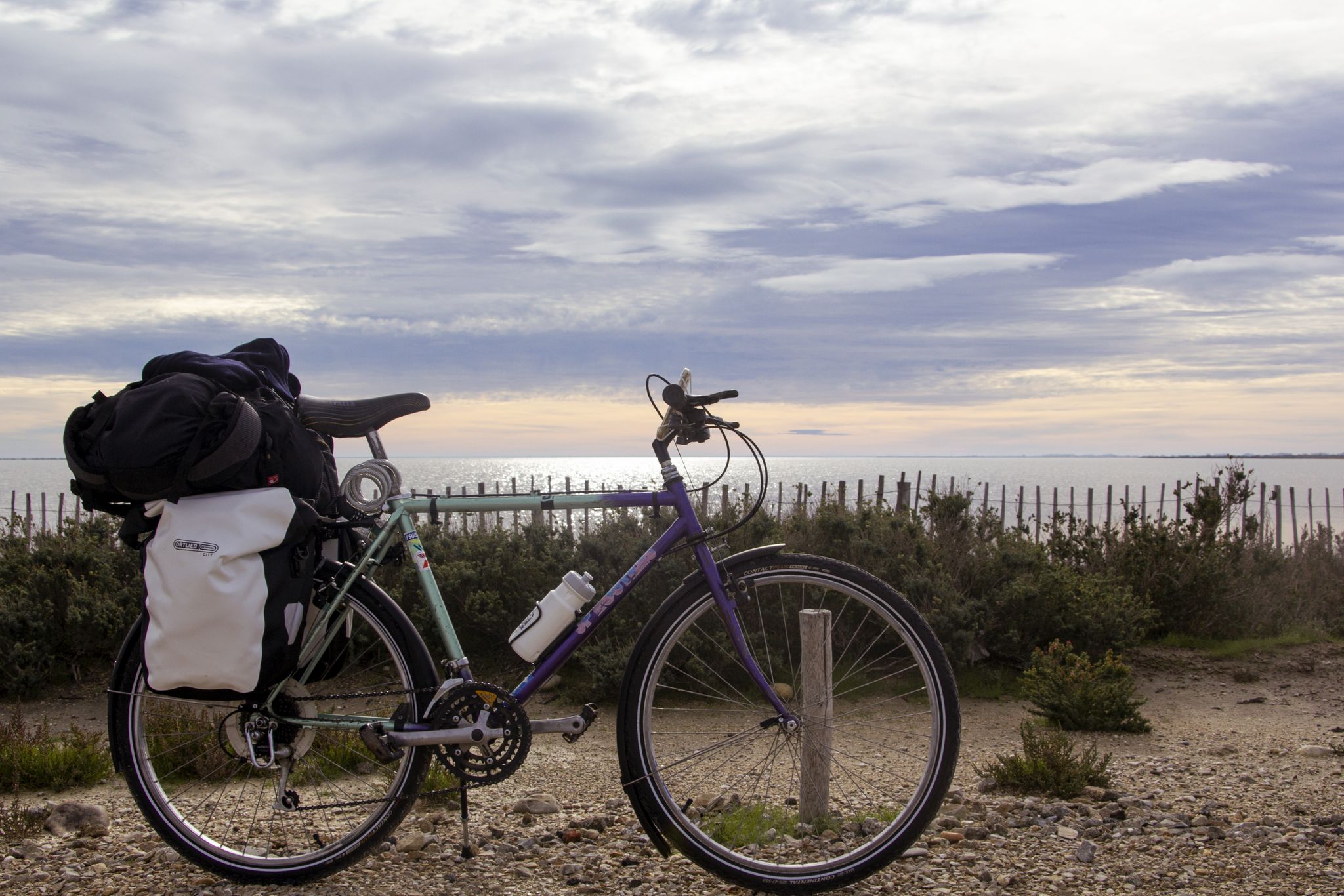
From Marseille to Montpellier — France's south coast by bike
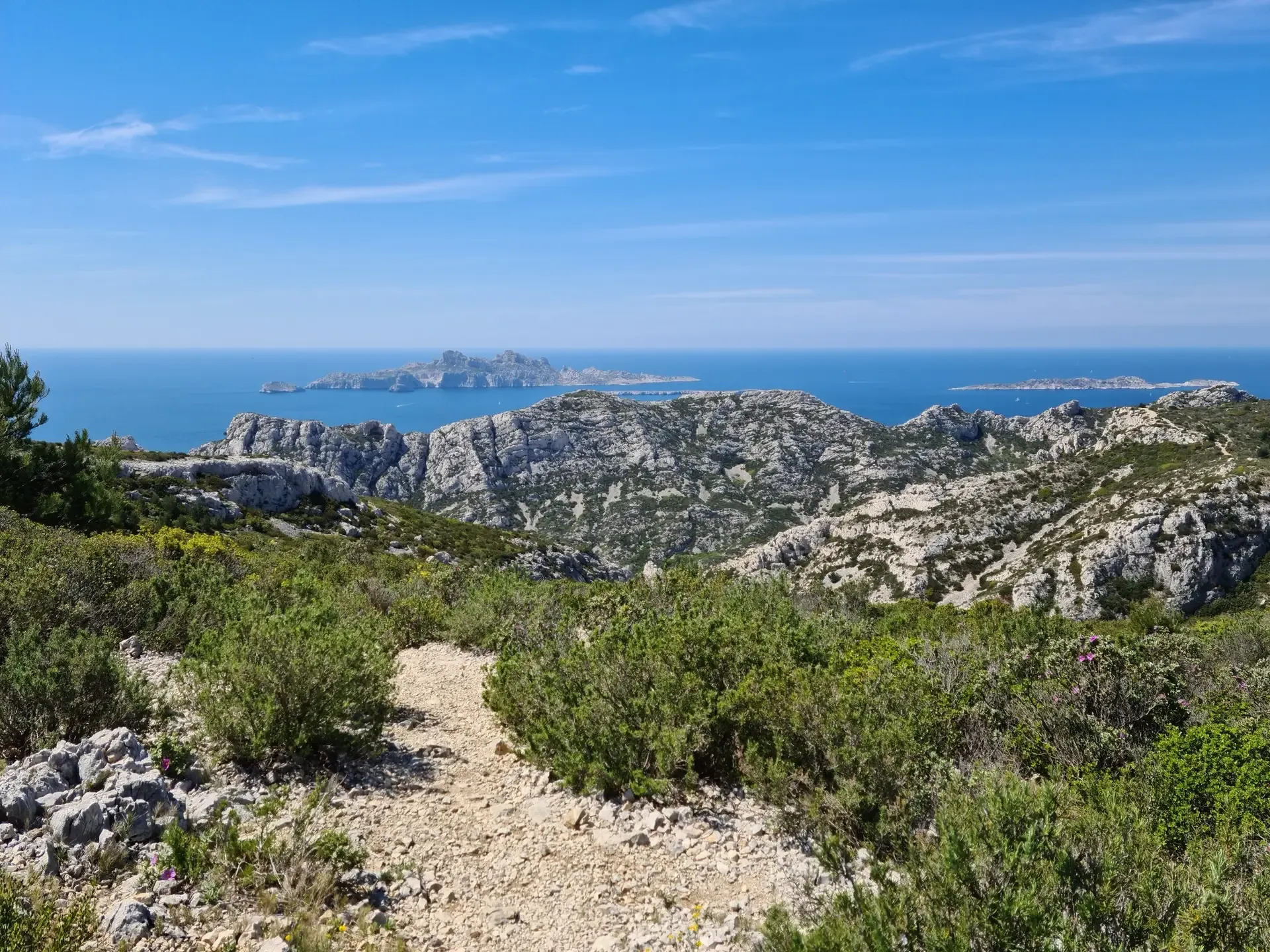
GR 51 - Balcony of the Mediterranean

Tarmac, trails and flow – Europe's best road to trail runs

Graffiti & Street Art Trails through Europe’s Coolest Cities
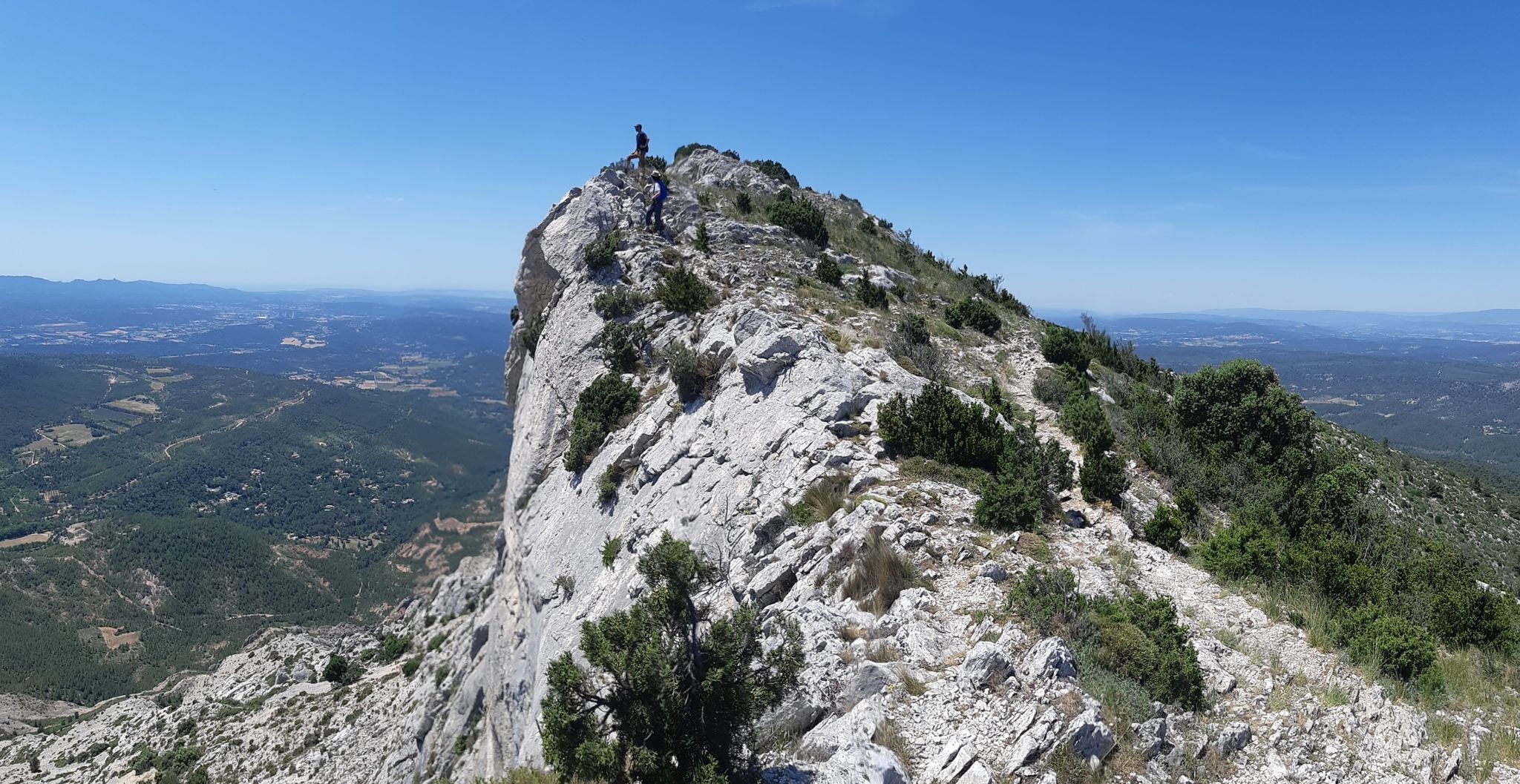
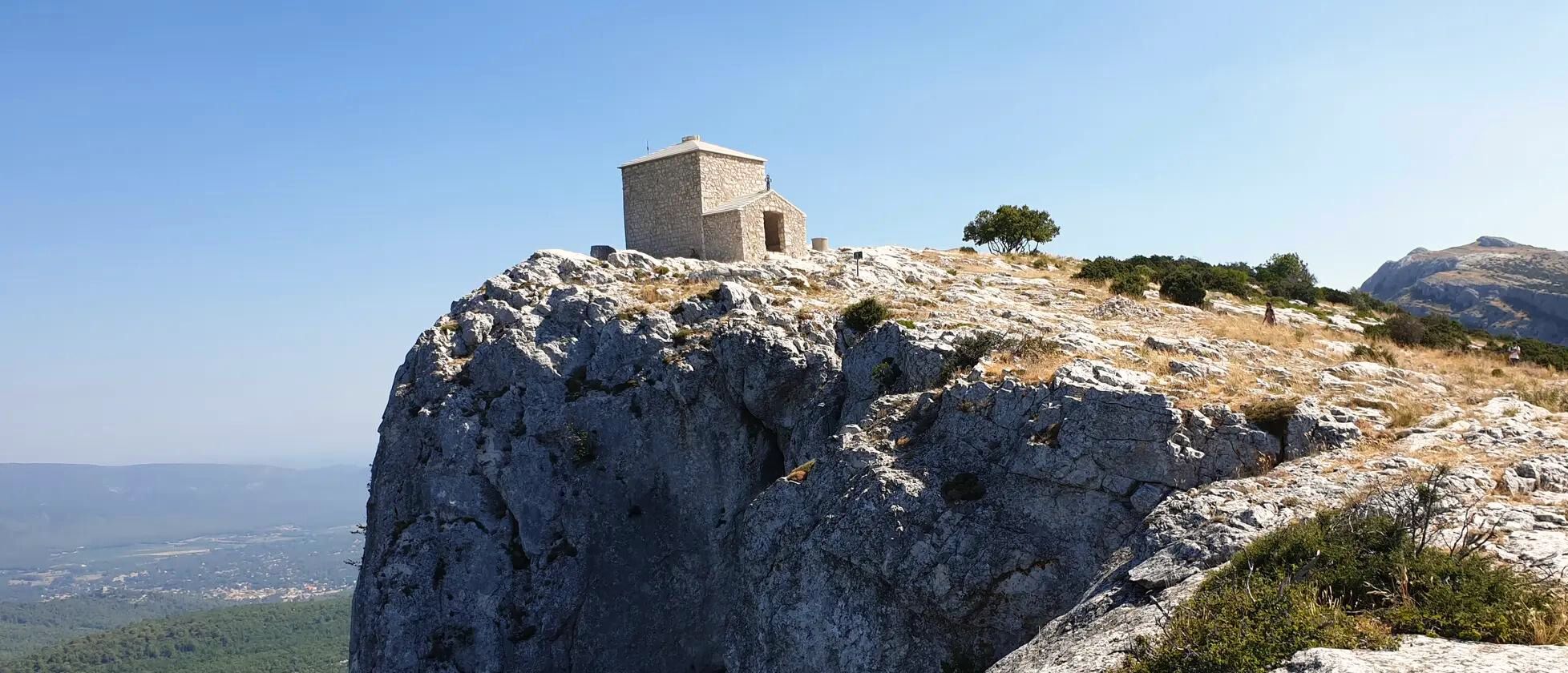
Pays d'Aix to Cap Canaille – Seven Provençal walks
La Madrague to the Sainte-Baume – GR 98
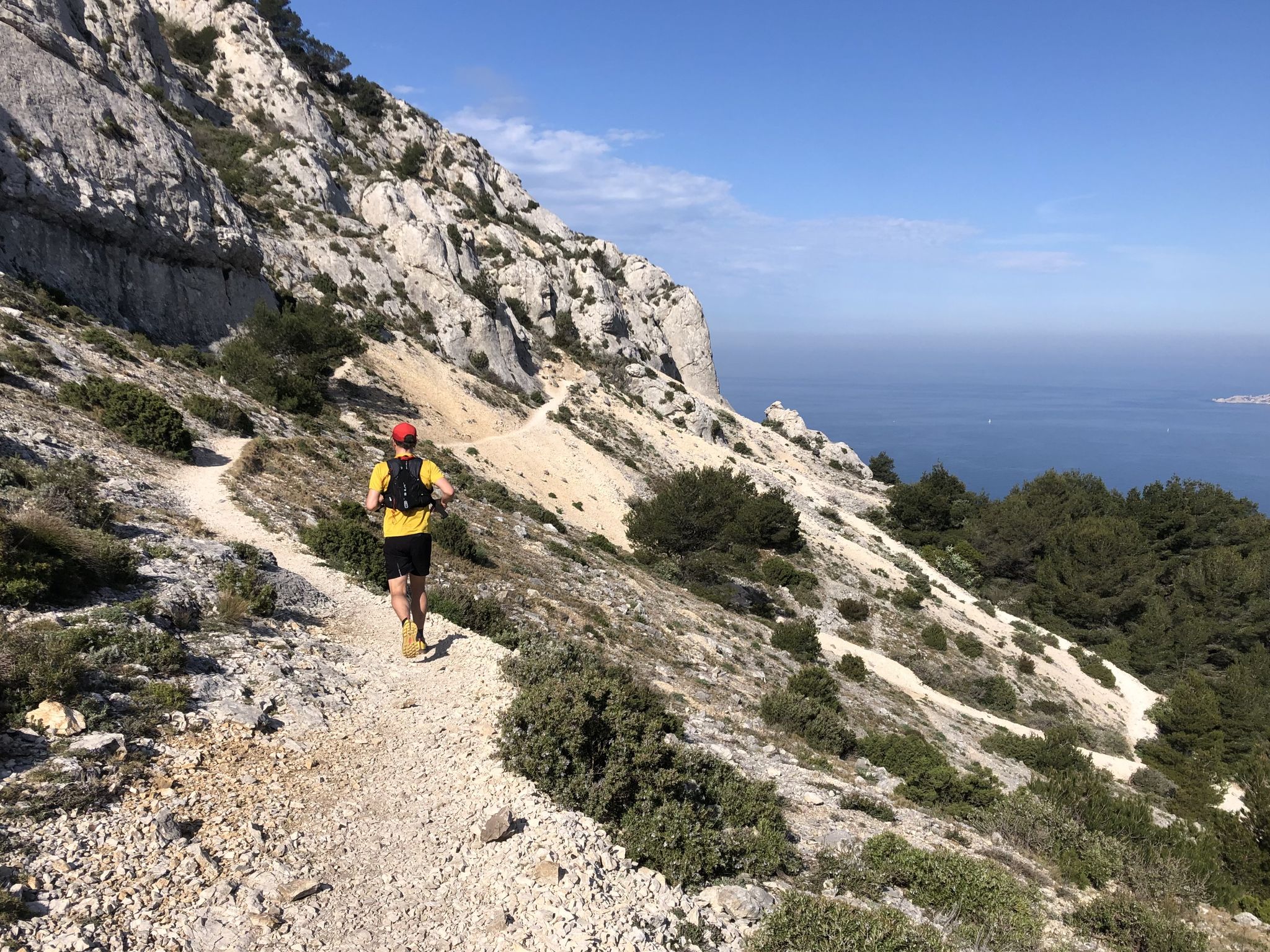
Cliffs, creeks and ridges – 10 sporty hikes in France’s Calanques
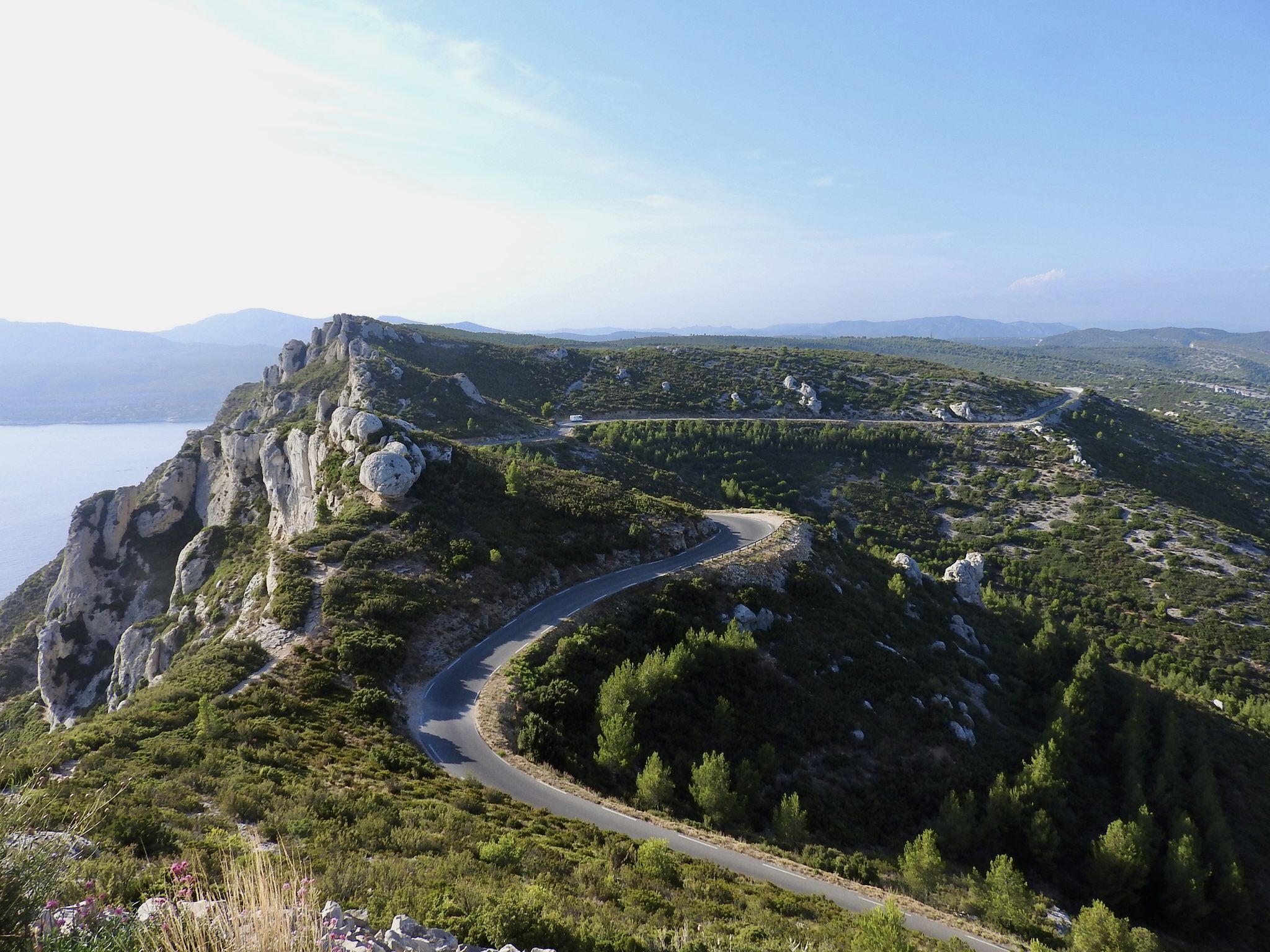
From the Calanques to Cézanne – discover the countryside of France’s Provence
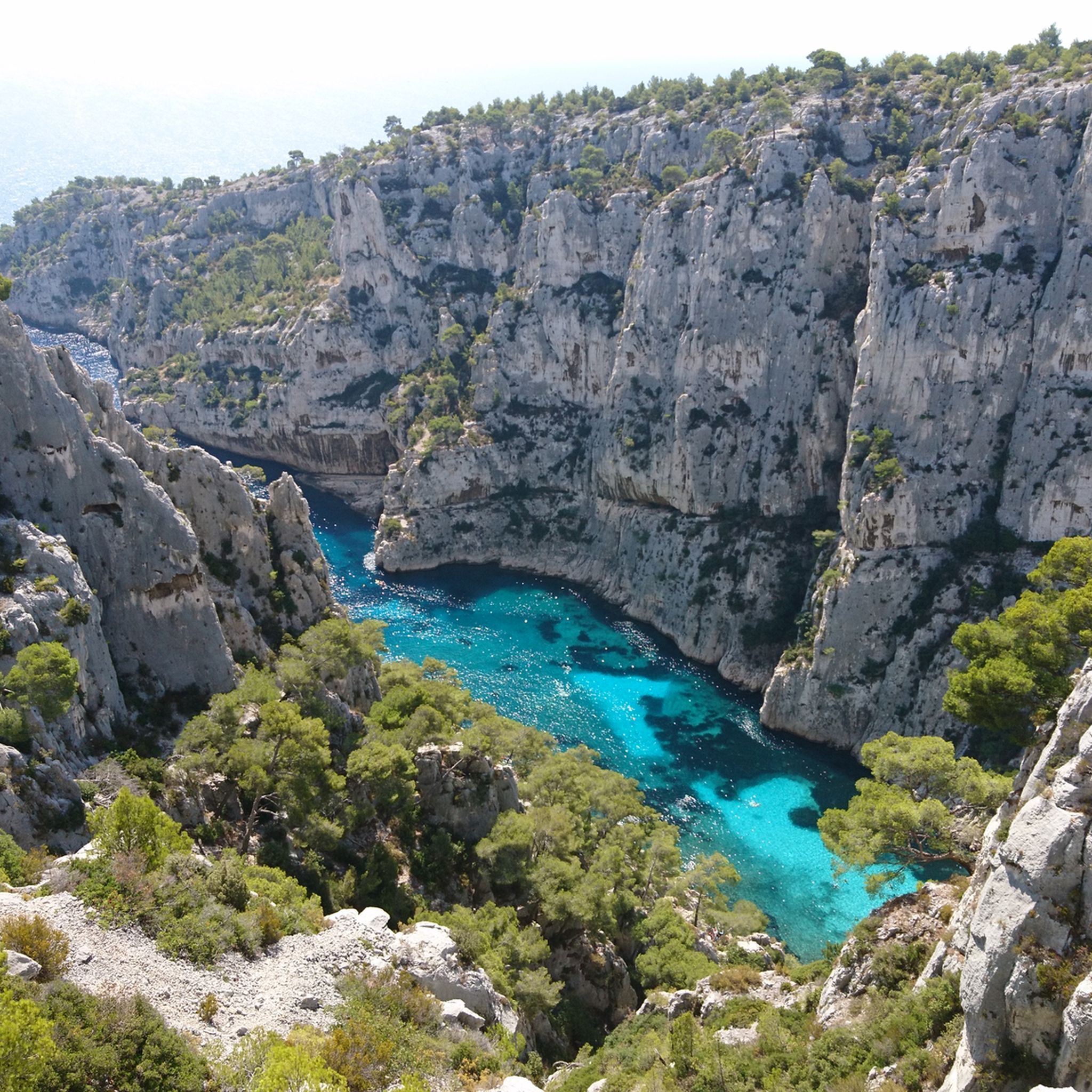
Hiking around Marseille
Other adventures around Marseille


Tips from the Community

A beautifully designed palace; be sure to visit the garden behind it as well.
0
0

Lots of bikers on weekends but you can pull over, whereas the road to Auriol is very narrow and much more dangerous.
0
0

The climb offers sublime scenery. !!! AVOID WEEKENDS, HOWEVER!!! Motorcyclists use this climb as a circuit... The noise and danger make this climb a punishment.
1
0

To do on Sunday closed to motor vehicles, viewpoints of all beauty
1
1

Superb climb by bike, difficult attack from the bottom of Cassis and once you are on the ridge road it goes more easily. Beautiful bends, superb viewpoints and beautiful descent on La Ciotat. To do, and do again.
1
0

A climb through the Sainte Baume massif, allowing you to reach the highest pass in the Bouches du Rhône. Despite some very short downhill sections, this pass does not spare the legs. Be careful in summer because even if the beginning is a little shady, you will very quickly find yourself burning under the Provençal dodger.
0
0

Obligatory passage to visit the creeks from Cassis. It is a former stone quarry which now serves as a marina. A nice appetizer.
0
0

EN The Marseilleveyre massif is a range of karst limestone located on the southern coast of Marseille. Culminating at 432 meters above sea level, it is a popular hiking and climbing site offering a panorama of the Marseille harbor, the surrounding islands and the neighboring ranges: Puget massif, Saint-Cyr massif, Garlaban massif, Étoile massif, Sainte-Baume massif, etc. It dominates the western part of the Calanques massif. EN The Marseilleveyre massif is a range of karst limestone located on the southern coast of Marseille. Culminating at 432 meters above sea level, it is a popular hiking and climbing site offering a panorama of the Marseille harbor, the surrounding islands and the neighboring ranges: Puget massif, Saint-Cyr massif, Garlaban, Étoile massif, Sainte-Baume massif, etc. It dominates the western part of the Calanques massif. SOURCE WIKIPEDIA
1
0
Frequently Asked Questions
What are some of the most beautiful coves for swimming in the Calanques National Park?
The Calanques National Park offers several stunning coves perfect for swimming. Among the most popular are Port-Pin Beach, known for its white sand and Aleppo pines, and En-Vau Beach, famous for its high cliffs and turquoise waters. Sugiton Cove is another excellent spot, accessible via adventurous or easier hiking trails, offering surprisingly cold, refreshing water.
Are there any natural monuments around Marseille that offer panoramic views?
Yes, several natural monuments provide spectacular panoramic views. The Route des Crêtes, connecting La Ciotat to Cassis, offers breathtaking vistas of the Mediterranean Sea and the Calanques massif from the Soubeyran cliffs. For a 360-degree panorama over Marseille and the Calanques, head to Marseilleveyre summit. You can also find great views from the View of the Port Miou calanque.
What unique geological features can be found in the Calanques National Park?
The Calanques National Park is renowned for its unique geological formations. It features dramatic, narrow, steep-walled inlets of limestone cliffs plunging into turquoise waters, known as 'calanques.' These formations, like those at Morgiou Cove, were created by erosional processes. The park's rugged limestone landscape also includes numerous caves, ravines, and islands, contributing to its distinctive character.
Can I visit the famous Cosquer Cave?
The original Cosquer Cave, located within the Calanques, is not accessible to the public because its entrance is 37 meters below sea level, protecting its ancient artwork. However, you can experience an immersive and accurate replica at the Cosquer Méditerranée in Marseille. This reproduction allows visitors to discover the beauty and historical significance of the cave, including its unique prehistoric rock art, without disturbing the fragile original site.
What kind of wildlife can I expect to see in the natural monuments near Marseille?
The natural monuments around Marseille, particularly the Calanques National Park and the Frioul archipelago, boast remarkable biodiversity. In the Calanques, you might spot 25 bird species, including Bonelli's eagles and great horned owls. Its marine waters are home to loggerhead turtles, dolphins, and octopuses. The Frioul archipelago is a significant refuge for marine birds like gulls and features unique flora adapted to drought and salt, with about 200 plant species.
Are there family-friendly natural attractions in the Marseille area?
Yes, the region offers several family-friendly natural attractions. The Trolib Port Pin Walking Loop is specifically categorized as family-friendly, offering an enjoyable experience. Many of the calanques, such as Port-Pin Beach, are suitable for families looking to enjoy a swim and a gentle hike, though some paths can be challenging for very young children.
What are the best hiking opportunities near Marseille's natural monuments?
The natural monuments around Marseille are excellent for hiking. The Calanques National Park offers numerous trails with varying difficulties, from easy walks to challenging climbs. For specific hiking routes, you can explore options like the 'Calanque de Port Miou to the calanque d’en vau – loop' or 'Le Cap Canaille - loop in the Calanques National Park.' You can find more detailed hiking routes and guides on the Hiking around Marseille guide page.
How can I reach the natural monuments, especially the Calanques, by public transport?
Access to the Calanques National Park by public transport is possible, though it often requires a combination of bus and walking. Specific routes and access points vary, so it's advisable to check local bus schedules to areas like Luminy, Cassis, or La Ciotat, which serve as entry points to different parts of the park. For the Frioul archipelago, ferries depart regularly from Marseille's Vieux-Port, making it easily accessible.
What is the best time of year to visit the natural monuments around Marseille?
The best time to visit the natural monuments around Marseille is generally during the spring (April-June) and autumn (September-October). During these seasons, the weather is pleasant for hiking and outdoor activities, and the crowds are typically smaller than in the peak summer months. Summer can be very hot and crowded, and some areas of the Calanques may be closed due to fire risk. Visiting in October, as one tip suggests for En-Vau Beach, can be 'just great... not too hot 🔥🔥 tranquility feels good...'
Are there any island natural monuments accessible from Marseille?
Yes, the Frioul archipelago is a prominent island natural monument easily accessible from Marseille. Located about 4 kilometers off the coast, it consists of four islands: Pomègues, Ratonneau, If, and Tiboulen. Ferries depart regularly from Marseille's Vieux-Port. These islands offer a preserved natural Mediterranean experience, ideal for hiking, swimming in coves like Saint-Estève beach, and exploring its rugged landscape and unique flora and fauna.
What other outdoor activities can I do near these natural monuments besides hiking?
Beyond hiking, the natural monuments around Marseille offer a variety of outdoor activities. The Calanques are popular for kayaking, especially in areas like Calanque d'En-Vau, and scuba diving in underwater caverns. The Frioul archipelago is also excellent for diving, with rich marine life and shipwrecks to explore. For those interested in running, you can find various routes, including 'Le Cap Canaille - running loop in the Calanques National Park,' detailed in the Running Trails around Marseille guide.
Are there any natural monuments that are particularly challenging for experienced adventurers?
For experienced adventurers, the Calanques National Park offers challenging terrain. While many trails are intermediate, some routes require good physical condition and experience. The climb to Col de l'Espigoulier is categorized as challenging. Additionally, some of the more remote calanques can involve adventurous trails to reach. Always check trail difficulty and conditions before setting out.
Can I find natural monuments that are less crowded?
While popular spots like Port-Pin Beach and En-Vau Beach can be very crowded, especially during peak season, visiting during the off-season or very early in the morning can help avoid the crowds. Exploring some of the less-known trails or opting for the Frioul archipelago, which offers a more rugged and expansive landscape, might also provide a quieter experience away from the main Calanques hotspots.
Most popular routes around Marseille
Most popular attractions around Marseille

Get inspired with the komoot mobile app


Didn’t find what you were looking for?
Find even more amazing natural monuments around Marseille by checking out the top Highlights region by region:
Explore more
Extend your search for the best caves by checking out these guides of the top ones around Marseille:
