Top 18 Natural Monuments around Saint-Malo
Natural monuments around Saint-Malo showcase a diverse coastal landscape in Brittany, France. This historic port city features tidal islands, panoramic clifftops, and expansive sandy beaches. These sites combine natural beauty with historical significance, providing varied experiences for visitors. The region's geography makes it a notable destination for outdoor exploration.
Best natural monuments around Saint-Malo
- The most popular natural monument is Grouin Point, a viewpoint that offers a remarkable view over the bay of Mont-Saint-Michel and the Channel coasts. This…
Last updated: October 5, 2026
Grouin Point
Highlight • Viewpoint
Dominated by a semaphore built in 1861, …
Translated by Google •
Tip by

Pointe du Meinga
Highlight • Viewpoint
Translated by Google •
Tip by

Sign up now to discover places like this
Get recommendations on the best single tracks, peaks, & plenty of other exciting outdoor places.
Menhir of Champ-Dolent
Highlight • Monument
According to legend, two brothers and their …
Translated by Google •
Tip by
Barbe Brûlée Point
Highlight • Viewpoint
Translated by Google •
Tip by

Parc de la Briantais
Highlight • Forest
Translated by Google •
Tip by

Moulinet Point
Highlight • Natural Monument
Tip by

Rochers Sculptés de Rothéneuf
Highlight • Monument
Translated by Google •
Tip by
La Pointe du Puits
Highlight • Viewpoint
Translated by Google •
Tip by

Besnard Island
Highlight (Segment) • Beach
Translated by Google •
Tip by

The Fairies' House Dolmen
Highlight • Historical Site
Translated by Google •
Tip by

Sign up for free to discover even more natural monuments around Saint-Malo.
Already have an account?
Start today with a free account
Your next adventure awaits.
Popular around Saint-Malo
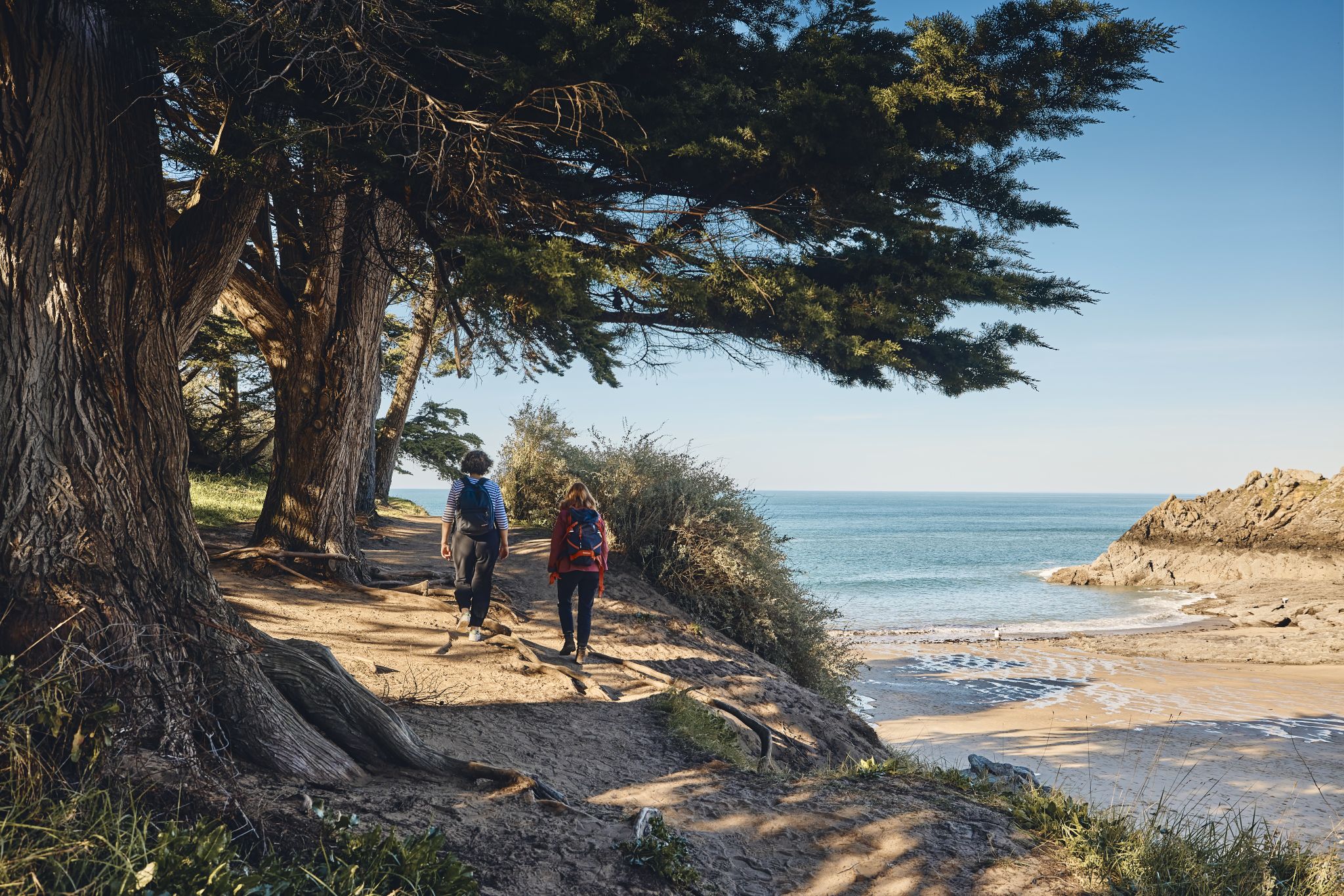
10 of the most beautiful walks in Brittany
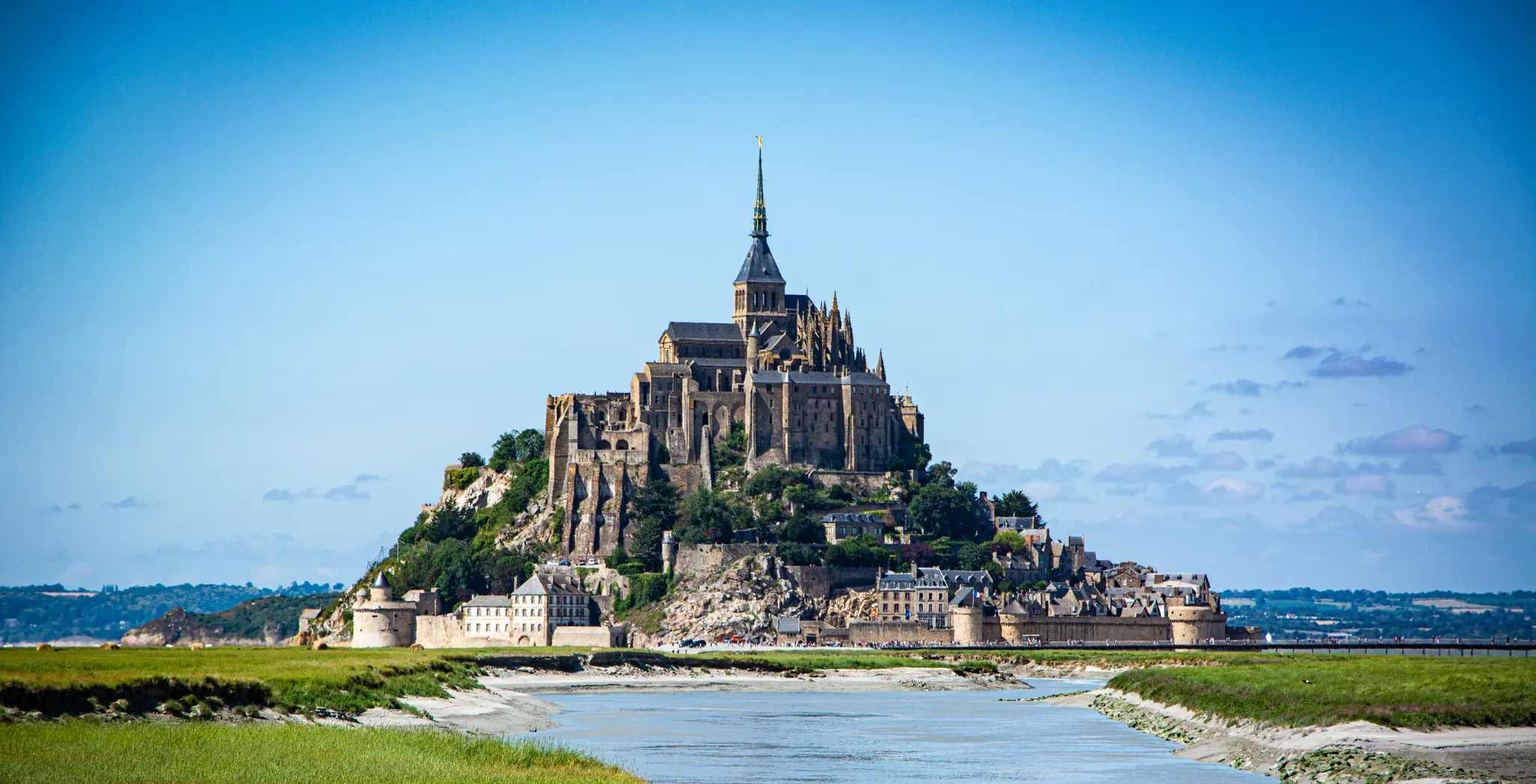
The Customs Officers’ Path – GR 34 between Saint-Malo and Pontorson
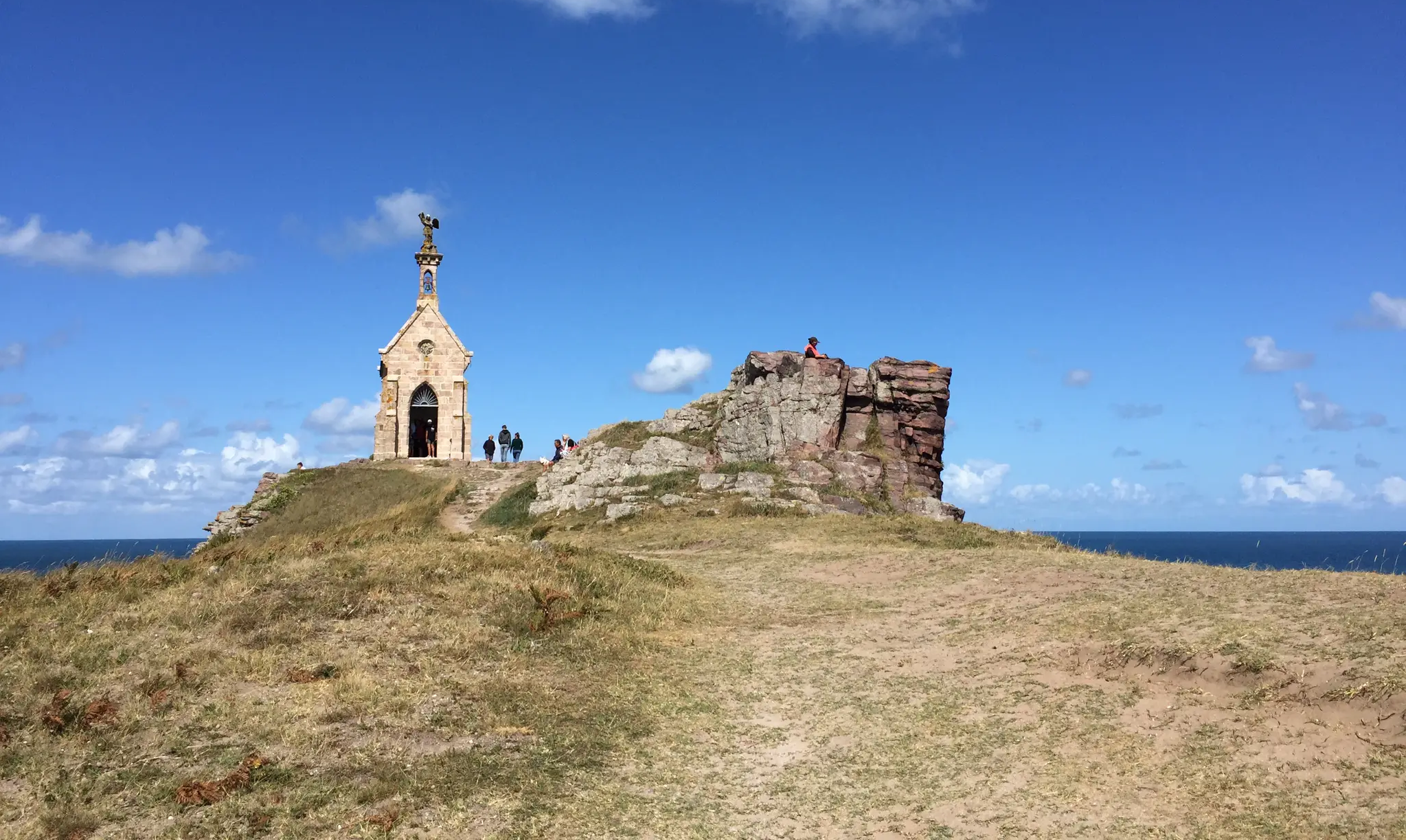
The Customs Officers’ Path – GR 34 between Erquy and Saint-Malo
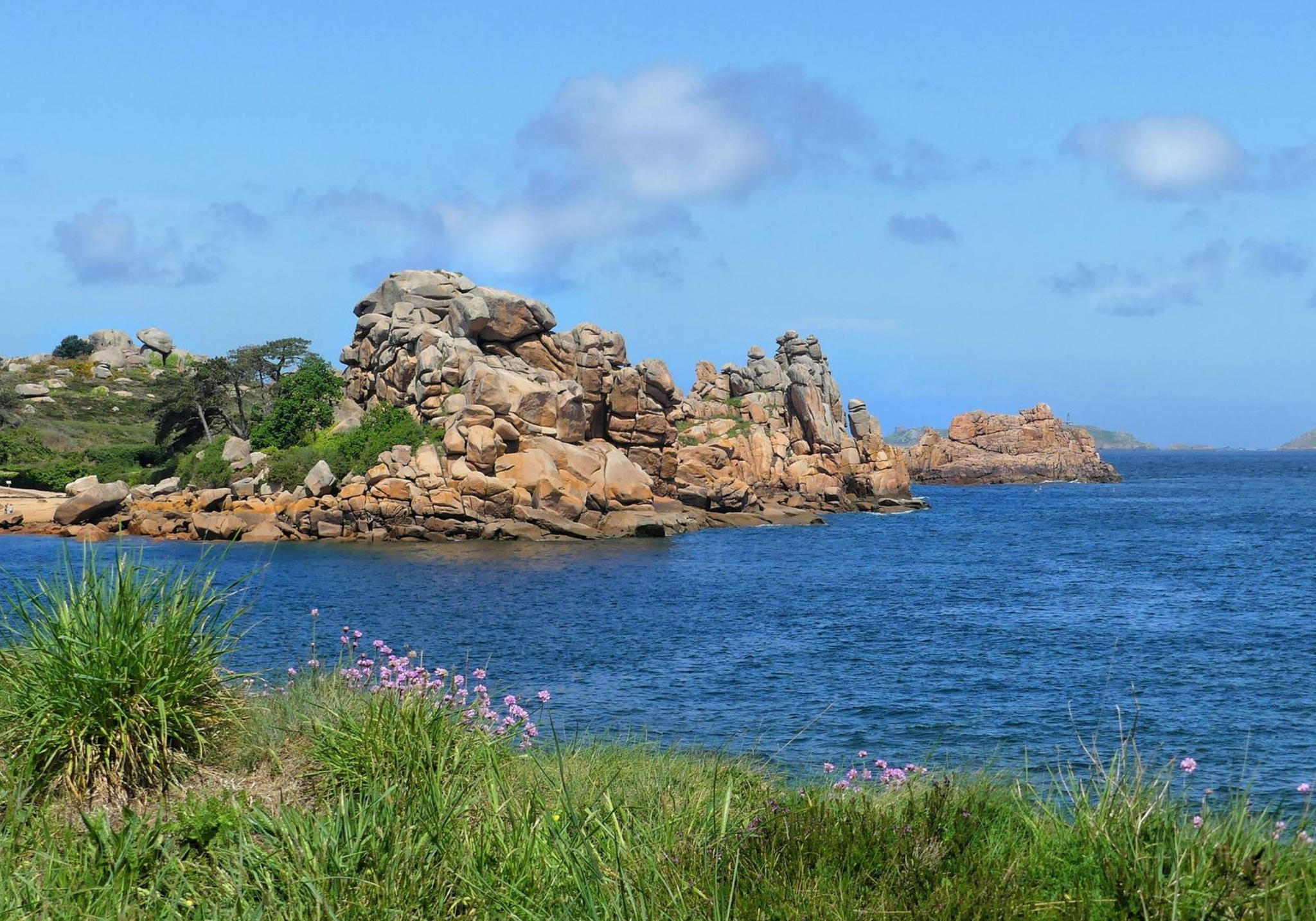
A hiking break in Brittany
Brittany by bike – cycling from Nantes to Mont-Saint-Michel
The Seven Saints Pilgrimage — France’s Tro Breizh revisited
From pink granite to the Opal Coast — cycle France’s la Vélomaritime
Hiking around Saint-Malo
Cycling around Saint-Malo
Running Trails around Saint-Malo
Other adventures around Saint-Malo


Tips from the Community

Fantastic views on the coastline, beautiful sandy beaches, dreamlike villas, the play of ebb and flow. A truly worthwhile visit.
0
0

Numerous Breton legends surround the stone. One of the most famous tells that the menhir sinks a little deeper into the ground each year, and that its complete disappearance will signal the end of the world. Another legend sees it as a divine sign that separated two feuding brothers and gave the field the name "Champ-Dolent," or "Field of Sorrow."
1
0
South of Dol-de-Bretagne rises the Menhir du Champ-Dolent, a mighty granite block from the Neolithic period. At almost ten meters high, it is one of the largest surviving menhirs in France. Its weight is estimated at around 100 tons, and it was probably extracted from the immediate surroundings. Its original function remains unclear to this day—researchers suspect ritual or symbolic purposes, perhaps even an astronomical alignment.
1
0
The Pointe de la Barbe Brûlée is a striking headland. Cliffs dominate the landscape, which changes dramatically depending on the tide. This stretch of coast is ideal for hiking, nature observation, and photography, offering impressive views of the bay and the sea.
31
0

Great viewpoint. The path is a bit bumpy in places, but it's worth the walk.
2
0

A beautiful circular trail. Absolutely not wheelchair accessible, meaning you'll have to climb up and down rocky sections for 2-3 meters at a time. The views are breathtaking.
0
0

Very nice viewpoint, from the Pointe du Grouin to Cap Frehel. The walk on the GR34 is very pleasant.
1
0

A very nice, scenic and unusual section of the path directly on the coast.
0
0
Frequently Asked Questions
What are some unique natural features to explore in Saint-Malo?
Saint-Malo's coastline offers a blend of natural beauty and history. You can explore tidal islands like Besnard Island, dramatic clifftops such as Grouin Point and Pointe du Meinga, and expansive sandy beaches like Plage du Sillon and Plage du Val. These sites provide diverse experiences, from panoramic views to tranquil swimming spots.
Which natural monuments are most popular with visitors in Saint-Malo?
Among the most popular natural monuments are Grouin Point, known for its remarkable views over the Bay of Mont-Saint-Michel, and La Pointe du Puits, which offers an exceptional panorama of the Atlantic Ocean. Pointe du Meinga is also highly appreciated for its coastal views and historical remains.
Are there any natural monuments with historical significance in Saint-Malo?
Yes, several natural monuments in Saint-Malo are rich in history. Grand Bé Island, accessible at low tide, is famously the burial place of writer François-René de Chateaubriand and holds remains of an ancient fort. Nearby, Petit Bé Island features a well-preserved 17th-century fort built by Vauban. Pointe du Meinga also has archaeological remains dating back to the Iron Age, and Pointe de la Varde retains fortifications from Vauban and WWII bunkers.
How can I access the tidal islands like Grand Bé and Petit Bé?
Grand Bé and Petit Bé are tidal islands accessible by foot from Bon-Secours beach at low tide. It is crucial to monitor tide times carefully to ensure safe passage and avoid being stranded. You can walk across the causeway during the low tide window.
Are there family-friendly natural monuments in Saint-Malo?
Absolutely. Parc de la Briantais is a forest and viewpoint that is family-friendly. Plage du Val, located in Rothéneuf, is a tranquil sandy beach suitable for swimming even at low tide, offering lifeguard services in summer and accessible parking. Plage du Sillon is also excellent for families, with its expansive sand and promenade.
What kind of views can I expect from Saint-Malo's natural monuments?
You can expect breathtaking panoramic views. From Grouin Point, you'll see the Bay of Mont-Saint-Michel and the Channel coasts. Pointe de la Varde offers stunning vistas of the Bay of Saint-Malo towards Cap Fréhel. Tidal islands like Grand Bé provide unique perspectives of Saint-Malo's ramparts and the Emerald Coast.
What outdoor activities can I do near these natural monuments?
The area around Saint-Malo's natural monuments is ideal for various outdoor activities. You can enjoy hiking along coastal paths, with routes like the 'Customs Officers' Path: Saint-Malo to Pointe de la Varde' available. Running is also popular, with trails such as 'L'Île Besnard et la pointe du Meinga – loop'. For cyclists, there are road cycling routes like 'The Rance estuary — loop from Dinard'. You can find more details on these activities in the hiking, running, and road cycling guides for Saint-Malo.
Are there hiking trails near the natural monuments?
Yes, numerous hiking trails allow you to explore the natural monuments. For instance, you can hike to Grouin Point or follow the 'Pointe du Meinga Trail'. The 'Customs Officers' Path' offers scenic walks along the coast, connecting various points of interest. Find more hiking options in the Hiking around Saint-Malo guide.
What do visitors enjoy most about the natural monuments in Saint-Malo?
Visitors frequently praise the magnificent views, especially from spots like Grouin Point, which offers a vast panorama. The wild, windswept nature of the coast and the opportunity for pleasant walks on trails like the GR34 are also highly valued. The combination of dramatic scenery and historical elements, such as those at Pointe du Meinga, makes for a memorable experience.
What should I know about visiting coastal natural monuments in Saint-Malo?
When visiting coastal natural monuments, especially tidal islands like Grand Bé and Petit Bé, always check tide times to ensure safe access and return. The coastal paths can be a bit bumpy in places, so sturdy shoes are recommended. Be prepared for windy conditions, particularly at exposed viewpoints like Grouin Point.
Are there any natural monuments suitable for swimming?
Yes, Plage du Sillon is the largest sandy beach in Saint-Malo and is excellent for swimming. Plage du Val, located in the Rothéneuf neighborhood, is another beautiful sandy beach suitable for swimming, even at low tide, as the sea recedes very little there. Both offer pleasant environments for a dip.
Can I find natural monuments that are less crowded or considered 'hidden gems'?
While many sites are popular, exploring areas like Barbe Brûlée Point can offer a slightly quieter experience with great views, including distant glimpses of Mont Saint-Michel. The wilder sections of the GR34 coastal path, away from the main city, often lead to serene spots and hidden coves.
Most popular routes around Saint-Malo
Most popular attractions around Saint-Malo

Get inspired with the komoot mobile app


Didn’t find what you were looking for?
Find even more amazing natural monuments around Saint-Malo by checking out the top Highlights region by region:
Explore more
Extend your search for the best caves by checking out these guides of the top ones around Saint-Malo:
