Top 5 Natural Monuments around Verdun
Best natural monuments around Verdun encompass a landscape profoundly shaped by history, offering significant natural beauty and ecological value. The region features diverse natural settings, from vast forests covering former battlefields to rich river valleys. These areas provide opportunities for reflection, recreation, and experiencing varied flora and fauna. Verdun's natural sites offer a unique blend of ecological resilience and historical significance.
Best natural monuments around Verdun
- The most popular natural monuments is The Lion of Souville, a natural monument that commemorates the fallen of the 130th French Infantry Division. This impressive monument marks the extreme point of the German advance during the Battle of Verdun, symbolizing resistance and the heroic French defense.
- Another must-see spot is Forest Path With Bomb Craters and Trenches, a historical site and forest trail. Visitors can walk on paths that meander past numerous bomb craters, experiencing a landscape marked by the events of war.
- Visitors also love Ramonnette Limestone Grassland, a natural monument and nature reserve. This site features unique flora and fauna developed on limestone hills, and also includes an old Maginot Line fort.
- Verdun is known for its historical sites integrated with natural landscapes, diverse river valleys, and unique limestone grasslands. The region offers a variety of natural monuments to see and explore, from battle-scarred forests to biodiverse meadows.
- The natural monuments around Verdun are appreciated by the komoot community, with 36 upvotes and 14 photos shared by visitors.
Last updated: August 25, 2026
The Lion of Souville
Highlight • Natural Monument
On 23 June 1916, the German attacks reached their peak at Fort de Souville, the last obstacle to the fall of Verdun. Thanks to the courage of a small French garrison led by Lieutenant Dupuy, the fort remained in French hands. The lion marks the extreme point of the German advance – the “last gate” to Verdun remained closed.
Translated by Google •
Tip by

Forest Path With Bomb Craters and Trenches
Highlight • Historical Site
Translated by Google •
Tip by

Sign up now to discover places like this
Get recommendations on the best single tracks, peaks, & plenty of other exciting outdoor places.
Sign up for free
Gibet Caves
Highlight • Cave
Translated by Google •
Tip by

Ramonnette Limestone Grassland
Highlight • Natural Monument
Translated by Google •
Tip by

Monument to the Engineers of the Éparges Ridge
Highlight • Monument
Translated by Google •
Tip by
Start today with a free account
Your next adventure awaits.
Login or Signup
Popular around Verdun
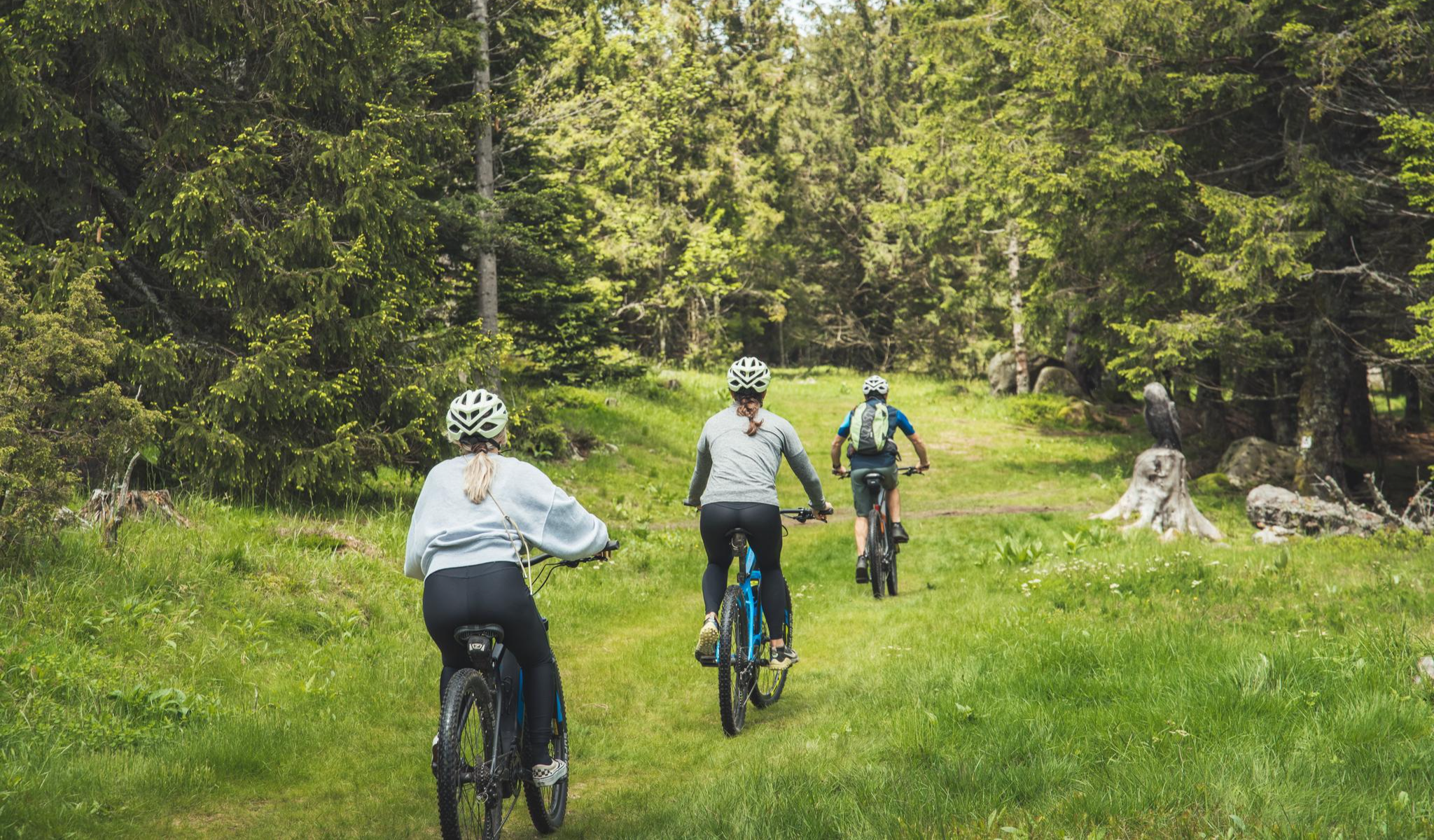
MTB and gravel in the Grand Est – the joy of the low mountains
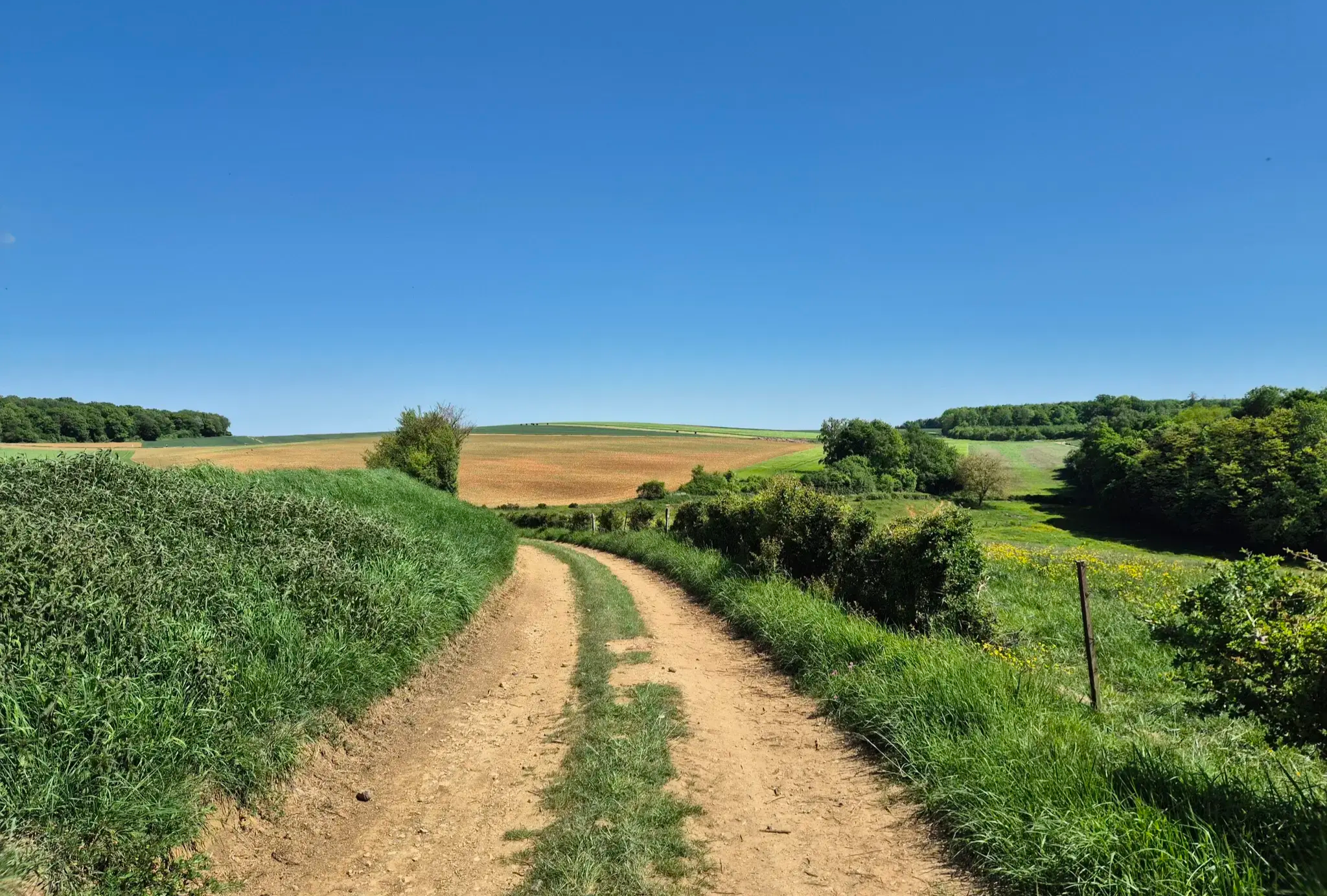
Une randonnée aux airs de Provence — La Transgaumaise
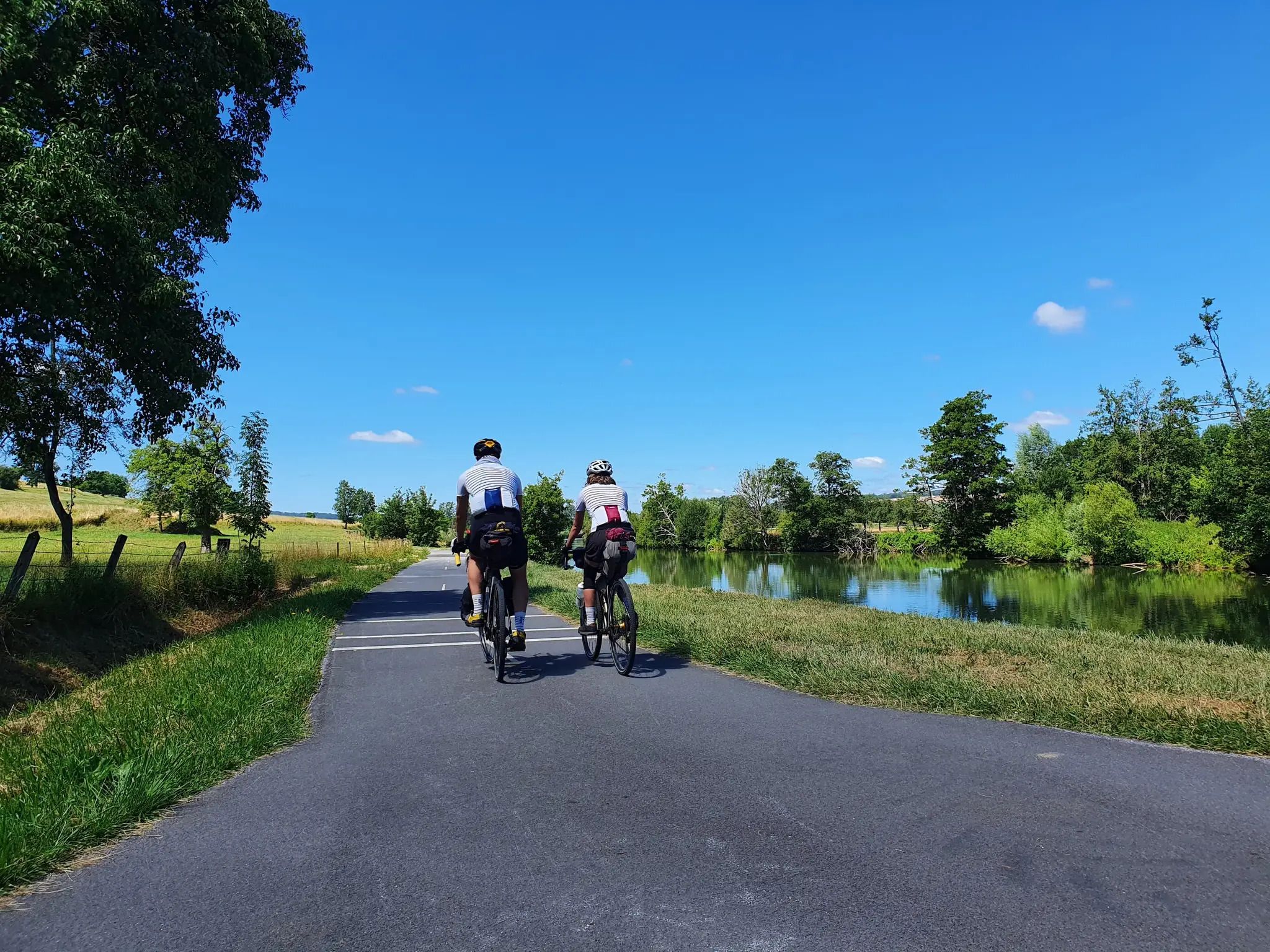
A river, three countries, countless experiences – Meuse Cycle Route
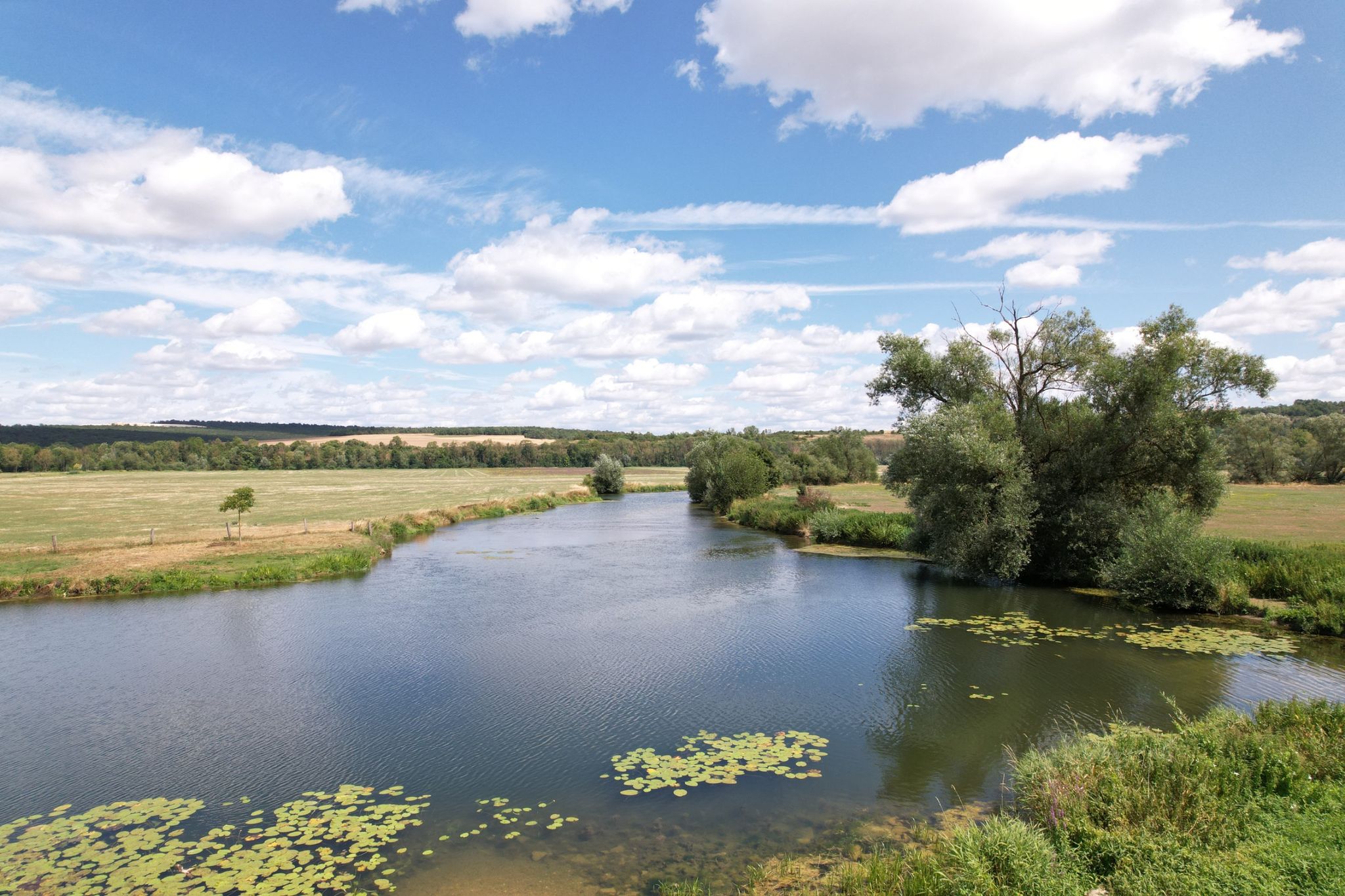
Along the Meuse River – an adventure on EuroVelo 19
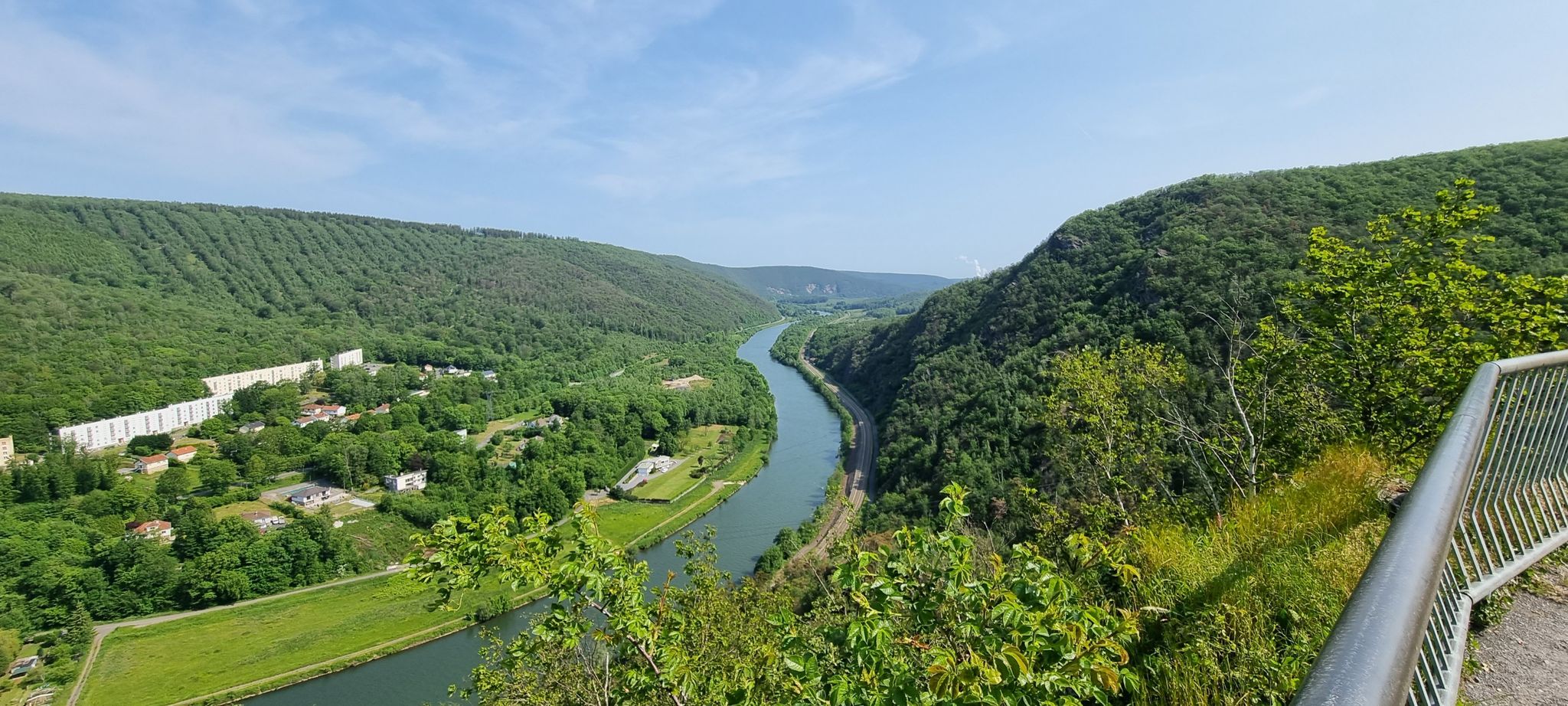
In the footsteps of the First World War — EuroVelo 19
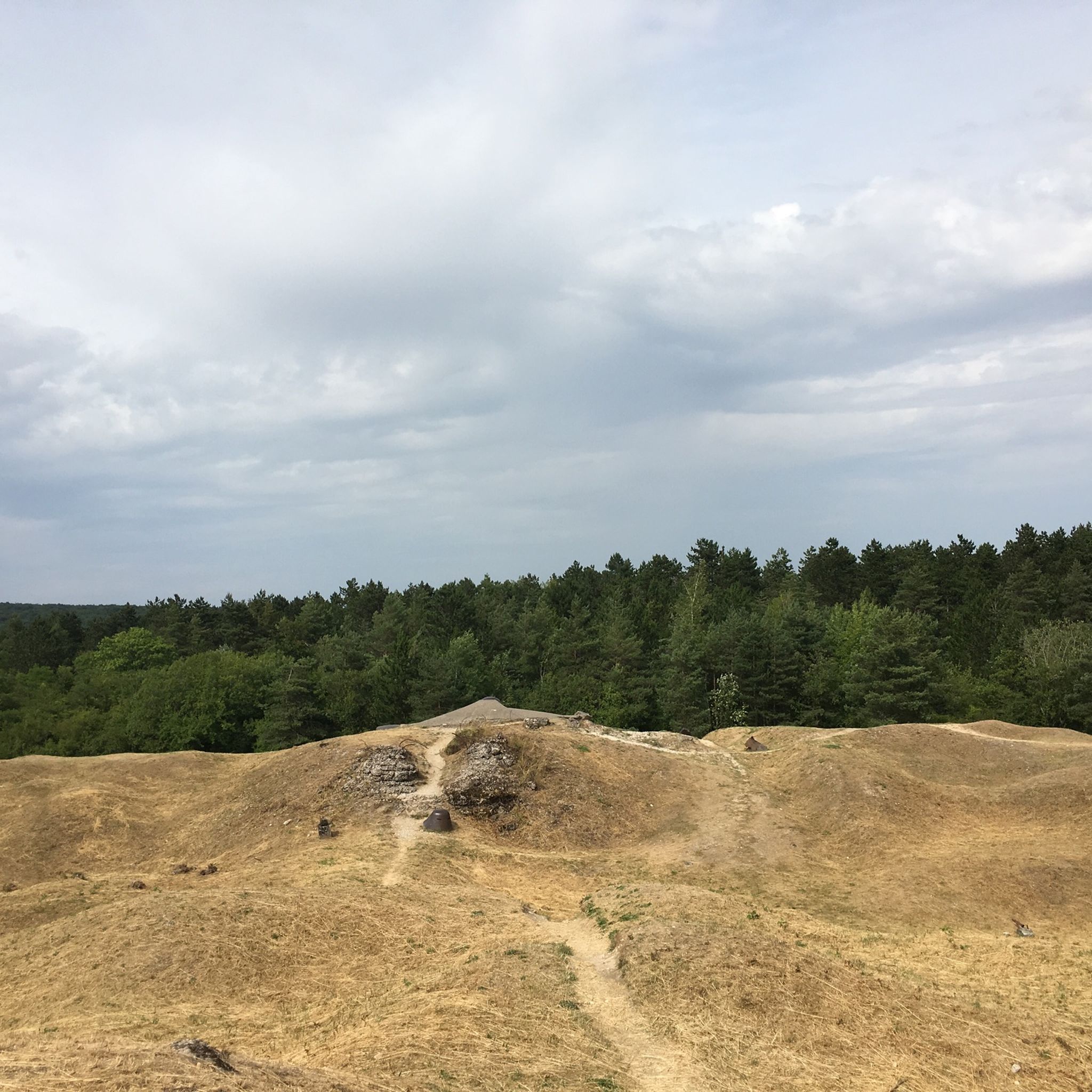
Hiking around Verdun
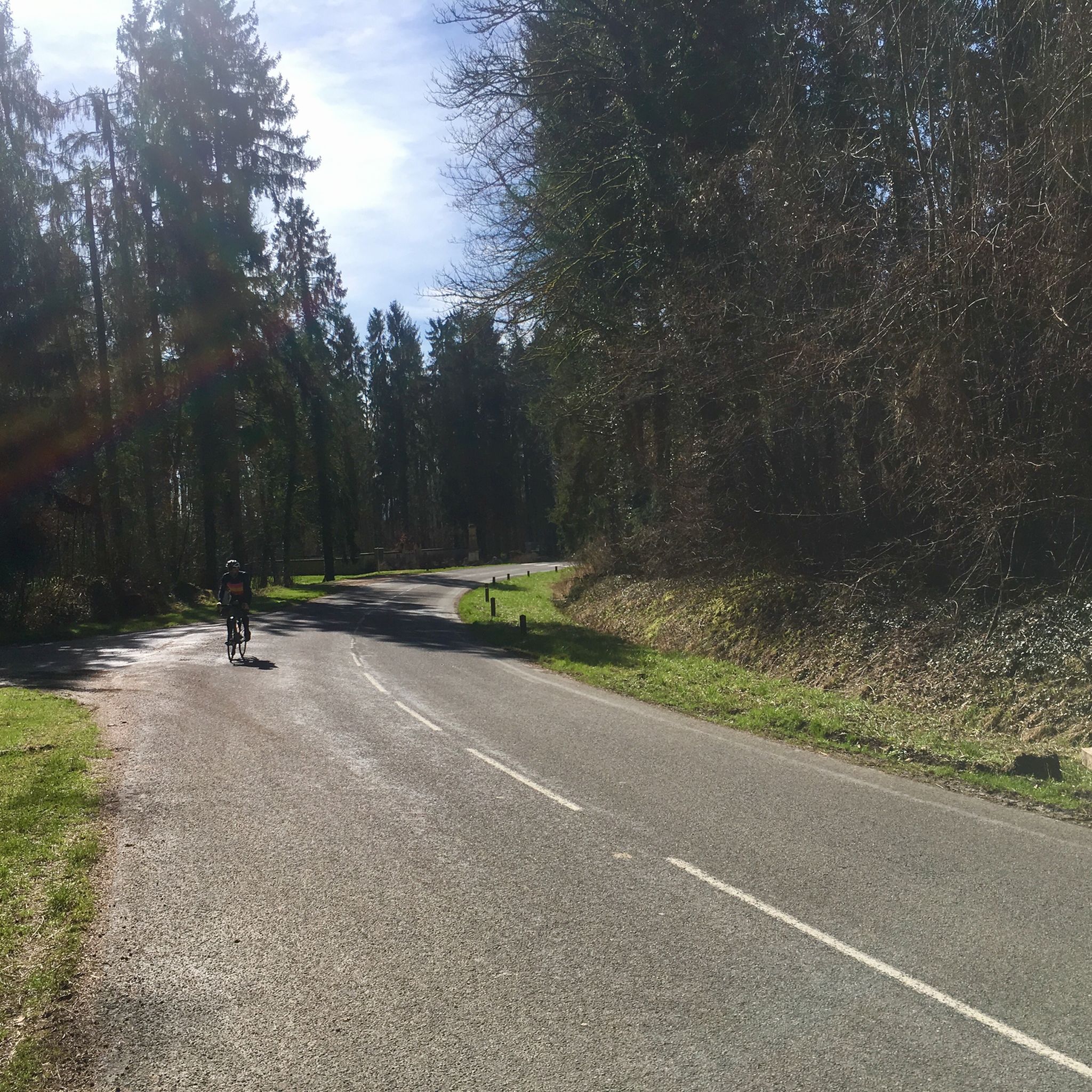
Road Cycling Routes around Verdun
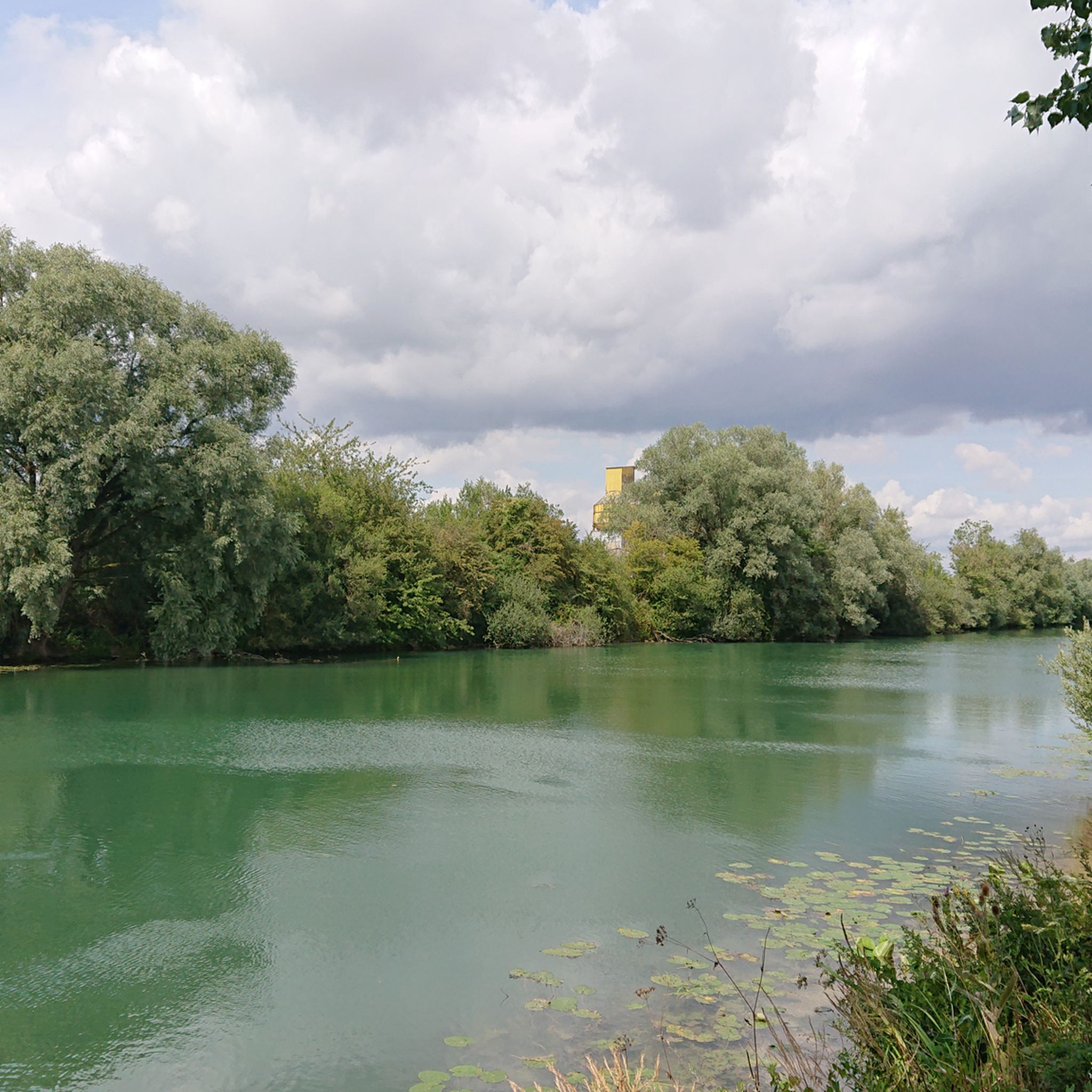
Cycling around Verdun
Running Trails around Verdun
MTB Trails around Verdun
Other adventures around Verdun


Tips from the Community

A very beautiful and interesting monument.
2
0

The Chiers Valley features several limestone hills where unique flora and fauna have developed in the region. This is the case of the Ramonette Valley, where there is also an old Maginot Line fort.
0
0

In 1967, this granite monument was erected in honour of the sappers of the French army who played a key role in the mine warfare around Les Éparges. The seven columns symbolise the specialisations of the Génie: from sapeurs-mineurs to aérostiers. The monument commemorates their courage and technical ingenuity during one of the toughest fronts of WWI.
6
0
The Lion of Souville Symbol of resistance at the gates of Verdun; This impressive monument, unveiled on 1 October 1922, stands on the site of the former Sainte-Fine chapel and commemorates the fallen of the 130th French Infantry Division. Designed by animal sculptor and veteran René Paris, the statue depicts a dying Bavarian lion – a powerful allegory for the defeat of the German troops and the heroic French defence during the Battle of Verdun. On 23 June 1916, the German attacks reached their peak at Fort de Souville, the last obstacle to the fall of Verdun. Thanks to the courage of a small French garrison led by Lieutenant Dupuy, the fort remained in French hands. The lion marks the extreme point of the German advance – the “last gate” to Verdun remained closed.
8
1

On this route you literally walk on historical tracks. Narrow paths meander past many bomb craters. It is a landscape marked by the horrors of war.
8
0
Ten months Battle of Verdun On 21 February 1916, the Germans launched an attack north of Verdun. The heavy fighting of 1916 around this French town on the upper reaches of the Meuse was the longest battle of the war. It lasted a full ten months, from February to December. The Battle of Verdun began with the largest artillery bombardment the world had seen up to that point. The ten months of fighting around Verdun cost an enormous number of casualties: some three-quarters of a million, of whom perhaps 300,000 were dead. This makes Verdun the most deadly battle of the Great War, together with the (possibly even bloodier) Battle of the Somme, which took place around the same time. The infamous Battle of Passchendaele or Third Battle of Ypres (1917) came in a distant third with 150,000 dead... About 160,000 were French. This is the largest death toll for a single country during a single battle of the war. It is striking that 4/5 of the dead were victims of artillery bombardments (for the entire war, this ratio is more like 2/3). Due to an enormous concentration of guns, the attacking troops had to fear artillery fire much more than man-to-man fighting.
7
1
Discover a historic monument that marks the extreme advance and defeat of the German troops during the Battle of Verdun. This site commemorates the key moments of 1916: the occupation of Fort Douaumont on 25 February and Fort Vaux on 7 June, followed by the German attempt to break through the French defence line and reach Verdun. On 12 July, German troops launched an attack on Fort Souville, the last bastion of the fortified line around the city, but were driven back by a brave French garrison. This monument was unveiled on 1 October 1922 and pays tribute to the 130th Infantry Division. Created by the animal sculptor René Paris (1881-1970), a member of this unit, it evokes the heroic resistance to the enemy attacks of 23 June 1916. It symbolises the defeat of the German troops and pays tribute to the courage of the French soldiers. Come and discover this place steeped in history and emotion, a moving testimony to the courage and sacrifice of the defenders of Verdun. Source: Information panel on site Tourisme Verdun
5
1

extreme point of advance of the Germans at Verdun
1
0
Frequently Asked Questions
What makes the natural monuments around Verdun unique?
The natural monuments around Verdun are unique because they blend significant natural beauty and ecological value with a profound historical context, particularly from World War I. Areas like the Verdun "Exceptional Forest" are living testaments to nature's resilience, where a landscape scarred by battle has transformed into a rich ecosystem. You'll find diverse flora and fauna thriving amidst visible traces of war, offering a poignant experience.
What are some notable natural features or sites to explore near Verdun?
Beyond specific monuments, the region offers diverse natural settings. The vast Verdun "Exceptional Forest" covers former battlefields, now home to remarkable amphibian species and over twenty different orchid species. The Meuse Valley, stretching across the department, is a green corridor rich in biodiversity, featuring oxbows, hay meadows, and wet forests, supporting numerous bird species, European beavers, and dragonflies. For a peaceful urban escape, Parc Japiot in Verdun provides well-maintained gardens, a pond, and various tree species.
Are there family-friendly natural monuments or sites around Verdun?
Yes, several sites are suitable for families. Parc Japiot in the heart of Verdun is perfect for leisurely strolls, picnics, and observing local wildlife like ducks and peacocks. Additionally, the The Lion of Souville and the Monument to the Engineers of the Éparges Ridge are both categorized as family-friendly historical natural monuments, offering educational experiences alongside natural exploration.
What kind of flora and fauna can I observe in Verdun's natural areas?
Verdun's natural sites boast rich biodiversity. In the Verdun "Exceptional Forest," you can find over twenty different orchid species, surprising insects and butterflies, small furry bats, and tiny toads with mottled yellow bellies. The American blue-eyed grass, an import from WWI, also thrives here. The Meuse Valley is a haven for wildlife, with over 134 bird species recorded, including curlews, corncrakes, red kites, and European beavers. The Ramonnette Limestone Grassland also features unique flora and fauna developed on its specific limestone hills.
What outdoor activities can I do near these natural monuments?
The region around Verdun offers various outdoor activities, especially hiking and cycling. You can explore numerous trails that weave through historical landscapes and natural beauty. For hiking, consider routes like the 'Verdun Battlefield Memorials Loop' or the 'Botanical trail — loop from Génicourt-sur-Meuse'. Cyclists can enjoy routes such as the 'Meuse Cycle Route: Verdun Loop' or the 'Verdun Battlefield Loop'. You can find more details and routes on the Hiking around Verdun and Cycling around Verdun guide pages.
Are there easy walking trails among the natural monuments?
Yes, there are easy walking options. For instance, the 'Botanical trail — loop from Génicourt-sur-Meuse' and the 'Citadel Moat and Pré l'Évêque Park Loop' are categorized as easy hikes. Parc Japiot in Verdun also offers gentle pathways for relaxed strolls. You can find more easy routes on the Easy hikes around Verdun guide page.
How do history and nature intertwine in Verdun's natural sites?
Verdun's natural sites are deeply intertwined with its history, particularly the Battle of Verdun. The Verdun "Exceptional Forest" covers former battlefields, where shell craters and trenches are now hidden beneath thriving vegetation, creating a unique ecosystem. Sites like the Forest Path With Bomb Craters and Trenches allow visitors to walk through landscapes literally marked by war. Even the Ramonnette Limestone Grassland includes an old Maginot Line fort, showcasing how historical structures are integrated into the natural environment.
What is the best time of year to visit the natural monuments around Verdun?
Spring and autumn are generally ideal for visiting Verdun's natural monuments. In spring, the forests and meadows burst with new life, offering vibrant flora, including the many orchid species in the "Exceptional Forest." Autumn brings beautiful foliage and comfortable temperatures for hiking and exploring. Summer is also pleasant, though it can be warmer, while winter offers a more serene, reflective experience, especially in the historical forest landscapes.
Are there any natural monuments that are less crowded?
While popular sites can attract visitors, many parts of the vast Verdun "Exceptional Forest" and the extensive Meuse Valley offer tranquil and less crowded experiences, especially on weekdays or outside peak tourist seasons. Exploring some of the longer hiking or cycling routes can also lead you to more secluded natural spots, allowing for peaceful contemplation amidst nature.
Can I visit caves or unique geological formations in the area?
Yes, the Gibet Caves are a notable natural monument in the area. While they are described as long ago emptied of the Meuse, they offer an interesting natural feature to explore. The region's limestone hills, such as those found at the Ramonette Limestone Grassland, also contribute to unique geological characteristics and specialized ecosystems.
What do visitors enjoy most about the natural monuments around Verdun?
Visitors often appreciate the unique blend of natural beauty and profound historical significance. The resilience of nature reclaiming battle-scarred landscapes, the rich biodiversity in areas like the Meuse Valley, and the opportunity for peaceful reflection are frequently highlighted. The ability to combine outdoor activities like hiking and cycling with a deep dive into history makes these sites particularly compelling.
Most popular routes around Verdun
Most popular attractions around Verdun

Get inspired with the komoot mobile app


Didn’t find what you were looking for?
Find even more amazing natural monuments around Verdun by checking out the top Highlights region by region:
Explore more
Extend your search for the best caves by checking out these guides of the top ones around Verdun:
