Top 20 Natural Monuments around Die
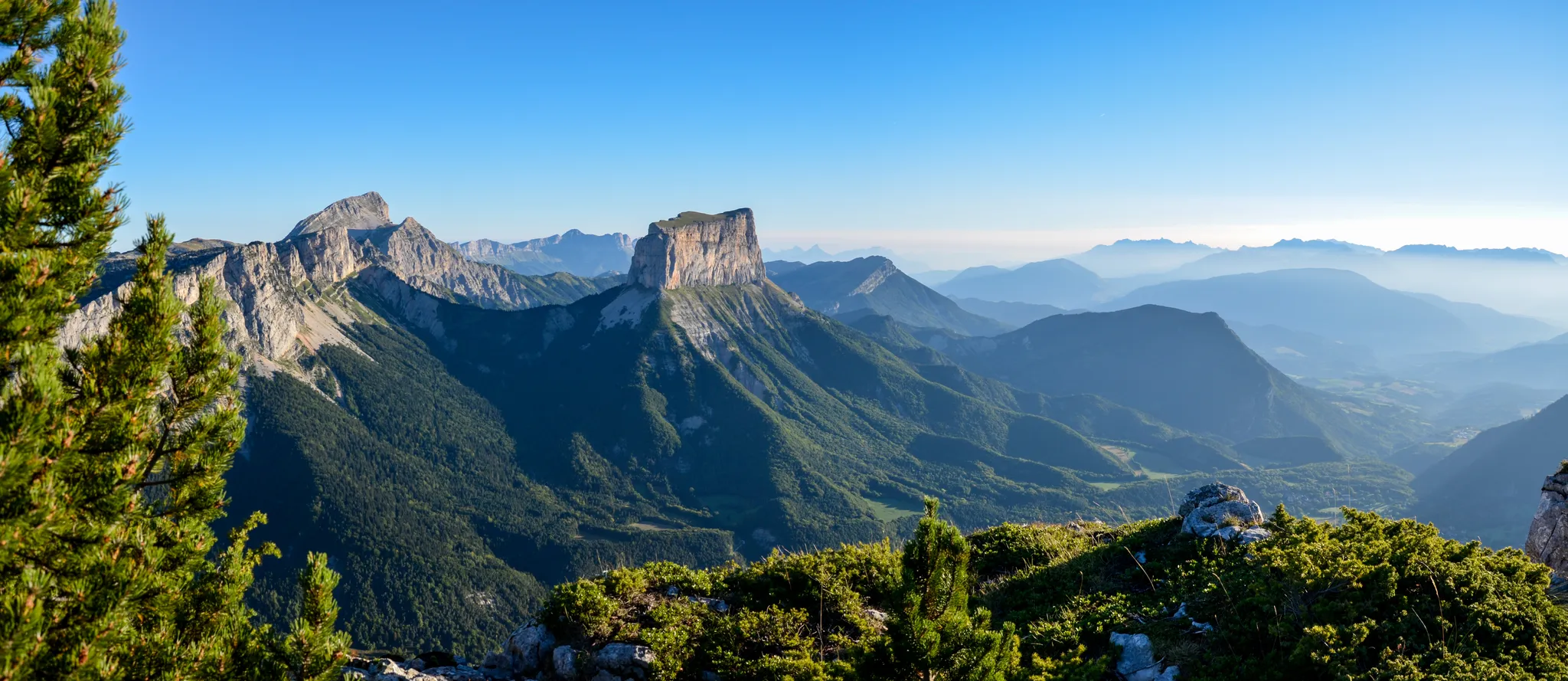
Best natural monuments around Die are found in a region characterized by contrasting mountains and a rich biodiversity. The area, nestled between the Vercors mountains and the Drôme River, features diverse landscapes from towering cliffs to serene wetlands. This natural land showcases where alpine and Mediterranean influences meet, offering a variety of natural features. The Pays Diois is an ideal location for exploring geological formations and varied ecosystems.
Best natural monuments around Die
- The most popular natural monuments is Rocher…
Last updated: May 4, 2026
Druise Waterfall
Highlight • Natural Monument
Translated by Google •
Tip by

Saut de la Drôme and the Claps
Highlight • River
Translated by Google •
Tip by

Sign up now to discover places like this
Get recommendations on the best single tracks, peaks, & plenty of other exciting outdoor places.
Sign up for free
Pié Ferré (Le Dôme) – 2,041 m
Highlight • Summit
Translated by Google •
Tip by

Porte du Diable
Highlight • Natural Monument
Translated by Google •
Tip by

Gorges des Gâts
Highlight (Segment) • Gorge
Translated by Google •
Tip by

Baume Rousse Spring
Highlight • Natural Monument
Translated by Google •
Tip by

Pissoire Waterfall
Highlight • Waterfall
Translated by Google •
Tip by

Rocher de la Laveuse
Highlight • Natural Monument
Translated by Google •
Tip by
Le Veyou
Highlight • Summit
Translated by Google •
Tip by
Bourne Gorge
Highlight (Segment) • Gorge
Translated by Google •
Tip by

Sign up for free to discover even more natural monuments around Die.
Sign up for free
Already have an account?
Start today with a free account
Your next adventure awaits.
Login or Signup
Popular around Die
Triathlon 360 – my journey around the world
GR 9 from the Jura to the Mediterranean – Crossing contrasts
La Grande Traversée du Vercors — In the West of the Alps
Naples to North Cape — Two friends, one purpose and many scoops of ice-cream
GR 91 - From the Vercors High Plateaux to Provence
P'tites Routes du Soleil (Little Routes of the Sun)
Between passes and mountain villages – bike rides in the Drôme
The four massifs — Gravel Tour de la Provence
Grand Tour of the Vercors – first section
P'tites Routes du Soleil – crossing the pre-Alps from Lake Geneva to Nice
Other adventures around Die


Tips from the Community

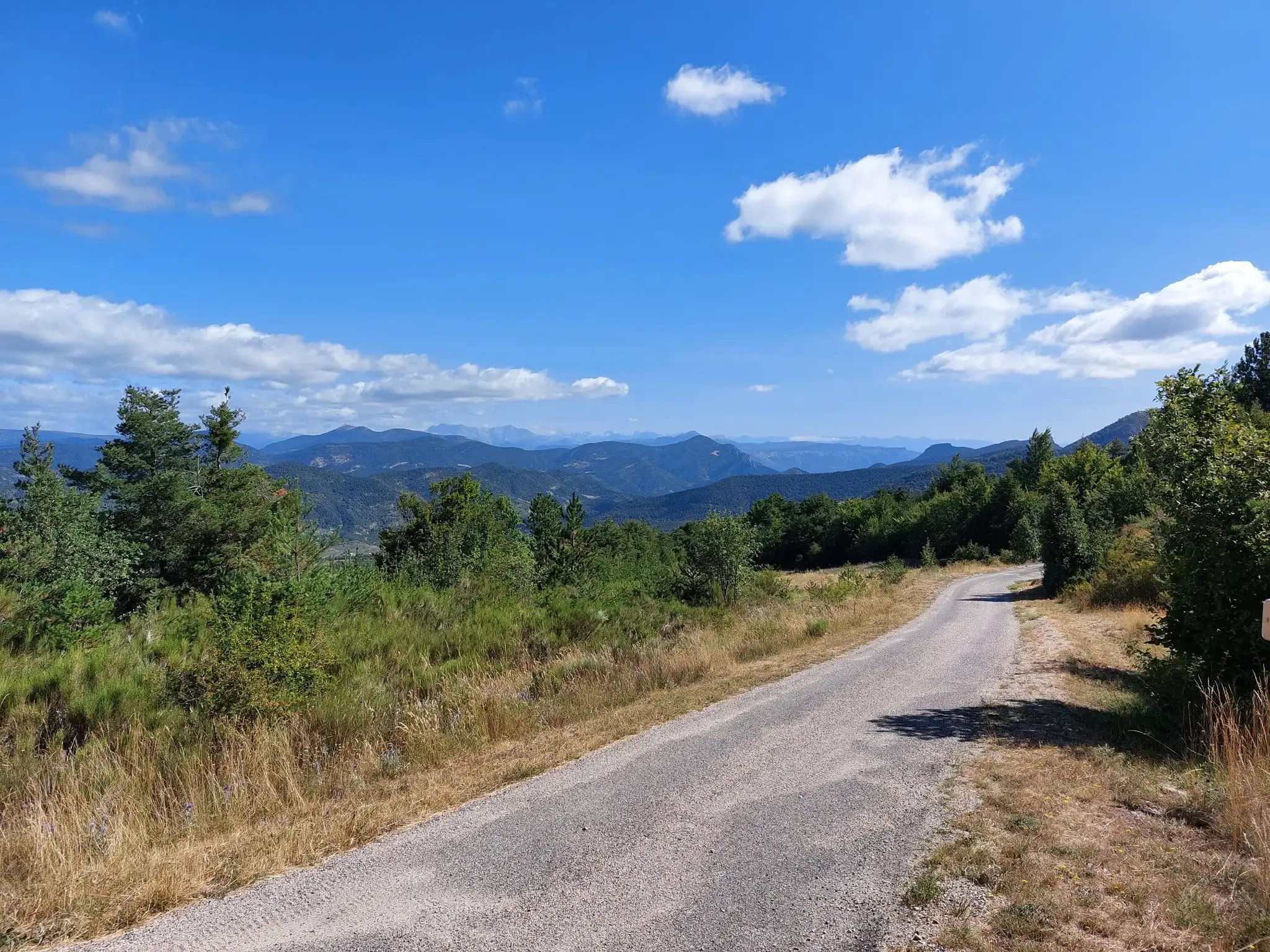
A very beautiful route. Unfortunately, motorists think so too. Even campers squeeze through the narrow road—so be even more careful than usual!
0
0

At the end of this little path you will find this spring! (Be careful, it is not drinkable so don't count on it for hiking/trail running) otherwise beautiful viewpoint and beautiful story 👌
0
0
Very pretty viewpoint, very rolling, and you will surely be lucky enough to see some marmots and chamois! Quite a few passages under the trees, possibility to do it even if it's hot! 👌
0
0
Very pretty, not technical trail for a hike, however plan to do the route in the opposite direction (start with the small climb) if you want a more rolling trail route. Very beautiful landscapes (no dangerous areas / climbing and as a bonus the possibility of seeing animals!
0
0
Water source with sometimes low or even non-existent flow in summer, make sure you have something to filter it if necessary
0
0
Fountain: 1L in less than 5 minutes
0
0

From the Gauls' Cave to the Devil's Gate, the path is very beautiful. Be careful in wet weather, it is very slippery.
1
0

The Chute de la Druise is a large waterfall on the Gervanne River in the Drôme department in the Auvergne-Rhône-Alpes region. It is located on the border between the municipalities of Omblèze and Plan-de-Baix in the southern Vercors massif, at the mouth of the Omblèze Gorge. With a height of 72 meters, it is one of the most impressive waterfalls in the southern Vercors. The waterfall is accessible after a 30-minute hike along a steep path.
0
0
Frequently Asked Questions
What are some of the most unique natural monuments to visit around Die?
The Die region offers a variety of unique natural monuments. You can explore the impressive Saut de la Drôme and the Claps, a site featuring a waterfall and a spectacular natural rockfall. Another fascinating spot is the Rocher de la Laveuse, known for its unusual rock shapes and impressive views. Don't miss the Porte du Diable, a superb natural arch you can pass under.
Are there family-friendly natural monuments suitable for children in the Die area?
Yes, several natural monuments are suitable for families. The Pissoire Waterfall in the Omblèze gorges is an idyllic spot for a short break during a hike and is listed as family-friendly. The approach walk to the Porte du Diable is also shaded and accessible, even with children aged 5-6, though the passage under the arch itself is steep. The Marais des Bouligons, with its raised decking path, offers a safe way to explore a unique wetland environment.
When is the best time of year to visit the natural monuments around Die?
The Die region, with its blend of alpine and Mediterranean influences, offers outdoor activities throughout the year. Spring is ideal for kayaking and seeing blooming pastures, while summer is perfect for cooling off at sites like the Saut de la Drôme and the Claps or exploring the cool Grottes de Choranche. Autumn provides beautiful colors, and winter offers opportunities for skiing in the surrounding mountains. For wildlife observation, dawn or dusk are best, especially at Plain d'Herbouilly.
What outdoor activities can I enjoy near the natural monuments in the Die region?
The natural monuments around Die are excellent starting points for various outdoor activities. You can find numerous hiking opportunities, including challenging mountain hikes like the Les Trois Becs loop or easier walks around Die. The Saut de la Drôme and the Claps is a popular spot for climbing, with over 120 routes and a via ferrata. For cycling enthusiasts, there are many road cycling routes, such as the Col de Pennes from Die or tours in the Drôme valley. You can find more details on these activities in the Mountain Hikes around Die, Easy hikes around Die, and Road Cycling Routes around Die guides.
What geological features can I expect to see among the natural monuments in the Die region?
The Die region is a geological marvel. You'll encounter dramatic rock formations like the spectacular natural rockfall at the Saut de la Drôme and the Claps, which provides insight into Earth's forces. The Grottes de Choranche and de la Luire showcase intricate limestone formations, including needle-thin stalactites. The Gorges de la Bourne are a testament to river erosion, carving a spectacular canyon. You can also see unique formations like the Sucettes de Borne and the dramatic cliffs and rock pinnacles of the Vallon de la Jarjatte.
Are there specific hiking trails associated with these natural monuments?
Yes, many natural monuments are integrated into hiking trails. For instance, the Pissoire Waterfall is found on the path of the Omblèze gorges. The Porte du Diable is part of a short hike, and the Cirque d'Archiane features the 'Sentier des Vautours' (Vulture Trail) for observing these majestic birds. The Vercors Regional Natural Park, bordering the Pays Diois, offers vast roadless landscapes perfect for hiking. You can explore various options in the Mountain Hikes around Die and Easy hikes around Die guides.
Which natural monuments offer the best panoramic viewpoints?
For breathtaking panoramic views, consider visiting Le Veyou, the highest peak of the Trois Becs, which offers grandiose landscapes of the Diois. The Rocher de la Laveuse also provides impressive views of the surrounding green mountains. Additionally, the Gorges de la Bourne offer spectacular twists and turns with vertiginous walls, making for a scenic drive or walk with stunning vistas.
Are the natural monuments around Die dog-friendly?
While many natural areas in France are generally dog-friendly, specific rules can apply, especially in protected areas like the Réserve Naturelle des Hauts Plateaux within the Vercors Regional Natural Park, where dogs might be restricted or required to be on a leash to protect wildlife. For individual natural monuments, it's best to check local signage or specific regulations. Generally, dogs on a leash are often welcome on trails, but access to caves or certain fragile ecosystems might be restricted.
Is public transport available to reach the natural monuments, or is a car recommended?
While some natural monuments might be accessible via local bus services or as part of organized tours, a car is generally recommended for exploring the natural monuments around Die. Many of these sites, especially those in the Vercors mountains or more remote locations, are best reached by private vehicle, offering greater flexibility to explore at your own pace. Parking information is often available at the sites themselves.
Are there any wheelchair-accessible natural monuments in the Die region?
Accessibility can vary greatly among natural sites. While many natural monuments involve uneven terrain, trails, or steps, the Marais des Bouligons offers a unique experience with a raised decking path, allowing visitors to explore the wetland environment dry-footed. For other sites, it's advisable to check specific accessibility information beforehand, as most natural monuments in mountainous regions may present challenges for wheelchair users.
What makes the geology of the Die region's natural monuments so unique?
The Die region's geology is unique due to its location where alpine and Mediterranean influences meet, resulting in diverse landscapes. This includes the dramatic rockfall at the Claps, the intricate limestone formations of the Grottes de Choranche, and the towering cliffs and rock pinnacles of the Vallon de la Jarjatte, dominated by peaks like the Rocher Rond. The Gorges de la Bourne showcase deep river erosion, while the Sucettes de Borne are intriguing geological formations, all contributing to a rich geological tapestry.
Are there places to eat or drink near the natural monuments?
While some popular natural monuments might have small snack bars or cafes nearby, such as the snack available at the Saut de la Drôme and the Claps, many are in more remote natural settings. It's always a good idea to bring your own water and snacks, especially for longer hikes. For more substantial meals, you'll typically find restaurants and cafes in the nearby towns and villages, such as Die itself or Châtillon-en-Diois.
How much time should I allocate to explore the natural monuments near Die?
The time needed varies greatly depending on the monument and your planned activities. Some sites, like the Pissoire Waterfall or the Porte du Diable, can be visited as part of a short hike lasting a few hours. Exploring larger areas like the Vercors Regional Natural Park or visiting the Grottes de Choranche might take half a day or more. To fully appreciate the diversity of the region, dedicating several days to exploring different natural monuments is recommended.
Most popular routes around Die
Most popular attractions around Die

Get inspired with the komoot mobile app


Didn’t find what you were looking for?
Find even more amazing natural monuments around Die by checking out the top Highlights region by region:
Explore more
Extend your search for the best caves by checking out these guides of the top ones around Die:
