Top 20 Natural Monuments around Lannion
Best natural monuments around Lannion are primarily found along the Pink Granite Coast, a unique geological area. This region features distinctive pink-hued granite rock formations sculpted by natural elements over millions of years. The Léguer Valley, which runs through Lannion, is recognized for its diverse ecosystem, including salmon and otters, and is designated as a "Wild Rivers Site." These areas offer opportunities for outdoor activities and observation of unique natural landscapes.
Best natural monuments around Lannion
- The most popular natural…
Last updated: October 5, 2026
Along the pink granite coast
Highlight • Monument
Translated by Google •
Tip by

Mean Ruz Lighthouse
Highlight • Monument
Translated by Google •
Tip by

Sign up now to discover places like this
Get recommendations on the best single tracks, peaks, & plenty of other exciting outdoor places.
Pink Granite Coast
Highlight (Segment) • Natural Monument
Translated by Google •
Tip by

Pink Granite Coast
Highlight • Natural Monument
Translated by Google •
Tip by
Rock formation near Ploumanac'h
Highlight • Natural Monument
Translated by Google •
Tip by

The Plougrescant Chasm
Highlight • Natural Monument
Translated by Google •
Tip by

Sainte-Anne des Rochers Chapel
Highlight • Religious Site
Translated by Google •
Tip by

Kerguntuil Megaliths
Highlight • Historical Site
Here is the translation of the information panel:
The stone monuments of Kerguntuil are remains …
Translated by Google •
Tip by

Smugglers' Cave
Highlight • Cave
Translated by Google •
Tip by

Sillon de Talbert viewpoint
Highlight • Beach
Translated by Google •
Tip by

Sign up for free to discover even more natural monuments around Lannion.
Already have an account?
Start today with a free account
Your next adventure awaits.
Popular around Lannion
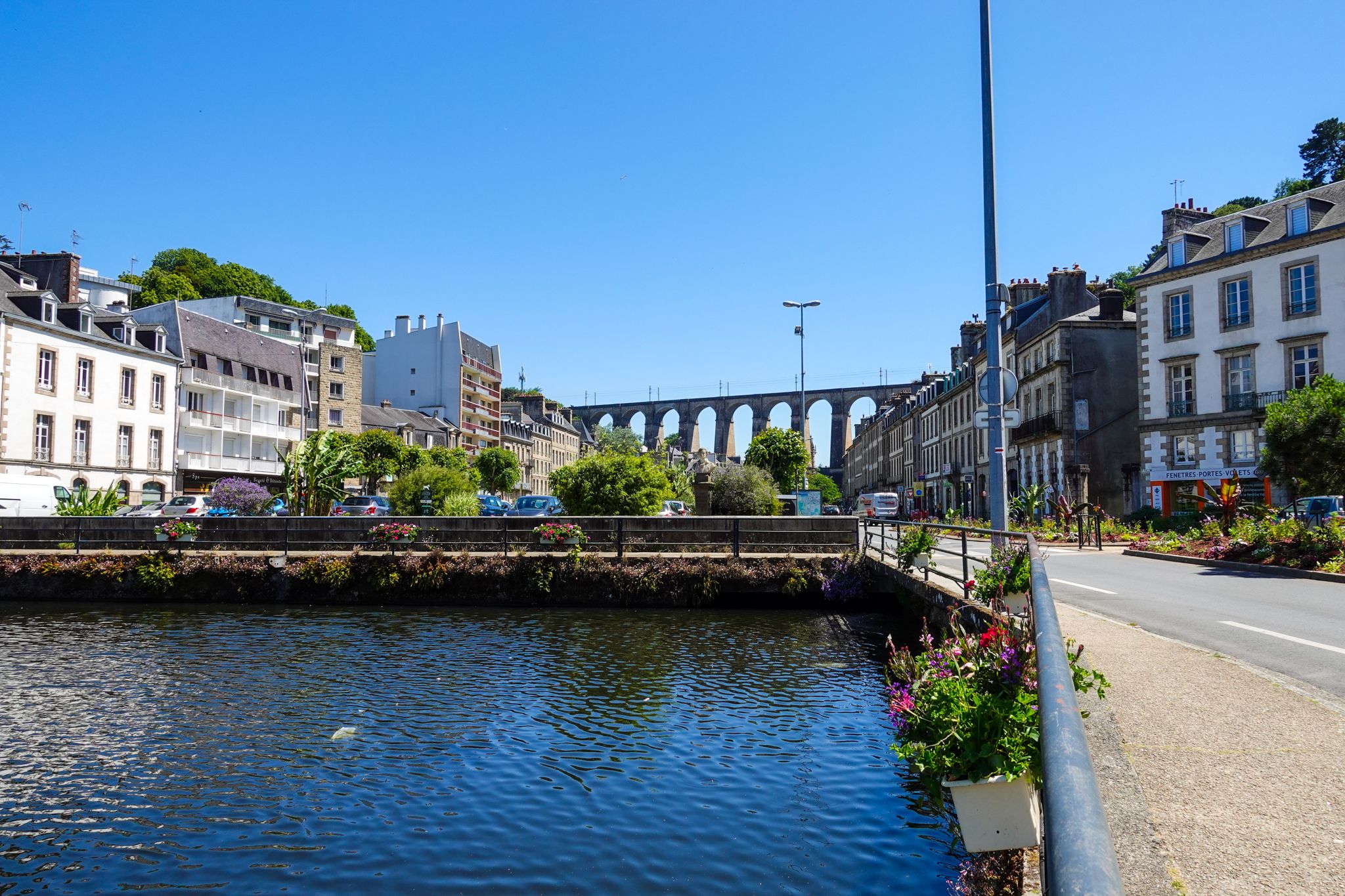
EuroVelos 1 and 4 — Cycle-touring a week in Brittany
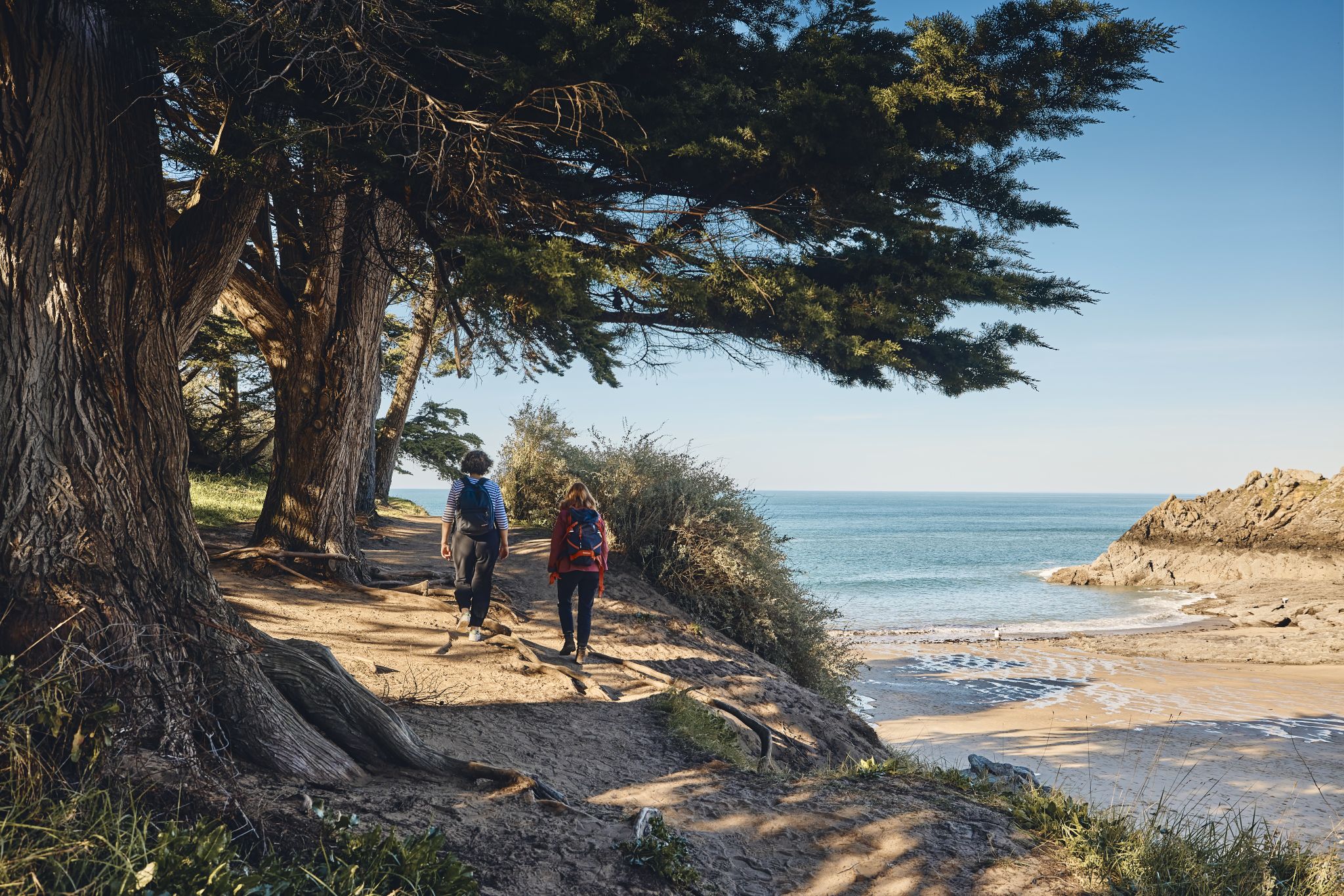
10 of the most beautiful walks in Brittany
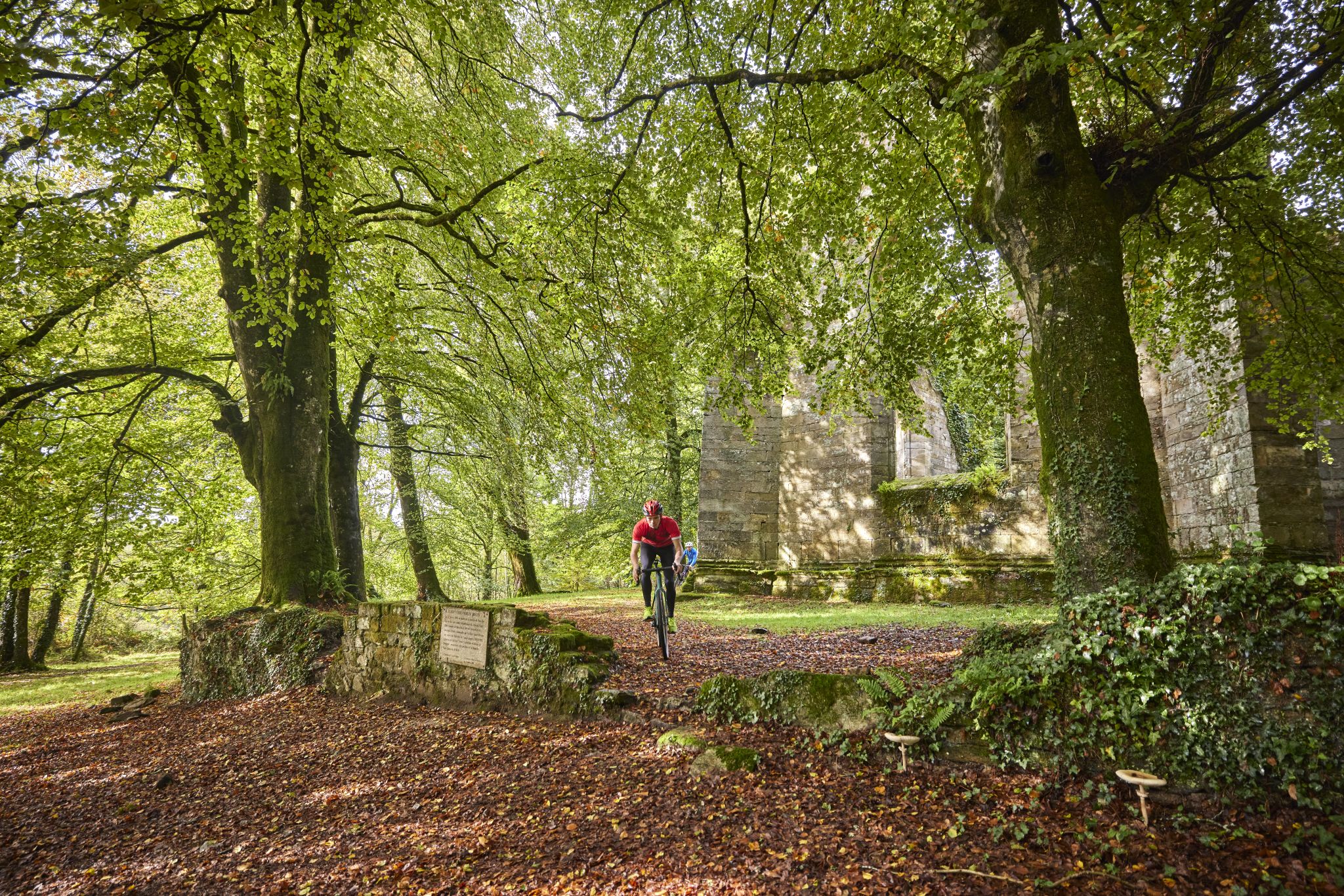
7 gravel routes to discover in Brittany
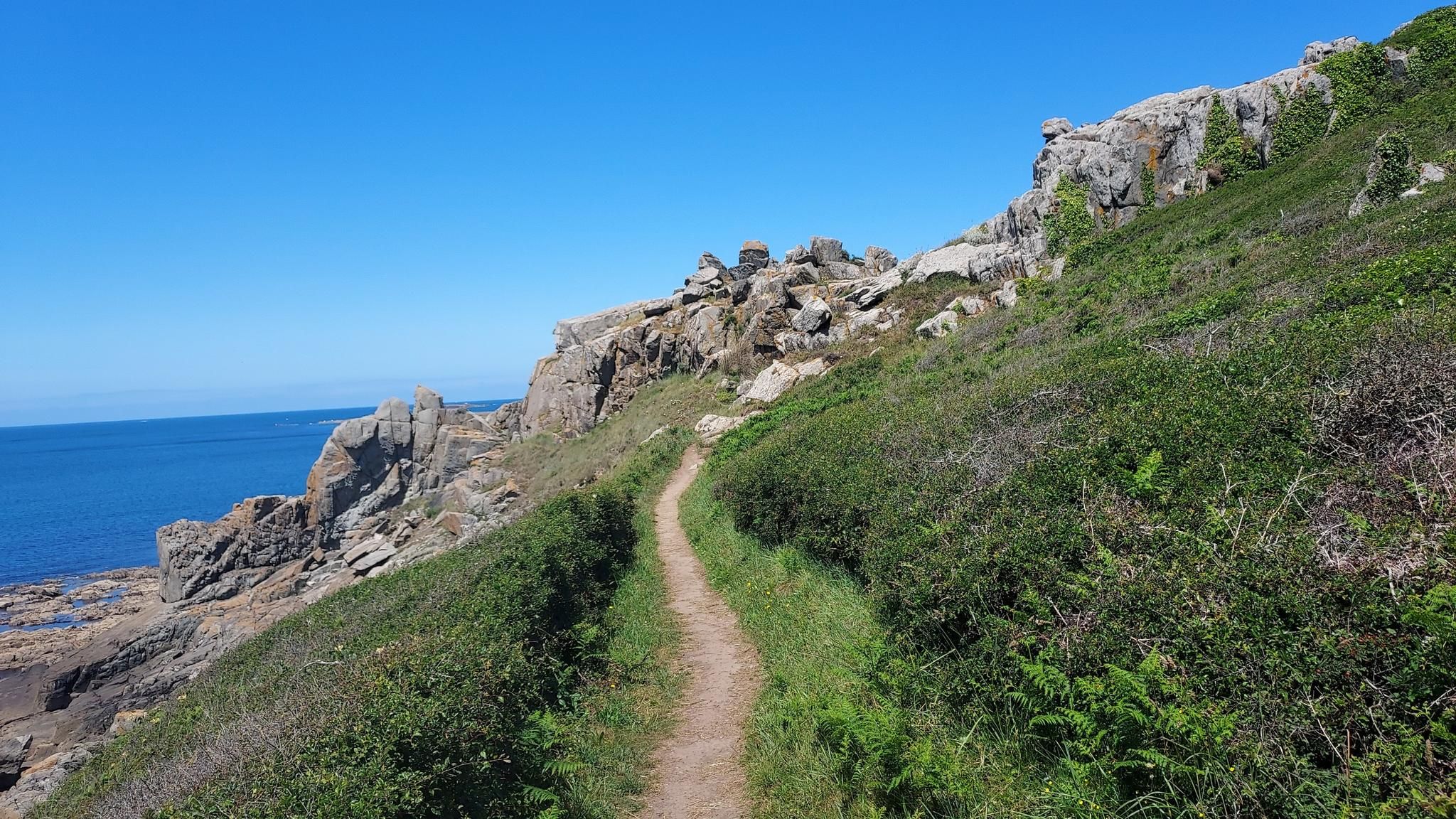
Customs Officers’ Path – GR 34 between Lannion and Paimpol
The Customs Officers’ path – GR 34 in Brittany between Morlaix and Lannion
A hiking break in Brittany
The Seven Saints Pilgrimage — France’s Tro Breizh revisited
A Breton hike from Bréhec to Perros-Guirec — France’s GR 34A
From pink granite to the Opal Coast — cycle France’s la Vélomaritime
Coastlines of the English Channel — Tour de Manche
Other adventures around Lannion


Tips from the Community

The Sainte-Anne des Rochers chapel was severely damaged in a fire on June 12, 2026. Approximately 75% of the slate roof was destroyed, and parts of the roof structure collapsed. The fire department managed to salvage several historical statues and liturgical objects from the interior. The completion of restoration work and reopening are scheduled for 2028.
0
0

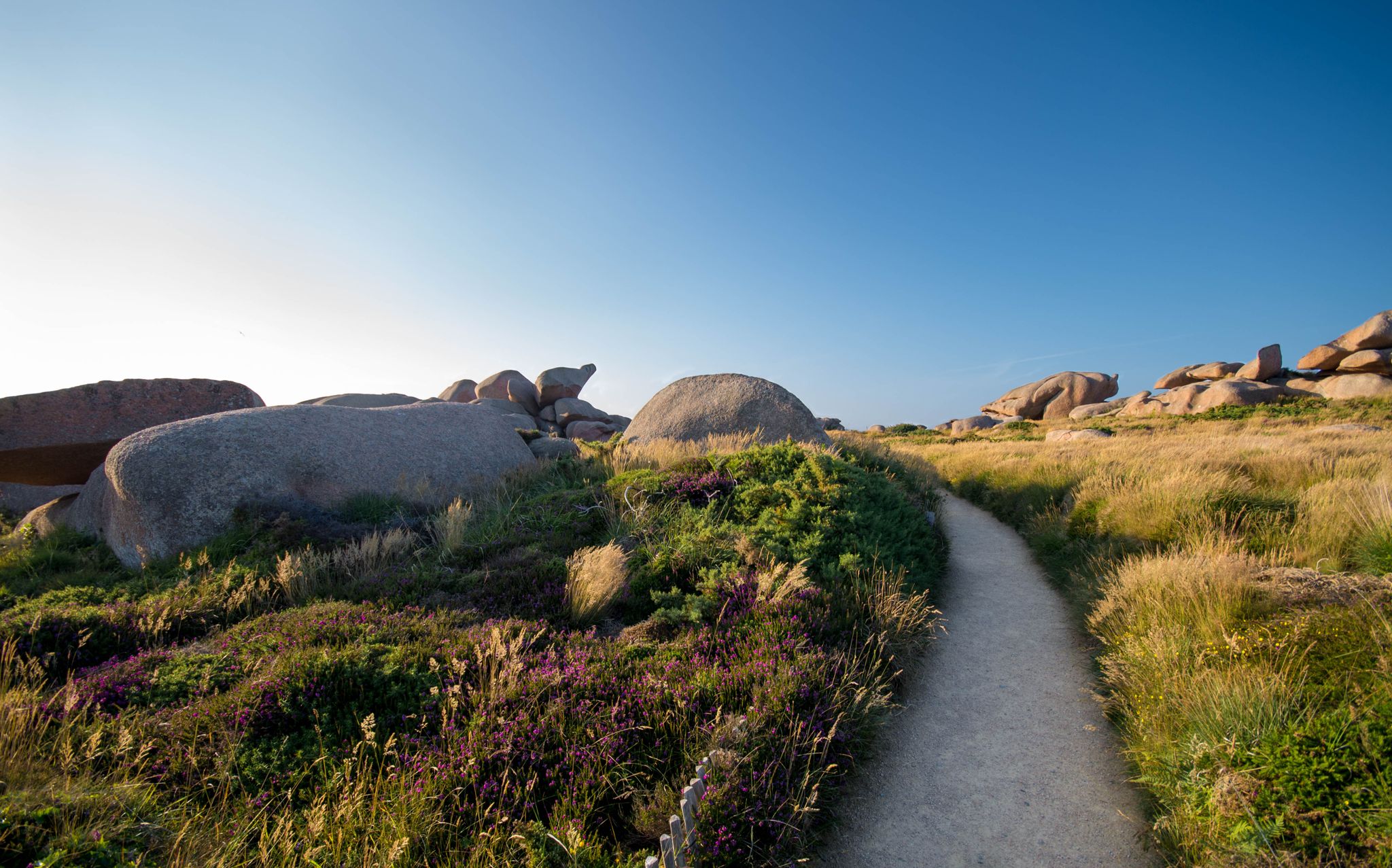
What a great trail. Climbing on the stones, hearing the sea roar, the wind whistles around your ears. Whoever lets their imagination run wild can discover figures in many of the stones. What nature has created here over the years amazes me.
0
0
Very impressive. A great photo opportunity in a beautiful landscape.
0
0

Ploumanac’h is a small fishing village on the northern coast of Brittany, the so-called Côte de Granit Rose, the pink granite coast. The formerly independent village now belongs to the municipality of Perros-Guirec.
1
0

The Phare de Mean Ruz, also known as the Ploumanac'h Lighthouse, is one of the most famous landmarks of Brittany's Pink Granite Coast. The original tower was built in 1860, but was destroyed during World War II and rebuilt in 1946 in its original form. Since 1948, it has once again emitted its signature flashing red light across the sea, visible for up to 11 nautical miles. At approximately 15 meters high, the lighthouse marks the entrance to Ploumanac'h Bay. Unfortunately, access to the lighthouse is closed to the public.
2
0
The Ploumanac'h Lighthouse (Phare de Mean Ruz) is nestled among the striking pink granite cliffs. Built in 1946 from pink granite, it serves to ensure navigation by marking dangerous coves and cliffs. At approximately 15 meters high, the square tower is a popular photo subject and a typical stop for hikers on the historic Sentier des Douaniers (Customs Officers' Trail). Other nearby attractions include the Château du Diable and the Petite Baie de Ploumanac'h.
1
0
Particularly impressive is the coast at Ploumanac'h, a picturesque town known for its bizarre rock formations. Here, granite cliffs rise from the ground in sometimes bizarre shapes, offering spectacular views of the sea. One highlight is the Ploumanac'h lighthouse, perched on a rock and a popular photo opportunity.
1
0
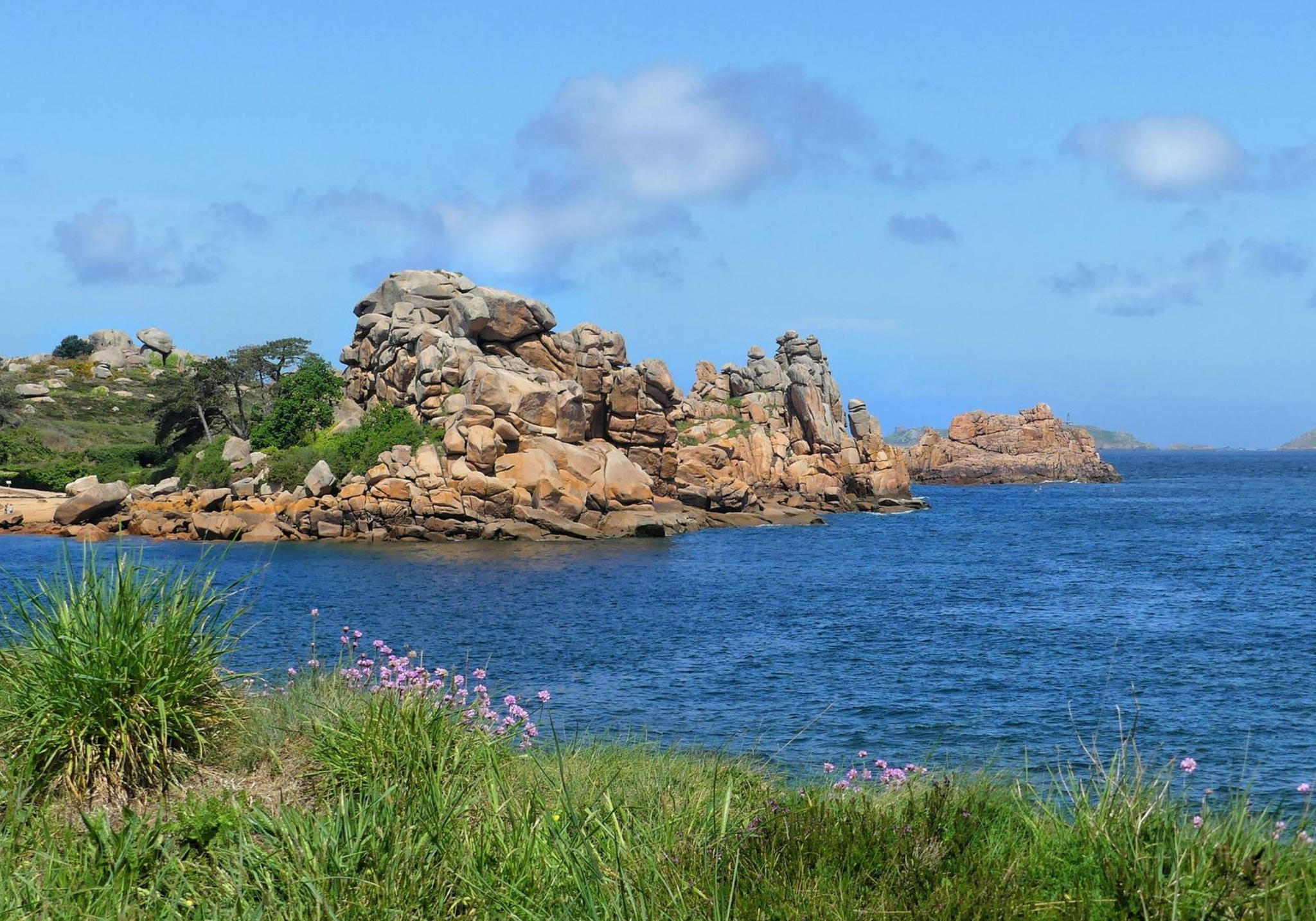
Over millions of years, the interplay of wind, rain, sea, and erosion has carved the most incredible forms out of solid pink granite. Bizarre boulders rise from the ground everywhere, some resembling small castles, others resembling strange animals. Particularly striking is the Château du Diable, whose castle-like silhouette captures visitors' imaginations. The entire coastal landscape is so dramatic and unique that one almost feels as if they are in another world.
2
0
Frequently Asked Questions
What are the most notable natural landmarks and viewpoints around Lannion?
The region around Lannion is renowned for its unique geological formations. You can explore the spectacular Pink Granite Coast, famous for its distinctive pink-hued granite rocks. Other significant sites include the dramatic Plougrescant Chasm, where the sea crashes against huge granite blocks, and the Sillon de Talbert viewpoint, a unique sand and pebble spit extending into the sea.
Are there family-friendly natural attractions near Lannion?
Yes, several natural monuments around Lannion are suitable for families. The Mean Ruz Lighthouse offers an accessible viewpoint amidst rugged granite rocks. The Plougrescant Chasm is also considered family-friendly, providing an impressive display of nature's power. Additionally, the Kerguntuil Megaliths offer an interesting historical and natural site for all ages.
What outdoor activities can I do near these natural monuments?
The natural monuments around Lannion are perfect for various outdoor activities. The Pink Granite Coast is an excellent area for hiking, with trails like the Sentier des Douaniers offering access to hidden coves and dramatic cliffs. The Léguer Valley provides opportunities for hiking, cycling, and birdwatching. For more specific routes, you can find numerous hiking trails, running trails, and MTB trails in the area.
What is the best time of year to visit the natural monuments around Lannion?
The natural monuments around Lannion, particularly the Pink Granite Coast, are beautiful year-round. However, for hiking and enjoying the coastal scenery, the spring and autumn months offer pleasant temperatures and fewer crowds. Summer is also popular, but can be busier. Winter hiking is possible, but be prepared for potentially strong winds and cooler temperatures, especially along the coast.
Are there any easy walks or trails suitable for beginners around Lannion's natural monuments?
Yes, there are several easy options. The tour of Île Renote is an easy loop that allows you to experience the unique pink granite formations and changing coastal landscape. The Sillon de Talbert viewpoint also offers a relatively flat and easy walk along the sand and pebble spit, perfect for a relaxed stroll.
What kind of geological features define the natural monuments in this region?
The region is primarily defined by its distinctive pink granite formations, particularly along the Pink Granite Coast. These rocks have been sculpted over millions of years by wind, rain, and sea, creating bizarrely shaped boulders that resemble castles or animals. The interplay of this pink granite with the blue sea creates a visually captivating landscape unique to the area.
Are dogs allowed on hiking trails near the natural monuments, such as the Sentier des Douaniers?
Many trails along the Pink Granite Coast, including sections of the Sentier des Douaniers, are generally dog-friendly, especially if dogs are kept on a leash. However, it's always advisable to check local signage at specific natural sites or protected areas for any restrictions, particularly concerning wildlife conservation or nesting birds.
Where can I find parking for natural monuments near Lannion?
Parking is generally available near popular natural monuments. For instance, there is parking close to the Plougrescant Chasm. For coastal areas like the Pink Granite Coast and Île Renote, designated parking lots can be found in towns such as Trégastel and Perros-Guirec, which serve as access points to the trails and viewpoints.
What makes the Léguer Valley a significant natural monument?
The Léguer Valley, which flows through Lannion, is recognized for its rich and diverse ecosystem. It is notable for being home to salmon and otters and holds the distinction of being the only river in Brittany designated as a 'Wild Rivers Site.' This designation highlights its ecological importance and pristine natural state, offering excellent opportunities for wildlife observation.
Are there any hidden gem natural monuments or less-known spots worth visiting?
While the Pink Granite Coast is widely known, exploring areas slightly off the main tourist paths can reveal hidden gems. The Smugglers' Cave offers a more challenging and adventurous natural experience. Additionally, the Sillon de Talbert Nature Reserve, while popular, offers unique ecological wealth and birdwatching opportunities that might be less explored by casual visitors.
What do visitors enjoy most about the natural monuments around Lannion?
Visitors consistently praise the breathtaking scenery of the Pink Granite Coast, often describing it as an 'Eldorado for hiking' and an 'otherworldly' landscape. The unique pink granite formations, the dramatic interplay of land and sea, and the well-maintained hiking trails are frequently highlighted. Many appreciate the opportunity to observe the raw power of nature, especially at sites like the Plougrescant Chasm.
Most popular routes around Lannion
Most popular attractions around Lannion

Get inspired with the komoot mobile app


Didn’t find what you were looking for?
Find even more amazing natural monuments around Lannion by checking out the top Highlights region by region:
