Top 5 Natural Monuments around Saintes
Best natural monuments around Saintes showcase a region rich in diverse ecosystems and unique geological features. The area, traversed by the Charente River, features protected Natura 2000 sites and coastal marshlands. These natural spaces provide opportunities for outdoor exploration and offer a captivating contrast to the city's historical architecture.
Best natural monuments around Saintes
- The most popular natural monuments is Grottes de Matata, a cave that features a museum within a dozen caves, reconstructing troglodyte habitats from prehistory to…
Last updated: July 1, 2026
Grottes de Matata
Highlight • Cave
Translated by Google •
Tip by

Caillaud cliff at Talmont sur Gironde
Highlight • Natural Monument
Tip by

Sign up now to discover places like this
Get recommendations on the best single tracks, peaks, & plenty of other exciting outdoor places.
Sign up for free
Suzac Forest
Highlight • Forest
Translated by Google •
Tip by
Vergnes Cove
Highlight • Beach
Translated by Google •
Tip by
Start today with a free account
Your next adventure awaits.
Login or Signup


Tips from the Community

Originally 75 million years ago, natural holes dug into the sea. Later, they were conditioned by man to serve as homes. They are restored and can be visited.
0
0

The photos correspond to the Ardèche conche. Vergnes beach is further towards Meschers with parking and accessible all the time
0
0

These rock dwellings were created by the sea 65 million years ago and then carved out and repeatedly inhabited by humans.
0
0

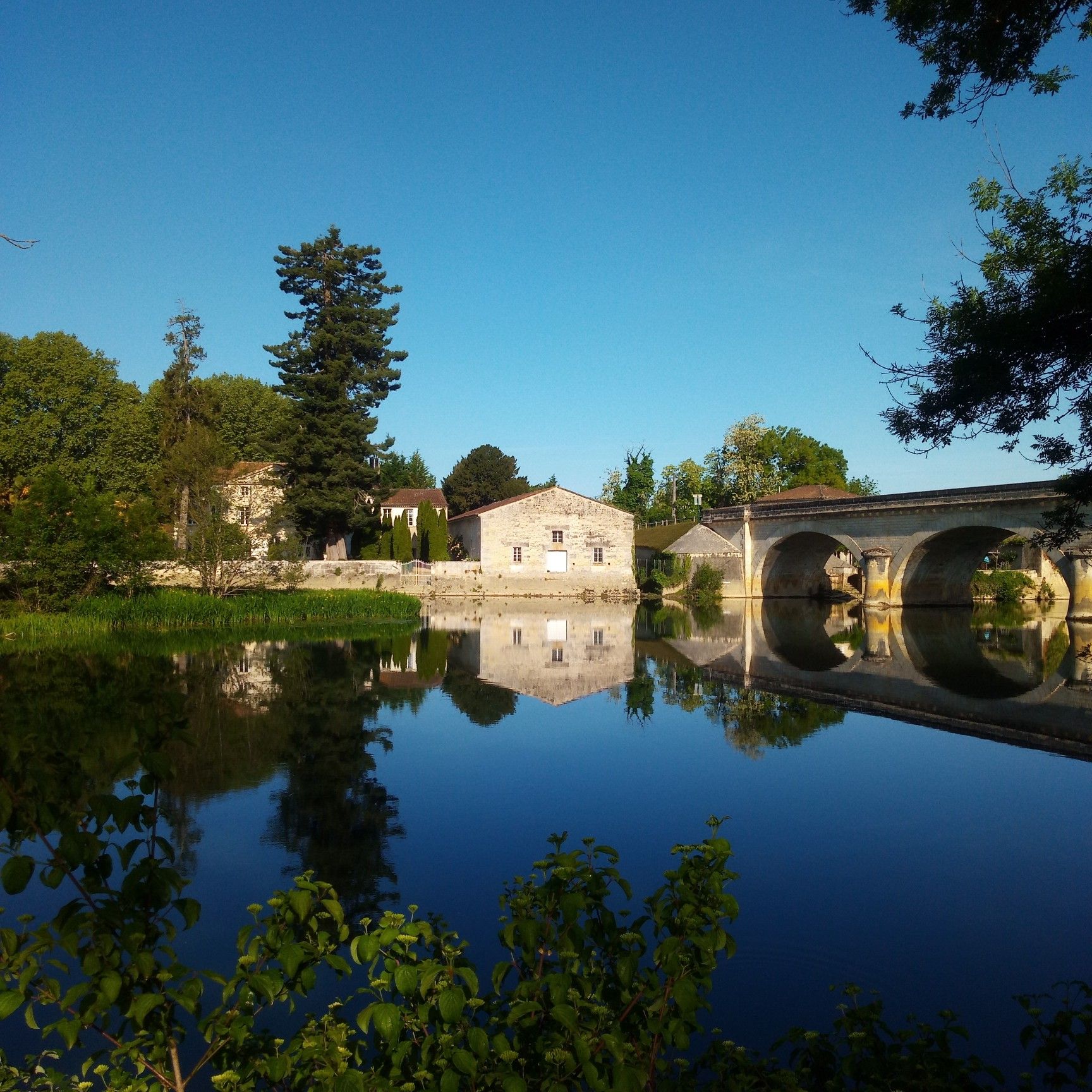
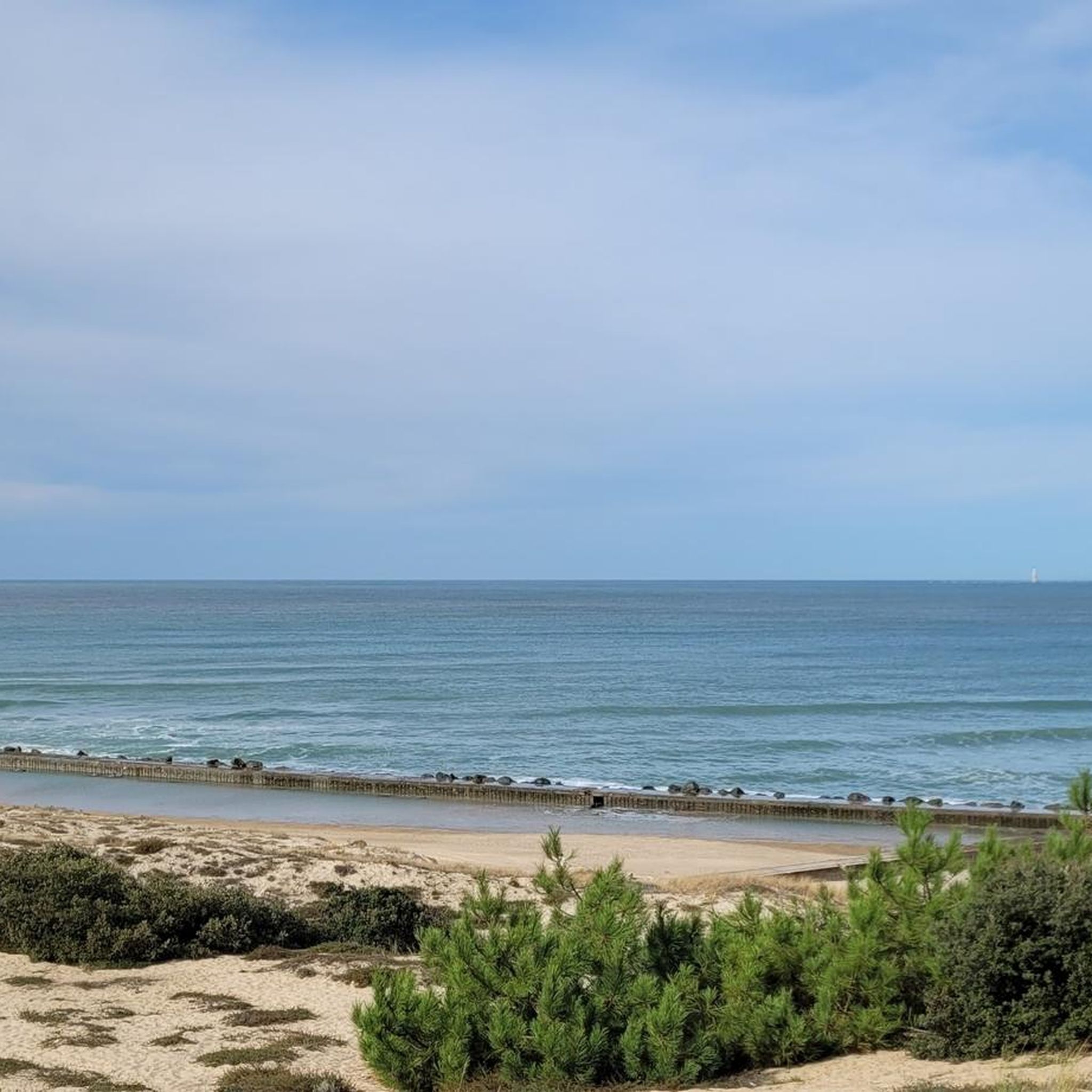
La Conche des Vergnes is a small beach surrounded by cliffs and caves in Meschers-sur-Gironde, a seaside town near Royan. This is a great place to admire the views of the estuary and rock formations. The beach is only accessible at low tide, so check the tide times before going there. You can also visit the nearby cave dwellings, where pirates and smugglers lived. La Conche des Vergnes is a hidden gem that offers insight into the history and nature of this region.
2
0

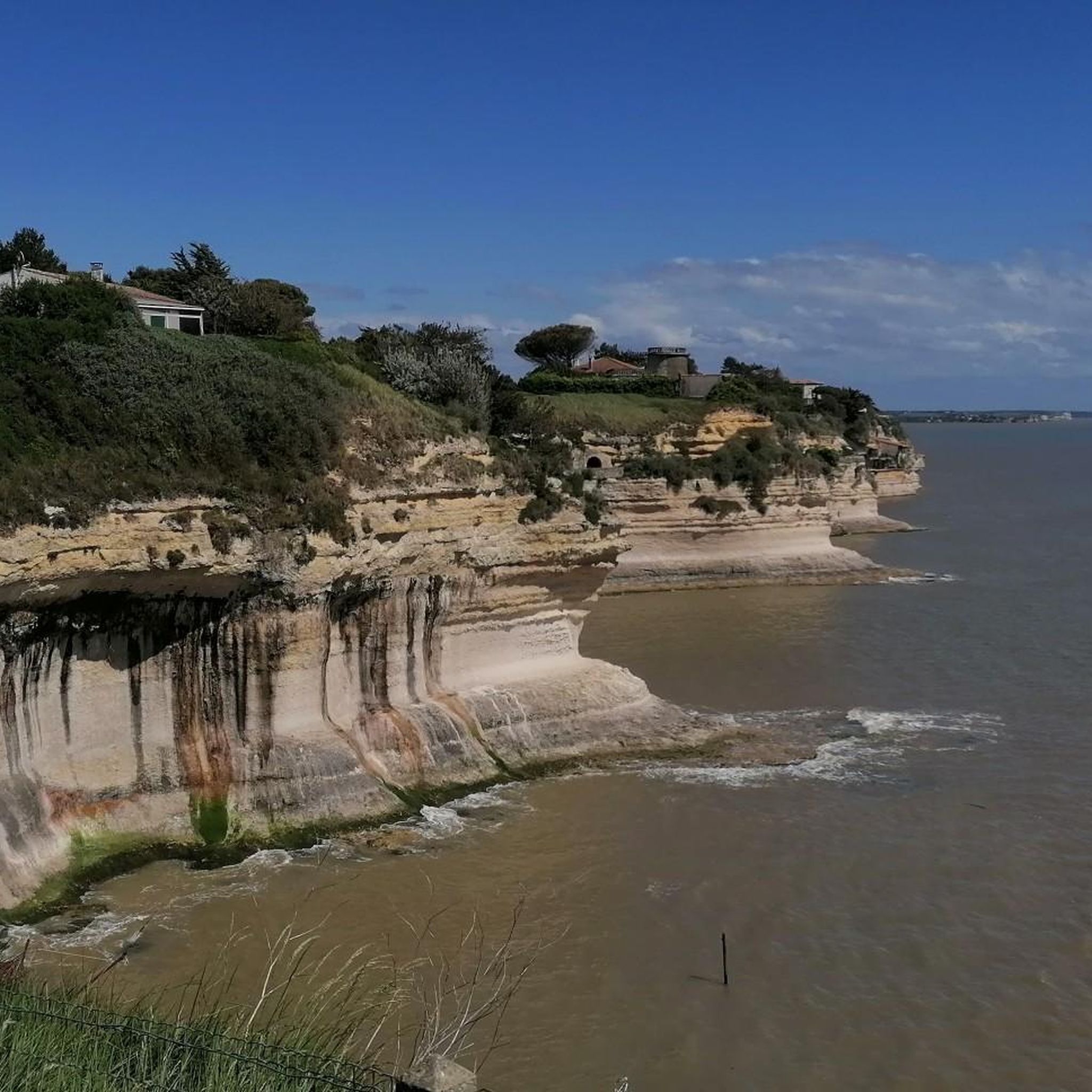
Splendid panorama on the Estuary and on Talmont sur Gironde.
0
0

Two caves right next to each other, Matata and Regulus. Definitely a nice view.
1
0
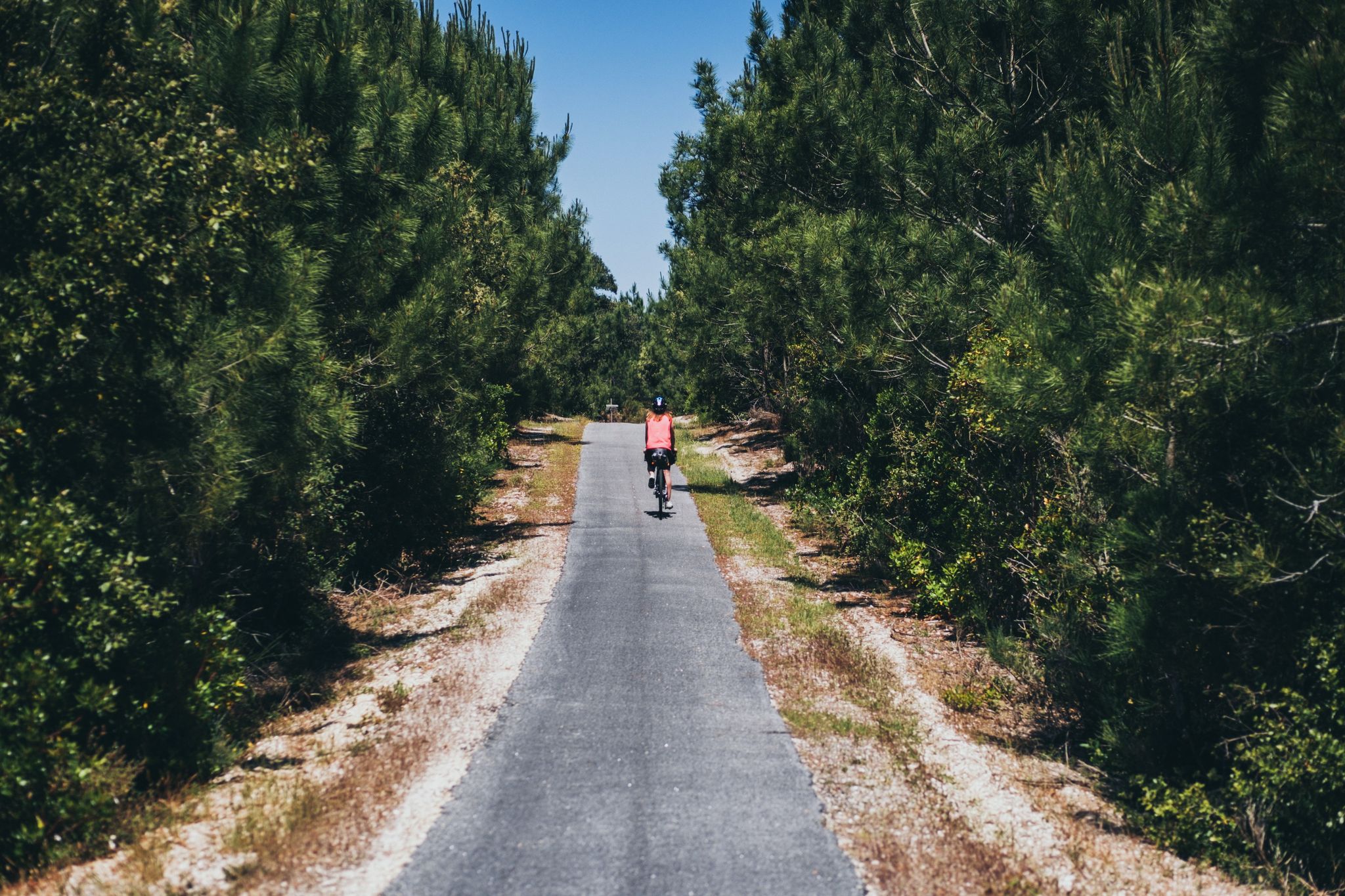
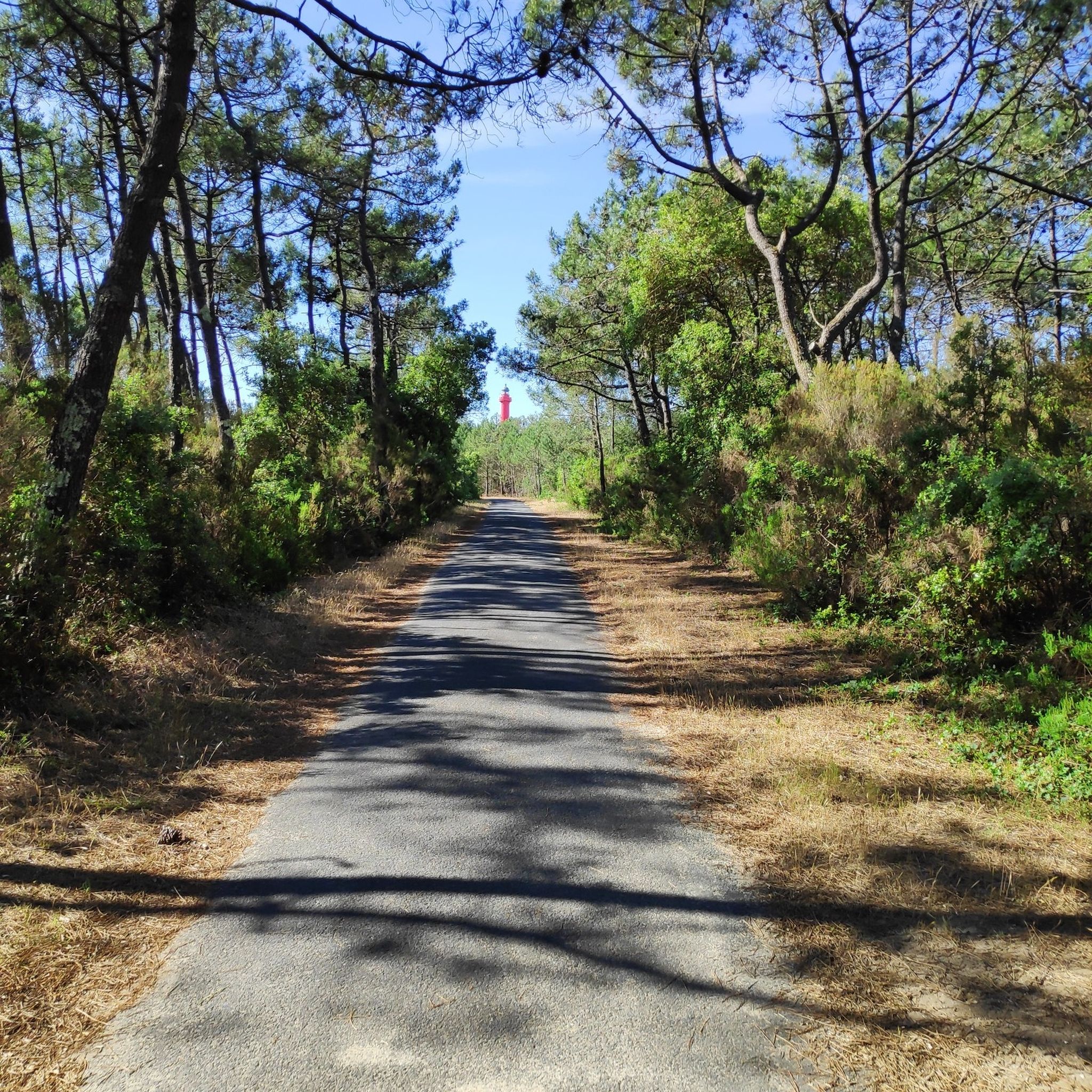
The forest of Suzac, with an area of 350 hectares, presents a Mediterranean flora composed mainly of maritime pine and holm oak. On the edge of the forest, you can see the beaches and the sea. There are also calcareous lawns that extend over the cliffs and are covered with pink garlic and maritime iris which bloom in June.
2
0
Frequently Asked Questions
What unique geological features can I explore around Saintes?
The region offers diverse geological formations. You can visit Grottes de Matata, a cave system featuring fossilized wealth from the Cretaceous seabed and troglodyte habitats. Another unique spot is the Pôle nature de Crazannes, a former quarry with dramatic stone gorges now reclaimed by nature, creating a lush landscape with wild orchids and a sculpted rock wall. Additionally, Vergnes Cove offers impressive cliffs and rock formations accessible at low tide.
Are there family-friendly natural monuments to visit near Saintes?
Yes, several natural monuments are suitable for families. Grottes de Matata is family-friendly, offering a museum within the caves that reconstructs troglodyte life. The Suzac Forest is also great for families, with trails for running and observing protected species amidst a Mediterranean atmosphere. The Pôle nature de Crazannes, with its rewilded quarry and diverse wildlife, can also be an engaging experience for children.
What are the best walking and hiking trails near these natural monuments?
You can find excellent walking and hiking opportunities. The Charente Valley offers routes like 'Saintes, river side and nature' for peaceful strolls. Near the Pôle nature de Crazannes, the Chemin de la Pierre is a marked trail extending about 10 kilometers. For more options, explore the various trails listed in the Hiking around Saintes guide, including the 'Fort and Forest of Suzac Trail' near Suzac Forest.
Can I find natural monuments with historical significance around Saintes?
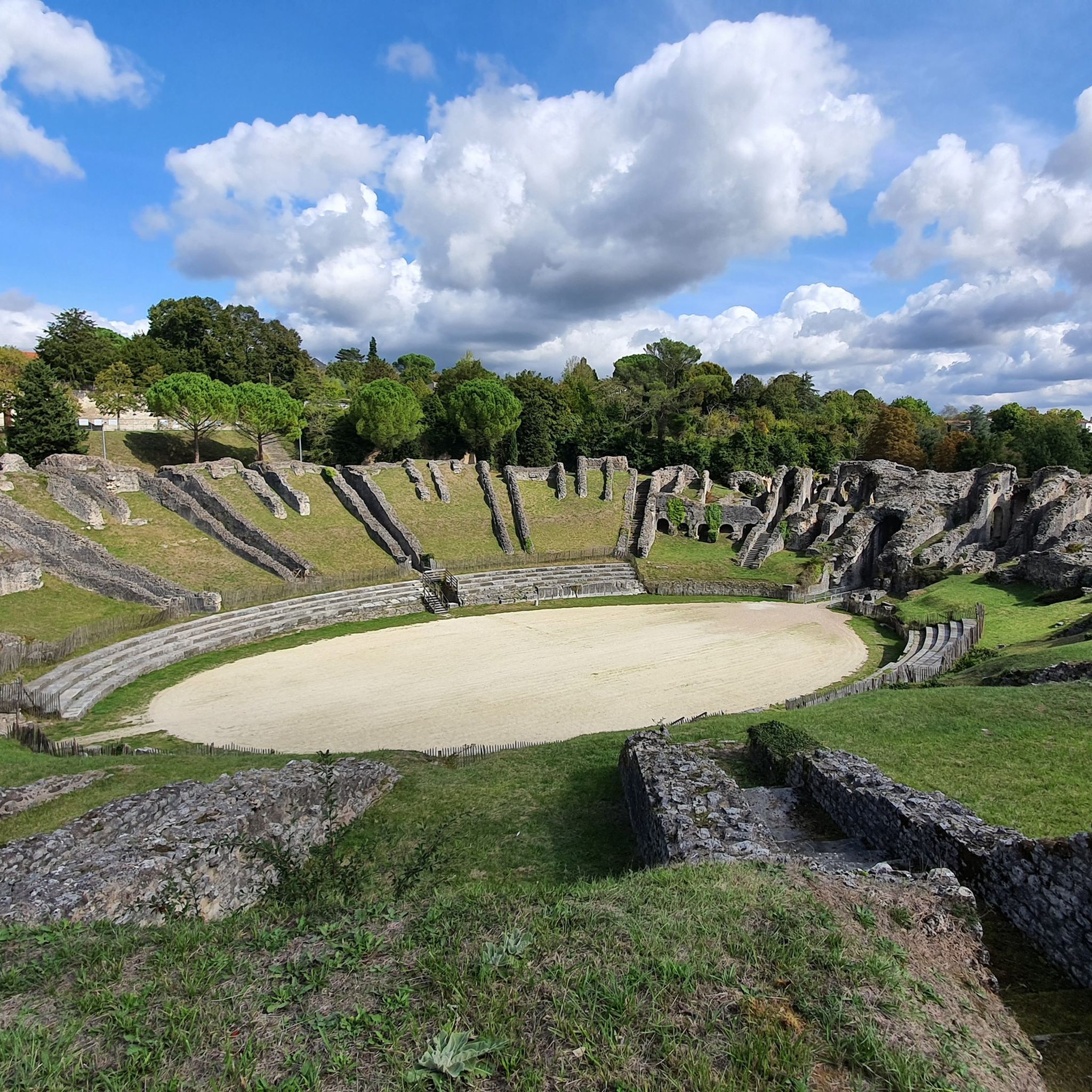
Absolutely. The Grottes de Matata features a museum showcasing troglodyte habitats from prehistory to the 19th century, offering a glimpse into human history within a natural setting. The Pôle nature de Crazannes is a former quarry that supplied stone for historical structures like Fort Boyard and the Arch of Germanicus. Even the Gallo-Roman Amphitheatre in Saintes is notable for its integration into a natural valley, providing a historical site within a natural landscape.
What is the best time of year to visit the natural monuments in Saintes?
The natural monuments around Saintes can be enjoyed throughout the year, but spring and autumn often offer the most pleasant weather for outdoor exploration. In spring, you'll see wild orchids at Crazannes and blooming maritime iris in Suzac Forest. Summer is ideal for coastal areas like Caillaud cliff and Vergnes Cove, though it can be warmer. Winter offers a quieter experience, especially along the Charente Valley.
Are there opportunities for cycling near the natural monuments?
Yes, cycling is a great way to explore the area. The Caillaud cliff at Talmont sur Gironde features a dedicated bike path offering vast views of the coast and fishermen's huts. The Boulevard du Marais also provides a scenic route for cycling with views of the Talmont marshes. For more cycling routes, check out the MTB Trails around Saintes and Gravel biking around Saintes guides.
What kind of wildlife can I expect to see in the natural areas?
The region is rich in biodiversity. The Charente Valley, a Natura 2000 site, is important for conserving rare species such as the otter, mink, and European pond turtle. At the Pôle nature de Crazannes, you might spot wild animals like foxes, hares, deer, and bats. The Suzac Forest is home to protected species, including the carnation of the dunes, blue tits, wood pigeons, and bats.
Are there any coastal natural monuments or beaches to visit?
Definitely. The Caillaud cliff at Talmont sur Gironde offers dramatic coastal views and a path along the marshes and beach. Vergnes Cove is a small beach surrounded by cliffs and caves, providing beautiful views of the estuary. The Boulevard du Marais also offers extensive views of the coast and the Talmont marshes, showcasing dynamic natural spectacles due to tidal variations.
How long should I plan for a visit to these natural monuments?
The duration of your visit depends on the site and your activity. For places like Grottes de Matata, you might spend 1-2 hours exploring the caves and museum. A walk through the Suzac Forest or along the Caillaud cliff could range from an hour to a half-day. For the Pôle nature de Crazannes, the Chemin de la Pierre trail is about 10 kilometers, suggesting a longer visit if you plan to hike the full route.
What are some lesser-known or 'hidden gem' natural monuments around Saintes?
While popular spots are well-loved, the Pôle nature de Crazannes, a rewilded former quarry with its unique blend of nature and art, could be considered a hidden gem. Its transformation into a lush habitat for wildlife and its sculpted rock wall offer a distinctive experience. The Charente Valley's less-traveled paths, particularly those focusing on nature observation, also provide a serene escape from more frequented areas.
Are there any natural monuments accessible by public transport from Saintes?
While direct public transport to all remote natural monuments might be limited, Saintes itself is well-connected. For sites like the Gallo-Roman Amphitheatre Valley, which is within the city, public transport is readily available. For other sites further afield, such as the Pôle nature de Crazannes or the coastal areas, it is advisable to check local bus schedules or consider a combination of public transport and a short taxi ride or cycling to reach them.
What kind of flora can I observe in the natural monuments?
The region's diverse ecosystems support a variety of plant life. The Pôle nature de Crazannes is known for its lush growth of lichen, ferns, and wild orchids. The Suzac Forest features Mediterranean flora, including maritime pines, holm oaks, arbutus, sage-leaf cistus, and protected species like the carnation of the dunes, pink garlic, and maritime iris. The Boulevard du Marais showcases salt-tolerant flora thriving in humid, brackish environments.
Most popular routes around Saintes
Most popular attractions around Saintes

Get inspired with the komoot mobile app


Didn’t find what you were looking for?
Find even more amazing natural monuments around Saintes by checking out the top Highlights region by region:
Explore more
Extend your search for the best caves by checking out these guides of the top ones around Saintes:
