Top 14 Natural Monuments around Aznalcázar
Best natural monuments around Aznalcázar are situated near the Guadalquivir marshes and within the Doñana National Park. This region features significant ecological areas known for their biodiversity. The landscape includes extensive pine forests, river corridors, and vast wetlands. These areas offer opportunities for observing diverse wildlife and exploring natural features.
Best natural monuments around Aznalcázar
- The most popular natural monuments is Doñana Marshes, an other_natural area that serves as a crucial crossroads for bird migration routes. This wetland is…
Last updated: October 18, 2026
Torre Carbonero Beach
Highlight (Segment) • Beach
Translated by Google •
Tip by

Castilla Beach (Doñana National Park)
Highlight • Beach
Translated by Google •
Tip by

Sign up now to discover places like this
Get recommendations on the best single tracks, peaks, & plenty of other exciting outdoor places.
Guadiamar Viewpoint
Highlight • Viewpoint
Translated by Google •
Tip by

Charco de la Boca
Highlight • Lake
Translated by Google •
Tip by

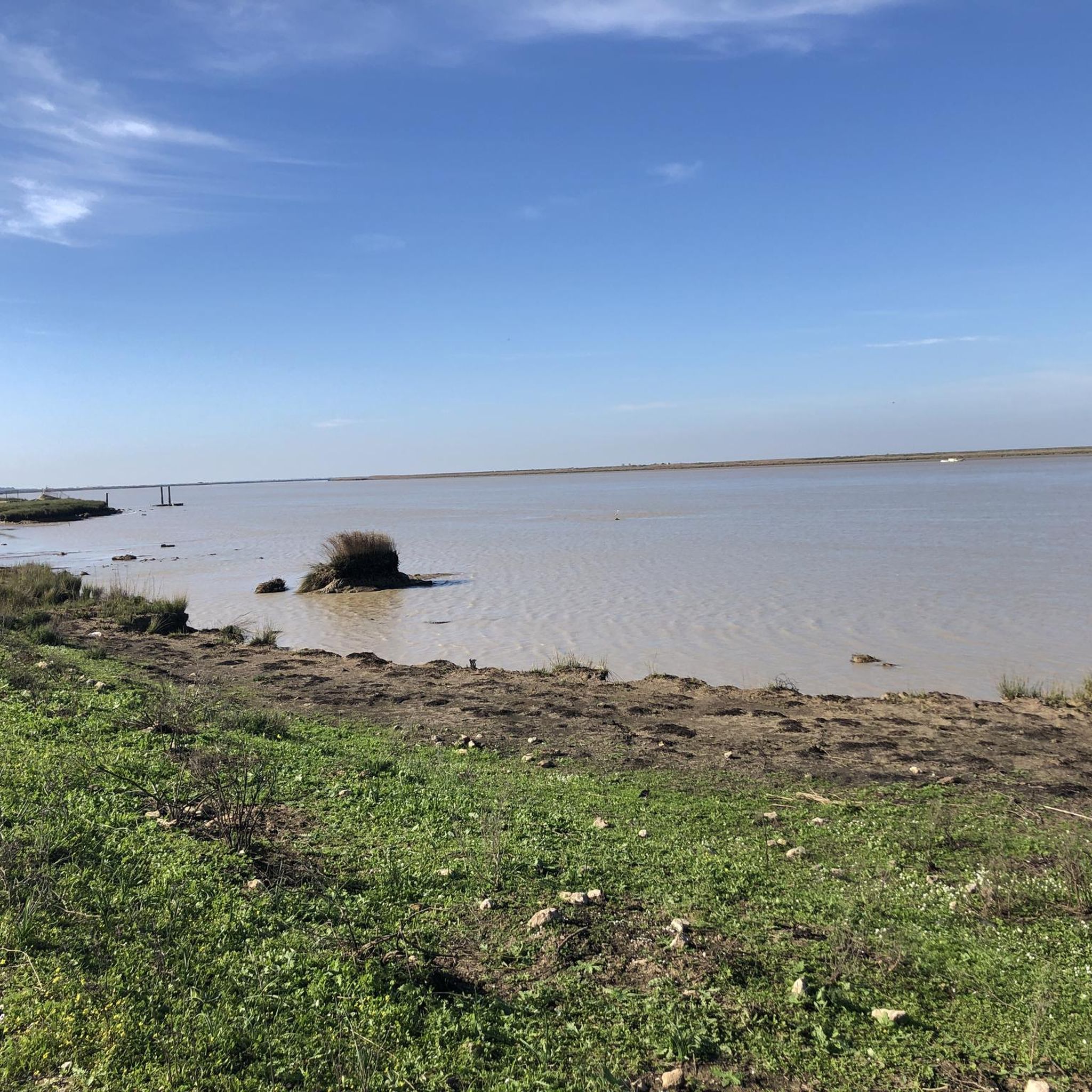
Doñana Marshes
Highlight (Segment) • Natural
Translated by Google •
Tip by

Sign up for free to discover even more natural monuments around Aznalcázar.
Already have an account?
Start today with a free account
Your next adventure awaits.

Other adventures around Aznalcázar

Tips from the Community

The route is partly impassable - deep ditches with water and mud - impossible to get through between points 8 and 9
0
0

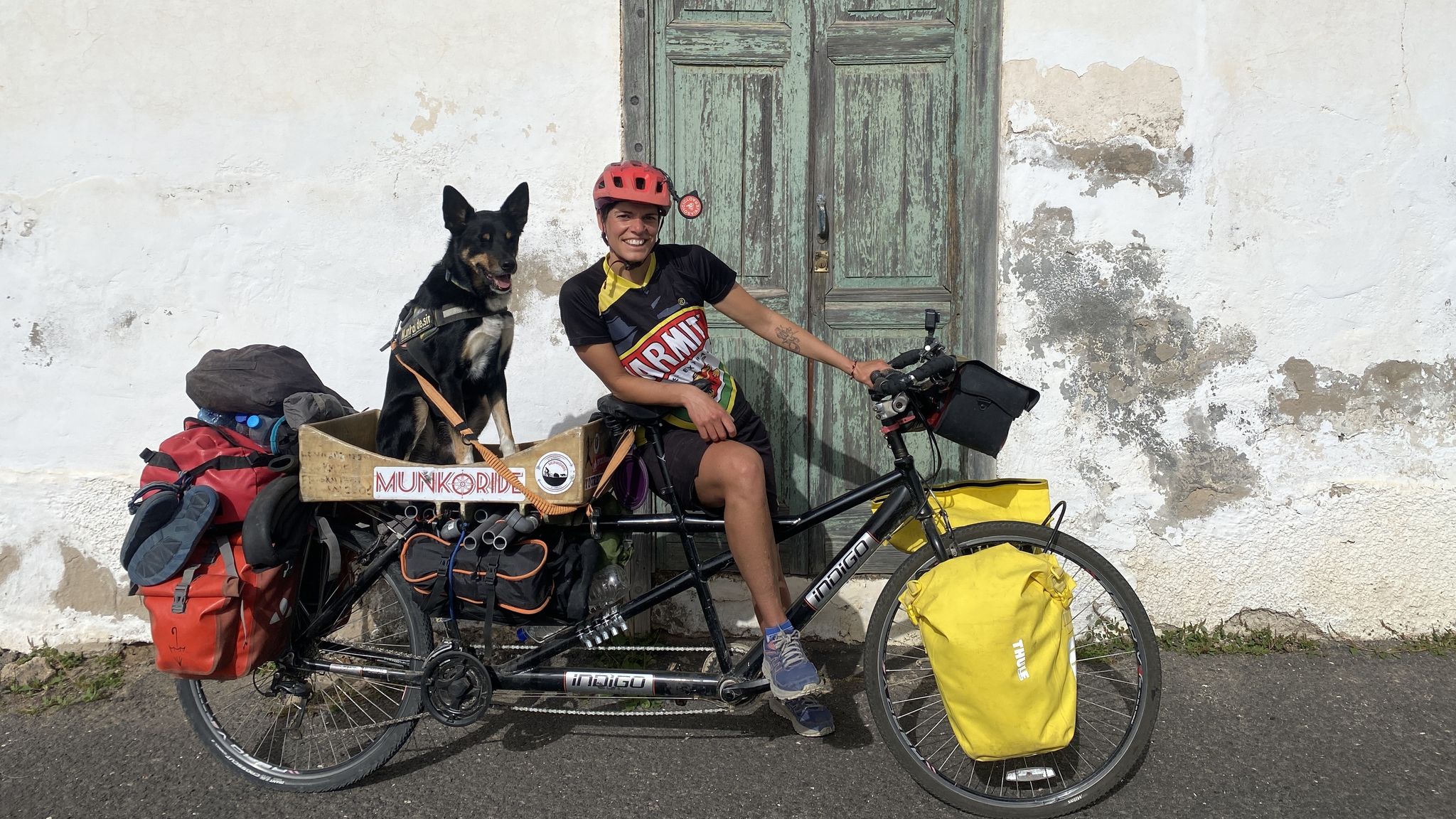
Yes, it's difficult to drive, like when you're constantly going up a 6-8% grade We also had panniers and front bags, handlebar bags. It took us 4 hours with breaks, so don't wait for the tide to go out, starting a little earlier is very good. As already written, there is no shade, no bushes and only a few shrimp fishermen were out. The experience is extraordinary and makes up for the hardship.
1
1

Very difficult but what an adventure! Probably the toughest 30km of our tour (so far). We had loaded touring bikes (with road tires, panniers and handlebar bags etc). As others have advised it made a huge difference to let out air from tires. Would advise to start cycling around 2 hours before low tide. There is no shade, are completely exposed, and so have no option but to push on! We did it in 3 hours cycling time but this included strong headwind which caught us off guard and slowed our pace. IMPORTANT: completely depends on tide times, which, to use that old nautical idiom, means you really are stuck between the devil and the deep blue sea!
1
0

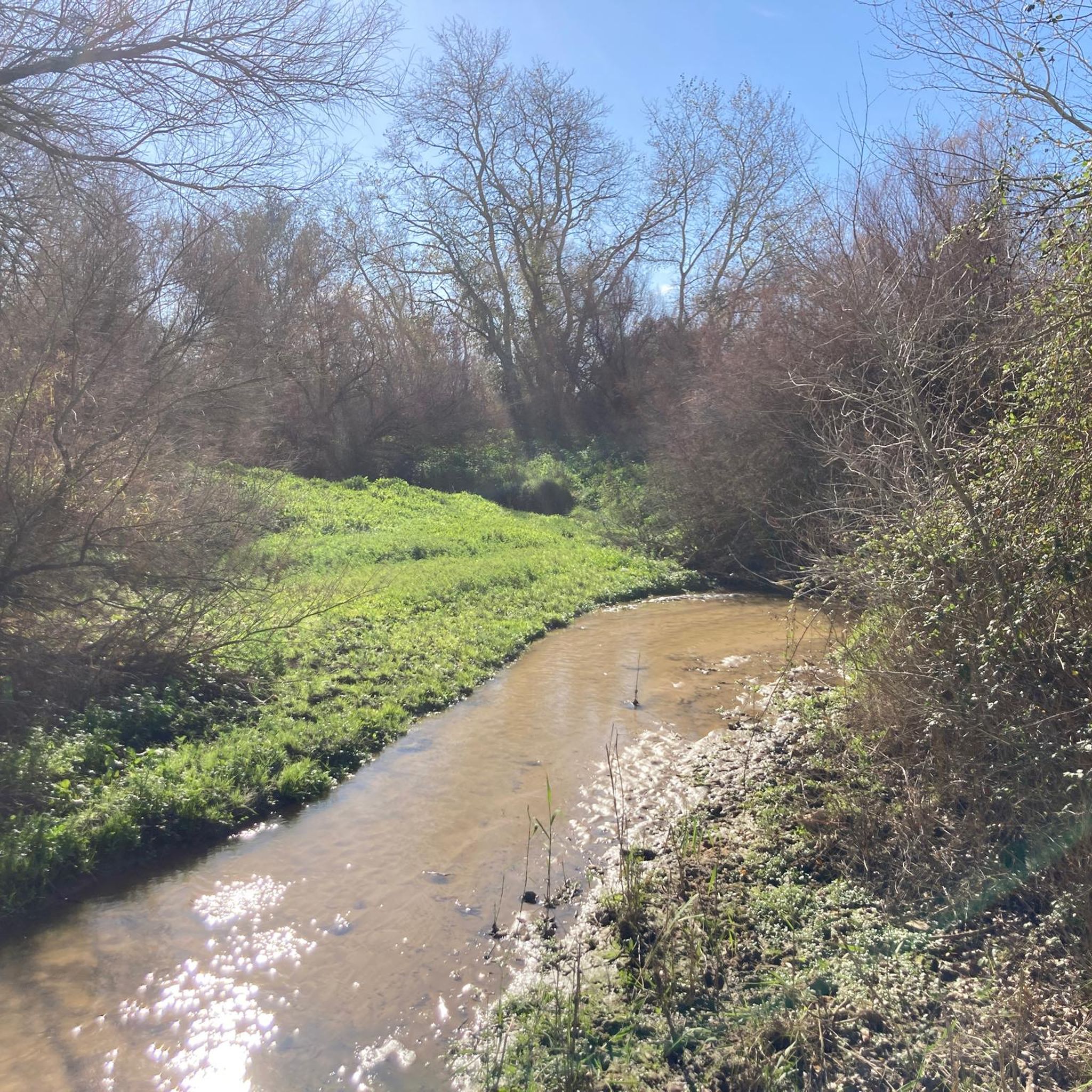
The Mirador de la Cárcava also called Balcón del Guadiamar is an old landfill that has been transformed into a viewpoint. It has views of the Guadiamar river, olive groves and the rest of the region: municipalities of Pilas, Torre Guadiamar, Caño de la Teja, Huévar del Aljarafe etc.
2
0

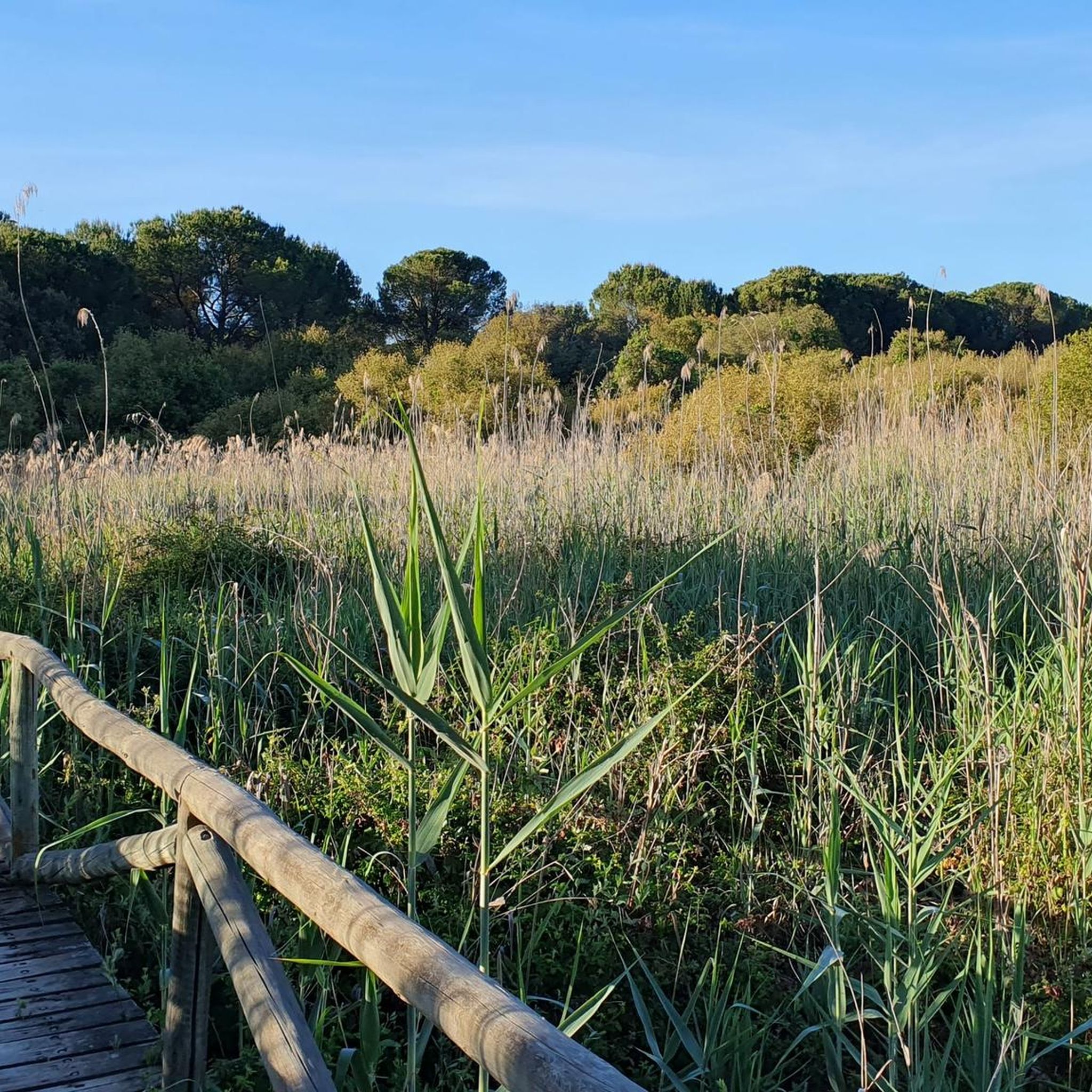
Located within the Doñana Natural Park and next to the picturesque town of El Rocío, this wonderful natural ecosystem is the ideal place for those who enjoy bird watching and this type of biosphere. It can be traveled along the Paseo Marismeño path, an entertaining walk for the whole family.
1
0

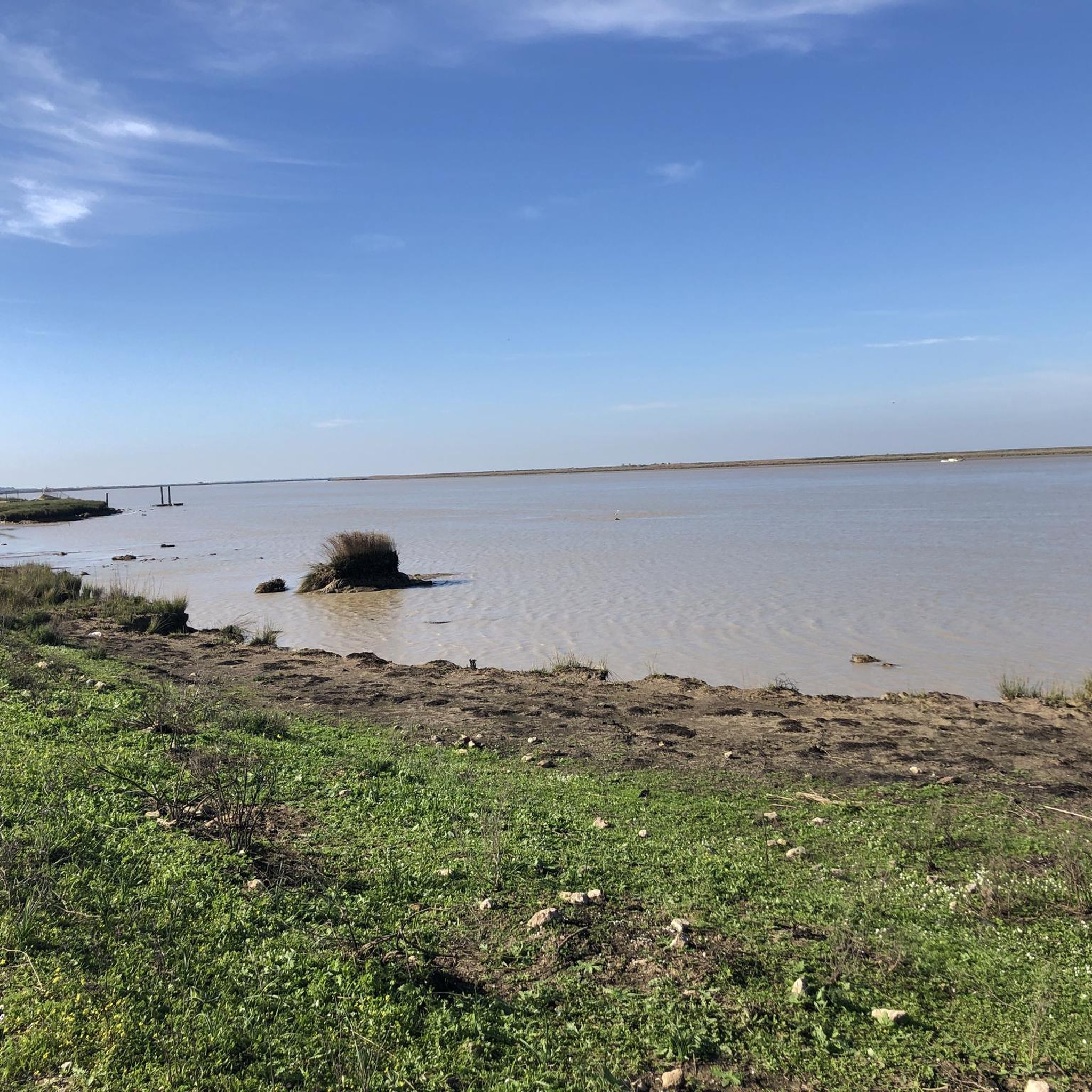
This bike tour can only be done at low tide and with wide tires. With thin tires it is better to let out a lot of air.
2
1

I cycle this beautiful beach on October 2022 with a heavy loaded bike (~50kg including bicycle) and it was exhausting. It's almost 30km and you can't take the trails in the national Park. So make sure the condition are good if you plan to cross with loaded bicycle and cycle at low tide. It's also forbidden to sleep on the beach so you must make it.
3
0
The section from Matalascañas to Sanlucar (about 30 km) can only be done at low tide and with wide tires. With thin tires you have to let out a lot of air. We drove it with 40x622 tires and a total weight of about 100 kg. The ferry to Sanlucar stood on the shore and was waiting for us.
4
3
Frequently Asked Questions
What are some of the most notable natural monuments to visit around Aznalcázar?
The region around Aznalcázar offers several significant natural monuments. The Doñana Marshes are a crucial crossroads for bird migration and a vital wetland habitat. You can also visit the Guadiamar Viewpoint, which offers panoramic views of the Guadiamar river and surrounding olive groves. For a unique experience, the Castilla Beach (Doñana National Park) provides a challenging yet rewarding coastal adventure.
What kind of wildlife can I expect to see in the natural areas near Aznalcázar?
The natural monuments around Aznalcázar are rich in biodiversity. The Pinares de Aznalcázar are a haven for approximately 205 vertebrate species, including endangered ones like the juvenile Iberian Imperial Eagle and the Iberian Lynx. The wetlands, especially the Doñana Marshes and areas like Dehesa de Abajo, are crucial for migratory birds such as flamingos, waterfowl, and white storks. The Charco de la Boca is also an ideal spot for bird watching.
Are there family-friendly natural monuments or activities in the area?
Yes, several natural monuments are suitable for families. The Pinares de Aznalcázar feature recreational areas with playgrounds, picnic spots, and signposted paths. The Guadiamar Viewpoint is considered family-friendly, offering accessible views. Additionally, the Charco de la Boca, located within Doñana Natural Park, offers an entertaining walk along the Paseo Marismeño path, perfect for bird watching with the whole family.
What outdoor activities can I do near these natural monuments?
The area around Aznalcázar is excellent for various outdoor activities. You can explore numerous cycling lanes and equestrian courses within the Pinares de Aznalcázar. For cycling enthusiasts, there are several routes, such as the 'Cycling Lane Pinares de Aznalcázar - Puebla del Río' or the 'Laguna de las Doblas – Guadiamar Green Corridor loop'. Mountain biking is also popular, with trails like 'Río Guadiamar - circular desde Aznalcázar'. If you prefer running, consider the 'Guadiamar Green Corridor Loop' or the 'Dehesa de Abajo Circular Trail'. You can find more details on these activities in the cycling, MTB, and running guides for Aznalcázar.
What is the best time of year to visit the natural monuments in Aznalcázar?
While specific seasonal advice isn't provided for all monuments, the Doñana National Park, which encompasses many of these areas, is renowned for its migratory birds. Therefore, spring and autumn are generally excellent times to visit for birdwatching, as many species pass through or reside in the wetlands. Summers can be very hot, which might make some activities challenging, especially cycling on exposed beaches like Castilla Beach where there is no shade.
Are there any visitor centers to learn more about the natural environment?
Yes, Aznalcázar is well-equipped with visitor centers due to its proximity to Doñana National Park. The José Antonio Valverde Visitor Centre, located within the Doñana marshes, offers insights into the marsh ecosystem and its unique architecture mimics traditional marsh huts. Additionally, the Guadiamar Visitor Centre provides further information about the natural surroundings and the Guadiamar Green Corridor.
What should I know if I plan to cycle along the beaches in Doñana National Park?
Cycling along beaches like Castilla Beach (Doñana National Park) or Torre Carbonero Beach is a challenging adventure. It's crucial to plan your ride around low tide, as the sand becomes very soft at high tide, making pedaling extremely difficult. Wide tires are highly recommended, and you may need to let out air from your tires for better traction. Be aware that there is no shade, and it's forbidden to sleep on the beach, so plan your journey to complete it within daylight hours.
What is the Guadiamar Green Corridor and what can I see there?
The Guadiamar Green Corridor is a protected landscape that follows the Guadiamar River. It's a significant ecological restoration project, featuring a lush forest along the river's path. Visitors can explore numerous viewpoints and trails, appreciating the riverine ecosystem. An ancient Roman bridge can also be found along its course, adding a historical element to the natural beauty.
What do visitors enjoy most about the natural monuments around Aznalcázar?
Visitors particularly appreciate the rich biodiversity and the opportunities for birdwatching, especially in the Doñana Marshes and at Charco de la Boca. The challenging yet rewarding experiences of cycling along the beaches, like Castilla Beach, are also highly rated for their adventurous spirit. The scenic views from spots like the Guadiamar Viewpoint are also a favorite.
Are there any specific trails or routes recommended for exploring the natural monuments?
Yes, for exploring the natural monuments, you can find various trails. The Pinares de Aznalcázar offer signposted paths and bicycle lanes. For birdwatching, the Paseo Marismeño path at Charco de la Boca is recommended. The Doñana Marshes also have trails, though some sections can be challenging with deep water and mud. For more structured routes, consider the 'Guadiamar Green Corridor Loop' for running or the 'Cycling Lane Pinares de Aznalcázar - Puebla del Río' for biking.
What are the Pinares de Aznalcázar and what makes them special?
The Pinares de Aznalcázar are one of Seville's most ecologically valuable forest areas, primarily composed of stone pine. They are special due to their rich biodiversity, hosting a variety of ecosystems and serving as a habitat for numerous vertebrate species, including endangered ones. Beyond their ecological significance, they offer excellent recreational amenities like picnic spots, paths, and bike lanes, making them ideal for outdoor activities.
Most popular attractions around Aznalcázar

Get inspired with the komoot mobile app


Explore more
Extend your search for the best caves by checking out these guides of the top ones around Aznalcázar:
