Top 20 Natural Monuments around Sant Julià De Ramis
Best natural monuments around Sant Julià De Ramis offer a diverse landscape for exploration. The region, part of the Gironès area, features geological formations, forested hills, and river passages. These sites provide opportunities to experience the natural environment and historical significance of the area. Sant Julià De Ramis is characterized by its blend of natural beauty and ancient human presence.
Best natural monuments around Sant Julià De Ramis
- The most popular natural monuments is Lake Banyoles, a lake that…
Last updated: July 1, 2026
Lake Banyoles
Highlight • Lake
Translated by Google •
Tip by

Castell de Palagret
Highlight • Castle
Translated by Google •
Tip by

Sign up now to discover places like this
Get recommendations on the best single tracks, peaks, & plenty of other exciting outdoor places.
Sign up for free
Montigalar Summit
Highlight • Summit
Tip by

Travertine Formations at Les Estunes
Highlight • Natural Monument
Translated by Google •
Tip by

El Surolí Tree
Highlight • Natural Monument
Translated by Google •
Tip by

Sign up for free to discover even more natural monuments around Sant Julià De Ramis.
Sign up for free
Already have an account?
Start today with a free account
Your next adventure awaits.
Login or Signup
Popular around Sant Julià De Ramis

Other adventures around Sant Julià De Ramis

Tips from the Community


Lots of cafes to choose from but I recommend Aquarium!
3
0

Best place to be. Wonderful mute in teh hole village
1
1

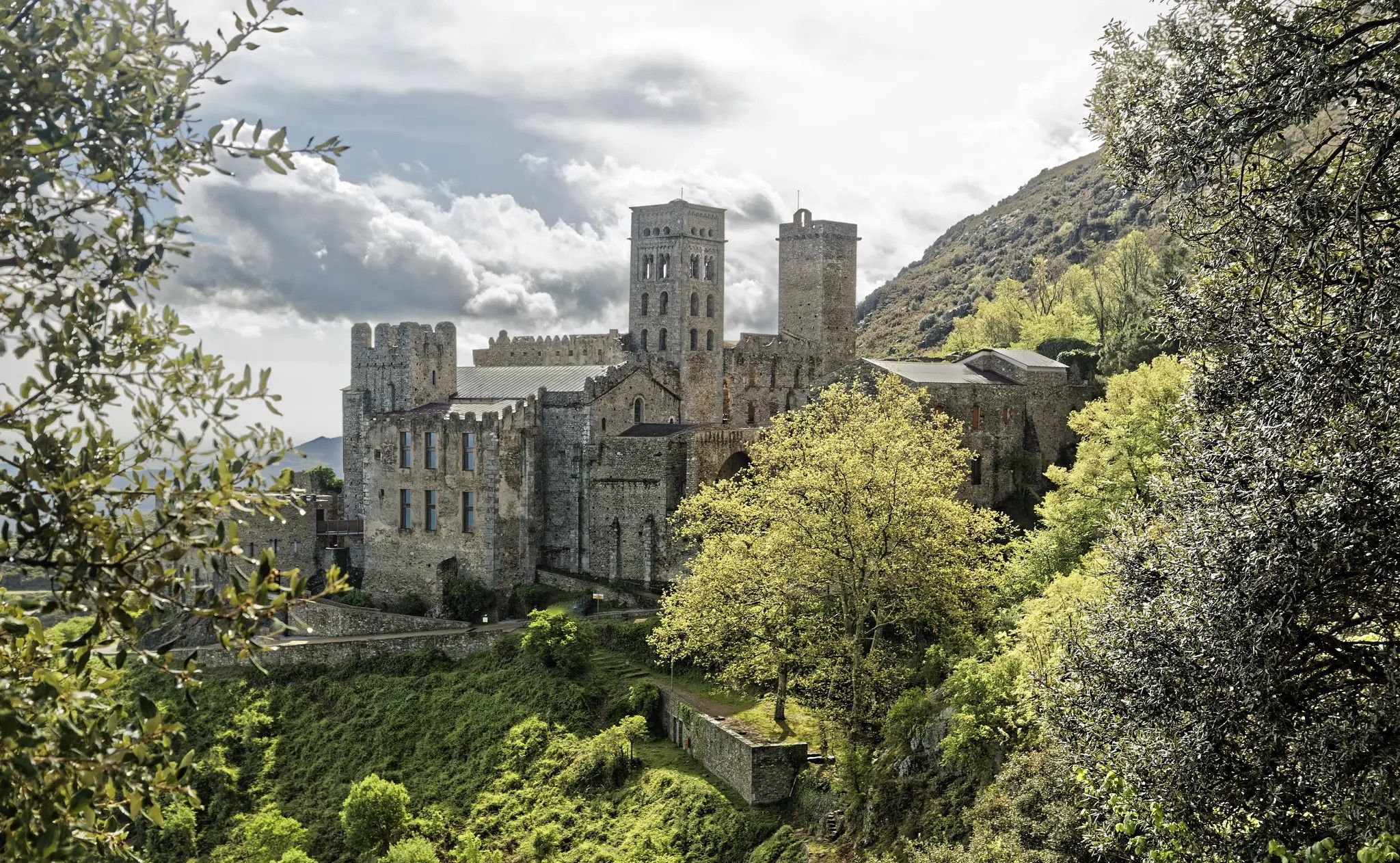
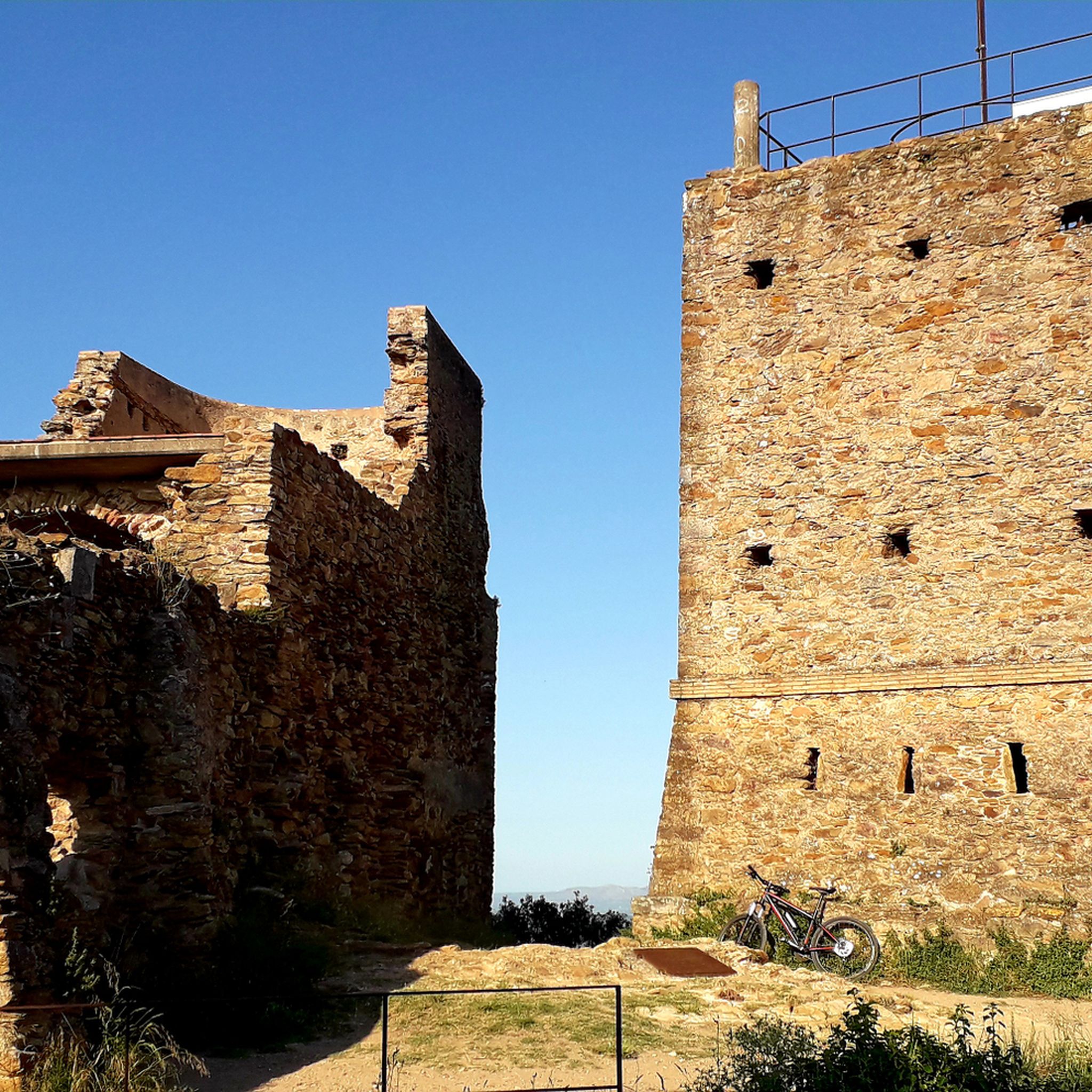
The castle of Palagret or Mabarrera is in the middle of the Palagret valley, at the top of a small hill, 178 m high, in the northernmost foothills of the Gavarres massif to the south-east of the Celrà center and to the south- west of Juià. Strategically located to control the Roman-era road that allowed access to Girona from the Baix Empordà through the Gavarres. Important medieval vestiges of the licorella walls of a rectangular construction as well as pre-Romanesque elements are preserved from the castle. The preserved remains could be dated to the 10th and 11th centuries,[1] and its last occupants left the premises between the end of the 15th century and the beginning of the 16th.[2] It is a building in Celrà (Gironès) declared a cultural asset of national interest.
0
0

Lake Banyoles is the largest non-coastal pond, and whose water springs naturally, in Catalonia. The lake is a classic cycling destination in Girona, since one of the province's greenways reaches the town of Banyoles, and it also has a bike lane that allows you to go around the lake.
5
0

The Estunes area is an area of great natural value and this is revealed by its declaration as a geotope, an area of geological interest, and its inclusion in the PEIM. It is one of the most particular corners of the municipality of Porqueres: the travertine cracks and crevices; oaks and spongy oaks; the beautiful legend of the Goges, the sharp silence and the cool shade, the climbing ivy and the discreet songs of the birds invite you to a quiet walk full of the peace of the place. The goges, alogas or women of water, according to the legends, had it as their favorite place and would revel there or row there all night. They say that on calm nights someone can still hear their songs and, from afar, you can see the glow of their parties.
0
1
It is a tree that is located one kilometer from the Sanctuary of Los Angeles. The surolí is a mixture of cork oak and holm oak and there are some specimens in Las Gavarras. This one in particular was the testimony of a love story: Legend has it that once upon a time there was a couple in love who loved each other very much. They had considered getting married but the boy had to do the service and was assigned far away from his mistress. The girl, sad, prayed to the Mother of God that her beloved would return soon and every time she passed in front of the surolí she threw stones. At the third time, the stone stuck. At the age of three, the boy returned and they were able to get married. From there the tradition was born that all single boys and girls went to the surolí to throw stones at it. They had to throw so many stones for it to stay hooked, so many years would pass until they found a husband or wife.
1
0
Frequently Asked Questions
What are some of the most popular natural monuments to visit around Sant Julià De Ramis?
Visitors frequently enjoy Lake Banyoles, which is the largest non-coastal pond in Catalonia and a significant karstic complex. Another highly rated spot is Montigalar Summit, offering spectacular panoramic views from the Gavarres natural reserve. The historical site of Castell de Palagret also combines natural beauty with historical significance, providing views of the Palagret stream valley.
Are there family-friendly natural monuments in the Sant Julià De Ramis area?
Yes, Lake Banyoles is considered family-friendly, offering a bike lane around the lake and opportunities for swimming. Additionally, El Surolí Tree is a unique natural monument with a local legend, suitable for a family visit.
What kind of geological features can I explore near Sant Julià De Ramis?
The region is rich in geological interest. Lake Banyoles is part of the largest karstic complex in Spain. You can also explore the unique travertine cracks and crevices at Travertine Formations at Les Estunes, an area declared a geotope. The Congost del Ter (Ter Gorge) is another characteristic natural passage of the Ter River, showcasing significant fluvial dynamics.
Are there any natural monuments with historical or archaeological significance?
Absolutely. The Castell de Palagret is a historical site set within a natural landscape. The Muntanya dels Sants Metges, while a natural forested area, holds Iberian and Roman remains, highlighting its strategic importance throughout history. The Cau de les Goges cave is also a prehistoric site, offering insights into ancient human occupation.
What outdoor activities can I do near the natural monuments around Sant Julià De Ramis?
The area offers diverse outdoor activities. For mountain biking, you can find routes like the 'Sant Miquel Castle and Els Àngels Sanctuary Loop' or the 'Puente de Barro – Sant Sebastià Chapel (Bescanó) loop'. Gravel biking options include the 'Trail to Sant Miquel – Pedret Bridge loop'. If you prefer running, consider the 'Riu Ter – La Devesa Park loop' or the 'Canal de Sant Jordi – Crossing to the Ter Route loop'. You can find more details on these and other routes in the MTB Trails around Sant Julià De Ramis, Gravel biking around Sant Julià De Ramis, and Running Trails around Sant Julià De Ramis guides.
Where can I find panoramic views of the region?
For breathtaking views, head to Montigalar Summit in the Gavarres natural reserve, which offers spectacular panoramas of the Alt i Baix Empordà region. The Muntanya dels Sants Metges also provides excellent views extending from the Pyrenees to the Costa Brava.
Are there any natural water sources or springs to visit?
Yes, Font Martina is a notable spring located within the Les Gavarres massif. This area is known for its abundant water courses and springs due to its unique orography and geology, making Font Martina a great example of the region's hydrological features.
What do visitors enjoy most about the natural monuments in Sant Julià De Ramis?
Visitors appreciate the diverse landscape, from the tranquil waters of Lake Banyoles to the expansive views from Montigalar Summit. The blend of natural beauty with rich historical narratives, such as at Castell de Palagret and the ancient sites, is also a significant draw. The komoot community has shown strong engagement, contributing over 100 photos and 400 upvotes to these highlights.
Can I find natural monuments that are good for walking or hiking?
Many natural monuments in the area are ideal for walking. The path along the Congost del Ter (Ter Gorge) offers a tranquil experience. The forested areas of Muntanya dels Sants Metges are also suitable for walks, providing scenic vistas. For specific hiking routes, you can explore the Running Trails around Sant Julià De Ramis guide, which includes routes like the 'Canal de Sant Jordi – Crossing to the Ter Route loop'.
What is the best time to visit the natural monuments in Sant Julià De Ramis?
The region generally offers pleasant conditions for visiting natural monuments during spring and autumn, when temperatures are milder and the natural scenery is vibrant. Summer can be warm, but sites like Lake Banyoles offer opportunities for swimming to cool off. Winter provides a different, often quieter, experience, especially in forested areas.
Are there any unique natural monuments with local folklore or legends?
Yes, El Surolí Tree is associated with a local love story and a tradition where single individuals would throw stones at it. The Travertine Formations at Les Estunes are also linked to the legend of the 'goges' or water women, who were said to frequent the cracks and crevices of the area.
Most popular routes around Sant Julià De Ramis
Most popular attractions around Sant Julià De Ramis

Get inspired with the komoot mobile app


Explore more
Extend your search for the best caves by checking out these guides of the top ones around Sant Julià De Ramis:
