Top 20 Natural Monuments around Sant Miquel De Campmajor
Best natural monuments around Sant Miquel De Campmajor are characterized by a rich natural heritage, featuring unique hydrological and geological formations. The area, nestled in the Pla de l'Estany region and bordering La Garrotxa, offers natural pools, waterfalls, and rock formations. These features are a result of dynamic geological processes, including karst phenomena and ancient volcanic activity. The region provides diverse natural settings for exploration.
Best natural monuments around Sant Miquel De Campmajor
- The most popular natural monuments is Santa…
Last updated: July 1, 2026
Lake Banyoles
Highlight • Lake
Translated by Google •
Tip by

Santa Margarida Volcano
Highlight • Volcano
Translated by Google •
Tip by

Sign up now to discover places like this
Get recommendations on the best single tracks, peaks, & plenty of other exciting outdoor places.
Sign up for free
Llierca Bridge
Highlight • Bridge
Tip by

Santa Margarida Volcano Crater
Highlight • Volcano
Translated by Google •
Tip by

Rector's Spring
Highlight • Natural Monument
Translated by Google •
Tip by

Sign up for free to discover even more natural monuments around Sant Miquel De Campmajor.
Sign up for free
Already have an account?
Start today with a free account
Your next adventure awaits.
Login or Signup
Popular around Sant Miquel De Campmajor
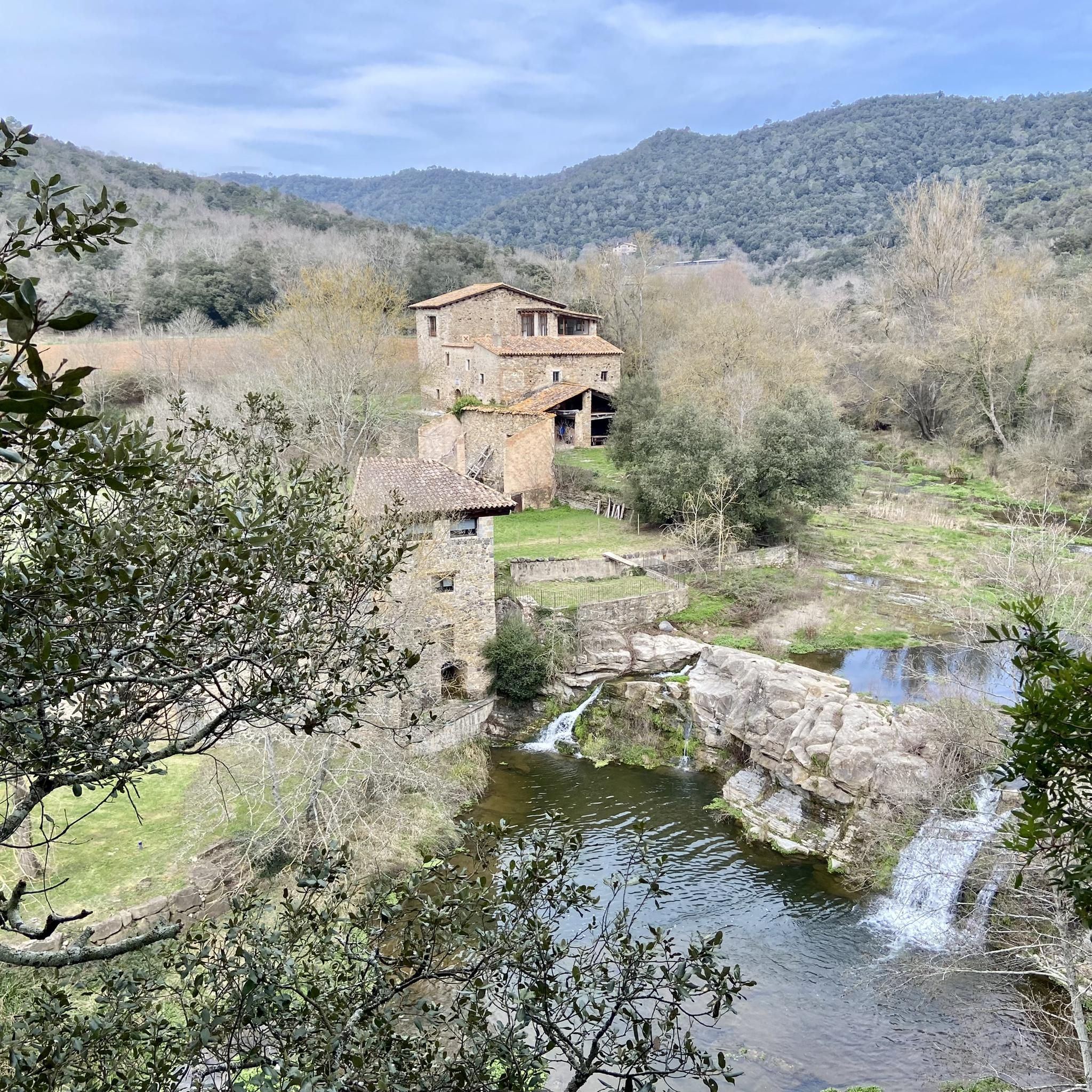
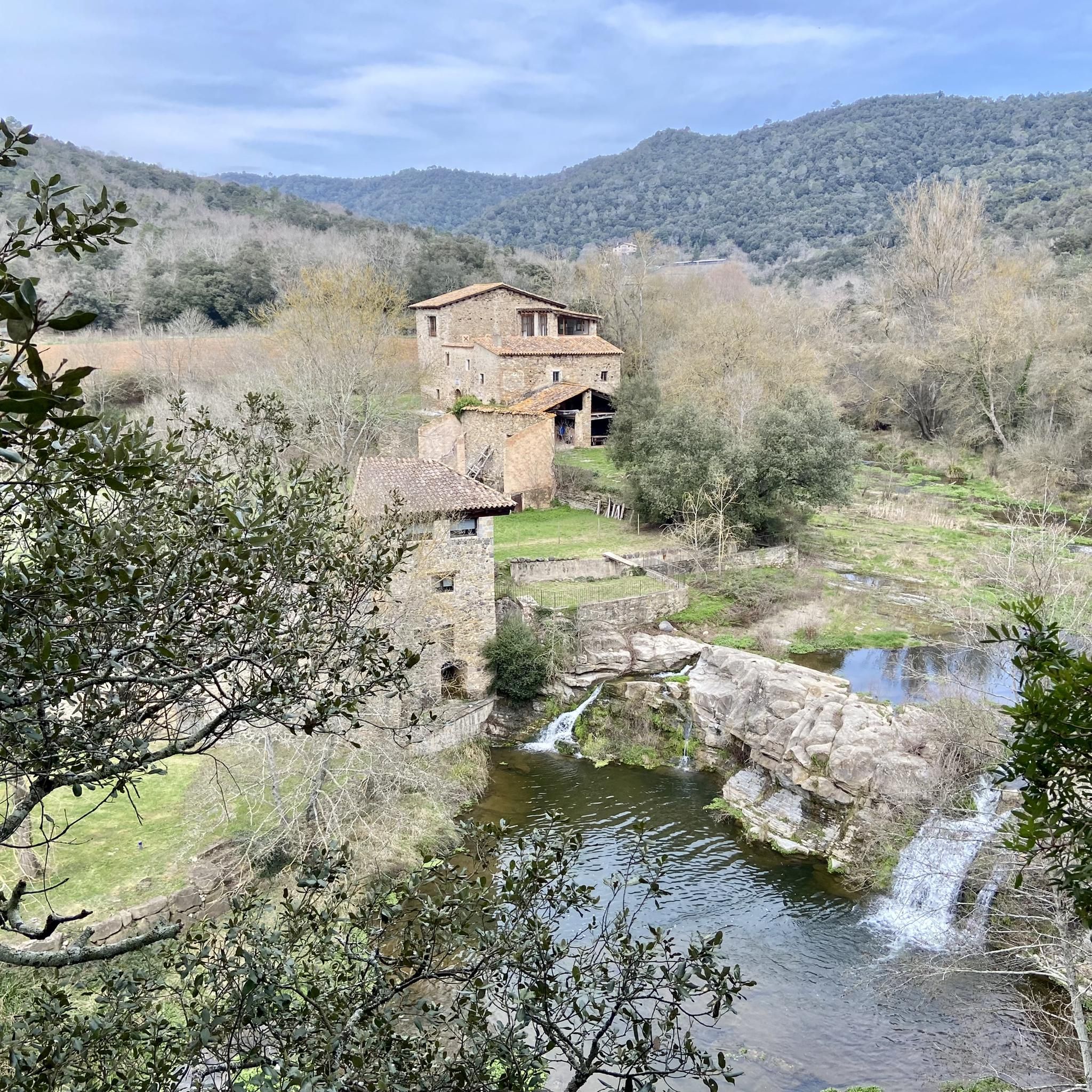
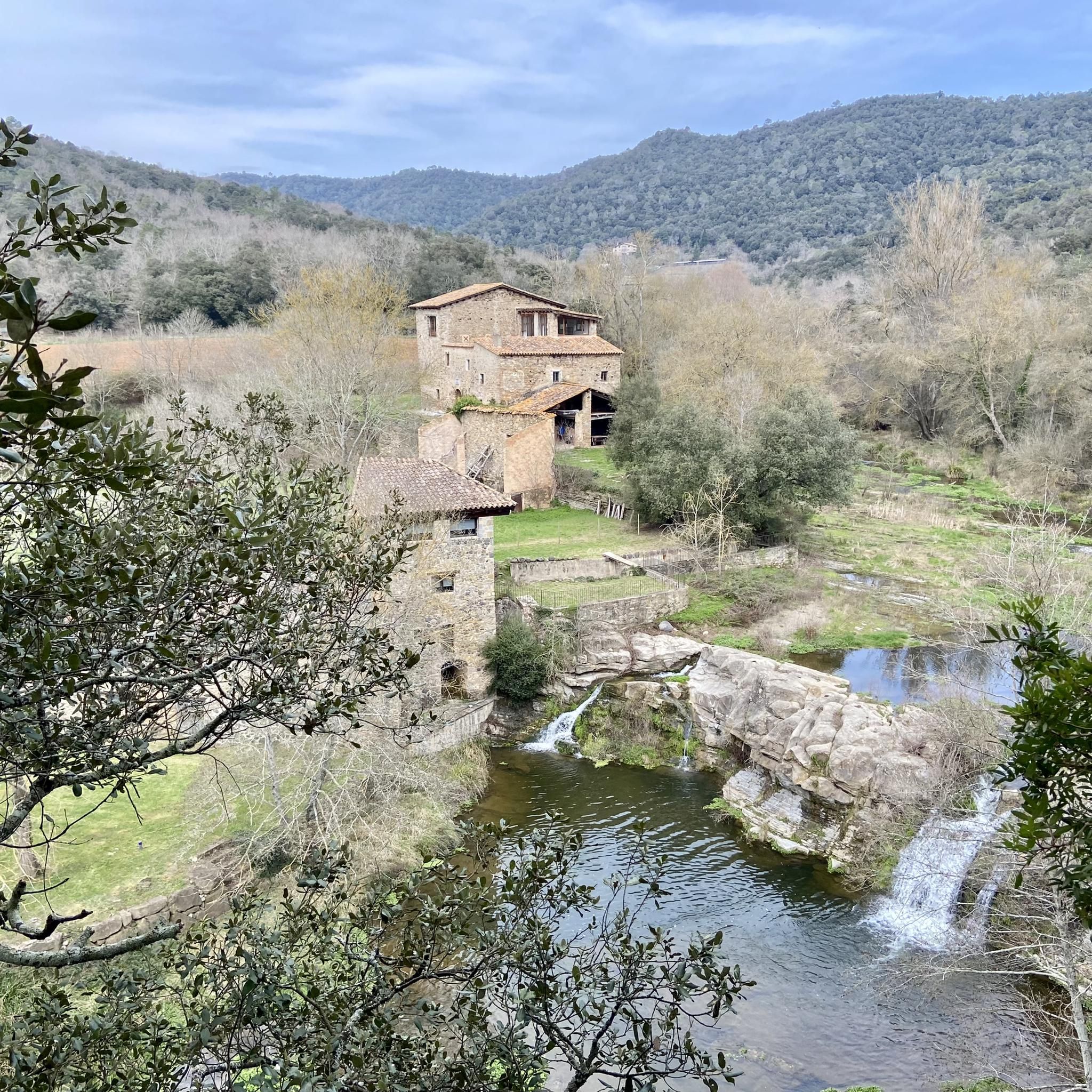
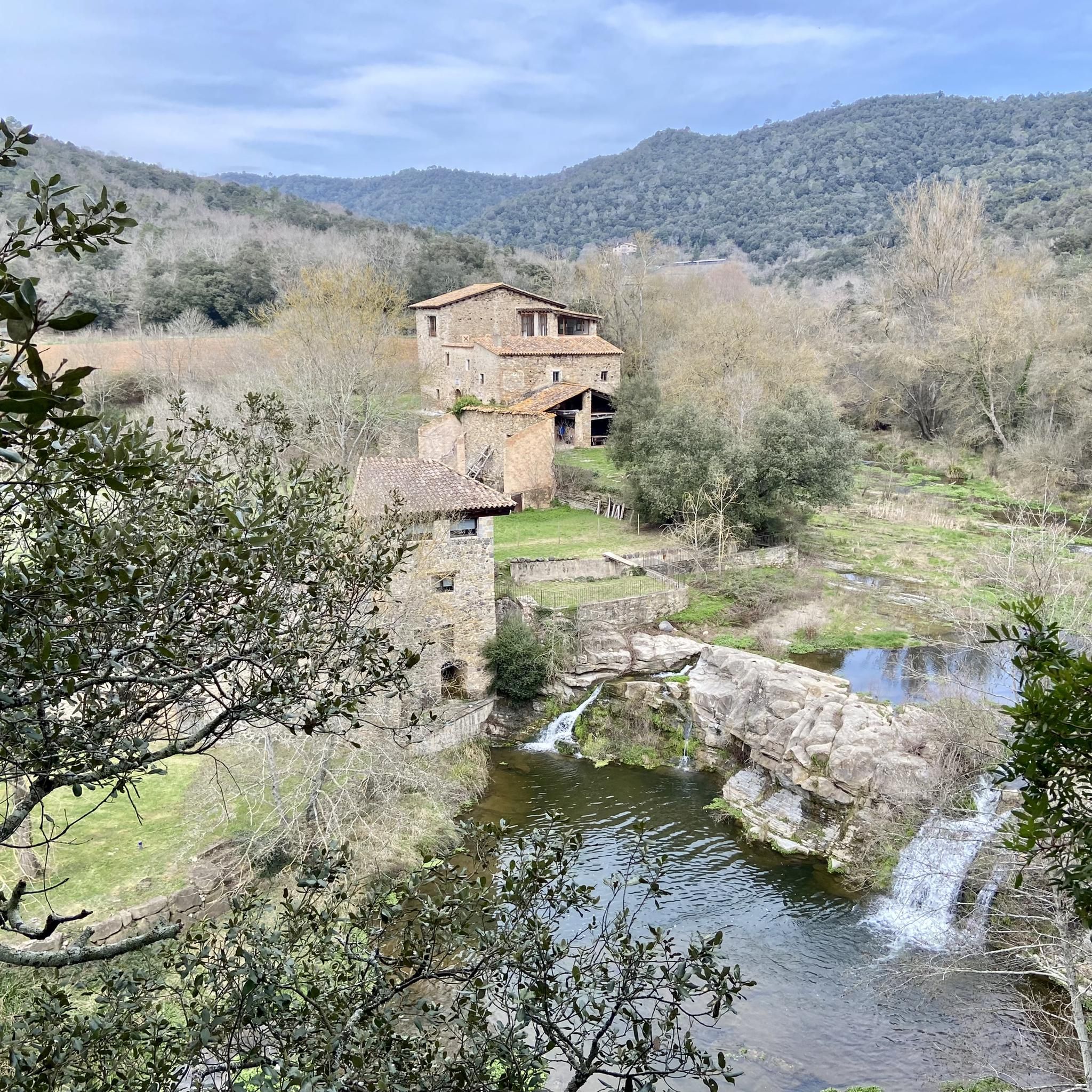

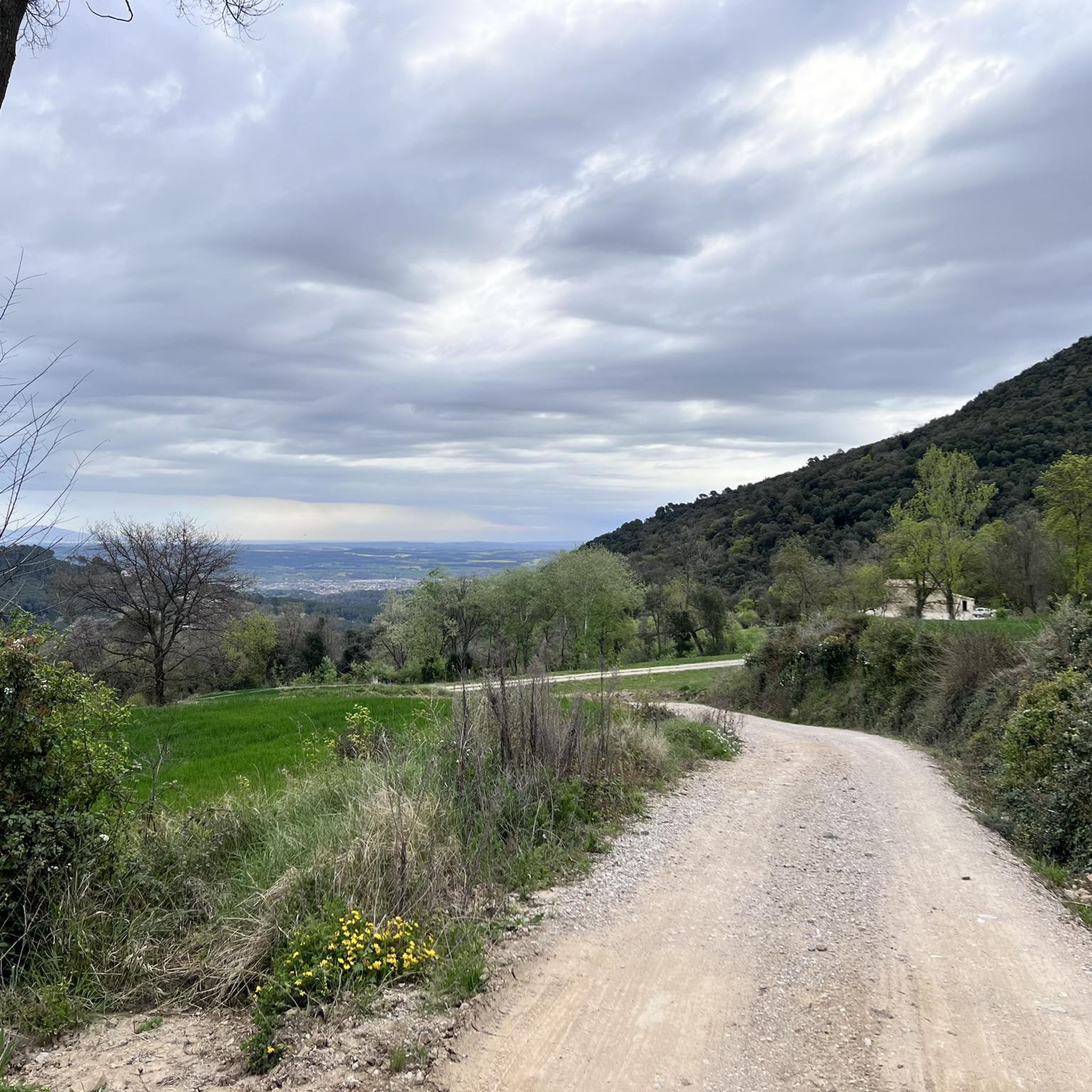
Tips from the Community

Beautiful relaxing place 😀
0
0

The area east of the bridge is not particularly suitable for gravel bikes. The bridge is definitely worth a visit.
0
0

A Romanesque bridge worth seeing. Be sure to take a detour there and take a look. You can easily walk across it.
3
0

The Llierca Bridge, also called Pont de Sadernes, is a bridge 28 m high, 52 m long and 3 m wide. With a single, very slender arch, it crosses the Llierca river between Tortellà and Sadernes. Romanesque in style, although we do not know the date of its construction, there is evidence of its use since at least the 14th century, when it is documented that a toll was paid to cross it. The bridge was probably built by order of the barons of Sales, to facilitate trade between the farmhouses located west of the Llierca river with the towns of Tortellà and Besalú.
0
0


Lots of cafes to choose from but I recommend Aquarium!
3
0
Frequently Asked Questions
What unique natural features can I explore in Sant Miquel De Campmajor?
The region is known for its distinctive hydrological and geological formations. You can discover numerous natural pools, known as 'gorgs', springs, and 'estanyols' (ponds) formed by karst phenomena. Additionally, the area borders the Garrotxa Volcanic Area Natural Park, offering access to volcanic landscapes with cones and lava flows.
Are there any significant historical natural monuments in the area?
Yes, the area blends natural beauty with historical significance. The medieval Llierca Bridge, built between the 13th and 14th centuries, is a remarkable example of historical engineering spanning the Ser River. Another site is La Roca dels Capellans or Cova de Golany, a cave that served as a refuge during the Spanish Civil War, offering both geological and historical interest.
What is the largest natural monument in the Sant Miquel De Campmajor region?
The largest non-coastal lake in Catalonia, Lake Banyoles, is a significant natural monument. It's renowned for its natural springs and is considered the largest karstic complex in Spain, forming a vital environmental system.
Can I visit a volcano in this region?
Absolutely. The Santa Margarida Volcano is an extinct volcano within the Garrotxa volcanoes nature reserve. Its last eruption was about 11,000 years ago, and uniquely, it features a church located within its crater. You can also explore the Santa Margarida Volcano Crater itself, which offers trails through wooded areas.
Are there family-friendly natural monuments to visit?
Many natural monuments in the area are suitable for families. Lake Banyoles is a great option, with a bike lane around the lake and opportunities for swimming. The Santa Margarida Volcano also offers family-friendly trails. Additionally, the Rector's Spring, with its unique flora and historical findings, is set in a beautiful, adapted environment.
What kind of outdoor activities can I do near these natural monuments?
The region offers diverse outdoor activities. You can find numerous hiking, running, and mountain biking trails. For example, there are moderate hiking routes like the Torre de Can Ginestar loop, and challenging running trails around Besalú. Mountain bikers can explore MTB trails such as the Pueblo medieval de Besalú circular route.
Where can I find natural pools or wild swimming spots?
The valley of Sant Miquel de Campmajor is rich in natural water features, including approximately thirty 'gorgs' (deep pools) and 'estanyols' (ponds). The Gorga del Diable, located downstream from Molí de Roca by the Ser River, is a significant natural pool with a sandy bank and sandstone cliff, offering a striking natural setting.
What is the best time to visit the natural monuments in Sant Miquel De Campmajor?
The region offers beauty year-round. Spring and autumn are ideal for hiking, with pleasant temperatures and vibrant natural colors. During summer, the wooded trails around the Santa Margarida Volcano Crater provide comfortable walking conditions. Note that some springs, like the Rector's Spring, may dry up in summer due to aquifer levels.
Are there any unique geological formations to observe?
Yes, the region is a geological marvel. The 'estanyols' are a result of karst phenomena, where groundwater dissolves gypsum, creating underground cavities and land subsidence. The largest of these is the Estanyol de La Coromina. The Ser River also sculpts intriguing shapes and whirlpools over bedrock, particularly around the Molí de Roca and Gorga del Diable.
What do visitors particularly enjoy about the natural monuments here?
Visitors appreciate the blend of natural beauty and historical elements. The Llierca Bridge is praised for its stunning views and historical significance. The Santa Margarida Volcano is popular for its unique crater church, and Lake Banyoles is loved for its cycling routes and opportunities for relaxation by the water.
Are there any specific natural springs worth visiting?
The Rector's Spring is a notable ferrous spring, one of the few in the area, known for its unique bacterial phenomena linked to the iron cycle. It's located near the church of Santa Maria de Porqueres and is surrounded by a leafy riparian forest, making it a serene spot for observation.
Can I find trails with varying difficulty levels?
Yes, the area caters to different fitness levels. While some trails, like the descent to Llierca Bridge, can be rocky and challenging for less experienced riders, many routes, especially around the Santa Margarida Volcano Crater, offer varying lengths and are comfortable to walk even on warmer days due to wooded areas. You can find moderate hiking routes and more difficult running trails.
Most popular routes around Sant Miquel De Campmajor
Most popular attractions around Sant Miquel De Campmajor

Get inspired with the komoot mobile app


Explore more
Extend your search for the best caves by checking out these guides of the top ones around Sant Miquel De Campmajor:
