Top 20 Natural Monuments around Rigoitia
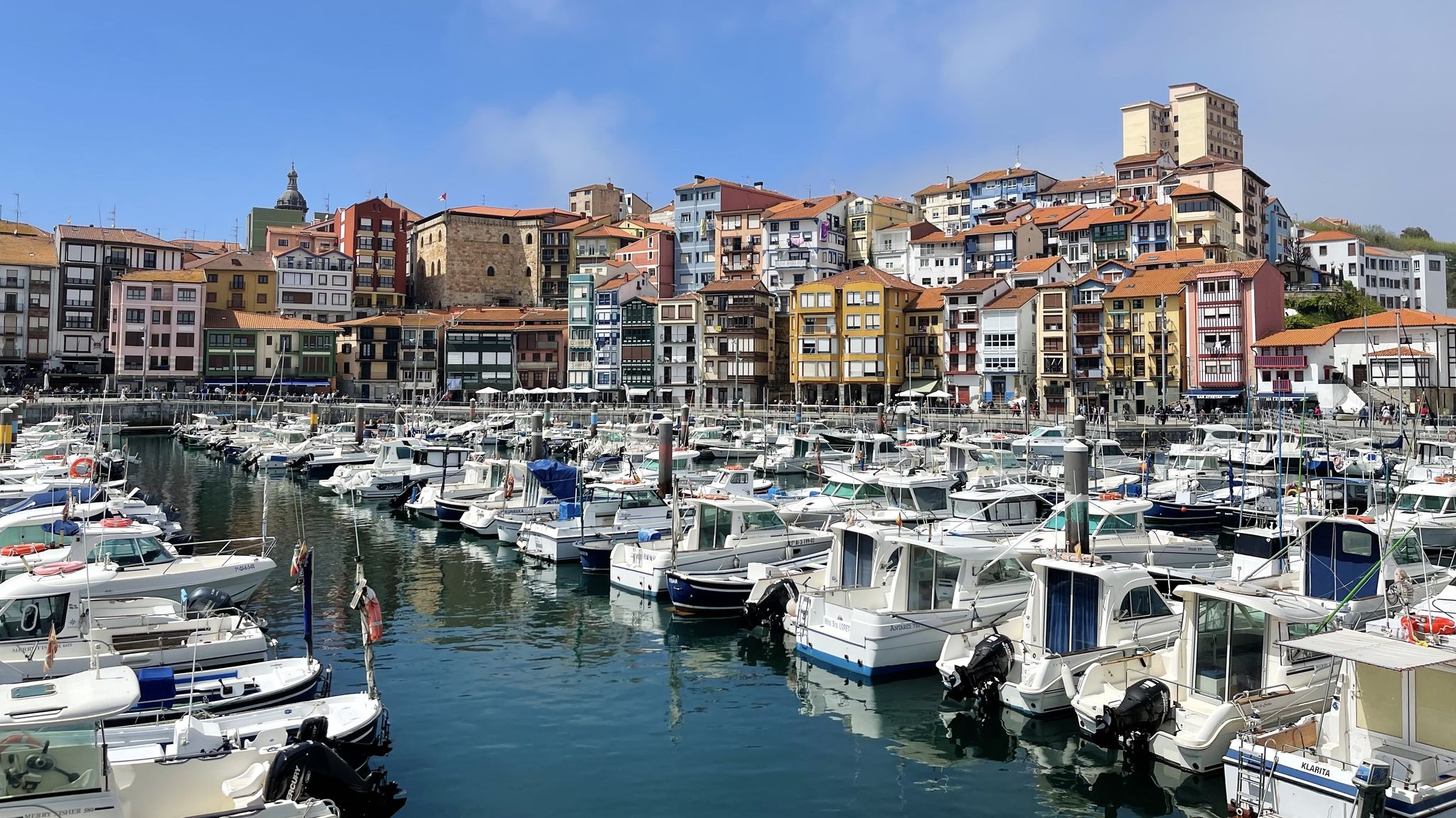
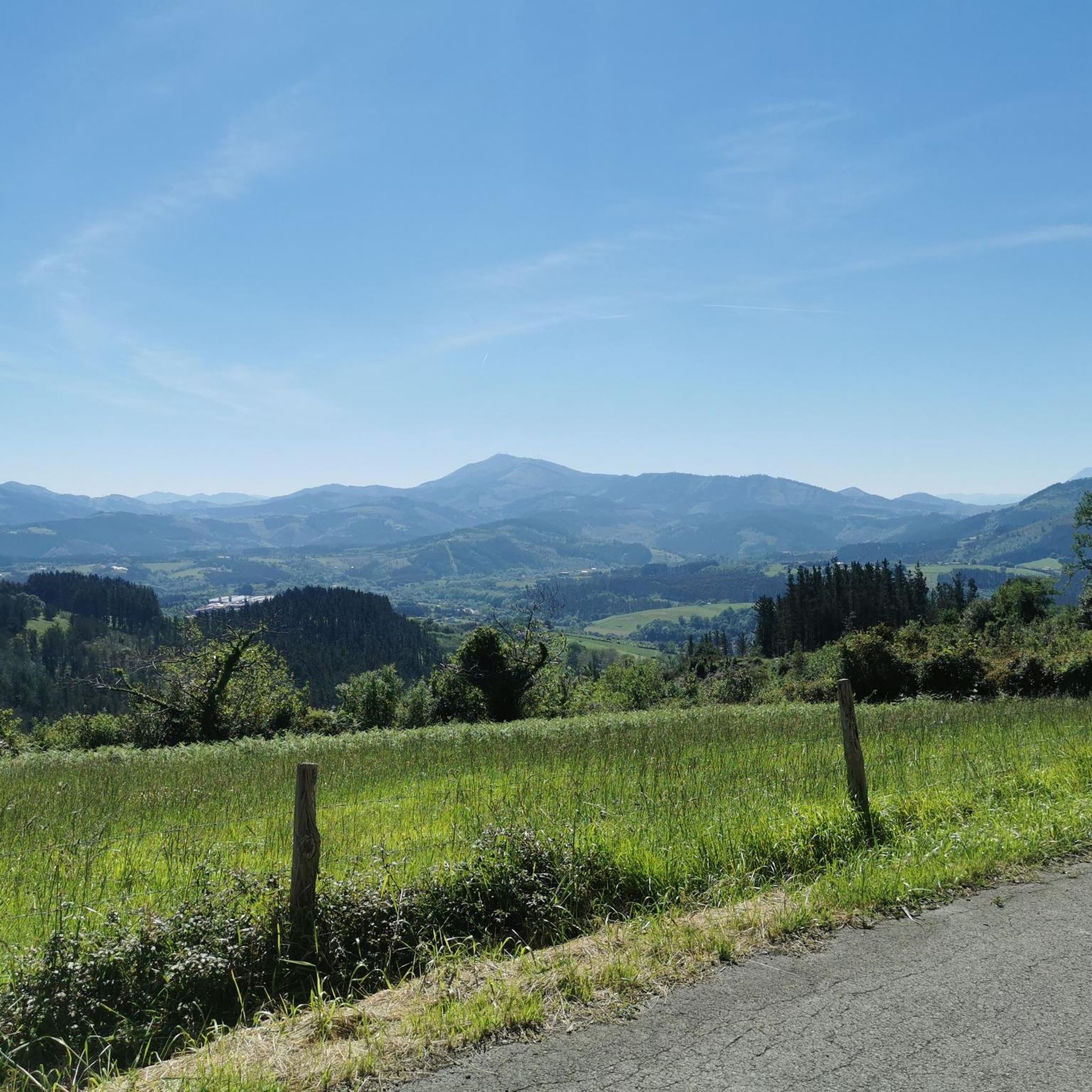
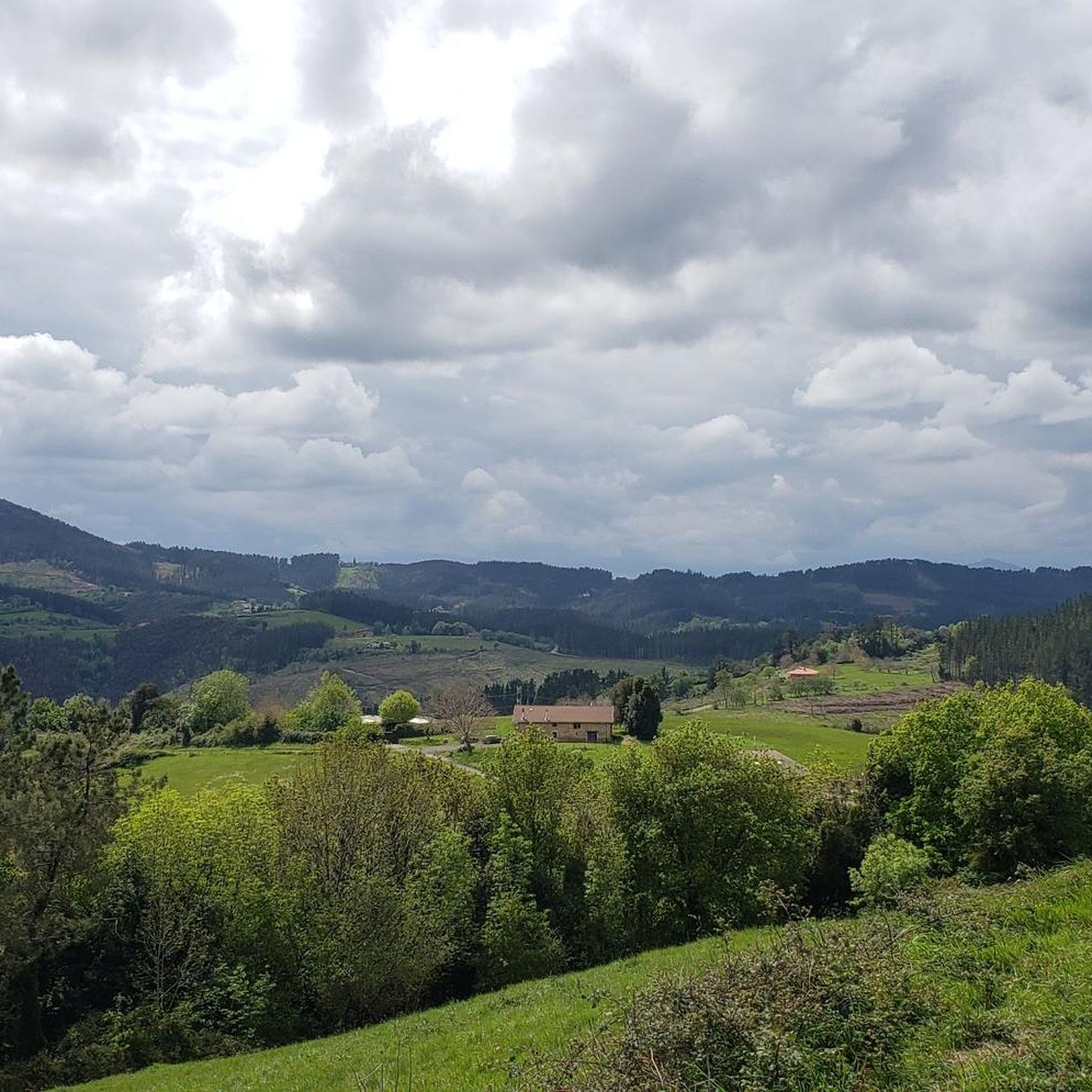
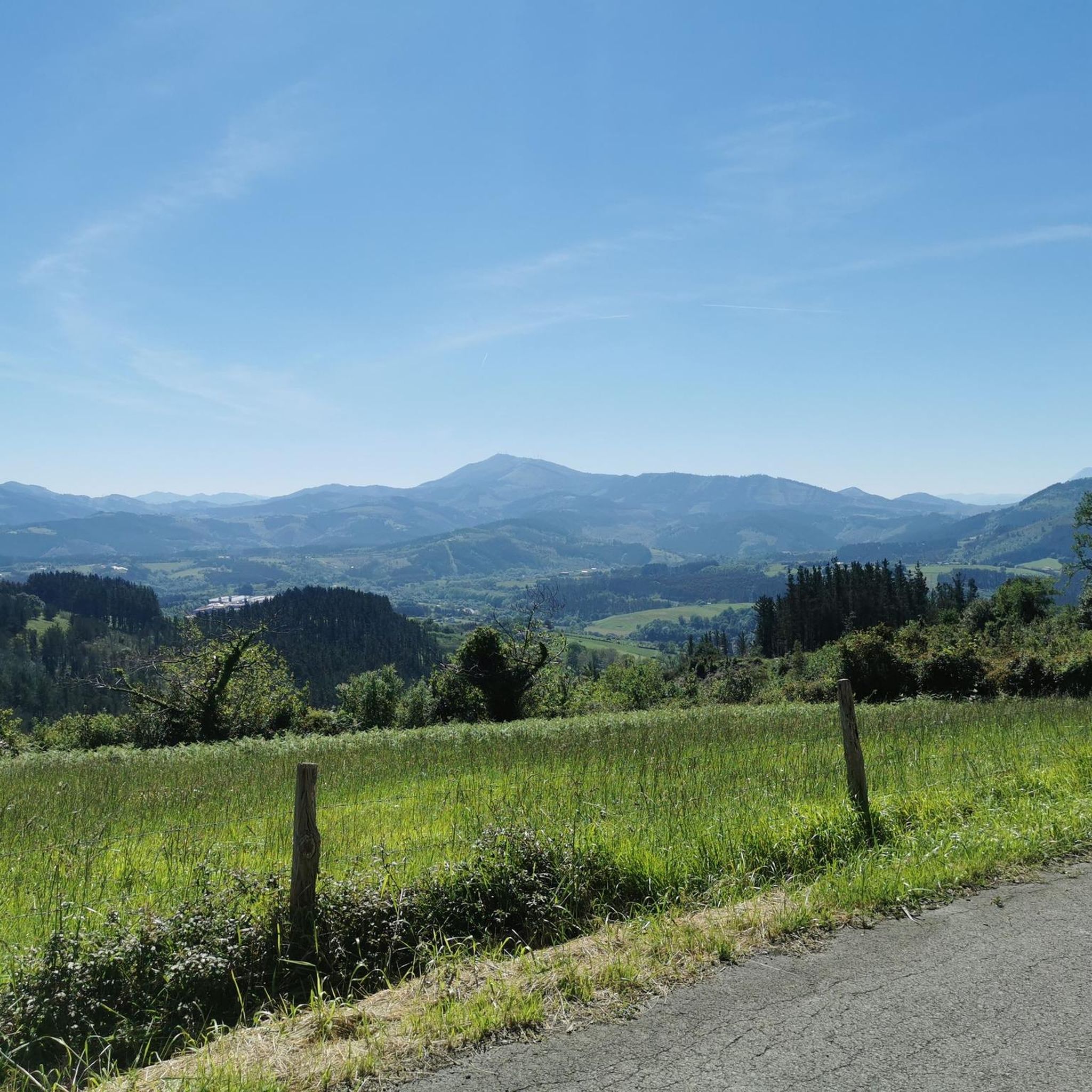
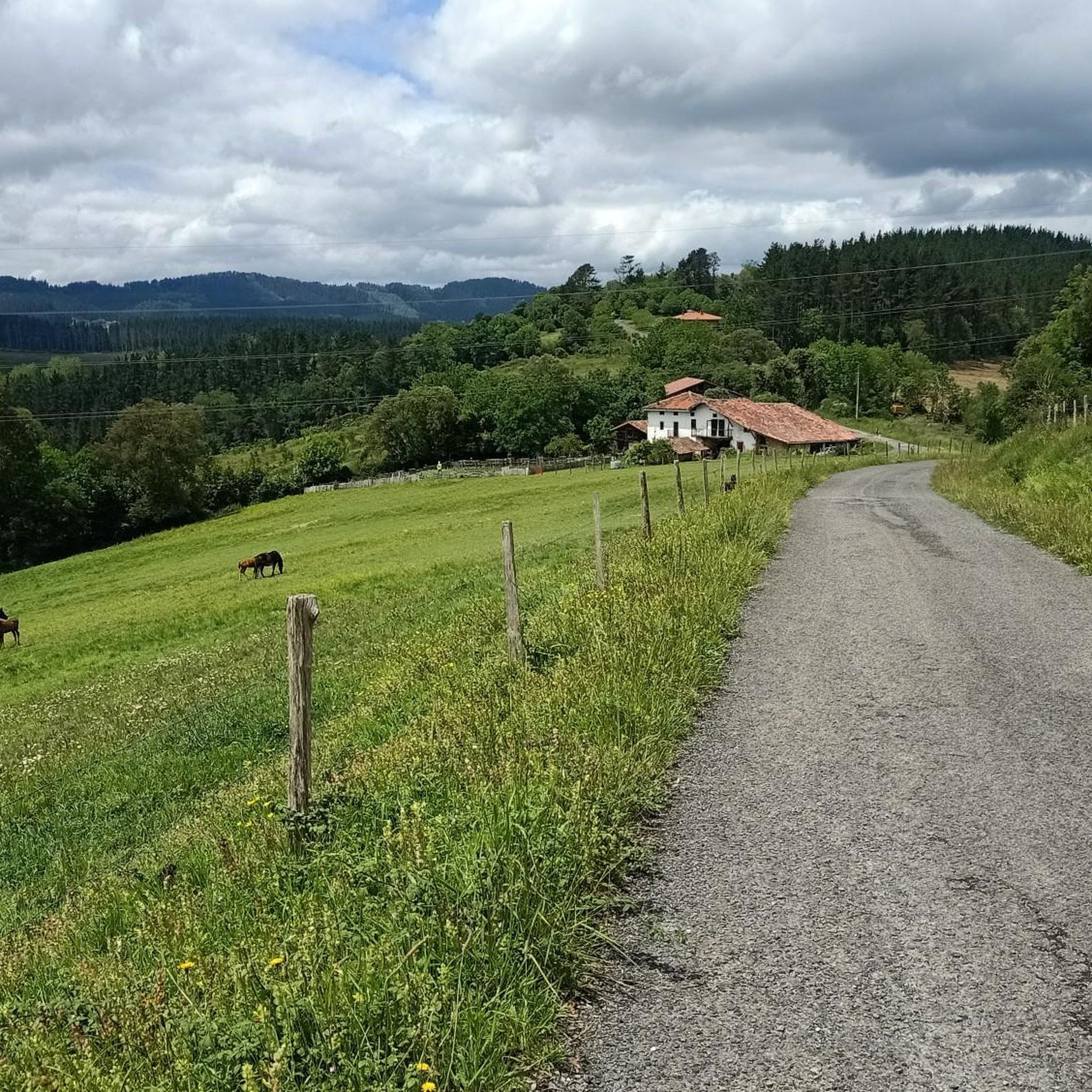
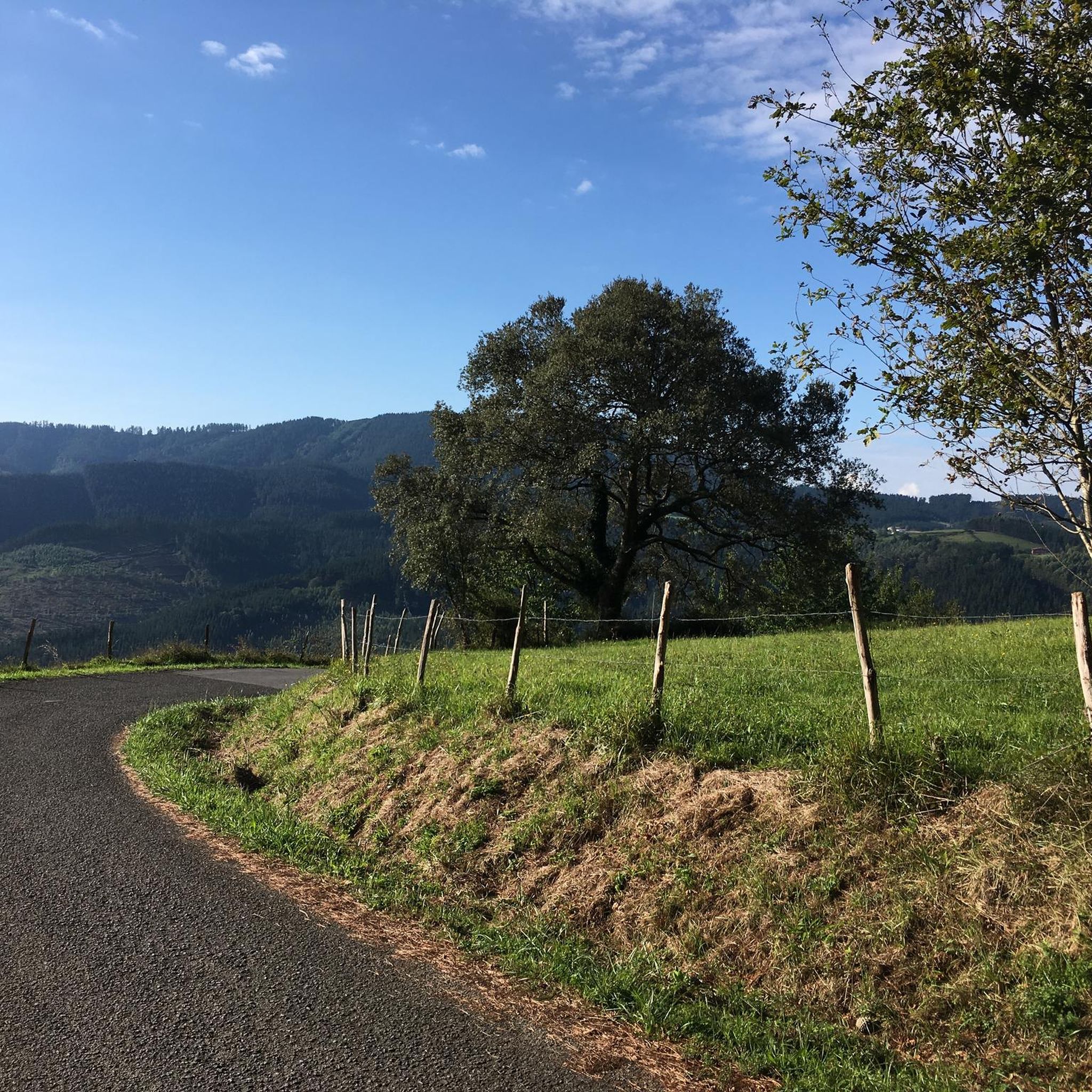
Best natural monuments around Rigoitia are found within the Urdaibai Biosphere Reserve, a UNESCO-designated natural protected area in the Basque Country, Spain. The municipality is characterized by a rural and mountainous landscape, offering opportunities to connect with nature. Its elevated position provides views of the surrounding countryside. Rigoitia's natural value is integral to the protected Urdaibai Biosphere Reserve, providing a serene environment for outdoor activities.
Best natural monuments around Rigoitia
- The most popular natural monuments is Oma Forest, a…
Last updated: May 4, 2026
Artzubi Bridge
Highlight • Bridge
The itinerary of the Camino de Santiago from the north or from the coast runs over it.
Translated by Google •
Tip by

Old Tree of Gernika (Gernikako Arbola)
Highlight • Natural Monument
Translated by Google •
Tip by

Sign up now to discover places like this
Get recommendations on the best single tracks, peaks, & plenty of other exciting outdoor places.
Sign up for free
Oma Forest
Highlight • Forest
Translated by Google •
Tip by

Views over the Urdaibai marsh
Highlight • Viewpoint
Translated by Google •
Tip by

Urdaibai
Highlight • Natural Monument
Its heart is the Oka River that rises …
Translated by Google •
Tip by
Sign up for free to discover even more natural monuments around Rigoitia.
Sign up for free
Already have an account?
Start today with a free account
Your next adventure awaits.
Login or Signup

Other adventures around Rigoitia

Tips from the Community

The Oma Forest - Omako basoa in Basque - is also known as the painted forest, the enchanted forest or even the Ibarrola Forest. Its most common name - Oma Forest - refers to the district in which it is located, which belongs to the municipality of Kortezubi. This original work of art was created between 1982 and 1985, when the Basque painter and sculptor Agustín Ibarrola used the trunks of trees as a kind of canvas for a total of 47 images. On them he painted animals, geometric figures and people, or just parts of them, such as eyes and lips. In addition, many of the compositions do not consist of a single tree, but must be viewed in the context of several tree trunks. To do this, you must pay attention to the signs on the ground that tell the viewer where to stand in order to enjoy the whole image.
1
0

When the Condor attacked, the residents of Guernica tried to protect the tree with their bodies because it is sacred to the Basques. Even today, elected politicians have to swear their loyalty to the Basque Country at an oak tree that stands a few meters away.
0
0

In 1982, artist Agustín Ibarrola began painting the pine trees in the forest near his homestead with the intention of using the landscape as a canvas to give continuity to his artistic expression. It is at this moment when he decides to break the law of perspective and transgress the three-dimensionality of a white line until it becomes two-dimensional. From then on, he explored the possibilities offered by the arrangement of the forest trees, playing with the different planes of depth and creating artistic sets composed of human figures, curves or straight lines, and circles of intense colors. The ideas and concepts that it develops become more complex and advances in various directions as the painted forest expands. With the help of two students from the Faculty of Fine Arts of the UPV/EHU, he carried out a large part of the work that was open to the public until 2018, at which time the biological cycle of the forest came to an end. Given the importance that the work had acquired, the Provincial Council of Bizkaia began the process of making the Forest last, for which it had from the first moment the support of the artist who had made clear his desire for the forest to survive. In this way and in order to preserve El Bosque de Oma, the Ibarrola work has been moved to a new location, also recovering original artistic ensembles lost due to felling, attacks and natural tree falls. Today we can enjoy El Bosque de Oma more complete and more faithful to the artist's original idea.
1
0
The Forest of Oma is one of the best-known works of the Basque artist Agustín Ibarrola and is an expression of the artistic movement known as Art and Nature, which emerged in the late sixties of the 20th century and whose purpose is to convey artistic work to the natural environment, using the landscape as a framework, support and raw material for the artist. The work, located in the town of Kortezubi (Bizkaia), is made up of several sets of geometric motifs and figures painted on the trunk of radiata pine trees. The use of natural living supports, the play of two-three-dimensionality and the experience of placing the visitor at the center of the work of art through his discovery, as well as the diversity of responses it proposes, make this work a reference of the Art and Nature movement and of Basque Art in particular.
1
0
Urdaibai is an extraordinarily beautiful and varied natural space, which is why it was declared a Biosphere Reserve by UNESCO in 1984. Its heart is the Oka River that rises on Mount Oiz and transforms into an estuary upon reaching Mundaka, creating spectacular marshes full of life. We recommend you see them at different times of the day to be able to appreciate both low and high tide. But in addition to unique marshes, Urdaibai offers you some of the most beautiful and appreciated beaches in Euskadi, Laida, which constantly varies in shape and size or the spectacular Laga beach, located under the imposing Peñón de Ogoño, which many define as “the closest thing to paradise.”
1
0

Gernikako Arbola is an oak tree in the Basque city of Gernika.
2
3

This bridge is an incredible find in the middle of the forest. It is covered with ivy and in summer it is so green that it is hardly visible. If you go down next to the river you can take some great photos with the water and the bridge. For many years this bridge has had to survive numerous floods. It's amazing that he's still here.
1
0

The Artzubi Romanesque bridge was built in the 16th century. Wherever you see it, it has overcome floods and floods from the Golako River, which passes below and flows into the Oka River. In another time there were more bridges like this one, but it is the only one in the area that has endured. https://www.urdailife.com/artzubi-puente-cuento-arratzu-mendata/
0
0
Frequently Asked Questions
What kind of natural monuments can I expect to find around Rigoitia?
Rigoitia is situated within the Urdaibai Biosphere Reserve, a UNESCO-designated area known for its diverse natural heritage. You'll find a mix of unique natural landscapes and historically significant sites. These include artistic forests, ancient bridges, and expansive viewpoints over marshes and estuaries.
Are there any unique artistic natural monuments in the area?
Yes, one of the most unique is Oma Forest, also known as the painted forest. Here, artist Agustín Ibarrola used pine trees as a canvas, creating geometric motifs and figures that interact with the natural environment. It's an immersive experience where the landscape itself becomes a work of art.
Where can I find the best panoramic views of the Urdaibai Biosphere Reserve?
For stunning vistas, visit Views over the Urdaibai marsh. This viewpoint offers expansive sights of the marshland, a dynamic ecosystem that changes with the tides. The rural and mountainous landscape of Rigoitia itself also provides many elevated spots for panoramic views of the surrounding countryside.
Are there any historical natural monuments or sites near Rigoitia?
Absolutely. The Artzubi Bridge is a beautiful Romanesque structure from the 16th century that blends seamlessly with its natural surroundings and is part of the Camino de Santiago itinerary. Another significant site is the Old Tree of Gernika (Gernikako Arbola), a symbolic oak tree with deep historical roots in Basque culture.
What outdoor activities can I do near these natural monuments?
The region around Rigoitia, particularly within the Urdaibai Biosphere Reserve, is excellent for various outdoor activities. You can explore numerous trails for running, enjoy scenic cycling routes, or try gravel biking. The rural setting with fields and groves is ideal for easy trails that lead to picturesque spots.
Is the Urdaibai Biosphere Reserve itself considered a natural monument?
Yes, the entire Urdaibai Biosphere Reserve is an extraordinarily beautiful and varied natural space, recognized by UNESCO for its diverse ecosystem. It encompasses wetlands, cliffs, beaches, and rich biodiversity, making the whole area a significant natural treasure.
Are there family-friendly natural monuments or activities in the Rigoitia area?
Many natural monuments in the area are suitable for families. Oma Forest offers an engaging artistic experience for all ages. The Views over the Urdaibai marsh provide an accessible way to appreciate nature, and the Old Tree of Gernika combines history with an easy visit. The general area also offers easy trails perfect for family walks.
What is the best time to visit the natural monuments around Rigoitia?
The Urdaibai Biosphere Reserve, where Rigoitia is located, offers beauty throughout the year. Spring and autumn provide pleasant temperatures for hiking and exploring, with vibrant foliage or blooming flora. Visiting the marsh viewpoints at different times of day allows you to appreciate the dynamic changes with the tides.
Can I find trails suitable for beginners or easy walks near Rigoitia's natural monuments?
Yes, the rural setting around Rigoitia, with its fields and groves, is ideal for easy trails. These paths allow visitors to immerse themselves in the tranquility of the Basque countryside without requiring advanced hiking skills. Many viewpoints and historical sites are also accessible via gentle walks.
What makes the Urdaibai Biosphere Reserve so special?
The Urdaibai Biosphere Reserve is special due to its UNESCO designation, protecting a diverse ecosystem that includes wetlands, cliffs, beaches, and rich biodiversity. Its heart is the Oka River, which transforms into an estuary with spectacular marshes. This dynamic landscape, influenced by tides and centuries of human interaction, offers unique natural beauty and ecological value.
Are there any geological points of interest in Rigoitia?
While not formally protected natural monuments, the 'Ofitas de Rigoitia quarry' is known for its minerals and can be a point of interest for those fascinated by geology. It showcases a unique geological feature within the region's landscape.
Most popular routes around Rigoitia
Most popular attractions around Rigoitia

Get inspired with the komoot mobile app


Explore more
Extend your search for the best caves by checking out these guides of the top ones around Rigoitia:
