Top 7 Mountain Passes around Manresa
Best mountain passes around Manresa are characterized by their proximity to the Montserrat mountain range, offering diverse elevated points and scenic routes. The region features unique "serrated" rock formations and provides access to various peaks and natural monuments. These elevated points are valued for their views and recreational opportunities, including hiking and mountain biking. The landscape around Manresa is influenced by these mountainous areas, providing a range of outdoor experiences.
Best mountain passes around Manresa
- The most popular mountain passes…
Last updated: August 11, 2026
Portell de Migdia (1,029 m)
Highlight • Mountain Pass
Translated by Google •
Tip by

La Portella Pass
Highlight • Mountain Pass
Translated by Google •
Tip by
Sign up now to discover places like this
Get recommendations on the best single tracks, peaks, & plenty of other exciting outdoor places.
Sign up for free
Portell Estret (Coll de les Agulles)
Highlight • Mountain Pass
Translated by Google •
Tip by
Pas del Príncep
Highlight • Mountain Pass
Translated by Google •
Tip by

Start today with a free account
Your next adventure awaits.
Login or Signup
Popular around Manresa
Cycling in the province of Barcelona — family routes and traverses
Barcelona: routes near the Tour de France 2026 Grand Départ
The shepherds' path – Camí Ramader de la Marina
Tour the heart of Catalonia – Volta pel Bages
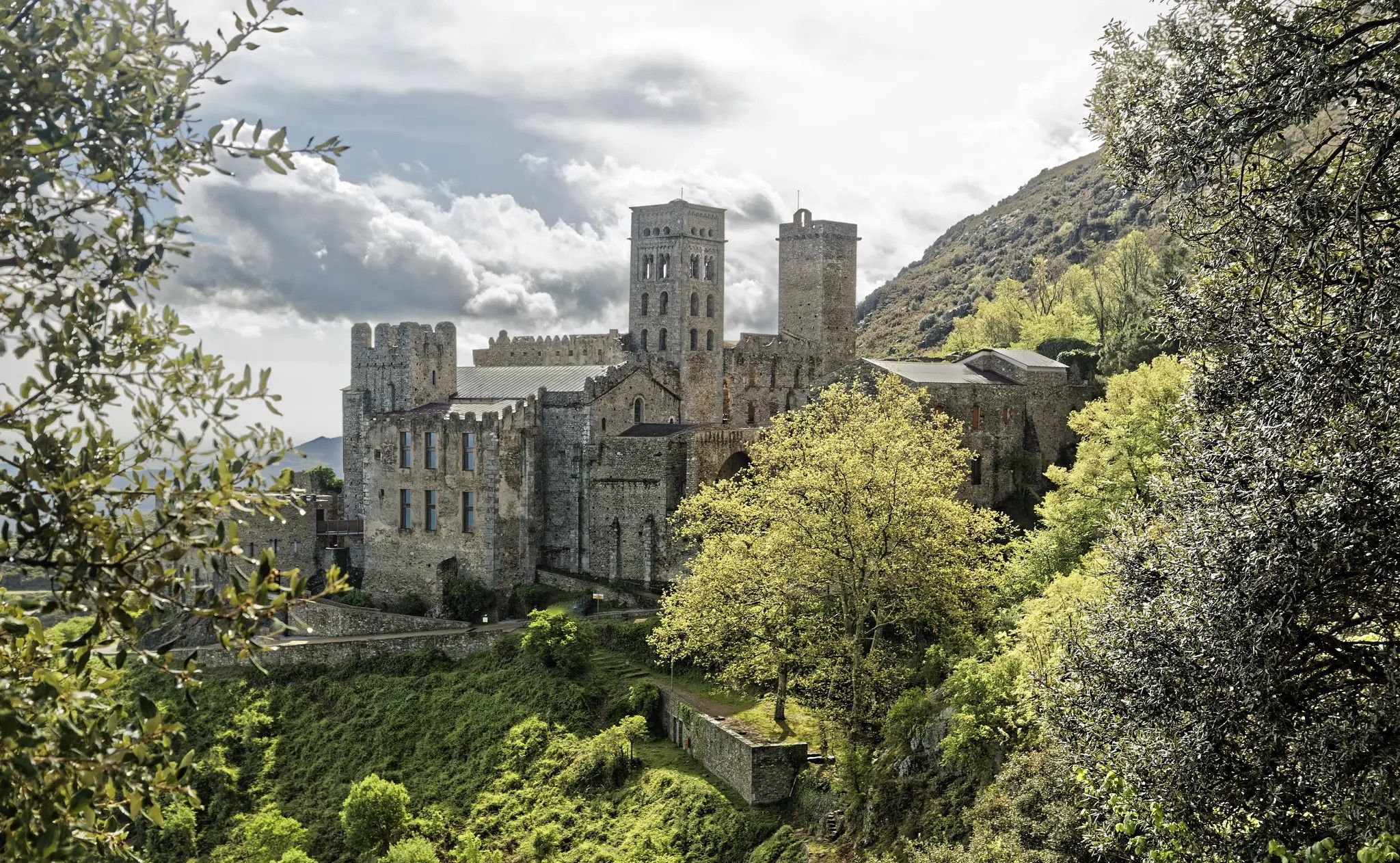
Discover ancient history – Camino de Girona
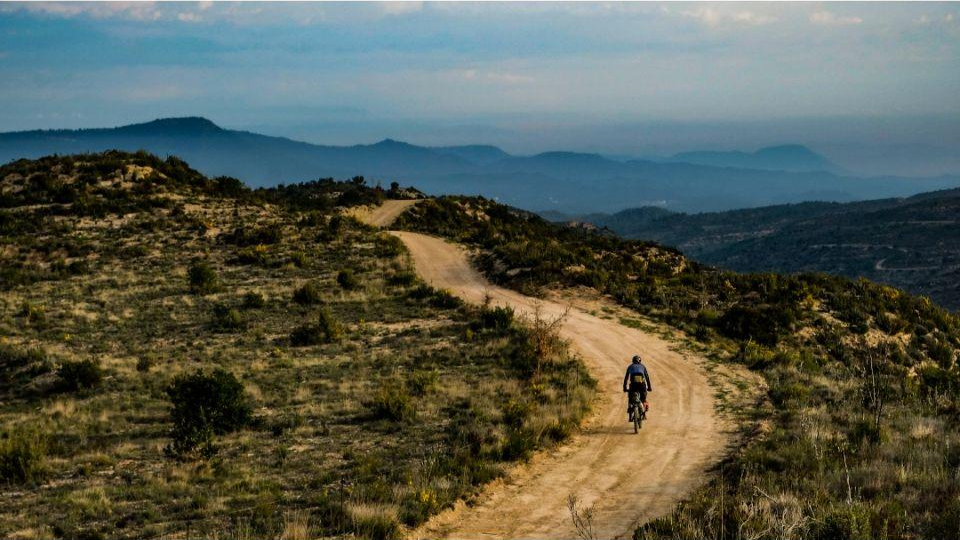
European Divide Trail across the Iberian Peninsula – north
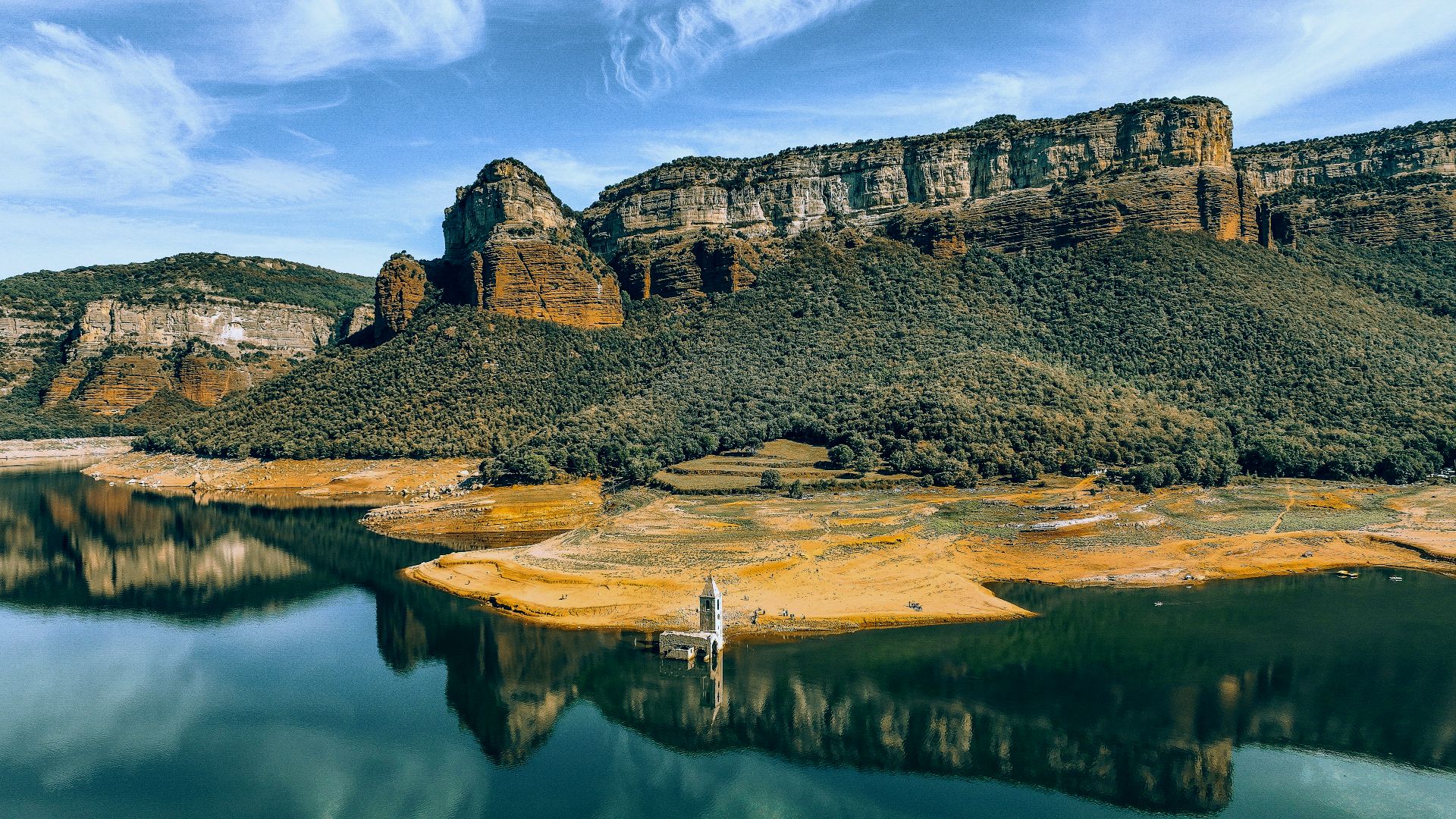
In the footsteps of the Catalan Romanesque – El Camino Oliba
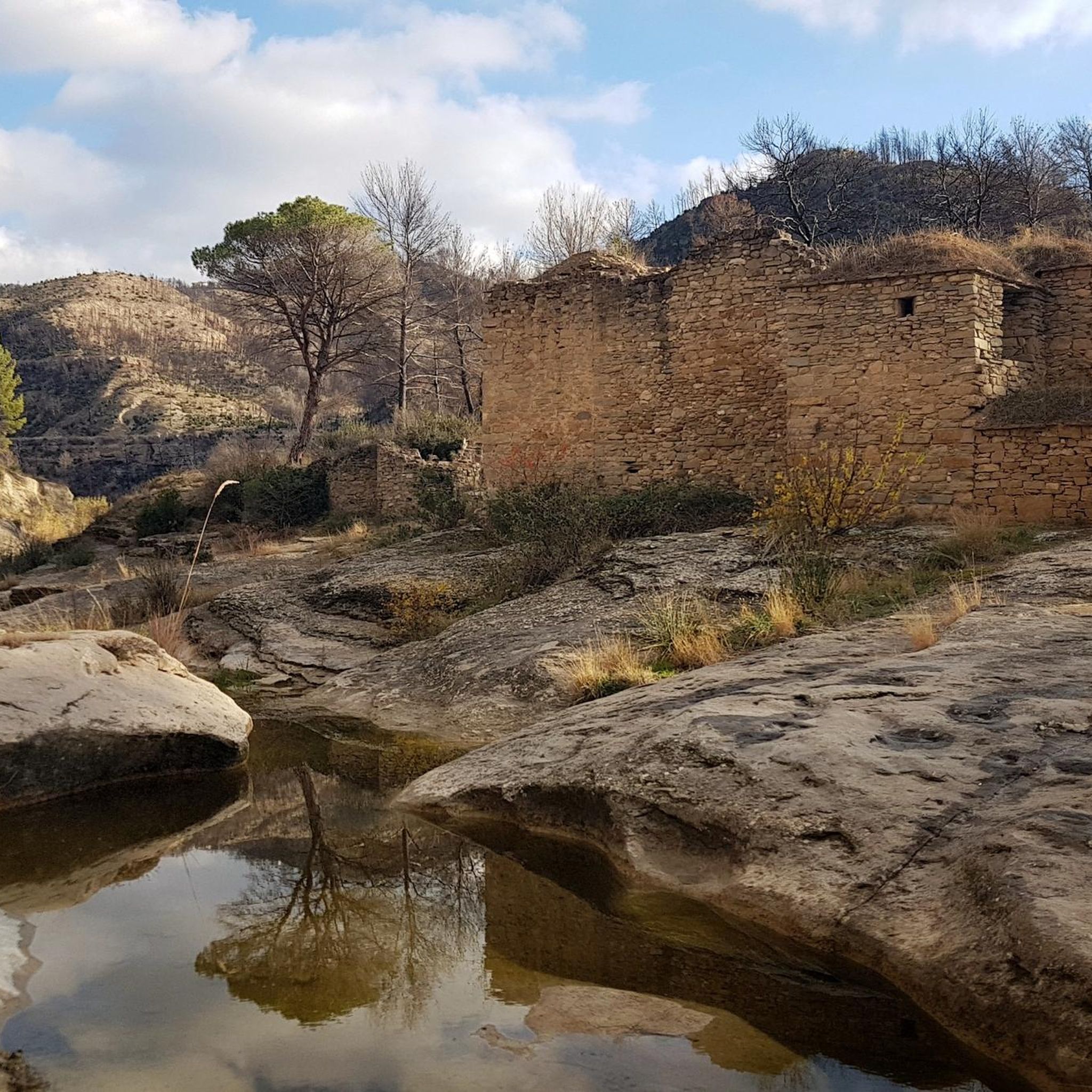
Road Cycling Routes around Manresa
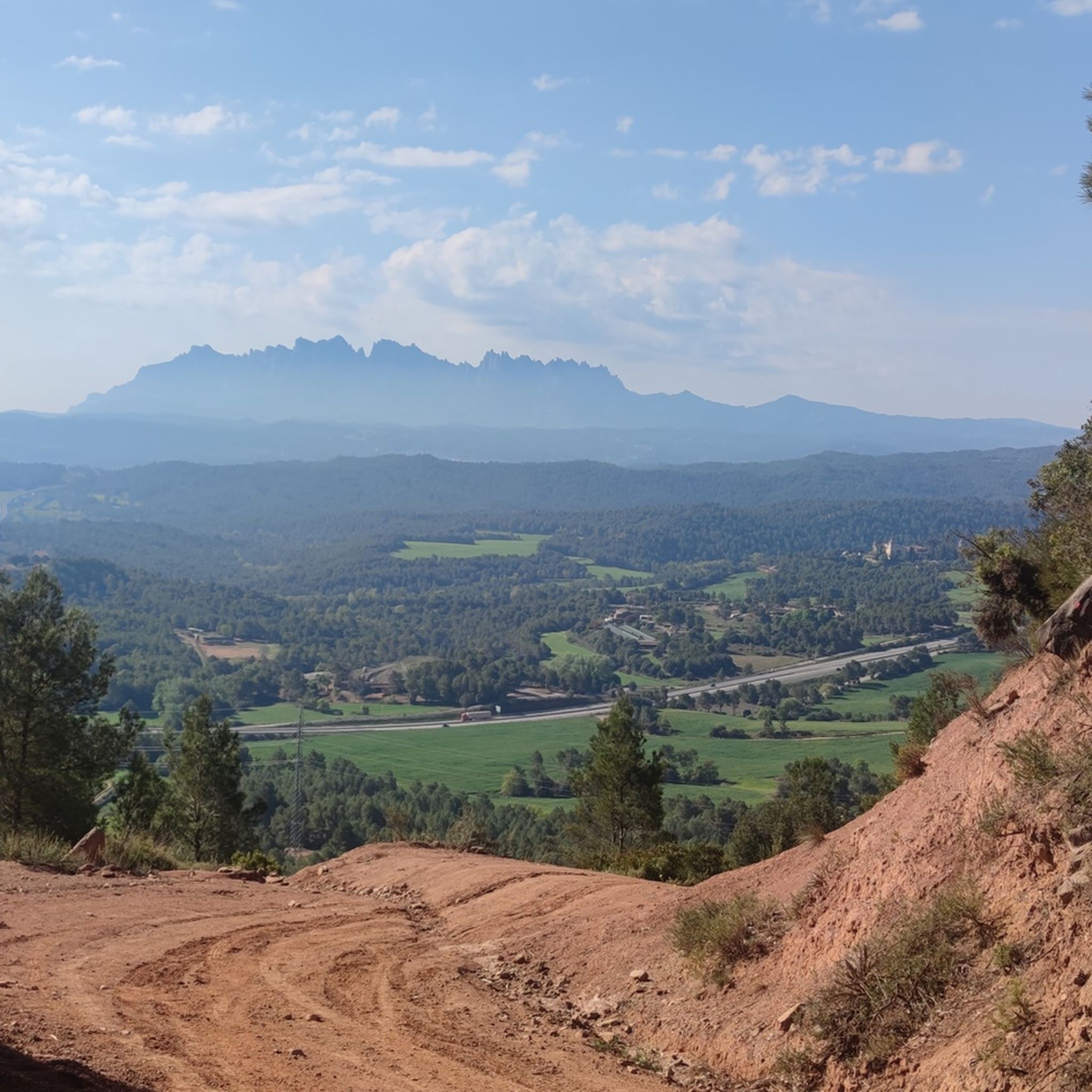
MTB Trails around Manresa
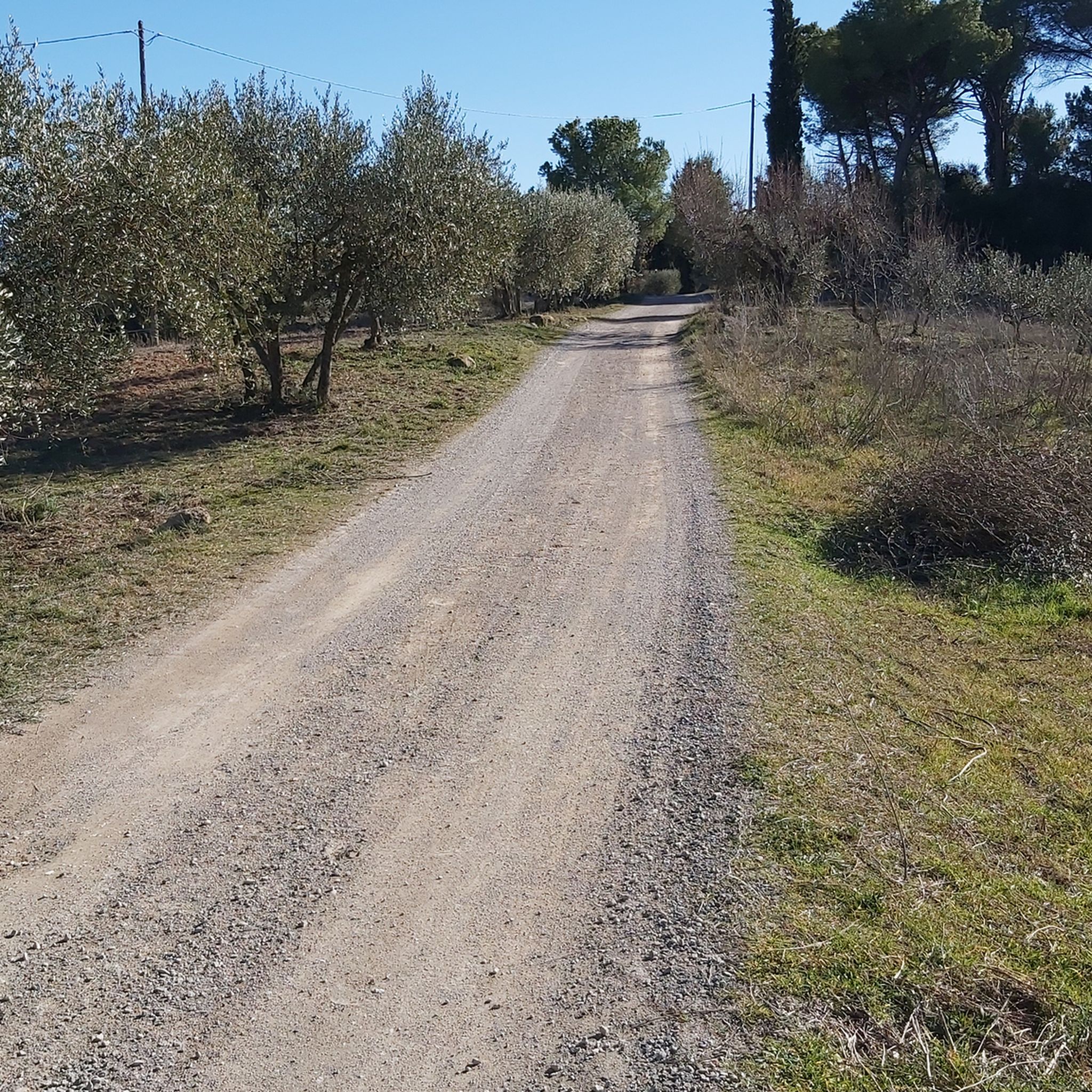
Cycling around Manresa
Other adventures around Manresa


Tips from the Community


Around the pass known as Pas del Príncep, integrated into the Frares Encantats region according to the topological division made in his time by Josep Barberà following the guidelines of Ramon de Semir, there is a series of slender needles that they have been quite climbed due to their proximity to the portella path to port. The toponymy of the place is to be studied. The Prince's given name is old. In Joan Cabeza's map from 1909, this place is already indicated, placing it as a step on the way from Col de Port (on the map it is called Porc) to El Bruc through the path of the Lloro stream, Arcada cave and the Castle. The Montserrat guide. Itineraries also published in 1909 by the Revista Montserratina, of which the previous map is a supplement, gives more details of this step in the description of itinerary XIII "A la Roca foradada, sant Pau vell i font de coll de Port”, this last name is written as porch. It is interesting to point out that in the description of this itinerary it is mentioned that after the Pas del Príncep, coming from the port pass, there is a path to the right in the direction of the Ampla canal and that continues towards Les Pouetons and Les Boïgues. Over time this path is what today has become the main road from La Portella to Coll de Port. The small or lower rock of Pas de Príncep, to the south, and the Gran de Pas de Príncep spire, to the north, form said pass
0
0

Pas del Princep is a passage between two pinnacles, called Agulla Superior del Pas del Príncep and El Bitllat. The pass is elevated and offers good views of the western part of the massif, spectacular!
0
0
Narrow and at the same time beautiful passage in the middle of the Roca Gran de la Portella. In this step you have to be alert, but you are entering the mountain of Montserrat.
0
0
Important crossroads that gives access to the Canal de Middia, which divides Montserrat Mountain in two, the regions furthest from the monastery: Agulles, Frares Encantats and Ecos to the west and the regions of Tabor, Tebes and Tebaida to the east. To the north, the Canal de la Font del Llum path connects with the GR 172 that connects Can Maçana and Santa Cecilia, to the west the path that gives access to the region of Ecos and to the south the path that gives options to continue towards the Montgròs, towards Sant Jeroni or towards the different itineraries in the south of the mountain while following the Migdia canal.
2
0
Important crossroads where the path that crosses the Agulles to the west, the Canal Ampla path to the south and the path that goes down to link with the GR 172 or Camí de Can Maçana to Santa Cecilia, to the north, converge. We could say that, if the Portella is the west door, the Portell is the north door to the Agulles Region.
0
0
Key step that, on the way up, allows us to enter the Agulles region, guarded by the Gran de la Portella rock on the right and the Petita rock on the left. The stepped channel formed by the erosion allows us to progress without much difficulty, although we will have to use our hands, more for balance than for progression.
1
0
Frequently Asked Questions
What are some notable elevated points or mountain passes near Manresa?
While Manresa isn't known for traditional high mountain passes, the surrounding region offers several elevated points and scenic routes. Key examples include Collbaix Summit, the highest peak within the district of Manresa, offering panoramic views. Another is Coll de Boix (875 m), which provides great views towards the iconic Montserrat mountain range. Within Montserrat itself, you'll find passes like Portell de Migdia (1,029 m), an important crossroads and viewpoint.
What makes the Montserrat mountain range significant for visitors near Manresa?
The Montserrat mountain range is a major draw due to its unique 'serrated' rock formations of strikingly pink conglomerate and its breathtaking natural beauty. It's also home to the Benedictine abbey of Santa Maria de Montserrat, a site of spiritual significance. Designated a National Park in 1987, Montserrat offers extensive outdoor activities and stunning views, even as far as the Mediterranean Sea on clear days. You can learn more about its geology and history on Wikipedia.
What kind of views can I expect from the mountain passes around Manresa?
Visitors can expect diverse and rewarding views. From Collbaix Summit, you'll get panoramic vistas of the Manresa landscape and the Pla de Bages. Coll de Boix (875 m) offers sudden, wide views, especially towards the iconic Montserrat mountain range. From higher passes within Montserrat, such as Portell de Migdia (1,029 m) or Pas del Príncep, you can enjoy spectacular views of the western part of the massif and the surrounding Catalan region.
Are there any unique geological features to observe in the mountain passes near Manresa?
Yes, the region is particularly known for the unique 'serrated' rock formations of the Montserrat mountain range, composed of striking pink conglomerate. Passes like La Portella Pass feature a stepped channel formed by erosion, allowing passage through the terrain. Pas del Príncep is a passage between two distinct pinnacles, showcasing the dramatic rock formations of the area.
What outdoor activities are popular around the mountain passes near Manresa?
The elevated points and mountainous regions around Manresa are popular for various outdoor activities. Hiking is a primary activity, with numerous trails leading to peaks and viewpoints. Mountain biking and cycling are also very popular, with routes that frequently incorporate views of, or access to, the Montserrat range. For specific routes, you can explore guides like Hiking around Manresa or Cycling around Manresa.
Are there family-friendly hiking options among the mountain passes near Manresa?
Yes, there are options suitable for families. Collbaix Summit is easily accessible and offers trails suitable for different fitness levels, including flat paths. While some passes within Montserrat can be challenging, many trails in the broader Montserrat range are manageable for families. For example, the 'Collbaix Summit loop from Collbaix' is listed as a moderate hiking route in the Hiking around Manresa guide.
What are the difficulty levels of hiking trails around Manresa's mountain passes?
The trails around Manresa's mountain passes offer a variety of difficulty levels. Accessible points like Collbaix Summit have paths suitable for different fitness levels. Within the Montserrat range, some passes like La Portella Pass involve stepped channels where you might need to use your hands for balance, indicating a moderate to intermediate difficulty. Other trails can be more challenging, especially those leading to higher peaks. You can find detailed difficulty ratings in guides like Hiking around Manresa.
How accessible are the mountain passes near Manresa by public transport?
The Montserrat mountain range, which features many of the notable passes, is easily accessible by public transport from Manresa. You can take an R5 train from Barcelona towards Manresa and then connect to a cable car or cogwheel train that ascends the mountain. This makes it convenient for visitors without private vehicles to reach the heart of the mountainous area and its various trails and passes.
What is the best time of year to visit the mountain passes around Manresa?
The best time to visit the mountain passes around Manresa for outdoor activities like hiking and cycling is generally during the spring (April to June) and autumn (September to November). During these seasons, the weather is typically mild and pleasant, making for comfortable conditions. Summer can be quite hot, especially at lower elevations, while winter can bring cooler temperatures, though snow is less common at these elevations.
Are there specific crossroads or important passages among the mountain passes?
Yes, several passes serve as important crossroads or passages. Portell de Migdia (1,029 m) is a significant crossroads providing access to the Canal de Middia and connecting various regions and itineraries within Montserrat Mountain. Similarly, Portell Estret (Coll de les Agulles) is an important junction where paths converge, linking different parts of the Agulles region. Coll de Boix (875 m) is also described as an important crossroads.
What do visitors enjoy most about the mountain passes around Manresa?
Visitors particularly enjoy the stunning panoramic views, especially those of the iconic Montserrat mountain range. The unique 'serrated' rock formations and natural beauty are frequently highlighted. The variety of outdoor activities, including hiking and cycling, across different difficulty levels, also contributes to the appeal. The komoot community has shown appreciation for these passes, contributing 14 upvotes and 5 photos, indicating a positive visitor experience.
Most popular routes around Manresa
Most popular attractions around Manresa

Get inspired with the komoot mobile app


Explore more
See even more epic mountain passes by checking out these guides around Manresa:
