Top 20 Natural Monuments around Níjar
Best natural monuments around Níjar are primarily found within the Cabo de Gata-Níjar Natural Park, a protected area in Andalusia. This region is characterized by its volcanic origins, featuring dramatic rock formations, lava flows, and rugged coastlines. The landscape includes jagged cliffs, numerous coves, and semi-desert hinterlands. It offers diverse ecosystems, both terrestrial and marine, making it a notable destination for exploring unique geology and natural beauty.
Best natural monuments around Níjar
- The most popular natural monument is Sirens' Reef…
Last updated: October 5, 2026
Los Genoveses Beach
Highlight • Beach
Translated by Google •
Tip by

Cabo de Gata Salt Pans
Highlight • Natural Monument
Translated by Google •
Tip by

Sign up now to discover places like this
Get recommendations on the best single tracks, peaks, & plenty of other exciting outdoor places.
Collado de la Vela Blanca
Highlight • Mountain Pass
Translated by Google •
Tip by

Mónsul Beach
Highlight • Beach
Translated by Google •
Tip by
Coastal Trail Between San José and Los Escullos
Highlight (Segment) • Trail
Translated by Google •
Tip by
Sign up for free to discover even more natural monuments around Níjar.
Already have an account?
Start today with a free account
Your next adventure awaits.
Popular around Níjar
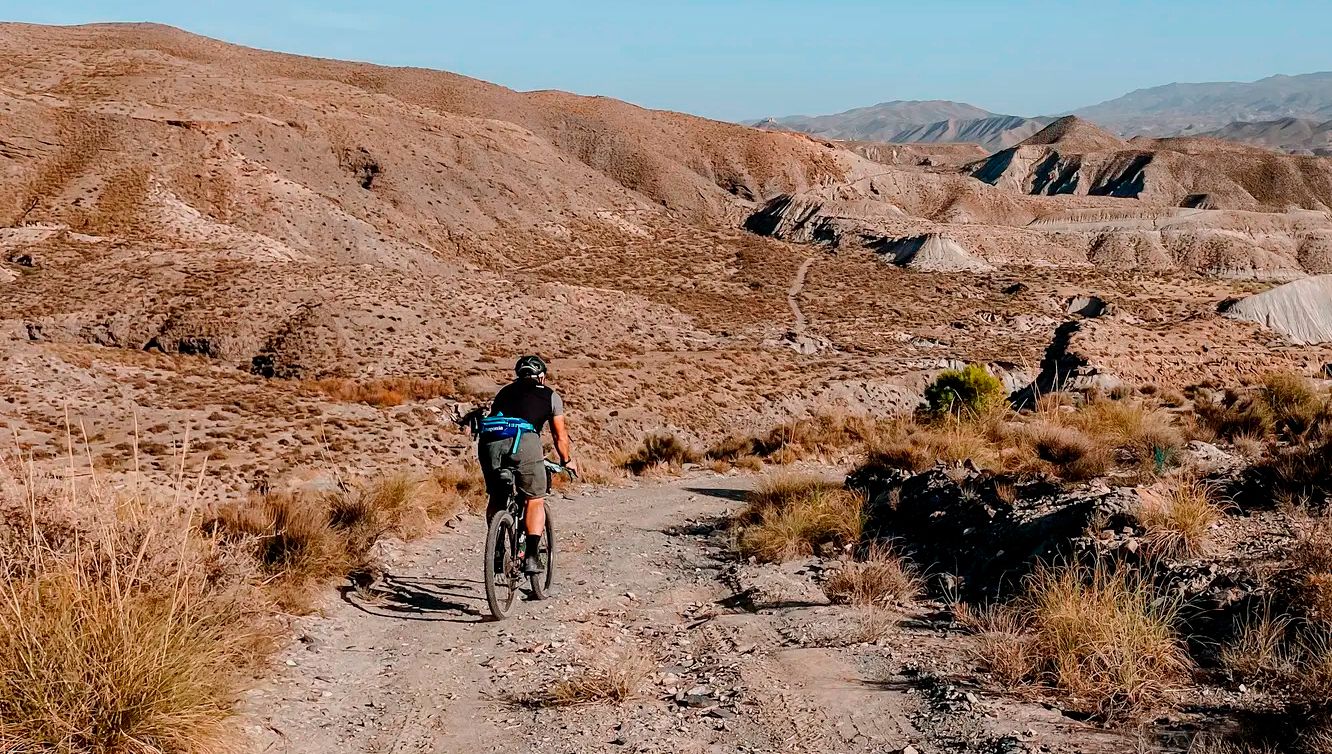
TransAlmería Gravel – Summits, dry riverbeds and deserts
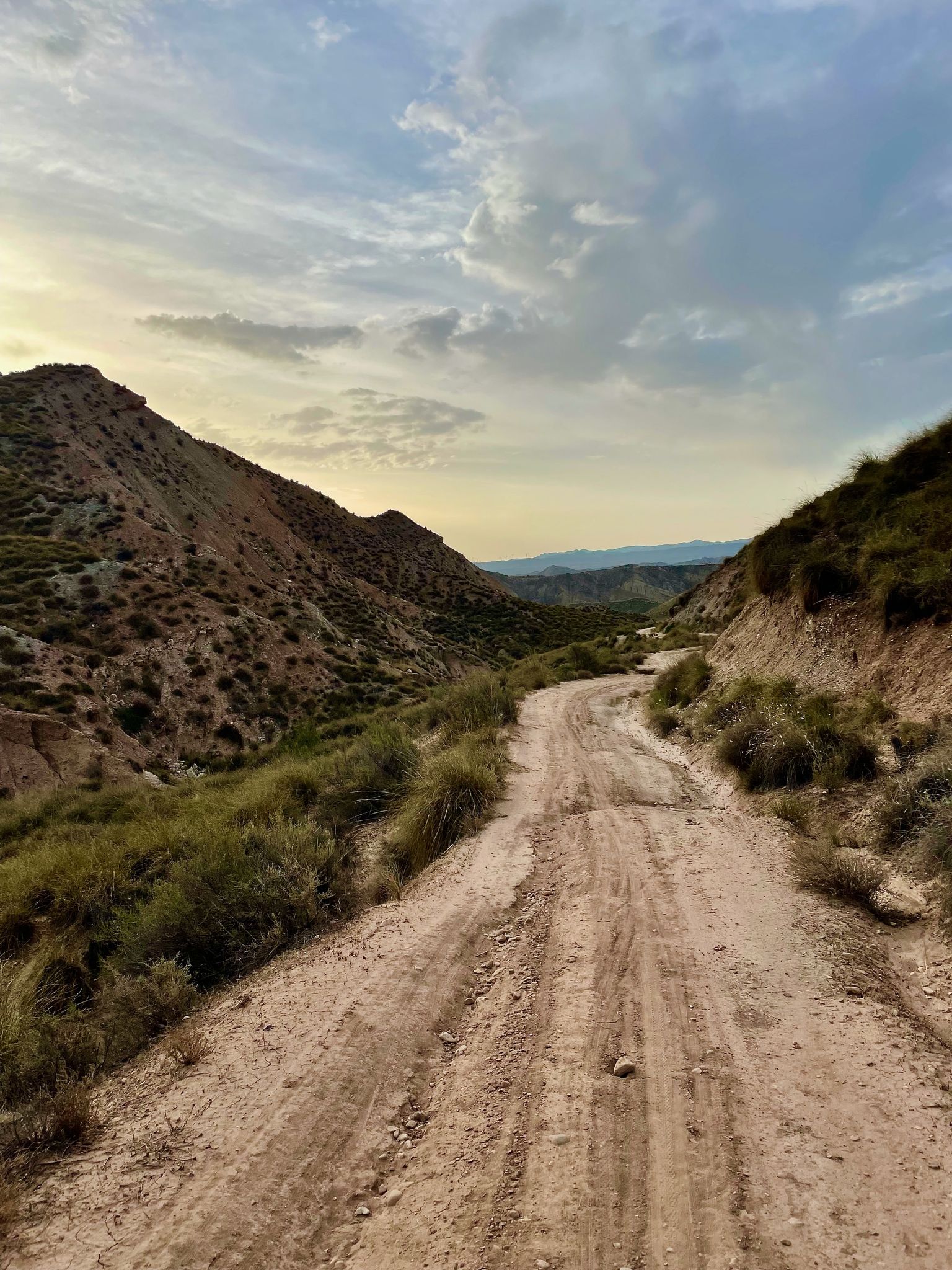
Badlands 2021 — 750km of gravel in the Spanish deserts
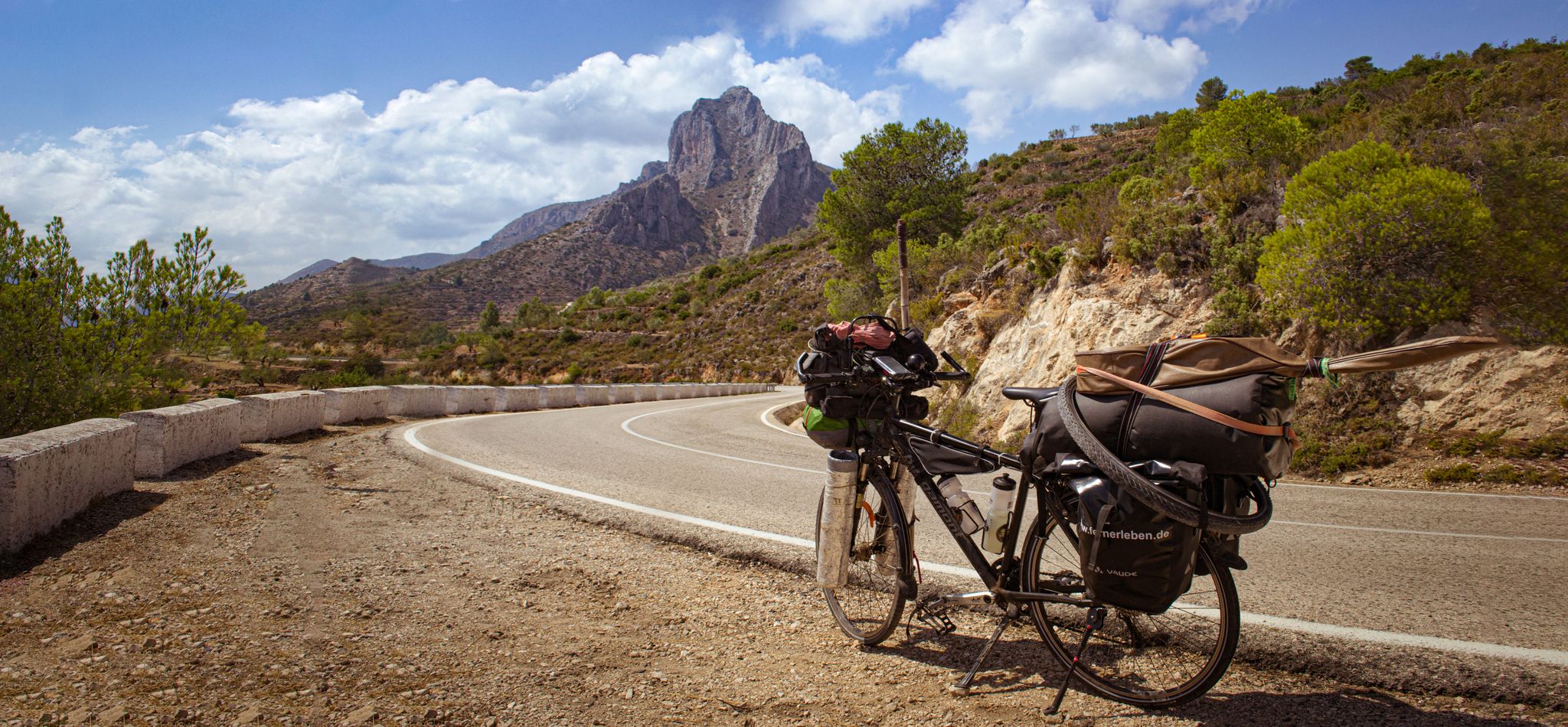
On the road to the sun — bikepacking to southeast Spain
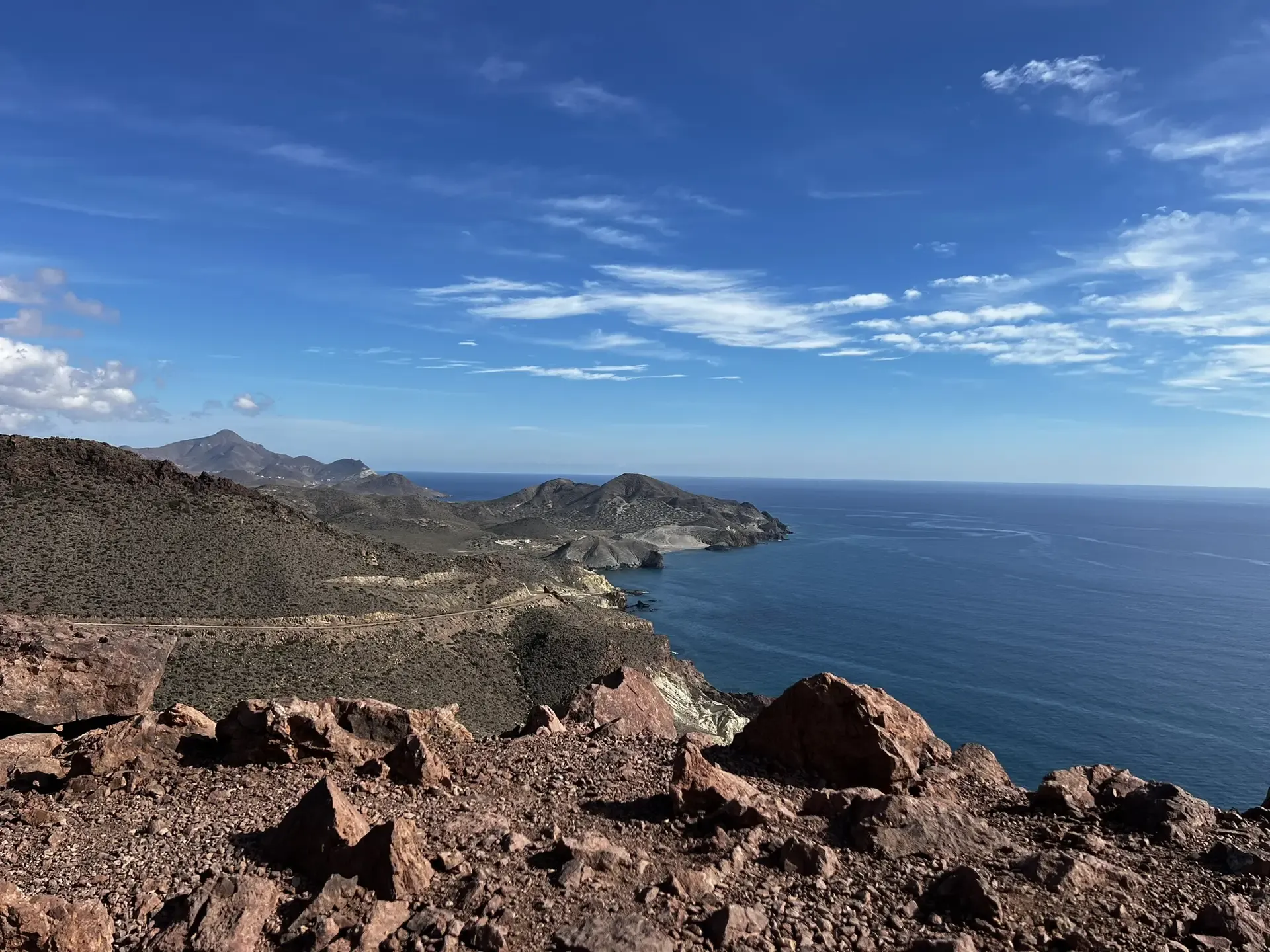
The Wild Side Of Almería — Transalmería By Mountain Bike
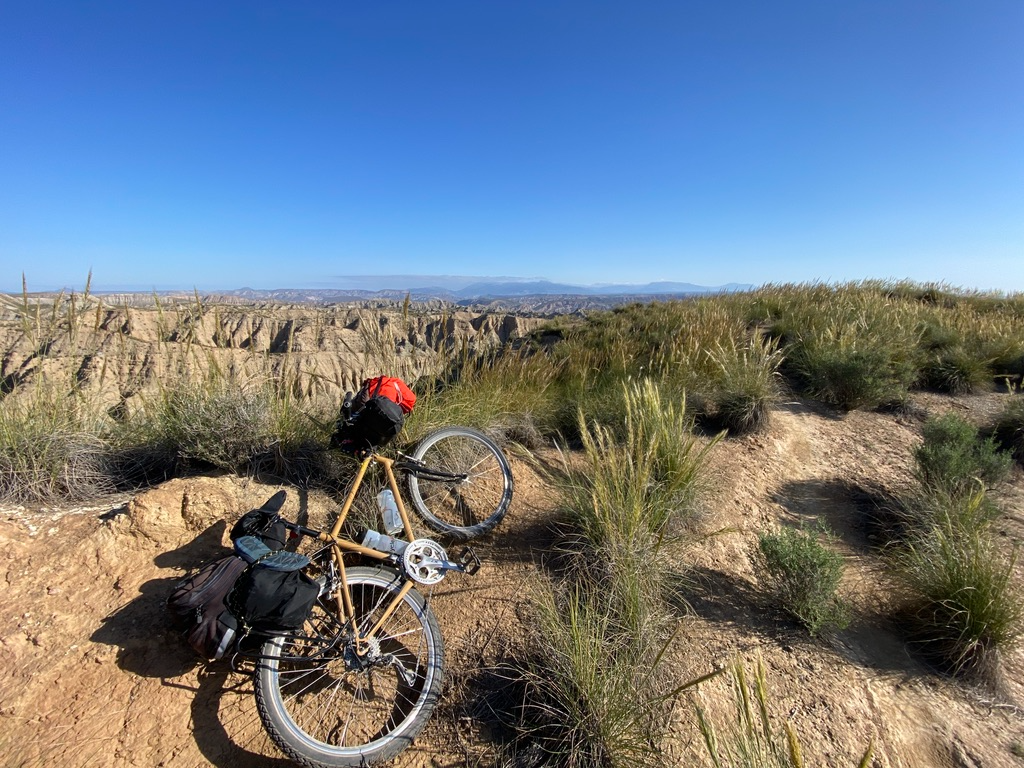
Mountain, Desert and Sea — Andalusian Trilogy
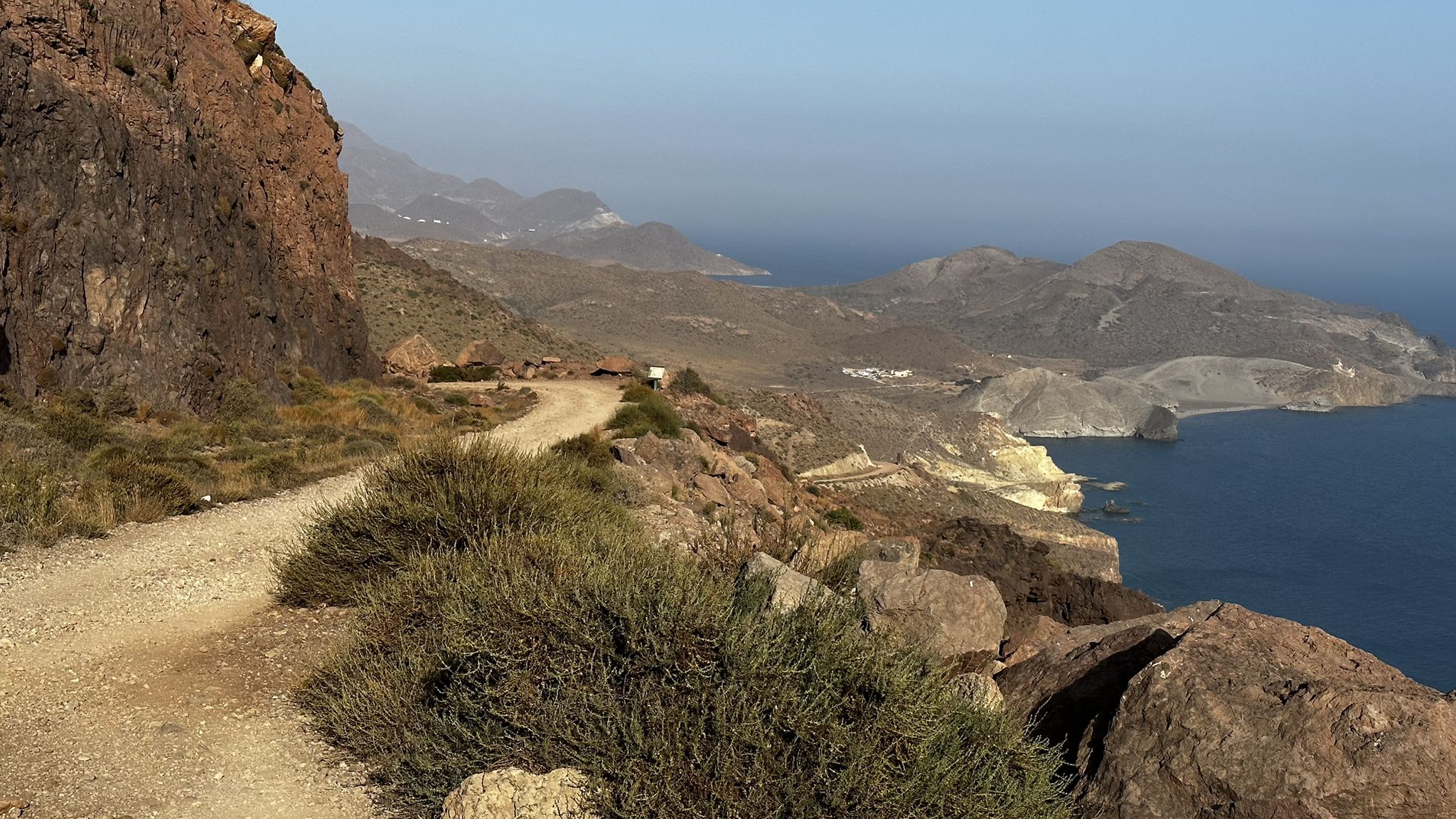
Beaches and desert – TransAlmería by MTB (El Levante)
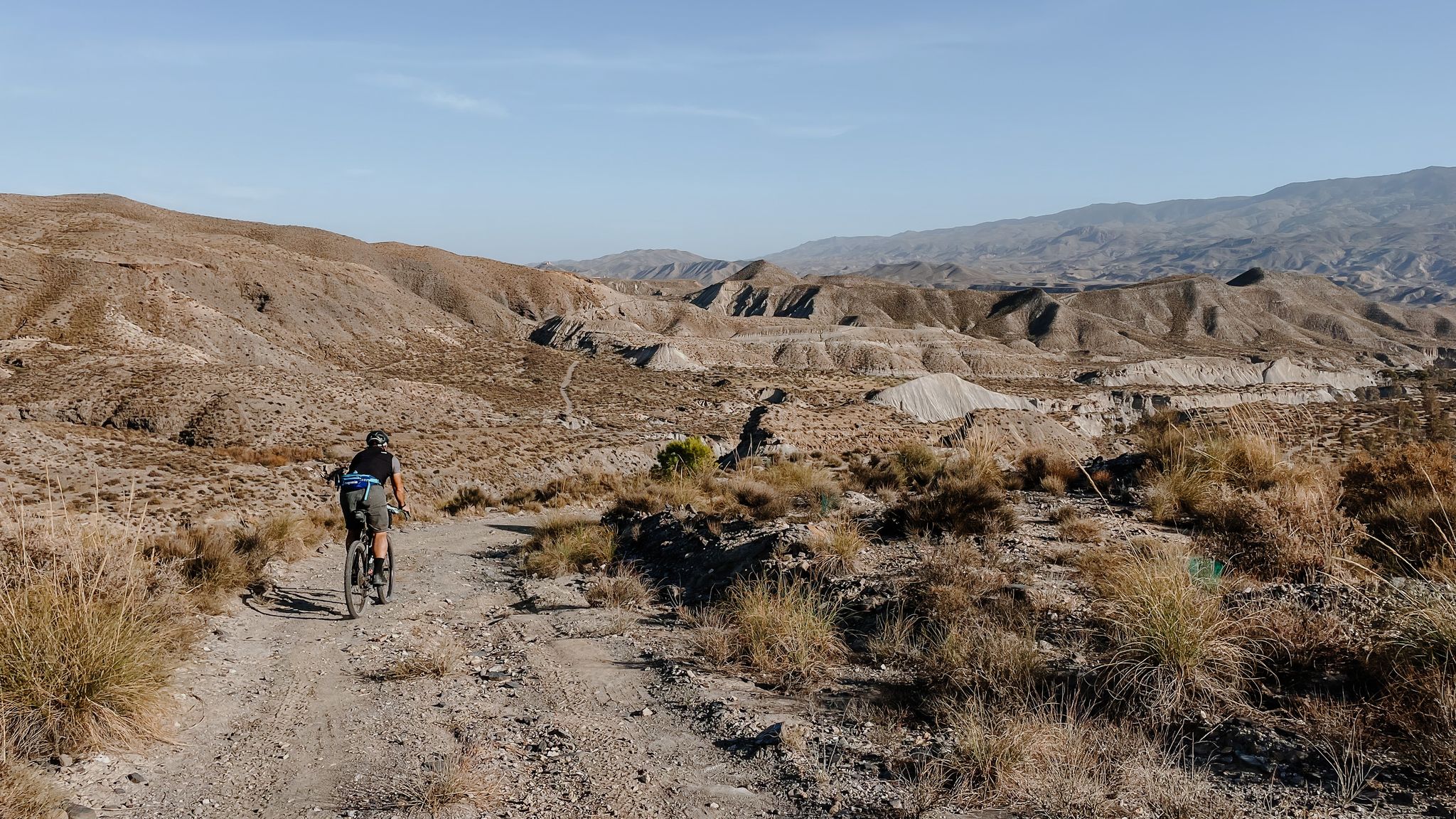
High mountains, desert and sea – an adventure of contrasts in Andalusia
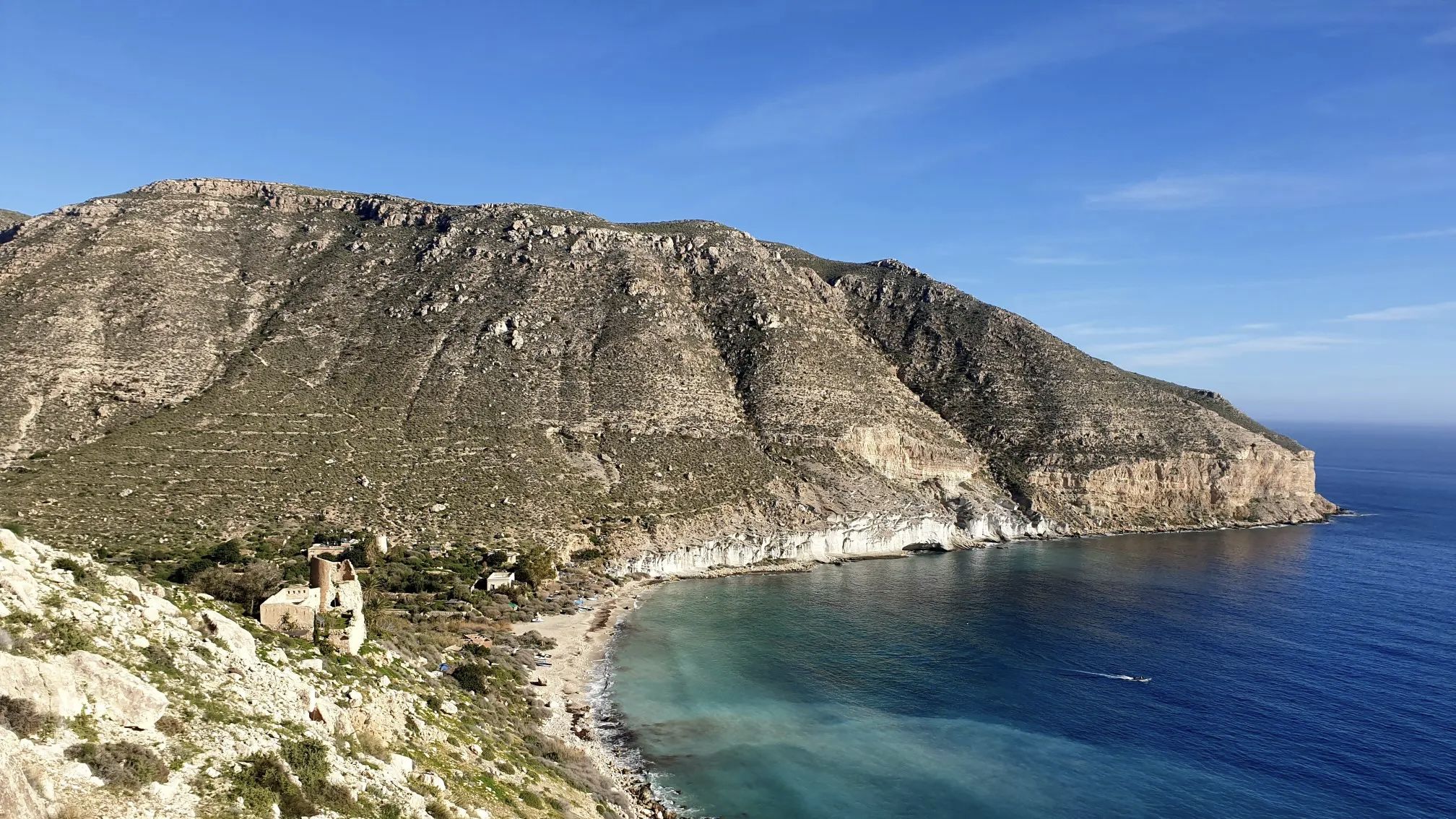
A bike ride that’s like a movie – Natural Park of Cabo de Gata-Níjar
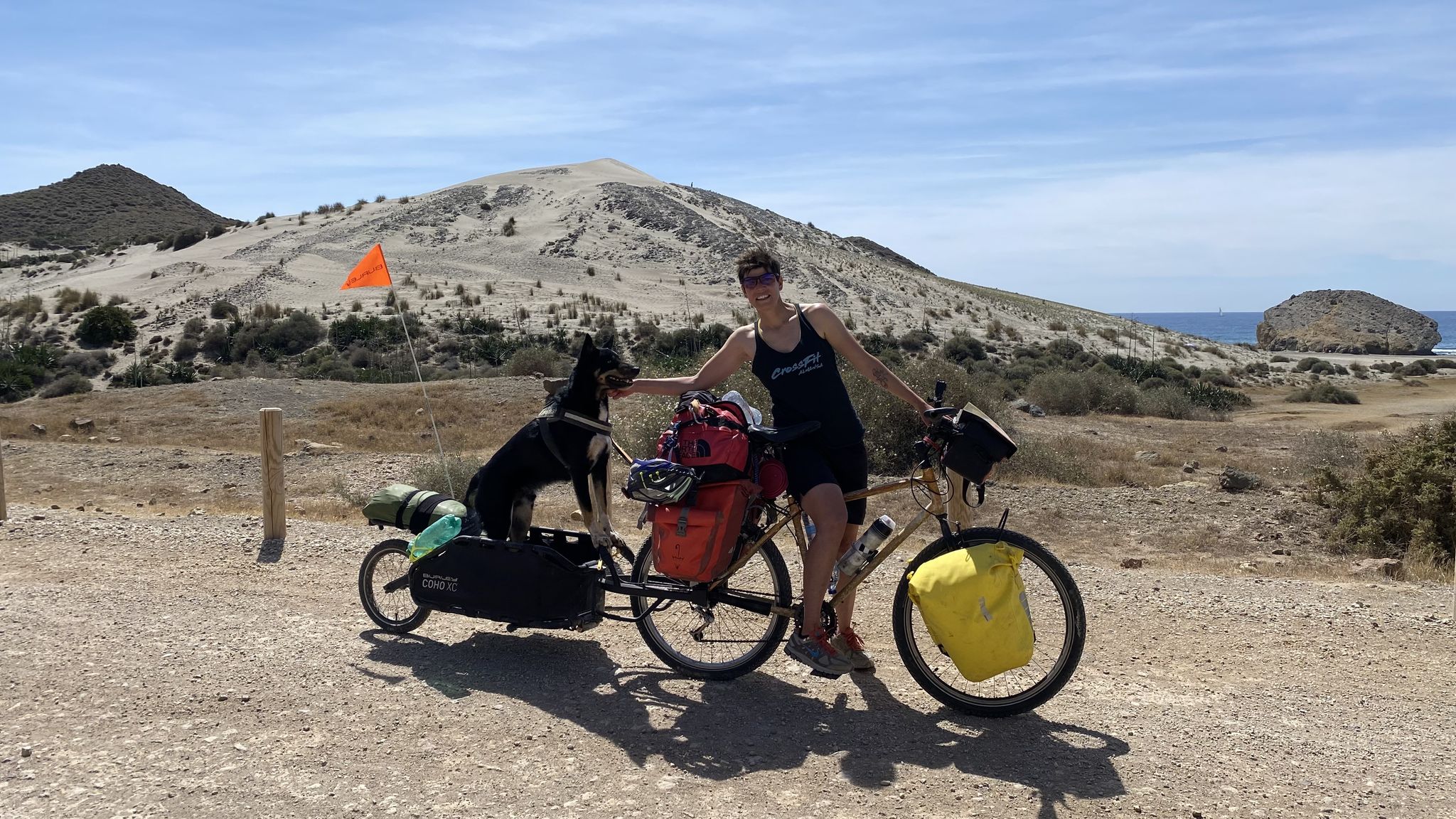
Let’s head south – cycle in Andalusia with me and my dog
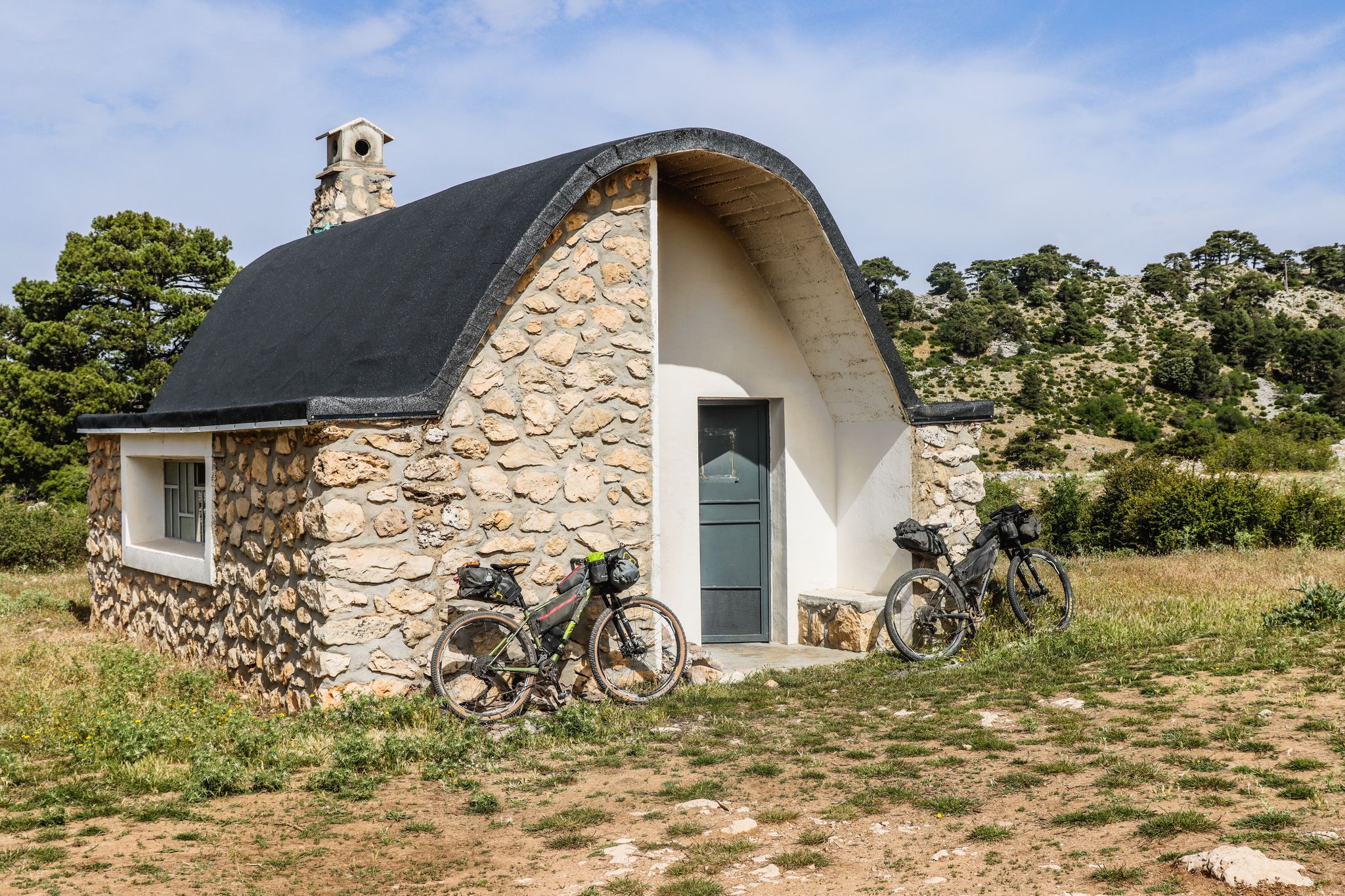
Wild and free Andalusia – Transandalus through the interior
Other adventures around Níjar


Tips from the Community

Beautiful sandy beach between the rock walls.
20
1
Great little beach with beautiful rock walls on both sides.
19
2

If you are not on a mountain bike, you will have to push the bike in places
4
0
The Playa de los Genoveses is generally considered the most beautiful in the Cabo de Gata Natural Park
4
0
The Cabo de Gata salt flats are a set of wetlands of natural origin but economically exploited as saltworks. They are part of the Cabo de Gata-Níjar Natural Park on the southeast coast of Spain. Declared a Ramsar Site of International Importance around 1990, this wetland is home to a great diversity of plant and animal species, many of them endemic or threatened with extinction, as well as a resting area for migratory birds. The ancient lagoon, on which the current salt mines are located, is separated from the Mediterranean Sea by a dune barrier 200 to 400 metres wide; there is also a rugged terrain that separates it from the surrounding mountains. It was formed by the flooding of a plain that was below sea level and allowed the infiltration of salt water by simple gravity and wind action. The water came from the boulevards on the western slope of the Cabo de Gata mountains, mainly from Higueras Boulevard and Sabinar Boulevard.
4
0
Playa de Mònsul is a little smaller and harder to reach for drivers than Playa de los Genoveses, as there is no real parking lot at Mónsul. In the season, access to both beaches is limited and regulated by local authorities. In the off-season, when the weather is good, both beaches get quite busy, especially at weekends, as the locals understandably want to finally get something out of their beaches.
9
1
Numerous films and television works have been shot on the dunes of this beach, such as The Rat Patrol or The Wind and the Lion, and without going too far, what would have become of Peter O'Toole, who played Lawrence of Arabia, without the Genoveses beach, as well as programmes such as El Campamento.
6
0
The bay is considered one of the most beautiful in the natural park. Swimming is a pleasure on the gently sloping beach. The water is crystal-clear and home to a rich flora and fauna, making it an excellent area for diving. The waves are generally low. To protect the beach, car access is limited to a few vehicles.
7
0
Frequently Asked Questions
What unique geological features can I expect to see in Níjar's natural monuments?
The natural monuments around Níjar, primarily within the Cabo de Gata-Níjar Natural Park, are renowned for their volcanic origins. You'll encounter dramatic volcanic rock formations, ancient lava flows, and rugged coastlines with jagged cliffs. A prime example is Sirens' Reef, known for its iconic volcanic chimneys emerging from the sea. The area also features unique semi-desert landscapes and diverse marine ecosystems.
Are there family-friendly natural monuments to visit in Níjar?
Yes, several natural monuments in Níjar are suitable for families. Los Genoveses Beach and Mónsul Beach are excellent choices, offering wide sandy shores and calm waters for swimming and relaxation. These beaches are celebrated for their natural beauty and are often less crowded than other coastal areas.
What outdoor activities can I do near the natural monuments in Níjar?
The region offers a variety of outdoor activities. For hiking, you can explore trails like the 'Morrón de los Genoveses Loop Trail' or the 'Vela Blanca Trail (SL-A 105)'. Cyclists can enjoy road cycling routes such as the 'Almería Coast – Cabo de Gata Salt Pans loop' or gravel biking routes like the 'Cabo de Gata Lighthouse – Collado de la Vela Blanca loop'. You can find more details on these and other routes in the hiking, road cycling, and gravel biking guides around Níjar.
Where can I go birdwatching near Níjar's natural monuments?
The Las Salinas de Cabo de Gata (Cabo de Gata Salt Flats) are an internationally important wetland and a paradise for birdwatchers. Located between the village of San Miguel and the Cabo de Gata point, these salt flats are a crucial habitat for numerous migratory bird species, including flamingos, waders, and gulls, especially during migration seasons.
What is the best time of year to visit the natural monuments in Níjar?
The best time to visit the natural monuments in Níjar is typically during spring (April-May) and autumn (September-October). During these months, the weather is pleasant for outdoor activities like hiking and exploring, and the natural park is less crowded than in the peak summer months. Summer can be very hot, making early mornings or late afternoons preferable for visits.
Are there any viewpoints offering panoramic scenery of the natural monuments?
Yes, Collado de la Vela Blanca is a mountain pass known for its panoramic views of the surrounding volcanic landscape. Additionally, the Cabo de Gata Lighthouse, while man-made, sits atop a prominent cliff and offers expansive views of the Mediterranean and the rugged coastline, including excellent perspectives of Sirens' Reef.
Can I find secluded beaches or coves among Níjar's natural monuments?
Absolutely. The Cabo de Gata-Níjar Natural Park is famous for its unspoiled beaches and secluded coves. While Los Genoveses Beach and Mónsul Beach are well-known, the rugged coastline is dotted with numerous smaller, pristine coves that offer tranquility and natural beauty. Access to some of these may be restricted during peak seasons to preserve their natural state.
What makes the Cabo de Gata-Níjar Natural Park a significant natural monument?
The Cabo de Gata-Níjar Natural Park is the largest protected coastal area in Andalusia and was designated a UNESCO Biosphere Reserve. Its significance lies in its unique volcanic geology, featuring dramatic rock formations and a rugged coastline, combined with diverse terrestrial and marine ecosystems. It boasts pristine beaches, seagrass beds, and coral reefs, supporting rich biodiversity.
What do visitors enjoy most about the natural monuments in Níjar?
Visitors frequently praise the wild and beautiful landscapes, the unique volcanic formations, and the stunning, unspoiled beaches. The crystal-clear waters and the opportunity for photography, especially at spots like Sirens' Reef, are also highly appreciated. The sense of tranquility and natural immersion away from crowded resorts is a common highlight.
Are there any trails that offer views of the coastline and salt flats?
Yes, the Cliffside Trail in Cabo de Gata-Níjar Natural Park offers fabulous views of the cliffs and the colorful volcanic landscape. This trail also provides perspectives of the salt flats located very close to the town of San José, allowing you to appreciate both the coastal scenery and the unique wetland ecosystem.
How long should I plan for a visit to the natural monuments in Níjar?
To fully appreciate the diverse natural monuments, including the beaches, volcanic landscapes, and birdwatching opportunities, planning at least 2-3 days is recommended. This allows time to explore different areas of the Cabo de Gata-Níjar Natural Park, enjoy various activities, and experience the unique beauty of the region without rushing.
Most popular attractions around Níjar

Get inspired with the komoot mobile app


Explore more
Extend your search for the best caves by checking out these guides of the top ones around Níjar:
