Top 10 Natural Monuments around Campo Lameiro
Best natural monuments around Campo Lameiro include a landscape rich in prehistoric rock art and diverse natural features. The region, often called the Galician capital of rock art, combines ancient human expression with a beautiful natural environment. The area features significant natural elements such as river systems, recreational areas, and mountains offering panoramic views. These natural monuments provide opportunities for exploration and connection with both ancient history and the local ecosystem.
Best natural monuments around Campo Lameiro
- The most popular…
Last updated: July 1, 2026
Barosa Waterfall and Mills
Highlight • Waterfall
Translated by Google •
Tip by

Casto San Pedro Gardens
Highlight • Natural Monument
Translated by Google •
Tip by

Sign up now to discover places like this
Get recommendations on the best single tracks, peaks, & plenty of other exciting outdoor places.
Sign up for free
As Burgas Hot Spring Fountain
Highlight • Natural Monument
Translated by Google •
Tip by

Monument to the Stonemason
Highlight • Monument
Demanding climb with Strava segment.
Translated by Google •
Tip by

View of Segade Waterfall
Highlight • Waterfall
Translated by Google •
Tip by

Sign up for free to discover even more natural monuments around Campo Lameiro.
Sign up for free
Already have an account?
Start today with a free account
Your next adventure awaits.
Login or Signup
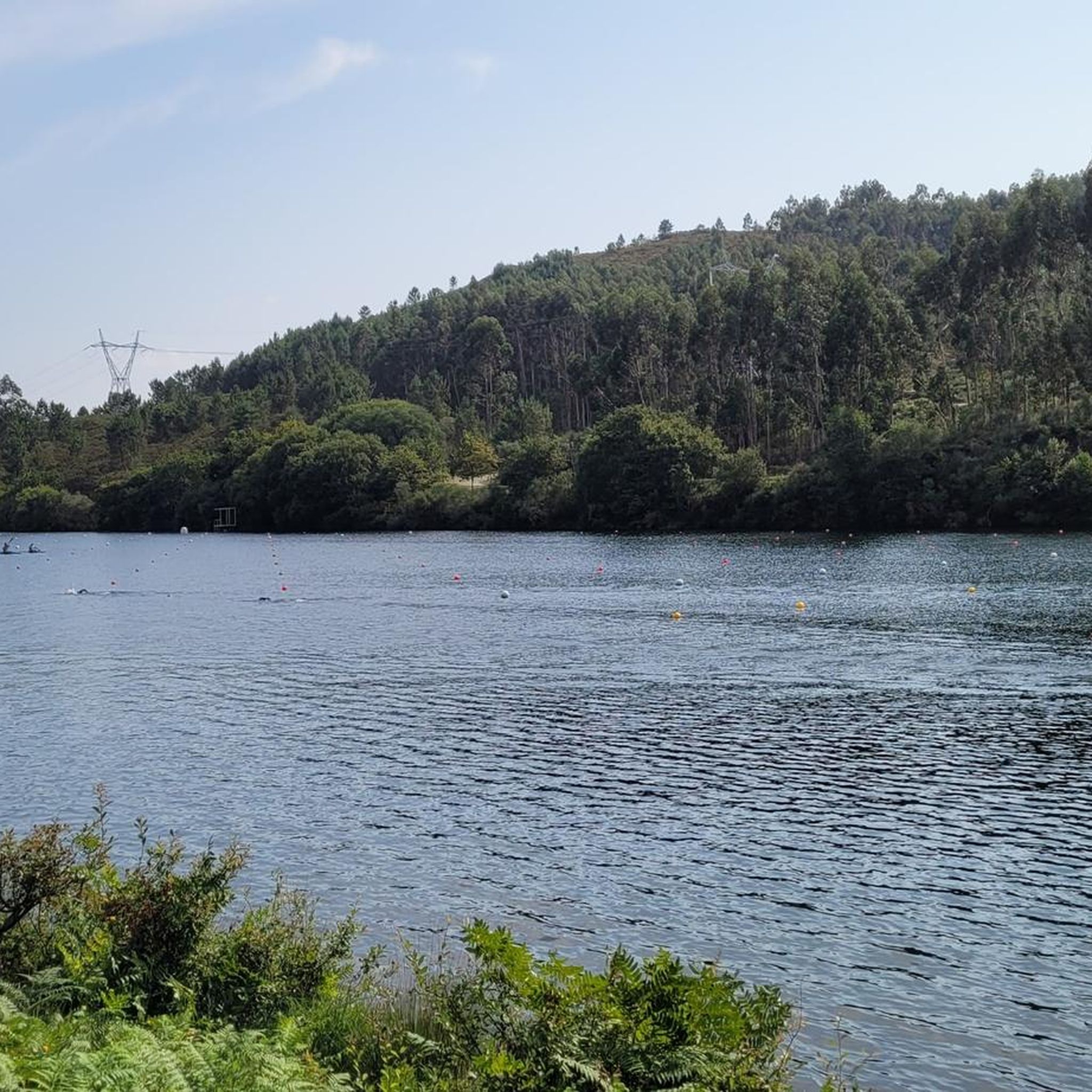
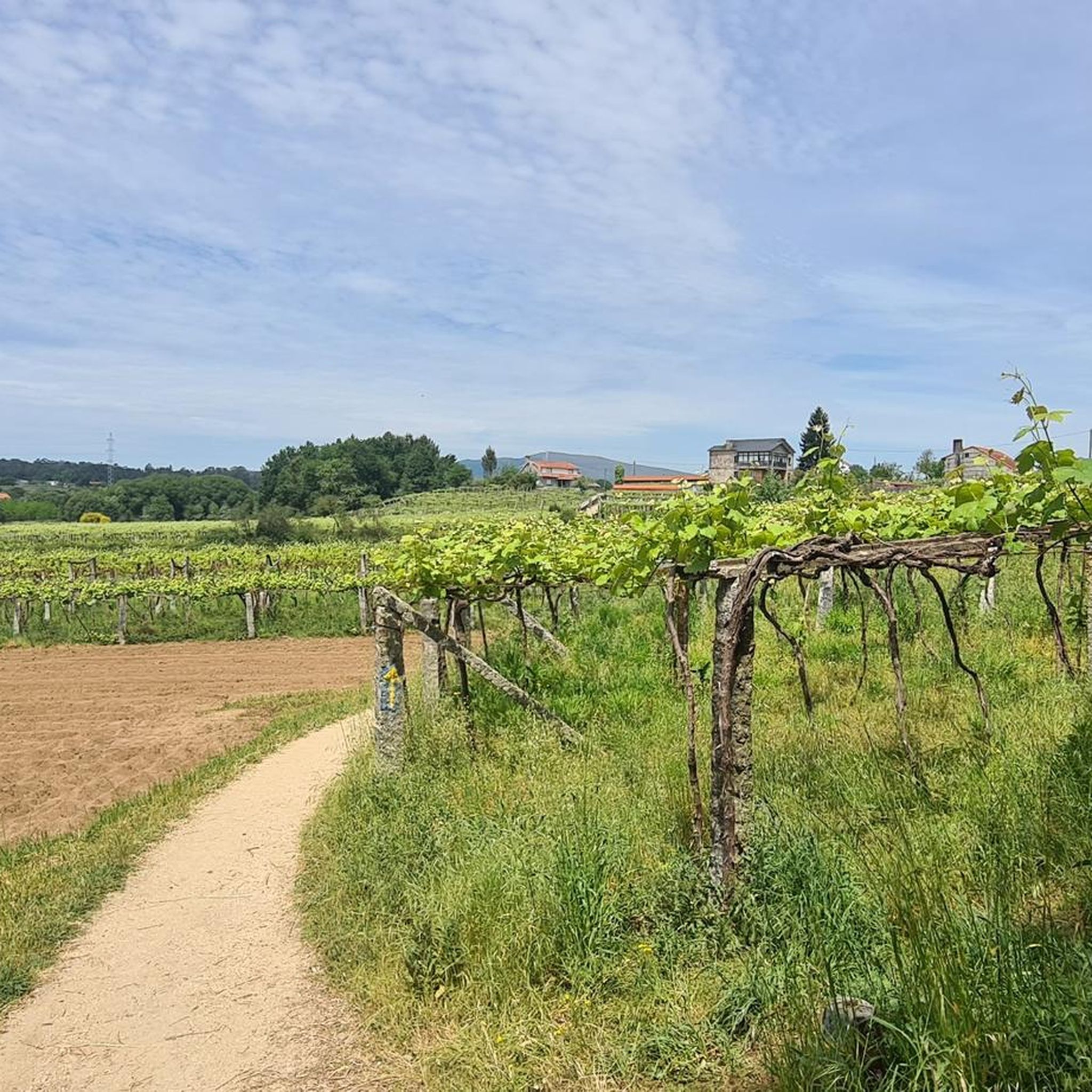
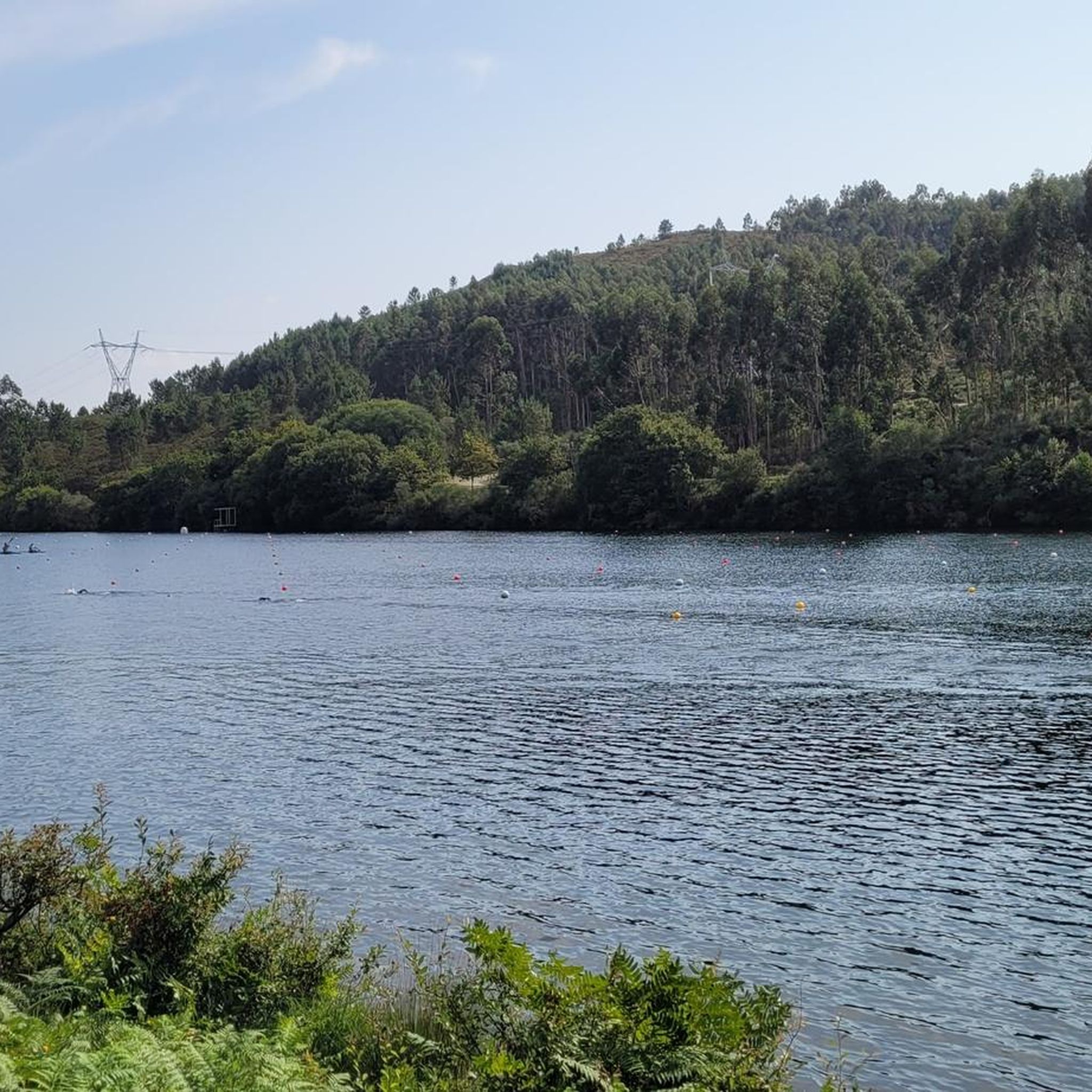
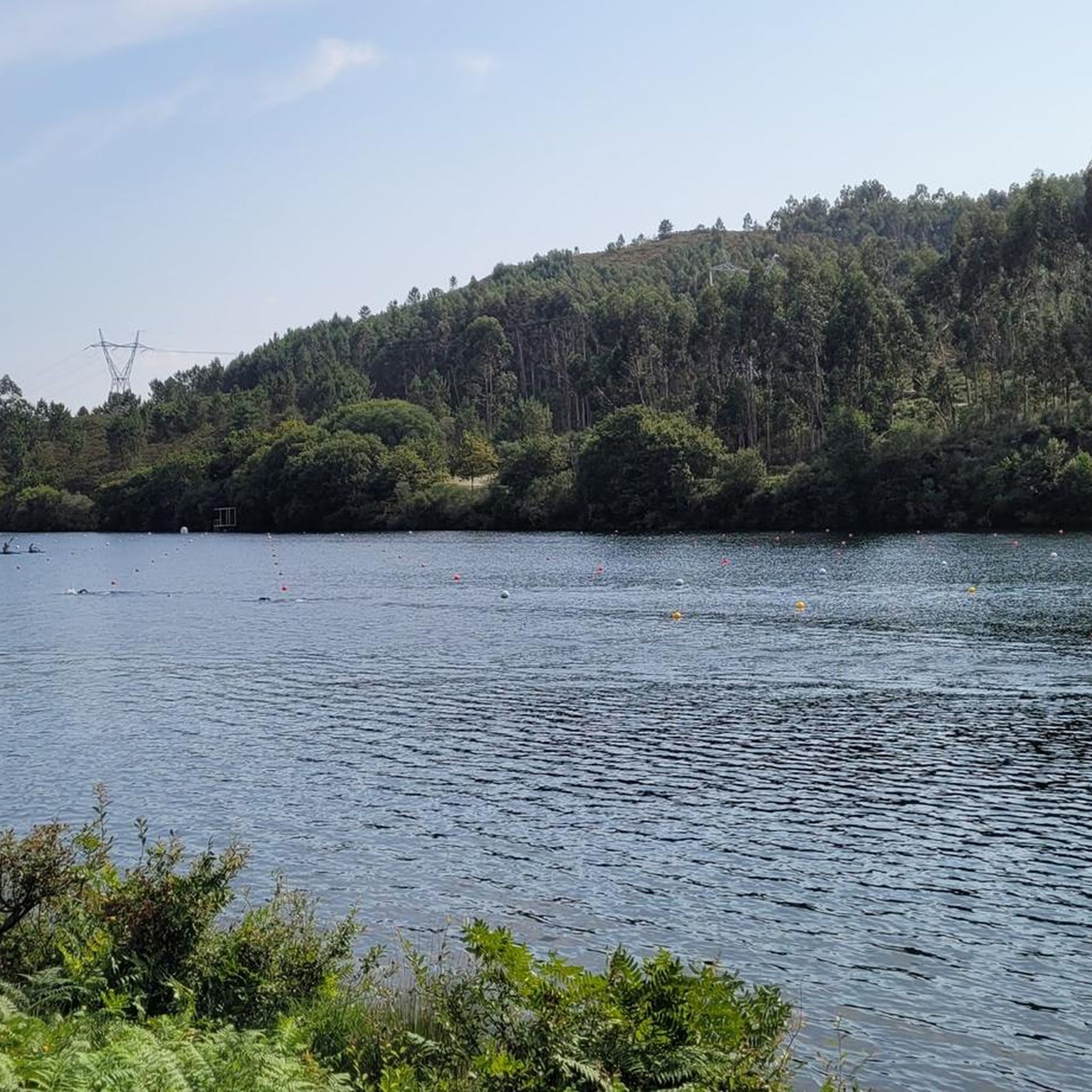

Tips from the Community

This trail is located in the enclave of the Barosa River Natural Park, an important resting place on the Portuguese Way to Compostela, which passes through the municipality of Barro. The topography of this park is unique, as the Barosa River cascades down to form the thirty-meter-high Fuente de Barosa (Waterfall). Along with this waterfall, seventeen mills were built, the Upper and Lower Mills, which form a water complex of great interest.
2
0

This fountain was built in 1881.
1
0

You can't miss this little detour from the Way of St. James! Under no circumstances 😊
1
0

Beautiful waterfall, especially in winter, when the river is full of water!
0
0

You should definitely explore the waterfalls of Tío Umia. Walking up the river you first find the waterfalls and have a great view of the cascades from below. If you continue along the path (follow the red arrows), you will reach the old Fabrica da Luz, an old power station that was fed by the power of water. From there you can continue to watch the falls
1
0
Those who walk the pilgrimage route should definitely turn right at the 51 km stone and make a detour to the waterfall of the Río Barosa. A large parking lot marks the entrance. If you walk along the paved path, you will soon find yourself in front of a few nice bridges and the beautiful waterfall. You should treat yourself to the pasr extra meters! There are toilets there too.
3
0

Wooded trails along the Umia River. The route leads to a viewpoint of the Segade Waterfall. The waterfall cascades over 30m creating different pools in the granite rock
2
0

This fountain was built in 1881 and the water that comes out of it is at about 50º C. Due to its temperature and composition, it is considered that these waters are mineral-medicinal and therefore very beneficial for respiratory and rheumatic diseases.
3
0
Frequently Asked Questions
What natural features can I explore around Campo Lameiro?
Campo Lameiro offers a diverse range of natural features. You can discover beautiful waterfalls and river systems like the Lérez River, which features recreational areas such as the Redonde River Beach and the Lodeiro Recreational Area. The region also boasts significant rock formations within the Barosa Waterfall and Mills area, and panoramic views from the Agüeiros Mountain. Additionally, the As Burgas Hot Spring Fountain provides a unique natural thermal experience.
Are there opportunities for wild swimming near the natural monuments?
Yes, the region offers spots for wild swimming. The Almofrei Stone Bridge, a 16th-century structure over a narrow gorge of the Almofrei river, is known for its very nice river pools perfect for a refreshing swim. The Redonde River Beach and Lodeiro Recreational Area along the Lérez River also provide tranquil waters for relaxation and swimming.
Where can I find the best viewpoints in Campo Lameiro?
For impressive panoramic views, consider visiting the Agüeiros Mountain, which offers broad vistas of the surrounding landscape. Another excellent spot is the Monument to the Stonemason, which provides cool views of both the Berducido reservoir and the Pontevedra estuary, along with the surrounding mountains. The Rock Art Archaeological Park also offers beautiful views from its natural setting.
What historical or cultural sites are integrated with the natural monuments?
Campo Lameiro is rich in history. The Rock Art Archaeological Park is a prime example, showcasing ancient petroglyphs from the Bronze Age within a natural setting. You can also find historical structures like the old water mills at Barosa Waterfall and Mills, and the 16th-century Almofrei Stone Bridge. The As Burgas Hot Spring Fountain, built in 1881, also has historical significance for its mineral-medicinal properties.
Are there family-friendly natural monuments suitable for children?
Absolutely. The Barosa Waterfall and Mills is a great option, offering beautiful waterfalls, old water mills, and picnic areas. The Lodeiro Recreational Area along the Lérez River is also ideal for families, with a river beach, picnic tables, and grills. Additionally, the Casto San Pedro Gardens in Pontevedra provide a tranquil urban green space with flowers and a fountain, perfect for a relaxing break.
When is the best time of year to visit the natural monuments in Campo Lameiro?
The natural monuments around Campo Lameiro are enjoyable throughout much of the year. Spring and autumn offer pleasant temperatures for exploring the outdoor sites and hiking trails. Summer is ideal for enjoying river beaches and wild swimming spots like those near the Almofrei Stone Bridge and the Lérez River recreational areas. While some sites can be visited in winter, check local weather conditions as some trails might be less accessible.
What outdoor activities can I do near these natural monuments?
The area around Campo Lameiro is excellent for various outdoor activities. You can find numerous hiking trails, such as the 'Cascada de Cavadosa from Cerdedo' or 'Foxo do Lobo desde Carballedo', which often pass by natural features. For cycling enthusiasts, there are routes like 'Community of Montes Fountain – Roman Bridge over the Bermaña River loop'. Mountain biking is also popular, with trails like 'Barosa Waterfall and Mills – Pathway Through Vineyards loop'. You can explore more options on the Hiking around Campo Lameiro, MTB Trails around Campo Lameiro, and Cycling around Campo Lameiro guide pages.
Are there hiking trails near the natural monuments?
Yes, there are several hiking trails that allow you to explore the natural monuments and the surrounding landscape. Trails range from moderate to difficult, such as 'Cascada de Cavadosa from Cerdedo' (moderate, 16 km) or 'The viewpoint of the Tres Rías from Cerdedo' (difficult, 30 km). Many of these routes offer a chance to see features like the Barosa Waterfall and Mills or the Almofrei River. For detailed routes and difficulties, refer to the Hiking around Campo Lameiro guide.
What do visitors enjoy most about the natural monuments in Campo Lameiro?
Visitors particularly appreciate the blend of natural beauty and historical significance. The Barosa Waterfall and Mills is highly praised for its beautiful waterfalls, old water mills, and picnic options, offering a relaxing stop. The tranquil atmosphere of places like the Casto San Pedro Gardens and the unique thermal waters of As Burgas Hot Spring Fountain are also frequently highlighted. The opportunity to connect with ancient history amidst largely untouched natural landscapes, especially within the Rock Art Archaeological Park, is a significant draw.
What kind of flora and fauna can I expect to see?
The natural environment around Campo Lameiro is characterized by lush vegetation, particularly along the Lérez River, where you'll find beautiful oak groves like Rozas and San Brais. The Rock Art Archaeological Park's natural setting includes mountains that are home to interesting fauna, including wild horses. The diverse landscapes support a variety of plant and animal life typical of the Galician countryside.
Are there any hidden gems among the natural monuments?
While not strictly 'hidden,' the Lodeiro Recreational Area, located near the Cuitián Bridge along the Lérez River, is considered one of the most beautiful spots. It features lush banks, a river beach, and a small route of mills, offering a serene and less crowded experience compared to more prominent sites. The river pools near the Almofrei Stone Bridge are also a fantastic, somewhat secluded spot for pure nature and relaxation.
Most popular routes around Campo Lameiro
Most popular attractions around Campo Lameiro

Get inspired with the komoot mobile app


Explore more
Extend your search for the best caves by checking out these guides of the top ones around Campo Lameiro:
