Top 20 Natural Monuments around La Oliva
Best natural monuments around La Oliva, a municipality in Fuerteventura, showcase diverse geological and ecological features. The region is characterized by volcanic landscapes, prominent peaks, and coastal areas with unique sand dunes and beaches. These natural spaces provide opportunities to explore the island's ancient past and volcanic origins, offering many scenic views.
Best natural monuments around La Oliva
- The most popular natural monuments is Bayuyo Summit, a summit that offers panoramic views. From its peak, visitors can see Corralejo,…
Last updated: October 5, 2026
Trail to Calderón Hondo Volcano
Highlight • Trail
Translated by Google •
Tip by

Papagayo Beach
Highlight • Beach
Translated by Google •
Tip by

Sign up now to discover places like this
Get recommendations on the best single tracks, peaks, & plenty of other exciting outdoor places.
La Cera Beach
Highlight • Beach
Translated by Google •
Tip by

Bayuyo Summit
Highlight • Summit
Translated by Google •
Tip by

Corralejo Sand Dunes
Highlight • Beach
The "sand castles" …
Translated by Google •
Tip by

Sign up for free to discover even more natural monuments around La Oliva.
Already have an account?
Start today with a free account
Your next adventure awaits.
Popular around La Oliva
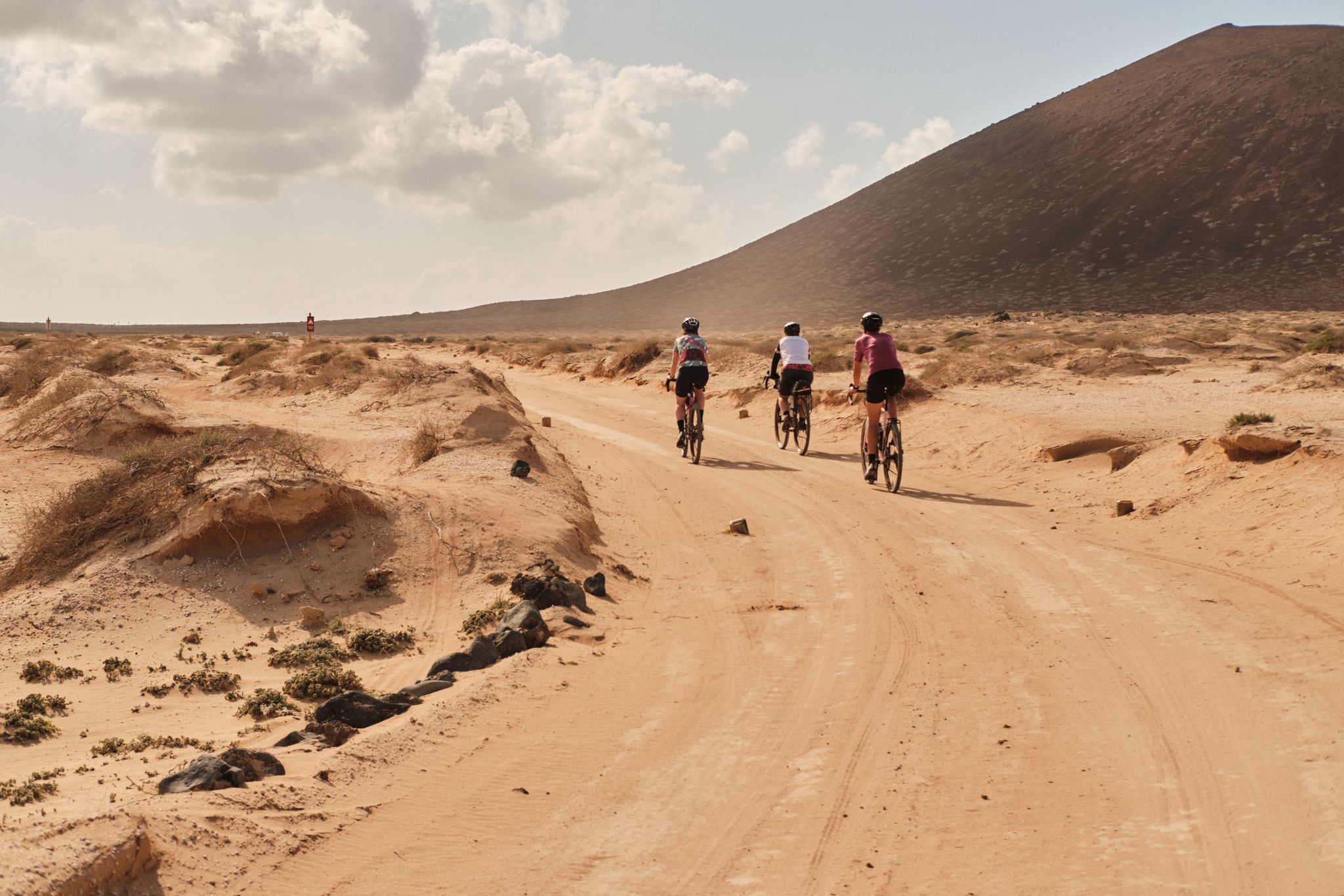
GranGuanche gravel – Komoot women's rally 2023
GranGuanche Audax Trail – my first ultra race on the Canary Islands
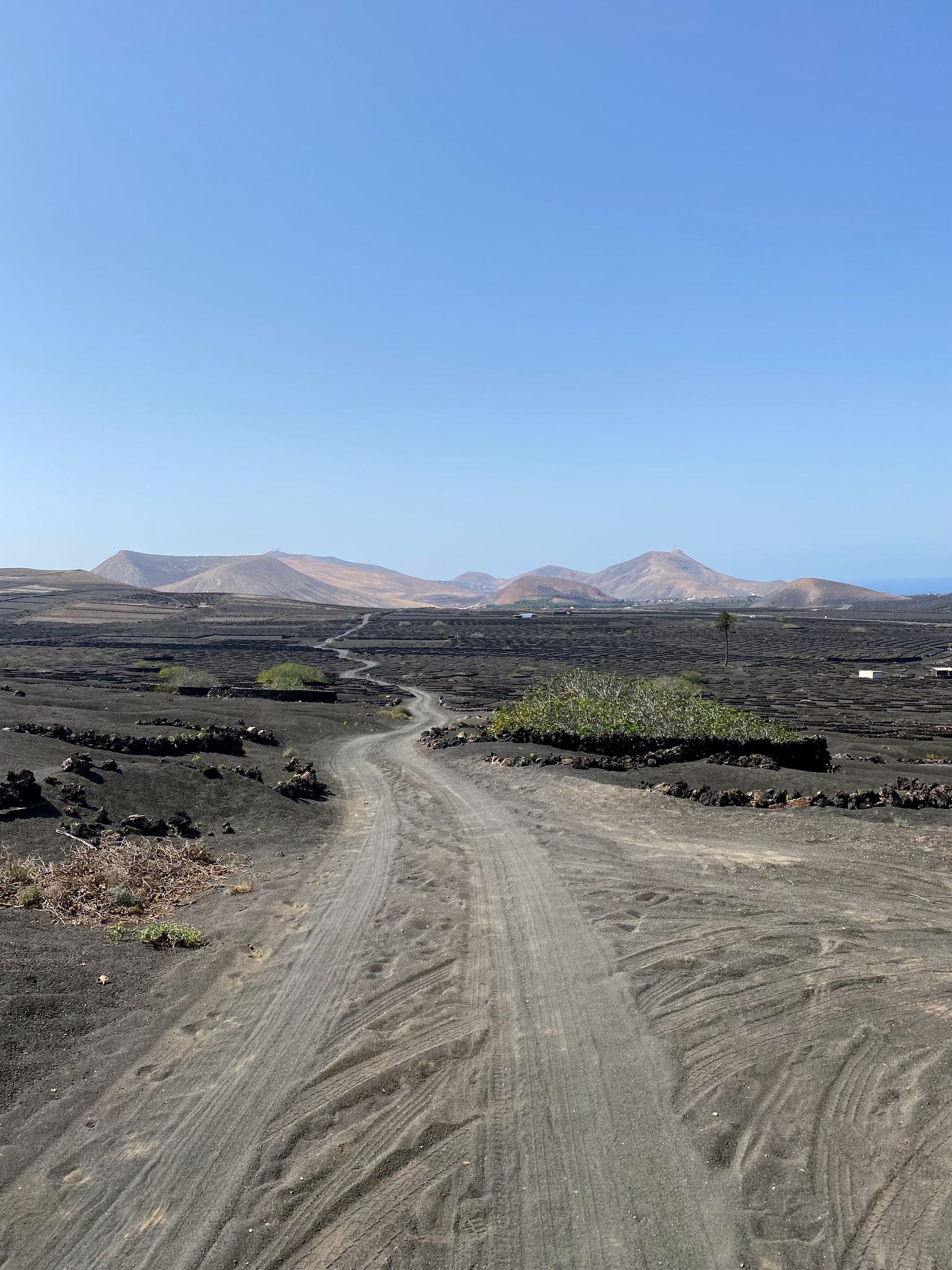
Bikepack in the Canary Islands – surprising adventures in the sun
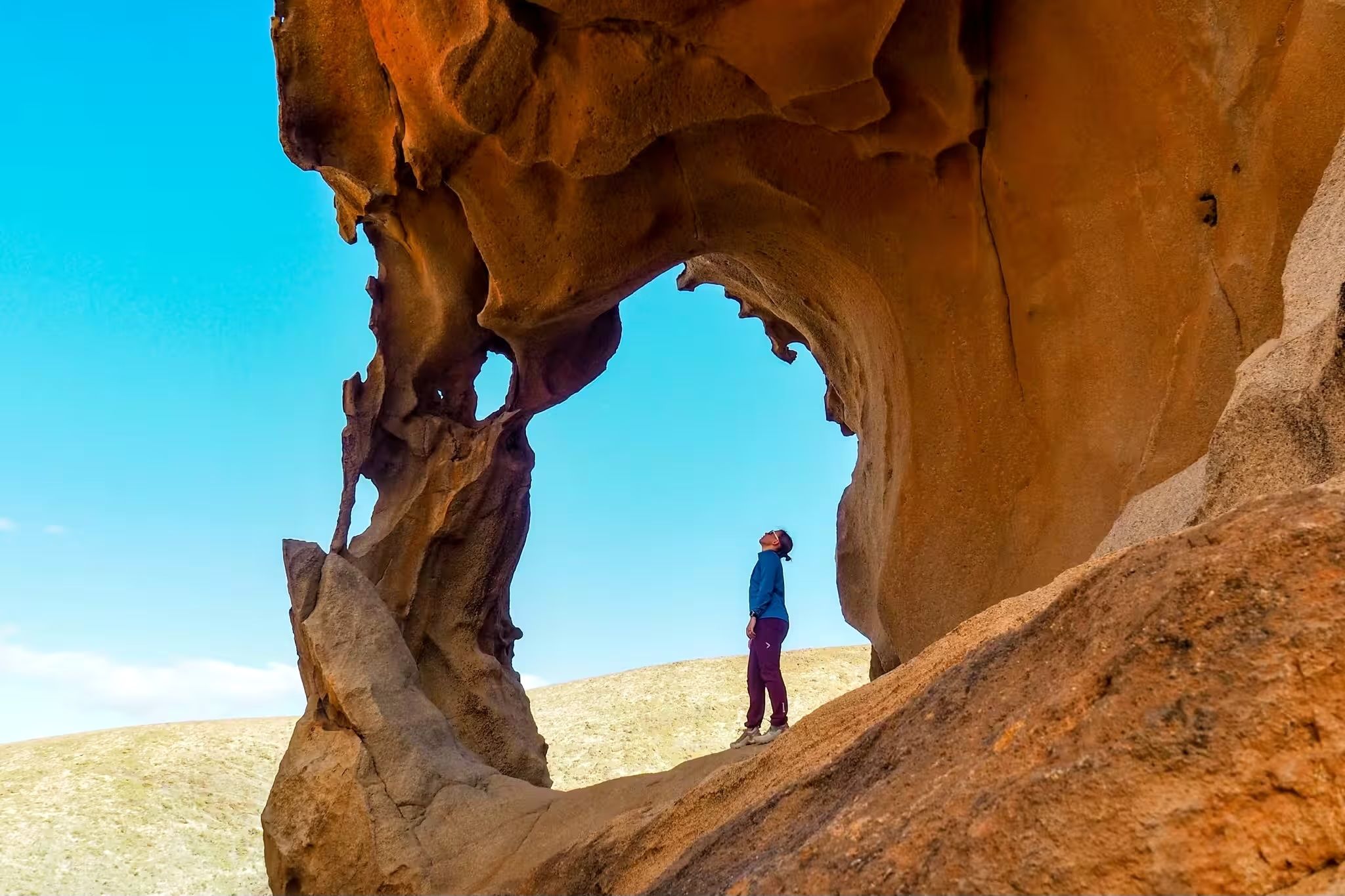
Canary Islands at a slow pace – six hikes immersed in nature
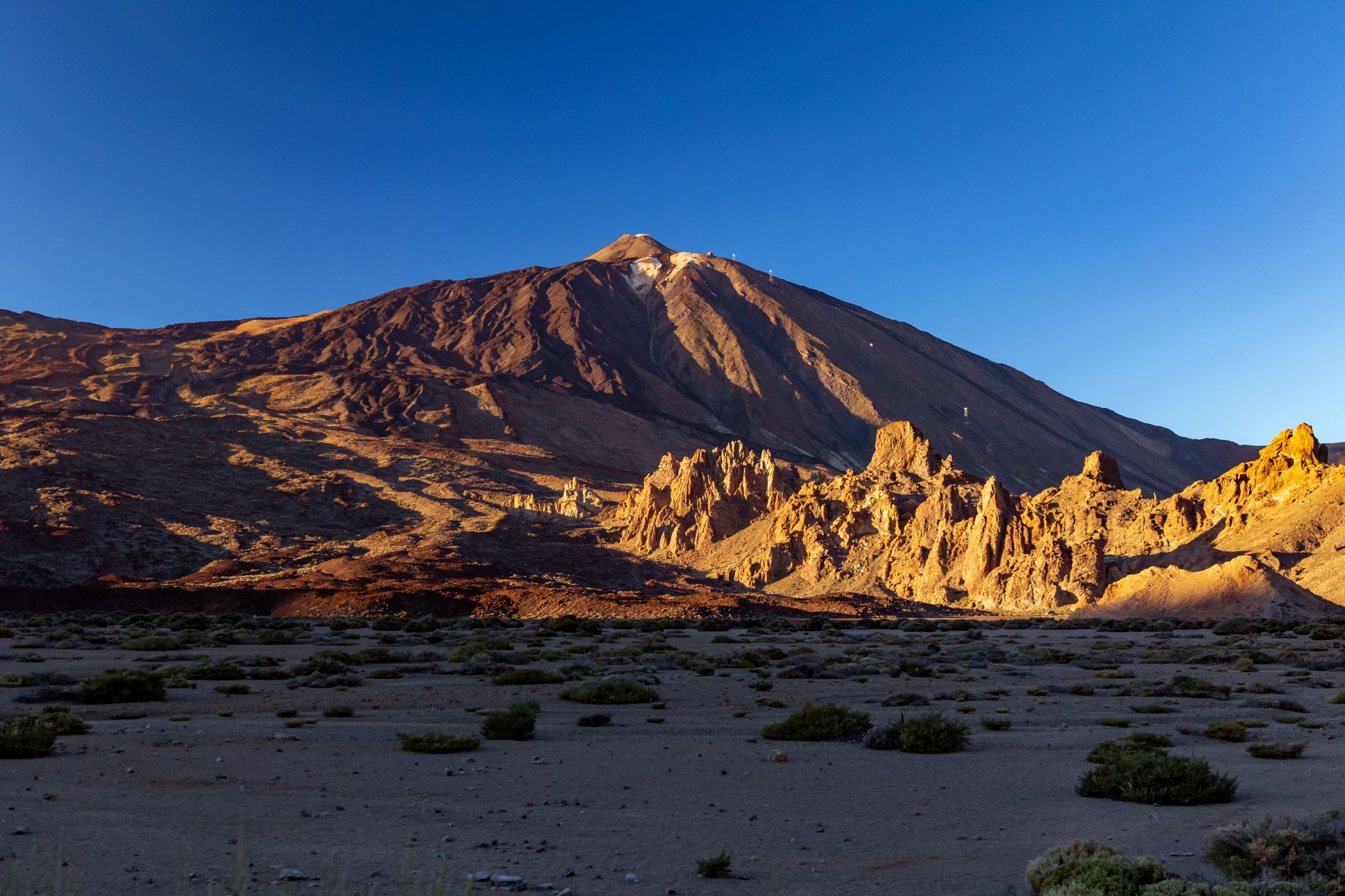
Six fascinating ways to discover the Canary Islands on foot
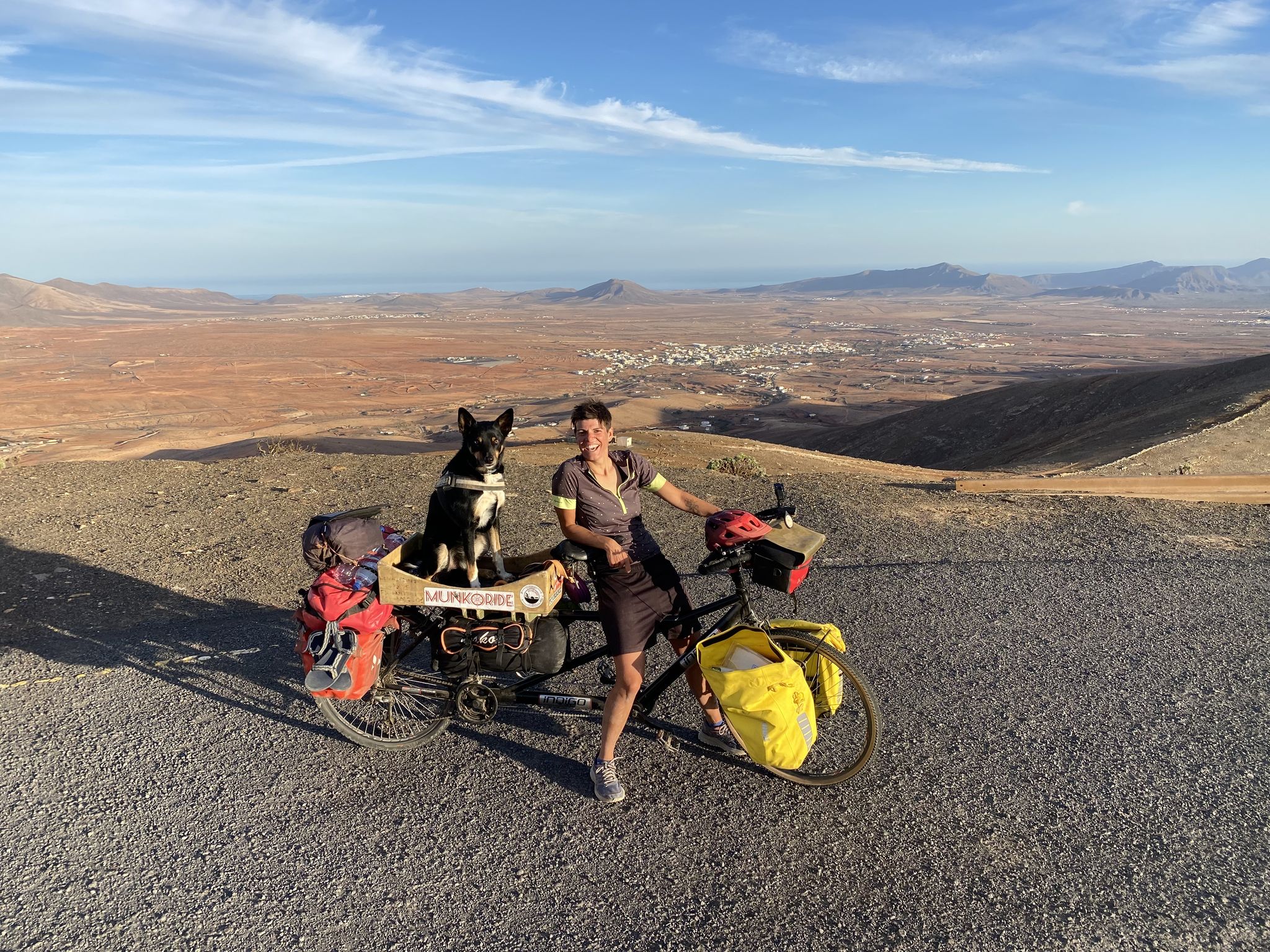
A lunar expedition – Fuerteventura on wheels
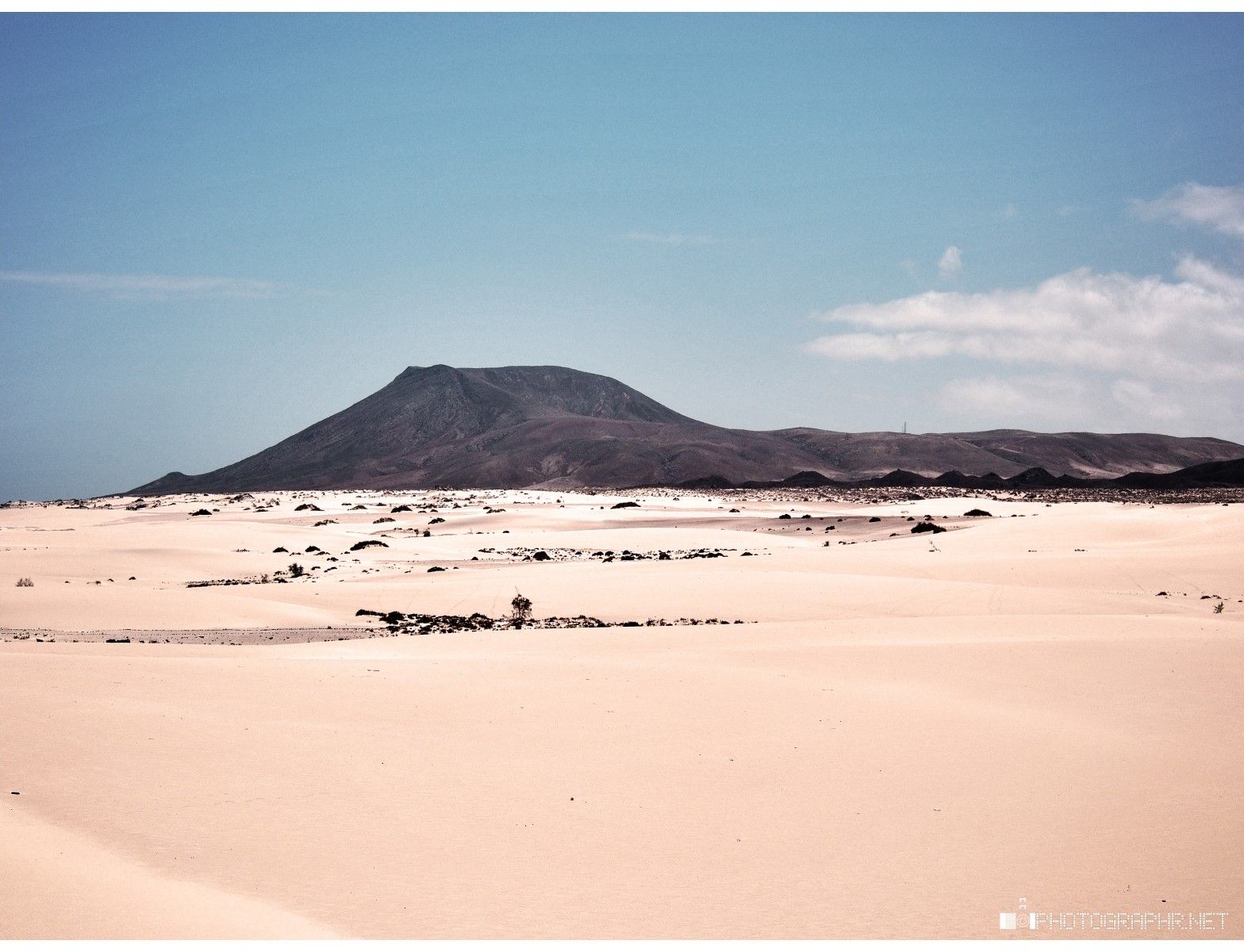
Land of sand and sea – Fuerteventura Nature Trail (GR 131)
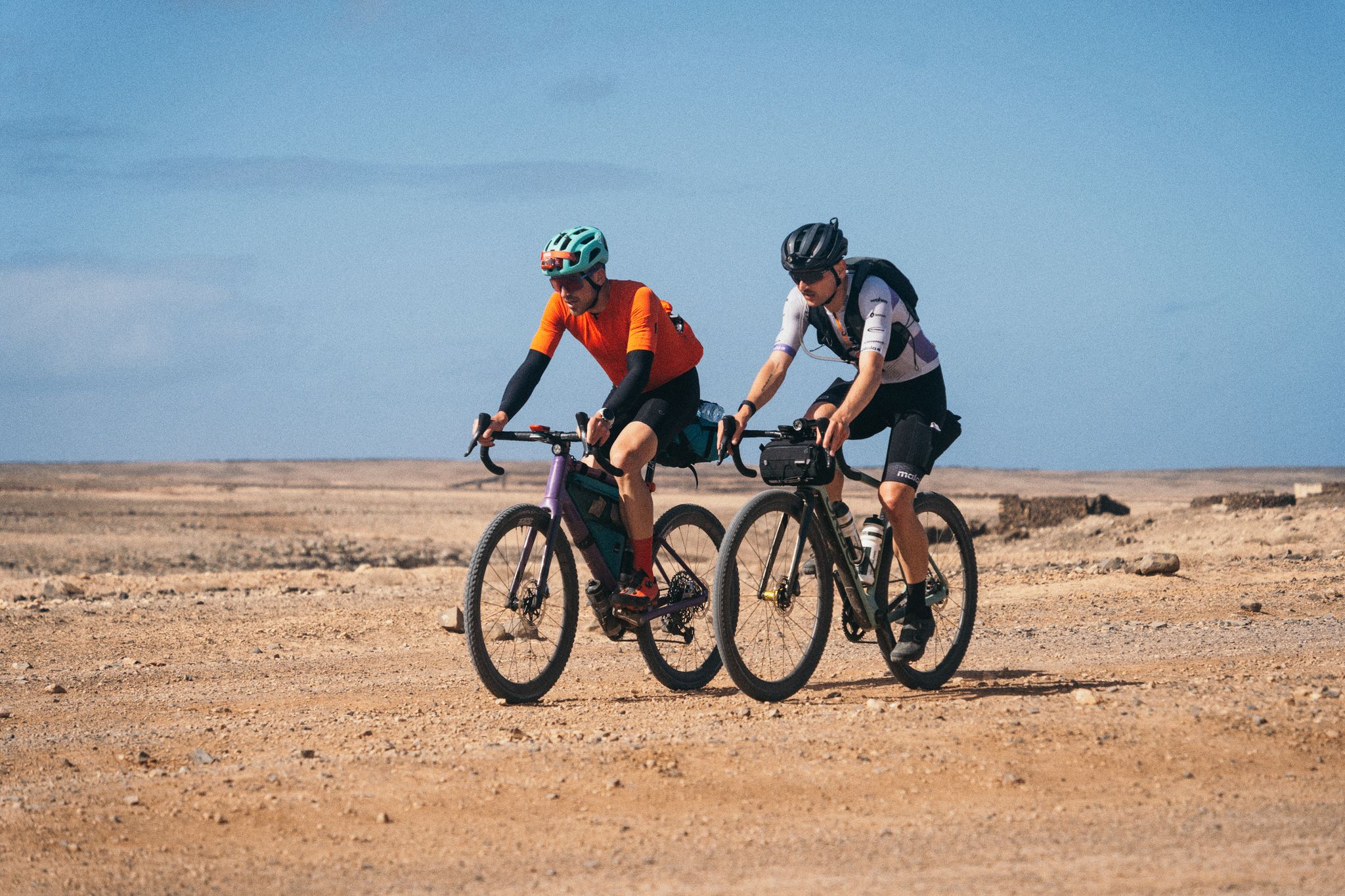
GranGuanche Audax Gravel — five islands in two and a half days
Hiking around La Oliva
Running Trails around La Oliva
Other adventures around La Oliva


Tips from the Community

The path is well-developed overall, but the last ascent to the crater is steep, rocky and requires sure-footedness. Crater approx. 70m deep. With a height of 278m, it is one of the island's highest mountains
0
0

As well as being fairly steep and loose, there is a sign at the base of the North-East ascent indicating that the path is closed from mid-February to July (I think) as its a bird nesting area.
0
0

have something to drink with you, nice path
1
0

We head to Lajares to discover a very popular route among travelers who come to Fuerteventura with the purpose of hiking. I am referring to the short itinerary SL-FV-2, of the Island Network of Integrated Trails in the GR-131, which takes us to the mouth of the crater of the Calderón Hondo Volcano, according to some, the most famous volcano in Fuerteventura and one of the best preserved craters on the island. It is a simple route that starts from the Los Lajares Artisan Market square in search of the parking lot for the Calderón Hondo Volcano trail, where you can also leave your vehicle, one and a half kilometers from the town, on the local road to Majanicho. , where you take the Camino de las Calderas in the direction of Montaña Colorada, a paved and sufficiently marked path to the mouth of the crater that allows no possible loss. Upon reaching the base of Montaña Colorada, we leave the continuation of the second stage of the GR 131 on the right and continue straight ahead, going up the slope, to shortly head to the left along the local trail SL-FV 2 Lajares–Calderón Hondo , which allows us to skirt the foothills of Montaña Colorada and continue to the hill that forms the northwest hill between the two colossi and which serves as support, through a pile of lava, for the Calderón Hondo Volcano, whose elevation can already be seen in its entirety. . A brief rest on the hill allows you to enjoy the panoramic views and have fun distinguishing the mountainous alignments. All that remains is to go up the steep slopes of the volcano to look into its fabulous crater, which is a kilometer and a half in development, in whose depths, at 70 meters, you can see yellowish tones that reveal the presence of sulfur and that contrast with the landscape of reddish, brown tones. and ochres, the result of oxidation, which we have been enjoying during the ascent. Fuerteventura is the island without National Parks, but with numerous natural and rural areas of real interest.
1
1

Very nice gently sloping beach
2
0

Playa El Viejo - great beach and great waves - perfect for relaxing.
2
1

Thanks to a well-developed hiking trail, you can easily get to the crater rim and take a look inside. If you are good on foot, you can walk around the crater. But please don't blow it over. Hiking sticks are recommended.
0
1

Magnificent uncrowded white sand beach.
2
0
Frequently Asked Questions
What are some of the most popular natural monuments to visit around La Oliva?
Visitors frequently enjoy the Bayuyo Summit for its panoramic views of Corralejo, Lobos Island, and Lanzarote. Another favorite is the Trail to Calderón Hondo Volcano, which offers a well-developed path to explore a volcano crater. The Corralejo Sand Dunes are also highly appreciated for their unique shifting sands and beautiful beaches.
Are there any natural monuments with historical or cultural significance in the La Oliva area?
Yes, Montaña de Tindaya, often called the 'Magic Mountain,' holds immense historical and spiritual importance. It features over 300 ancient rock engravings, primarily foot-shaped petroglyphs, believed to have religious significance to the indigenous Majos people. It's also a protected bird sanctuary.
What kind of unique geological features can I expect to see in the natural monuments near La Oliva?
The region is rich in volcanic landscapes. At Malpaís de la Arena Natural Monument, you can explore a rugged 'badlands' terrain formed by lava flows and craters, including the 420-meter-high Volcán de la Arena. This area also features 'hornitos,' small holes where volcanic gases were released. Montaña de Tindaya is notable for its unique reddish hue and trachyte rock composition.
Are there family-friendly natural monuments around La Oliva?
Yes, the Corralejo Sand Dunes are considered family-friendly, offering wide beaches and a unique landscape to explore. The Trail to Calderón Hondo Volcano is also a relatively simple route, making it suitable for families with children who enjoy walking.
What outdoor activities can I do near these natural monuments?
You can enjoy various outdoor activities. Hiking is popular, with trails like the Trail to Calderón Hondo Volcano. Cycling is also a great option; you can find numerous routes for gravel biking, road cycling, and mountain biking around La Oliva, many of which pass by or offer views of these natural sites.
What is the best time to visit the natural monuments in La Oliva?
Fuerteventura generally enjoys a mild climate year-round. The cooler months from October to May are ideal for hiking and exploring the natural monuments, as temperatures are more comfortable. During the summer, early mornings or late afternoons are best to avoid the midday heat.
Is it possible to visit Islote de Lobos, and are there any special requirements?
Yes, Islote de Lobos Natural Park is a small, uninhabited islet accessible by a short ferry ride from Corralejo. Due to its protected status, a permit is required to visit to help preserve its pristine environment. You can apply for this permit online before your visit.
Are there any natural monuments that offer extensive views of the surrounding area?
Absolutely. The Bayuyo Summit provides fantastic panoramic views of Corralejo, Lobos Island, and Lanzarote. From the summit of Volcán de la Arena within the Malpaís de la Arena Natural Monument, you can also get spectacular views of northern Fuerteventura, including Lobos Island and Corralejo.
What kind of wildlife can be observed in the natural monuments around La Oliva?
The natural monuments are home to diverse flora and fauna. Montaña de Tindaya is a protected bird sanctuary. Malpaís de la Arena hosts rare and protected flora, such as various species of tabaibas and lichens, and its lava flows provide habitat for invertebrate species. Islote de Lobos is known for its valuable habitats, numerous plant species (some endemic), and various seabirds and migratory birds.
Are there any specific hiking trails recommended for exploring the volcanic landscapes?
The Trail to Calderón Hondo Volcano is highly recommended for an immersive volcanic experience, allowing you to walk around the crater rim. Additionally, Malpaís de la Arena Natural Monument offers well-marked trails that allow for exploration of its unique lava fields and craters.
What should I bring when hiking in the natural monuments of La Oliva?
When hiking, it's advisable to bring plenty of water, especially on longer trails or during warmer months. Good sturdy footwear is recommended due to the often rocky and uneven volcanic terrain. Sun protection, including a hat and sunscreen, is also essential. Hiking sticks can be helpful on some steeper or gravelly paths.
Can I find places to eat or drink near the natural monuments?
While the natural monuments themselves are often pristine and undeveloped, you can typically find cafes and restaurants in nearby towns and villages. For example, after visiting the Calderón Hondo Volcano, you are close to Lajares, which offers dining options. Similarly, Corralejo, near the Sand Dunes, has numerous establishments.
Most popular attractions around La Oliva

Get inspired with the komoot mobile app


Explore more
Extend your search for the best caves by checking out these guides of the top ones around La Oliva:
