Top 20 Natural Monuments around Tías
Best natural monuments around Tías provide access to unique landscapes showcasing Lanzarote's volcanic origins and ecological adaptations. Tías, a municipality on Lanzarote, features a blend of geological interest and opportunities for outdoor activities. These sites include ancient volcanic formations and distinctive terrain. The area is characterized by its raw natural beauty and significant geological history.
Best natural monuments around Tías
- The most popular natural monuments is Caldera Blanca, a volcano that features impressive views and a curious history of…
Last updated: August 11, 2026
Caldera Blanca
Highlight • Volcano
Translated by Google •
Tip by

La Caldereta Crater
Highlight • Volcano
Translated by Google •
Tip by
Sign up now to discover places like this
Get recommendations on the best single tracks, peaks, & plenty of other exciting outdoor places.
Sign up for free
Islet and Caldera Blanca Trail
Highlight (Segment) • Volcano
Translated by Google •
Tip by
Timanfaya National Park
Highlight • Volcano
Translated by Google •
Tip by

Timanfaya National Park Entrance
Highlight • Volcano
Translated by Google •
Tip by

Sign up for free to discover even more natural monuments around Tías.
Sign up for free
Already have an account?
Start today with a free account
Your next adventure awaits.
Login or Signup


Tips from the Community


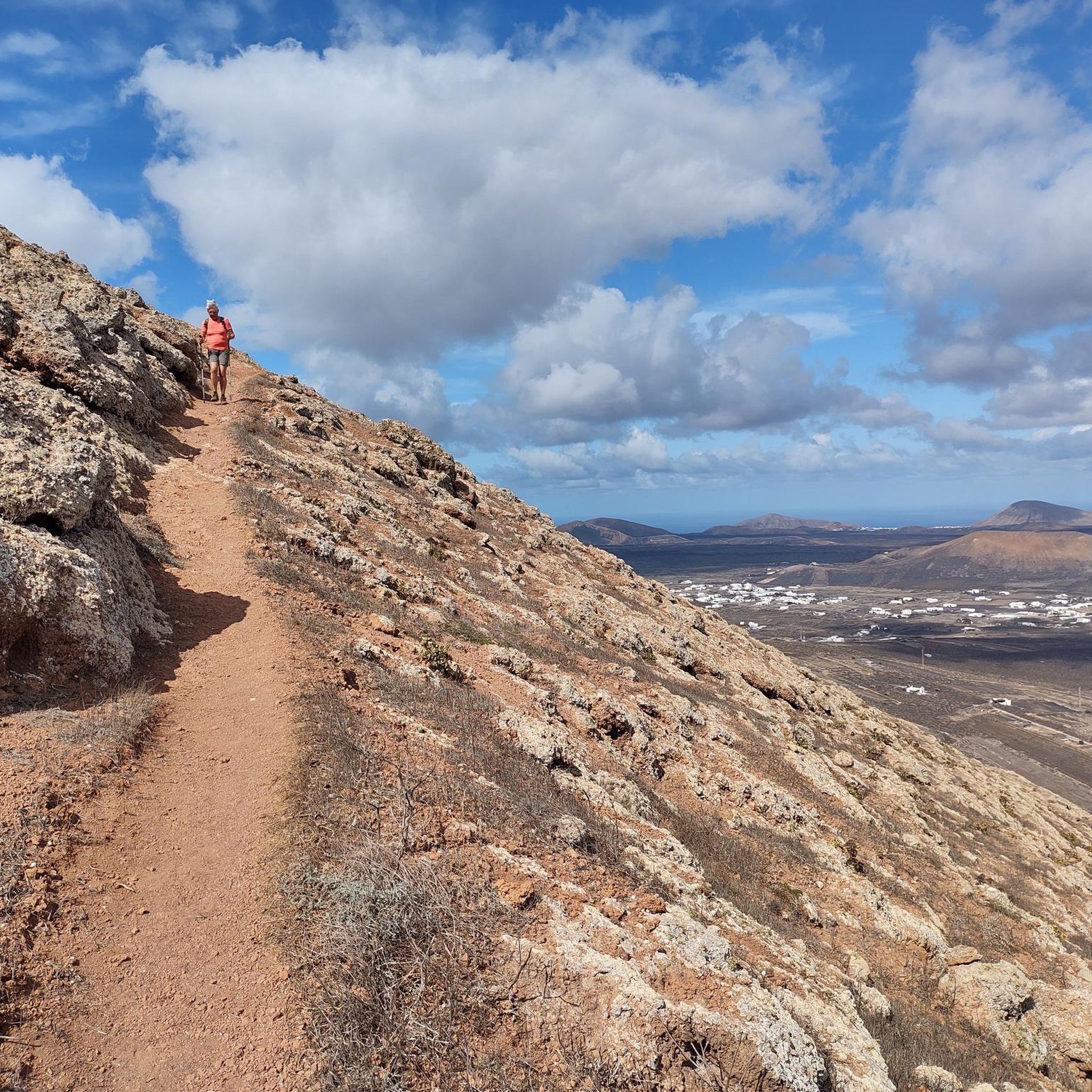
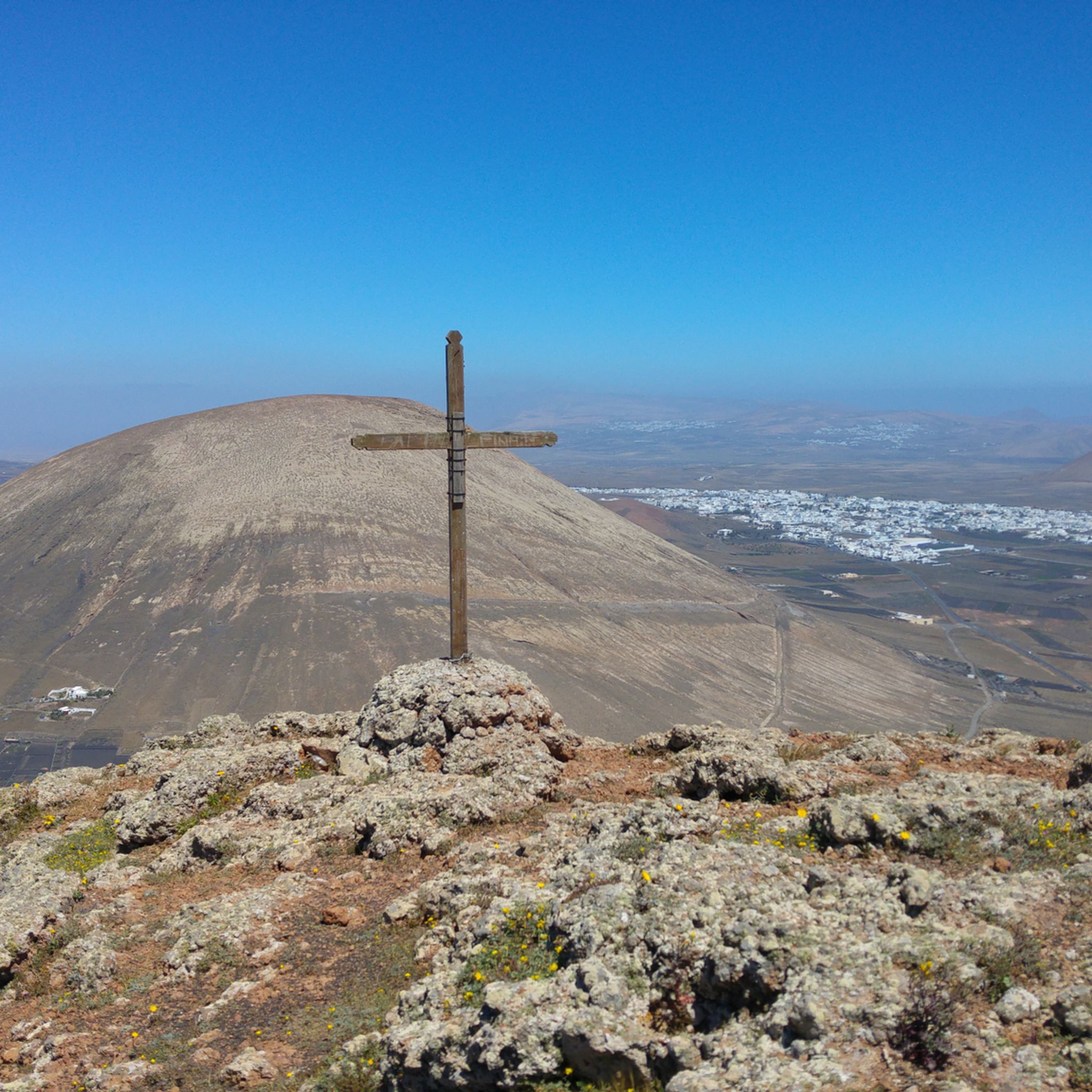
Such a crater is impressive and it is worth walking along the top
0
0
Such a crater is impressive and it is worth walking along the top
0
0


The volcanic crater of the smaller subsidiary volcano of the Caldera Blanca is also worth seeing
1
0

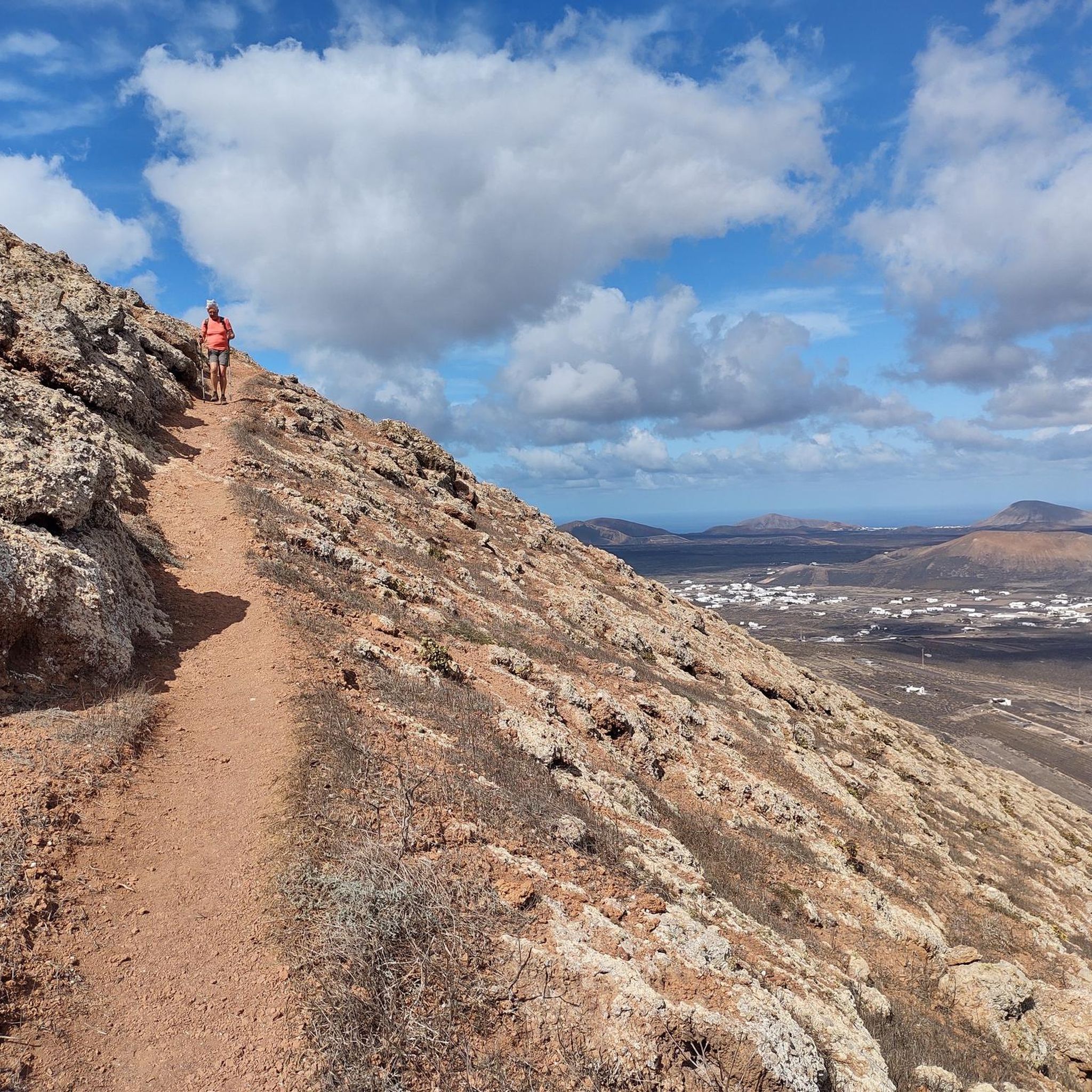
A special place, with impressive views and a curious history of geological formation in which two volcanic episodes are mixed. You can skirt the entire caldera, although the last section is a little more exposed and you can avoid it by going down to the path again. By the way, the caldera is more than a kilometer in diameter!
6
1
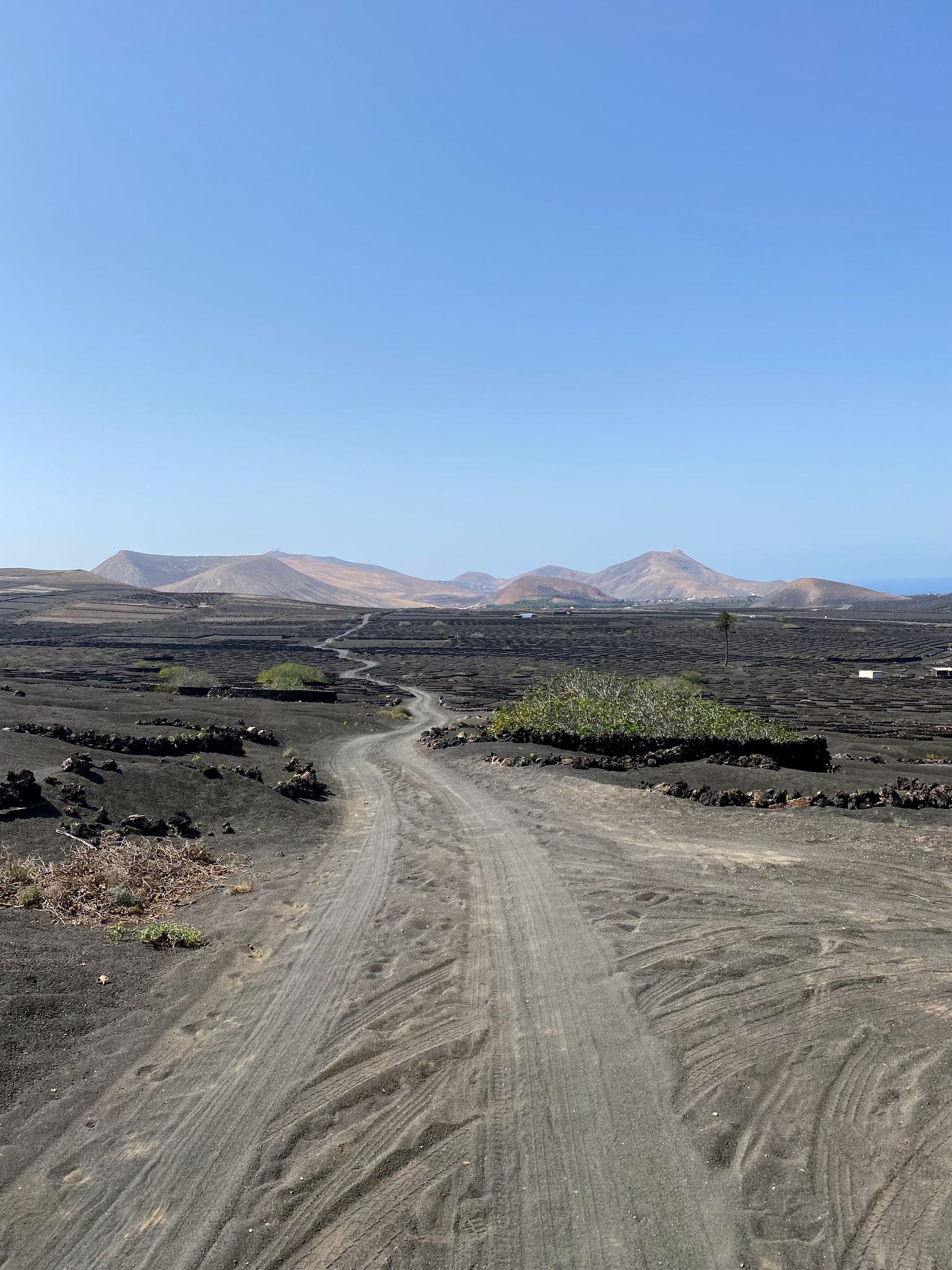
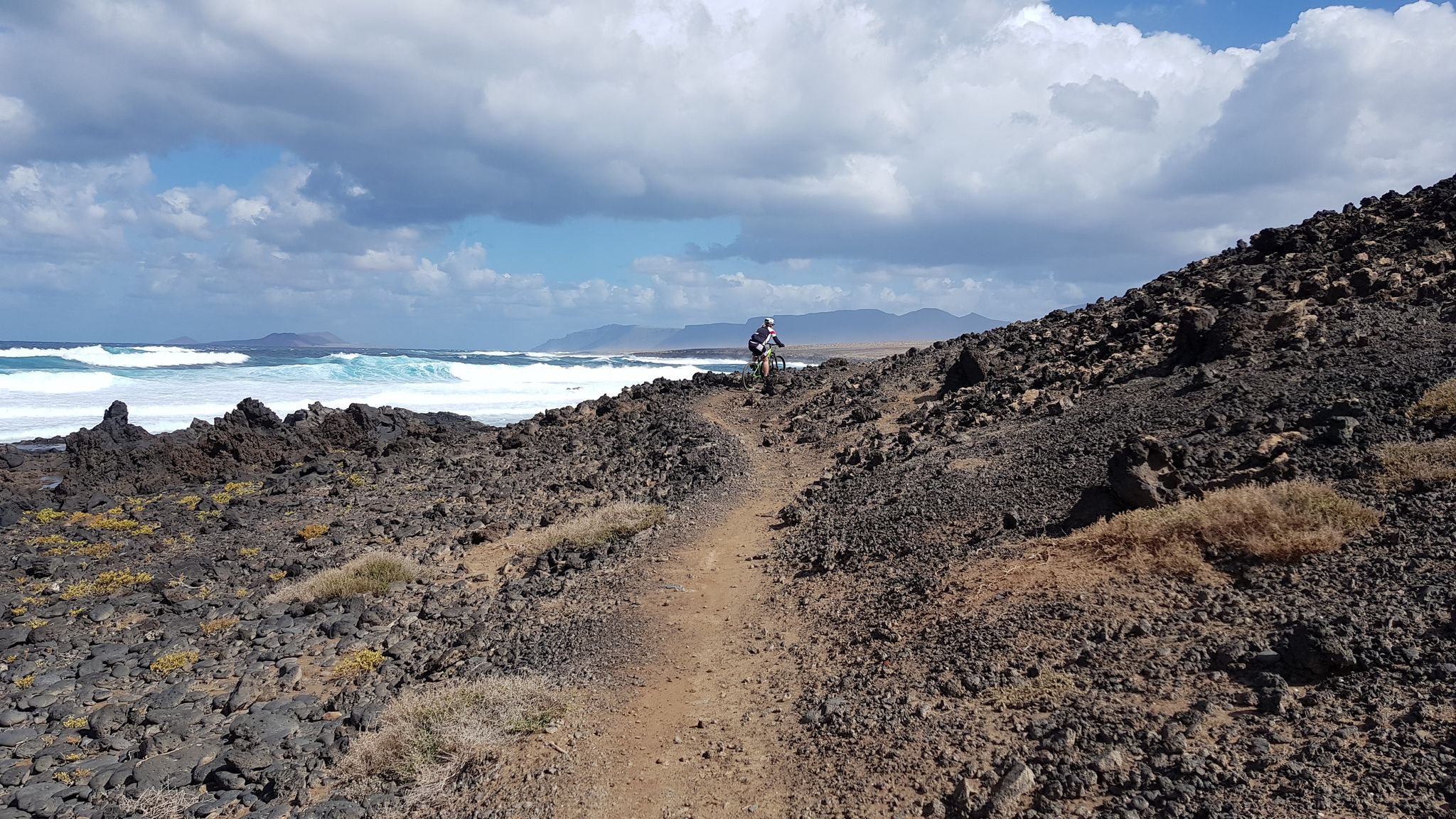
It is easy to understand the traditional name of this path when you see yourself surrounded by a sea of black lava and your destination is two literal islets. An almost lunar experience in which life is present in the form of centuries-old lichens that sprout on the stones despite the harsh conditions. The path is simple, but it is necessary to wear appropriate footwear and be protected from the sun and carry water, and it is advisable to go early in any case.
6
0
This is the first volcanic cone you encounter on the route. Its highest part is 325 meters above sea level and its caldera measures 300 meters in diameter. Its shape is somewhat oval and has an opening, which facilitates access to the bottom of the crater. For this reason, agriculture and livestock farming was practiced inside until the mid-20th century, since the craters accumulate more water and result in more fertile land than the outside.
8
1
Frequently Asked Questions
What are the most prominent natural monuments to visit around Tías?
The region around Tías is rich in volcanic landscapes. Key natural monuments include Caldera Blanca, known for its impressive views and large crater, and Timanfaya National Park, famous for its vast lava fields and geothermal activity. You can also explore La Caldereta Crater, which has a unique history of agricultural use within its caldera.
Are there family-friendly natural monuments or trails suitable for children near Tías?
Yes, the Caldera of the Crows (Caldera de Los Cuervos) is considered family-friendly. It offers an accessible path that allows you to comfortably enter the interior of the caldera, providing an engaging experience for all ages to explore a volcanic crater up close.
What kind of hiking experiences can I expect in the natural monuments around Tías?
You can find a range of hiking experiences. For instance, the trail around Islet and Caldera Blanca offers an almost lunar experience with ancient lichens, while the Monumento Natural de Los Ajaches provides trails along ancient royal roads, perfect for coastal or inland exploration towards Femés. Some trails, like the rim of Caldera Blanca, can be more exposed and require a good head for heights.
What is the best time of year to visit the natural monuments in Tías?
Lanzarote generally enjoys a mild climate year-round. However, for hiking and exploring natural monuments, the cooler months from October to May are often preferred to avoid the peak summer heat. Always remember to carry water and protect yourself from the sun, especially during midday.
Are there any natural monuments near Tías that are good for swimming or water activities?
Yes, Barranco del Quíquere, located just south of Puerto del Carmen, offers tranquil volcanic stone coves with calm, inviting waters ideal for swimming. Its rich seabed also makes it a popular spot for scuba diving and snorkeling, with several shipwrecks and reefs to explore.
What makes the Monumento Natural de Los Ajaches significant?
Monumento Natural de Los Ajaches is one of the Canary Islands' oldest geological formations, dating back eleven million years. It features dramatic peaks, ravines, and cliffs, and is of great scientific interest due to its paleontological sites. It also shelters some of Lanzarote's most beautiful beaches, including the renowned Papagayo Beaches, and is a Special Protection Area for birds.
Can I find any unique wildlife or plant life in the natural monuments around Tías?
The volcanic landscapes, while seemingly barren, host resilient life. You can observe centuries-old lichens clinging to stones, particularly around areas like Caldera Blanca. The Monumento Natural de Los Ajaches is recognized as a Special Protection Area for birds (ZEPA), indicating its importance for avian species. The marine environment of Barranco del Quíquere also boasts rich biodiversity.
What kind of outdoor activities can I do near the natural monuments around Tías?
Beyond hiking, the area around Tías offers various outdoor activities. You can find excellent options for running trails, gravel biking, and road cycling routes. Many of these routes pass through or offer views of the unique volcanic landscapes and coastal areas.
What should I wear or bring when visiting the natural monuments in Tías?
When exploring the natural monuments, it's advisable to wear appropriate footwear, such as sturdy hiking shoes, especially on rocky or uneven terrain. Protection from the sun is crucial, so bring a hat, sunglasses, and sunscreen. Always carry sufficient water, as facilities can be sparse in these natural areas.
Are there any natural monuments around Tías that offer spectacular viewpoints?
Absolutely. Caldera Blanca offers sensational views into its vast crater and across the surrounding 'lunar' landscape. The high peaks of Monumento Natural de Los Ajaches, reaching up to 560 meters, also provide breathtaking panoramic views of the coast and inland areas.
What historical context is associated with the natural monuments in Tías?
The natural monuments around Tías are deeply rooted in Lanzarote's geological history. Monumento Natural de Los Ajaches is one of the oldest formations in the Canary Islands, preserving ancient royal roads. The volcanoes like Caldera of the Crows and Timanfaya National Park are direct results of significant volcanic eruptions in the 18th century, shaping the island's dramatic landscape.
Is it possible to access the natural monuments around Tías by public transport?
While some areas might be accessible by public transport to nearby towns, many natural monuments, especially trailheads, are best reached by car. It's recommended to check local bus routes for specific destinations, but for flexibility and access to more remote sites, a car is often the most convenient option.
Most popular attractions around Tías

Get inspired with the komoot mobile app


Explore more
Extend your search for the best caves by checking out these guides of the top ones around Tías:
