Top 13 Mountain Passes around Alcalà De Xivert
Best mountain passes around Alcalà De Xivert are found in a region characterized by its location between the Serra d'Irta and Serra de les Talaies mountain ranges. This area offers a diverse landscape of rugged coastal paths and Mediterranean forests. Historical landmarks, such as Xivert Castle, are integrated into many routes, providing cultural context to the natural terrain. The highest point in the Serra d'Irta reaches an elevation of 572 meters, contributing to the varied mountain terrain elevation.
Best mountain…
Last updated: July 1, 2026
Puerto de la Serratella
Highlight (Segment) • Mountain Pass
Showing Translation
Tip by

Cabanes Pass
Highlight • Mountain Pass
Translated by Google •
Tip by
Sign up now to discover places like this
Get recommendations on the best single tracks, peaks, & plenty of other exciting outdoor places.
Sign up for free
Mallada de la Rabossa
Highlight • Trail
Translated by Google •
Tip by

El Portell
Highlight • Mountain Pass
Translated by Google •
Tip by
Trail to Coll de la Bota and Polpís Castle
Highlight • Trail
Translated by Google •
Tip by
Sign up for free to discover even more mountain passes around Alcalà De Xivert.
Sign up for free
Already have an account?
Start today with a free account
Your next adventure awaits.
Login or Signup
Popular around Alcalà De Xivert
On the road to the sun — bikepacking to southeast Spain
La Vuelta 26 — All Official Stages
Road Cycling Routes around Alcalà De Xivert
Hiking around Alcalà De Xivert
Cycling around Alcalà De Xivert
MTB Trails around Alcalà De Xivert
Running Trails around Alcalà De Xivert

Gravel biking around Alcalà De Xivert
Other adventures around Alcalà De Xivert


Tips from the Community

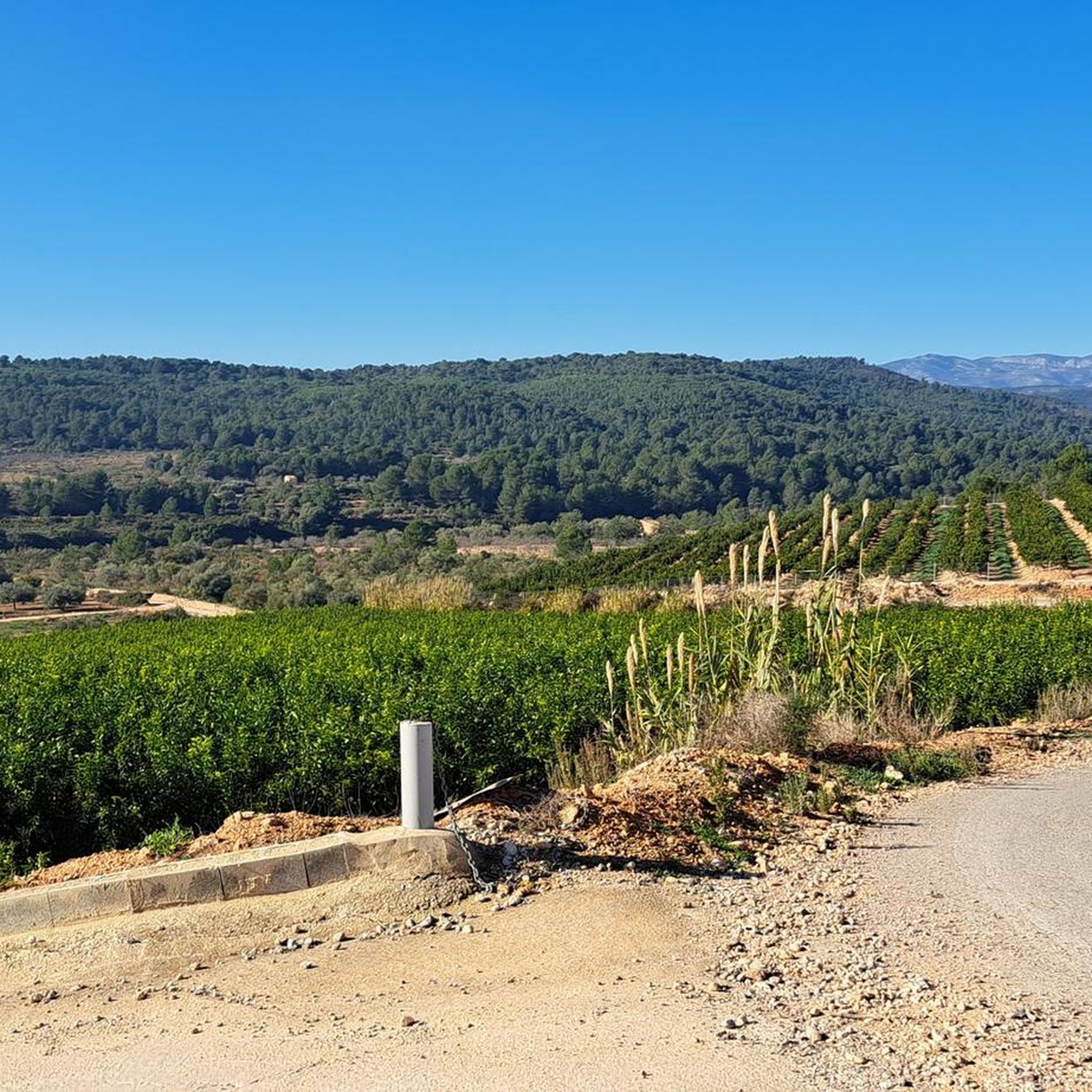
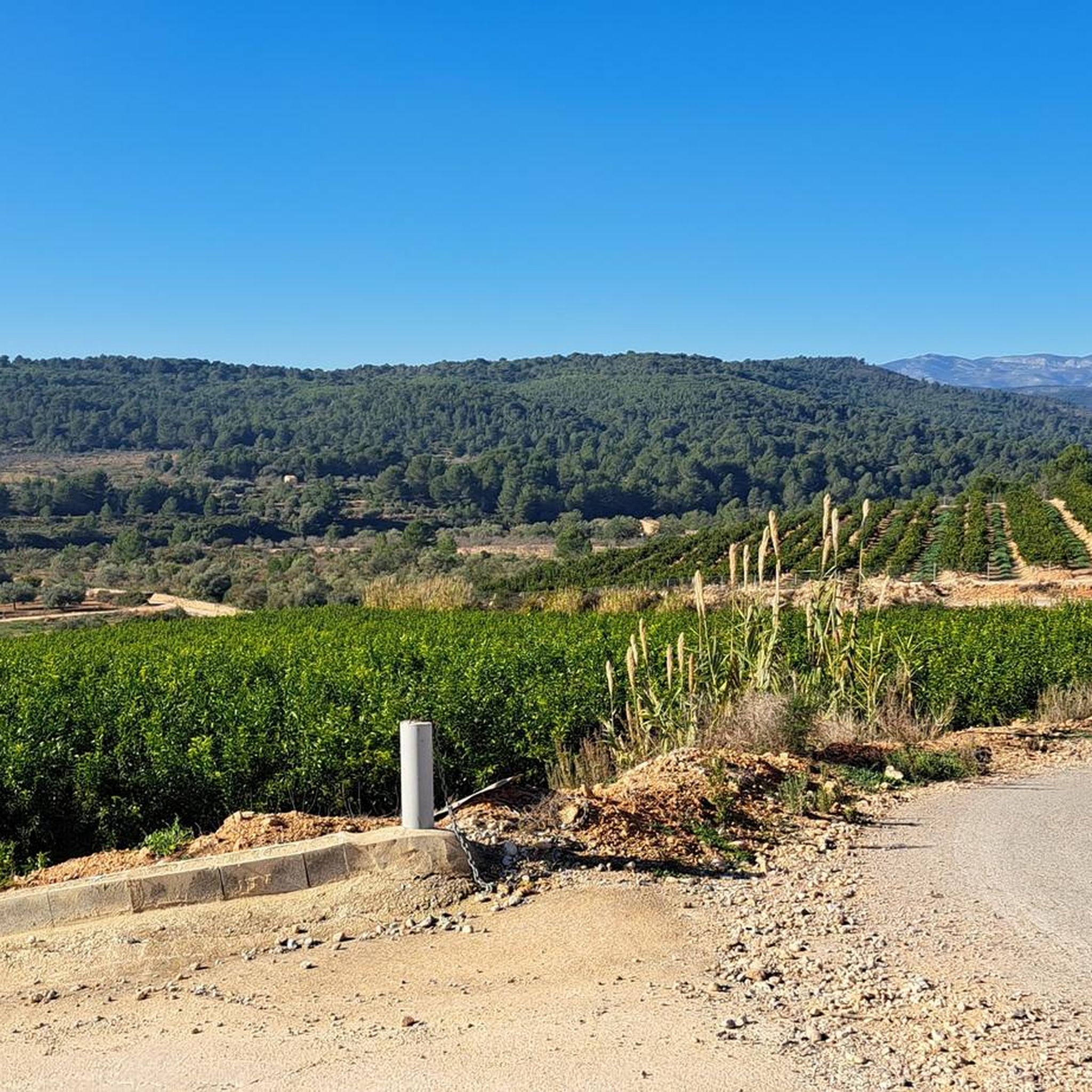
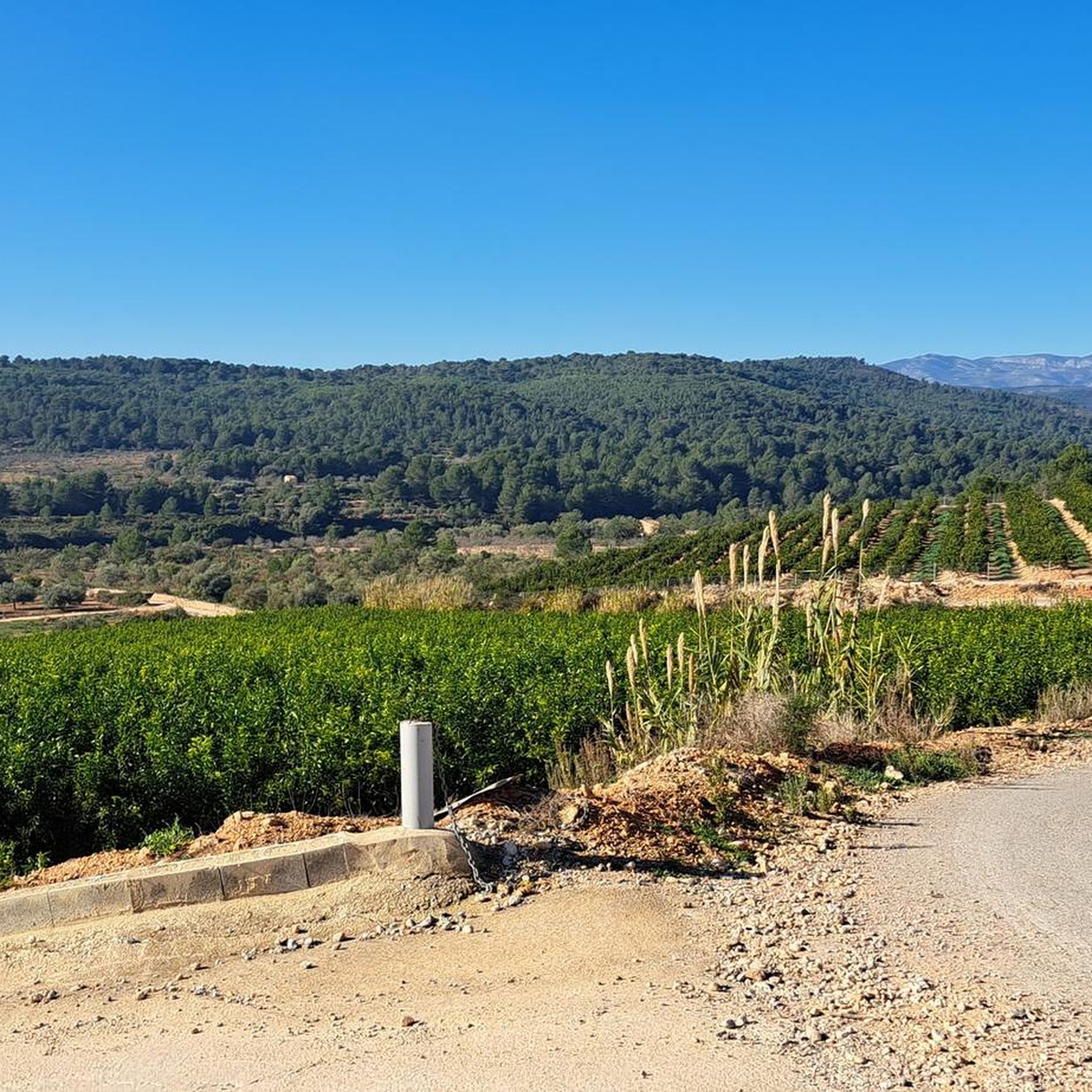
Collado that divides the Alcalà valley with the Estopet valley. In this, spectacular views of the whole valley and the sea.
1
0
A hill that is before reaching the Polpís forest deposit and by path we can go towards the Coll de la Palma or go down to Mas del Senyor. Excellent views.
0
0
At this crossroads the track leaves and, with a steep slope, goes up to the Mallada de la Rabossa, the Templar Castle of Polpís and the Coll de la Bota. In the upper part of the Sierra there are various trails to make a wide variety of routes.
1
0

It is a beautiful and entertaining climb, without major complications and with magnificent views. In the first part, we start with gentle slopes, which will be very useful for "warming up" the legs, as from km. 4 things get a bit more serious. The gradient will start to increase, with some ramps close to 10%, and hairpin bends will appear, until we reach a first pass at km. 12. Afterwards, we will have a short rest with a descent included to the village of Serratella, and we will only have the final stretch, quite gentle, until we reach the summit at 844 m. altitude. At that point, we can decide between descending towards Albocàsser, or giving ourselves a little "warm-up" by climbing to the hermitage of S. Juan Nepomuceno via a paved track that goes off to our left, about 500 m. long and with ramps of 20%, until we reach an altitude of 920 m.
1
0
At this junction the track suitable for vehicles begins, which goes up to Pulpís Castle and Alto de la Bota. The descent to the castle is prohibited by vehicle, you must go down on foot.
1
0

The Port of Cabanes is a classic Plana Alta cyclist. It presents gentle slopes around 2-3% at the beginning, after 5 km the slope increases to the maximum with ramps at 8%. The surface is very good and the width of the road is normal, although it can be narrow in sections. In the summer months it can be quite demanding due to the lack of shade. In general, it is usually crowded by cyclists, although less so by car traffic.
5
3
With its almost 14 kilometers in length and overcoming just over 540 meters, this third-category mountain pass is demanding but also rewarding with the views you'll have along the entire route, especially once you get to the top. Go at your own pace and enjoy it!
6
0

Long port to take it easy. Enjoy the climb and top it off with a coffee in town!!
6
1
Frequently Asked Questions
What are some of the most scenic mountain passes in Alcalà De Xivert?
The region offers several passes with stunning views. El Portell is a panoramic location that divides the Valley of Estopet with the Valley of Alcalà de Xivert, offering views of the entire valley, the sea, and the Santa Lucía Hermitage. Another highly recommended spot is Puerto de la Serratella, which provides demanding sections but rewards with extensive views throughout the journey, especially from its 844-meter summit.
Are there mountain passes suitable for cycling in Alcalà De Xivert?
Yes, the area is popular with cyclists. Cabanes Pass is a classic route for cyclists in Plana Alta, featuring gentle slopes at the start and increasing to ramps around 8% after 5 km. It has a good surface and is frequently used by the cycling community. For more cycling options, explore the Cycling around Alcalà De Xivert guide.
What kind of historical landmarks can I find near the mountain passes?
The region is rich in history. The Trail to Coll de la Bota and Polpís Castle leads to the Templar Castle of Polpís. Additionally, the Xivert Castle, an ancient Islamic fortification later controlled by the Order of the Templars, is located at approximately 389 meters on Xivert mountain and offers significant historical context along with breathtaking coastal views.
What outdoor activities can I do near these mountain passes?
Beyond exploring the passes themselves, Alcalà De Xivert offers a variety of outdoor activities. You can find numerous routes for hiking, cycling, and gravel biking. The Serra d'Irta Natural Park, for instance, provides extensive routes for more strenuous mountain ascents and exploration of its diverse flora and fauna.
Are there any challenging mountain routes for experienced hikers or cyclists?
Yes, for those seeking a challenge, the Puerto de la Serratella is a demanding mountain pass with an elevation gain of over 540 meters and ramps around 10%. For hikers, the 'Natural Park of Serra d'Irta — Circular from Alcocebre' is a difficult 28.0 km route that requires good fitness and explores rugged terrain and coastal views.
What natural features can I expect to see while exploring the mountain passes?
The region is characterized by its diverse natural landscape. You'll encounter rugged coastal paths, Mediterranean forests, and varied terrain within the Serra d'Irta Natural Park. Many passes, like El Portell, offer panoramic views of valleys and the sea, while areas like Mallada de la Rabossa serve as viewpoints and connection points within the mountainous landscape.
What is the best time of year to visit the mountain passes in Alcalà De Xivert?
While the region can be enjoyed year-round, the summer months can be quite demanding due to the lack of shade on some routes, such as Cabanes Pass. Spring and autumn generally offer more moderate temperatures, making them ideal for outdoor activities and enjoying the passes comfortably.
Are there family-friendly hiking options near the mountain passes?
While specific 'family-friendly' categories aren't always assigned to mountain passes, many routes in the region offer moderate options. The 'Xivert Castle Loop' is a moderate 8.0 km trail that takes about 2 hours and 32 minutes, leading to the ancient Xivert Castle and offering historical interest along with scenic views, which could be suitable for families with older children. Always check the difficulty and length before heading out.
Where can I find routes that combine mountain passes with coastal views?
Many routes in Alcalà De Xivert offer a blend of mountainous terrain and stunning coastal vistas. The Xivert Castle ascent provides panoramic views of the Mediterranean coast. Additionally, the 'View of Ermita de Santa Llúcia – White Cove loop from Alcossebre' is a moderate 14.7 km trail that traverses coastal hills and leads to the Santa Lucía hermitage, offering elevated viewpoints over the coast.
What do visitors enjoy most about the mountain passes in Alcalà De Xivert?
Visitors frequently praise the breathtaking views and the sense of accomplishment from tackling the climbs. Tips for passes like Puerto de la Serratella highlight the 'comforting due to the views' and the opportunity to 'enjoy the climb and top it off with a coffee in town!!'. The combination of natural beauty, challenging terrain, and historical elements makes for a rewarding experience.
What is the highest point in the mountain ranges around Alcalà De Xivert?
The highest point in the Serra d'Irta, one of the mountain ranges flanking Alcalà De Xivert, is Campanilles, reaching an elevation of 572 meters. However, some routes, like the optional extension at Puerto de la Serratella, can take you up to 920 meters of altitude to the hermitage of S. Juan Nepomuceno.
Most popular routes around Alcalà De Xivert
Most popular attractions around Alcalà De Xivert

Get inspired with the komoot mobile app


Explore more
See even more epic mountain passes by checking out these guides around Alcalà De Xivert:
