Top 20 Natural Monuments around Torralba De Calatrava
Best natural monuments around Torralba De Calatrava are characterized by the volcanic landscape of the Campo de Calatrava, offering unique geological and ecological experiences. The region features remnants of ancient volcanic activity, creating distinct formations, moorlands, and eroded rocks. This area is also home to significant wetland ecosystems and saline lagoons, shaped by both river overflows and groundwater discharge. Exploring these natural features provides insight into the geological history and diverse environments of the Iberian Peninsula.
Best natural monuments around…
Last updated: July 1, 2026
Tablas de Daimiel National Park
Highlight • Natural Monument
Translated by Google •
Tip by

Laguna del Prado
Highlight • Lake
Translated by Google •
Tip by

Sign up now to discover places like this
Get recommendations on the best single tracks, peaks, & plenty of other exciting outdoor places.
Sign up for free
Observation point
Highlight • Viewpoint
Observatories at the Permanent Lagoon: This 800-meter linear trail takes …
Translated by Google •
Tip by
Pozuelo de Calatrava
Highlight • Settlement
Translated by Google •
Tip by
Emperor's Baths
Highlight • Natural Monument
Translated by Google •
Tip by
Sign up for free to discover even more natural monuments around Torralba De Calatrava.
Sign up for free
Already have an account?
Start today with a free account
Your next adventure awaits.
Login or Signup
Popular around Torralba De Calatrava
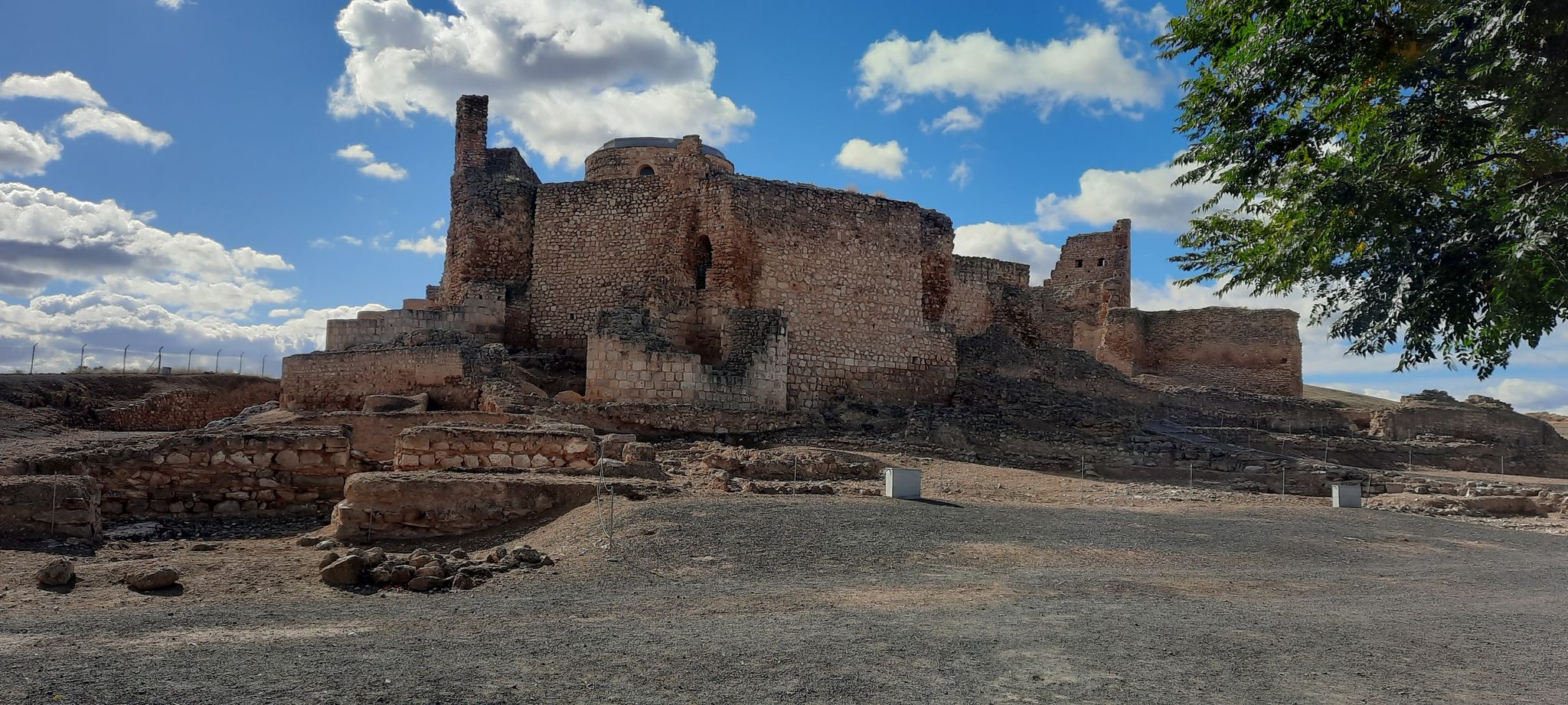
Old volcanoes and castles – bikepacking through Campo de Calatrava
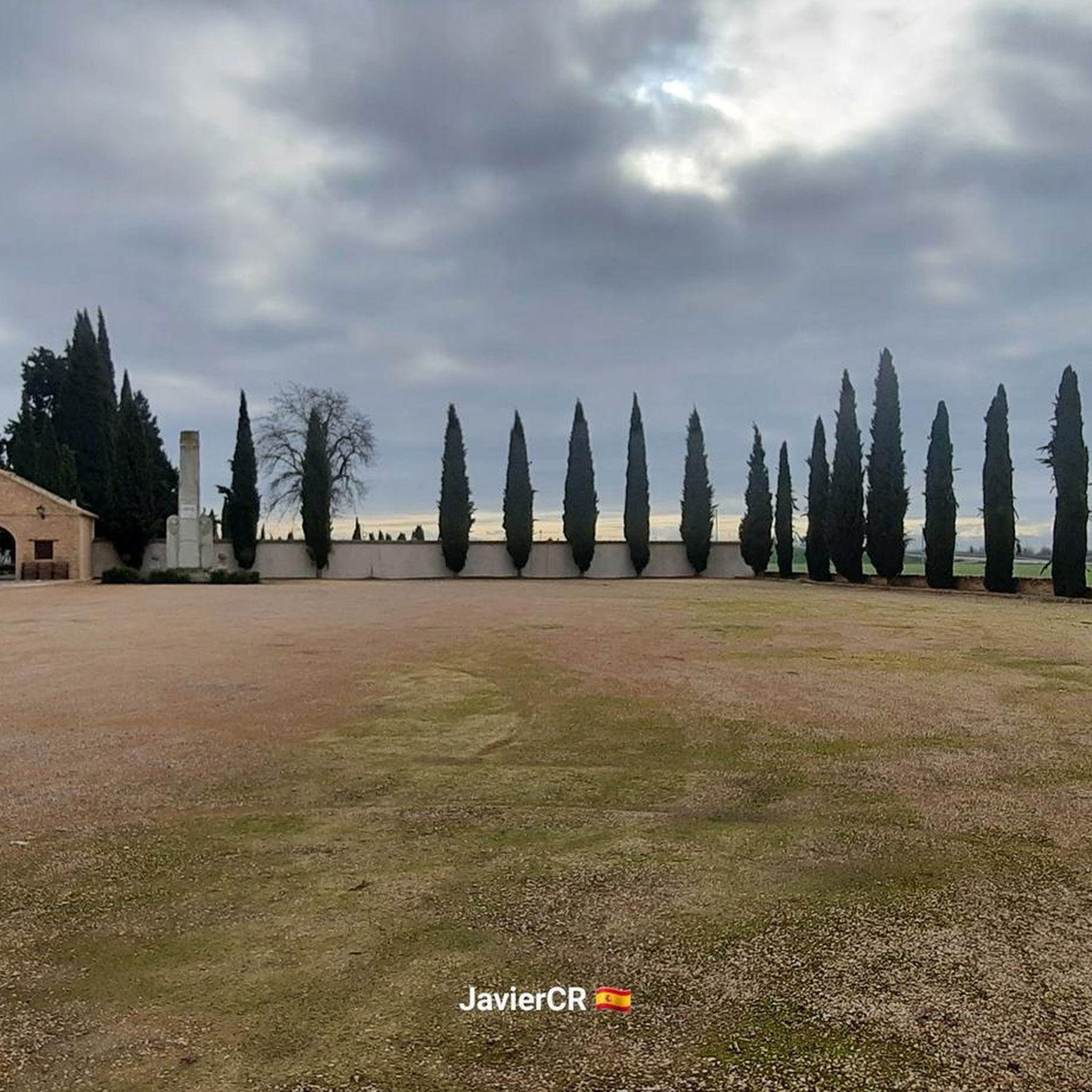
Hiking around Torralba De Calatrava
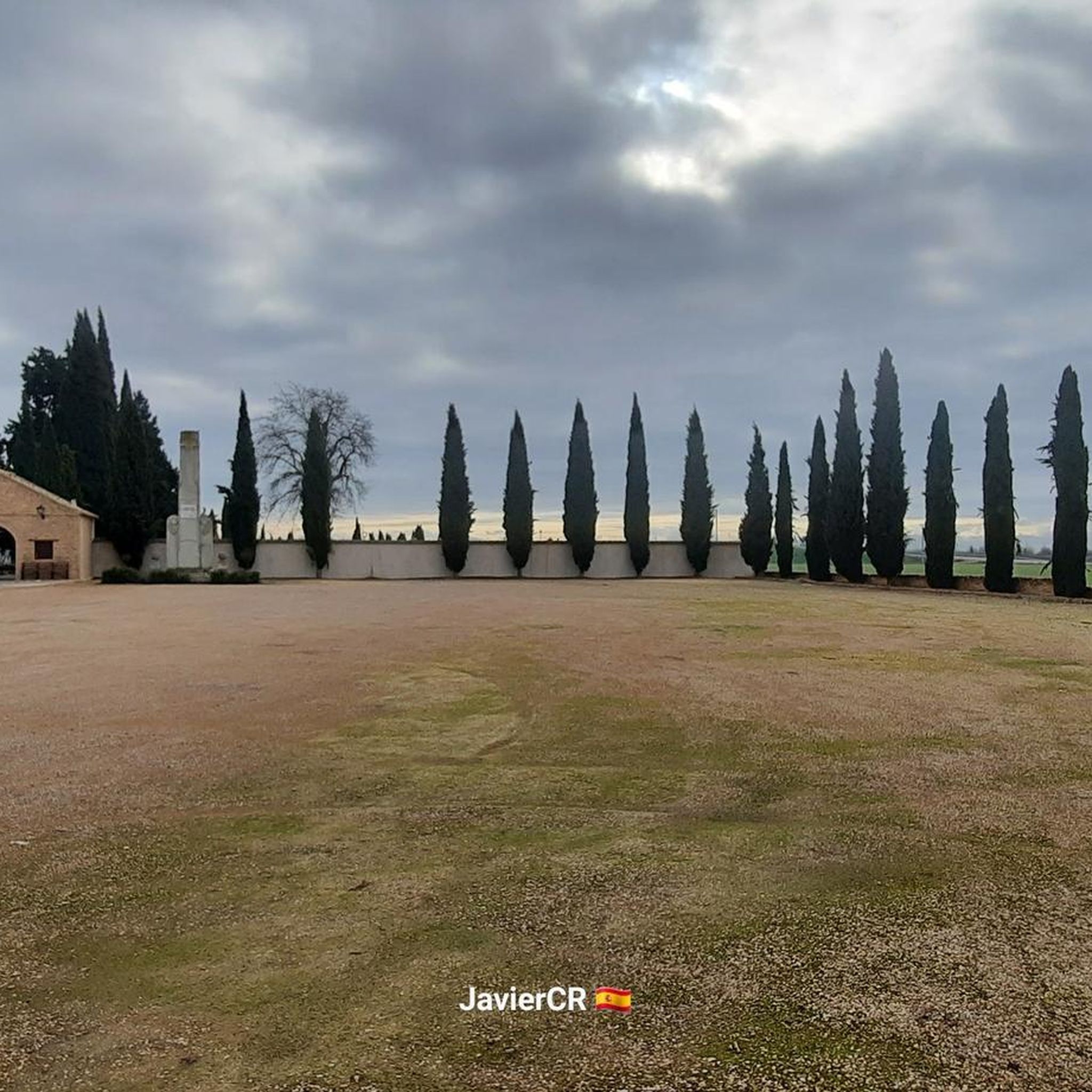
Road Cycling Routes around Torralba De Calatrava
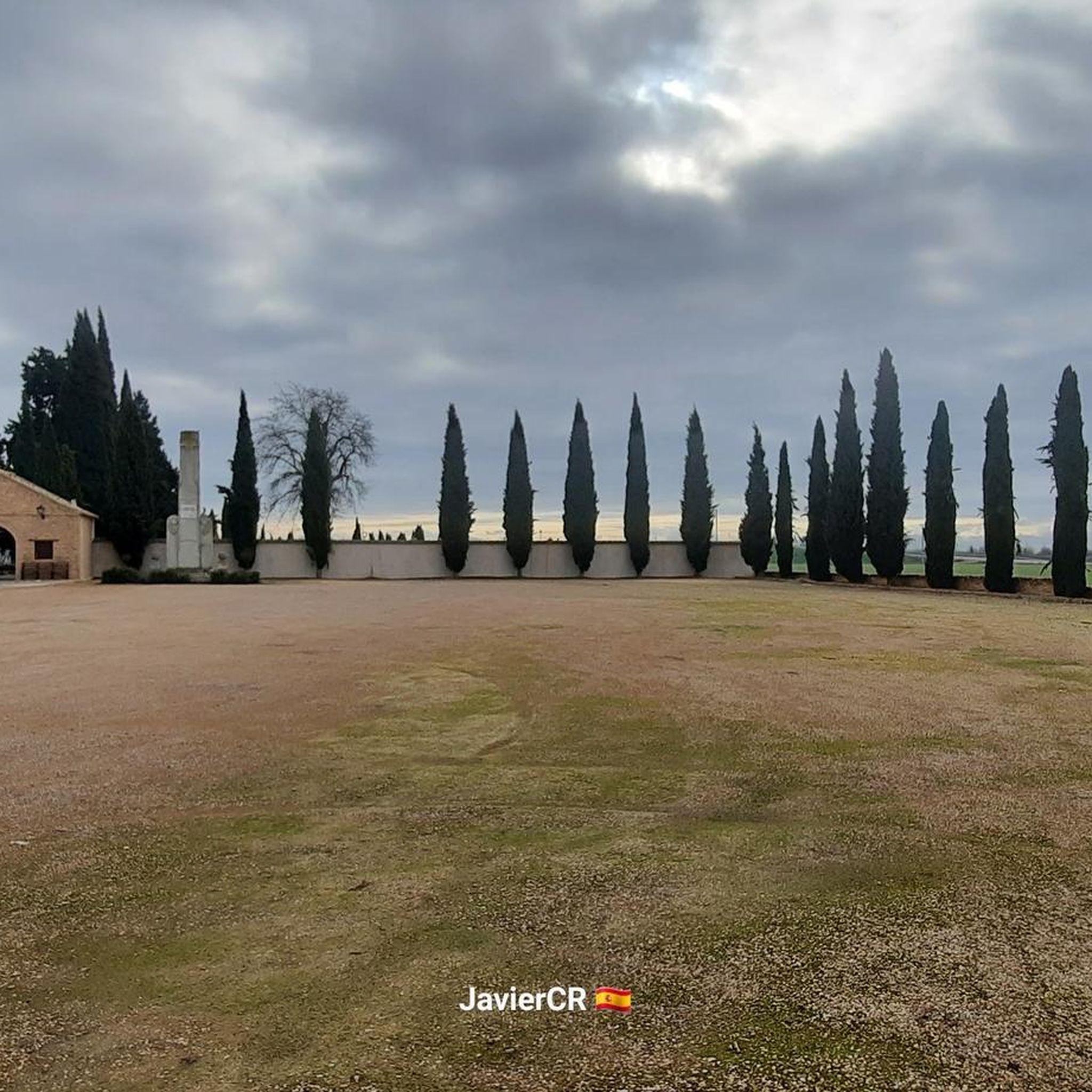
MTB Trails around Torralba De Calatrava
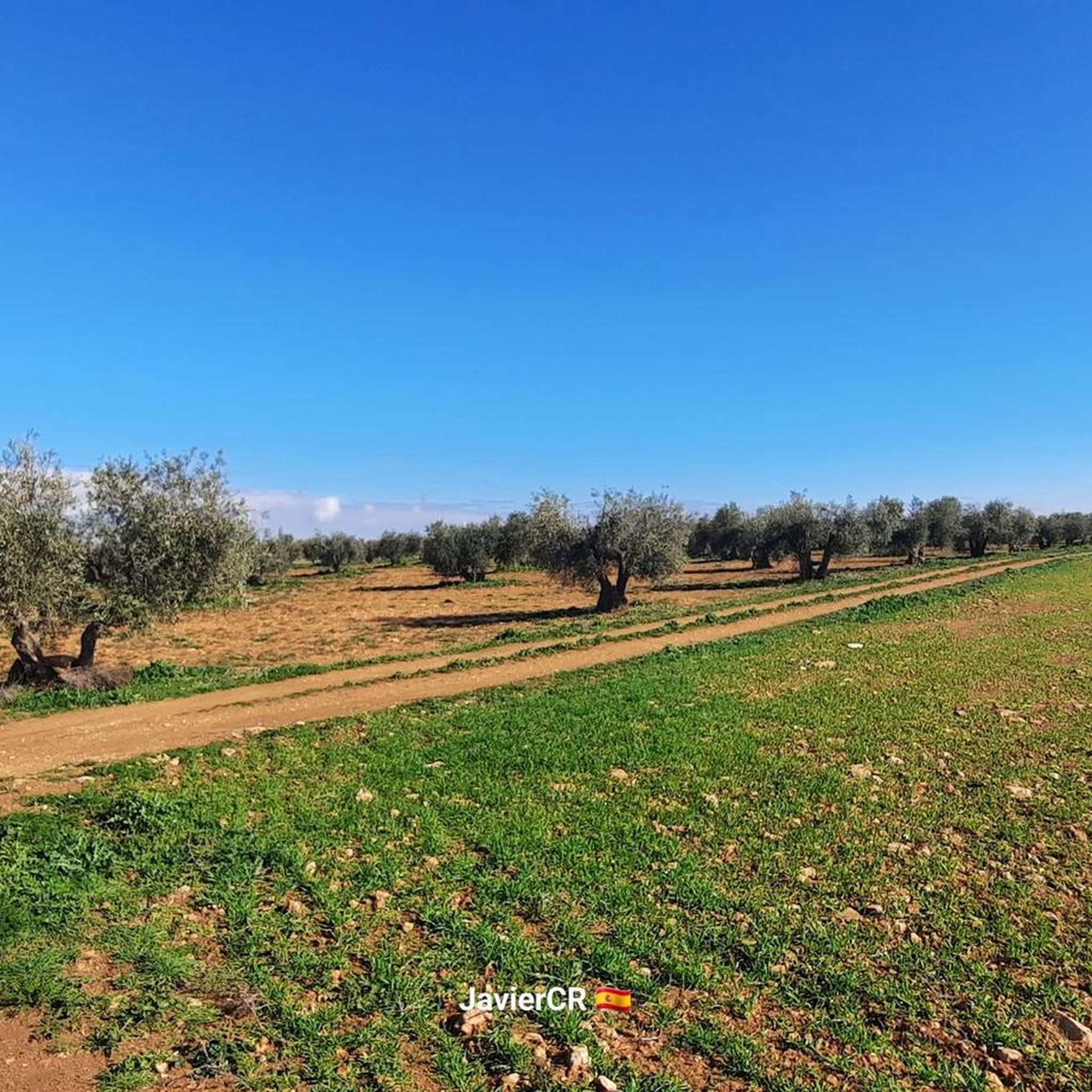
Cycling around Torralba De Calatrava
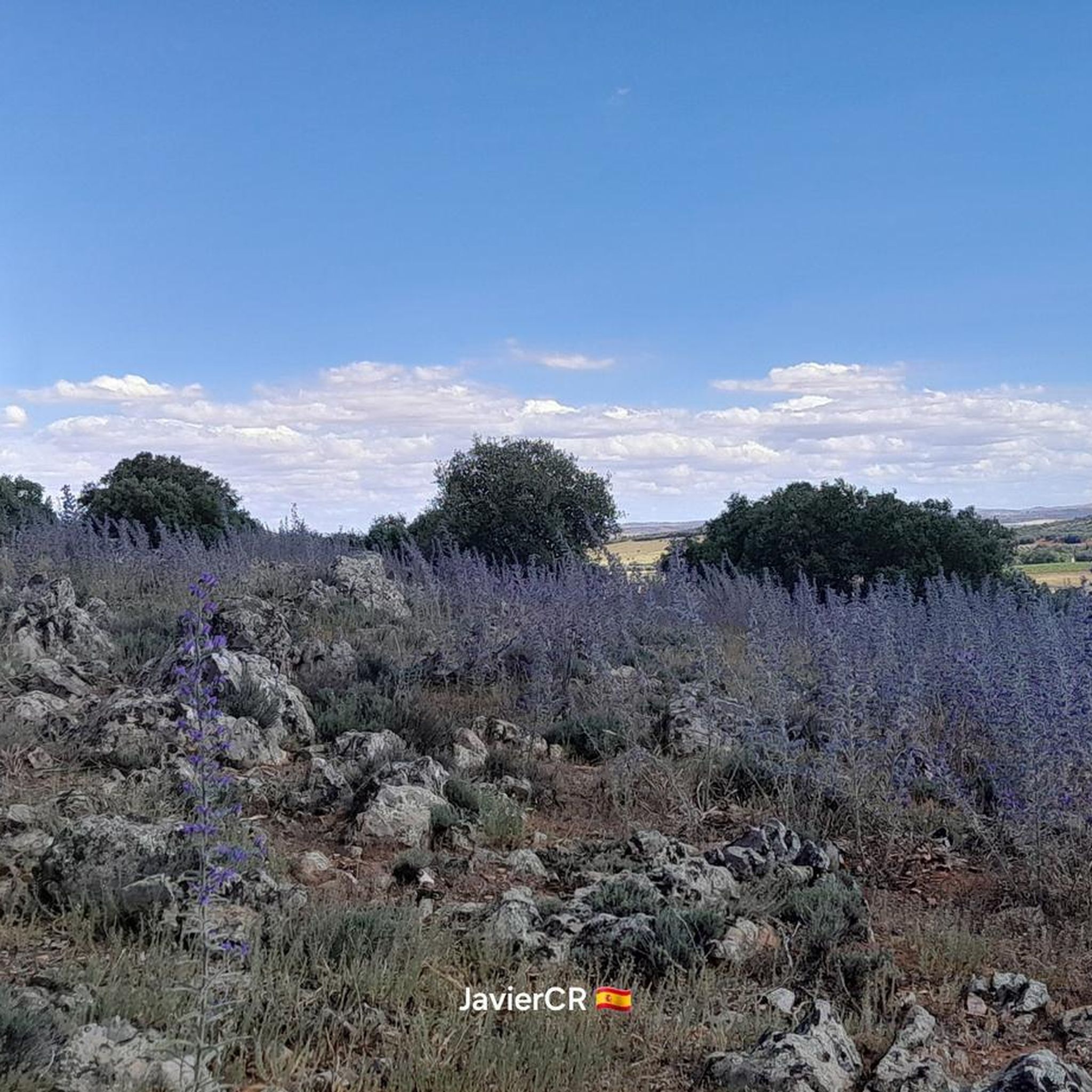
Running Trails around Torralba De Calatrava

Gravel biking around Torralba De Calatrava
Other adventures around Torralba De Calatrava

Tips from the Community

In Las Tablas de Daimiel National Park, there are several wildlife observatories where you can enjoy bird and animal watching. Observatories at the Permanent Lagoon: This 800-meter linear trail takes you to a lagoon from whose observatories you can see various aquatic birds depending on the season. Observatories on the Prado Ancho Tower Route: This 4-kilometer trail includes four wildlife observatories and ends at a two-story tower that offers impressive panoramic views of the wetland. Observatories on the Bread Island Route: This 2.5-kilometer circular trail is the most popular in the park and has several observatories where you can see ducks and other aquatic birds.
30
0
It is located next to the town centre of Pozuelo de Calatrava. It is popularly known as the unexpected lagoon. If you pass by, it is a unique opportunity to enjoy the flora and fauna of the saltiest lagoon in the area.
10
0

There are fantastic observation opportunities here. It is advisable to have a telephoto lens with you.
9
2
Very beautiful wooden walkways provide impressive insights into the flora and fauna of the wetland.
8
2

One of the numerous observatories found in the Tablas de Daimiel National Park, which through a series of wooden walkways allow you to jump from island to island. A paradise for bird watching lovers.
6
0

Incredible natural landscape, wetland area and Biosphere Reserve. Las Tablas de Daimiel is a great place to start your adventure. Easy access to parking.
5
0

Small lagoon that is very close to the center and what's more, the path that goes around it is quiet and pleasant close to the center.
2
1
Within the Campo de Calatrava region, this municipality attracts the visitor's attention because it is close to two salty lagoons of volcanic origin, Argamasilla and Inesperada; formerly used as medicinal waters. Like other thermal springs where the Infante Don Carlos ordered the construction of the Baños de Fuensanta. In addition to its natural assets, the religious ones are important, in the form of a church and a sanctuary that we must not miss. Its 17th century church dedicated to Saint John the Baptist was declared a B.I.C. in 1989. Its nave is covered by a barrel vault and has a polygonal apse and two doorways under porticoes, one of them with Tiara Papal. It is one of the few churches that preserves its three original altarpieces from the 18th century, the most important being that of the High Altar made of walnut wood without polychrome and with allegories of the Trinity. In the Sanctuary of Nuestra Señora de los Santos we can also admire a beautiful altarpiece in Churrigueresque forms. The sanctuary is on the outskirts of the town and was built on an old Arab fortress. It has a single nave in which we will see wall paintings and a beautiful Mudejar coffered ceiling.
40
0
Frequently Asked Questions
What unique natural features can I explore around Torralba De Calatrava?
The region is characterized by the volcanic landscape of the Campo de Calatrava. You can explore remnants of ancient volcanic activity, creating distinct formations, moorlands, and eroded rocks. Additionally, there are significant wetland ecosystems and saline lagoons, shaped by both river overflows and groundwater discharge. A notable example is Laguna del Prado, a saline volcanic lake with seasonal waters, known for its unique hydrogeology and birdlife.
Are there any national parks or significant wetlands nearby for nature observation?
Yes, the Tablas de Daimiel National Park is a virtually unique wetland ecosystem in Europe, formed by the overflowing of the Guadiana and Gigüela rivers. It's a crucial resting and wintering ground for over 200 species of birds, making it an exceptional birdwatching destination. The park features a labyrinth of islands connected by wooden walkways for exploration.
What historical natural monuments can be found in the area?
You can visit the Emperor's Baths, which are two small stone pools from Roman times. These thermal pools are formed by the accumulation of gases mixing with spring water, offering a glimpse into ancient Roman use of natural springs.
Are there family-friendly natural monuments suitable for children?
Many natural monuments in the area are family-friendly. Both Laguna del Prado and Tablas de Daimiel National Park are excellent choices, offering opportunities for nature observation and easy walks. The Tablas de Daimiel, in particular, has wooden walkways and observation points that are accessible for families.
What kind of hiking opportunities are available near these natural monuments?
The volcanic terrain of Campo de Calatrava provides numerous hiking trails. For example, within the Tablas de Daimiel National Park, you can find routes like the 'Itinerario de la Torre de Prado Ancho', which is an easy 4-kilometer trail with wildlife observatories. You can find more hiking routes in the region by visiting the Hiking around Torralba De Calatrava guide.
Can I go cycling or gravel biking to explore the natural monuments?
Yes, the diverse landscapes, from cereal fields to olive groves and vineyards, offer scenic routes for cycling and bikepacking. The 'Route of the Volcanoes Campo de Calatrava' highlights significant volcanic maars. For specific routes, you can check the Cycling around Torralba De Calatrava guide or the Gravel biking around Torralba De Calatrava guide.
Where can I find good viewpoints to appreciate the natural landscape?
Within the Tablas de Daimiel National Park, there are several dedicated Observation points and towers, such as the one on the Prado Ancho Tower Route, which offer impressive panoramic views of the wetland. The volcanic terrain itself also provides natural viewpoints revealing the singular geology of the area.
What kind of wildlife can I expect to see at these natural sites?
The region is rich in birdlife, especially in wetland areas. At Tablas de Daimiel National Park, you can observe over 200 species, including great crested grebes, common grebes, black-necked grebes, red-crested pochards, imperial herons, and purple swamphens. Laguna del Prado attracts laughing gulls, black-headed gulls, avocets, black-winged stilts, plovers, and even pink flamingos when flooded.
Is there a settlement nearby that offers access to multiple natural and historical sites?
The municipality of Pozuelo de Calatrava is notable for its proximity to two salty lagoons of volcanic origin, Argamasilla and Inesperada (also known as Laguna del Prado). It also features historical religious buildings, making it a good base for exploring both natural and cultural heritage.
What is the best time of year to visit the natural monuments around Torralba De Calatrava?
The best time to visit depends on your interests. For birdwatching, spring and autumn are ideal due to migratory patterns. The serene beauty of the wetlands, especially at sunset, can be enjoyed year-round. During periods of higher water levels, the saline lagoons like Laguna del Prado are particularly vibrant with birdlife.
Are there any easy hiking trails suitable for beginners?
Yes, within the Tablas de Daimiel National Park, the 'Itinerario de la Torre de Prado Ancho' is an easy 4-kilometer trail. This route includes four wildlife observatories and ends at a two-story tower, offering impressive panoramic views of the wetland, making it perfect for beginners. You can find more easy routes in the Hiking around Torralba De Calatrava guide.
What geological features define the natural monuments in this region?
The region is primarily defined by its ancient volcanic activity, part of the Campo de Calatrava. This has resulted in unique geological formations, including volcanic maars, moorlands, mountains, and eroded rocks. The saline lagoons, such as Laguna del Prado, have a pseudokarstic origin from phreatomagmatic explosions, contributing to their distinct hydrogeology.
Most popular routes around Torralba De Calatrava
Most popular attractions around Torralba De Calatrava

Get inspired with the komoot mobile app


Explore more
Extend your search for the best caves by checking out these guides of the top ones around Torralba De Calatrava:
