Top 5 Natural Monuments around Punta Umbría
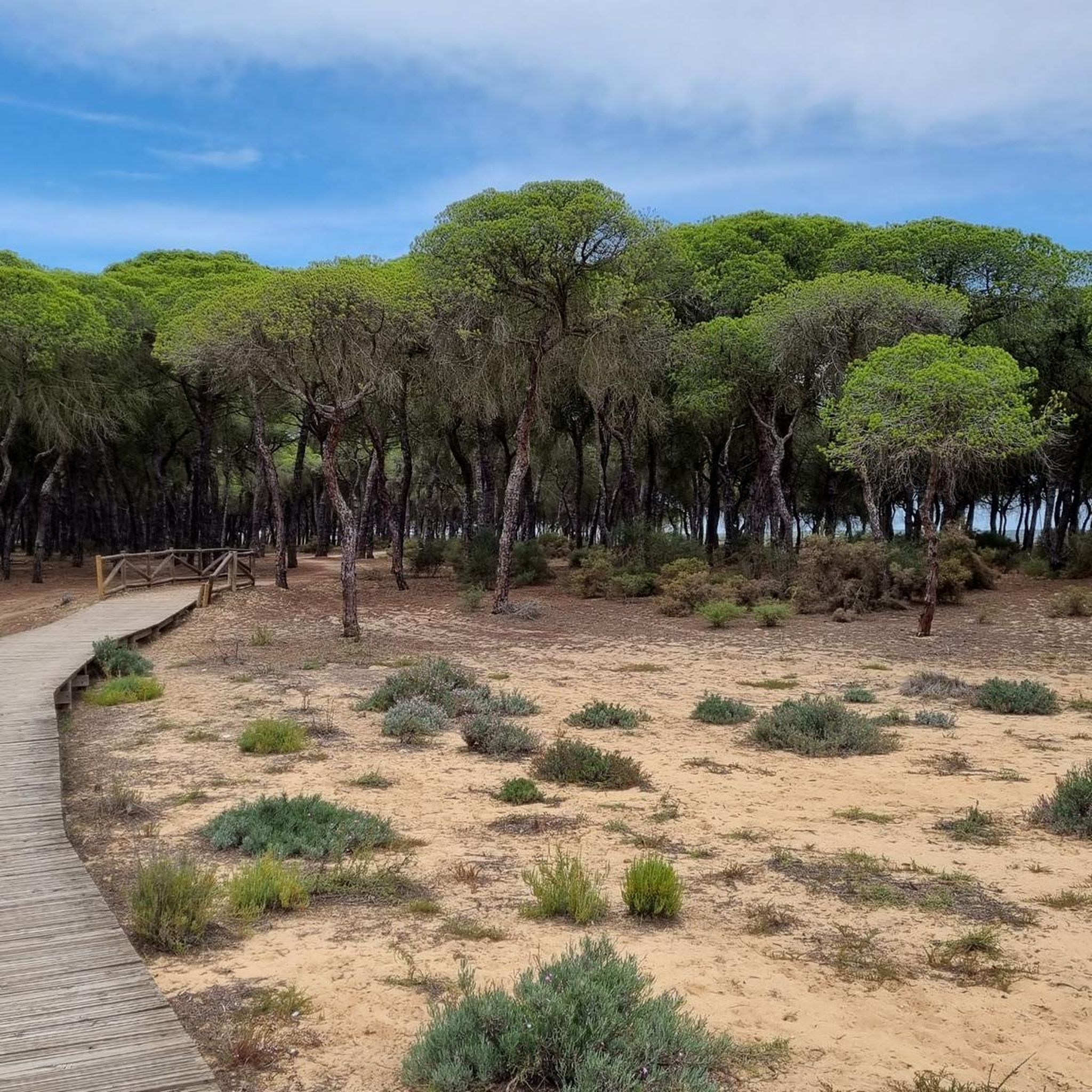
Best natural monuments around Punta Umbría are located on the coast of Huelva, Spain, offering diverse ecological value. The region features significant wetlands at river confluences, coastal juniper forests, and freshwater lagoons. These areas provide habitats for various flora and fauna, including migratory birds and endangered species. The landscape is shaped by tidal forces and sand dunes, creating unique natural environments.
Best natural monuments around Punta Umbría
- The most popular natural monuments is El Portil Lagoon, a lake that…
Last updated: October 5, 2026
Monument to the Discovering Faith
Highlight • Monument
Translated by Google •
Tip by

El Portil Lagoon
Highlight • Lake
It …
Translated by Google •
Tip by
Sign up now to discover places like this
Get recommendations on the best single tracks, peaks, & plenty of other exciting outdoor places.
Old Astur Saltworks
Highlight • Natural Monument
Translated by Google •
Tip by
Odiel Marshes
Highlight • Natural
Translated by Google •
Tip by
José Celestino Mutis Botanical Garden
Highlight • Natural
Translated by Google •
Tip by
Sign up for free to discover even more natural monuments around Punta Umbría.
Already have an account?
Start today with a free account
Your next adventure awaits.
Tips from the Community

The Monument to the Faith of the Discoverer, also known as the Columbus Monument, is one of the most representative symbols of the city of Huelva. It is located at Punta del Sebo, a natural setting where the Tinto and Odiel rivers meet, approximately 4 km from the city center.
9
0

Good route, but it needs some fine-tuning. Try optimizing it another day.
1
0
This natural area covers approximately 7,185 hectares and is known for its rich biodiversity and its importance as a breeding area and refuge for numerous bird species. Notable species include the Eurasian spoonbill, the flamingo, various ducks, grey and purple herons, and birds of prey such as the osprey. The area also has an interpretation center, birdwatching points, trails, and rest areas.
4
0
This area is known for its focus on aquaculture and environmental tourism. The salt flats were built in the 1920s by Antonio Sánchez Allende-Valledor. Today, the Salinas del Astur offer a variety of activities such as safe recreational fishing, hiking, birdwatching, and photography. You can also enjoy canoeing and observe a wide variety of birds in the Marismas del Odiel Natural Park.
4
0
This botanical garden, inaugurated in 1993, covers approximately 12 hectares and is dedicated to the renowned Spanish botanist José Celestino Mutis. The park features a wide variety of plant species, both terrestrial and aquatic, and is designed with a system of ponds and waterfalls that create a very pleasant environment. It is an ideal place to enjoy nature and learn about botanical diversity.
5
0
It was designed by the American sculptor Gertrude Vanderbilt Whitney and donated to Spain by the United States in 1929. The sculpture, in Cubist style and inspired by Egypt, is 37 metres high and represents a Franciscan friar from the Monastery of La Rábida. This friar welcomed Christopher Columbus while he was planning his first voyage and awaiting confirmation of funding from the Spanish monarchs. The pedestal of the monument includes reliefs depicting Mayan, Aztec, Inca and Christian elements.
9
0

Worth seeing botanical garden
1
0

Meeting of the Tinto and Odiel rivers
3
0
Frequently Asked Questions
What are the best natural monuments to visit for wildlife spotting around Punta Umbría?
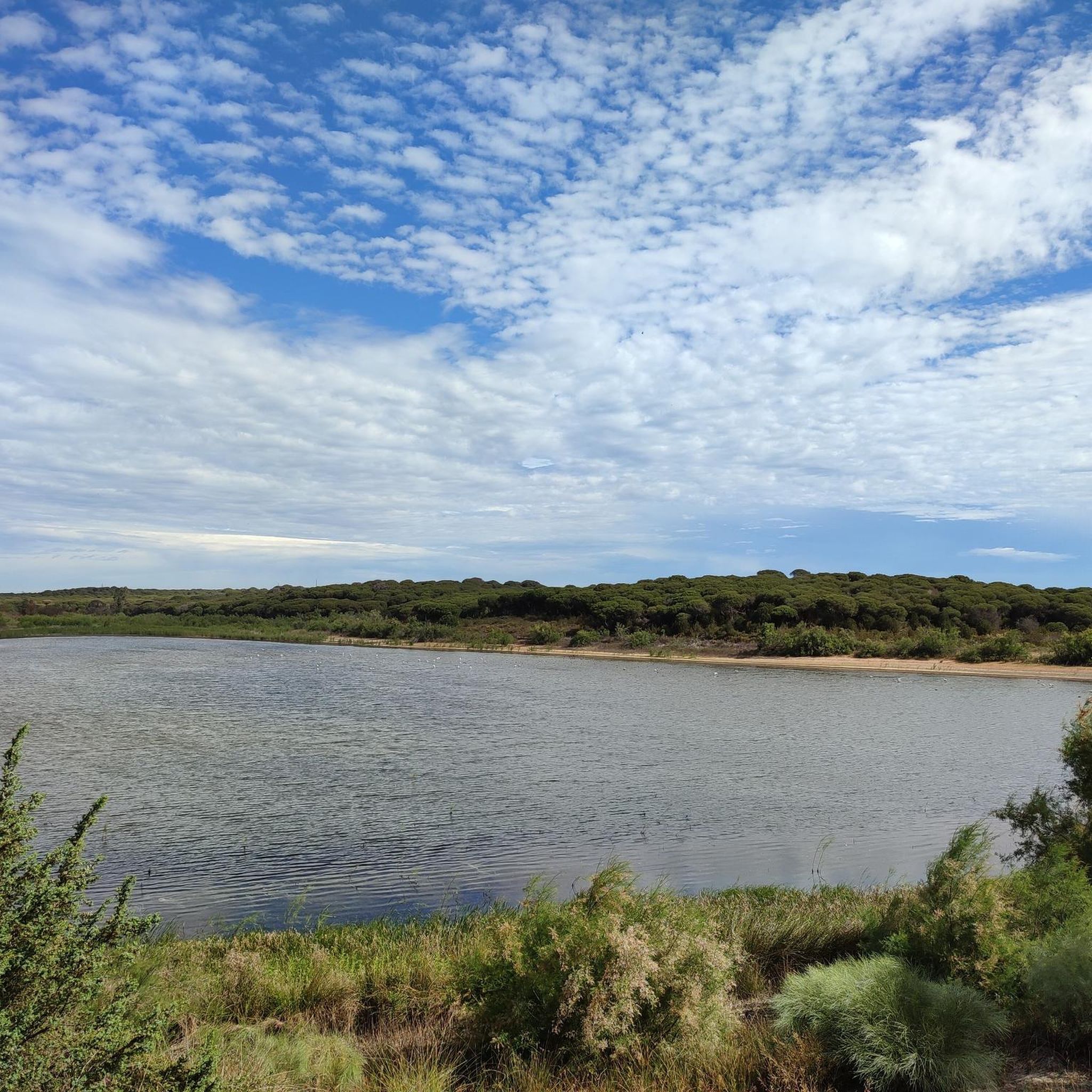
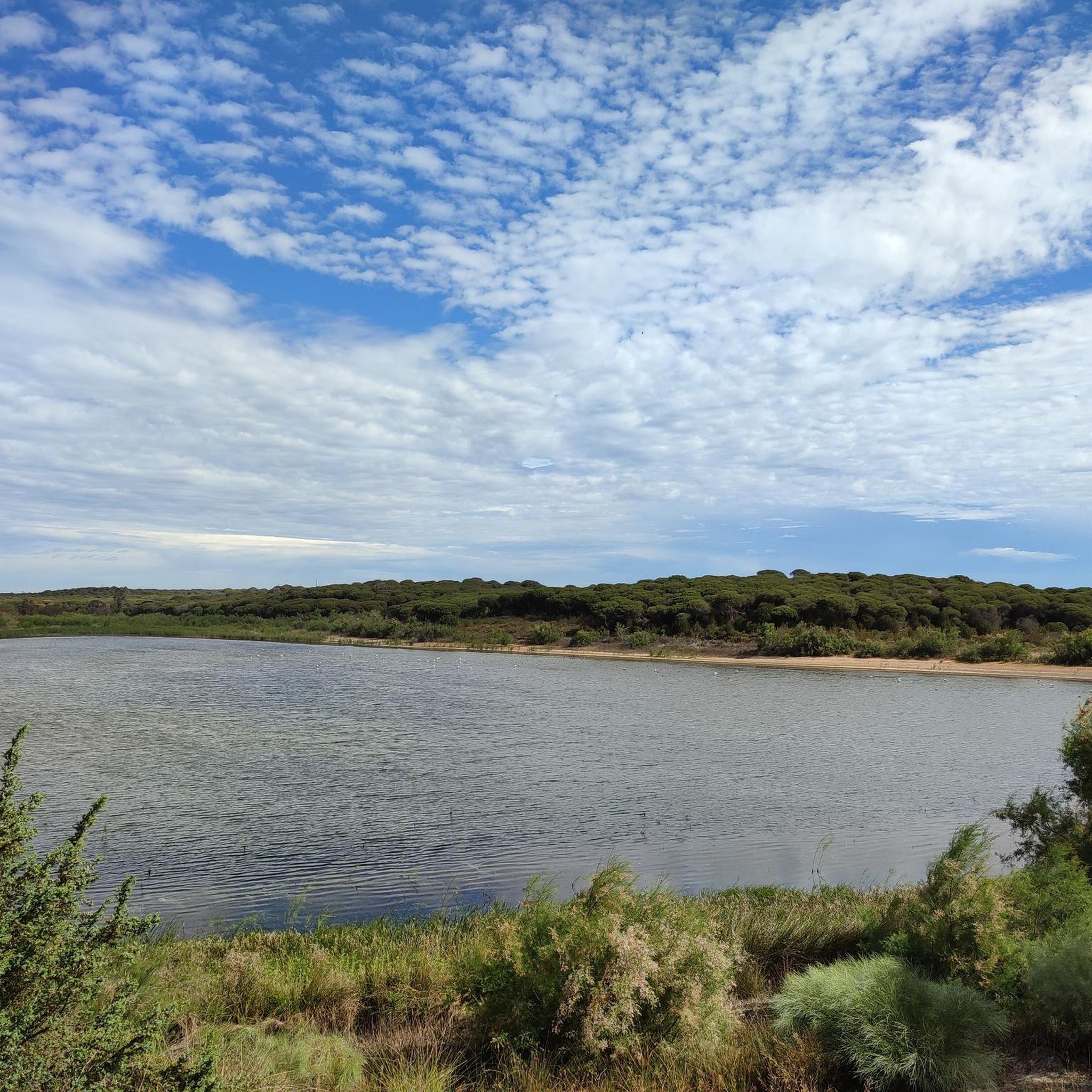
For exceptional wildlife spotting, the Odiel Marshes are a must-see. This UNESCO Biosphere Reserve is a crucial stopping point for thousands of migratory birds, including spoonbills, flamingos, and various herons. The El Portil Lagoon is also excellent for observing waterfowl and is a preferred habitat for the endangered chameleon.
Are there family-friendly natural monuments in the Punta Umbría area?
Yes, several natural monuments are ideal for families. The El Portil Lagoon offers an easy circular trail and bird observatories. The Odiel Marshes have an interpretation center, trails, and rest areas suitable for all ages. Additionally, the José Celestino Mutis Botanical Garden provides a pleasant environment with diverse plant species, ponds, and waterfalls.
What historical sites can be found within the natural monuments of Punta Umbría?
The Monument to the Discovering Faith, also known as the Columbus Monument, is a significant historical landmark located at the confluence of the Tinto and Odiel rivers, offering panoramic views. The Old Astur Saltworks are a historical site known for aquaculture and environmental tourism, with roots dating back to the 1920s. The wider Marismas del Odiel area also holds historical significance, with remnants such as Roman fish-salting pools and Islamic artifacts.
What kind of outdoor activities can I do near these natural monuments?
The natural monuments around Punta Umbría offer a variety of outdoor activities. You can enjoy hiking on trails within the Odiel Marshes or around the El Portil Lagoon. The Enebrales de Punta Umbría Natural Area is perfect for hiking and cycling along its numerous footpaths and wooden walkways. For more detailed route options, explore the hiking, cycling, and MTB guides for the region.
Are there easy walking routes suitable for all fitness levels?
Yes, there are several easy walking options. The El Portil Lagoon features an attractive circular trail that is easily explored on foot. The Enebrales de Punta Umbría Natural Area also has well-maintained wooden walkways and footpaths, making it accessible for leisurely strolls. Within the Odiel Marshes, you'll find various trails and rest areas designed for visitors.
What unique natural features can I expect to see in the natural monuments of Punta Umbría?
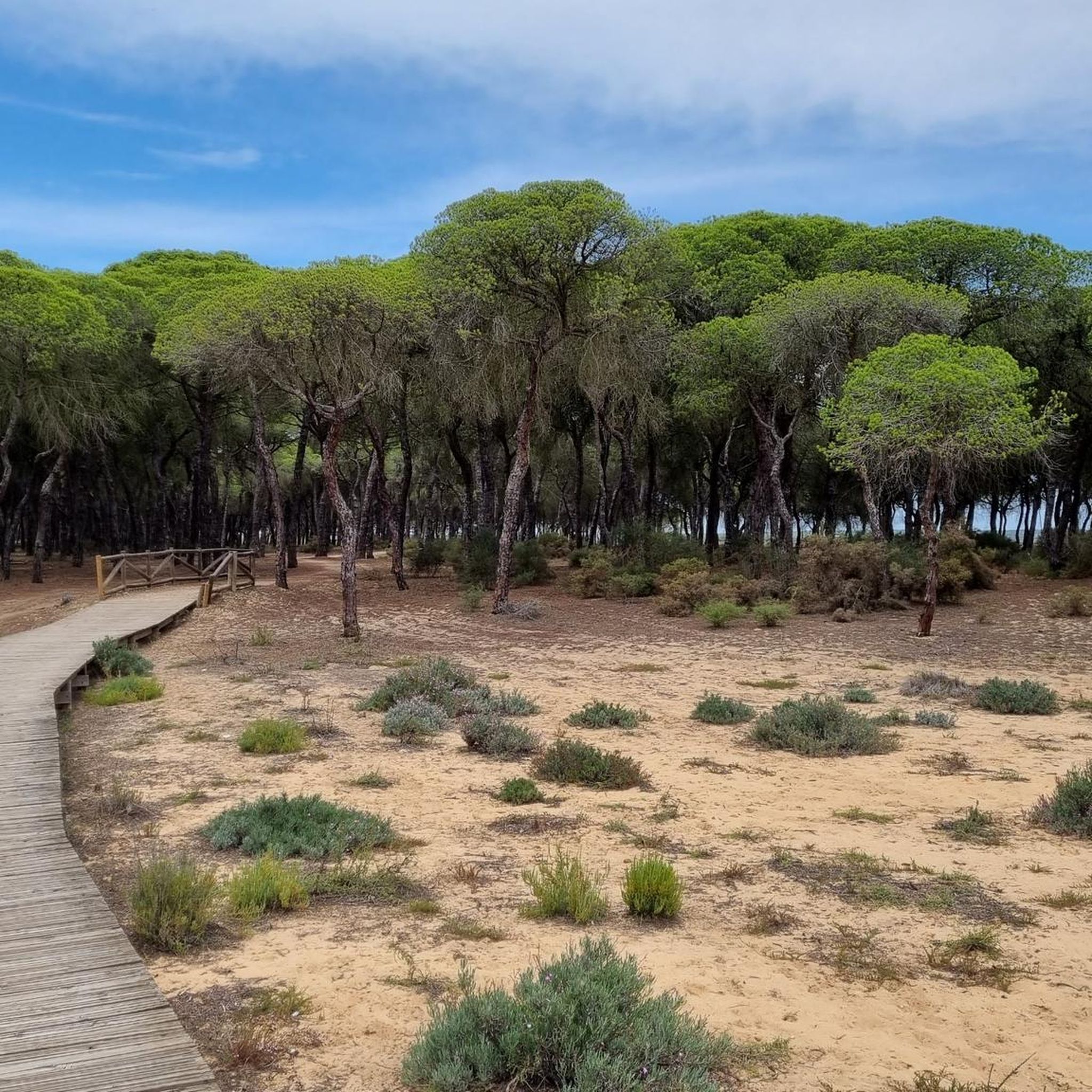
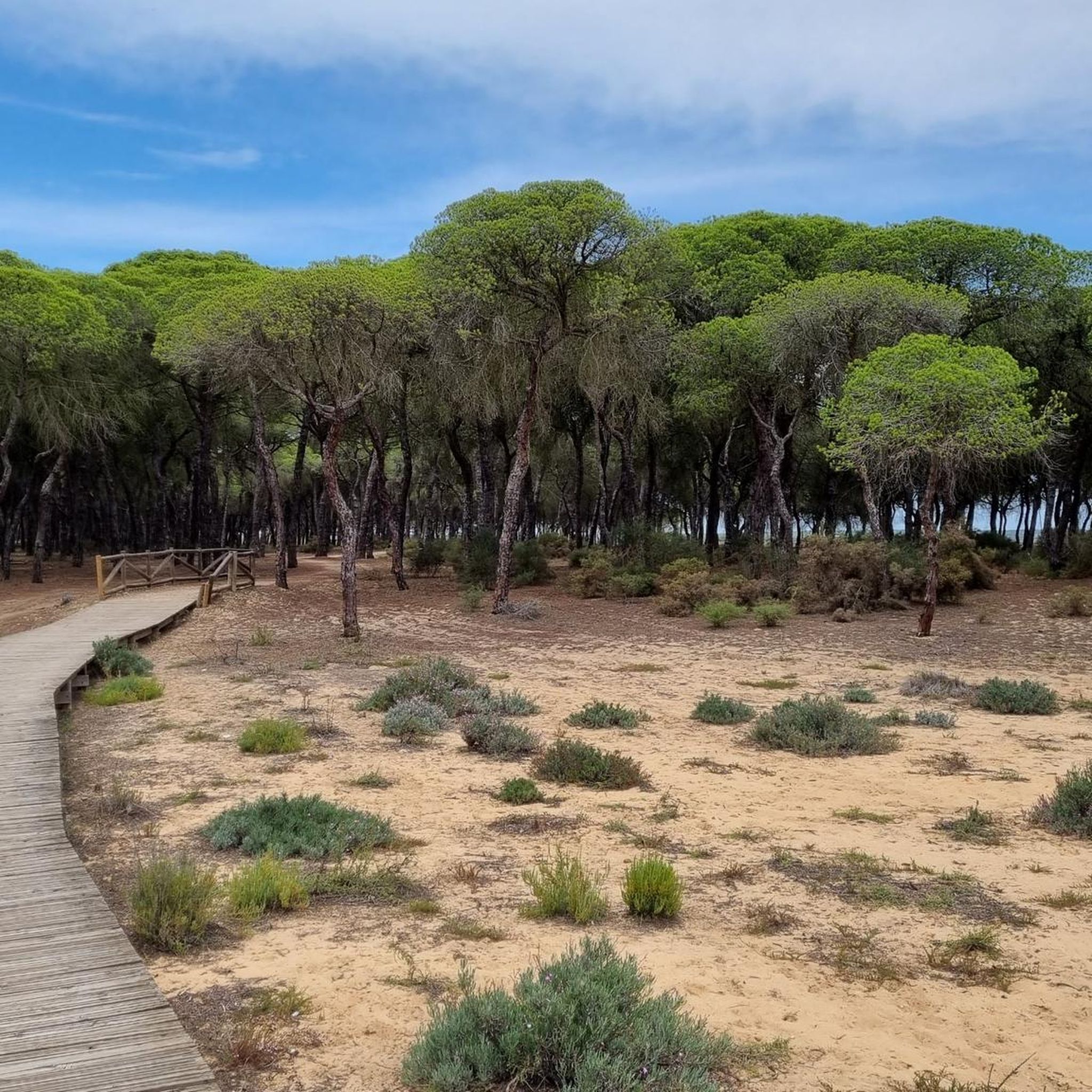
You can expect to see diverse ecosystems. The Odiel Marshes showcase vast tidal marshes, lakes, and sandbars, with unique halophyte plants. The Enebrales de Punta Umbría Natural Area features a double front of sand dunes and rare mixed woods of common and Spanish juniper. The El Portil Lagoon is a freshwater lake surrounded by pine forests and Mediterranean flora.
What is the best time of year to visit the natural monuments around Punta Umbría?
The best time to visit is generally during the cooler months, from autumn to spring (October to May). This period avoids the intense summer heat, making outdoor activities more comfortable. It's also prime time for birdwatching in the Odiel Marshes, especially during winter when large numbers of migratory birds, such as flamingos and spoonbills, are present.
Can I go birdwatching in the natural monuments near Punta Umbría?
Absolutely. The Odiel Marshes are a renowned birdwatching paradise, hosting 30% of Europe's spoonbill population and numerous other species like flamingos, grey herons, and ospreys. The area has dedicated bird observatories. The El Portil Lagoon also features three bird observatories and is a favored habitat for various bird species.
Are there any viewpoints offering panoramic scenery?
Yes, several spots offer great views. The Monument to the Discovering Faith provides a beautiful panoramic point to appreciate the Huelva landscape at the confluence of the Tinto and Odiel rivers. Within the Odiel Marshes, the Bacuta Salines offer panoramic views, and there are several designated birdwatching points that double as scenic overlooks.
What should I bring for a walk or hike in the natural monuments?
For walks and hikes, it's advisable to bring comfortable walking shoes, water, sun protection (hat, sunscreen), and binoculars for birdwatching, especially in the Odiel Marshes and El Portil Lagoon. Depending on the season, a light jacket might be useful. If you plan to visit the Old Astur Saltworks, check their website for current activities and any specific gear requirements.
Is public transport available to reach the Marismas del Odiel Natural Area?
While specific public transport routes directly into the heart of the Marismas del Odiel can be limited, you can often reach nearby towns like Huelva or Punta Umbría by bus. From there, local taxis or a short drive would be necessary to access the Interpretation Centre or specific trailheads within the natural area. For detailed information, it's best to consult local transport schedules or tourist information centers in Huelva or Punta Umbría.
What makes the Enebrales de Punta Umbría Natural Area unique?
The Enebrales de Punta Umbría Natural Area is unique for its well-preserved mixed woods of common and Spanish juniper, which are rare along the Andalusian coast. It features a distinctive landscape of sand dunes, both recent and established, colonized by these junipers and pines. This area is also a significant reserve for maritime juniper, crucial for conservation, and supports diverse fauna, including the endangered ocellated lizard.
Most popular routes around Punta Umbría
Most popular attractions around Punta Umbría

Get inspired with the komoot mobile app


Explore more
Extend your search for the best caves by checking out these guides of the top ones around Punta Umbría:
