Top 20 Natural Monuments around Carnota
Best natural monuments around Carnota offer a diverse landscape of extensive beaches, majestic mountains, and significant ecosystems on Galicia's Costa da Morte. This region is known for its natural heritage, providing varied terrain for exploration. Visitors can experience unique geological formations and rich biodiversity. The area's natural features make it a notable destination for outdoor activities.
Best natural monuments around Carnota
- The most popular natural monuments is Fisterra Lighthouse, a man_made_monument traditionally considered the cape at the end of…
Last updated: October 5, 2026
Fisterra Lighthouse
Highlight • Monument
Translated by Google •
Tip by

Pilgrim's Boot Sculpture
Highlight • Monument
Translated by Google •
Tip by

Sign up now to discover places like this
Get recommendations on the best single tracks, peaks, & plenty of other exciting outdoor places.
Moa Summit (Monte Pindo)
Highlight • Summit
Translated by Google •
Tip by

Fountain of San Pedro Mártir
Highlight • Structure
Translated by Google •
Tip by
Stone Cross at Cape Finisterre
Highlight • Monument
Translated by Google •
Tip by

Sign up for free to discover even more natural monuments around Carnota.
Already have an account?
Start today with a free account
Your next adventure awaits.
Tips from the Community

“Let us remember, therefore, this evening,” Pope Leo XIV said (on his pastoral journey to Spain in June 2026) at the blessing of the Christ Tower of the 'Sagrada Familia' in Barcelona, which, as the world's tallest church tower, is crowned by a huge, walkable cross, “that the cross of Christ… is the cross of the last who will become the first, of sinners who will become saints, of the dead who will be resurrected.” This thought of the Holy Father naturally applies not only there, but also before every small sacred monument that the hiker encounters along the way, as here at the famous 'Weltende'.
0
0


I don't know if it's drinkable, it doesn't say anything but I drank like an animal from it.
0
0

Stone cross on the rocks. Great view of the sea. Sit down and enjoy. 🌊
1
0


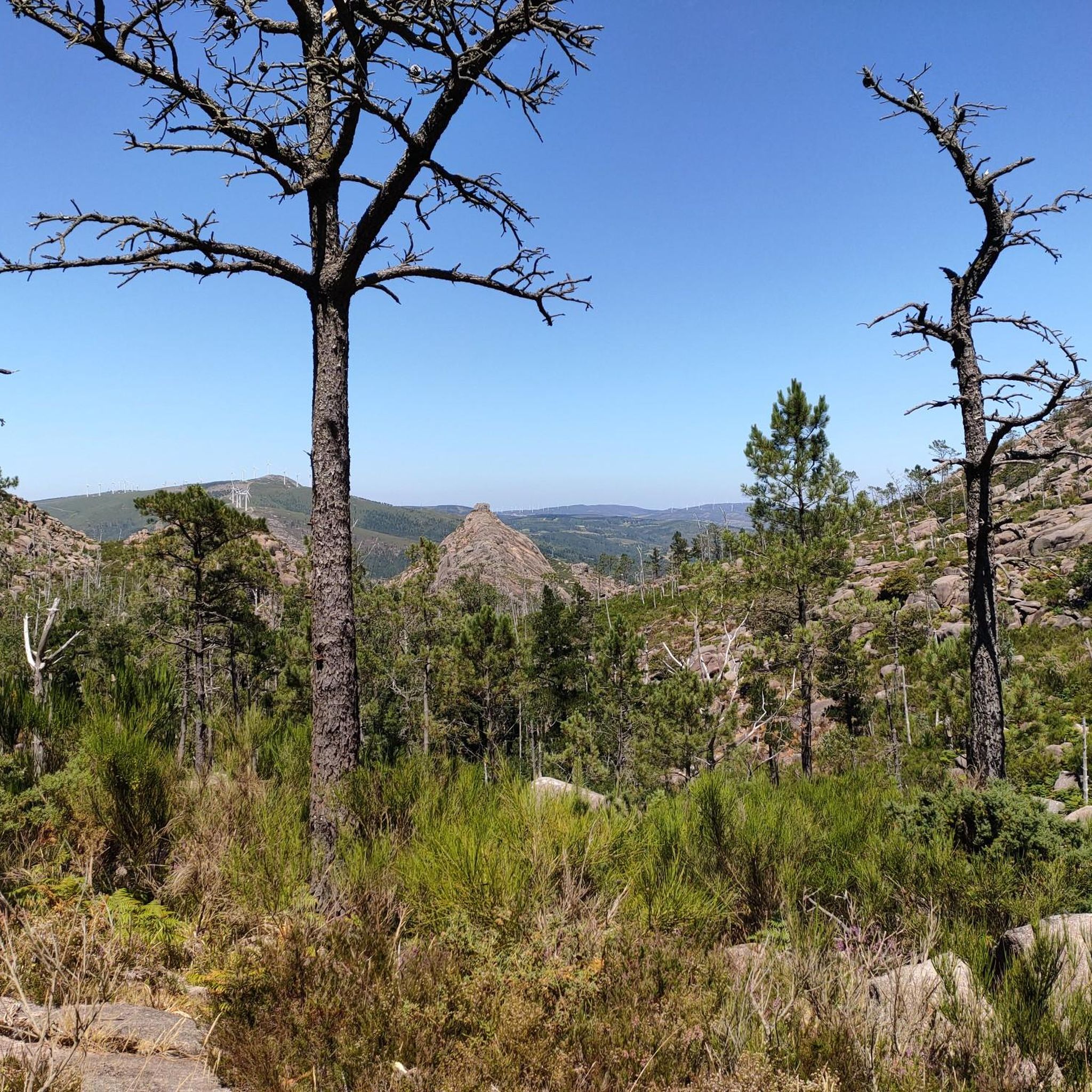
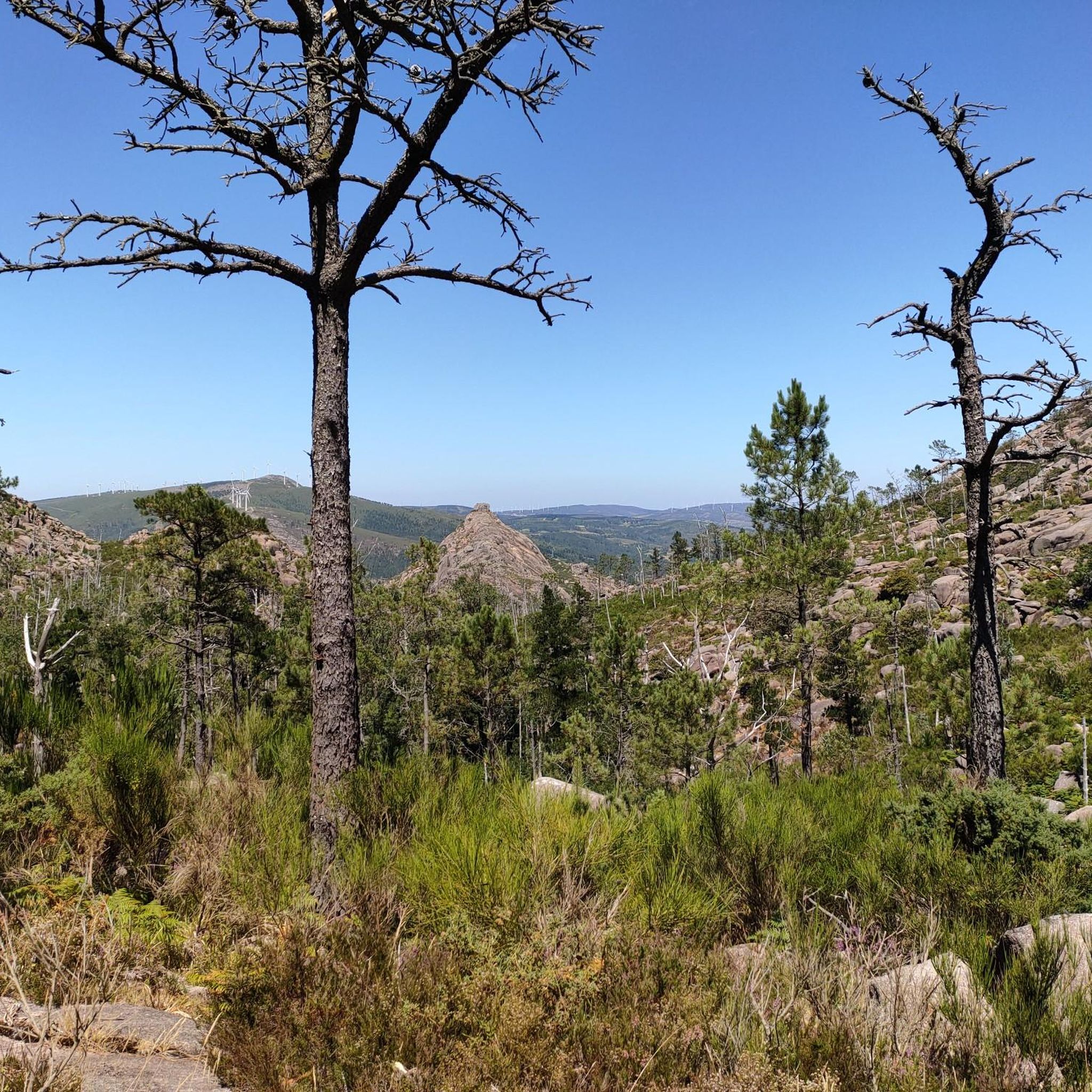
The way to the summit is a bit sweaty, but easy to walk in shorts and well signposted. You reach the summit in about 70 minutes. With the knowledge I have now gained after the tour I have just completed, I would now take the same route back. The way back - as others have already written - quickly becomes very thorny (gorse and blackberries) and the path becomes increasingly narrow. You are bound to get caught on the thorns all the time. It was a pretty bloody affair in shorts. In addition, shortly after leaving the summit, a thick cloud of fog rolled in from the sea and swallowed the mountain. With the cloud came heavy, constant drizzle. I was completely soaked in no time - from above and from the sides due to contact with the vegetation. All of this made the way back feel four times longer than the ascent and was then simply no longer fun. What the rain also showed: good hiking boots are absolutely essential. The rocks then become quite slippery in places. The climb was in mid-August, starting at around 10 a.m. (it is highly recommended to start early, as it is almost always cloudy/foggy in the afternoon) at 20 degrees.
1
0

We cooled off here too. These springs are very popular on warm days.
1
0
Very popular photo motif at the western end of the world. For some it's the end, for others it's the beginning...
1
1
Frequently Asked Questions
What are some of the most unique natural monuments to visit in Carnota?
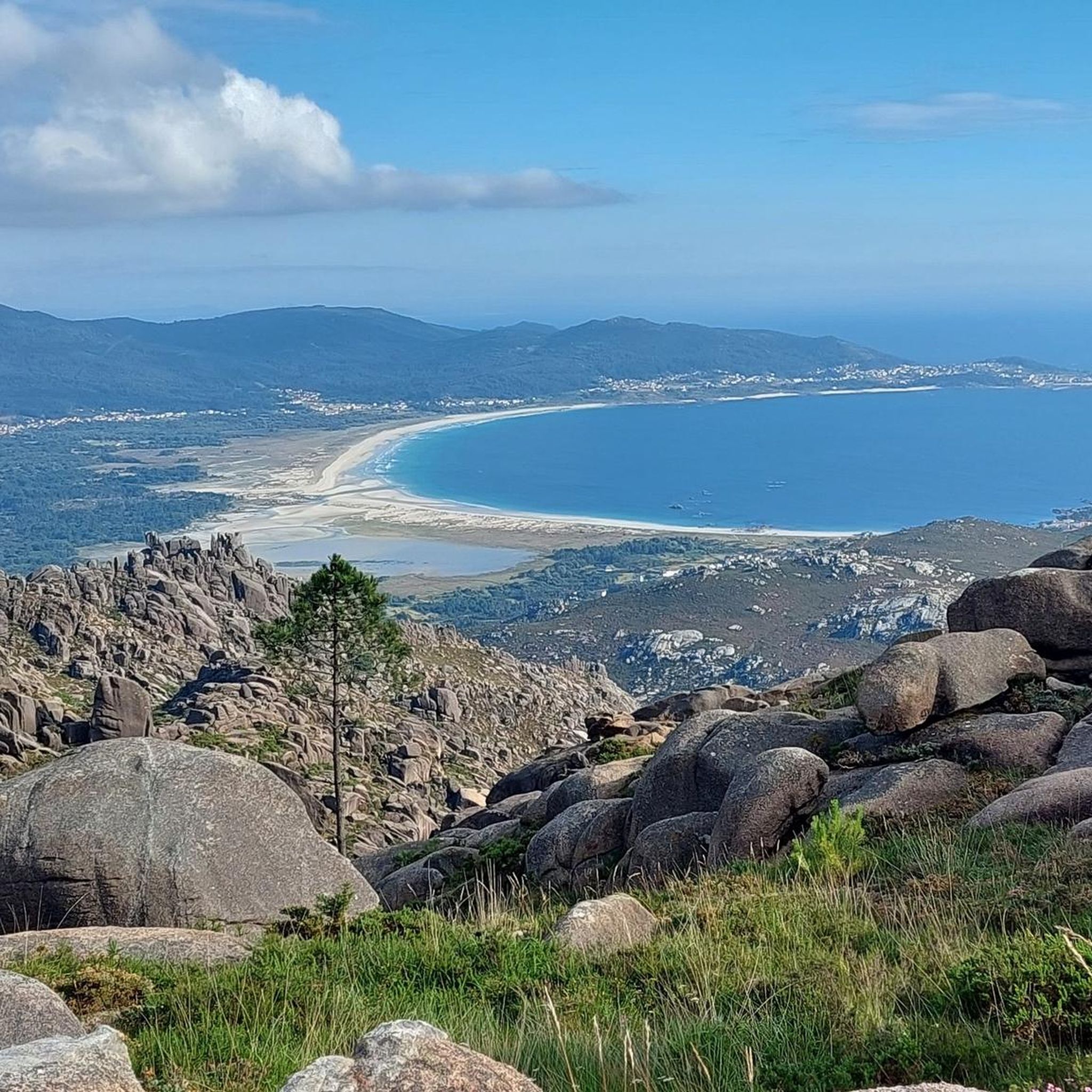
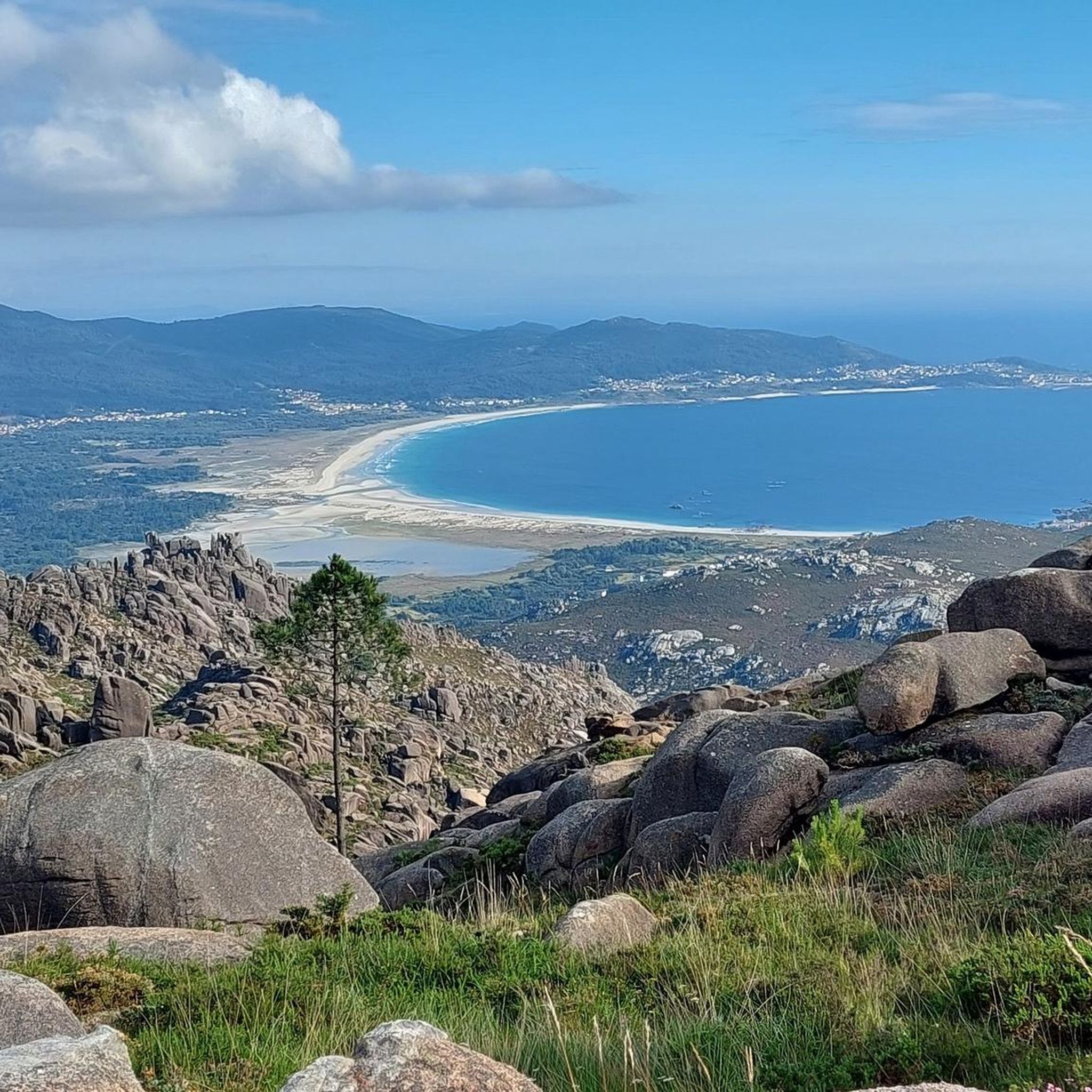
Carnota boasts an incalculable natural heritage. You can explore Ézaro Waterfall, which is Europe's only waterfall plunging directly into the ocean. Another unique site is Moa Summit (Monte Pindo), often called the "Celtic Olympus" due to its legendary granite formations and spectacular views.
Are there any significant beaches or coastal natural monuments in Carnota?
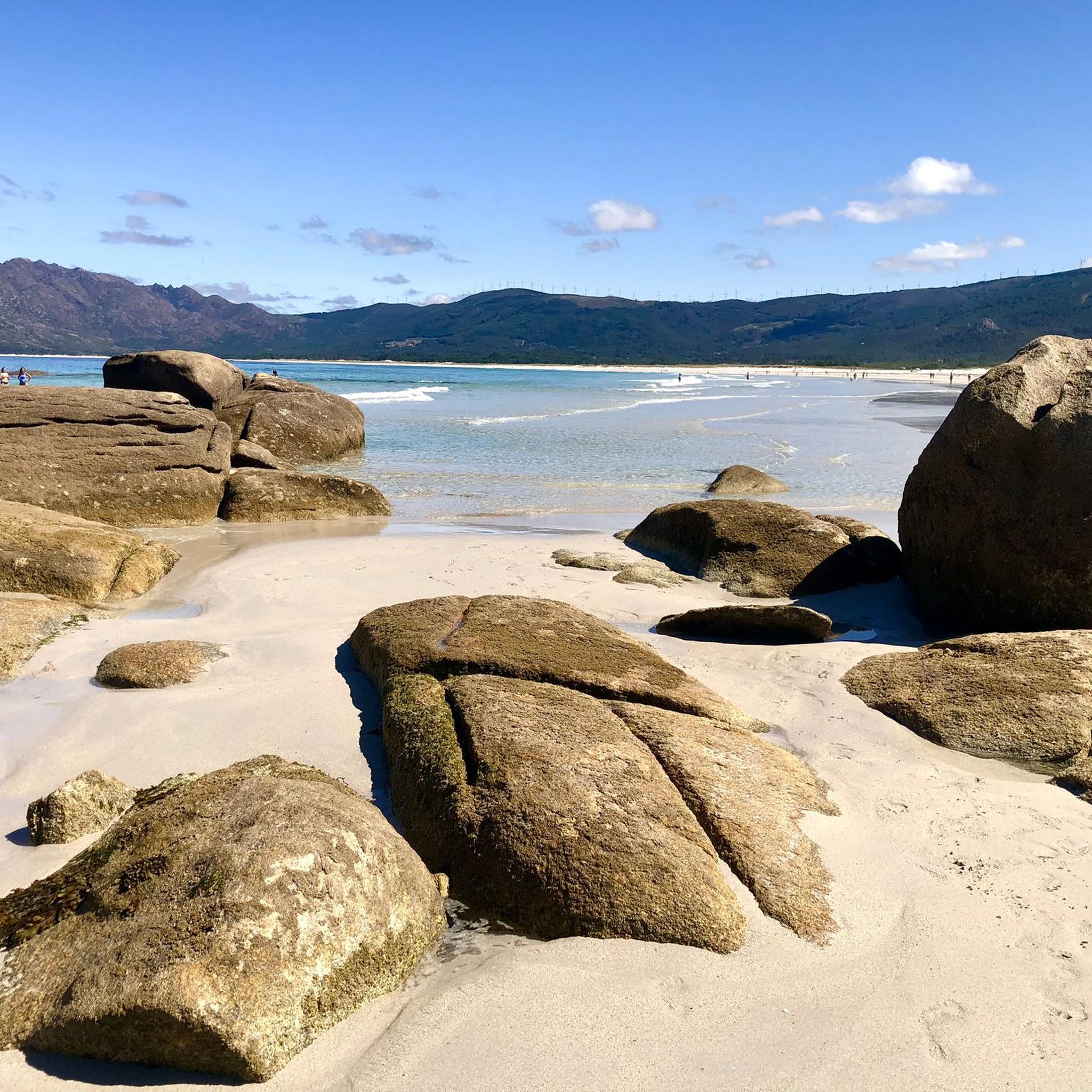
Yes, Carnota is home to Playa de Carnota, recognized as a natural monument for its ecological importance. It's the longest beach in Galicia, stretching for 7 kilometers with fine white sand, crystal-clear waters, and a fragile dune system. It's a vital refuge for migratory birds and offers a serene environment.
What kind of wildlife and ecosystems can I observe in Carnota's natural areas?
Carnota's natural monuments are rich in biodiversity. Playa de Carnota, with its dune system and marshes, is a protected sanctuary for numerous migratory bird species like oystercatchers and curlews. The Marismas de Caldebarcos, located at the northern end of Carnota Beach, are protected wetlands that provide crucial habitat for waterfowl and elusive otters, making it a paradise for birdwatching.
Are there hiking opportunities around Carnota's natural monuments?
Absolutely. The region offers diverse hiking experiences. You can find trails leading to Moa Summit (Monte Pindo), which provides challenging routes with incredible Atlantic views. For more options, explore the various hiking routes around Carnota, including the Monte Pindo and Ézaro Waterfall Loop.
What is the best time of year to visit Carnota's natural monuments?
The natural monuments of Carnota, particularly the beaches and coastal areas, are beautiful during the warmer months for swimming and outdoor activities. However, the region's natural beauty, including its mountains and wetlands, can be enjoyed year-round. For witnessing the full power of Ézaro Waterfall, visiting during the tourist season when sluices are opened ensures a spectacular view.
Are there family-friendly natural monuments or activities in Carnota?
Many natural monuments in Carnota are suitable for families. Playa de Carnota offers vast space for relaxation and play. Ézaro Waterfall is an impressive and accessible natural spectacle for all ages. Additionally, the Fountain of San Pedro Mártir, with its historical chapel and sacred spring, offers a gentle exploration opportunity.
Can I find historical or cultural sites near Carnota's natural monuments?
Yes, the region blends natural beauty with historical significance. Fisterra Lighthouse, though a man-made monument, is traditionally considered the "end of the world" and holds deep historical and spiritual significance, especially for pilgrims of the Camino de Santiago. Monte Pindo is steeped in Celtic legends, adding a mystical layer to its natural grandeur.
What other outdoor activities can I do near Carnota's natural monuments?
Beyond hiking, Carnota offers various outdoor activities. The extensive beaches are ideal for surfing and kayaking. You can also find running trails and mountain biking routes that allow you to explore the diverse landscapes, from coastal paths to mountain tracks.
What do visitors enjoy most about the natural monuments in Carnota?
Visitors frequently praise the spectacular views, especially from Moa Summit (Monte Pindo) and Fisterra Lighthouse. The unique natural spectacle of Ézaro Waterfall is also highly regarded. The pristine nature and serene environment of Playa de Carnota, even during peak season, offer a unique escape, with many considering it one of the best beaches in the world.
Are there any natural monuments in Carnota known for stargazing?
Yes, Playa de Carnota, with its vast, open expanse and minimal light pollution, is an excellent spot for stargazing. Its serene environment provides an ideal setting to observe the night sky.
What kind of geological formations can be seen in Carnota?
Carnota is notable for its unique geological features, particularly on Monte Pindo. This mountain is characterized by bare rocks and "Zoomorphic cyclopean rocks" such as A Moa, which resemble giants, warriors, demons, and animals, sparking imagination and offering a distinctive landscape.
Most popular attractions around Carnota

Get inspired with the komoot mobile app


Explore more
Extend your search for the best caves by checking out these guides of the top ones around Carnota:
