Top 18 Natural Monuments around Peñarrubia
Best natural monuments around Peñarrubia include a diverse range of natural features. This municipality in Cantabria, Spain, offers a landscape characterized by mountainous terrain, deep gorges, and rich forests. Visitors can explore 18 natural monuments, providing opportunities for outdoor activities and appreciating the region's geological and botanical significance. The area is known for its impressive limestone formations and verdant slopes.
Best natural monuments around Peñarrubia
- The most popular natural monuments is Santa Catalina Viewpoint, a viewpoint that offers beautiful…
Last updated: July 1, 2026
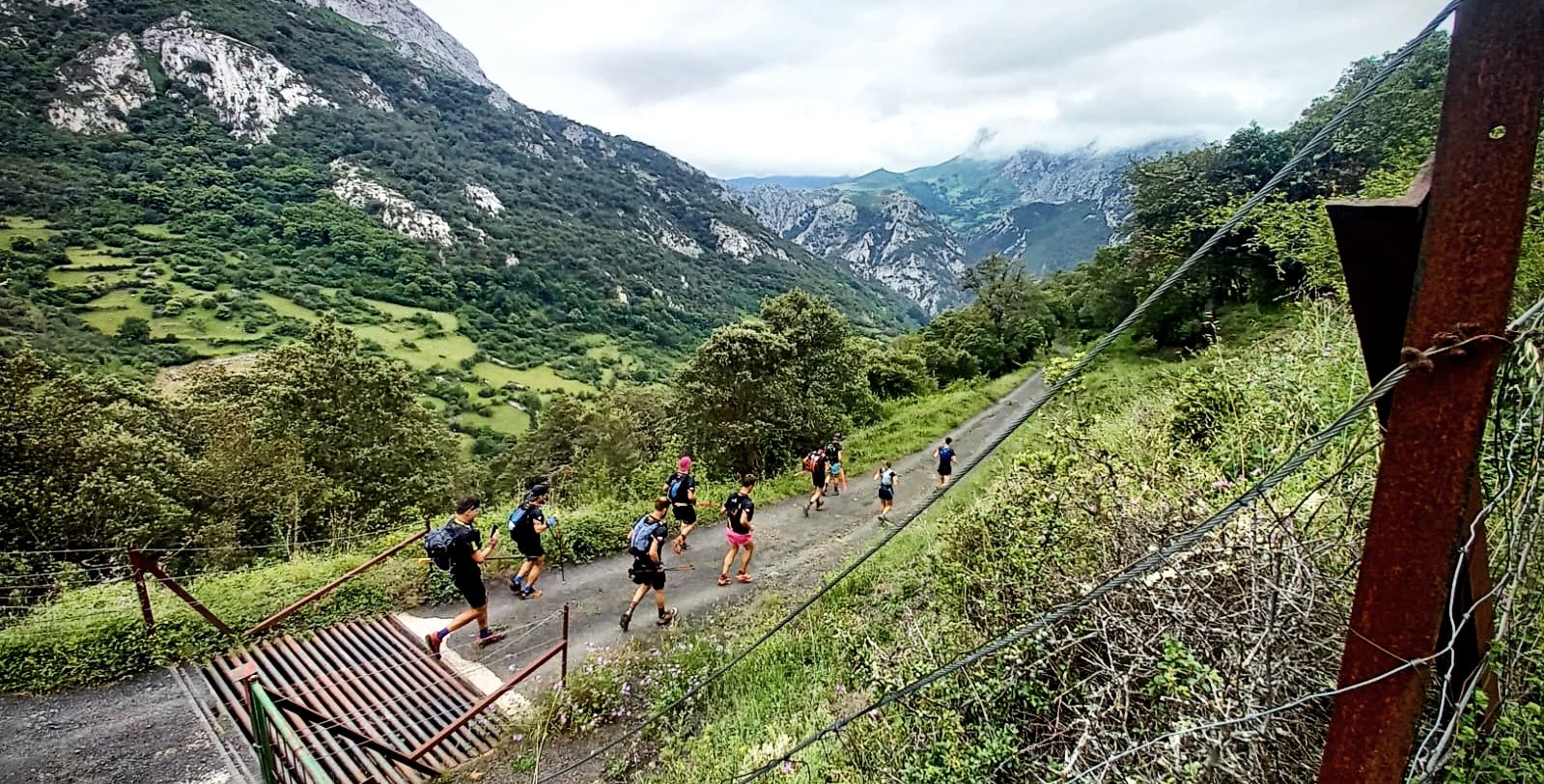
Urdón to Tresviso Trail
Highlight • Trail
Translated by Google •
Tip by

Ancient Chestnut Trees of Vega de Urriellu
Highlight • Natural Monument
Translated by Google •
Tip by

Sign up now to discover places like this
Get recommendations on the best single tracks, peaks, & plenty of other exciting outdoor places.
Sign up for free
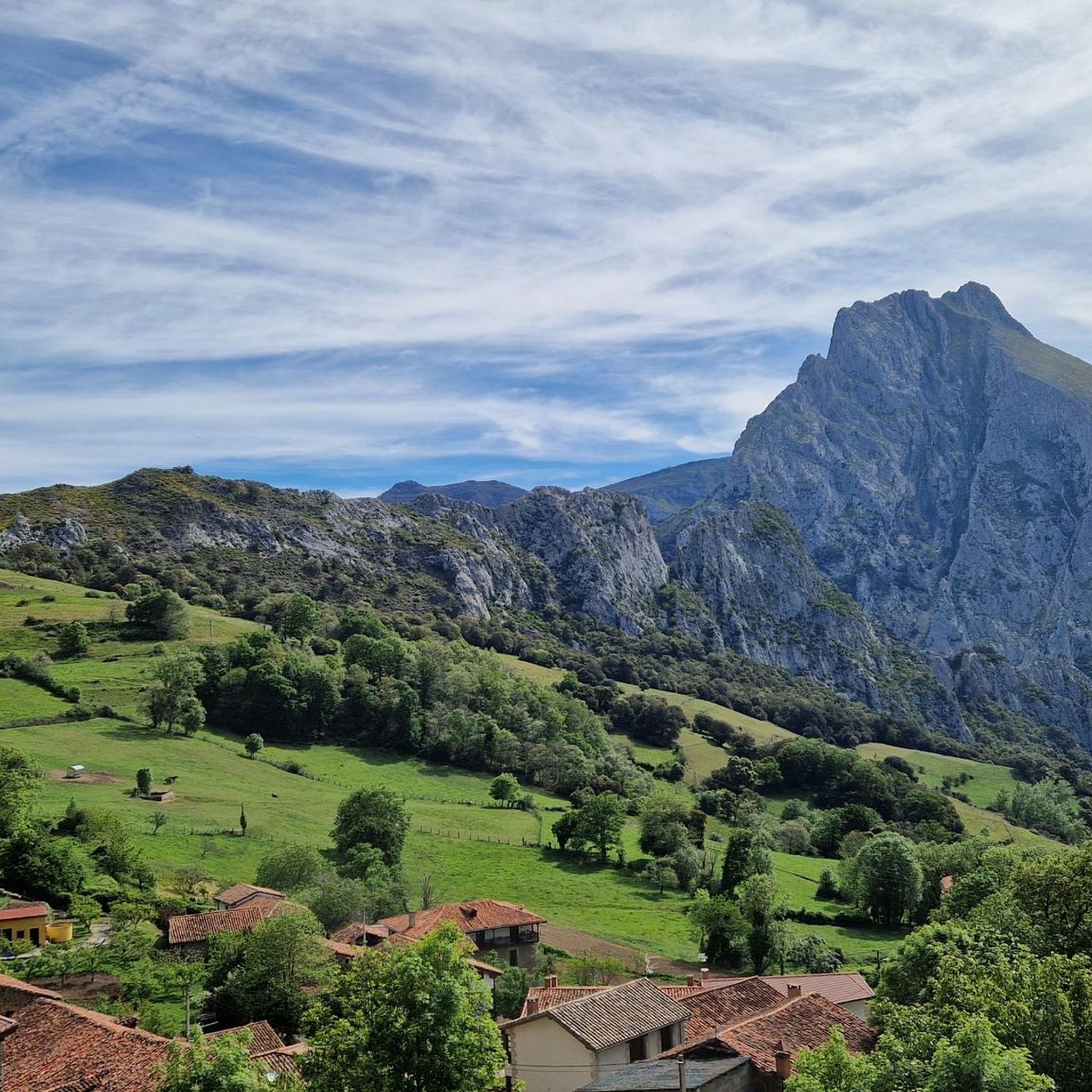
Santa Catalina Viewpoint
Highlight • Viewpoint
Translated by Google •
Tip by
Alto de Caballar – Stage Finish of La Vuelta 2015
Highlight • Climb
Tip by

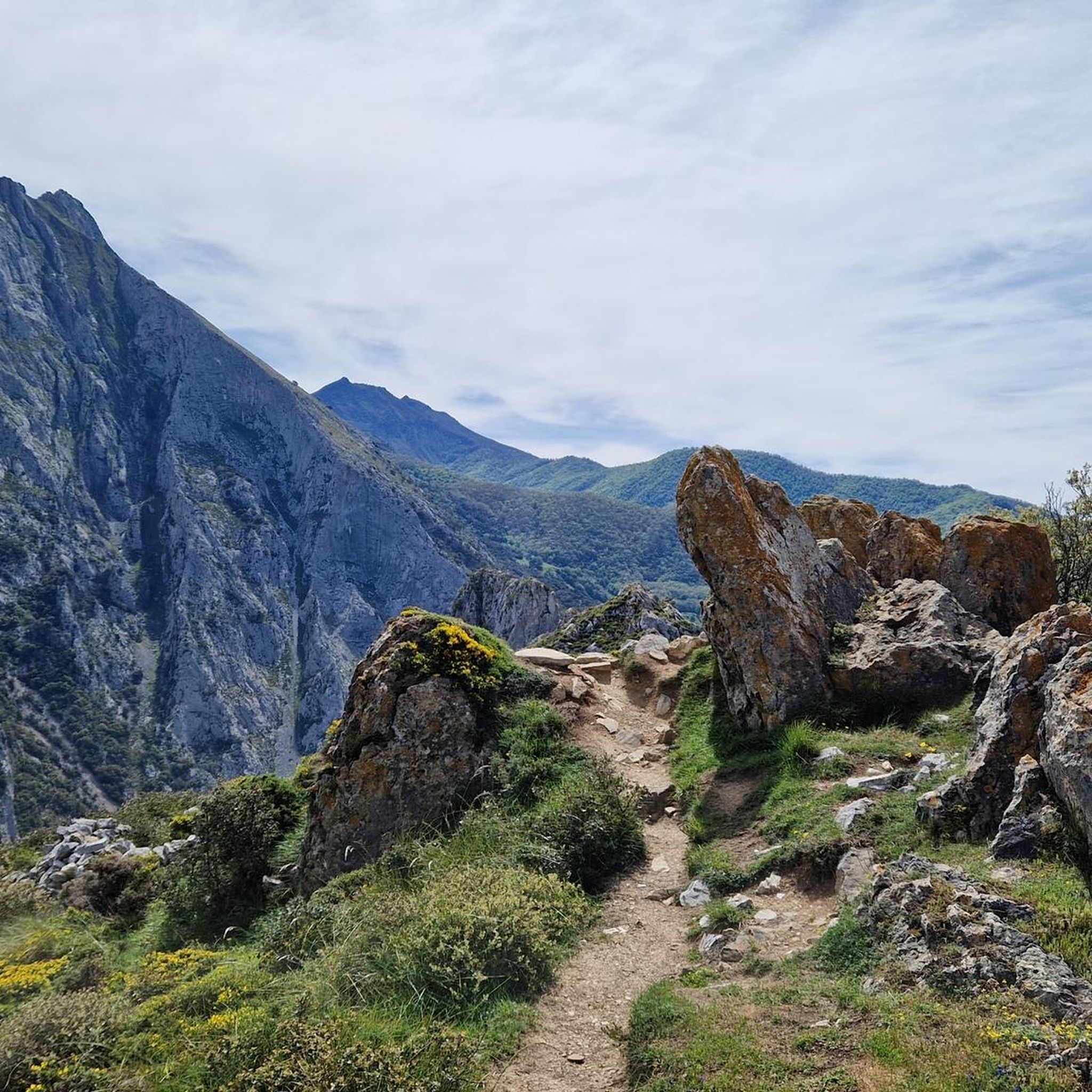
Vao de los Lobos Spring
Highlight • Natural Monument
Translated by Google •
Tip by

Sign up for free to discover even more natural monuments around Peñarrubia.
Sign up for free
Already have an account?
Start today with a free account
Your next adventure awaits.
Login or Signup
Other adventures around Peñarrubia

Tips from the Community

I went first thing in the morning and loved watching the sunrise. The route is manageable, although the descent is a bit long due to the curves and loose stones.
0
0

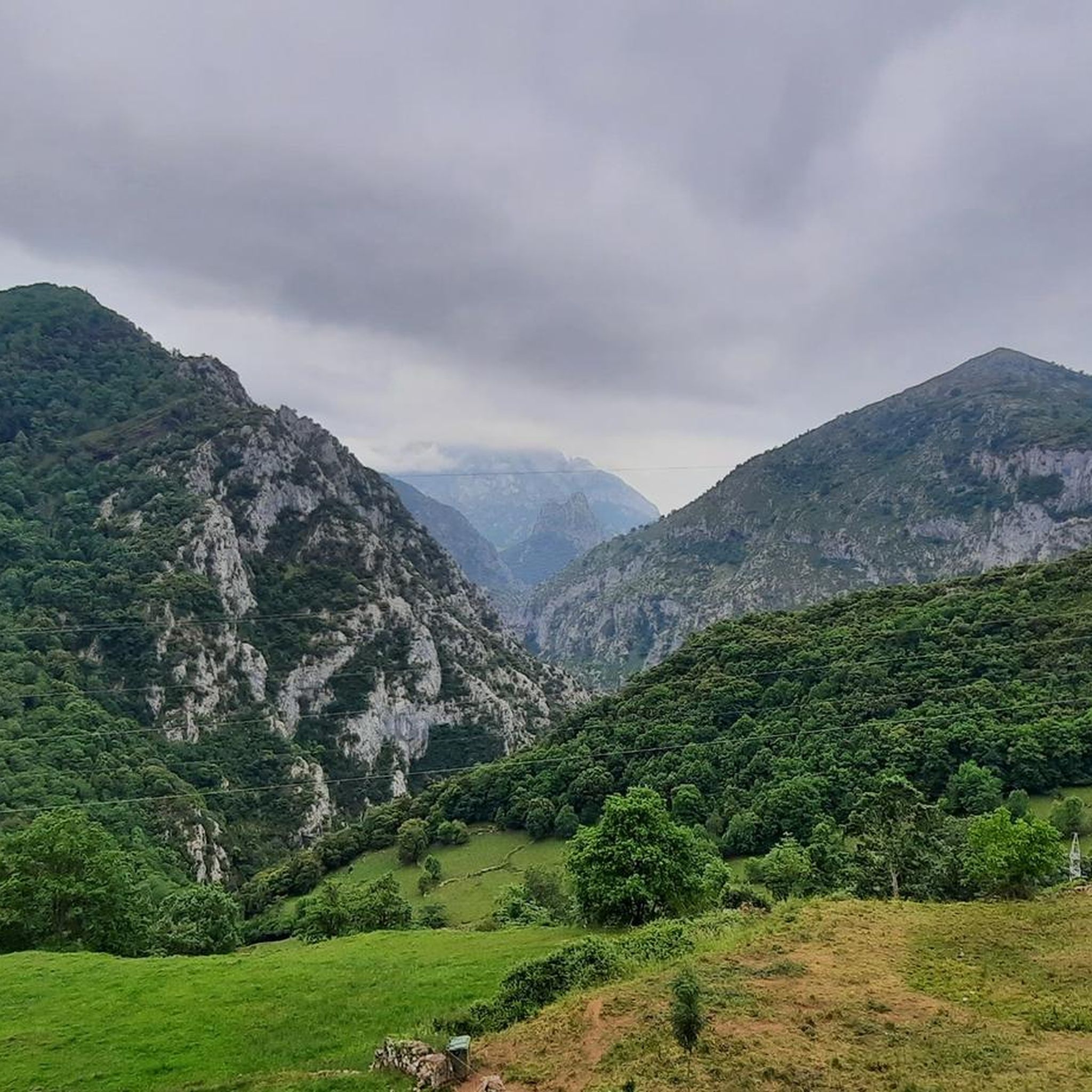
Incredible views of the Hermida gorge.
1
0

Hard but short climb. From the viewpoint we can see the Hermida gorge
2
0

There is a water basin known as Vao de los Lobos (1,127 m). It is a fork in the route. The branch on the right goes directly towards the Hoyo del Tejo, while the one on the left ascends towards the interior of the Ándara Massif.
1
0

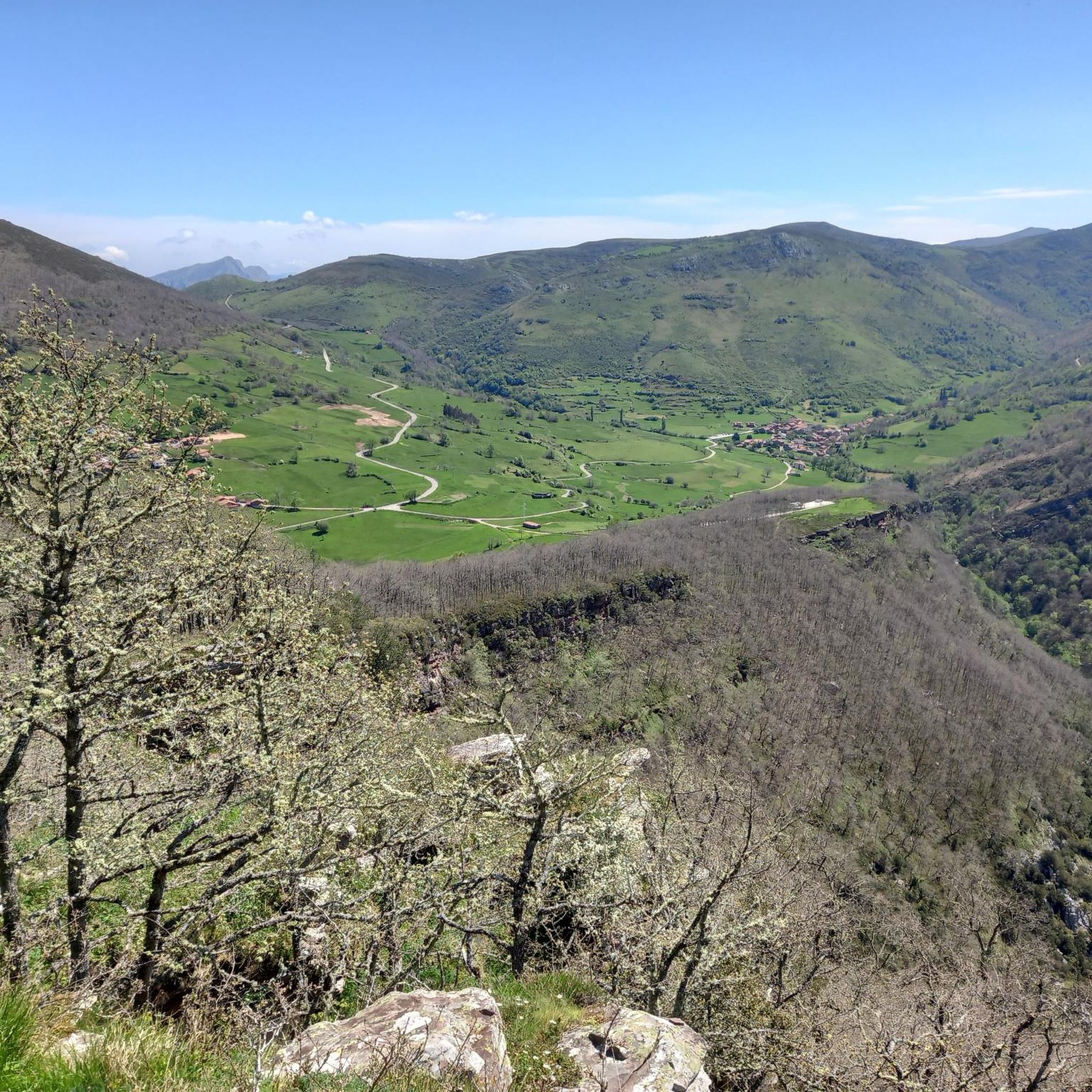
It is worth getting here to have some beautiful views of the Deva river valley. In the town of Cicera you must take the detour along the north path that leads to the hermitage of Santa Catalina and from there continue a few more meters, highly recommended!
3
0
It is worth getting here to have some beautiful views of the Deva river valley. If you are doing the Camino Lebaniego, in the town of Cicera you must take the detour along the north path that leads to the hermitage of Santa Catalina and from there continue a few more meters, highly recommended!
2
1
Around those chestnut trees, some of which are thousands of years old, there is a small picnic area with tables, benches and a water fountain, a strategic place to take a break on your route.
2
0

The Urdón Tresviso PR-PNPE 30 route is a route of medium difficulty due to the unevenness to be overcome (more than 800 meters), which runs along paths with sections of loose stone and areas with significant vertical drops without lateral protection. Although, unless you have vertigo, it does not present major objections.
1
0
Frequently Asked Questions
What are some popular hiking trails among the natural monuments in Peñarrubia?
For a challenging experience, the Urdón to Tresviso Trail is a popular choice, known for its scenic ascents and over 800 meters of elevation gain. If you're looking for a more family-friendly option, the Senda Mitológica, starting near the Santa Catalina Viewpoint, offers an engaging walk through the Hozarco forest with figures of Cantabrian mythological creatures.
Which natural monuments offer the best panoramic views in Peñarrubia?
The Santa Catalina Viewpoint is highly recommended for its splendid panoramic views of the Deva river valley and the vast Desfiladero de la Hermida. Another excellent spot is the Alto de Caballar, which also offers impressive vistas.
Are there family-friendly natural monuments or trails in Peñarrubia?
Yes, the Ancient Chestnut Trees of Vega de Urriellu is a great family-friendly natural monument, featuring ancient trees and a picnic area. The Senda Mitológica, near the Santa Catalina Viewpoint, is also perfect for families, combining natural beauty with local folklore and interactive mythological figures.
What unique natural features can I explore in Peñarrubia?
Peñarrubia is home to diverse natural features. The Desfiladero de la Hermida is Spain's longest gorge, with towering limestone walls and the Deva River. You can also explore the Ancient Chestnut Trees of Vega de Urriellu, some of which are thousands of years old, and the botanically significant Braña de los Tejos, known for its native Cantabrian forest species like yews and hollies.
What kind of hiking difficulty can I expect on trails around Peñarrubia's natural monuments?
Hiking difficulties vary. Trails like the Urdón to Tresviso Trail are considered challenging due to significant elevation gains and sections with loose stone. However, there are also easier, family-friendly options like the Senda Mitológica, which offers a gentle walk through the forest.
When is the best time of year to visit the natural monuments in Peñarrubia?
The best time to visit the natural monuments in Peñarrubia is generally during spring (April to June) and autumn (September to October). During these seasons, the weather is pleasant for outdoor activities, and the landscapes are particularly vibrant with spring blooms or autumn colors. Summer can also be suitable, but be prepared for warmer temperatures.
What other outdoor activities can I do near the natural monuments in Peñarrubia?
Beyond hiking, Peñarrubia offers excellent opportunities for road cycling and mountain biking. You can find various routes for road cycling and MTB, ranging in difficulty. There are also several running trails, including options along the Deva River.
Do any natural monuments in Peñarrubia have historical or cultural significance?
The Desfiladero de la Hermida is traversed by the N-621, which follows a historic route through the gorge. Additionally, the Senda Mitológica near the Santa Catalina Viewpoint incorporates local Cantabrian folklore, featuring figures of mythological creatures along its path, blending natural beauty with cultural storytelling.
Is parking available at the natural monuments in Peñarrubia?
While specific parking details vary by location, many natural monuments and trailheads in the Peñarrubia area, especially popular viewpoints and starting points for trails, typically have designated parking areas or roadside spots available for visitors. It's advisable to check specific access points for larger natural attractions like the Desfiladero de la Hermida.
Are the natural monuments and trails in Peñarrubia dog-friendly?
Many natural areas and trails in Peñarrubia are generally dog-friendly, especially if dogs are kept on a leash. However, it's always best to check local regulations or signage at specific natural monuments or protected areas, as rules can vary. Ensure you carry water for your dog and clean up after them.
How much time should I allocate to visit the natural monuments in Peñarrubia?
The time needed depends on your chosen activity. A quick stop at a viewpoint like Santa Catalina might take an hour, while a hike like the Urdón to Tresviso Trail could take several hours. To fully appreciate a few key sites and enjoy a hike, dedicating a full day or even a weekend is recommended.
Are there any lesser-known natural gems worth discovering near Peñarrubia?
Beyond the most popular spots, the Braña de los Tejos offers a spectacular mountain route with significant botanical interest, showcasing native Cantabrian forest species. Another interesting route is the Concrete slab and gravel road from Bajes to El Jito de Escarandi, which provides stunning views and a quiet descent.
What should I wear when visiting the natural monuments in Peñarrubia?
When visiting the natural monuments in Peñarrubia, especially if you plan to hike, wear comfortable, layered clothing suitable for varying weather conditions. Sturdy hiking boots are essential for uneven terrain. Depending on the season, bring rain gear, sun protection, and plenty of water.
Most popular attractions around Peñarrubia

Get inspired with the komoot mobile app


Explore more
Extend your search for the best caves by checking out these guides of the top ones around Peñarrubia:
