Top 17 Natural Monuments around Puigcerdà
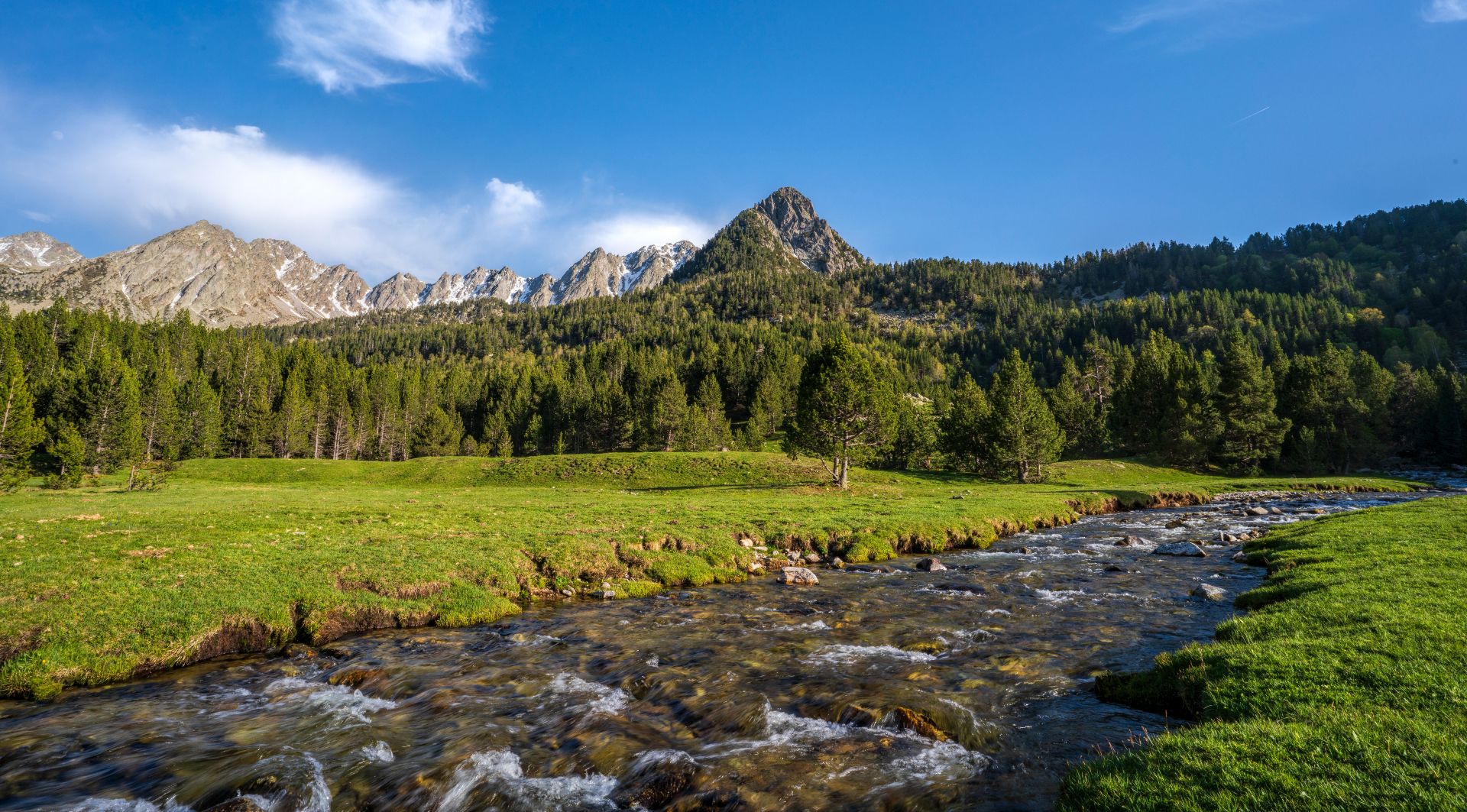
Best natural monuments around Puigcerdà are found in the Catalan Pyrenees, providing access to diverse landscapes and rich biodiversity. The region features high mountain areas, glacial lakes, and significant natural parks. These natural features offer various recreational opportunities and showcase the unique geology of the Pyrenees.
Best natural monuments around Puigcerdà
- The most popular natural monuments is Source of the Llobregat River, a river that springs directly from the subsoil through calcareous rocks, forming waterfalls. This geological phenomenon creates…
Last updated: August 11, 2026
Pas dels Lladres (2,534 m)
Highlight • Mountain Pass
Translated by Google •
Tip by

Source of the Llobregat River
Highlight • River
Translated by Google •
Tip by

Sign up now to discover places like this
Get recommendations on the best single tracks, peaks, & plenty of other exciting outdoor places.
Sign up for free
Peak of the Moors
Highlight • Summit
Translated by Google •
Tip by

Tosa d'Alp (2,535 m)
Highlight • Summit
Translated by Google •
Tip by

Puigllançada
Highlight • Summit
Translated by Google •
Tip by

Sign up for free to discover even more natural monuments around Puigcerdà.
Sign up for free
Already have an account?
Start today with a free account
Your next adventure awaits.
Login or Signup
Other adventures around Puigcerdà

Tips from the Community

Una de les millors vistes entre la Cerdanya i el Berguedà
0
0

Masella - Niu - Coma Oriola - Niu - Masella. Controlant Z3 - Z4. De tranquis, sense apretar en cap moment, sumant desnivell. Molt bones sensacions.
0
0

Birth of the Llobregat river. Stairs and directions for a nice and easy walk (with some stairs!)
1
0

The Pic dels Moros culminates at 2,138 meters on the heights of Font-Romeu. Easy to access, it offers a remarkable panorama of the Pyrenees chain.
0
0

The source of the Llobregat river, in the municipality of Castellar de n'Hug, is a spectacular place, since the water springs directly from the subsoil through calcareous rocks, forming waterfalls. The geology of the subsoil is what allows this phenomenon: groundwater flows between the fissures of Devonian carbonate materials, but when meeting the rocks generally Permian impermeables, and unable to break through, they make their way to the surface.
1
0

The Pic dels Moros, at an altitude of 2,138 meters west of Font-Romeu, offers magnificent views of Cerdanya.
1
0

Key mountain pass for the ascent to Puigmal from Collet de les Barraques, located between Pic de Dorria (2548m) to the SW. and the pass of Pas dels Lladres to the N-NE. This is where the track passes from Oceja, through the Coll de Pradelles and the Coll de Sant Salvador to the slopes of Tossa del Pas dels Lladres and which can be done by mountain bike. I have met once. Going down in the direction of NO we could reach Vallcebollera passing through the chapel of Sant Bernabé.
1
0

There are no toilets.
2
0
Frequently Asked Questions
What are some of the most notable natural monuments to visit around Puigcerdà?
The region offers a variety of impressive natural monuments. You can explore the Source of the Llobregat River, where water springs directly from calcareous rocks, forming spectacular waterfalls. Another must-see is the Peak of the Moors, offering panoramic views of the Cerdanya and Capcir regions from its 2,138-meter summit. For high mountain landscapes and glacial lakes, consider the Tossa Plana de Lles-Puigpedrós Protected Natural Area, which includes peaks like Puigpedrós.
Are there natural parks near Puigcerdà that I can visit?
Yes, the Cadí-Moixeró Natural Park is one of the largest natural spaces in Catalonia, encompassing over 41,060 hectares of mountainous terrain. It features dramatic mountain ranges, diverse ecosystems, and is a hotspot for biodiversity, especially for birdwatching. The Tossa Plana de Lles-Puigpedrós Protected Natural Area is also nearby, known for its high-mountain landscapes and glacial lakes.
What kind of natural features can I expect to see in the natural monuments around Puigcerdà?
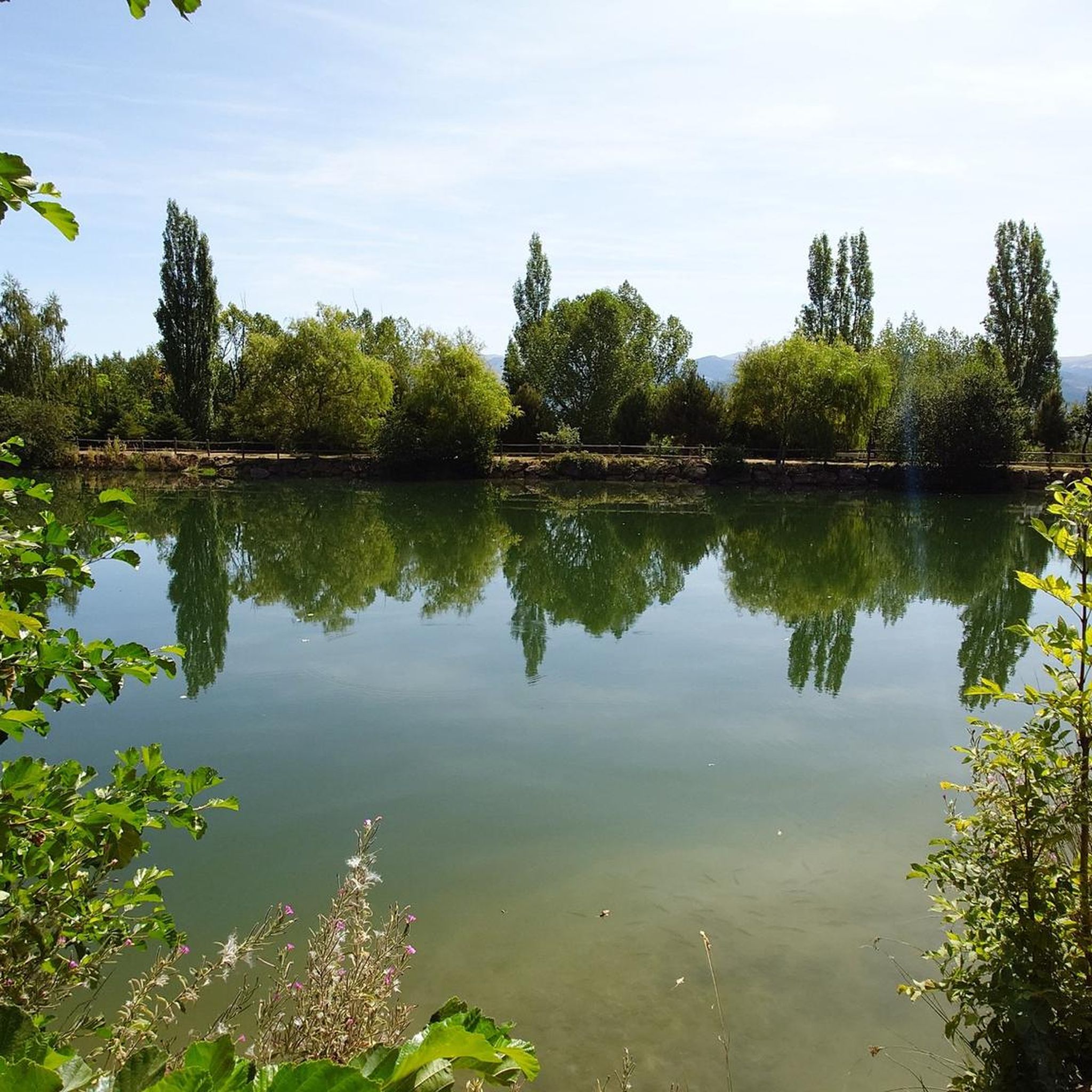
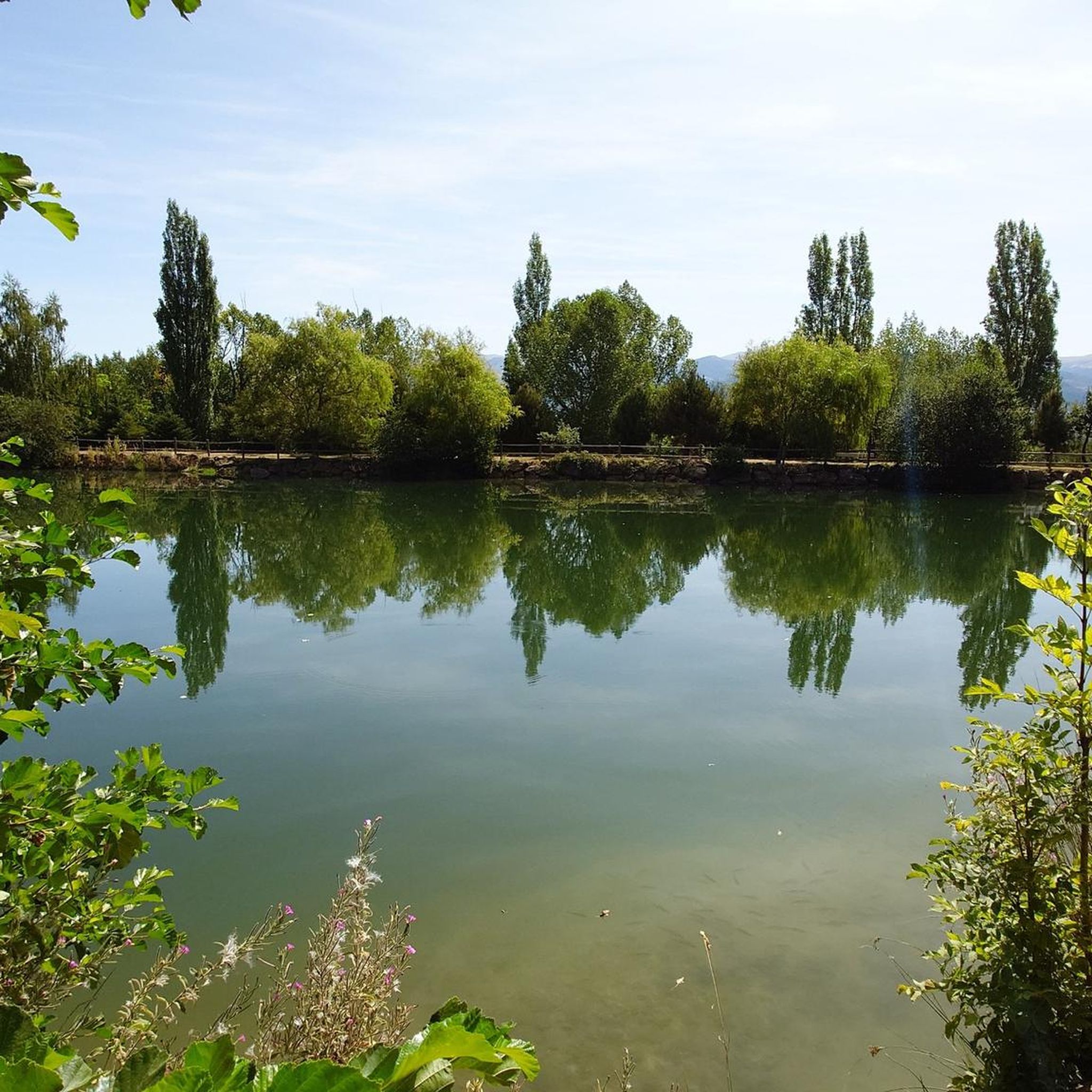
You'll encounter a wide range of natural features. These include high mountain passes like Pas dels Lladres (2,534 m) and Comafloriu Pass, offering incredible vistas. There are also stunning waterfalls such as the Waterfall of the Montmelús Stream, serene glacial lakes in the Tossa Plana de Lles-Puigpedrós area, and the tranquil Estany de Puigcerdà (Puigcerdà Lake) right within the town.
What outdoor activities can I do near these natural monuments?
The region is excellent for various outdoor activities. You can find numerous hiking trails, including those that pass through the Cadí-Moixeró Natural Park and the Tossa Plana de Lles-Puigpedrós Protected Natural Area. The Hiking around Puigcerdà guide offers several moderate routes. For cyclists, there are challenging routes like those found in the Cycling around Puigcerdà guide. In winter, areas like Cadí-Moixeró are suitable for Alpine and Nordic skiing.
Are there family-friendly natural attractions around Puigcerdà?
Yes, the Estany de Puigcerdà (Puigcerdà Lake) is a perfect family-friendly spot for leisurely strolls and enjoying the picturesque setting right within the town. While many mountain trails are intermediate, some sections or shorter walks around the lake and lower valleys can be suitable for families. Always check the difficulty and length of a route before heading out with children.
What is the best time of year to visit the natural monuments in this region?
The best time to visit depends on your preferred activities. Spring and summer are ideal for hiking, cycling, and enjoying the lush landscapes and glacial lakes. Autumn brings beautiful golden hues to the foliage, especially around Estany de Puigcerdà. Winter transforms the high mountain areas into a snowy paradise, perfect for skiing and snowshoeing, though some high passes may be less accessible.
What kind of wildlife can be observed in the natural monuments around Puigcerdà?
The natural monuments, particularly the Cadí-Moixeró Natural Park and the Tossa Plana de Lles-Puigpedrós Protected Natural Area, are rich in biodiversity. You might spot high-mountain species like the stoat and ptarmigan. The region is especially significant for ornithology, with native Pyrenean bird species such as the bearded vulture, white-winged snowfinch, and citril finch frequently observed.
Are there any easy walks or trails for beginners near Puigcerdà's natural monuments?
For an easy and accessible experience, the path around the Estany de Puigcerdà (Puigcerdà Lake) offers a peaceful stroll with beautiful views. While many mountain trails are intermediate, you can often find shorter, less strenuous sections or designated walking paths in the lower valleys of the natural parks. Always check route descriptions for difficulty ratings.
Can I go running near the natural monuments in Puigcerdà?
Absolutely! There are several running trails available. The Running Trails around Puigcerdà guide lists various routes, including moderate loops around the Puigcerdà Pond and Torniquet Lake, offering scenic options for runners.
What are the geological highlights of the natural monuments in the Puigcerdà area?
The region showcases fascinating geological phenomena. The Source of the Llobregat River is a prime example, where groundwater flows through fissures in Devonian carbonate materials and emerges as waterfalls. The high peaks like Puigpedrós and the glacial lakes in the Tossa Plana de Lles-Puigpedrós Protected Natural Area also demonstrate the powerful geological forces that shaped the Pyrenees.
Are there any specific tips for visiting the Source of the Llobregat River?
When visiting the Source of the Llobregat River, it's recommended to wear mountain shoes due to the terrain. This spectacular spot features water springing directly from the subsoil through calcareous rocks, forming impressive waterfalls.
What views can I expect from the mountain passes around Puigcerdà?
Mountain passes like Comafloriu Pass (2,155 meters) offer incredible panoramic views of the surrounding mountains, including the Sierra del Cadí, Pedraforca, the southern slope of Tossa d'Alp, and Puigllançada. From the Peak of the Moors, you can enjoy extensive vistas of the entire Pyrenees chain, Cerdanya, and Capcir regions.
Most popular routes around Puigcerdà
Most popular attractions around Puigcerdà

Get inspired with the komoot mobile app


Explore more
Extend your search for the best caves by checking out these guides of the top ones around Puigcerdà:
