Top 20 Natural Monuments around Mutriku
Best natural monuments around Mutriku are primarily found within the Basque Coast UNESCO Global Geopark, showcasing significant geological formations. The region features spectacular flysch formations, including the "Black Flysch," which reveal millions of years of geological history along its coastline. Inland, a karst landscape with unique morphology is present in the Olatz Valley and Mount Arno. Mutriku also offers natural saltwater pools that fill with the tides, providing accessible coastal features.
Best natural monuments around Mutriku
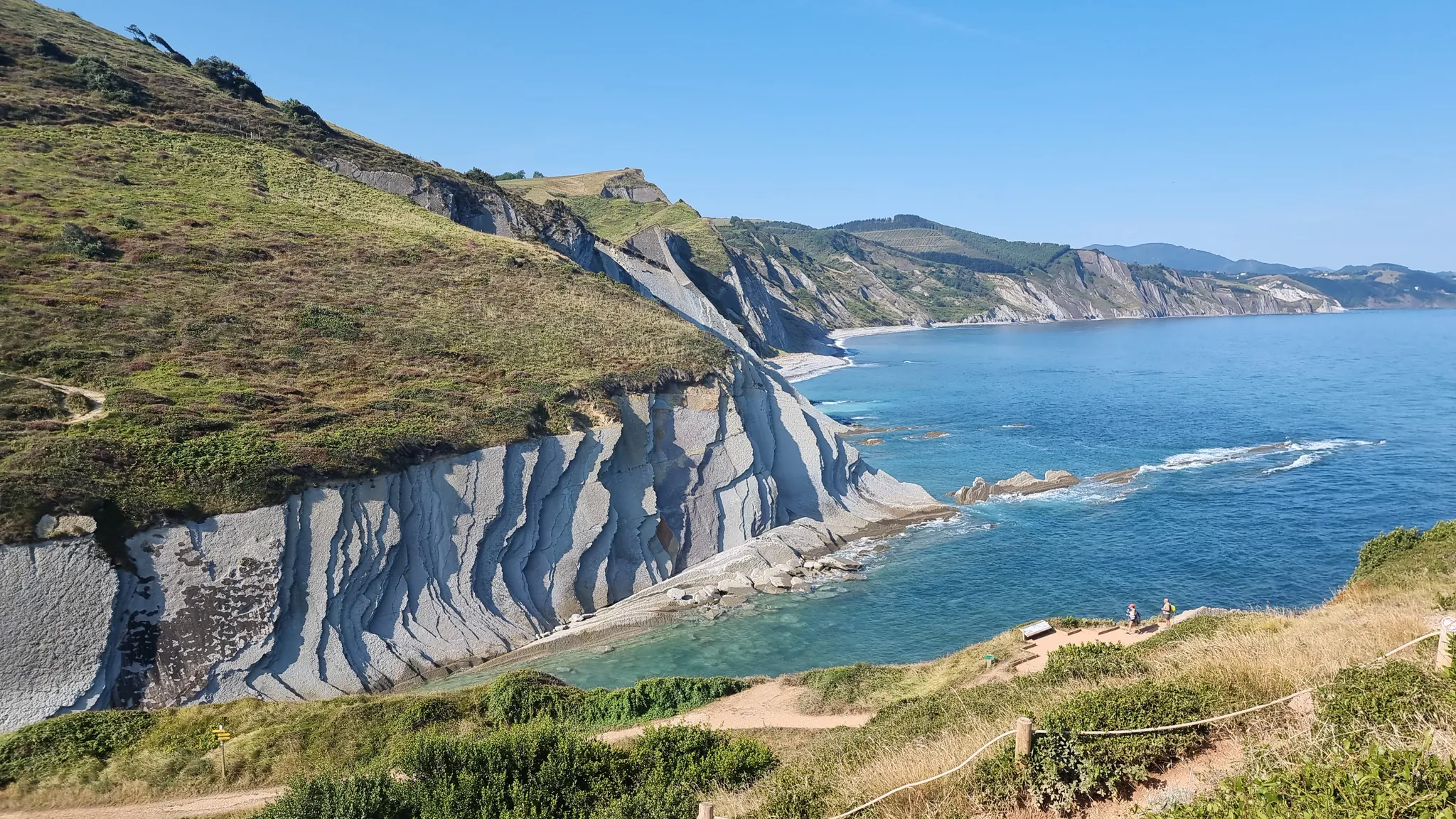
- The most popular natural monuments is Algorri Flysch, a natural monument featuring spectacular rock structures of alternating sediment layers. This site is part of the Basque Coast Geopark, offering insights into geological history.
- Another must-see spot is San Telmo Hermitage, a religious building located on the coast. This spot offers views of the flysch formations and is accessible at low tide.
- Visitors also love Cretaceous–Paleogene Boundary Cliffs, a geologically interesting natural monument. At this point, the Cretaceous-Tertiary boundary is exposed, marking the geologic boundary of 65 million years ago and the dinosaur extinction.
- Mutriku is known for its ancient flysch formations, diverse karst landscapes, and unique natural tidal pools. These natural sites offer a variety of geological and coastal features to explore.
- The natural monuments around Mutriku are appreciated by the komoot community. The highlights have received more than 400 upvotes and feature over 180 photos, reflecting their appeal to outdoor enthusiasts.
Last updated: August 25, 2026
Algorri Flysch
Highlight • Natural Monument
Translated by Google •
Tip by

San Telmo Hermitage
Highlight • Religious Site
Translated by Google •
Tip by

Sign up now to discover places like this
Get recommendations on the best single tracks, peaks, & plenty of other exciting outdoor places.
Sign up for free
Cretaceous–Paleogene Boundary Cliffs
Highlight • Natural Monument
Attention: Be aware of the tides - the coast cannot be safely crossed during high tides
Translated by Google •
Tip by

Playa de Sakoneta
Highlight • Beach
Translated by Google •
Tip by

Portutxiki Viewpoint
Highlight • Viewpoint
Translated by Google •
Tip by

Sign up for free to discover even more natural monuments around Mutriku.
Sign up for free
Already have an account?
Start today with a free account
Your next adventure awaits.
Login or Signup
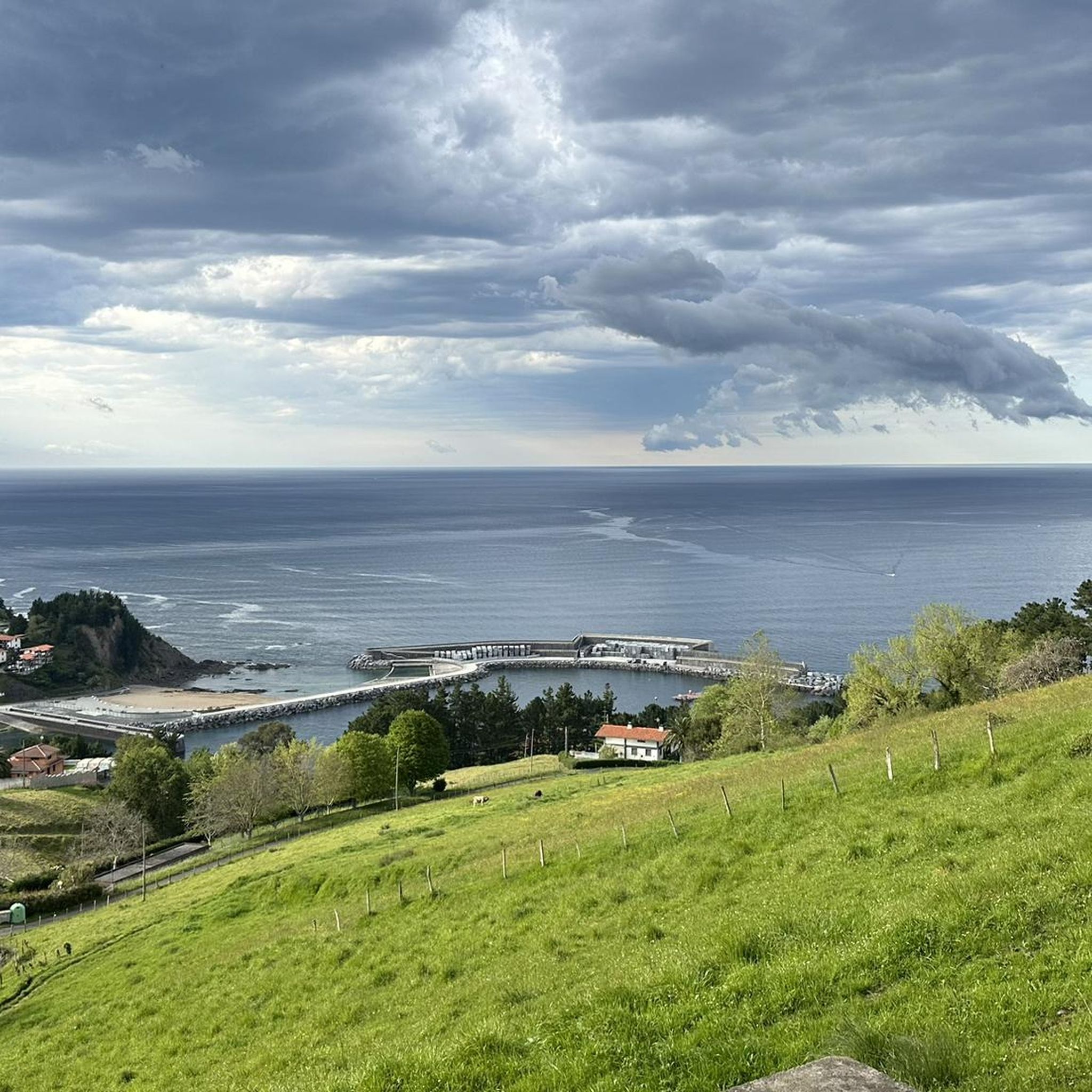
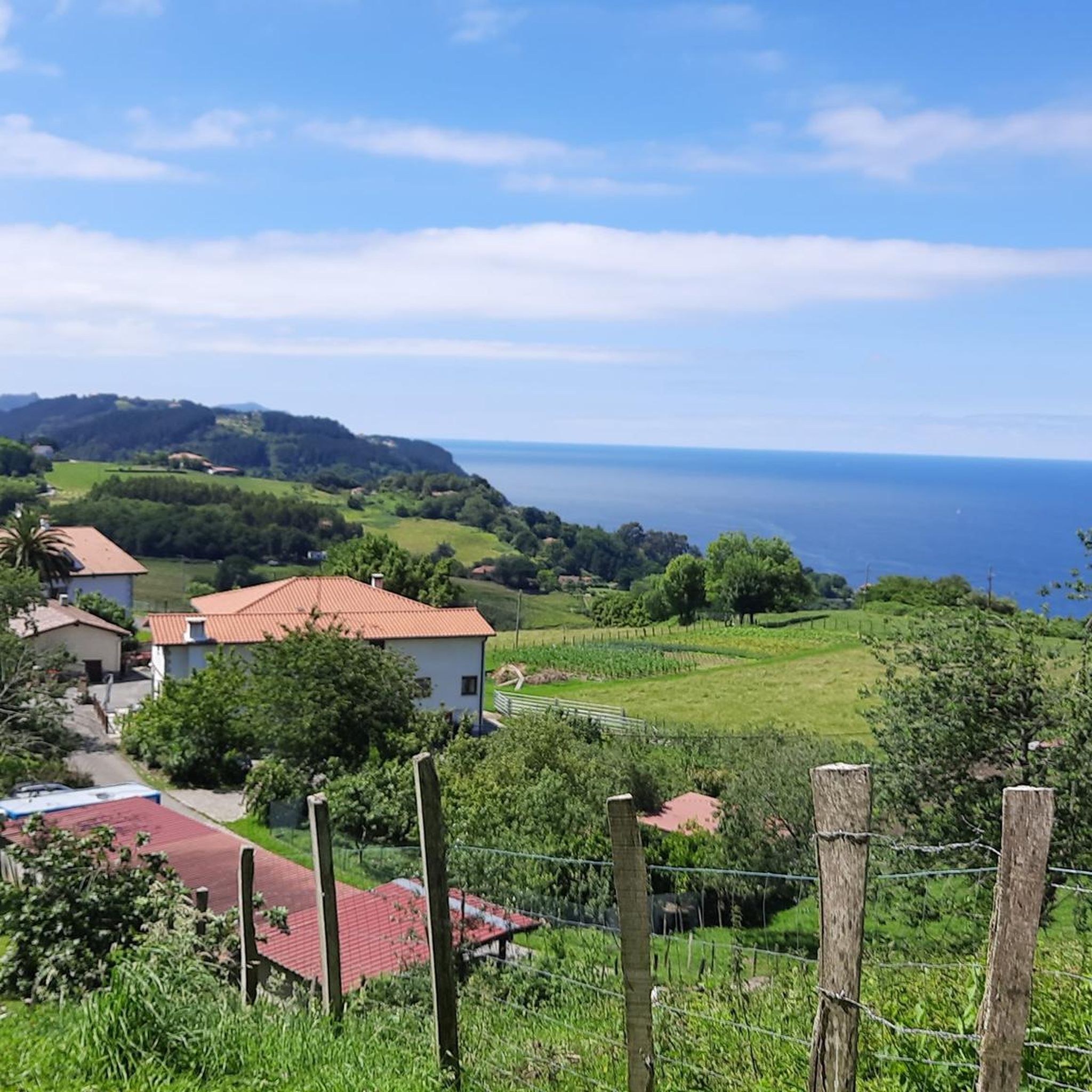

Other adventures around Mutriku

Tips from the Community

Super beautiful cliffs! Unfortunately, it was still high tide where we were, so the flysch cliffs were only visible at low tide. Check the tides at tideschart.com.
0
0

The first (or last section if reversing the route) section is absolutely NOT accessible. Possibly only at extreme low tide. We were there an hour before extreme low tide, and it was completely impossible. I would choose to simply follow the route at a higher elevation and skip the "beach" section. Especially since the beach is made up of large stones and rocks, difficult to walk on because you always have to watch your step due to loose stones.
1
0

Mostly the area is windy especially due to topography. Do not forget to carry water with yourself. Enjoy the Bay of Biscay
2
0

Amazing views of much of the coast where you can see the flish
1
0


Spectacular route along the Cantabrian cornice enjoying the famous flich dating back 50 million years and its small hermitage with 8 Basque surnames.
3
0

Sant Telmo viewpoint where we have spectacular views
2
1
ATTENTION/WARNING: The first or - if you are doing a reversed tour - the last part of the coast is only recommended/possible at absolute low tide. Otherwise it is very dangerous and difficult and definitely not possible with children.
5
0
Frequently Asked Questions
What unique geological features can I explore around Mutriku?
Mutriku is renowned for its spectacular flysch formations, particularly the 'Black Flysch,' which dates back over 110 million years. These dramatic rock strata, visible along the coast, reveal millions of years of geological history. Inland, you can explore a significant karst landscape in the Olatz Valley and Mount Arno, featuring unique morphology and caves like Kobalde Cave.
Are there any natural monuments that are particularly good for geology enthusiasts?
Absolutely. The Zumaia Flysch Cliffs are a prime example, showcasing sediments from a collision between the Iberian and European tectonic plates, including a thin black layer from a meteorite impact 66 million years ago. The Cretaceous–Paleogene Boundary Cliffs also offer exceptional geological formations, marking the boundary of 65 million years ago and the dinosaur extinction.
Where can I see the famous flysch formations near Mutriku?
You can observe the impressive flysch formations at several locations. The Algorri Flysch features spectacular rock structures of alternating sediment layers and is part of the Basque Coast Geopark. Another excellent spot is the Mendatagaina Viewpoint and Flysch Cliffs, which offers panoramic views over the Basque coast and Sakoneta beach, illustrating coastal erosion dynamics.
Are there any natural swimming spots in Mutriku?
Yes, Mutriku features two large natural saltwater pools located between the breakwater and the port. These pools fill naturally with the changing tides, offering a unique and refreshing swimming experience, especially popular during summer. They are well-serviced with amenities like parking and lifeguards.
What hiking opportunities are available near Mutriku's natural monuments?
The region offers diverse hiking trails. For exploring the inland karst landscape, geo-routes like the 6.5 km trail starting from the Hermitage of San Isidro allow hikers to explore limestones, caves, and mythological sites. The 'Tour of Mutriku' (PR-22) is a longer circular route that includes three summits, including Mount Arno. You can find more options in the Hiking around Mutriku guide.
Are there family-friendly natural monuments or activities around Mutriku?
The natural tidal pools in Mutriku are a great family-friendly option, offering a safe and unique swimming experience. When exploring the flysch, be mindful of tide times, as some sections can be challenging or inaccessible with children during high tide. The Nautilus Museum in Mutriku, which exhibits paleontological samples from the black flysch, could also be an engaging educational activity for families.
What should I know about visiting the coastal natural monuments, especially regarding tides?
Many coastal natural monuments, such as the flysch formations at Algorri and Zumaia, are highly dependent on tide conditions. Sections at sea level may only be accessible at low tide. It is crucial to check tide charts before your visit to ensure safe passage and access to the most spectacular views. For example, the route near San Telmo Hermitage is only recommended at absolute low tide.
Can I find trails for running or cycling near the natural monuments?
Yes, Mutriku offers various outdoor activities beyond hiking. You can find several running trails, including routes like 'Deba Beach – View of Mutriku loop' or 'Ondarroa – Old Bridge of Ondarroa loop' in the Running Trails around Mutriku guide. For cycling, there are gravel biking routes, such as 'Riverside Cycle Path – Alto de Karabieta loop' or 'Landscape – Ascent to Endoia loop', detailed in the Gravel biking around Mutriku guide.
What is the Olatz Valley and what can I do there?
The Olatz Valley is a beautiful rural area nestled within the foothills of Mount Arno, known for its unique karst landscape and geological morphology. It's an excellent place for hiking, with trails like the 'Olatz, the hidden valley — circular from Olatz' route, which is considered easy. The valley is part of a European Natura 2000 site and a Special Area of Conservation (SAC), important for its diverse flora, particularly holm oak trees.
What do visitors enjoy most about the natural monuments around Mutriku?
Visitors are particularly captivated by the dramatic geological formations of the flysch, which offer a unique window into Earth's history. The panoramic coastal views from viewpoints like Mendatagaina Viewpoint are also highly appreciated. The natural tidal pools provide a refreshing and accessible coastal experience, while the diverse landscapes of the Basque Coast Geopark offer something for every nature enthusiast.
Are there any historical or cultural sites near the natural monuments?
While the focus is on natural monuments, the region does have historical elements. For instance, the San Telmo Hermitage is a religious building and historical site located near the coast, offering both cultural interest and stunning views. The Nautilus Museum in Mutriku also connects the town's cultural heritage with its paleontological discoveries.
Most popular attractions around Mutriku

Get inspired with the komoot mobile app


Explore more
Extend your search for the best caves by checking out these guides of the top ones around Mutriku:
