Top 8 Natural Monuments around Ejulve
Natural monuments around Ejulve are found in the province of Teruel, Spain, showcasing geological features shaped by natural forces. This region offers insights into ancient geological processes and diverse natural formations. The landscape is characterized by deep clefts carved by rivers and distinctive karst formations.
Best natural monuments around Ejulve
- The most popular natural monuments is Waterfall in Barranco de la Hoz Mala on the Guadalope River, a waterfall that is a notable spot on the course of the…
Last updated: June 18, 2026
Source of the Pitarque River
Highlight • River
Translated by Google •
Tip by

Waterfall in Barranco de la Hoz Mala on the Guadalope River
Highlight • Waterfall
Translated by Google •
Tip by
Sign up now to discover places like this
Get recommendations on the best single tracks, peaks, & plenty of other exciting outdoor places.
Sign up for free
La Cañadilla
Highlight • Settlement
Translated by Google •
Tip by

Estrecho de Crespol Gorge
Highlight • Gorge
Translated by Google •
Tip by

Vertical Rock Ridges
Highlight • Natural Monument
Translated by Google •
Tip by

Sign up for free to discover even more natural monuments around Ejulve.
Sign up for free
Already have an account?
Start today with a free account
Your next adventure awaits.
Login or Signup
Tips from the Community

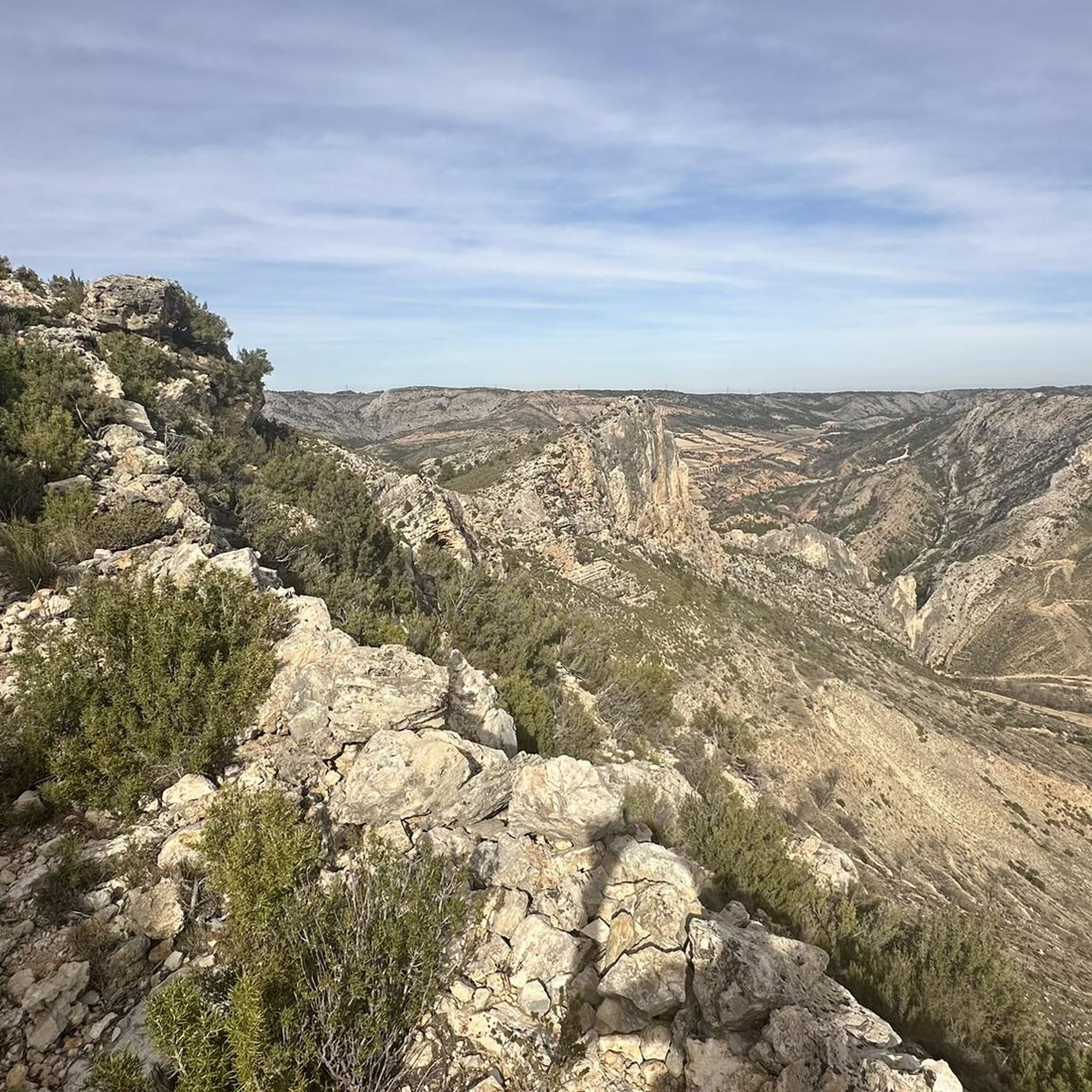
Geological natural monument: The rock ridges, exposed by weathering and erosion, were deposited horizontally in a shallow sea millions of years ago and, through tectonic forces, not only uplifted but also tilted vertically. An impressive example of the effects of the enormous forces of plate tectonics!
1
0

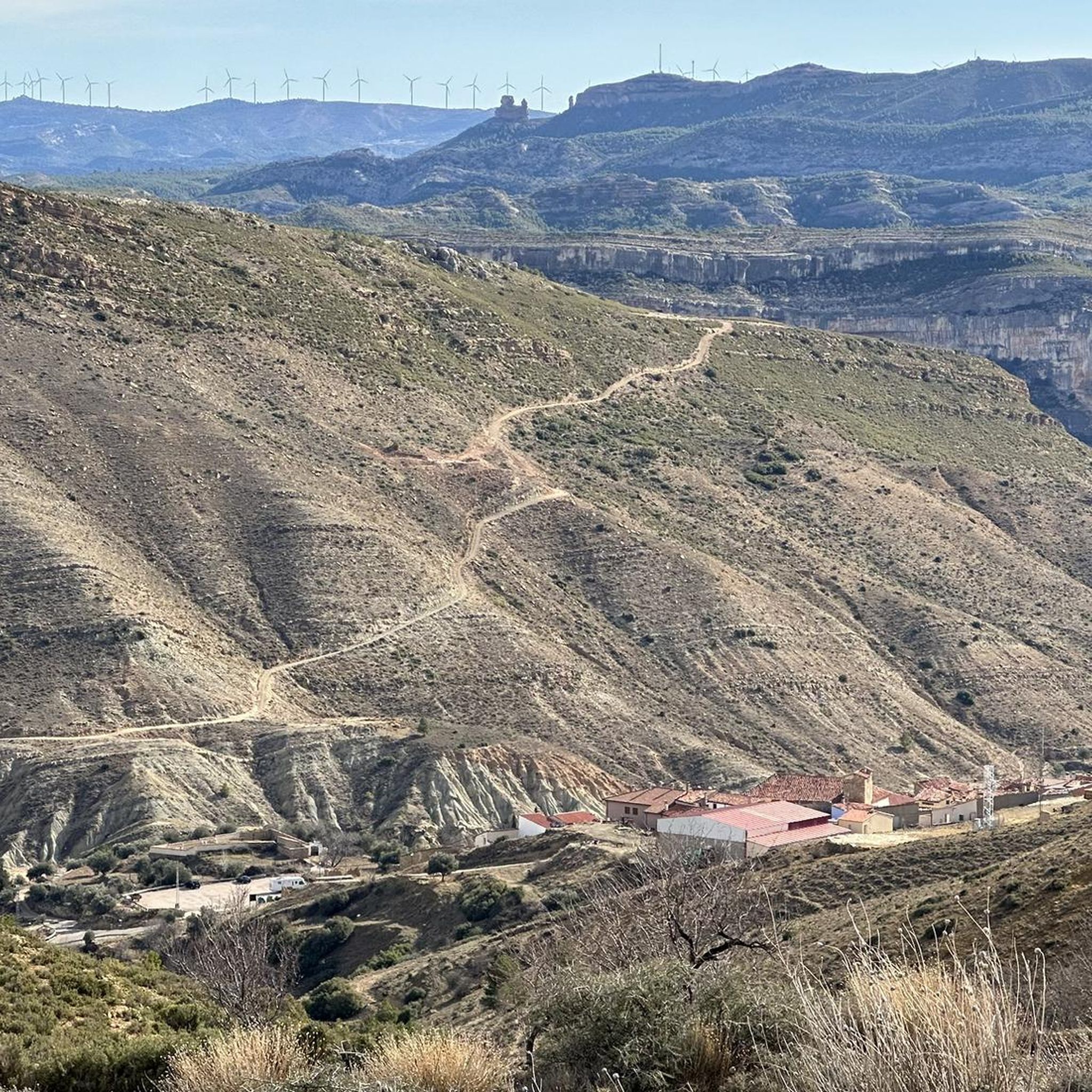
La Cañadilla is a small town located at 1220 meters above sea level on the road that takes us from Aliaga to Ejulve. The passage of time has caused it to gradually become depopulated and, today, it has 4 neighbors, compared to the 25 children who went to school in the 50s. Among its buildings there is a hermitage dedicated to Saint Joseph. A pilgrimage takes place there on Easter Day, to which the people of Cirugeda also come. In the surroundings we will find a fountain with a sink, known as Fuente del Camino; a unique tree, the Pino de Cobatillas, which is located 45 minutes in the direction of Cirugeda, and the Ice Cream Cross, which commemorates the tragic death due to frostbite of three residents of the town who, in the winter of 1941, were lost in the middle of the blizzard.
1
0

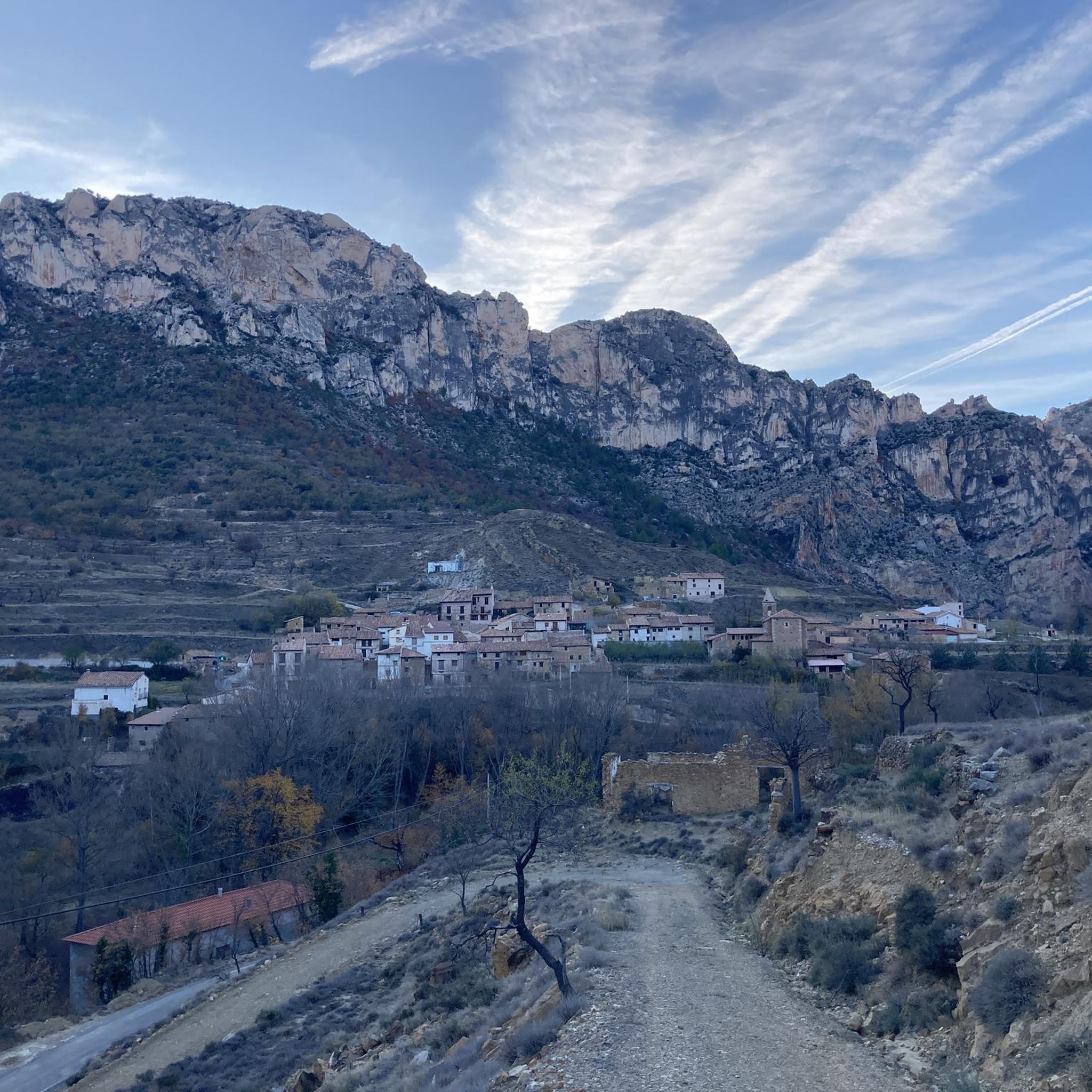
At this point we find ourselves in a beautiful place that we cross on route 08 of the Maestrazgo BTT center. It is about the Crespol Strait ravine that will surely make us take out our camera to photograph the stamp. It is a popular climbing area, so we will surely traverse it with the company of climbers.
1
0

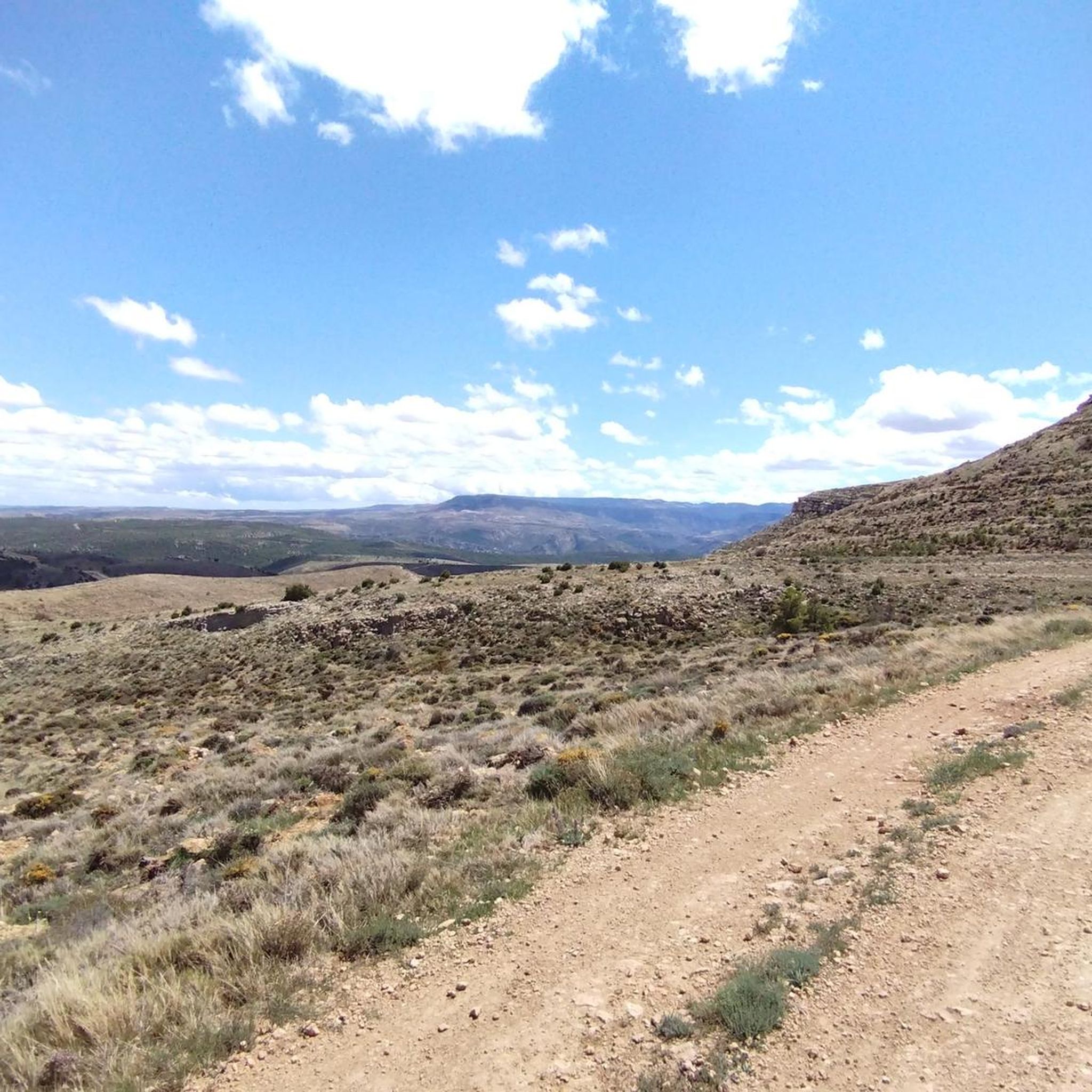
A nice place on the course of the Guadalope River. It can be reached by a path that runs through the Barranco de la Hoz Mala to the Fuente de la Tosca.
2
1
Only about 4 km from the center of the town of Pitarque is this beautiful spot popularly known as "los Ojos del Pitarque" and which marks the source of the homonymous river. The trail to get here runs through a picturesque canyon located in a wonderful setting. A place worth visiting with the whole family!
1
1

Beautiful place within the route PASARELAS DE VALLORÉ.
5
0

patience and calm
1
2
Frequently Asked Questions
What are some of the most impressive natural features to explore around Ejulve?
Ejulve is rich in geological wonders. You can explore the dramatic Estrecho de Crespol Gorge, known for its climbing opportunities and stunning views. The region also features unique karst rock formations, especially along the 'Silent Route', showcasing landscapes shaped by millennia of natural erosion. Additionally, the area boasts deep clefts carved by rivers, revealing ancient rock layers.
Are there family-friendly natural monuments near Ejulve?
Yes, several natural monuments are suitable for families. The Source of the Pitarque River offers a picturesque trail through a canyon, perfect for a family outing. Another great option is the Grutas de Cristal, a fascinating cave system declared a Natural Monument of Aragon, which provides guided tours that are quite an experience for all ages.
What kind of hiking trails can I find near Ejulve's natural monuments?
The area around Ejulve offers a variety of hiking trails. A popular choice is the Valloré Viewpoint Trail, which includes impressive wooden walkways suspended over the Río Guadalope, offering panoramic views. You can find more details on various routes, including those of different difficulties, in the Hiking around Ejulve guide.
What is the best time of year to visit the natural monuments in Ejulve?
Spring is an excellent time to visit, especially for sites like the Valloré Viewpoint Trail and Footbridges, where the views are particularly stunning under a deep blue sky. The weather is generally pleasant for outdoor activities, and the natural landscapes are vibrant.
Are there any natural monuments with historical significance in the Ejulve area?
While primarily natural, some sites have historical connections. For instance, La Cañadilla, a small, high-altitude settlement, features a hermitage and unique historical markers like the Ice Cream Cross, commemorating a tragic event. It also boasts a unique tree, the Pino de Cobatillas, adding to its character.
Can I go cycling or mountain biking near the natural monuments?
Absolutely! The region is well-suited for cycling and mountain biking. You can find various routes, such as the Sierra del Señor circular route for touring bicycles or the Sierra de Majalinos Route for mountain biking. Explore more options in the Cycling around Ejulve and MTB Trails around Ejulve guides.
What kind of geological formations can be observed at the Valloré Footbridges?
At the Valloré Footbridges, you can witness impressive geological formations, including rock ridges that were originally deposited horizontally in an ancient shallow sea. These layers were later uplifted and tilted vertically by tectonic forces, creating a spectacular display of plate tectonics at work and offering a glimpse into Earth's ancient history.
Are there any notable waterfalls around Ejulve?
Yes, a notable waterfall is the Waterfall in Barranco de la Hoz Mala on the Guadalope River. It's a beautiful spot along the Guadalope River and is located within the route of the Valloré Footbridges, making it accessible during a scenic hike.
What makes the Grutas de Cristal a unique natural monument?
The Grutas de Cristal, located near Molinos, is a unique karstic system with a network of underground rooms and galleries. Its peculiar shapes and formations, including speleothems, make it a fascinating site. Declared a Natural Monument of Aragon, it offers guided tours that transport visitors to another world.
Are there opportunities for climbing near Ejulve's natural monuments?
Yes, the Estrecho de Crespol Gorge is a popular climbing area. You'll often find climbers traversing this beautiful ravine, which is also part of route 08 of the Maestrazgo BTT center, offering a dynamic natural environment for various outdoor activities.
What is the Ejulve Cave (El Recuenco Cave) known for?
The Ejulve Cave, also known as El Recuenco Cave, is a comparatively large endokarstic system in the region, stretching approximately 800 meters. It's renowned for its diverse morphologies, impressive speleothems like stalagmites and flowstones, and provides significant evidence of ancient geological processes, making it a key site for geological enthusiasts.
What kind of wildlife might I encounter in the natural monuments around Ejulve?
While specific wildlife data isn't detailed, the rugged terrain, gorges, and river ecosystems of Ejulve and the wider Teruel province provide habitats for various species. Visitors might spot birds of prey soaring above the canyons, and smaller mammals or reptiles adapted to the Mediterranean climate and rocky environments.
Most popular attractions around Ejulve

Get inspired with the komoot mobile app


Explore more
Extend your search for the best caves by checking out these guides of the top ones around Ejulve:
