Top 20 Natural Monuments around San Juan De Plan
Best natural monuments around San Juan De Plan are found within the Aragonese Pyrenees of Spain. This region features a diverse natural landscape, including glacial lakes, dramatic gorges, and high mountain passes. The area is characterized by its geological formations and varied ecosystems. These natural features provide opportunities for outdoor exploration and offer distinct natural beauty.
Best natural monuments around San Juan De Plan
- The most popular natural monuments is Lac d'Oô, a lake perched at 1,507 meters above…
Last updated: October 18, 2026
Lac d'Oô
Highlight • Lake
Its emblematic waterfall of 275 …
Translated by Google •
Tip by

Ibón of Plan (Basa de la Mora)
Highlight • Lake
The name of Basa de la …
Translated by Google •
Tip by

Sign up now to discover places like this
Get recommendations on the best single tracks, peaks, & plenty of other exciting outdoor places.
Collado de Sahún
Highlight • Mountain Pass
Translated by Google •
Tip by

Ibón del Sen
Highlight • Lake
Translated by Google •
Tip by

Perdiguero Peak
Highlight • Summit
Translated by Google •
Tip by

Sign up for free to discover even more natural monuments around San Juan De Plan.
Already have an account?
Start today with a free account
Your next adventure awaits.
Popular around San Juan De Plan
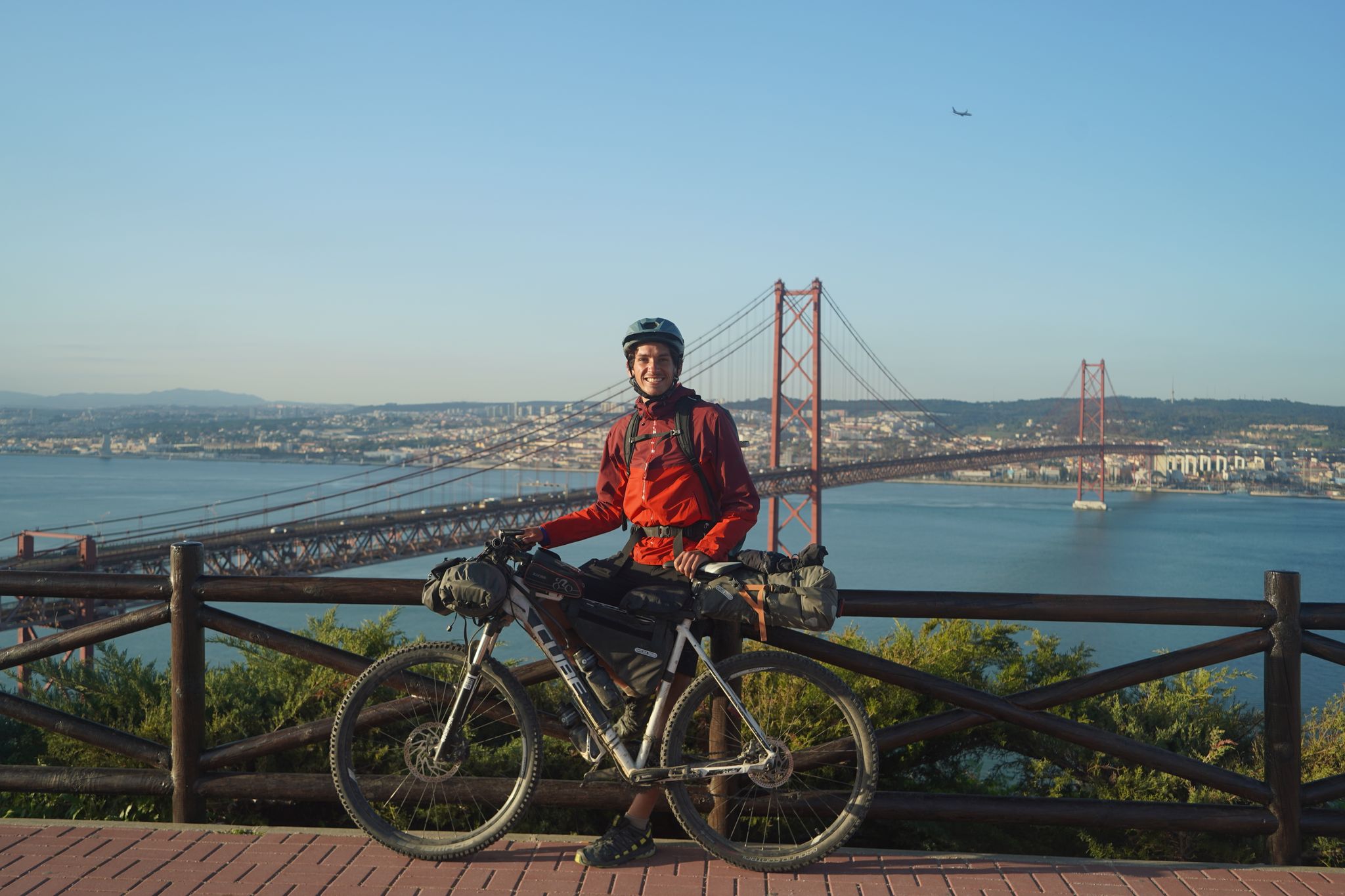
Road to Lisbon – bikepacking the Alps, Pyrenees and Picos de Europa
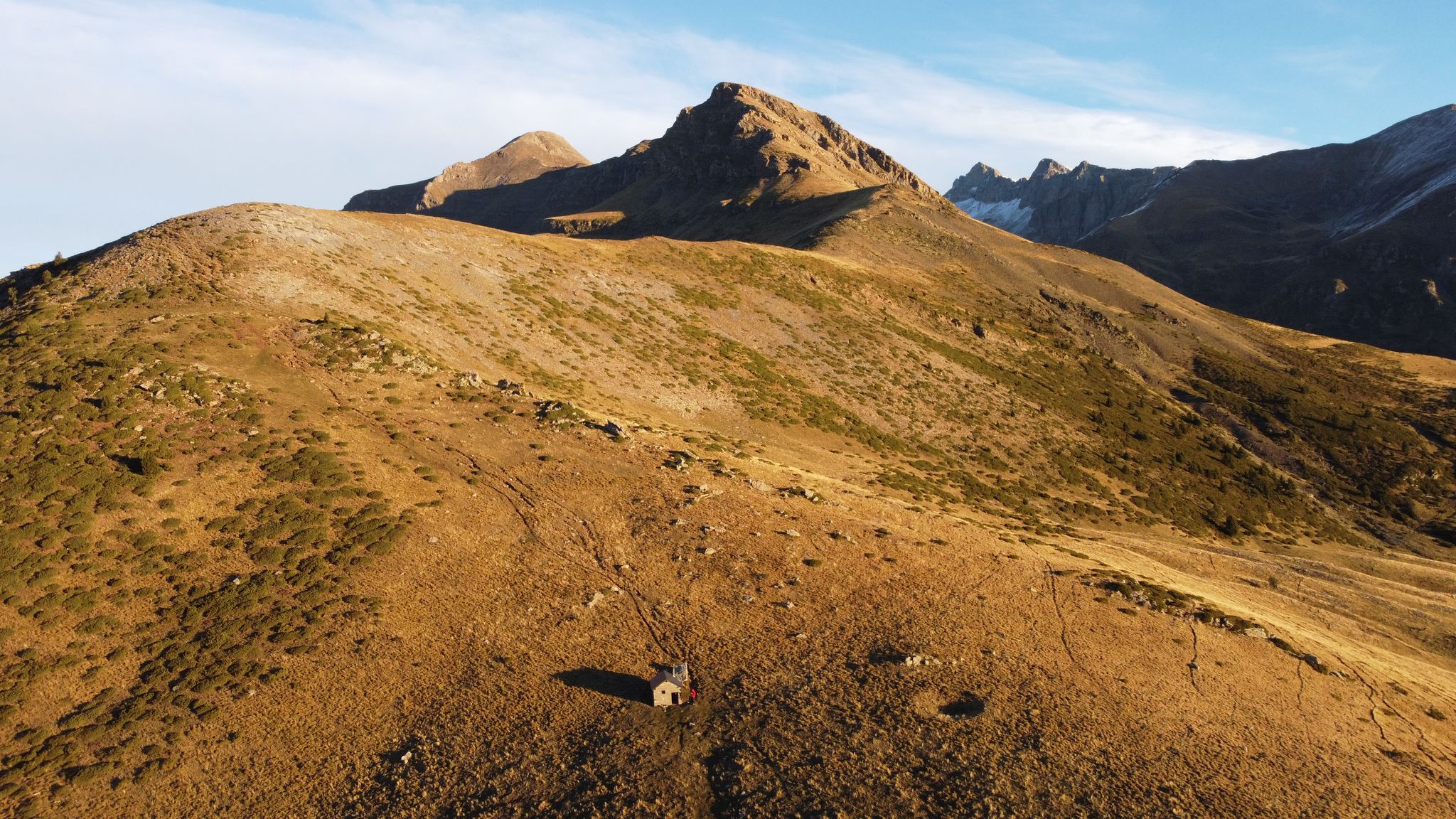
Rutas de alta montaña en el municipio de Sahún — Valle de Benasque
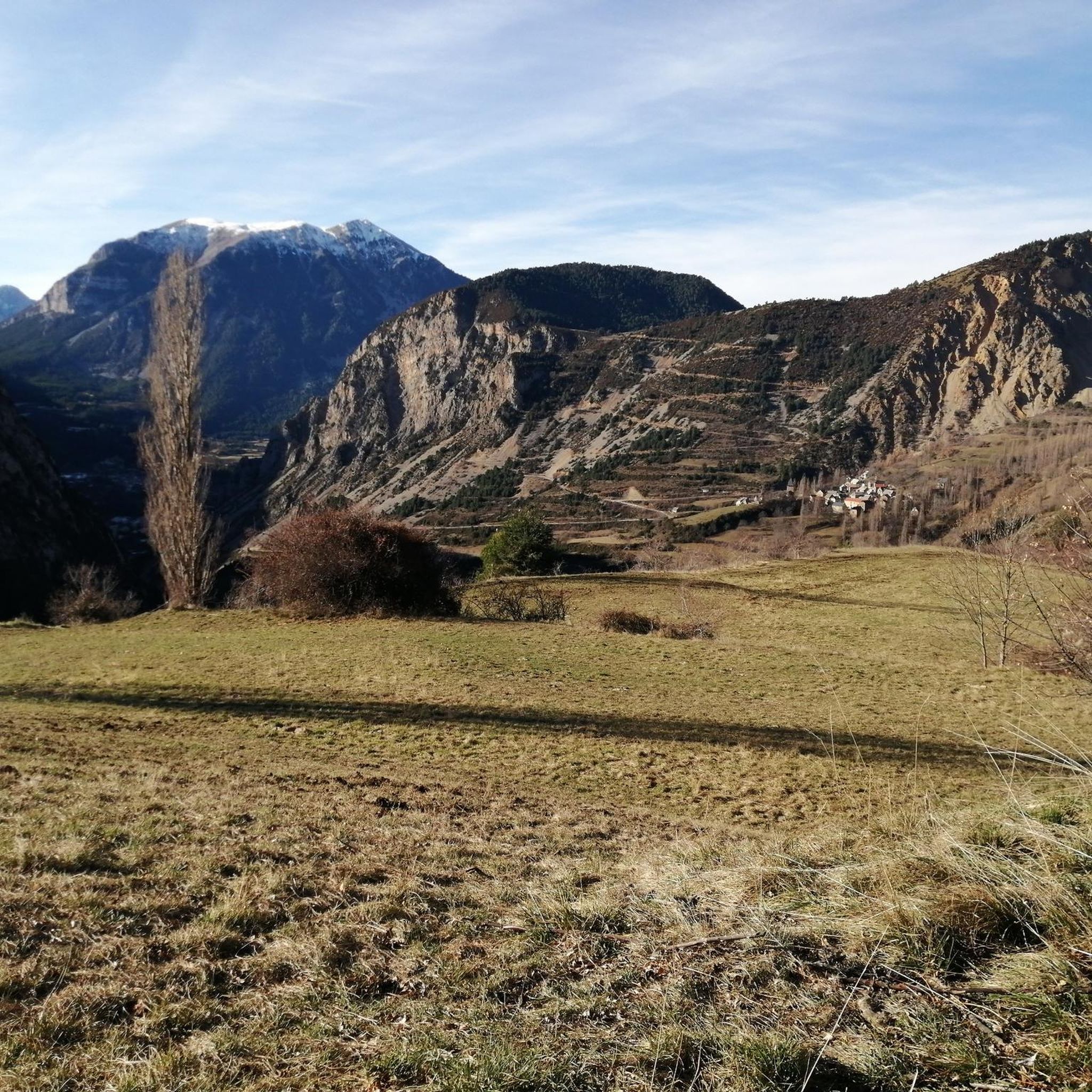
Running Trails around San Juan De Plan
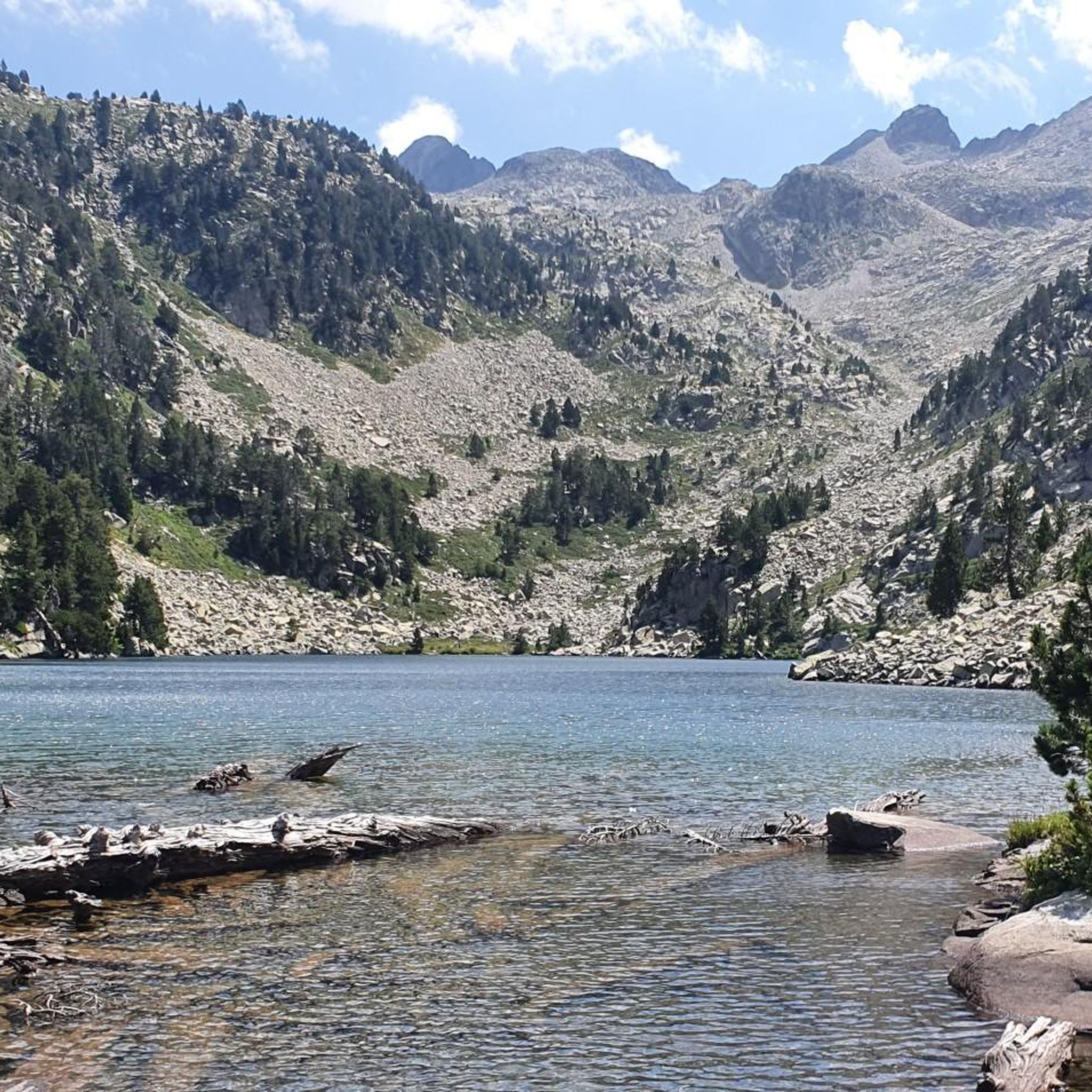
Hiking around San Juan De Plan
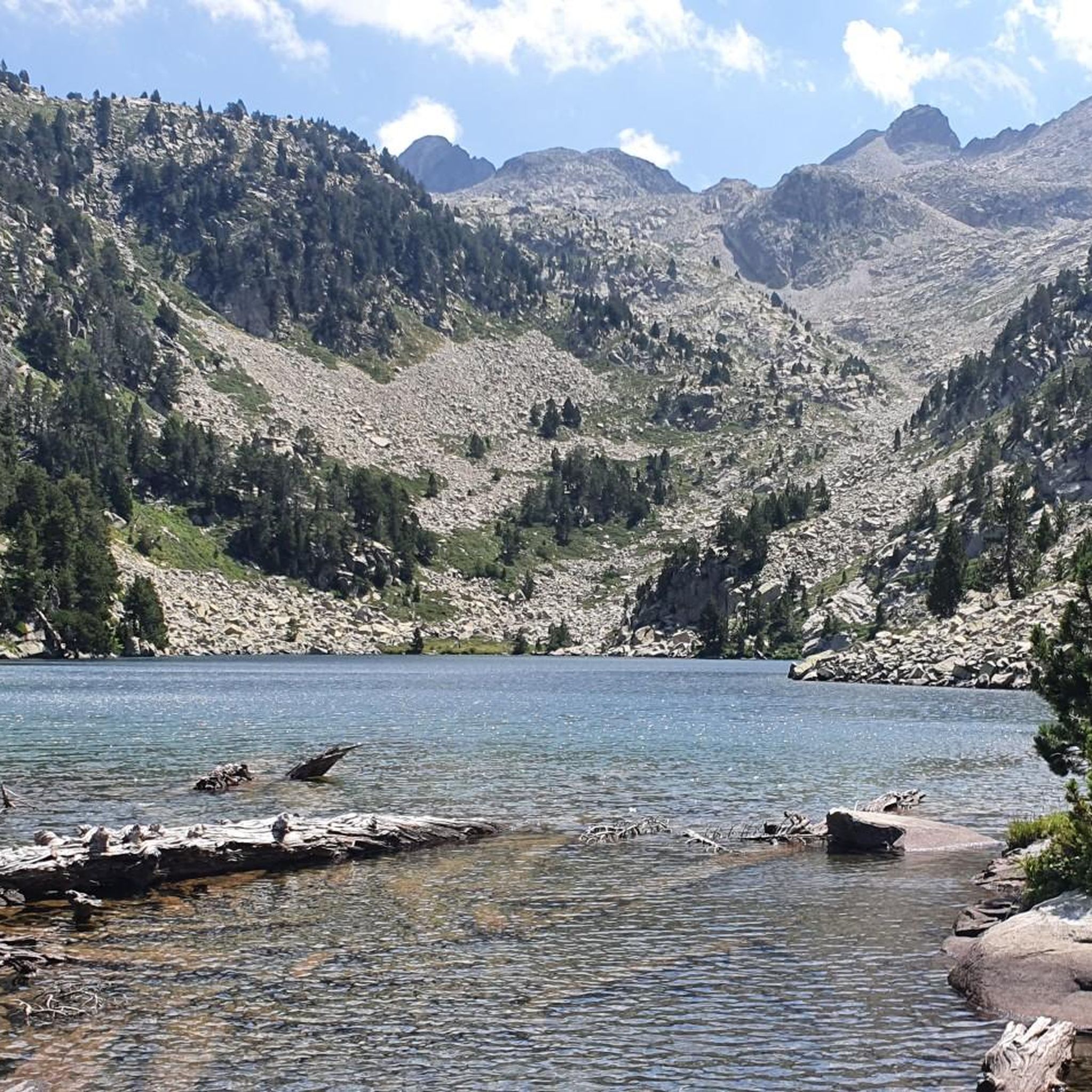
MTB Trails around San Juan De Plan
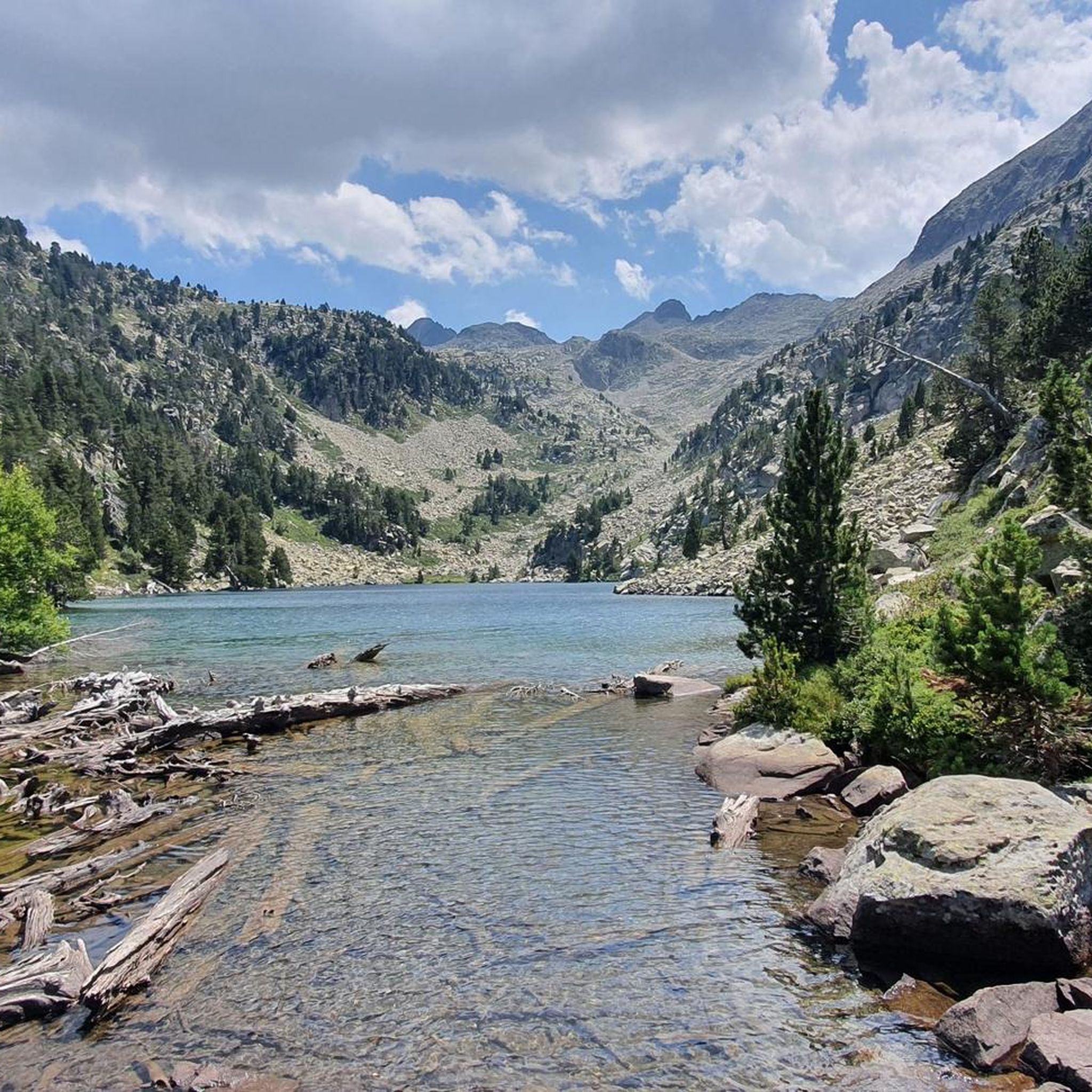
Cycling around San Juan De Plan
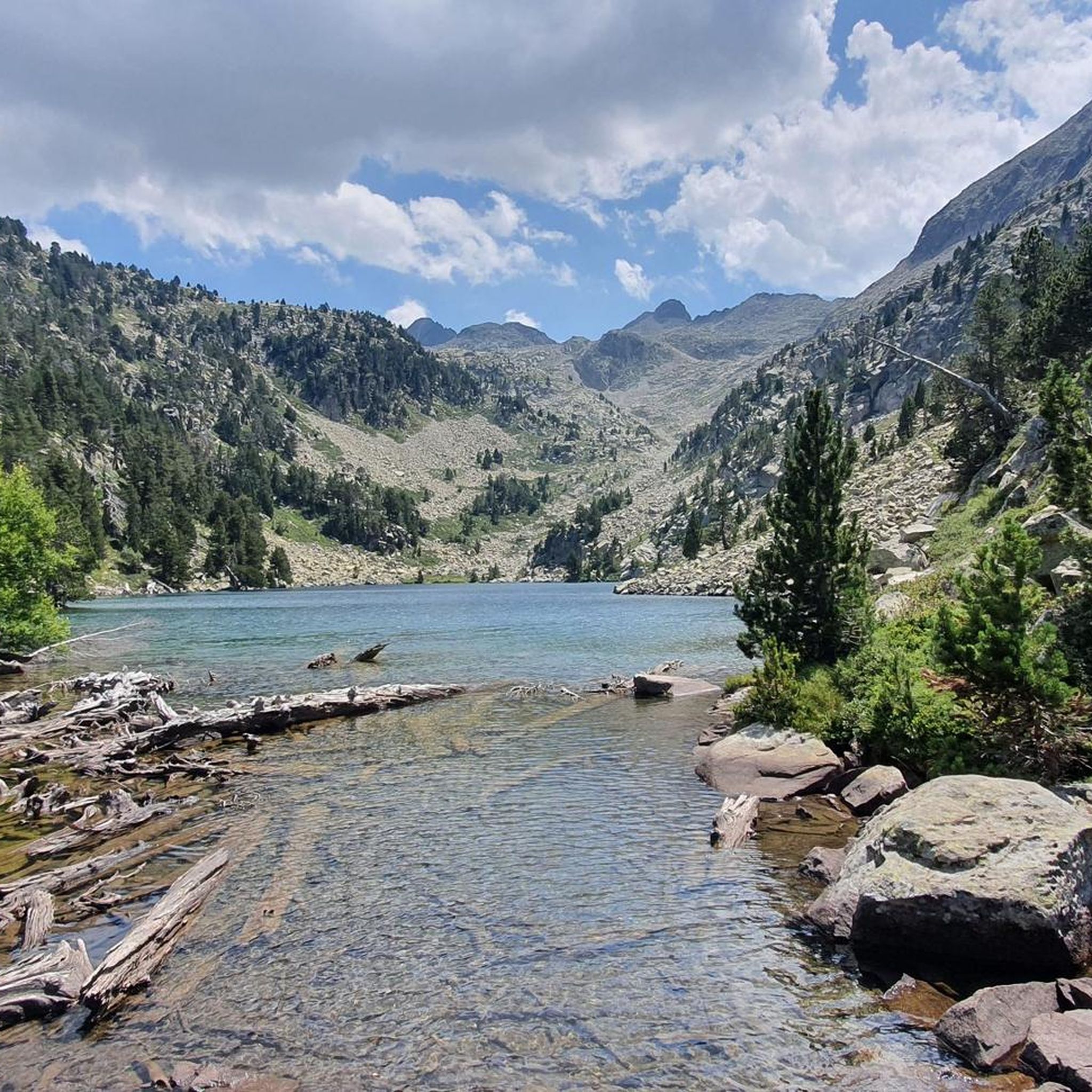
Road Cycling Routes around San Juan De Plan
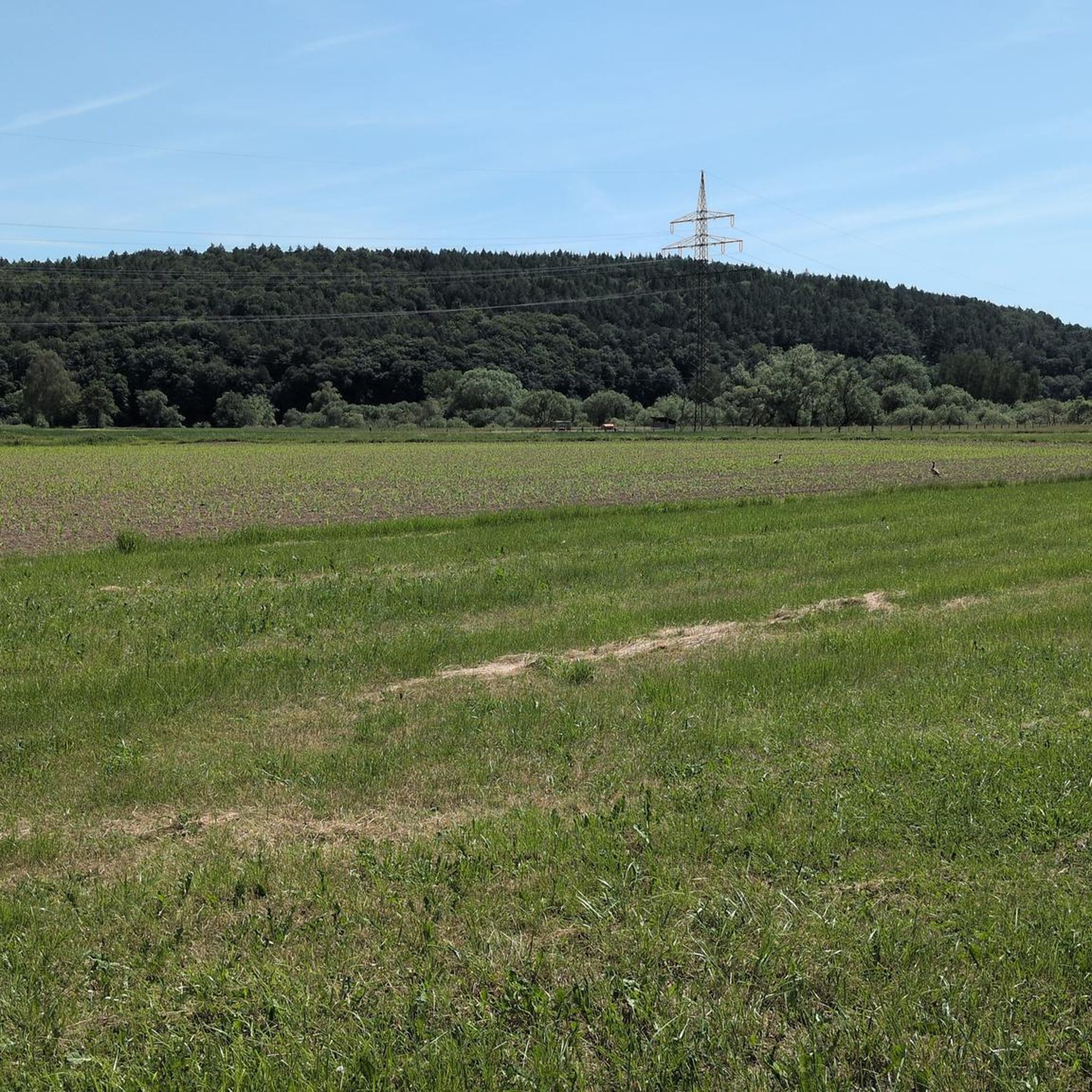
Gravel biking around San Juan De Plan

Mountain Hikes around San Juan De Plan


Tips from the Community

The lake, which I had never heard of before my Pyrenees tour, is obviously a "must see" in this region. Together with the waterfall at the end of the lake, it is also a truly worthwhile hiking destination.
2
0


A legendary mountain pass in the Pyrenees. A crossing point between the Chistau and Benasque valleys, linking Sobrarbe and Ribagorza at an altitude of 2000m.
0
0

Despite being relatively easy to access, this beautiful lake located at 2300 m altitude is not one of the most visited in the Pyrenees. However, it stands out for being located in a very clear glacial cirque, with an almost perfect overexcavation basin. All Aragonese lakes are protected as they are included in the Inventory of Singular Wetlands, so any activity that could modify the quality of their waters is prohibited. While bathing is not specifically mentioned, it is understood that bathing with chemicals on the skin such as sunscreen, deodorants, perfumes or creams is negatively affecting the quality of the water, so it cannot be done. You can read the protection decree and the list of wetlands included here: aragon.es/-/humedales-de-aragon
0
0
Despite being relatively easy to access, this beautiful lake located at 2300 m altitude is not one of the most visited in the Pyrenees. However, it stands out for being located in a very clear glacial cirque, with an almost perfect overexcavation basin. All Aragonese lakes are protected as they are included in the Inventory of Singular Wetlands, so any activity that could modify the quality of their waters is prohibited. While bathing is not specifically mentioned, it is understood that bathing with chemicals on the skin such as sunscreen, deodorants, perfumes or creams is negatively affecting the quality of the water, so it cannot be done. You can read the protection decree and the list of wetlands included here: aragon.es/-/humedales-de-aragon
0
0

Access is via forest tracks in good condition. Obviously, to reach 2000m it takes a little time but the reward is worth it: the views are magnificent over the valleys and peaks at 360 degrees. A delight !
1
0


Frequently Asked Questions
What unique natural features can I explore around San Juan De Plan?
The region around San Juan De Plan, nestled in the Aragonese Pyrenees, offers a diverse range of natural monuments. You can discover stunning glacial lakes like the Ibón of Plan (Basa de la Mora), dramatic ravines such as the Ventamillo Gorge, and expansive valleys like the Estós Valley. These features showcase the area's rich geological formations and varied ecosystems.
Are there any famous lakes to visit near San Juan De Plan?
Yes, the area is renowned for its beautiful lakes. The Ibón of Plan (Basa de la Mora) is a glacial lake at 1,910 meters, celebrated for its beauty and a local folktale. Another notable lake is Lac d'Oô, an artificial expanse on an old glacial lake, famous for its 275-meter waterfall. The Ibonet de Batisielles, a serene mountain lake in the Benasque Valley, is also a magical spot.
Can I find dramatic gorges or valleys in the San Juan De Plan area?
Absolutely. The Ventamillo Gorge (Congosto de Ventamillo) is a dramatic 3-kilometer ravine carved by the Ésera River, featuring imposing vertical limestone walls. The Estós Valley is another significant natural monument, about 12 km long, with the Estós River flowing through it, surrounded by high peaks and part of the Posets-Maladeta Natural Park.
What kind of mountain views can I expect?
The mountainous terrain around San Juan De Plan offers spectacular panoramic views. From Collado de Sahún, a mountain pass at 2020 meters, you can enjoy vistas of peaks like l'Aneto, Posets, and Monte Perdido. For the most challenging ascent, Perdiguero Peak, culminating at 3,222 meters, offers an incredible 360-degree panorama from the Franco-Spanish border.
Are there any natural monuments with interesting local legends?
Yes, the Ibón of Plan (Basa de la Mora) is steeped in local folklore. Legend has it that a Moorish princess, fleeing Christian troops, drowned in its waters. On Saint John's Eve, those with a pure heart who wash their faces in the lake are said to witness her dancing on its surface.
What is the best time to visit the natural monuments around San Juan De Plan?
The best time to visit largely depends on the specific monument and activity. For glacial lakes like the Ibón of Plan, they fill up after the winter thaw, typically in late spring and summer, offering their most vibrant appearance. Summer and early autumn generally provide the most favorable weather for hiking and exploring the higher mountain passes and peaks.
Are there family-friendly natural monuments around San Juan De Plan?
While many natural monuments involve hiking, some areas offer more accessible experiences. The Ibonet de Batisielles, located in a vibrant green meadow, provides a peaceful setting that can be enjoyed by families, often as part of a popular hiking path. For the Ventamillo Gorge, there are hiking routes between El Run and Seira that offer scenic views without extreme difficulty, depending on the chosen path.
What outdoor activities can I do near these natural monuments?
The natural monuments around San Juan De Plan are excellent for various outdoor activities. You can find numerous hiking trails, including routes to the Ibón of Plan and the Ibonet de Batisielles. The Ventamillo Gorge is also a renowned destination for rock-climbing. For more structured routes, you can explore options for hiking, running, and even gravel biking in the surrounding area.
Are there hiking trails near these natural monuments?
Yes, the region is a hiker's paradise. You can hike to the Ibón of Plan from villages like Plan or Saravillo, or via a forest track to Refugio de Lavasar. The Ibonet de Batisielles is a highlight along the popular S3 hiking path from Estós car park. The Ventamillo Gorge offers hiking between El Run and Seira. For more detailed routes, check out the hiking guide for San Juan De Plan.
What do visitors enjoy most about the natural monuments around San Juan De Plan?
Visitors frequently praise the breathtaking landscapes and the sense of tranquility. The dramatic scenery of places like the Ventamillo Gorge and the serene beauty of lakes such as the Ibón of Plan are highly appreciated. Many also enjoy the rewarding experience of reaching mountain passes like Collado de Sahún for its expansive views, and the challenge of summits like Perdiguero Peak.
What wildlife might I spot near the natural monuments?
The natural monuments are situated within a biodiverse region. The Estós Valley, for instance, is part of the Posets-Maladeta Natural Park and is home to various plant and animal species. While specific sightings depend on luck and location, the Pyrenees are known for wildlife such as chamois, marmots, various bird species including vultures and eagles, and occasionally larger mammals like deer or even brown bears in more remote areas.
Are there any natural monuments that are particularly challenging to reach?
Yes, some natural monuments require significant effort. Reaching Perdiguero Peak, for example, is a challenging ascent culminating at 3,222 meters. Similarly, the route to Collado de Sahún, while offering rewarding views, is described as quite demanding due to its rough gravel track sections and significant altitude difference.
Most popular routes around San Juan De Plan
Most popular attractions around San Juan De Plan

Get inspired with the komoot mobile app


Explore more
Extend your search for the best caves by checking out these guides of the top ones around San Juan De Plan:
