Top 20 Natural Monuments around Freila
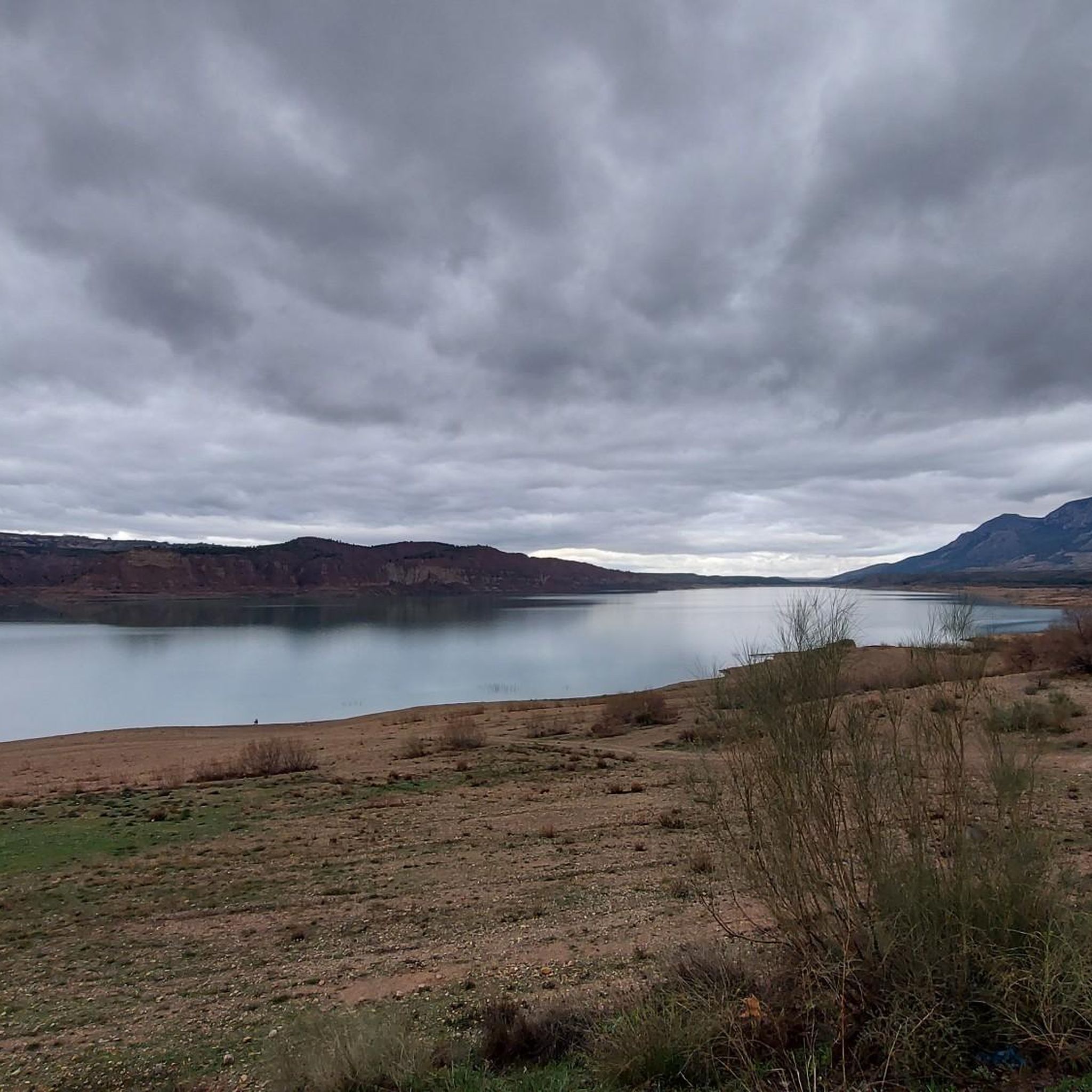
Best natural monuments around Freila are situated in a captivating semi-desert landscape within the Granada Geopark. This region features impressive geological formations, including extensive badlands and unique natural arches. The area is also notable for the Negratín Reservoir, the third largest reservoir in Andalusia, which offers distinct sub-desert views. These natural features provide diverse opportunities for outdoor exploration.
Best natural monuments around Freila
- The most popular natural monuments is Gorafe Desert Canyons, a canyon that features unique gorges and…
Last updated: July 1, 2026
Los Coloraos Badlands
Highlight • Canyon
Translated by Google •
Tip by

Gorafe Desert
Highlight • Canyon
Los Coloraos is one of its most popular areas, owing its …
Tip by

Sign up now to discover places like this
Get recommendations on the best single tracks, peaks, & plenty of other exciting outdoor places.
Sign up for free
Gorafe Desert Canyons
Highlight • Canyon
Translated by Google •
Tip by

Fountain of Health
Highlight • Natural Monument
Its origin was …
Translated by Google •
Tip by
Ojo de la Heredad
Highlight • Natural Monument
Translated by Google •
Tip by

Sign up for free to discover even more natural monuments around Freila.
Sign up for free
Already have an account?
Start today with a free account
Your next adventure awaits.
Login or Signup
Tips from the Community

The 47 km loop is breathtaking for about half of the tour: mind-blowing views as far as the eye can see over 360°. Then in the second part, lots of roads that climb constantly... you have to be in good shape for this loop. The little extra: the tapas bar in the city center after that.
1
0

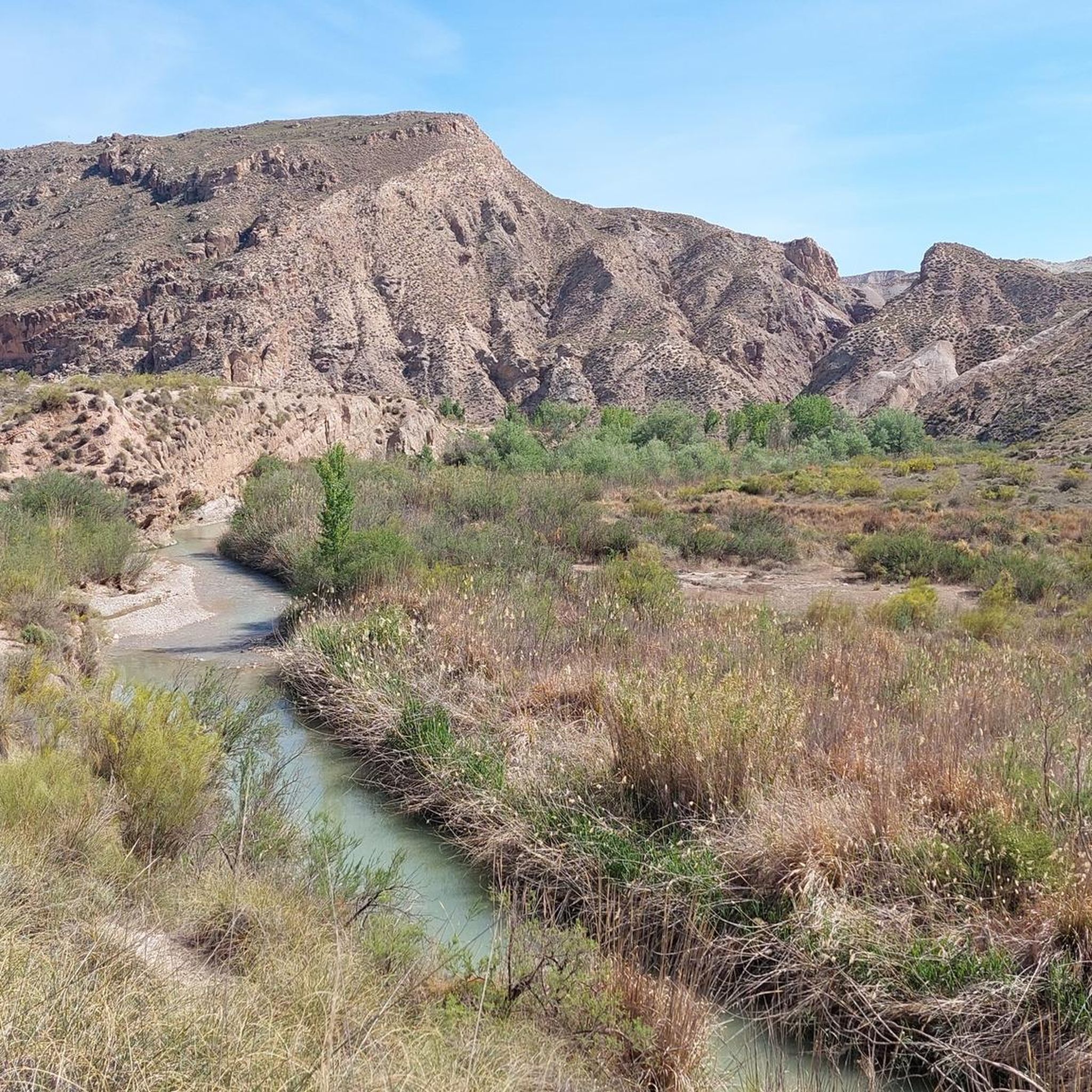
The Gorafe Desert is a natural gem located in the province of Granada. This desert is characterized by its impressive geological formations, known as “badlands”, which create a landscape of canyons, ravines and fairy chimneys. The desert is located in the Guadix-Baza Depression, a sedimentary basin that once housed a lake. Today, it is famous for its changing colors throughout the day, ranging from ochres and reds to yellows. In addition, the area is rich in paleontological and archaeological sites, including more than 240 dolmens in the Gorafe Megalithic Park.
1
0

Capricious nature that, in hundreds of thousands of years, has eroded a natural element of unmatched beauty.
1
0
La Fuente de la Salud is a charming place located in Baza. Legend has it that this was the place where Alfonso XI set up his camp. Its origin was due to the need to channel the spring that supplies the population. The Health Fountain was built by Francisco del Castillo in the 16th century, although local stonemason Alonso González Bailén also took part. It is located about 2 km northeast of Baza along the Virgen de la Salud path. If you are a lover of nature and history, the Fountain of Health and its surroundings are a perfect place to explore. Enjoy the beauty of Baza and its landscapes! 🌿🏞️
2
0

The view is just mind-blowing! This is truly gravel riding paradise.
2
0

Beautiful area of clayey soil located in Gorafe. It receives the name of Los Coloraos due to the color of the geological formations. Sunrise and sunset are especially ideal to enjoy this natural wonder in all its splendor.
4
0

Singular arch of limestone rock formed by karstic dissolution. It also receives the names of Horro de la Heredad and Piedra Perforated. It is a very photogenic place.
2
0
This source, also like Fuente Narváez, comes from an underground gallery of carbonate rocks. It has a low flow, not exceeding 10 l/s but it does not run out at any time of the year. In its surroundings we can find cypresses, ash trees, plum trees, loquats, poplars and Aleppo pines.
1
0
Frequently Asked Questions
What are the most popular natural monuments around Freila?
The region around Freila, part of the Granada Geopark, is known for its dramatic geological formations. Among the most popular are the Gorafe Desert Canyons, which offer unique gorges and dynamic shapes ideal for gravel riders and mountain bikers. Another highly appreciated spot is Los Coloraos Badlands, famous for its predominant red clay soils, especially stunning at sunrise and sunset. Visitors also frequently seek out Ojo de la Heredad, a photogenic natural arch formed by karstic dissolution.
What unique geological features can I explore in the Gorafe Desert?
The Gorafe Desert is characterized by its impressive geological formations known as 'badlands,' featuring canyons, ravines, and 'fairy chimneys' shaped by erosion. A particularly striking area is Los Coloraos, named for its vibrant red color, often compared to the Grand Canyon. The landscape changes throughout the day, displaying ochres, reds, and yellows, and is also rich in paleontological and archaeological sites, including numerous cave dwellings and dolmens.
Are there family-friendly natural monuments or activities near Freila?
Yes, several natural monuments around Freila are suitable for families. The Ojo de la Heredad, a singular arch of limestone rock, is a photogenic and accessible spot for a family outing. Additionally, the Fountain of Health in Baza offers a charming natural setting with historical significance, perfect for a leisurely visit. The Freila Beach on the Negratín Reservoir also provides opportunities for swimming and water sports, which can be enjoyable for families.
What outdoor activities can I do near these natural monuments?
The natural monuments around Freila offer diverse opportunities for outdoor activities. You can find numerous cycling routes, including the 'Freila and Zújar Loop via Negratín Reservoir' for touring bicycles, or challenging MTB trails like the 'Negratín Reservoir Loop from Zújar'. For those who prefer road cycling, the 'Pico Jabalcón and Negratín Reservoir Loop' is a popular choice. Explore more options on the Cycling around Freila, MTB Trails around Freila, and Road Cycling Routes around Freila guide pages.
What is the best time to visit the natural monuments around Freila?
The Gorafe Desert, including areas like Los Coloraos Badlands, is particularly stunning during sunrise and sunset, when the golden light enhances the colors of the canyon walls. These times are also ideal for photography. Generally, spring and autumn offer pleasant temperatures for exploring the semi-desert landscape, avoiding the intense heat of summer.
Can I go hiking near the natural monuments in Freila?
Yes, there are several hiking opportunities near the natural monuments. For instance, you can find routes like 'Hiking Cerro Jabalcón from Zújar around the Embalse de Negratín' which offers a challenging experience. The Gorafe Desert also has trails, though caution is advised after rain due to muddy conditions. You can find more detailed hiking routes and information on the Cycling around Freila guide, which also lists some hiking options.
What makes the Negratín Reservoir a significant natural feature?
The Negratín Reservoir is the third largest reservoir in Andalusia and a prominent natural feature near Freila. It presents a unique sub-desert landscape with exceptional views, surrounded by badlands that display changing colors. This area is part of the UNESCO World Network of Geoparks, recognized for its distinct geological characteristics, including an alternation of white (lacustrine) and reddish (river) sediment levels. Freila Beach, located on the reservoir, allows for swimming, fishing, and water sports.
Are there any historical or cultural sites integrated with the natural monuments?
Yes, the region offers a blend of natural beauty and historical significance. The Fountain of Health in Baza is a charming natural spring with a rich history, believed to be where Alfonso XI set up his camp and built in the 16th century. The Gorafe Desert is also notable for its rich paleontological and archaeological sites, including the largest concentration of cave dwellings and dolmens in Europe, offering a glimpse into ancient human history amidst dramatic landscapes.
What do visitors enjoy most about the natural monuments around Freila?
Visitors are consistently amazed by the dramatic and unique landscapes, particularly the 'badlands' formations and the vibrant colors of areas like Los Coloraos. The opportunity for outdoor activities like gravel riding and mountain biking through the Gorafe Desert Canyons is also highly appreciated. Many also enjoy the tranquility and the spectacular views, especially during sunrise and sunset, and the unique geological interest of sites like Ojo de la Heredad.
Are the natural monuments around Freila accessible by public transport?
While specific public transport routes directly to all natural monuments may be limited due to their remote nature, Freila itself is a town. Access to the broader region, including areas near the Negratín Reservoir and the Gorafe Desert, typically involves a combination of public transport to nearby towns like Baza or Guadix, followed by private vehicle or local taxi services to reach the more secluded natural sites. Planning ahead for transport is recommended.
What should I wear when visiting the natural monuments?
Given the semi-desert landscape and potential for outdoor activities, it's advisable to wear comfortable, layered clothing suitable for varying temperatures. Sturdy hiking shoes or boots are recommended for exploring the uneven terrain of badlands and canyons. Sun protection, including a hat, sunglasses, and sunscreen, is essential due to the open, exposed environment. Carrying sufficient water is also crucial, especially during warmer months.
Most popular attractions around Freila

Get inspired with the komoot mobile app


Explore more
Extend your search for the best caves by checking out these guides of the top ones around Freila:
