Top 6 Natural Monuments around Almodóvar Del Campo
Best natural monuments around Almodóvar Del Campo are found in a region of Ciudad Real, Spain, characterized by its unique volcanic landscapes and a significant portion of a large natural park. The municipality itself is situated on the hillside of an ancient volcano, whose crater now hosts a lagoon. This area offers geological interest, scenic beauty, and biodiversity, making it a notable destination for natural exploration.
Best natural monuments around Almodóvar Del Campo
- The most popular natural monument is Fuente…
Last updated: July 1, 2026
Maar and Strombolian volcano of Almodóvar del Campo
Highlight • Volcano
Translated by Google •
Tip by

Fuente Agria
Highlight • Natural Monument
Translated by Google •
Tip by
Sign up now to discover places like this
Get recommendations on the best single tracks, peaks, & plenty of other exciting outdoor places.
Sign up for free
Chorrera de Ventillas Waterfall
Highlight (Segment) • Waterfall
Translated by Google •
Tip by

Laguna Blanca
Highlight • Lake
Translated by Google •
Tip by
Laguna de la Carrizosa
Highlight • Lake
Translated by Google •
Tip by
Start today with a free account
Your next adventure awaits.
Login or Signup

Tips from the Community

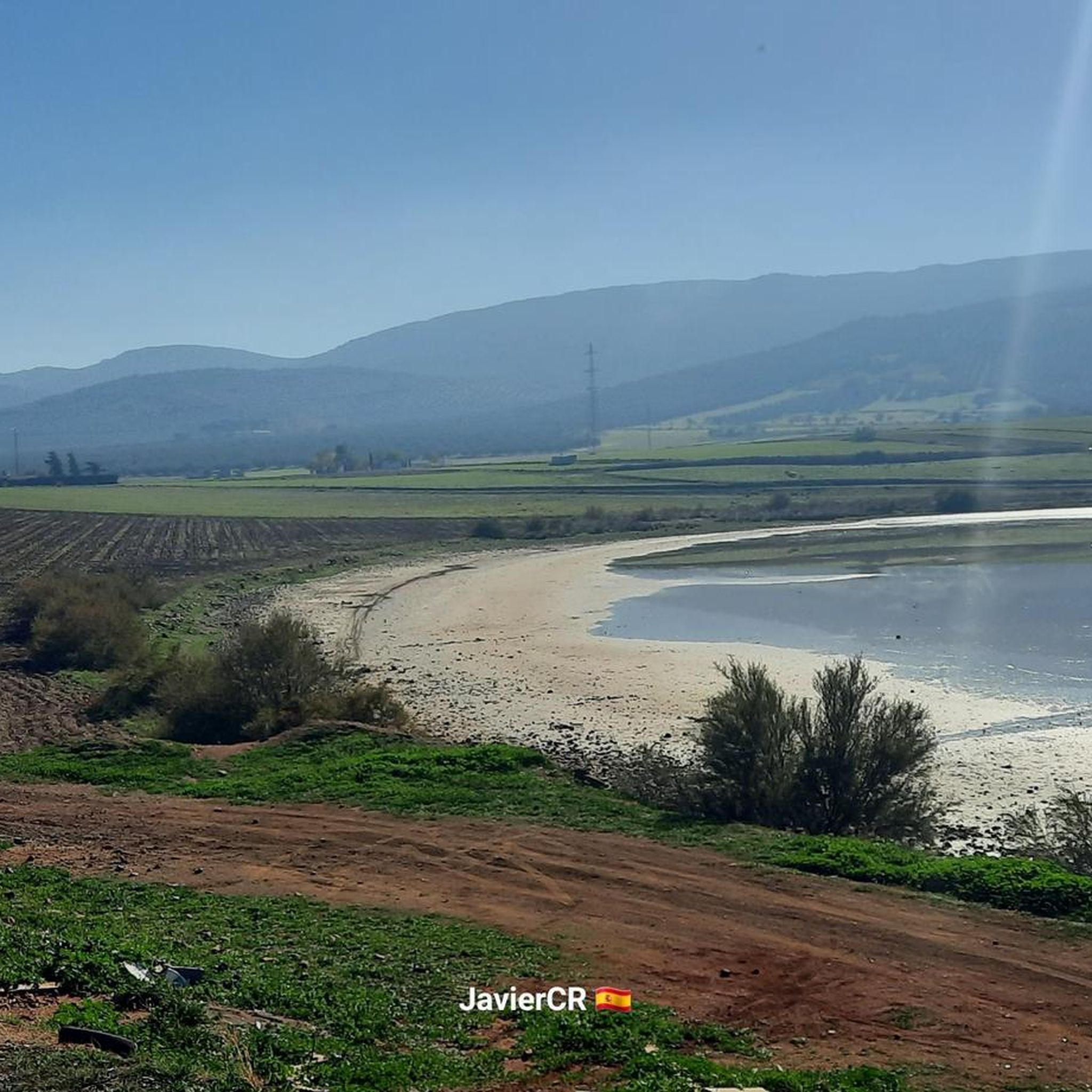
The Laguna Blanca in Argamasilla de Calatrava is an interesting natural formation. It was created by volcanic explosions that created depressions filled with rainwater1. This lagoon is known for the whitish colour of its waters, a result of the minerals present in the soil, such as bicarbonate and sodium sulphate. It is an excellent place for bird watching, as many species choose it as a stopover, resting or nesting point. In addition, the area around the lagoon has archaeological remains dating back to the Paleolithic, which adds historical value to the place.
22
0
The Fuente Agria is one of the most emblematic icons of Puertollano. Located on the Paseo de San Gregorio, this fountain is known for its water with a high iron content, which gives it a characteristic flavor and health benefits.
25
0
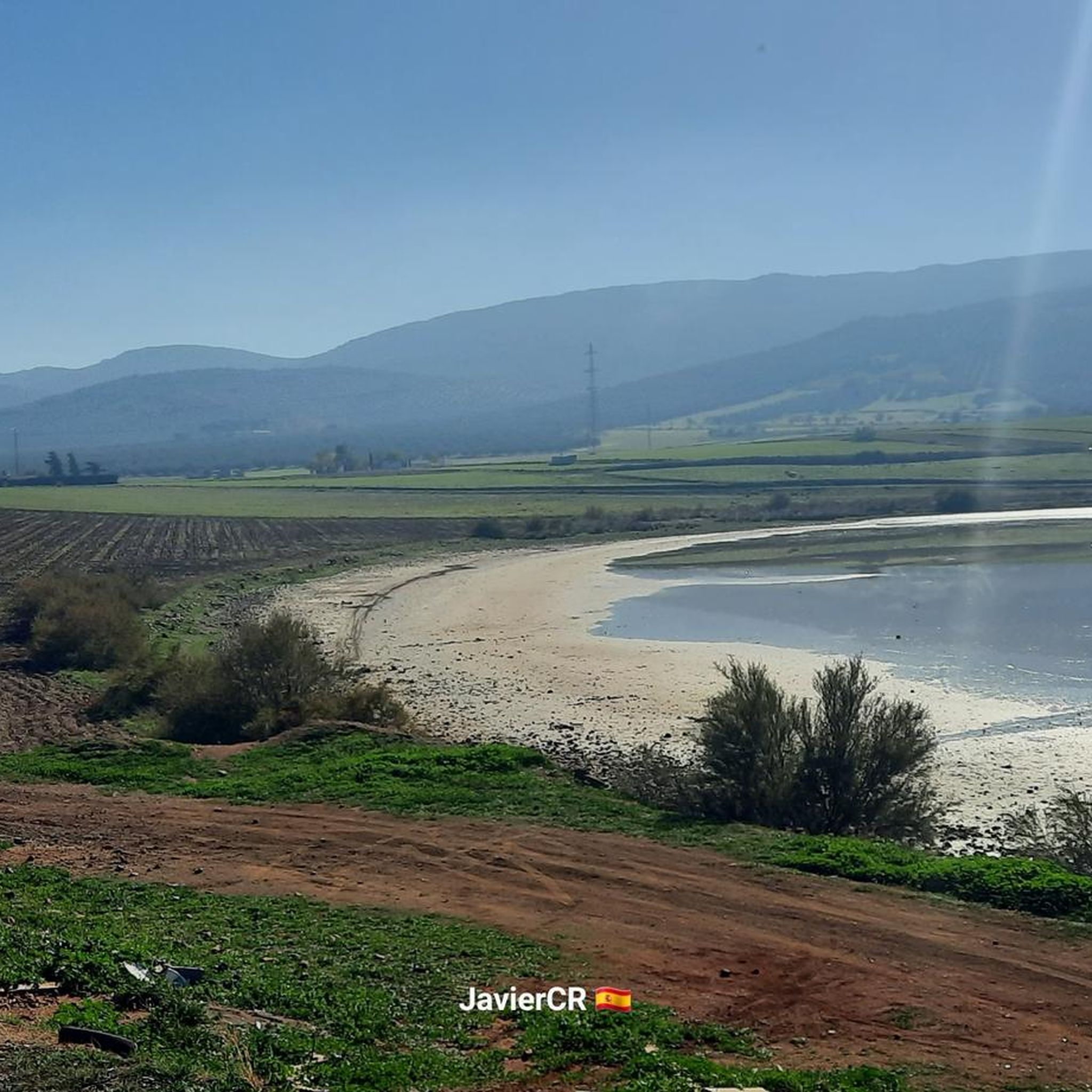
The Laguna de la Carrizosa is located near the town of Cabezarados, in the province of Ciudad Real. It is a small lagoon of volcanic origin, known as a maar, which was formed due to eruptive phenomena that created impermeable soils. This seasonal lagoon is especially interesting for its botanical wealth and the diversity of aquatic birds that inhabit it, such as the red-crested pochard and the black-necked grebe. During the summer months, the lagoon usually dries up, but during rainy seasons it fills up, offering an important refuge for many species.
17
0

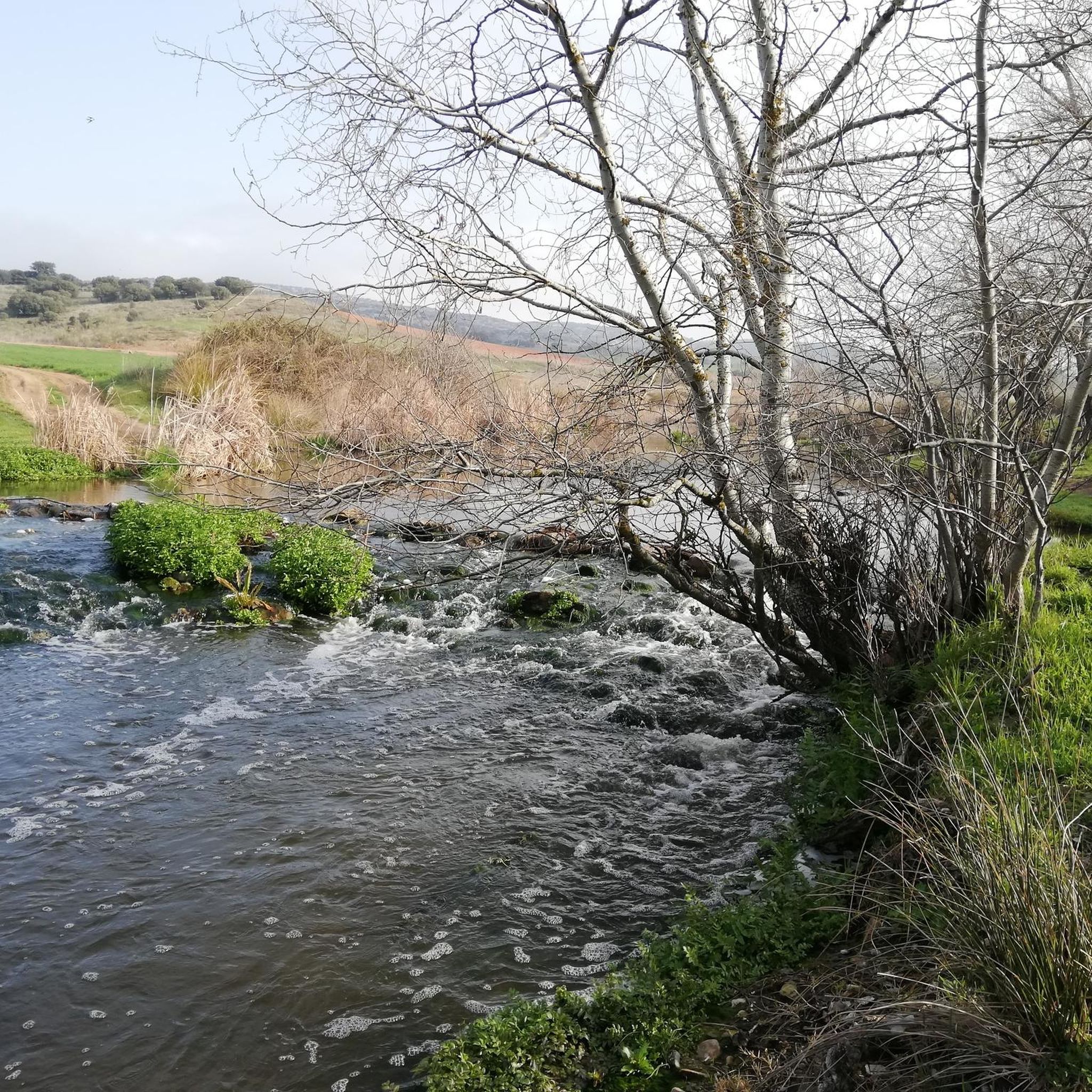
La Chorrera de Ventillas is one of those beautiful and unknown places that Sierra Morena houses in one of its hidden corners. It is located in the municipality of Fuencaliente (C. Real) about 19 kilometers from this town and just over 3 kilometers from Ventillas, district of Fuencaliente. This mountainous area is known as Sierra Madrona and its northern face (the Malagonas) is one of the wildest and most humid, providing the greatest number of streams and water to the Montoro River. This stream, in particular, is called Chorrera de la Garganta, which ends up joining the stream of Nueveveces and Aliseda that flows into the Montoro river next to the village of Ventillas between its hamlet and the hermitage of San Marcos. It is advisable to visit the place after it has rained to appreciate the waterfall at its peak, although the botanical, faunal diversity and landscape is overwhelming at any time of the year.
0
0
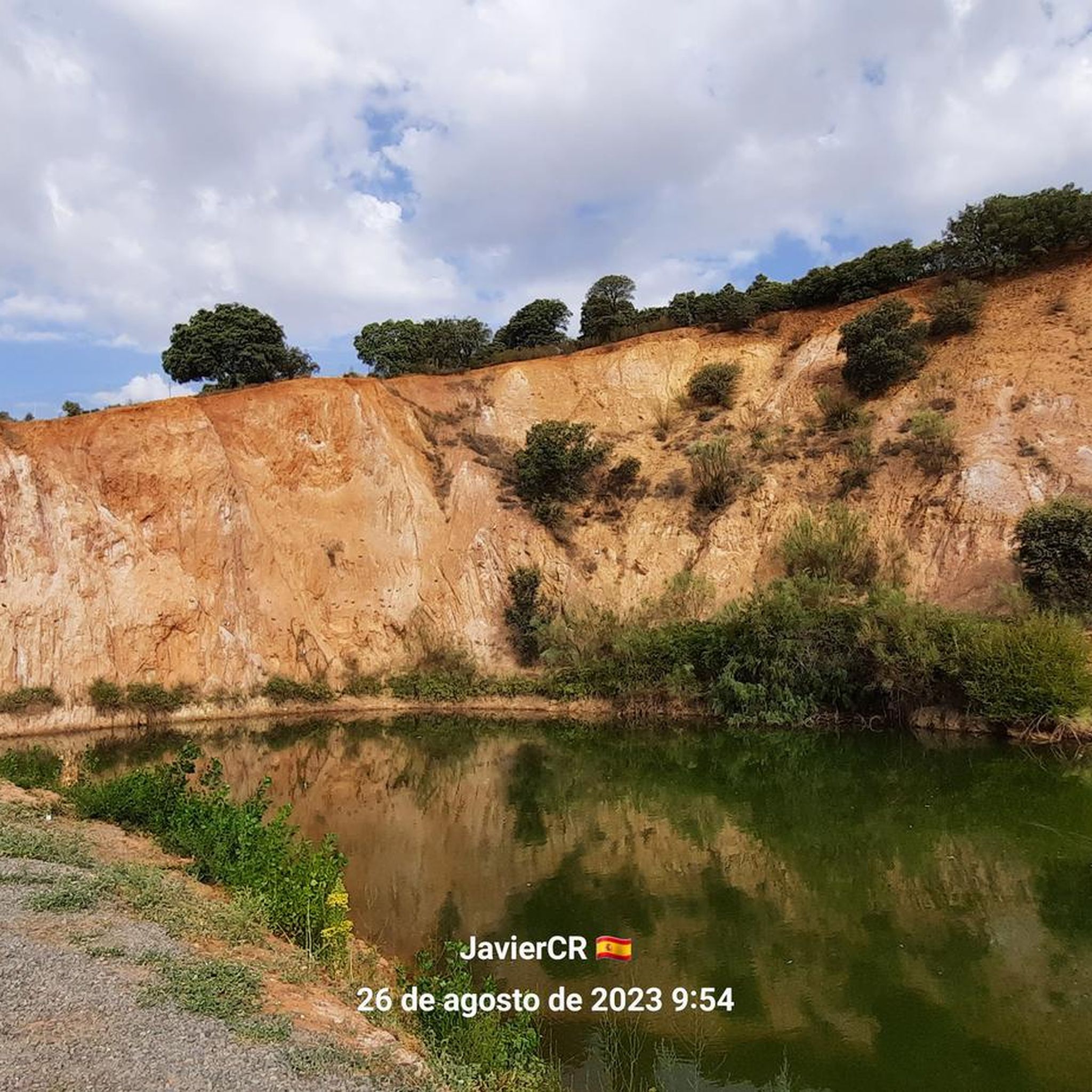
It is formed by a Strombolian volcanic cone of pyroclasts, and due to the quarry in it, its internal structure is exposed. Attached to the foot of this volcano is the Almodóvar maar, which is a phreatomagmatic explosion crater that erupted at the edge of the Paleozoic series, cutting a substrate of hard lithology and destroying part of the previous volcano. The maar crater is funnel-type (hard-type substrate) and houses an ephemeral lagoon inside. In its southern and eastern contour the maar has a ring of tuffs, with pyroclastic facies. The phreatomagmatic deposits of the maar ring are located on a Cenozoic red colluvium. The main interest is of a volcanological (petrological) type and as a secondary interest the geomorphological interest stands out.
28
0
Frequently Asked Questions
What unique geological features can I explore around Almodóvar del Campo?
The region is rich in volcanic landscapes. You can visit the Maar and Strombolian volcano of Almodóvar del Campo, which offers a unique insight into its formation due to exposed internal structures from quarrying. Another significant site is Los Castillejos Volcánicos de La Bienvenida, known for its impressive volcanic necks and panoramic views of the Valle de Alcudia.
Are there any family-friendly natural monuments in the area?
Yes, Fuente Agria is considered family-friendly. It's an emblematic fountain in Puertollano, known for its iron-rich water and located on the Paseo de San Gregorio, making it easily accessible for families.
Where can I observe wildlife and birds near Almodóvar del Campo?
The Laguna Blanca is an excellent spot for birdwatching, attracting many species as a stopover or nesting point. Additionally, a substantial part of Almodóvar del Campo falls within the Parque Natural del Valle de Alcudia y Sierra Madrona, which is highly valued for its ecological significance and offers opportunities to observe endangered species like the black vulture, black stork, and Iberian lynx.
What kind of hiking trails are available near the natural monuments?
There are various hiking opportunities. For example, you can find easy to moderate trails like the 'Miner's Monument loop from Puertollano' or the 'Paseo de San Gregorio – Fuente Agria loop from Puertollano'. These are part of the broader hiking network around the area. You can explore more options on the Hiking around Almodóvar del Campo guide.
Are there any waterfalls to visit in the region?
Yes, the Chorrera de Ventillas Waterfall is a beautiful, lesser-known spot located in Sierra Madrona. It's advisable to visit after rainfall to see the waterfall at its peak, though its botanical and faunal diversity is impressive year-round.
What is the best time to visit the natural monuments around Almodóvar del Campo?
The region's natural beauty can be appreciated throughout the year. For waterfalls like Chorrera de Ventillas, visiting after rainfall is ideal. For birdwatching at lagoons, spring and autumn might offer the most diverse sightings. Panoramic viewpoints like Mirador De La Ermita de Santa Brígida are particularly breathtaking at dawn or dusk.
Can I find any hidden natural gems or less-known spots?
The Laguna de la Carrizosa is a small, seasonal lagoon of volcanic origin, known for its botanical wealth and diverse aquatic birds. While it may dry up in summer, it offers a significant refuge for species during rainy seasons, making it a unique discovery.
What cycling routes are available near the natural monuments?
The area offers several cycling routes, ranging from moderate to difficult. You can find options like 'Villamayor de Calatrava from Puertollano — circular via Almodóvar del Campo' or the 'Almodóvar del Campo and Valle de Alcudia Loop'. More details are available in the Cycling around Almodóvar del Campo guide.
Are there any viewpoints offering panoramic vistas of the natural landscape?
Yes, the Mirador De La Ermita de Santa Brígida, located on the Cerro de Santa Brígida, provides expansive panoramic views. From here, you can appreciate the Sierra de Almodóvar, the depressions of Tirteafuera and Almodóvar-Argamasilla, and the diverse volcanic landscape.
What do visitors enjoy most about the natural monuments in this region?
Visitors appreciate the unique volcanic formations, the scenic beauty of the lakes and waterfalls, and the rich biodiversity. The opportunity to explore ancient craters, observe diverse bird species, and witness impressive geological structures like volcanic necks are frequently highlighted.
What kind of gravel biking opportunities are there?
For gravel biking enthusiasts, there are routes such as the 'Argamasilla de Calatrava – Inquisition House-Palace loop from Argamasilla de Calatrava' which is moderate, or more challenging options like the 'Conquista – Minas del Horcajo loop from La Ruda'. Discover more routes in the Gravel biking around Almodóvar del Campo guide.
Most popular routes around Almodóvar Del Campo
Most popular attractions around Almodóvar Del Campo

Get inspired with the komoot mobile app


Explore more
Extend your search for the best caves by checking out these guides of the top ones around Almodóvar Del Campo:
