Top 5 Natural Monuments around Cañada Del Hoyo
Best natural monuments around Cañada Del Hoyo are characterized by a unique karstic landscape, featuring ancient sinkholes known as "torcas" and vibrant lagoons. This region, part of the Serranía de Cuenca, is recognized for its geological formations and diverse ecosystems. The area's natural monuments offer insights into geological processes and provide habitats for various species. Visitors can explore these sites to observe the distinctive natural features of the Cuenca province.
Best natural monuments around Cañada Del Hoyo
- The most popular…
Last updated: July 1, 2026
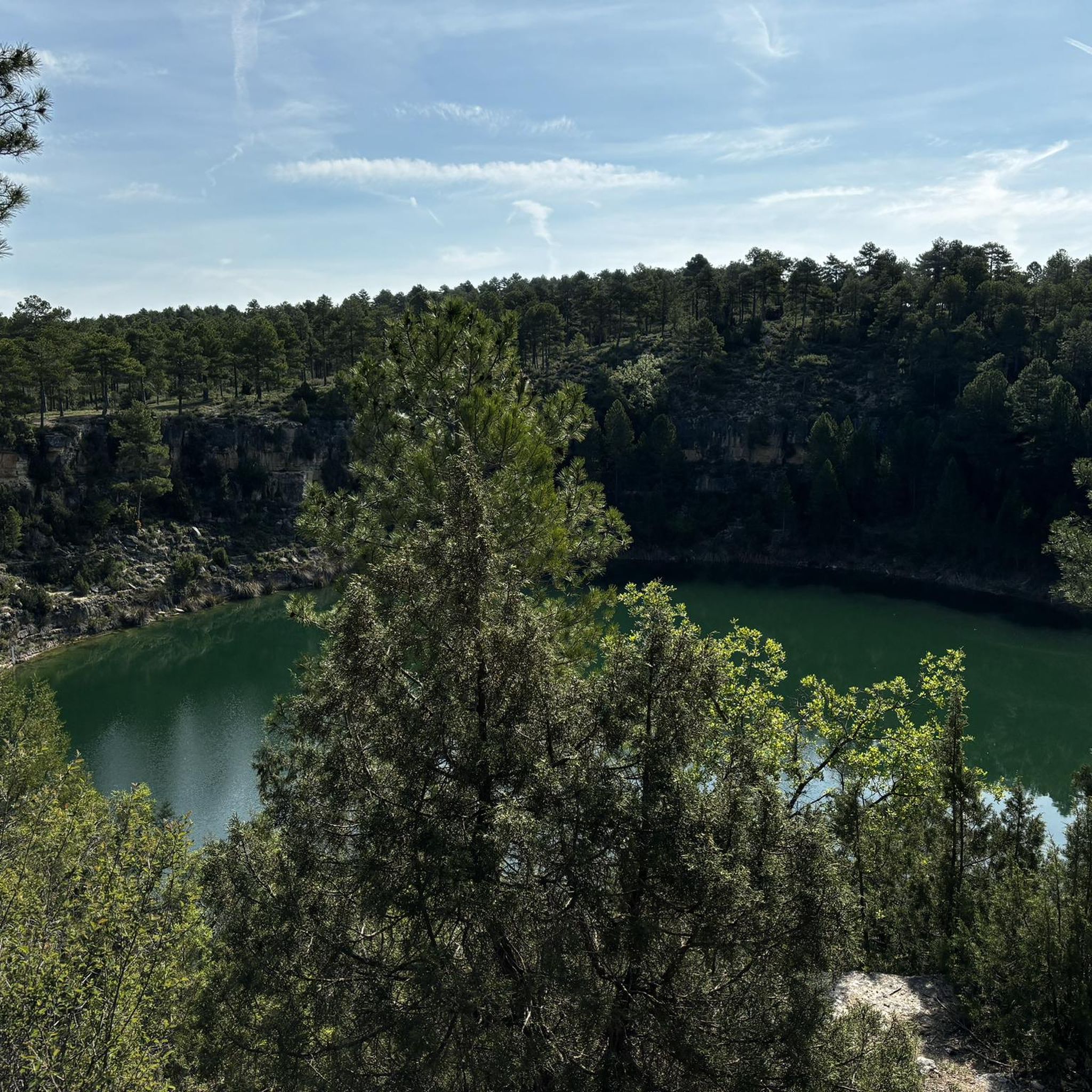
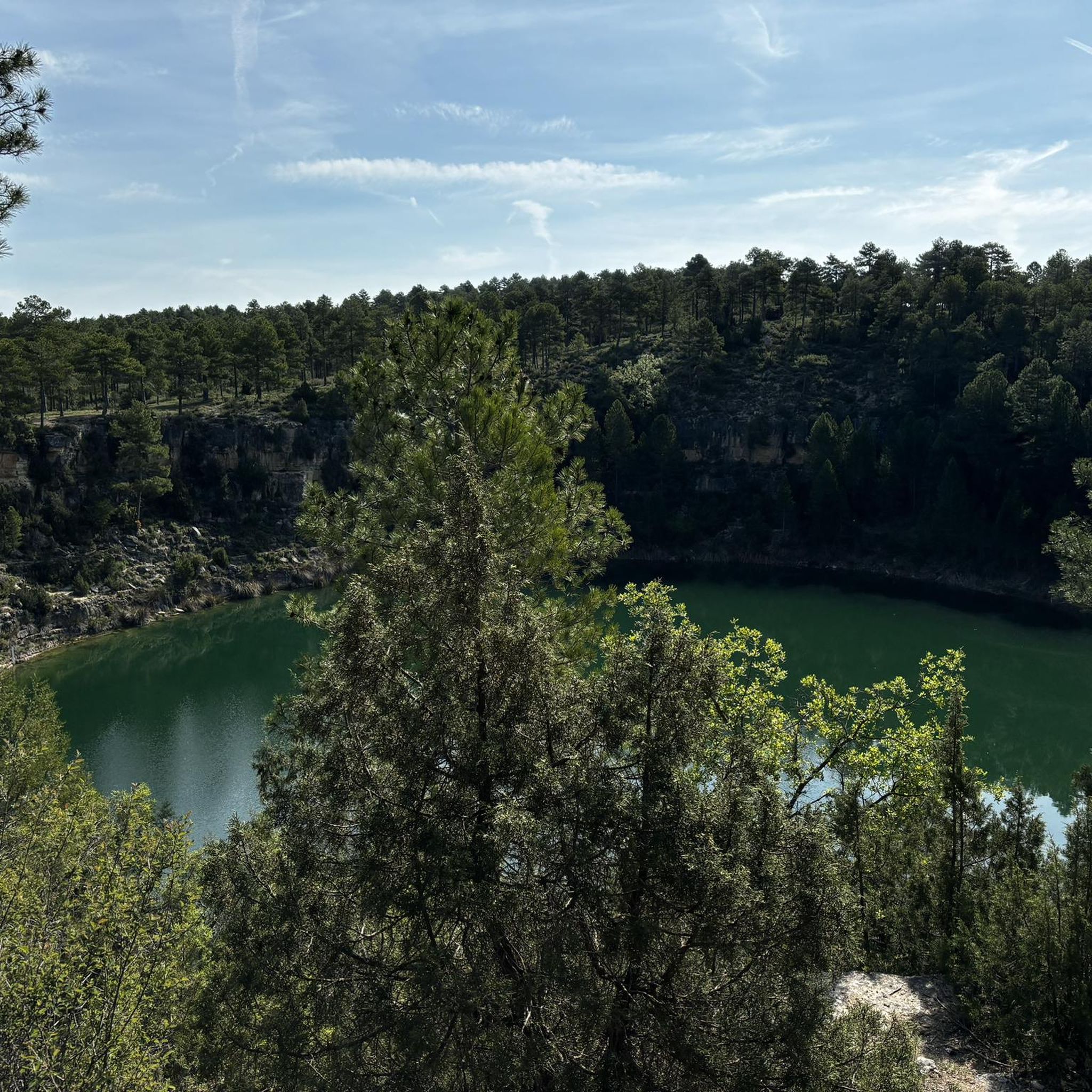
Laguna de la Gitana
Highlight • Lake
Translated by Google •
Tip by

Torcas de Lagunaseca
Highlight • Natural Monument
Translated by Google •
Tip by

Sign up now to discover places like this
Get recommendations on the best single tracks, peaks, & plenty of other exciting outdoor places.
Sign up for free
Torca de la Novia
Highlight • Canyon
Translated by Google •
Tip by
Lagoons of Cañada de Hoyo
Highlight • Lake
Translated by Google •
Tip by
Los Ceños
Highlight • Viewpoint
Translated by Google •
Tip by
Start today with a free account
Your next adventure awaits.
Login or Signup
Tips from the Community

Very close to the parking lot and very easy to see.
0
0

The underground erosion process that is created under the ground is striking, causing successive subsidence that offers a spectacular landscape.
0
0

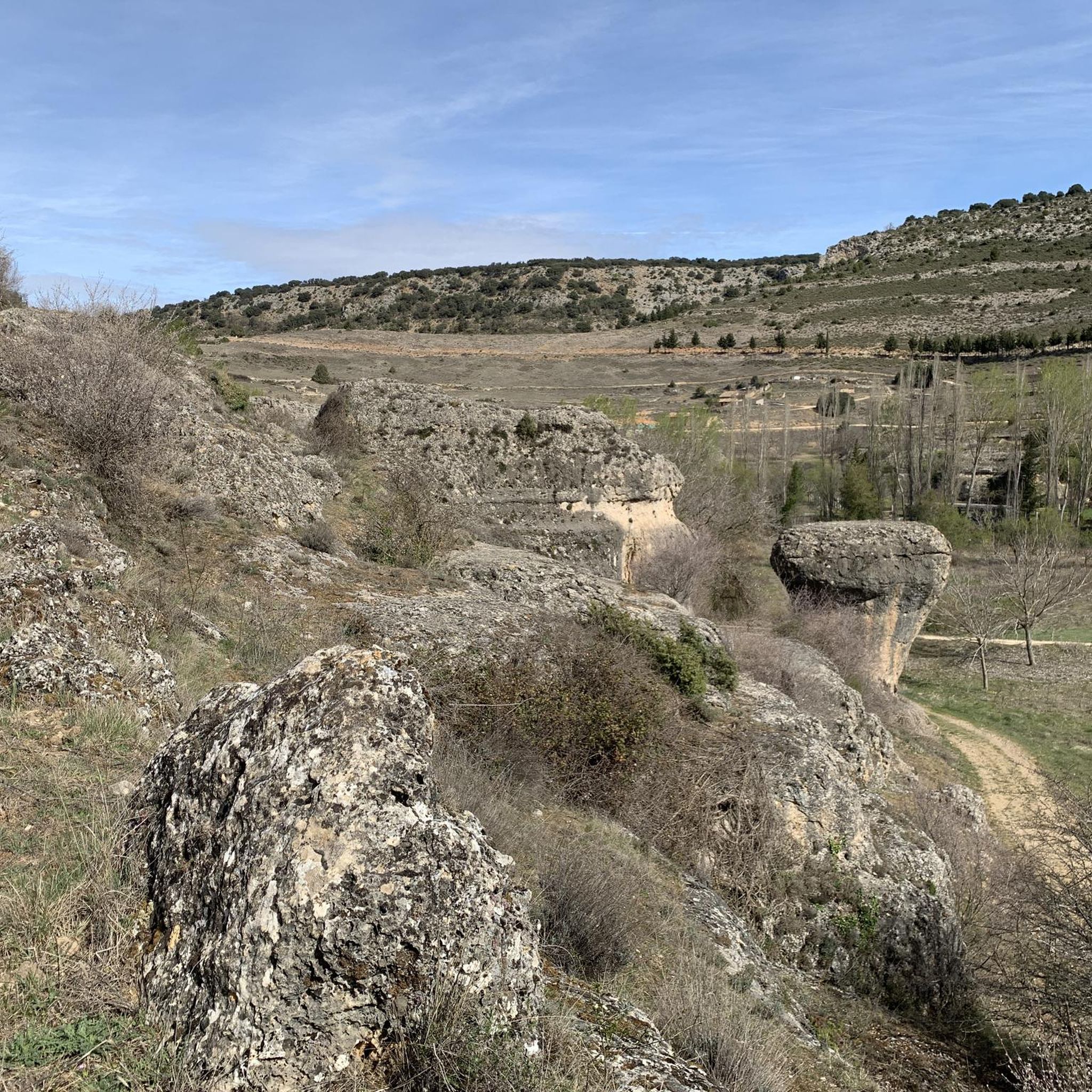
One of the 22 Torcas in the area of Torcas de Palancares and Tierra Muerta. It is a beautiful area. Torca small but well defined. Torcas are depressions in the ground caused by the collapse of cave ceilings.
2
0
Lagoon complex of Cañada de Hoyo, the 7 lagoons are located 3.5 km from this town. The tour is worth it, the most impressive lagoons are the Laguna del Tejo and the Laguna de la Cruz or La Gitana.
1
0
The most impressive lagoon of this lagoon complex, it is recommended to do the whole tour. The name comes from a legend of the two gypsy families who lived in bad relations, but two young people (a boy and a girl) from the families fell in love; After one of the families fled to prevent the couple from meeting, the gypsy woman drowned in the lagoon.
2
0

Lagoons that are close to the road and whose waters are karst springs that come from underground water. There are 7 of them and they can be seen a few meters from the road. It is one of the most well-known lagoons in this area.
0
0

Torcas are natural depressions in the ground that at first glance give the impression that they have been created by the impact of a meteorite. The truth is that they are formed after a natural process and make up a wonderful landscape.
2
0
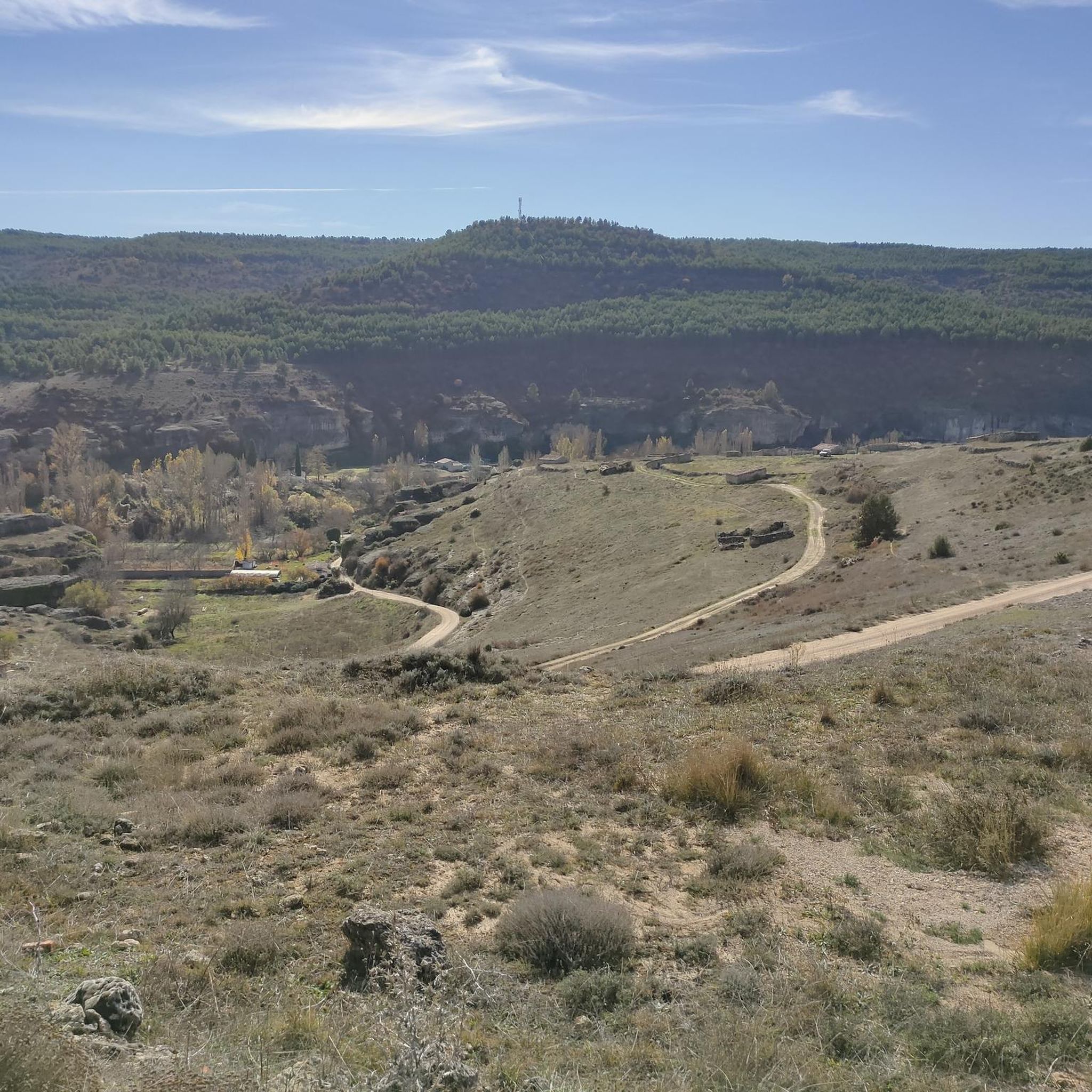
Known for its impressive views of the Dehesa de Cotillas and the Tierra Muerta juniper forest, the Los Ceños viewpoint also offers a very entertaining and picturesque route that connects Palomera with Buenache de la Sierra through a wonderful landscape a few kilometers from the center of Cuenca .
2
0
Frequently Asked Questions
What makes the natural monuments around Cañada Del Hoyo unique?
The natural monuments in Cañada Del Hoyo are renowned for their unique karstic landscape, featuring ancient sinkholes known as "torcas" and vibrant lagoons. These geological formations, particularly the Laguna de la Gitana, are famous for their waters that change color due to mineral composition and microorganisms, offering a truly distinctive natural spectacle.
What are some must-see natural monuments in the area?
Beyond the well-known lagoons, you should visit Torca de la Novia, a well-defined karstic depression that is easily accessible. Another impressive site is Torcas de Lagunaseca, which showcases the striking results of underground erosion processes. For panoramic views, the Los Ceños viewpoint offers stunning vistas of the Dehesa de Cotillas and the Tierra Muerta juniper forest.
Are there easy or accessible natural monuments to visit?
Yes, several natural monuments are easily accessible. Torca de la Novia is very close to a parking lot, making it simple to see. Among the lagoons, Laguna de la Cruz, Laguna del Tejo, and Lagunillo del Tejo are freely accessible to the public via accessible trails and have dedicated parking areas, making them suitable for visitors seeking easier paths.
Are the natural monuments around Cañada Del Hoyo family-friendly?
Absolutely. Many of the natural monuments are suitable for families. Laguna de la Gitana and Torca de la Novia are both categorized as family-friendly highlights, offering engaging natural sights that can be enjoyed by all ages. The accessible trails around some of the lagoons also make them a good choice for family outings.
What kind of walking paths or hiking trails are available near these natural monuments?
The area offers a variety of walking and hiking trails. You can explore routes like the easy 'Las Torcas de Cuenca – circular route' or the 'Trail of the Lagoons'. For more moderate options, consider the 'Lagunas Trail from Cañada del Hoyo (PR-CU 83)' or the 'Colada del Barranco la Palancosa – circular from Cañada del Hoyo (PR-CU 88)'. You can find more details and routes on the Hiking around Cañada Del Hoyo guide.
Is parking available near the natural monuments?
Yes, parking is generally available. For instance, Torca de la Novia is located very close to a parking lot. Additionally, three of the main lagoons (Laguna de la Cruz, Laguna del Tejo, and Lagunillo del Tejo) have dedicated parking facilities, making access convenient for visitors.
Do I need permits to visit any of the natural monuments?
Three of the seven lagoons (Laguna de la Cruz, Laguna del Tejo, and Lagunillo del Tejo) are freely accessible to the public. However, the remaining lagoons are on private land and may require prior authorization for visits. It's advisable to check local regulations if you plan to explore beyond the publicly accessible areas.
When is the best time to visit the natural monuments in Cañada Del Hoyo?
The natural monuments, especially the lagoons, are known for their waters changing color with the seasons. While beautiful year-round, late spring and early autumn often offer pleasant weather for exploration and vibrant natural displays. The unique mineral and vegetative composition means the colors can shift depending on light, temperature, and nutrient conditions, offering a different experience each visit.
What kind of wildlife can I expect to see?
The area is rich in biodiversity, particularly around the lagoons. It is a significant habitat for amphibians and reptiles, notably containing the only known population of the endangered European pond turtle (Emys orbicularis) in the province of Cuenca. The surrounding forests also host various bird species and other small mammals.
What is the geological significance of the Cañada Del Hoyo area?
The region is of significant geological interest due to its karstic origins. The natural monuments are formed from ancient sinkholes, or "torcas," which are depressions created by the dissolution of limestone rocks over time. This geological process has resulted in the distinctive landscape and the formation of the colorful lagoons, providing a fascinating insight into the region's geological history.
What other outdoor activities can I do near these natural monuments?
Besides hiking, the area is excellent for cycling. You can find routes like 'From the Torca de la Novia to the Lagunas de Cañada — round trip' or the 'Lagoons of Cañada del Hoyo Trail'. For more options, check out the Cycling around Cañada Del Hoyo guide or the Road Cycling Routes around Cañada Del Hoyo guide.
Are the trails around the natural monuments dog-friendly?
While specific regulations for dogs can vary, generally, natural areas in Spain allow dogs on a leash. It's always best to keep your dog under control and clean up after them to preserve the natural environment and respect other visitors. For specific trails, check local signage or visitor information centers.
Can I visit the natural monuments during winter?
Visiting in winter is possible, though conditions may vary. The unique colors of the lagoons might present a different palette, and the landscape can be serene. Be prepared for colder temperatures and potentially icy or muddy paths. Always check weather forecasts and trail conditions before heading out during the winter months.
Most popular attractions around Cañada Del Hoyo

Get inspired with the komoot mobile app


Explore more
Extend your search for the best caves by checking out these guides of the top ones around Cañada Del Hoyo:
