Top 20 Natural Monuments around Vilobí D'Onyar
Best natural monuments around Vilobí D'Onyar include a landscape characterized by unique geological formations and protected natural spaces. The region features an ancient volcano with a notable crater, alongside areas of ecological interest. These natural areas offer opportunities to explore diverse environments, from volcanic terrain to urban parks and thermal springs. The natural monuments provide insight into the area's geological history and biodiversity.
Best natural monuments around Vilobí D'Onyar
- The most popular natural monuments is Crosa Volcano, a volcano…
Last updated: October 18, 2026
Font de Sant Salvador
Highlight • Natural Monument
Translated by Google •
Tip by

Devesa Park
Highlight • Forest
Translated by Google •
Tip by

Sign up now to discover places like this
Get recommendations on the best single tracks, peaks, & plenty of other exciting outdoor places.
Crosa Volcano
Highlight • Volcano
Translated by Google •
Tip by

Font d’en Coromines
Highlight • Natural Monument
Tip by

Santa Coloma Lookout Rock
Highlight • Viewpoint
Translated by Google •
Tip by

Sign up for free to discover even more natural monuments around Vilobí D'Onyar.
Already have an account?
Start today with a free account
Your next adventure awaits.
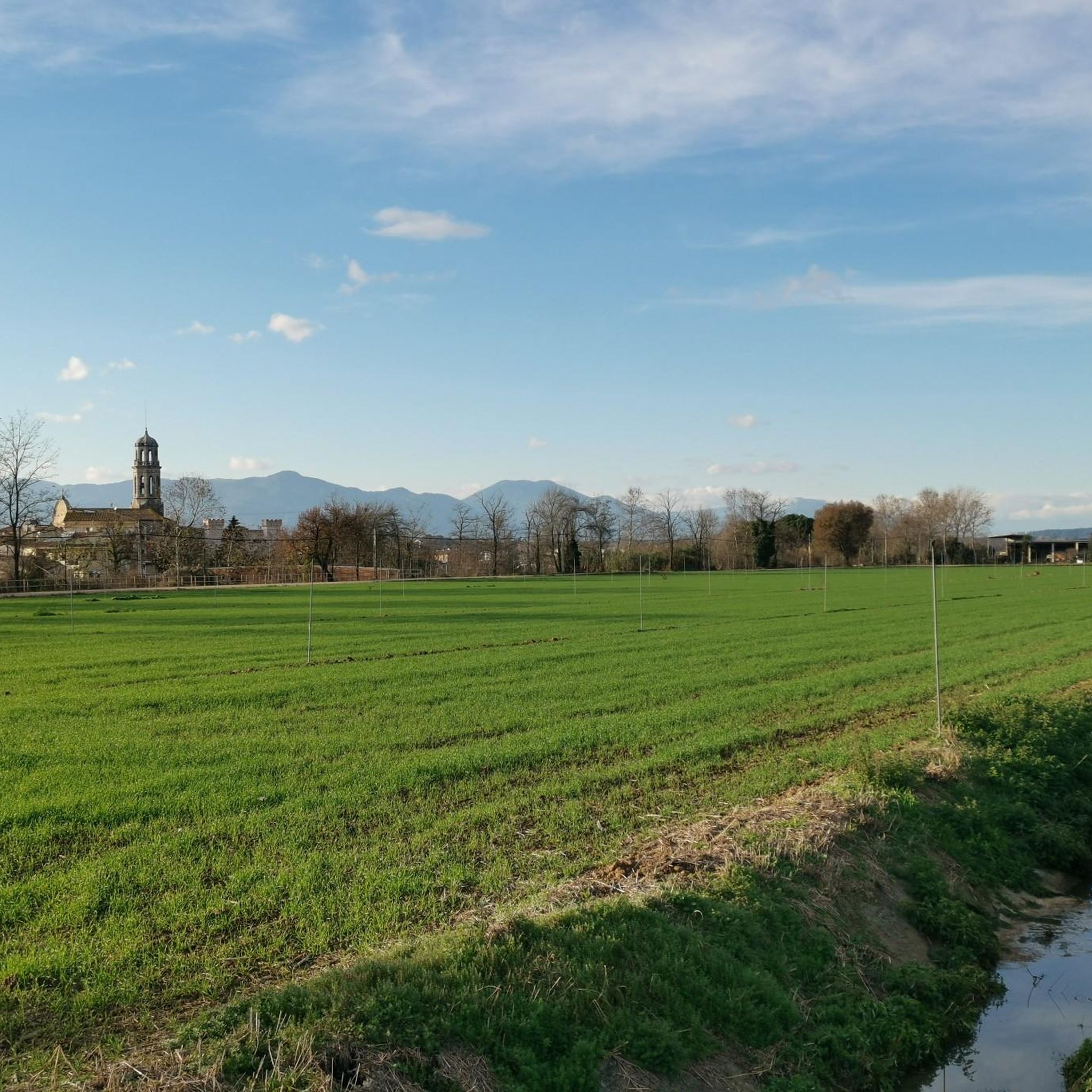
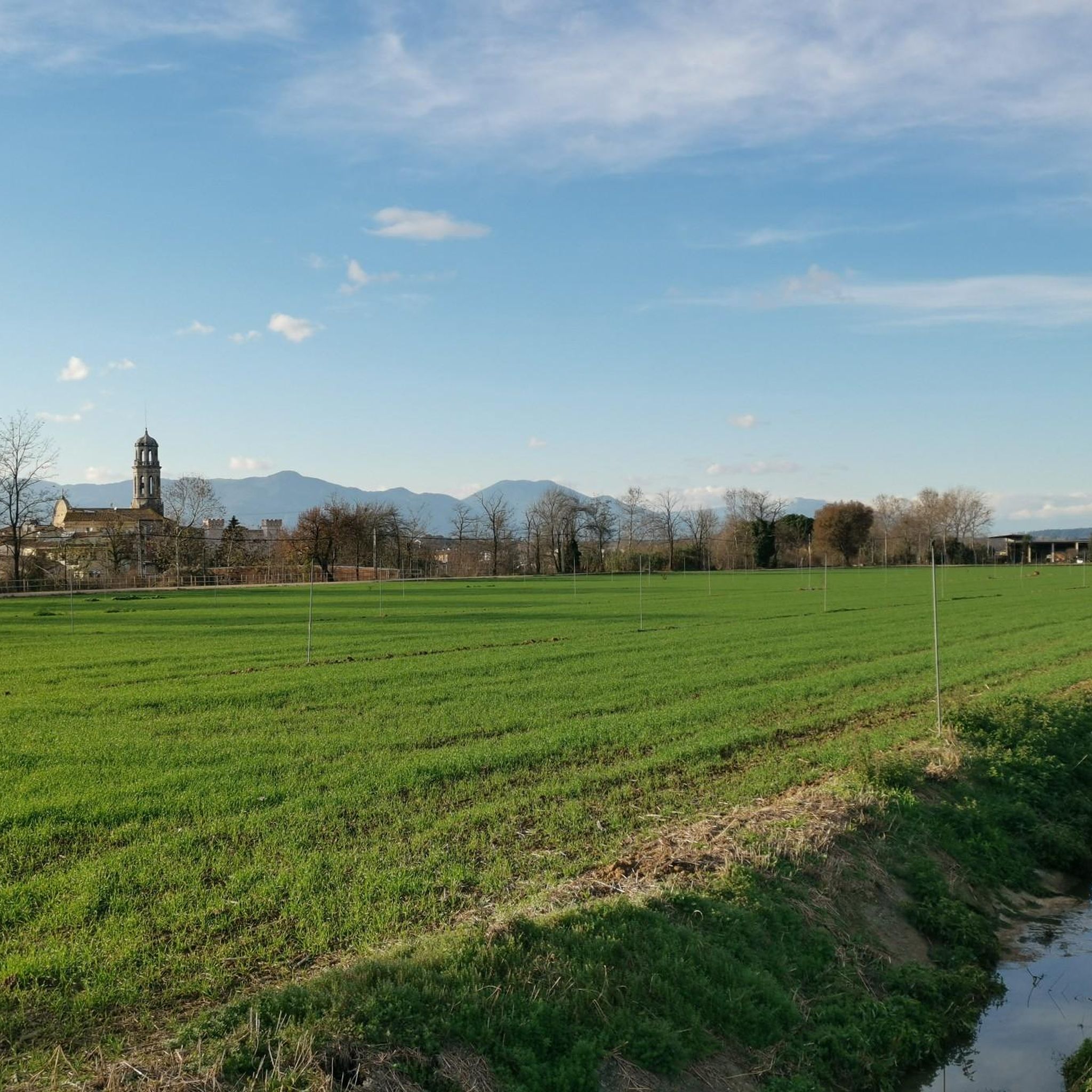
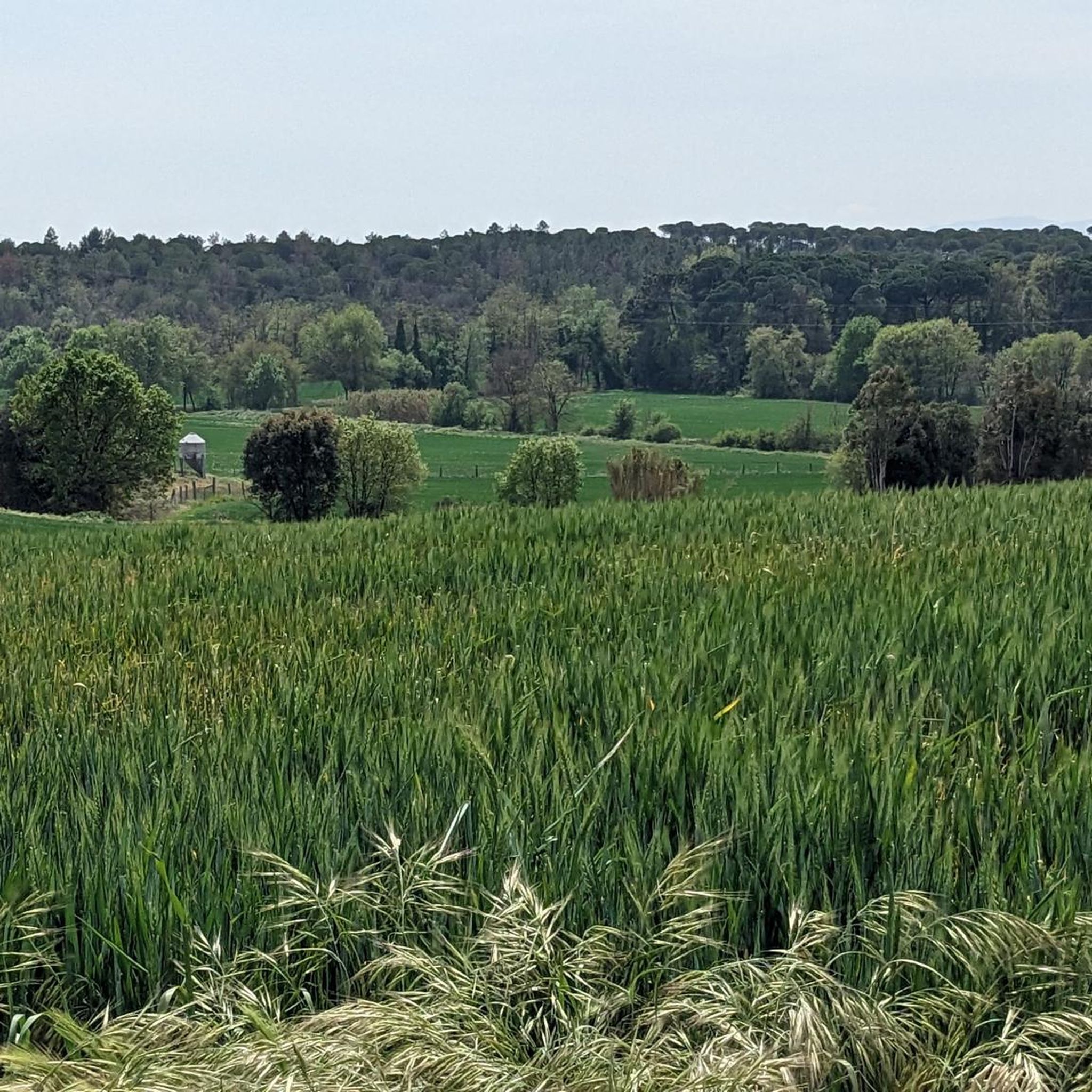
Other adventures around Vilobí D'Onyar

Tips from the Community

It's a beautiful place that's great for walking or cycling. However, I don't recommend it for wheelchairs even if they are adapted for hiking, as there are areas with a lot of sand or gravel, and if you don't have someone to help you overcome these bumps, it becomes an odyssey. (Yes, I use the app for wheelchair routes, it's the only app I've found that registers my km well.)
0
0

Water was once bottled in the building, of which only the four outer walls and the entrance steps remain. Unfortunately, I couldn't find any more precise information. Inside, spring water bubbles irregularly from a kind of round fountain. The water has a high iron content. It's a shame there's no information panel.
0
0

I filled up my water here for several days in the spring without any problems. It's definitely drinkable for me. I just don't know what it's like in midsummer with little rainfall.
1
0

Natural viewpoint near the Font del Ferro and next to the Farners road or road.
0
0

Good 8km climb on a wide track with good views
0
0

It is much more than just a spring: it is a local symbol of health. Its clear, light spring water attracts people from all over who are looking for a natural and pure alternative. This explains why the spring is such a popular and appreciated place for those who enjoy natural and free water. It is considered a low mineral water, something that many people seek for its benefits to the body, especially for people with kidney problems or who want a lighter water.
4
0

From these rocks (viewpoint) you can see the entire population of Santa Coloma de Farners
1
0

nice place in the forest where you get good water
6
0
Frequently Asked Questions
What unique geological features can I explore around Vilobí D'Onyar?
The region is home to the Crosa Volcano, which boasts the largest crater on the Iberian Peninsula, measuring 1,250 meters in diameter. You can also visit the Les Guilloteres Interpretation Center to see a vertical section revealing layers from the volcano's eruptions.
Are there family-friendly natural monuments in the area?
Yes, several natural monuments are suitable for families. The Crosa Volcano is great for walks and bike rides with kids. Devesa Park, Catalonia's largest urban park, offers vast green spaces for recreation. Additionally, Caldes de Malavella, known for its thermal waters, is also considered family-friendly.
What kind of outdoor activities can I do near these natural monuments?
You can enjoy a variety of outdoor activities. For running, explore routes like the 'Source of the Onyar – Crosa Volcano loop' or 'Crosa Volcano – Sant Dalmai Church loop'. Cyclists can find routes such as 'Stone Bridge – Girona loop from Volcà de la Crosa'. Mountain bikers have options like the 'Crosa Volcano – Vilobí d'Onyar loop'. You can find more details on these activities in the running, cycling, and MTB guides for the area.
Where can I find panoramic views of the region?
For magnificent panoramic views of the surrounding area, head to the Sant Llop hermitage, located on the highest part of the Crosa Volcano.
What is the best time to visit the natural monuments around Vilobí D'Onyar?
While the natural monuments can be enjoyed year-round, visiting in February offers a unique experience, as a gastronomic evening dedicated to the sweet Catalan pork sausage is held, combining natural exploration with local culture.
Are there any natural springs or water sources to visit?
Yes, you can visit Font de Sant Salvador, a popular spring known for its clear, light water. Another interesting spot is Font d’en Coromines, which features a ferrous water source within the resting walls of an old watermill.
What makes <a href="https://www.komoot.com/highlight/5090191" target="_blank" rel="noopener">Devesa Park</a> a significant natural monument?
Devesa Park is notable as the largest urban park in Catalonia, spanning 40 hectares. It features over 2,500 plane trees, many of which are more than 170 years old and exceed 60 meters in height, creating a unique shaded environment.
What is the ecological significance of the natural monuments in this region?
The Crosa Volcano area is a protected natural space, included in the Plan of Natural Interest Spaces of Catalonia. Conservation efforts here include creating refuges for ocellated lizards, and the ancient marshes have evolved into a protected open space with diverse flora.
Can I find any historical sites among the natural monuments?
Yes, Caldes de Malavella is a settlement known for its thermal waters and also has historical significance. The area hosts three spas utilizing waters springing at high temperatures, and it's a center for bottling thermal waters, reflecting a long history of human interaction with its natural resources.
What do visitors enjoy most about the natural monuments around Vilobí D'Onyar?
Visitors particularly enjoy the unique geological formations like the Crosa Volcano, which is described as an ideal environment for both mountain biking and walking. The clear, light spring water at Font de Sant Salvador is also highly appreciated by those seeking natural and pure water.
Are there any easy walks or beginner-friendly trails around the natural monuments?
The crater of the Crosa Volcano offers fun and accessible paths, making it an excellent place for walking with kids or by bike. Devesa Park also provides extensive shaded walks suitable for all levels.
Most popular routes around Vilobí D'Onyar
Most popular attractions around Vilobí D'Onyar

Get inspired with the komoot mobile app


Explore more
Extend your search for the best caves by checking out these guides of the top ones around Vilobí D'Onyar:
