Top 20 Natural Monuments around Santa María De La Alameda
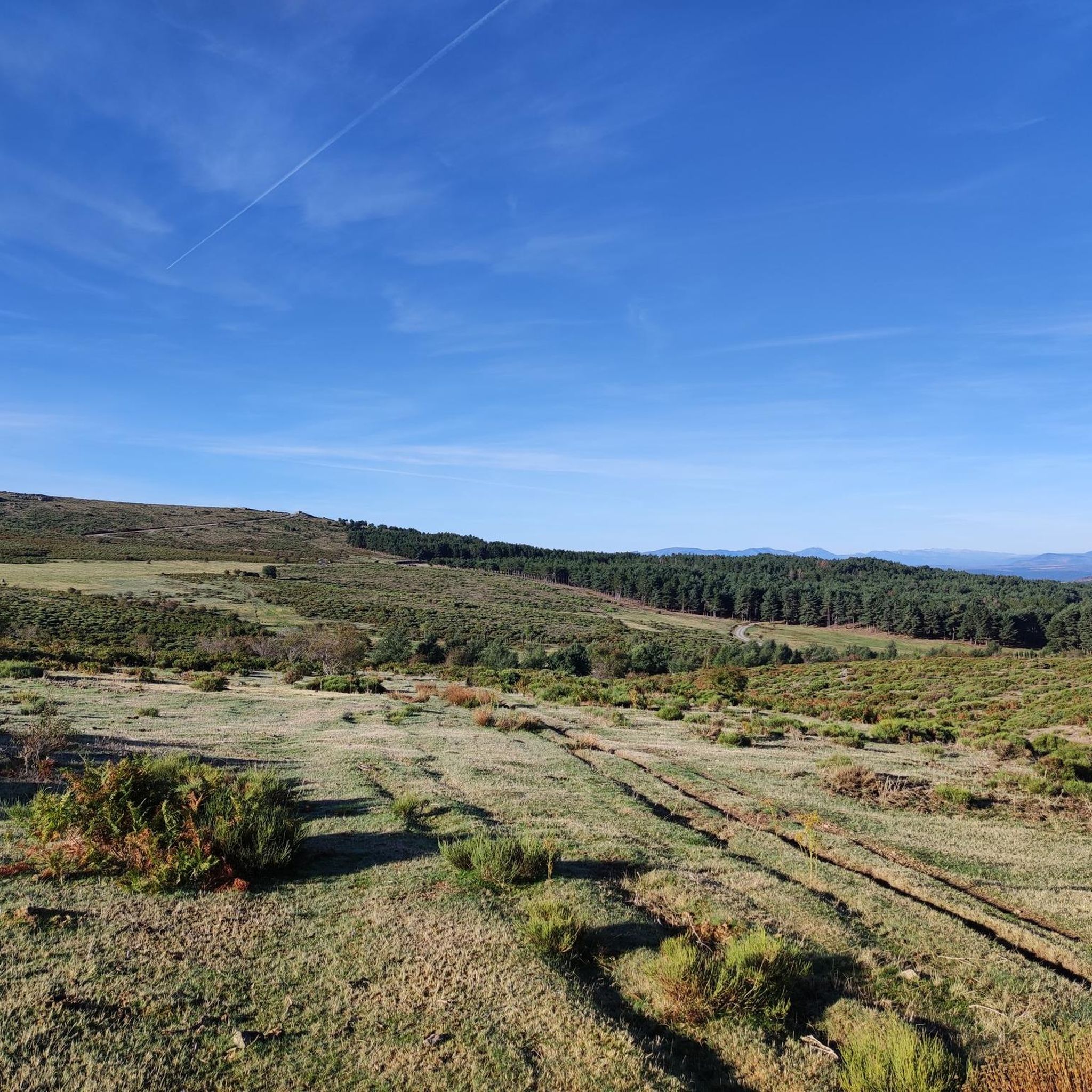
Best natural monuments around Santa María De La Alameda are found within the Sierra de Guadarrama, offering a diverse landscape of mountains, rivers, and forests. This region provides opportunities for hiking, wildlife observation, and tranquil escapes. The area is characterized by its significant ecological and scenic value, making it a destination for outdoor enthusiasts.
Best natural monuments around Santa María De La Alameda
- The most popular natural monuments is Seat of Philip II, a viewpoint known for its historical…
Last updated: July 1, 2026
Seat of Philip II
Highlight • Viewpoint
Some experts assure that these granite seats, for the king and two companions, are the …
Translated by Google •
Tip by

Mount Abantos
Highlight • Summit
Translated by Google •
Tip by
Sign up now to discover places like this
Get recommendations on the best single tracks, peaks, & plenty of other exciting outdoor places.
Sign up for free
Hornillo Waterfall
Highlight • Waterfall
Translated by Google •
Tip by
Bear Cave
Highlight • Natural Monument
Translated by Google •
Tip by
Stone slab above the Valmayor reservoir
Highlight • Natural Monument
Translated by Google •
Tip by

Sign up for free to discover even more natural monuments around Santa María De La Alameda.
Sign up for free
Already have an account?
Start today with a free account
Your next adventure awaits.
Login or Signup
Popular around Santa María De La Alameda

Tips from the Community

On November 26, 2025, the water covered many areas that are normally passable. You had to "climb" several rocks to get around the reservoir. This section was especially tricky when descending, and even more so if you were alone.
0
0

They say (I don't know how true this is) that Philip II used to watch the progress of the construction of the colossal monastery from this very spot during his hunting trips, which he was very fond of. Whether true or not, it makes for a beautiful viewpoint, especially in autumn.
1
0

The Chair of Philip II is a famous granite viewpoint in San Lorenzo de El Escorial, near Madrid. Legend has it that King Philip II used it to view the construction of the Monastery of El Escorial. However, experts believe it was actually an ancient Celtic altar, possibly used for rituals. Today, it's a popular hiking spot with stunning views of the monastery and its surroundings.
3
0

The Bear Cave in San Lorenzo de El Escorial is not a real, deep cave in the geological sense, but rather a peculiar rock formation in the Bosque de la Herrería. It is a natural cavity formed by the arrangement of large granite boulders that create a kind of shelter or "cave." It is located in the Bosque de la Herrería, a protected natural area declared a UNESCO World Heritage Site. It is on a very popular hiking trail, relatively close to the Chair of Philip II and the Fuente de los Hermanitos. Its name comes from the fact that its shape and size might evoke the idea of a bear's den, although no real bear ever lived there. Rather, it is a visual attraction, especially for children. Beyond being a "real" cave, it is a point of interest on the hiking trails in the Bosque de la Herrería.
0
0

The Chair of Philip II is a group of platforms and seats carved in granite. According to tradition, Philip II used this site as an observatory during the construction of the Monastery of El Escorial. However, some theories suggest that it could be an ancient Vetton altar. This site offers spectacular views of the Monastery of El Escorial and its surroundings, including the La Herrería forest. The route to reach the Chair of Philip II is quite accessible and can be done in approximately one hour from the San Lorenzo de El Escorial Tourist Office.
1
0
The Chair of Philip II is a group of platforms and seats carved in granite. According to tradition, Philip II used this site as an observatory during the construction of the Monastery of El Escorial. However, some theories suggest that it could be an ancient Vetton altar. This site offers spectacular views of the Monastery of El Escorial and its surroundings, including the La Herrería forest. The route to reach the Chair of Philip II is quite accessible and can be done in approximately one hour from the San Lorenzo de El Escorial Tourist Office.
1
0
Today, February 9, after the rains, the reservoir is higher, although you can still cross without climbing the rock, with a little care you won't get wet.
0
0
As of January 1, 2025, the water will no longer cover the path that runs under the granite stone and it can be passed through without any complications.
0
0
Frequently Asked Questions
What kind of natural features can I explore around Santa María de la Alameda?
The area around Santa María de la Alameda offers a diverse range of natural features, including impressive waterfalls like the Hornillo Waterfall, majestic summits such as Mount Abantos, and unique rock formations like the Bear Cave. You can also find tranquil rivers like the Río Cofio and panoramic viewpoints offering stunning vistas of the Sierra de Guadarrama.
Are there family-friendly natural monuments in the region?
Yes, several natural sites are suitable for families. The circular route to the Hornillo Waterfall is considered easy to moderate and offers shaded paths, perfect for a family outing and picnics. The Bear Cave is also a popular spot for families, especially children, as it's part of an enjoyable hiking trail.
What outdoor activities can I do near these natural monuments?
The natural monuments around Santa María de la Alameda are excellent starting points for various outdoor activities. You can enjoy extensive hiking trails, explore mountain biking routes, or embark on challenging road cycling adventures. For detailed routes, check out the guides for Hiking around Santa María De La Alameda, MTB Trails around Santa María De La Alameda, and Road Cycling Routes around Santa María De La Alameda.
Where can I find the best panoramic views of the mountains?
For breathtaking panoramic views, head to the Seat of Philip II, a historical viewpoint offering vistas of the El Escorial Monastery and the surrounding landscape. Another excellent spot is the Peña del Águila Viewpoint, located at over 1900 meters, providing spectacular views of the Madrid mountains and the Molino de la Chincha Reservoir.
Are there any natural monuments with historical significance?
Yes, the Seat of Philip II is a notable natural monument with historical ties. Legend says King Philip II used this granite formation to observe the construction of the El Escorial Monastery. Experts also suggest it might have been an ancient Celtiberian altar.
What is the best time of year to visit the natural monuments?
The natural monuments around Santa María de la Alameda can be enjoyed year-round. Spring and autumn offer pleasant temperatures for hiking and exploring the lush landscapes. Summer provides shaded paths, especially around the Hornillo Waterfall, and opportunities for a refreshing dip in the Río Cofio. Winter can transform the scenery with snow, offering a different kind of beauty for those prepared for colder conditions.
Can I find tranquil spots to relax and enjoy nature?
Absolutely. The Río Cofio offers a tranquil natural haven, perfect for disconnecting and enjoying the serene sound of water. Its banks are ideal for relaxing, and some visitors even enjoy stargazing from its grassy areas. The nearby natural area of Peguerinos also provides a peaceful escape with clean air and mountain breezes.
Are there any unique geological formations to see?
Beyond the well-known sites, you can discover unique geological formations like the Stone slab above the Valmayor reservoir. This high granite slab presents an interesting challenge for hikers and offers a distinctive natural landmark, especially when the reservoir's water level is high.
What kind of wildlife can I expect to see?
The natural areas around Santa María de la Alameda are rich in biodiversity. The banks of the Río Cofio support diverse avian, amphibian, and reptile fauna. In areas like Peguerinos, you might spot wild boars and deer in the forests, offering opportunities for wildlife observation.
Are there any circular hiking routes available?
Yes, the Hornillo Waterfall is part of a popular circular hiking route, which is highly recommended by the komoot community. This route allows you to experience the waterfall and the surrounding lush forest. Many other circular routes are available for various difficulty levels; you can find more options in the Hiking around Santa María De La Alameda guide.
What do visitors enjoy most about the natural monuments here?
Visitors particularly appreciate the stunning views from spots like the Seat of Philip II and the rewarding ascents to summits like Mount Abantos. The beauty of the Hornillo Waterfall, especially after rainfall, is also a highlight. The overall tranquility, opportunities for hiking, and the chance to connect with nature are frequently praised.
Most popular routes around Santa María De La Alameda
Most popular attractions around Santa María De La Alameda

Get inspired with the komoot mobile app


Explore more
Extend your search for the best caves by checking out these guides of the top ones around Santa María De La Alameda:
