Top 6 Natural Monuments around Pulpí
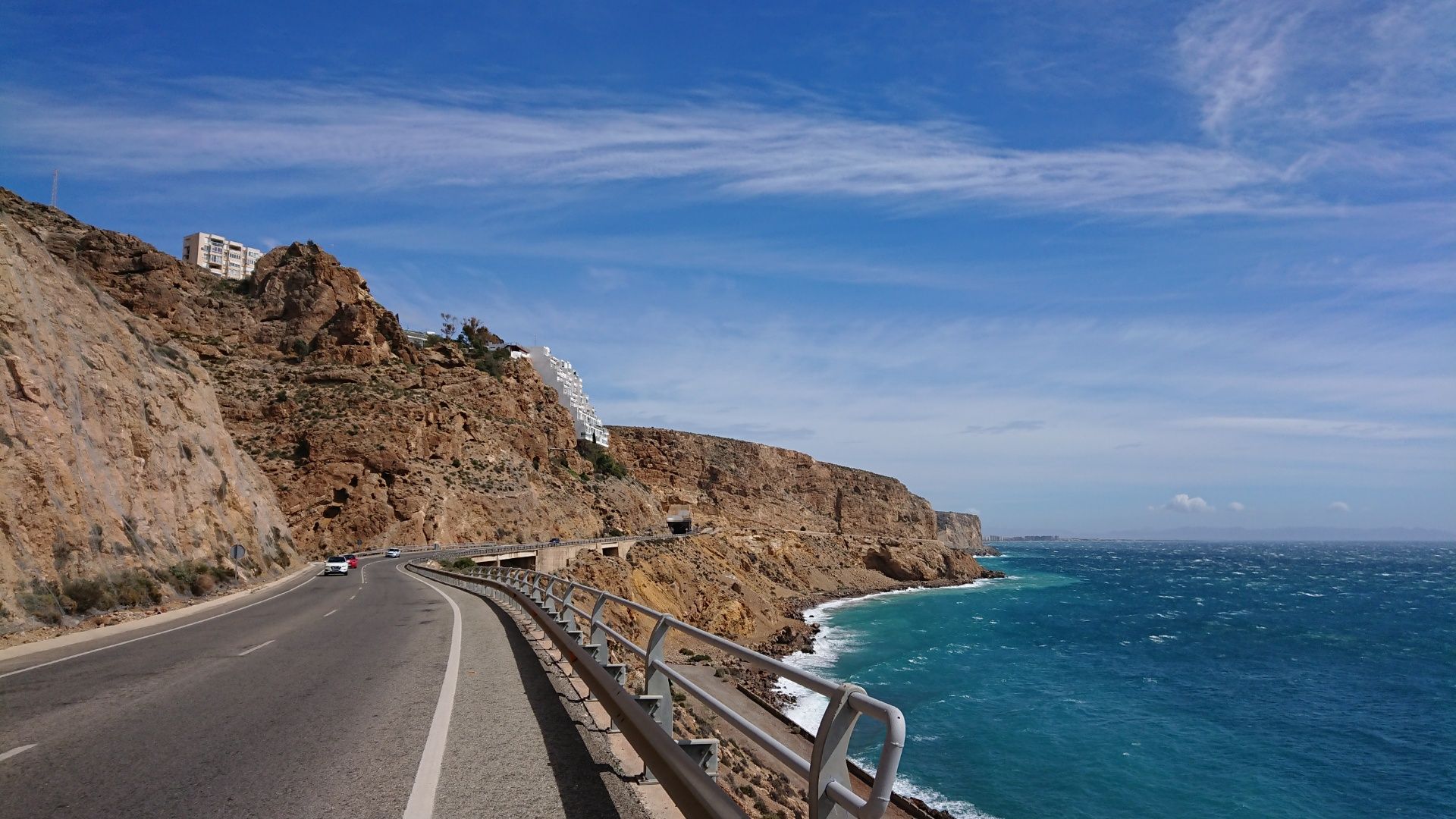
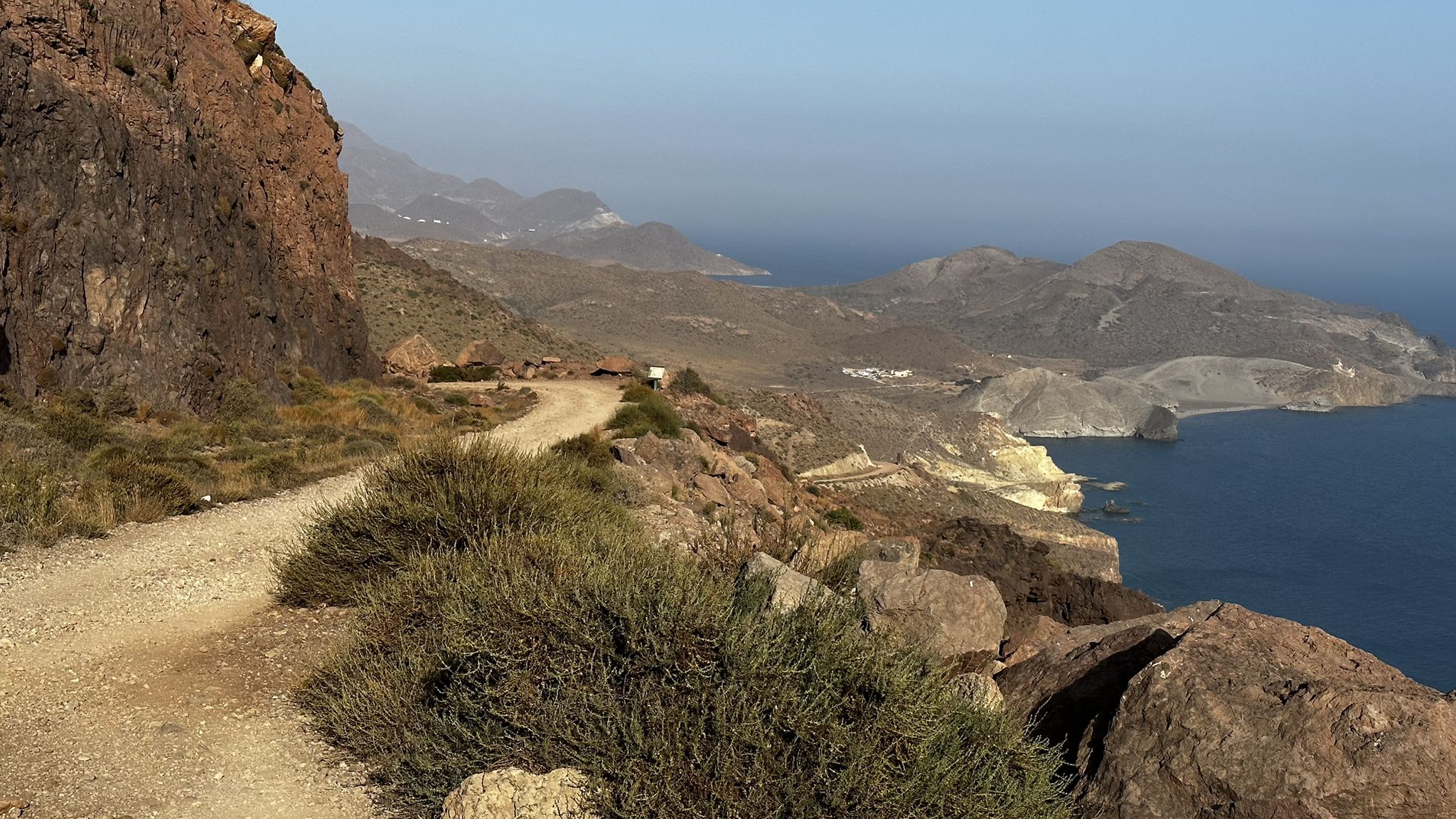
Best natural monuments around Pulpí showcase a landscape characterized by unique coastal formations and significant geological features. The region is home to the Pulpí Geode, a large accessible geode known for its selenite crystals, and a variety of picturesque beaches. These natural landmarks offer insights into geological processes and provide opportunities for exploration. The area's natural attractions are appreciated for their distinct characteristics and accessibility.
Best natural monuments around Pulpí
- The most popular natural monuments is La Higuerica Beach, a beach located in a natural environment. This beach features golden sands that gently submerge into a transparent sea.
- Another must-see spot is San Juan de los Terreros Beach, a beach situated on the border with Murcia. Off its coast are two small volcanic islets that form the Isla de Terreros-Isla Negra Natural Monument.
- Visitors also love Los Cocedores Beach, a beach with a landscape eroded by the sea, creating curious caves. Its calm, crystal-clear waters make it a notable natural spot.
- Pulpí is known for beaches, caves, and unique geological formations. Visitors can explore a variety of natural monuments, from coastal areas with distinctive rock formations to significant underground geodes.
- The natural monuments around Pulpí are appreciated by the komoot community, with 77 upvotes and 52 photos contributed by visitors.
Last updated: May 4, 2026
Los Cocedores Beach
Highlight • Beach
Los Cocedores beach is located on the border between Murcia and Almería. In fact, there is a dispute between the two regions over who owns the beach. It is not surprising, as it is one of the most fascinating spots in the area and both want to have it in their geography.
Thats why tere are TWO BARS at the beach, ons with the flag of Murcia and one with the flag of Andalusia.
Tip by

La Higuerica Beach
Highlight • Beach
Translated by Google •
Tip by

Sign up now to discover places like this
Get recommendations on the best single tracks, peaks, & plenty of other exciting outdoor places.
Sign up for free
San Juan de los Terreros Beach
Highlight • Beach
Translated by Google •
Tip by

Cave of the Patriarchs
Highlight • Cave
Translated by Google •
Tip by
Cave Houses at Cala de los Cocedores
Highlight • Cave
Translated by Google •
Tip by

Sign up for free to discover even more natural monuments around Pulpí.
Sign up for free
Already have an account?
Start today with a free account
Your next adventure awaits.
Login or Signup



Tips from the Community

Top beach, running, swimming, climbing, everything is possible
1
0

They are carved into the soft rock and have very unusual shapes, making them ideal for exploring and photographing.
3
0
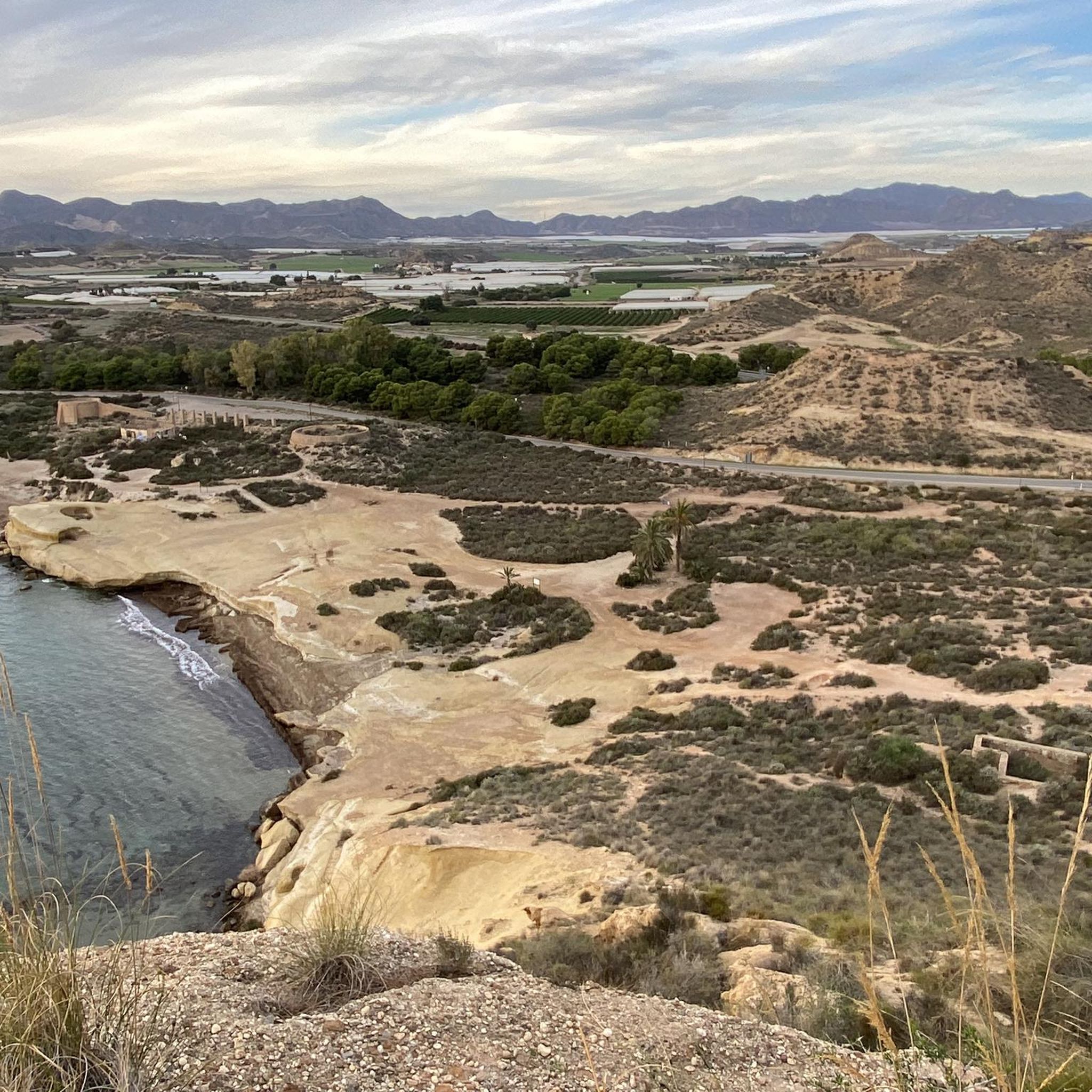
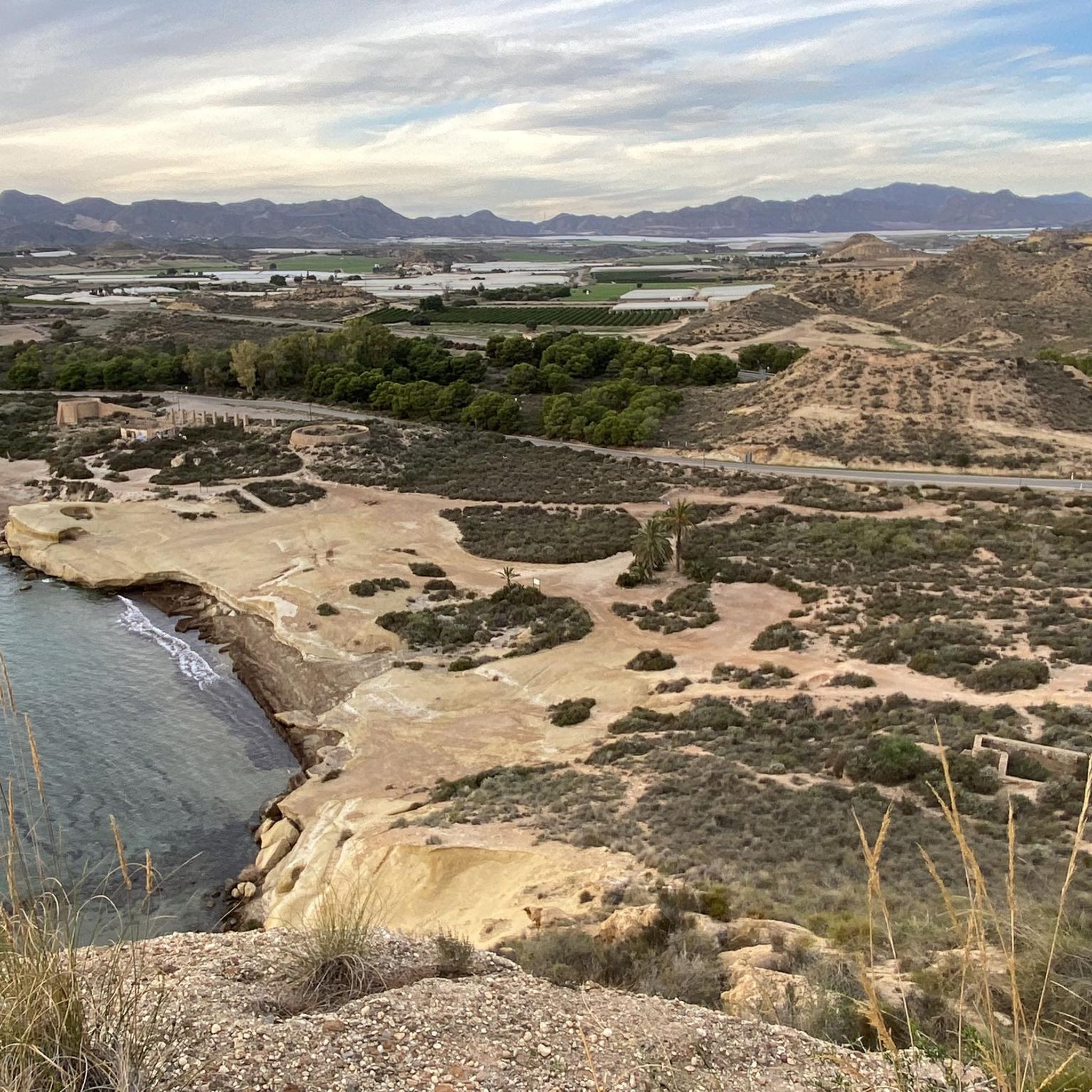
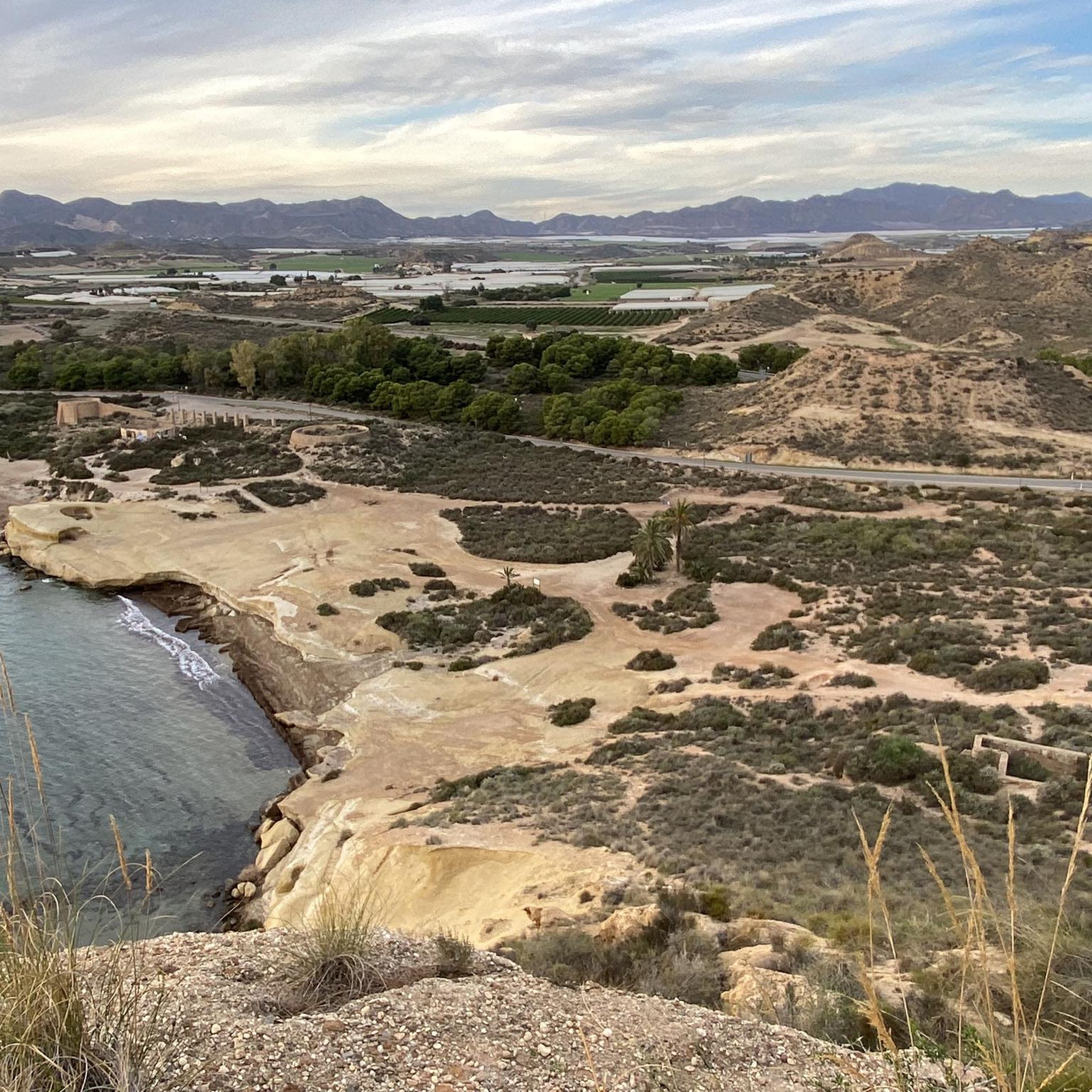
Playa de los Cocedores, also known as Cala Cerrada, is a small beach located between the municipality of Pulpí, in the province of Almería, and the municipality of Águilas, in the Region of Murcia. It belongs to the Murcia section of the Cuatro Calas protected natural area. It has a length of 150 meters and a semicircular shape. Its sand is fine and yellow, and its waters are calm because they are protected by a small, almost closed natural bay. The bottoms are sandy.
5
0

The beach is not exactly quiet, because it is embedded between the rocks, the water is calm, and in winter you can paddle and swim there.
10
0
Los Cocedores beach is considered one of the most peculiar and beautiful beaches in the Spanish litography. This is thanks to its landscape eroded by the sea, which has created curious caves. In ancient times, these caves were used as cooking places, hence their name, in English ‘cookers’. This, together with its calm, crystal-clear waters, makes it one of the most beautiful natural spots in Spain. Los Cocedores beach is located on the border between Murcia and Almería. In fact, there is a dispute between the two regions over who owns the beach. It is not surprising, as it is one of the most fascinating spots in the area and both want to have it in their geography. Thats why tere are TWO BARS at the beach, ons with the flag of Murcia and one with the flag of Andalusia.
12
0

It is a very quiet beach, ideal for cooling off and resting for a while. There are also some caves in the sand cliffs that are very curious to visit.
4
2
Beach located in natural environment. 5 km from what is known as Cuatro Calas, a magnificent beach that, together with its sisters, has an important extension of golden sands that gently submerge into a transparent sea.
9
0

Nice and quiet beach that we find near the town of Calarreona rolling along the beautiful paths that connect the other beaches and coves on the coast. Ideal for lovers of two wheels and nature.
1
1
Frequently Asked Questions
What makes the Pulpí Geode a significant natural monument?
The Pulpí Geode is considered one of the largest and best-preserved geodes in the world, and it is the largest accessible geode globally. It features enormous, translucent selenite (gypsum) crystals, some reaching up to 2 meters in length, within an abandoned silver-lead mine. Its immense size, exceptional transparency, and pristine condition make it a unique geological wonder. You can learn more about its formation and significance by visiting the geode itself.
Are there other unique geological formations to explore besides the Pulpí Geode?
Yes, beyond the main geode, the Mina Rica also features other interesting geological aspects like foldings, fault surfaces, and formations such as speleothems of epsomites and calcites. Visitors can also see other geodes of varying sizes within the mine, such as the Geoda Partida (Split Geode) and the Geoda de Gollas de Golondrina (Swallowtail Geode). Additionally, the coastal areas boast unique rock formations, such as the caves at Los Cocedores Beach.
Which natural monuments offer unique coastal experiences in Pulpí?
Pulpí offers several natural monuments with distinctive coastal features. Los Cocedores Beach is known for its landscape eroded by the sea, creating curious caves, and its calm, crystal-clear waters. La Higuerica Beach features golden sands that gently submerge into a transparent sea. San Juan de los Terreros Beach is notable for the two small volcanic islets off its coast, which form the Isla de Terreros-Isla Negra Natural Monument.
Are there family-friendly natural monuments around Pulpí?
Absolutely! Many of Pulpí's natural monuments are suitable for families. Beaches like La Higuerica Beach, San Juan de los Terreros Beach, and Los Cocedores Beach are all considered family-friendly, offering calm waters and picturesque settings for children and adults alike. The Pulpí Geode also offers an engaging and educational experience for families interested in geology and history.
How accessible is the Pulpí Geode for visitors?
The Pulpí Geode is renowned for being the largest accessible geode in the world. Unlike other large geodes that are difficult to reach, the Pulpí Geode is open to the public through organized tours. This allows many to experience this extraordinary natural marvel from the inside without specialized equipment. It is situated at a depth of about 50 to 60 meters within the abandoned Pilar de Jaravía mine.
What is the best time of year to visit the natural monuments in Pulpí?
The natural monuments around Pulpí can be enjoyed year-round. The region's mild climate makes it pleasant even in winter, with some visitors noting that the calm waters of beaches like Los Cocedores Beach are suitable for paddling and swimming during this season. For exploring the Pulpí Geode, any time of year is suitable, though booking in advance is recommended.
What outdoor activities can I do near the natural monuments in Pulpí?
The area around Pulpí's natural monuments offers various outdoor activities. You can explore road cycling routes, with options ranging from easy to difficult, such as the 'El Capitán Pass Ascent loop from San Juan de los Terreros'. There are also gravel biking opportunities, including routes like 'View of Cabo Cope – Cope Tower loop from Águilas'. For more details on these and other cycling routes, you can check the Cycling around Pulpí guide, the Road Cycling Routes around Pulpí guide, or the Gravel biking around Pulpí guide.
Do any natural monuments in Pulpí have historical significance?
Yes, the Pulpí Geode is located within the abandoned Pilar de Jaravía silver-lead mine, known as Mina Rica, which adds a layer of historical and industrial heritage to the natural wonder. The journey through the mine's galleries offers a glimpse into its operational past. Additionally, the Cave Houses at Cala de los Cocedores are historical sites, as these caves were once used by farmers for making mats, baskets, and as shelters.
What do visitors particularly enjoy about Los Cocedores Beach?
Visitors love Los Cocedores Beach for its unique landscape, which is beautifully eroded by the sea, creating fascinating caves. Its calm, crystal-clear waters are also a major draw, making it a serene and picturesque spot. Historically, these caves were used as cooking places, giving the beach its name. It's considered one of the most peculiar and beautiful beaches in the Spanish coastline.
Are there any natural monuments in Pulpí that are less crowded?
While popular spots like the Pulpí Geode and Los Cocedores Beach can attract visitors, the region offers various natural areas. La Higuerica Beach is often described as a nice sandy beach that remains very quiet even during peak season, offering a more tranquil experience. Exploring the paths connecting the coves along the coast can also lead to less crowded natural spots.
What should I pack for a visit to the natural monuments in Pulpí?
For coastal natural monuments, pack swimwear, sunscreen, a hat, and comfortable footwear for walking on sand or trails. If you plan to visit the Pulpí Geode, comfortable walking shoes are essential for navigating the mine. Depending on the season, a light jacket might be useful for cooler evenings or inside the mine. Always bring water to stay hydrated, especially during warmer months.
Most popular attractions around Pulpí

Get inspired with the komoot mobile app


Explore more
Extend your search for the best caves by checking out these guides of the top ones around Pulpí:
