Top 6 Mountain Passes around Busquístar
Mountain passes around Busquístar are found within the Sierra Nevada Natural Park, offering access to the high mountains of Andalusia. Busquístar, located in the Alpujarra region, serves as a base for exploring these routes. The area is characterized by traditional architecture and varied terrain suitable for hiking and cycling. These passes provide access to the dramatic landscapes of the Sierra Nevada.
Best mountain passes around Busquístar
- The most popular mountain passes is Mountain Road Between Pampaneira and Pitres, a…
Last updated: July 1, 2026
Sierra Nevada
Highlight • Summit
The city center of …
Tip by

Mountain Road Between Pampaneira and Pitres
Highlight (Segment) • Mountain Pass
Translated by Google •
Tip by

Sign up now to discover places like this
Get recommendations on the best single tracks, peaks, & plenty of other exciting outdoor places.
Sign up for free
Portillo de Río Seco
Highlight • Mountain Pass
Translated by Google •
Tip by

La Alpujarra
Highlight • Settlement
Tip by
Nieles Switchbacks
Highlight • Mountain Pass
Translated by Google •
Tip by

Start today with a free account
Your next adventure awaits.
Login or Signup
Popular around Busquístar
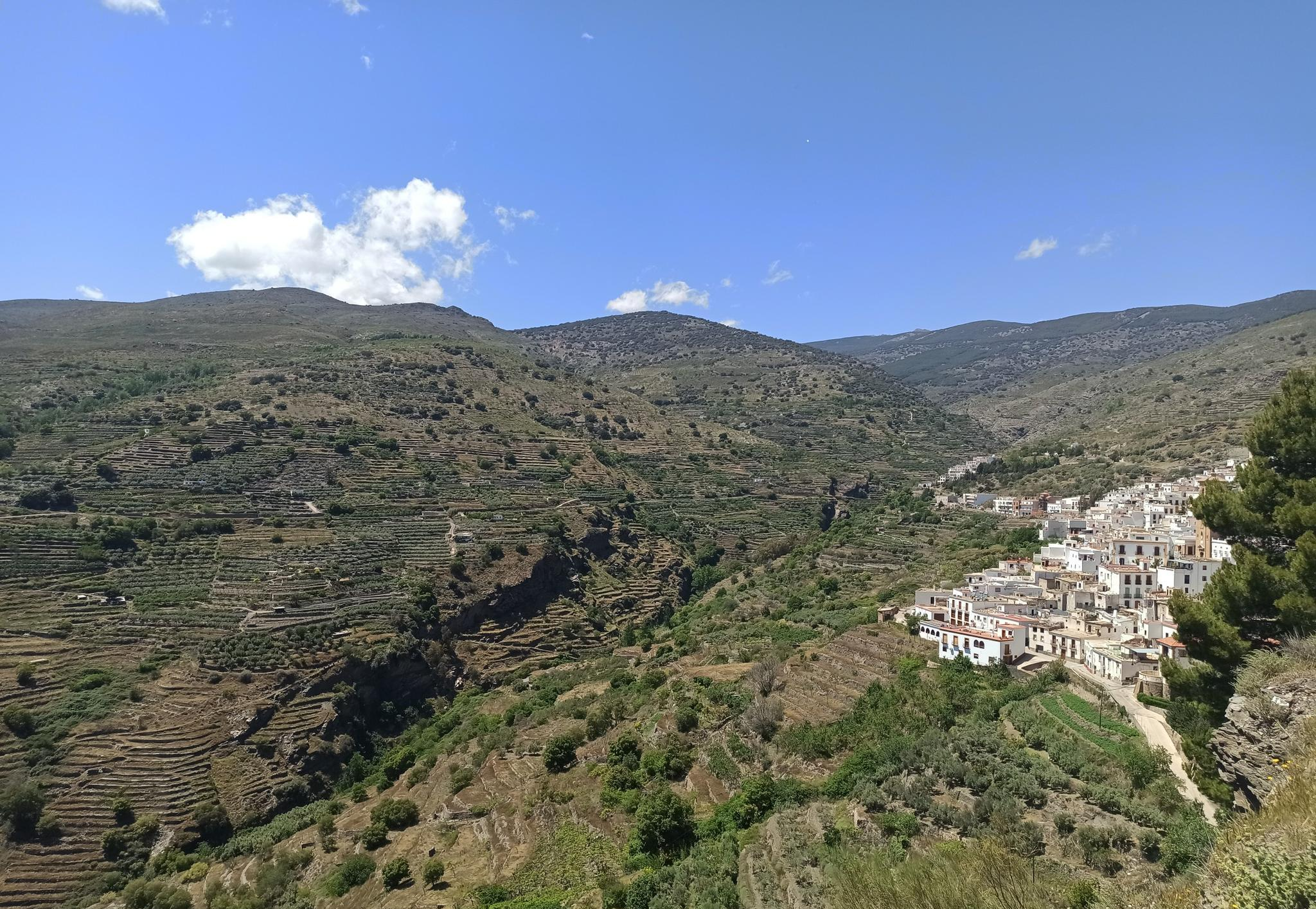
Among white villages - Path of the Alpujarra (GR 142)
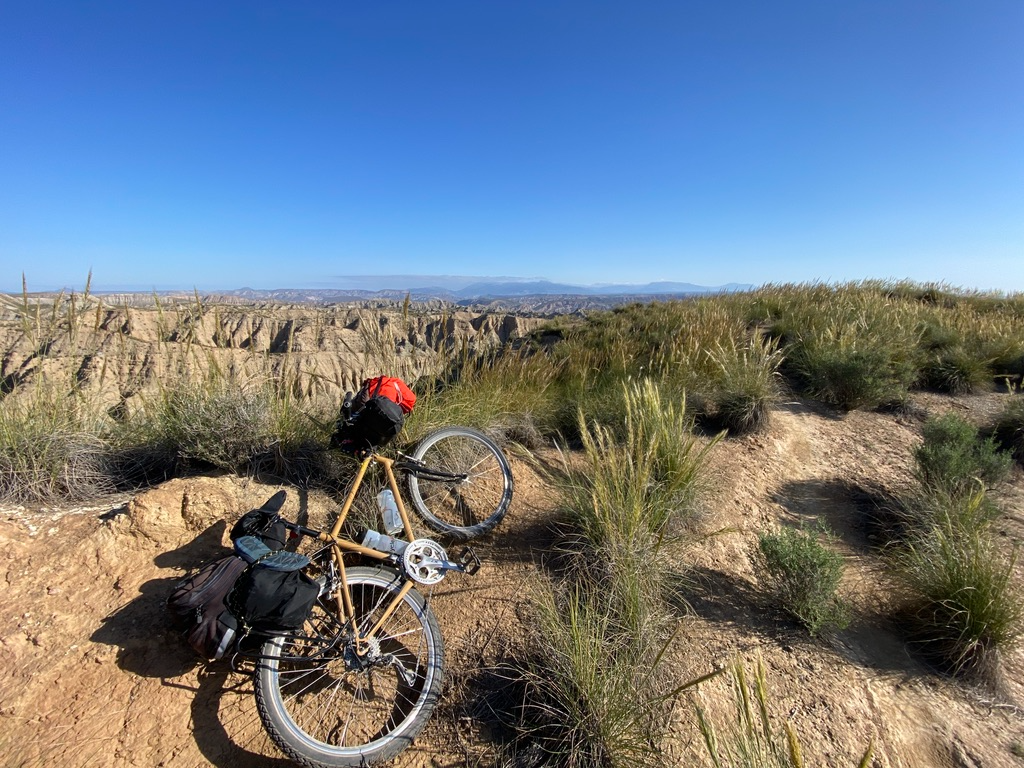
Mountain, Desert and Sea — Andalusian Trilogy
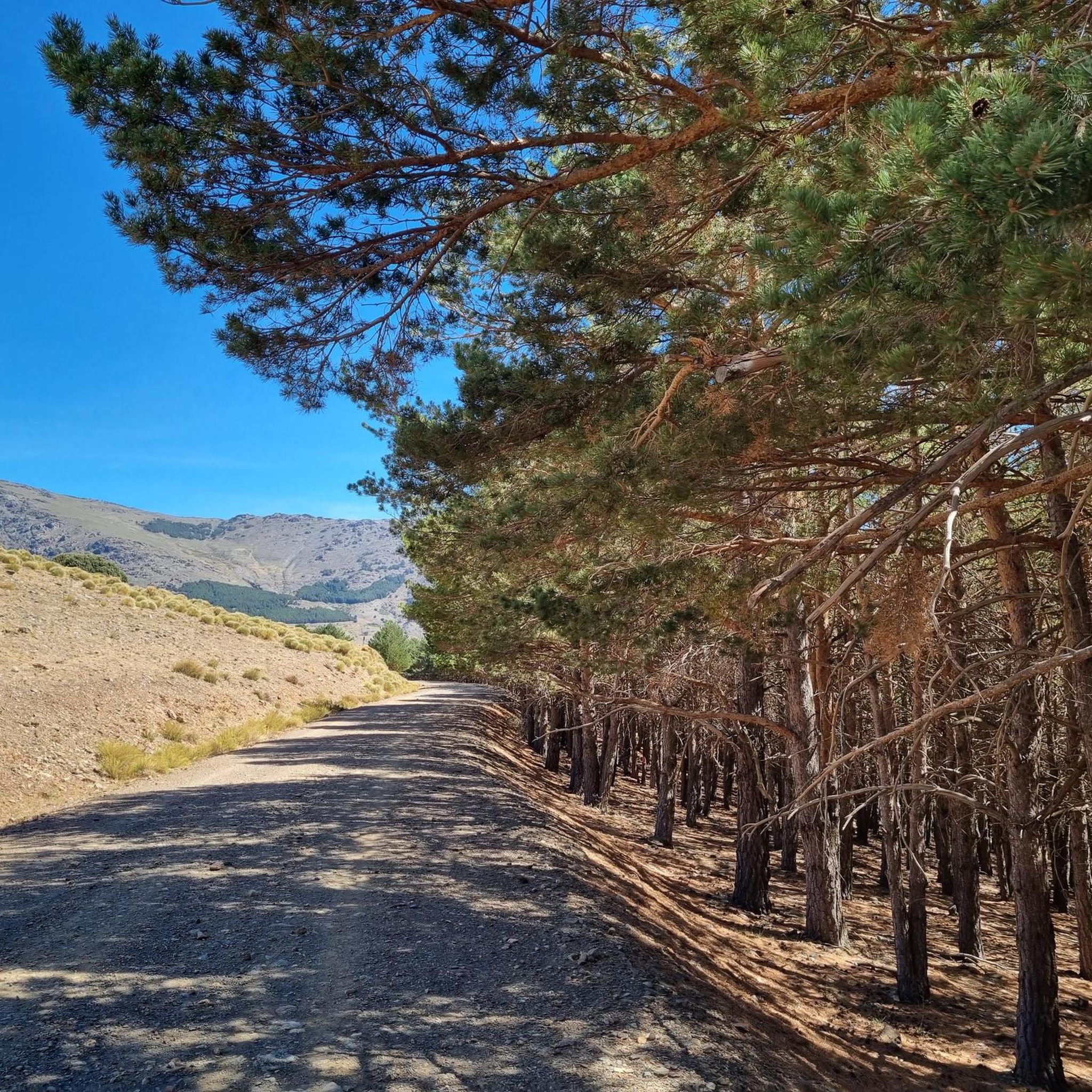
MTB Trails around Busquístar
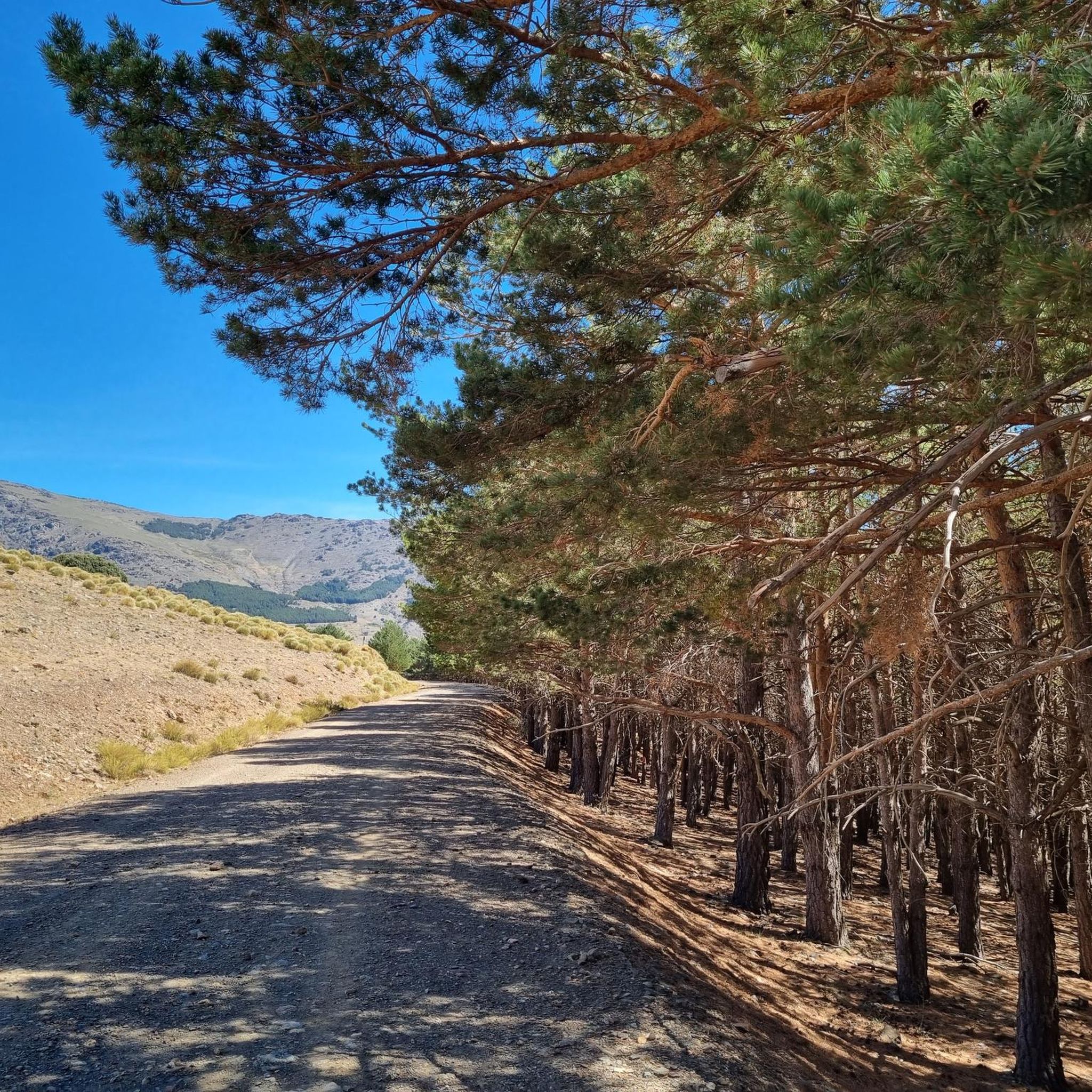
Hiking around Busquístar
Road Cycling Routes around Busquístar
Running Trails around Busquístar
Cycling around Busquístar

Gravel biking around Busquístar

Mountain Hikes around Busquístar


Tips from the Community

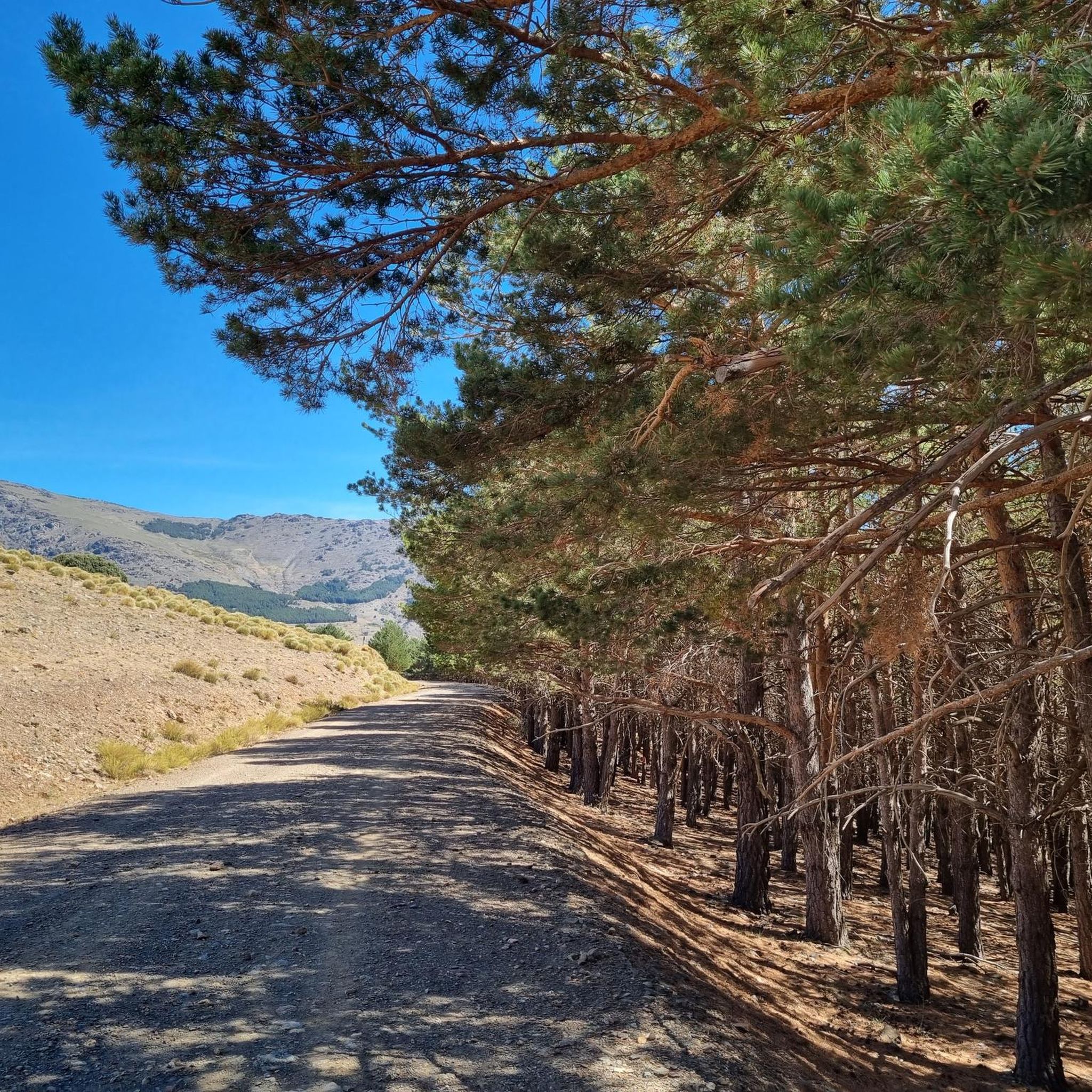
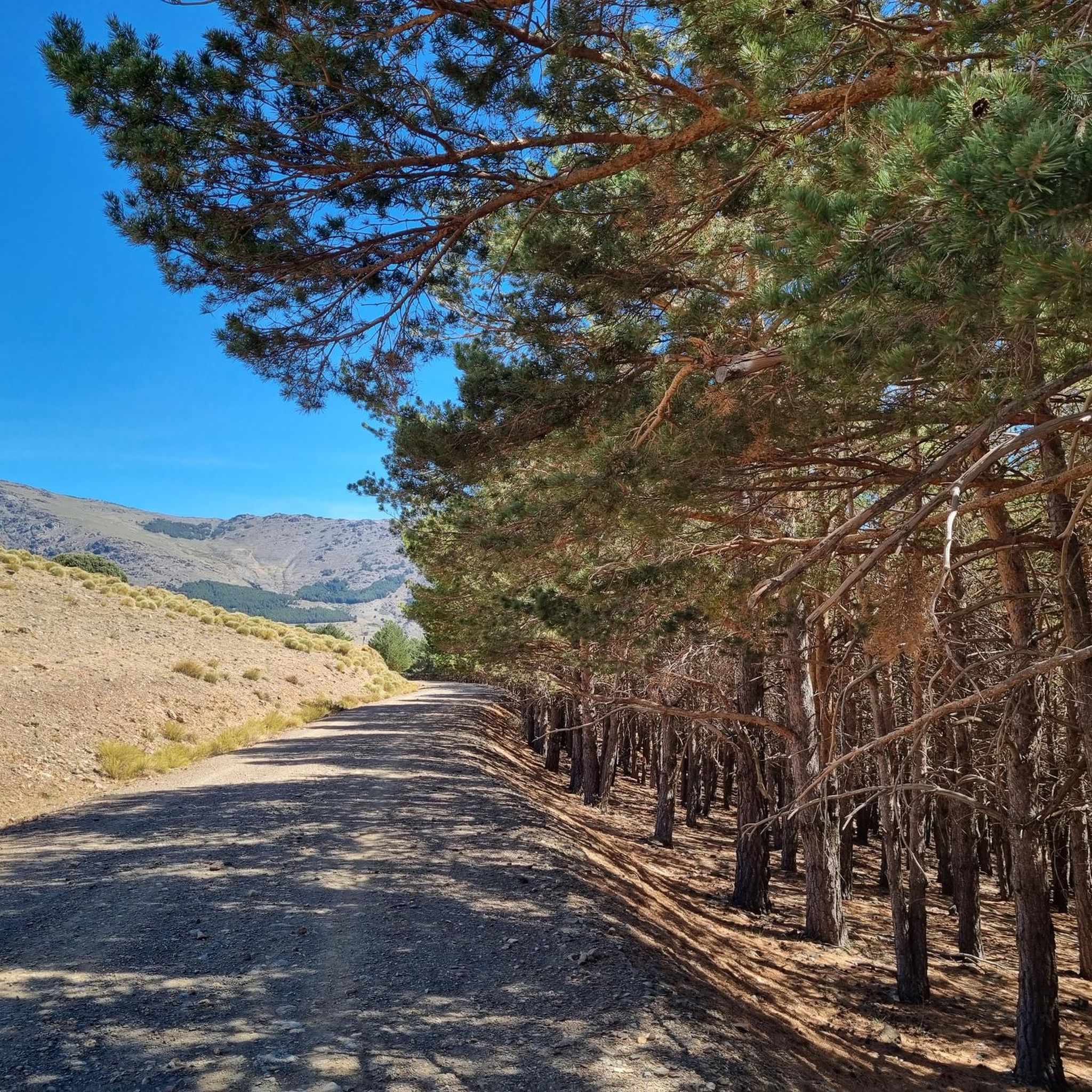
Quiet, scenic mountain road.
0
0

Nice descent from Trevelez 😎
0
0

Between Veleta and Mulhacén peaks, at 3040 meters, there is a very special corner in this area of the Sierra Nevada. This is the Río Seco glacial cirque, a complex of lagoons that dries up in summer but that you can observe during the rest of the year.
0
0

Mostly good asphalt (2023), little traffic and a great, impressive landscape. We recommend.
0
0

Road that descends from Juviles to Nieles. It used to be an unpaved road but nowadays it is paved. A winding road with impressive views of the Cordel del Hazadel Hinojar valley.
0
0

Sierra Nevada is the highest mountain range in western Europe after the Alps, with incredible Cols and landscapes to ride and the Europe's southernmost Sky resort. The city center of Granada is just at 45km from the top of Pico Veleta (3.394m), considered one of the longest, hardest and most challenging climbs in the world, completely cyclable by this North side through the highest paved road in Europe. The South climb to Pico Veleta starts from the village of Capileira, located at La Alpujarra. This off-road climb, without technical difficulties beyond the elevation and the mountain weather, includes some small shelters over 3.000m height (La Caldera, Villavientos and La Carihuela), although due to the snowfields the route is only cyclable in summer.
1
1
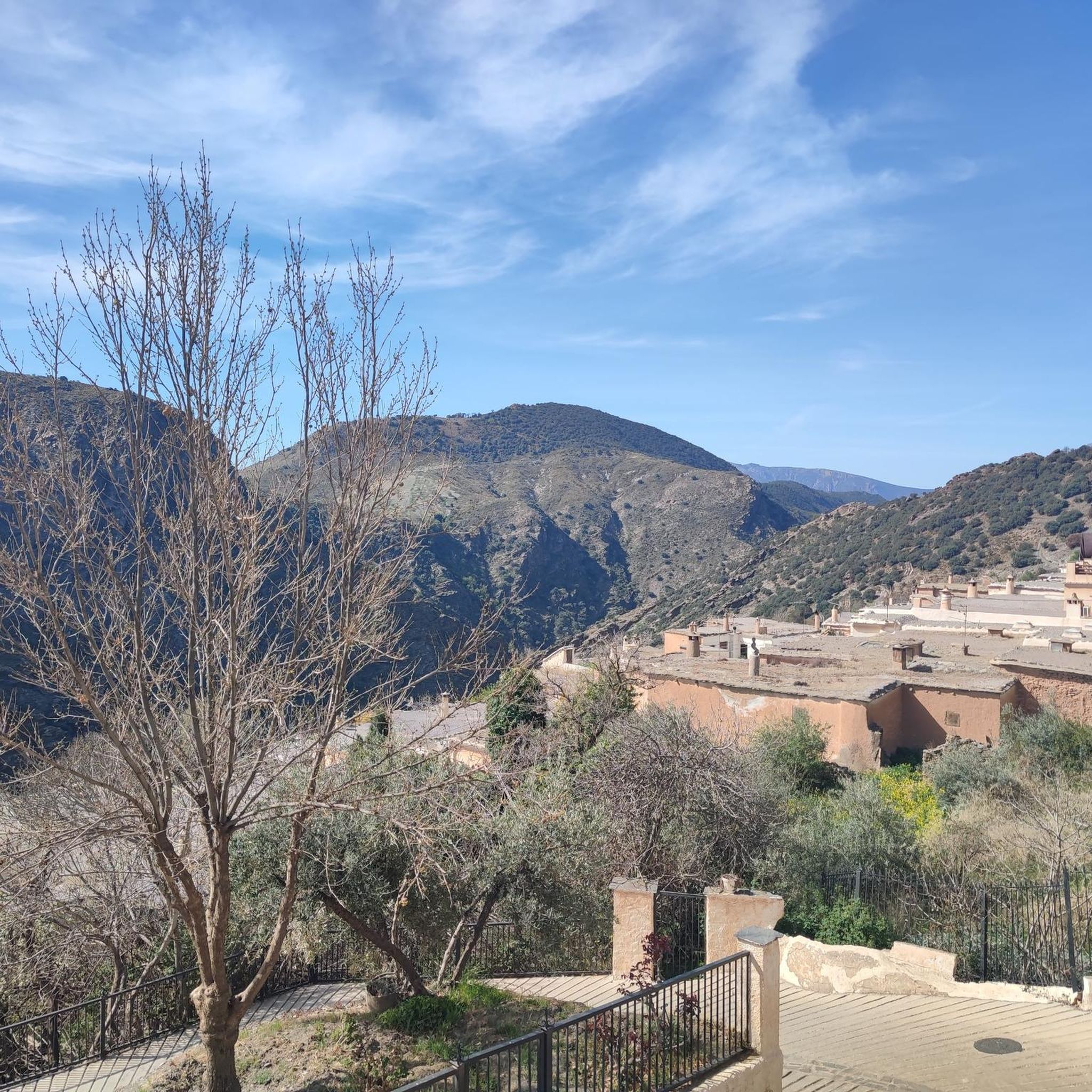
La Alpujarra is a historical region with some of the most remote, picturesque and traditional villages in Andalusia. With an average elevation of 1200 meters, the area is considered one of the hardest part of the route specially due to the steepness of its climbs. At the village of Capileira starts the South climb to the Veleta Pass (3212meters), the natural mountain pass to the city of Granada.
0
0

Small breakthrough on the rock, which brings you a good deal closer to the Pico del Veleta on the hiking trail through the Sierra Nevada and also a perfect spot for a photo!
1
0
Frequently Asked Questions
What are some notable mountain passes to explore near Busquístar?
The region offers several impressive mountain passes. The Mountain Road Between Pampaneira and Pitres is popular for its good asphalt, low traffic, and impressive landscapes, ideal for scenic drives or cycling. Another significant pass is Puerto de Pitres, known for its historical significance and connecting villages within the Alpujarra. For a high-altitude challenge, the Sierra Nevada area includes the Veleta Pass, one of the world's most challenging climbs.
What kind of terrain and difficulty can I expect on mountain passes around Busquístar?
The terrain varies significantly. You'll find quiet, picturesque stretches of road, often passing through forests of holm oaks and historical farmhouses, particularly around the Pampaneira and Pitres area. Higher up, passes like Veleta involve demanding ascents due to high elevation and potential mountain weather, often off-road. The region is generally characterized by steep climbs, offering a challenging yet rewarding experience.
When is the best time of year to visit the mountain passes in this region?
The best time to visit depends on the pass and your activity. For high-altitude passes like Veleta, the route is typically only cyclable or accessible during the summer months due to snowfields. Lower passes and scenic roads in the Alpujarra can be enjoyed for longer periods, though spring and autumn offer pleasant temperatures for hiking and cycling, avoiding the summer heat and potential winter snow.
Are there any historical or cultural points of interest along the mountain passes?
Yes, the region is rich in history and culture. The area around Puerto de Pitres has historical significance, and the scenic mountain roads often pass through traditional white villages and past historical farmhouses characteristic of the Alpujarra region. The entire area of La Alpujarra is known for its remote, picturesque, and traditional villages.
What natural features and viewpoints can I find on these passes?
The mountain passes offer breathtaking natural features and spectacular vistas. The Sierra Nevada area, including Veleta Pass, provides incredible high-mountain landscapes. Portillo de Río Seco, situated between Veleta and Mulhacén, is a 'very special corner' offering spectacular high-altitude views and is an ideal spot for photography, especially for multi-day trekkers.
Are the mountain passes around Busquístar suitable for families or those with dogs?
While some high-altitude passes are demanding, the scenic mountain roads connecting villages in the Alpujarra, such as those around Pampaneira and Pitres, can be suitable for families looking for scenic drives or easier walks. For hiking with dogs, it's generally advisable to check specific trail regulations within the Sierra Nevada Natural Park, but many trails in the lower Alpujarra are dog-friendly. Always ensure dogs are leashed and follow local guidelines.
What outdoor activities can I do near these mountain passes?
The region around Busquístar is excellent for various outdoor activities. You can enjoy challenging road cycling routes, with options like the 'Órgiva – Bubión Village loop' or 'Climb to Cáñar – View of the Alpujarras Valleys loop'. Gravel biking is also popular, with routes such as 'Las Chorreras Waterfall – Viewpoint Near Cáñar loop'. For hikers, there are numerous trails, including the 'Medieval Path of La Alpujarra' and routes like 'Ferreirola – Fondales Village loop'. You can find more details on these activities in the respective guides: Road Cycling Routes around Busquístar, Gravel biking around Busquístar, and Hiking around Busquístar.
Do I need a permit to hike or cycle near the mountain passes in Sierra Nevada Natural Park?
Generally, for day hikes and cycling on established trails and roads within the Sierra Nevada Natural Park, a specific permit is not required. However, for certain activities, especially those involving overnight stays in high-mountain areas or specific protected zones, permits might be necessary. It's always best to check with the Sierra Nevada Natural Park authorities for the most current regulations, especially if planning multi-day treks or off-trail exploration.
Where can I find parking facilities for accessing mountain passes near Busquístar?
Busquístar itself, being a village, offers some parking options. For accessing specific mountain passes, parking is typically available in the nearby villages that serve as starting points for routes. For example, Capileira is a common starting point for the south climb to Veleta Pass, and villages like Pampaneira and Pitres offer access to their respective scenic roads. Parking availability can vary, so it's advisable to plan ahead, especially during peak season.
Are there any less crowded mountain passes or routes around Busquístar?
While popular passes attract visitors, the broader Alpujarra region offers many quiet, picturesque stretches of mountain road and trails. The scenic mountain roads connecting smaller villages, away from the highest peaks, often provide a more serene experience with less traffic. Exploring the numerous hiking routes listed in the Hiking around Busquístar guide can also lead you to less frequented areas.
What are the most challenging mountain passes for experienced cyclists or hikers?
For experienced adventurers, the Veleta Pass, particularly the south climb from Capileira, is renowned as one of the longest, hardest, and most challenging climbs in the world for cyclists. It reaches an elevation of 3,212 meters and involves significant ascent. Hikers can also find challenging routes in the high-mountain landscape of the Sierra Nevada, especially those undertaking multi-day treks between peaks like Veleta and Mulhacén, passing through areas like Portillo de Río Seco.
Can I find accommodation or places to eat near the mountain passes?
Busquístar itself, at 1,100 meters above sea level, offers accommodation, cafes, and pubs. The surrounding traditional white villages of the Alpujarra, such as Pampaneira, Bubión, and Capileira, also provide various options for guesthouses, rural houses, and places to eat. While you won't find amenities directly on the high mountain passes, these charming villages serve as excellent bases with all necessary facilities.
Most popular routes around Busquístar
Most popular attractions around Busquístar

Get inspired with the komoot mobile app


Explore more
See even more epic mountain passes by checking out these guides around Busquístar:
