Top 20 Natural Monuments around Aizarnazabal
Best natural monuments around Aizarnazabal are located within the Urola-Kosta region of Gipuzkoa, part of the Basque Country. This area is characterized by a rich natural environment, with a significant portion classified as protected natural areas. Aizarnazabal serves as a gateway to several impressive natural sites nearby, offering diverse geological formations and opportunities for outdoor activities. The region features geological formations, coastal features, and unique trees.
Best natural monuments around Aizarnazabal
- The most popular natural monuments is Algorri Flysch,…
Last updated: August 25, 2026
Algorri Flysch
Highlight • Natural Monument
Translated by Google •
Tip by

San Telmo Hermitage
Highlight • Religious Site
Translated by Google •
Tip by

Sign up now to discover places like this
Get recommendations on the best single tracks, peaks, & plenty of other exciting outdoor places.
Sign up for free
Cretaceous–Paleogene Boundary Cliffs
Highlight • Natural Monument
Attention: Be aware of the tides - the coast cannot be safely crossed during high tides
Translated by Google •
Tip by

Mount San Antón
Highlight • Summit
Translated by Google •
Tip by

Playa de Sakoneta
Highlight • Beach
Translated by Google •
Tip by
Sign up for free to discover even more natural monuments around Aizarnazabal.
Sign up for free
Already have an account?
Start today with a free account
Your next adventure awaits.
Login or Signup
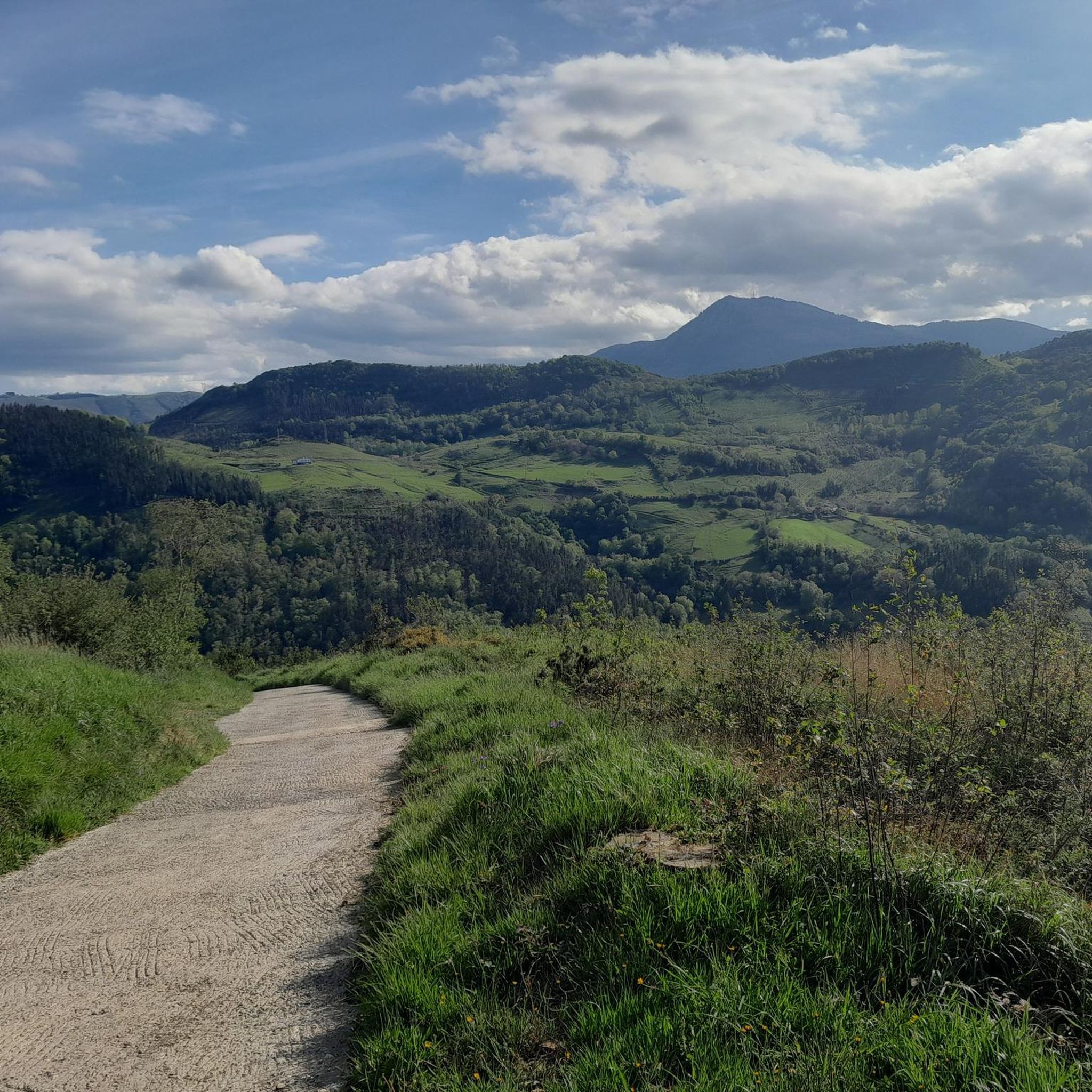
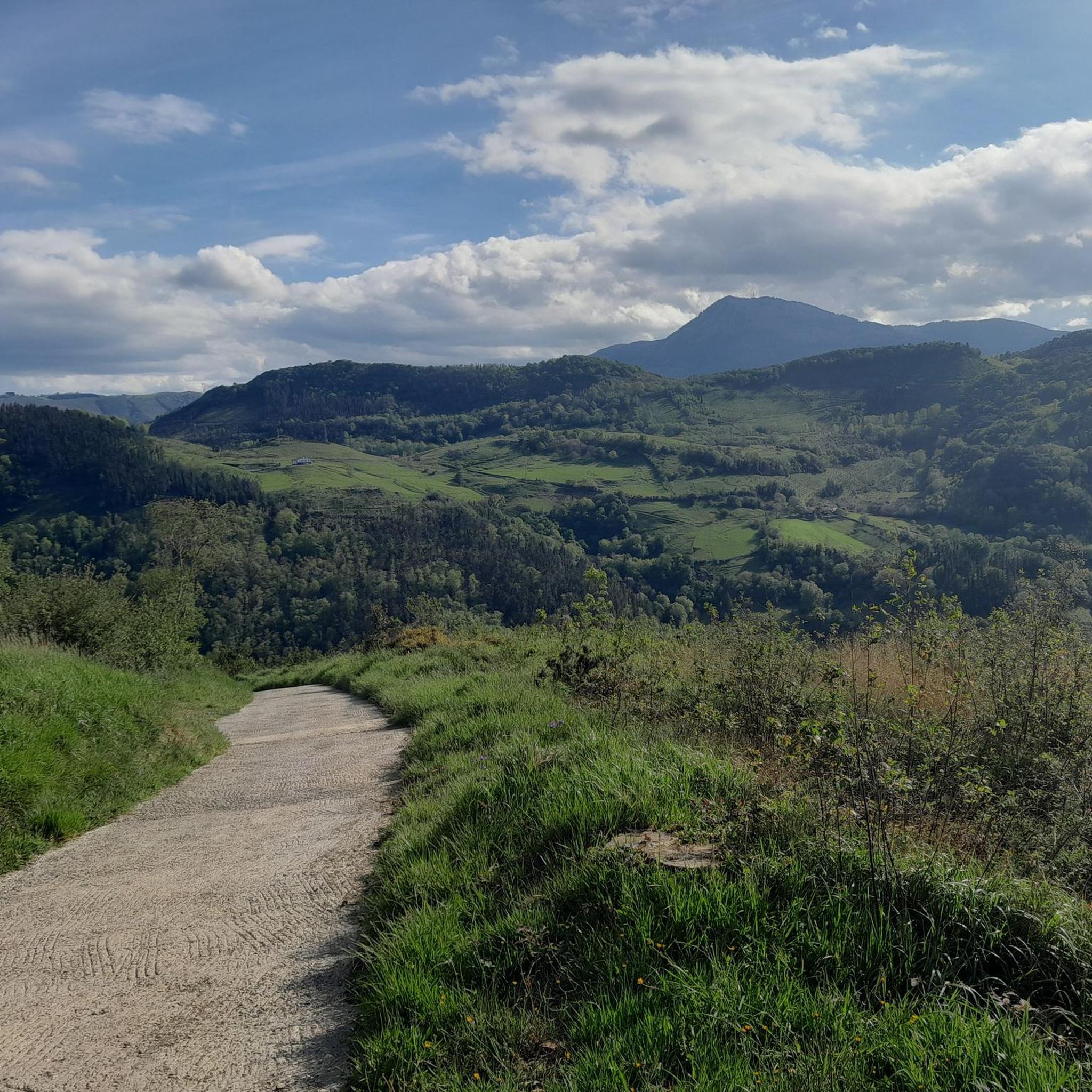
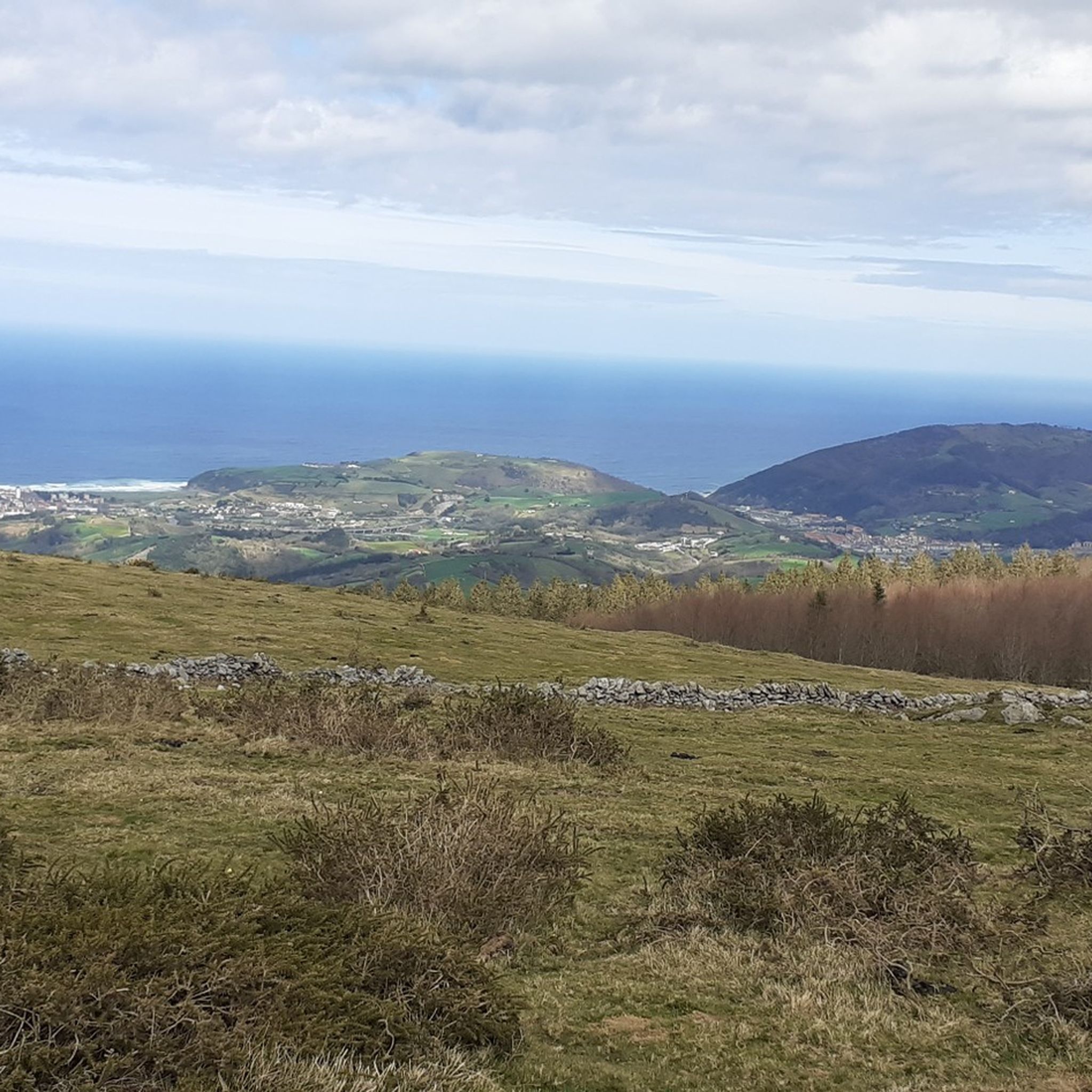
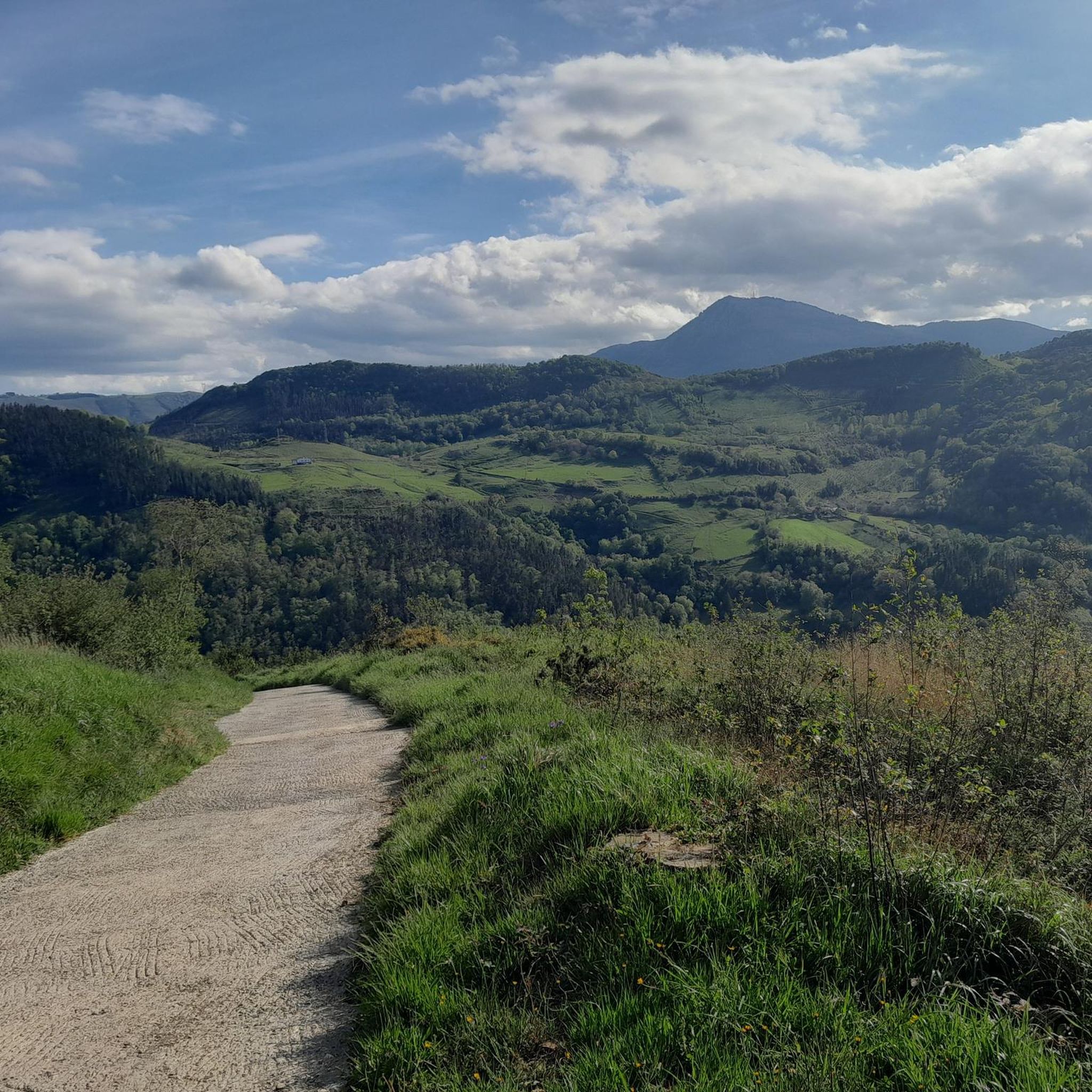
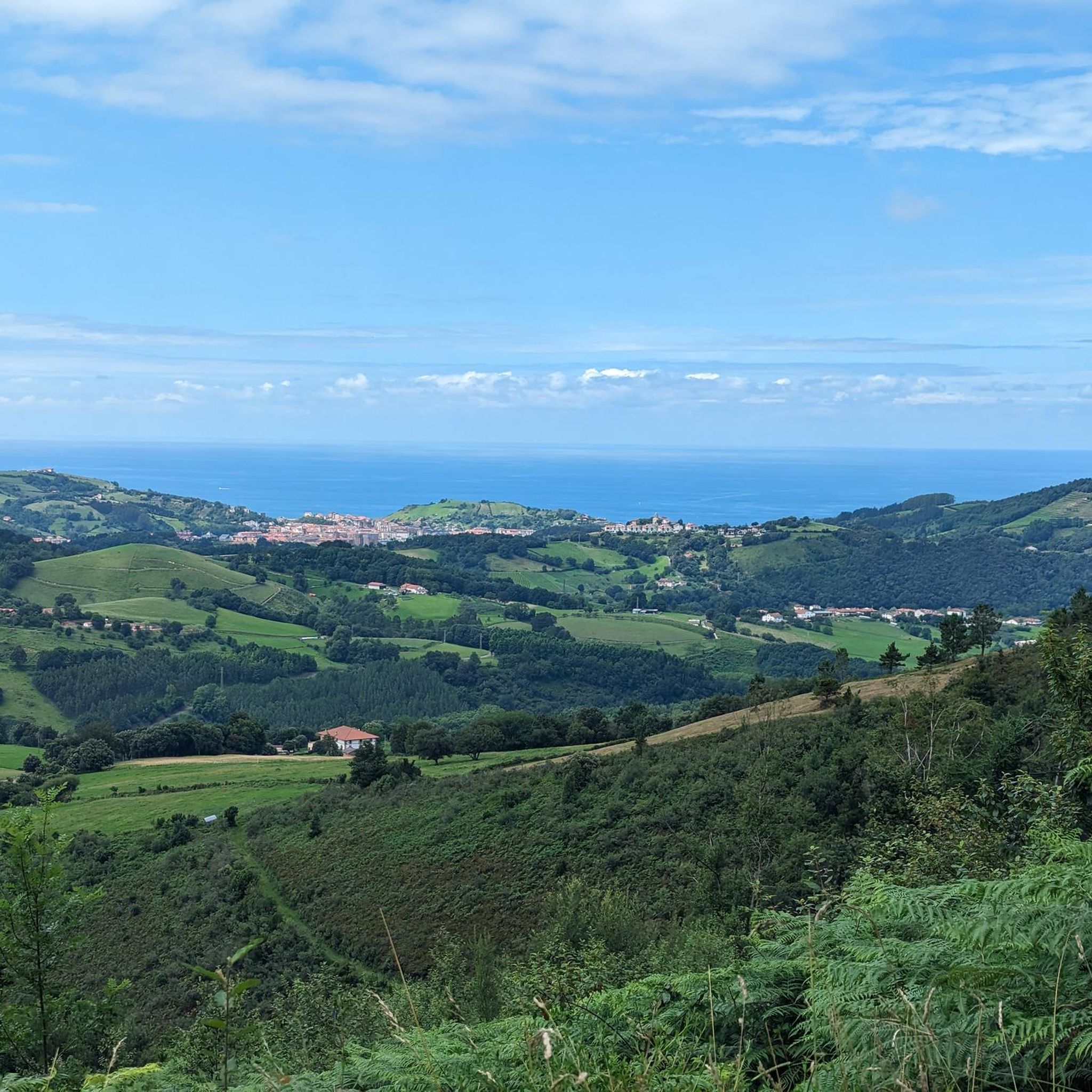

Tips from the Community

Super beautiful cliffs! Unfortunately, it was still high tide where we were, so the flysch cliffs were only visible at low tide. Check the tides at tideschart.com.
0
0

The first (or last section if reversing the route) section is absolutely NOT accessible. Possibly only at extreme low tide. We were there an hour before extreme low tide, and it was completely impossible. I would choose to simply follow the route at a higher elevation and skip the "beach" section. Especially since the beach is made up of large stones and rocks, difficult to walk on because you always have to watch your step due to loose stones.
1
0

Mostly the area is windy especially due to topography. Do not forget to carry water with yourself. Enjoy the Bay of Biscay
2
0


Spectacular route along the Cantabrian cornice enjoying the famous flich dating back 50 million years and its small hermitage with 8 Basque surnames.
3
0

Sant Telmo viewpoint where we have spectacular views
2
1
ATTENTION/WARNING: The first or - if you are doing a reversed tour - the last part of the coast is only recommended/possible at absolute low tide. Otherwise it is very dangerous and difficult and definitely not possible with children.
5
0

Depending on the tide, the section at sea level is either accessible, not accessible, or only accessible to a limited extent. But in any case, it's extremely worthwhile.
5
0
Frequently Asked Questions
What unique geological features can I explore around Aizarnazabal?
The region around Aizarnazabal is renowned for its geological formations, particularly the spectacular Zumaia Flysch Cliffs and Algorri Flysch. These sites, part of the Basque Coast Geopark, showcase rock structures formed over millions of years, revealing Earth's history. You can also visit the Cretaceous–Paleogene Boundary Cliffs, which mark a significant geological event 65 million years ago.
Are there any specific natural monuments within Aizarnazabal itself?
While Aizarnazabal serves as a gateway to many regional natural wonders, a notable natural feature within the town is the Encina de Azpiazu (Azpiazu Holm Oak). This tree is recognized for its distinctive silhouette and contributes to the local natural character.
What are some of the most impressive natural monuments in the wider Gipuzkoa region near Aizarnazabal?
Beyond the immediate vicinity, the wider Gipuzkoa region offers several impressive natural monuments. The Zumaia Flysch Cliffs and Algorri Flysch are part of the UNESCO Global Geopark. Other significant areas include Pagoeta Natural Park, known for its diverse landscapes and prehistoric ruins, and Aizkorri-Aratz Natural Park, featuring high peaks and extensive beech forests.
What kind of natural landscapes can I expect to see in the parks near Aizarnazabal?
In Pagoeta Natural Park, you'll find a mix of rural fields, farmhouses, and scenic trails, along with native animal breeds like the Betizu cow and Pottoka miniature pony. Aizkorri-Aratz Natural Park offers dramatic limestone mountains and lush beech forests. The Basque Coast Geopark, home to the Flysch, presents spectacular cliffs, beaches, and rolling green terrain.
What is the best time to visit the natural monuments around Aizarnazabal?
The natural monuments in the Urola-Kosta region can be enjoyed year-round. However, for coastal areas like the Flysch, it's crucial to check tide times, especially during spring tides, as some sections are only accessible at low tide. Spring and autumn offer pleasant temperatures for hiking and exploring the natural parks.
Are there opportunities for hiking near these natural monuments?
Yes, the region offers numerous hiking opportunities. Pagoeta Natural Park and Aizkorri-Aratz Natural Park have many trails suitable for trekking. For coastal hikes, you can explore routes along the Flysch, though some sections require careful planning around tide schedules. You can find various hiking routes in the area, including those detailed in the Running Trails around Aizarnazabal guide.
What other outdoor activities are available near the natural monuments?
Besides hiking, the area is excellent for cycling, with options for touring and road cycling. Aizkorri-Aratz Natural Park also offers horseback riding. The coastal areas provide opportunities for boat tours to view the Flysch formations from the sea. Explore more options in the Cycling around Aizarnazabal and Road Cycling Routes around Aizarnazabal guides.
Are the natural monuments around Aizarnazabal accessible for families with children?
Many natural monuments and parks offer family-friendly sections. Pagoeta Natural Park, for instance, has educational offerings and diverse landscapes suitable for families. When visiting coastal areas like the Flysch, be mindful of tide conditions, as some sections can be challenging or dangerous for children at high tide. Always check accessibility and safety warnings for specific routes.
Can I bring my dog to the natural monuments and trails?
Generally, dogs are permitted on many trails and in natural parks, but it's always best to check specific park regulations or trail rules beforehand. Some protected areas may require dogs to be on a leash to protect wildlife. For coastal walks, ensure your dog is comfortable with varying terrain and tide conditions.
What should I be aware of when visiting coastal natural monuments like the Flysch?
When visiting coastal natural monuments such as the Zumaia Flysch Cliffs or Algorri Flysch, it is critical to check the tide schedule. Many sections of the coastline are only safely accessible at low tide. High tide can make certain paths impassable or dangerous. Always prioritize safety and heed local warnings.
Do any of the natural monuments have historical or cultural significance?
Yes, several sites combine natural beauty with historical significance. Pagoeta Natural Park features important prehistoric ruins, including dolmens and burial mounds. The San Telmo Hermitage, located near the Flysch, is a religious building that also serves as a viewpoint, offering historical context to the stunning natural surroundings. The geological formations themselves, like the Cretaceous–Paleogene Boundary Cliffs, represent millions of years of Earth's history.
Where can I find the best viewpoints to appreciate the natural beauty?
For unparalleled views of the Flysch, you can walk up to the San Telmo Hermitage. Mount San Antón, also known as the 'mouse of Getaria,' offers beautiful panoramic views of the Cantabrian coast. Many trails within Pagoeta and Aizkorri-Aratz Natural Parks also lead to scenic overlooks.
Most popular attractions around Aizarnazabal

Get inspired with the komoot mobile app


Explore more
Extend your search for the best caves by checking out these guides of the top ones around Aizarnazabal:
