Top 20 Natural Monuments around Deba
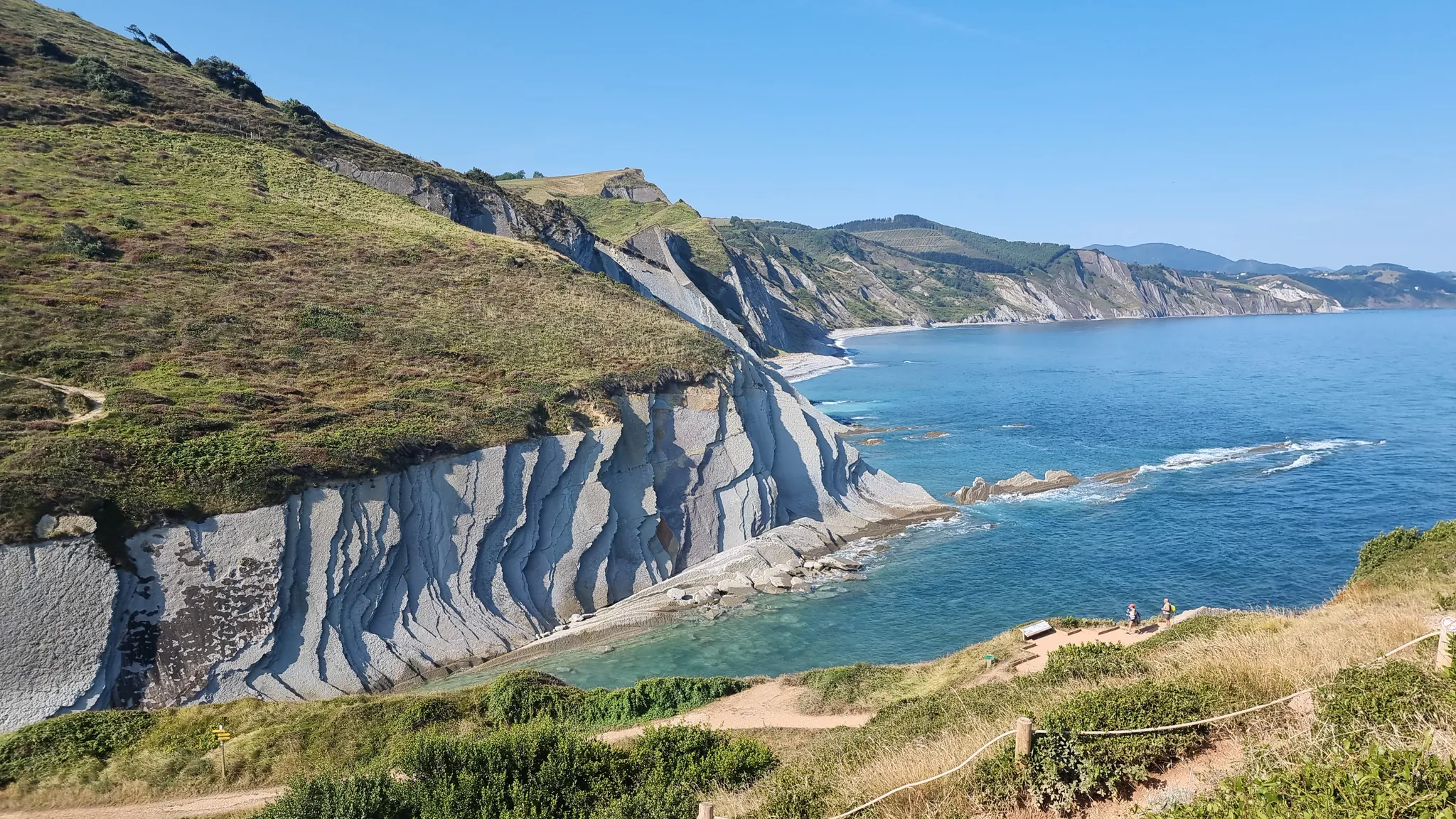
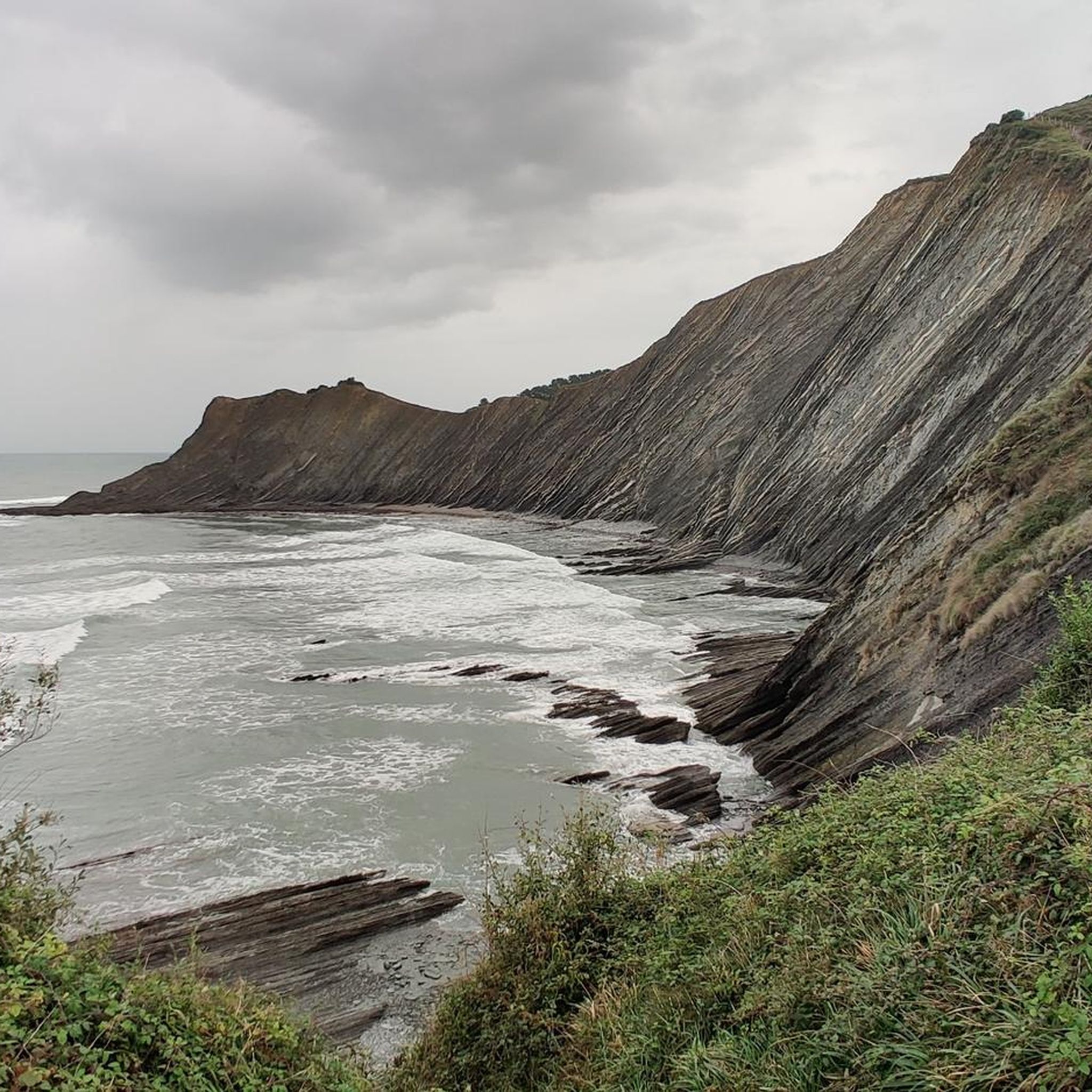
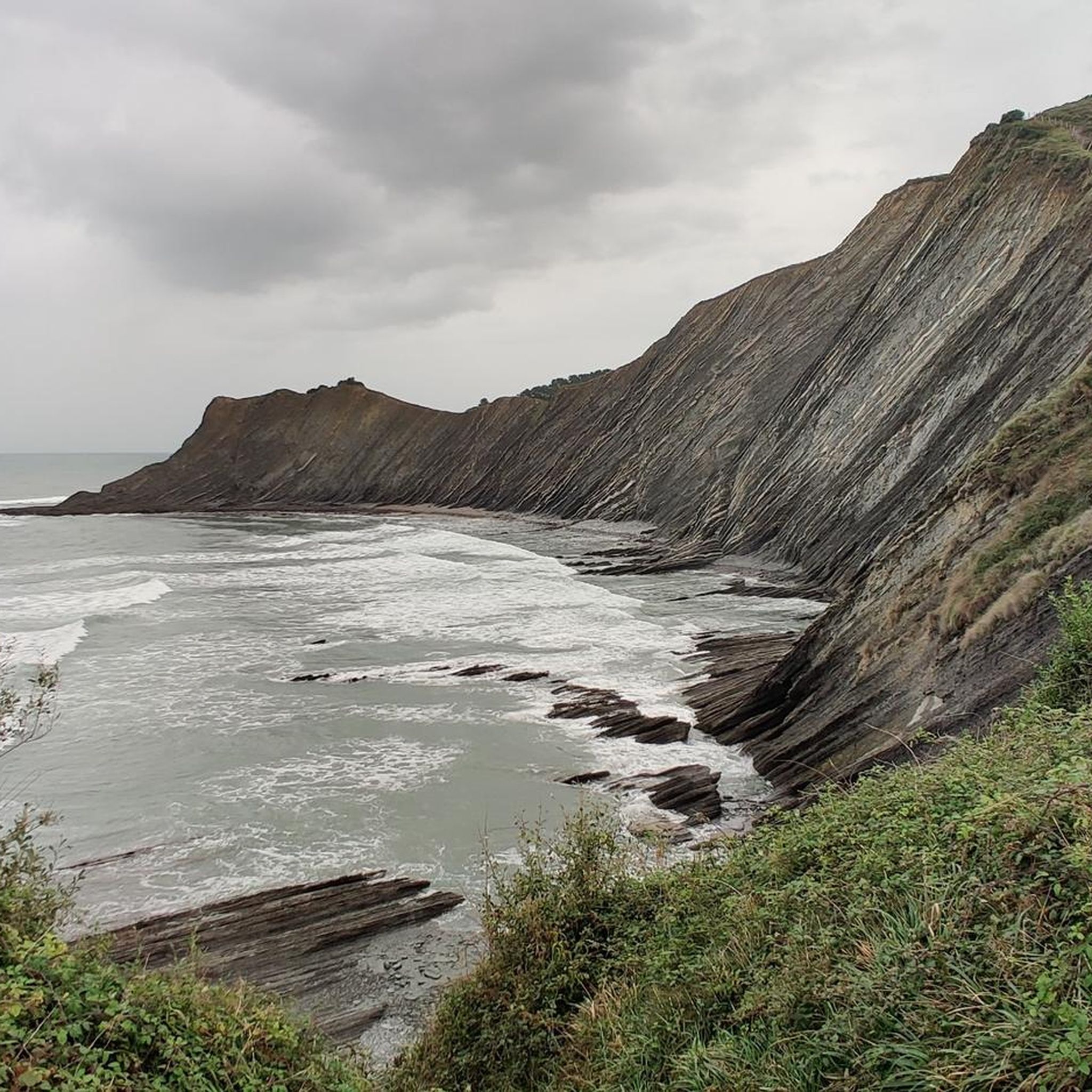
Natural monuments around Deba showcase the geological history of the Basque Coast Geopark, particularly along the Flysch Route. This coastal stretch features unique rock formations, including alternating layers of shale and sandstone, that reveal millions of years of Earth's past. The area is characterized by dramatic cliffs, tidal flats, and ancient geological features. These natural formations offer insights into significant global events, such as the extinction of the dinosaurs.
Best natural monuments around Deba
- The most popular natural monument is…
Last updated: June 18, 2026
Algorri Flysch
Highlight • Natural Monument
Translated by Google •
Tip by

San Telmo Hermitage
Highlight • Religious Site
Translated by Google •
Tip by

Sign up now to discover places like this
Get recommendations on the best single tracks, peaks, & plenty of other exciting outdoor places.
Sign up for free
Cretaceous–Paleogene Boundary Cliffs
Highlight • Natural Monument
Attention: Be aware of the tides - the coast cannot be safely crossed during high tides
Translated by Google •
Tip by

Mount San Antón
Highlight • Summit
Translated by Google •
Tip by

Ratón de Getaria
Highlight • Natural Monument
Translated by Google •
Tip by

Sign up for free to discover even more natural monuments around Deba.
Sign up for free
Already have an account?
Start today with a free account
Your next adventure awaits.
Login or Signup

Other adventures around Deba

Tips from the Community

Super beautiful cliffs! Unfortunately, it was still high tide where we were, so the flysch cliffs were only visible at low tide. Check the tides at tideschart.com.
0
0

The first (or last section if reversing the route) section is absolutely NOT accessible. Possibly only at extreme low tide. We were there an hour before extreme low tide, and it was completely impossible. I would choose to simply follow the route at a higher elevation and skip the "beach" section. Especially since the beach is made up of large stones and rocks, difficult to walk on because you always have to watch your step due to loose stones.
1
0

Mostly the area is windy especially due to topography. Do not forget to carry water with yourself. Enjoy the Bay of Biscay
2
0


Spectacular route along the Cantabrian cornice enjoying the famous flich dating back 50 million years and its small hermitage with 8 Basque surnames.
3
0

Sant Telmo viewpoint where we have spectacular views
2
1
ATTENTION/WARNING: The first or - if you are doing a reversed tour - the last part of the coast is only recommended/possible at absolute low tide. Otherwise it is very dangerous and difficult and definitely not possible with children.
5
0

Depending on the tide, the section at sea level is either accessible, not accessible, or only accessible to a limited extent. But in any case, it's extremely worthwhile.
5
0
Frequently Asked Questions
What unique geological features define the natural monuments around Deba?
The natural monuments around Deba are primarily defined by the spectacular Flysch Route, part of the Basque Coast Geopark. This coastal stretch showcases alternating layers of shale and sandstone, formed over 60 million years. These formations, known as 'flysch,' reveal significant geological events, including the extinction of the dinosaurs. You'll see dramatic cliffs, tidal flats, and impressive folds in the rock, particularly at Aitzando point.
Which natural monuments are particularly known for their unique flysch formations?
Several sites offer exceptional views of the flysch. The Zumaia Flysch Cliffs are renowned for flysch formed over 100 million years, with a thin black layer marking a meteorite impact. Algorri Flysch also features spectacular rock structures. Near Deba, the 'black flysch' around Santiago and Lapari beaches represents some of the oldest and darkest formations in the geopark.
Are there specific natural monuments that reveal significant Earth history?
Yes, the Cretaceous–Paleogene Boundary Cliffs are geologically exceptional. Here, the Cretaceous-Tertiary boundary is exposed, marking the geological event 65 million years ago that led to the extinction of the dinosaurs. The flysch formations themselves offer a tangible connection to millions of years of Earth's past.
What is Sakoneta Beach known for?
Sakoneta Beach is a small pebble beach celebrated for its spectacular cliffs and tidal flat, shaped by the sea's erosive action. It's often described as one of the most beautiful and wildest beaches on the Basque coast, featuring a 'lunar landscape' of unique rock formations dating back to the early Cretaceous era. Visiting at low tide is highly recommended to fully appreciate its geological wonders.
Are there family-friendly natural monuments around Deba?
While many coastal areas require careful attention to tides, the general experience of exploring the Flysch Route can be educational and engaging for families. Inland areas like the Lastur Valley offer gentler landscapes with meadows and forests, which might be more suitable for younger children. Always check tide times and trail conditions before heading out, especially with children.
What outdoor activities can I do near the natural monuments in Deba?
The region offers a variety of outdoor activities. You can hike along the coastal trails of the Flysch Route, connecting Deba with Zumaia, or take boat tours to view the cliffs from the sea. For cycling enthusiasts, there are numerous routes, including road cycling and touring bicycle options. You can find more details on routes like the 'Zumaia – Zarautz Beach loop' or 'Lekeitio Old Town and Basilica – Ondarroa Bay loop' in the Road Cycling Routes around Deba and Cycling around Deba guides. Mountain biking is also popular, with trails like 'Centro BTT Debabarrena Ruta 7' available in the MTB Trails around Deba guide.
Are there hiking trails to explore the natural monuments?
Yes, the Flysch Route itself is a prominent coastal trail that allows you to explore the geological formations on foot. Many sections offer stunning views, but it's crucial to check tide times as some parts are only accessible or safe at low tide. For example, the section near San Telmo Hermitage requires careful planning around tides.
What is the best time of year to visit the natural monuments around Deba?
The natural monuments can be visited year-round, but spring and autumn generally offer pleasant weather for hiking and exploring. Summer is popular, but can be crowded. Winter hiking is possible, but coastal conditions can be more challenging. Always check the weather forecast and tide tables, especially for coastal walks, as accessibility can vary significantly.
How can I access the coastal natural monuments, especially considering tides?
Access to many coastal natural monuments, particularly along the Flysch Route, is highly dependent on the tides. Sections like those near San Telmo Hermitage and Cretaceous–Paleogene Boundary Cliffs can be dangerous or impassable at high tide. It is essential to consult tide charts before planning your visit to ensure safe passage and the best viewing experience of the flysch formations.
Are there natural monuments away from the coast in Deba?
While Deba is famous for its coastal geology, it also offers beautiful inland landscapes. The Lastur Valley is a notable example, providing a different natural experience with its verdant meadows and forests, offering a contrast to the dramatic coastal scenery.
What do visitors particularly appreciate about the natural monuments in Deba?
Visitors are consistently impressed by the remarkable geological significance and breathtaking scenery. The opportunity to witness millions of years of Earth's history exposed in the flysch formations, particularly at sites like Zumaia Flysch Cliffs, is a major draw. The dramatic cliffs, unique tidal flats, and the sheer scale of the natural beauty receive high praise, with many appreciating the adventurous and educational experience.
Are there any historical or cultural sites integrated with the natural monuments?
Yes, some natural monuments are close to or include historical elements. For instance, the San Telmo Hermitage is a religious building located near the coast, offering a blend of cultural heritage and natural beauty. Additionally, Mount San Antón, also known as the 'mouse of Getaria,' is a summit with historical significance as a watchtower, providing beautiful views of the Cantabrian coast.
How long should I plan for a visit to the natural monuments in Deba?
The duration of your visit depends on which natural monuments you wish to explore and your chosen activities. A focused visit to a key flysch section like Zumaia or Algorri might take a few hours, especially if you time it with low tide. To hike a significant portion of the Flysch Route or explore multiple sites, including inland areas like Lastur Valley, you could easily spend a full day or even several days.
Most popular attractions around Deba

Get inspired with the komoot mobile app


Explore more
Extend your search for the best caves by checking out these guides of the top ones around Deba:
