Top 6 Natural Monuments around Cuevas De San Clemente
Best natural monuments around Cuevas De San Clemente are found in a region situated between the Sierra de la Demanda and the Sabinares del Arlanza. This area features diverse natural landscapes, including river parks, ancient geological formations, and significant historical sites integrated into the natural environment. The broader region is notable for its extensive karstic systems and relict juniper forests. Exploring these natural monuments offers insights into both geological processes and historical human interaction with the landscape.
Best natural monuments around Cuevas De San Clemente
- The most popular natural monuments is Quintanilla de las Viñas Park, a facilities and natural monument that features a park next to a river with a natural pool. It provides opportunities for mountain biking and hiking routes.
- Another must-see spot is Dolmen of Cubillejo de Lara, a historical site and natural monument. This funerary megalithic monument, approximately 5,000 years old, includes a circular chamber and a wide corridor, with rock carvings on its stone blocks.
- Visitors also love Castillejo, a summit and natural monument. This peak is named for its tower shape and offers views of the Sierra del Mencilla, Sierra de Cervera, and Muela de las Mamblas.
- Cuevas De San Clemente is known for its natural parks, ancient historical sites, and prominent summits. The area offers a variety of natural monuments to see and explore, from riverine landscapes to elevated viewpoints and megalithic structures.
- The natural monuments around Cuevas De San Clemente are appreciated by the komoot community, with 8 upvotes and 4 photos shared across various highlights.
Last updated: July 1, 2026
Quintanilla de las Viñas Park
Highlight • Rest Area
Translated by Google •
Tip by

Dolmen of Cubillejo de Lara
Highlight • Historical Site
Translated by Google •
Tip by

Sign up now to discover places like this
Get recommendations on the best single tracks, peaks, & plenty of other exciting outdoor places.
Sign up for free
Castillejo
Highlight • Summit
Translated by Google •
Tip by
Alto de Gandral Geodetic Vertex
Highlight • Summit
Translated by Google •
Tip by

La Muela
Highlight • Summit
Translated by Google •
Tip by
Sign up for free to discover even more natural monuments around Cuevas De San Clemente.
Sign up for free
Already have an account?
Start today with a free account
Your next adventure awaits.
Login or Signup

Tips from the Community


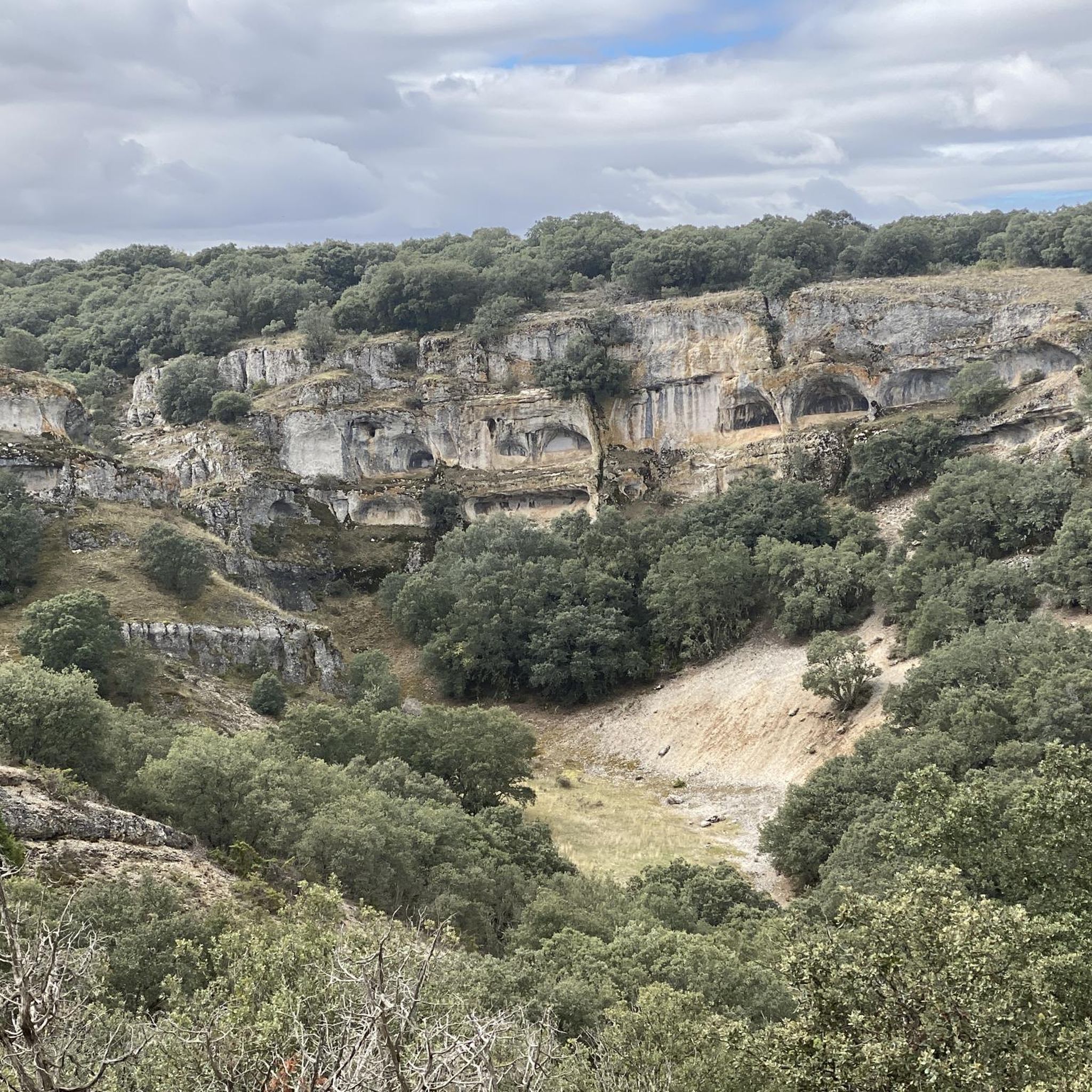
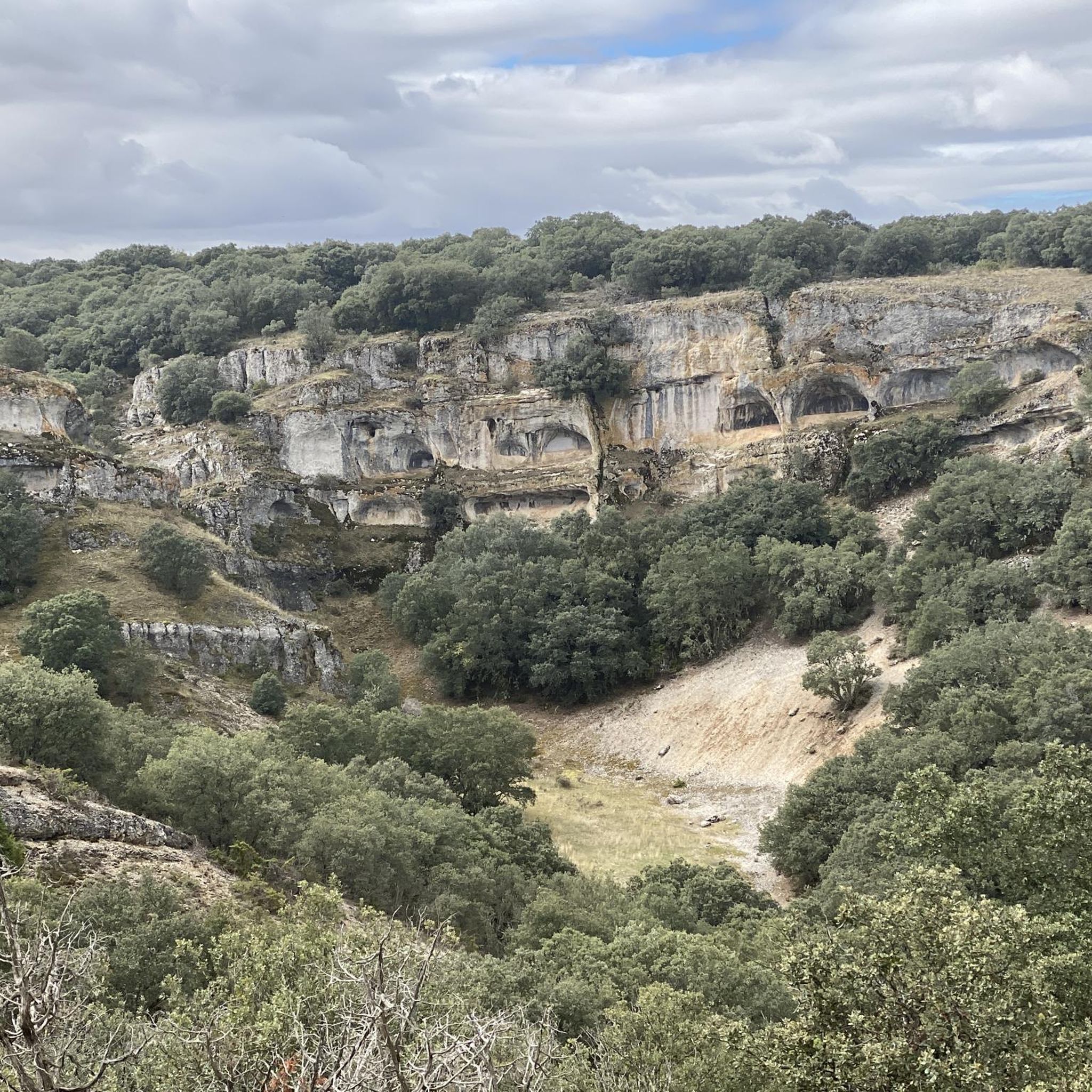
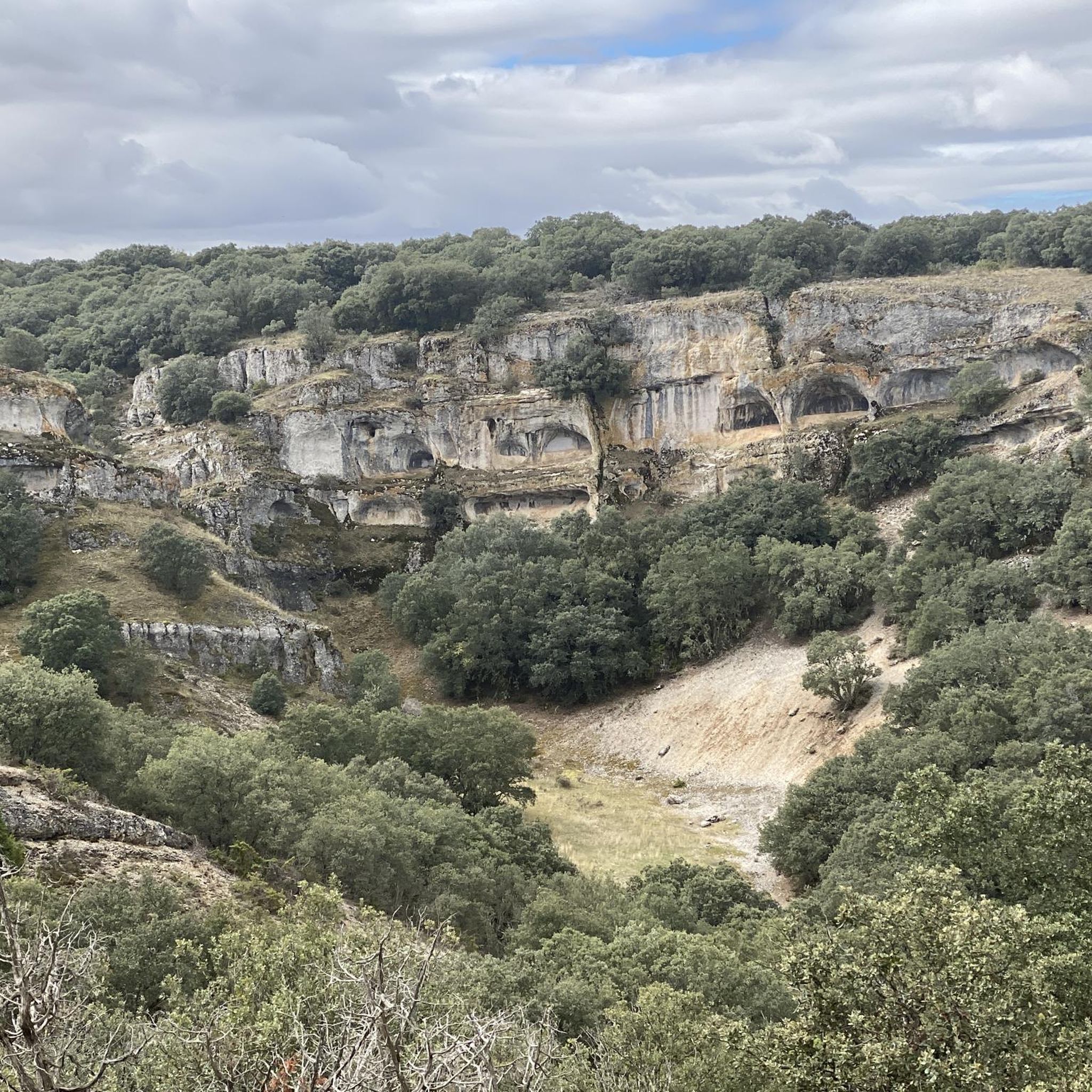
The Alto de Gandral (1,044 m) dominates the oak forest between Hontoria de la Cantera and the famous quarries from which the stones for Burgos Cathedral, Burgos Castle and the Visigothic hermitage of Santa Maria de las Viñas were extracted.
0
0
The Cubillejo/Mazariegos dolmen is considered the prototype of the megalithic passage tomb and preserves, on one of the large stone blocks that form its structure, a series of interesting rock carvings.
0
0
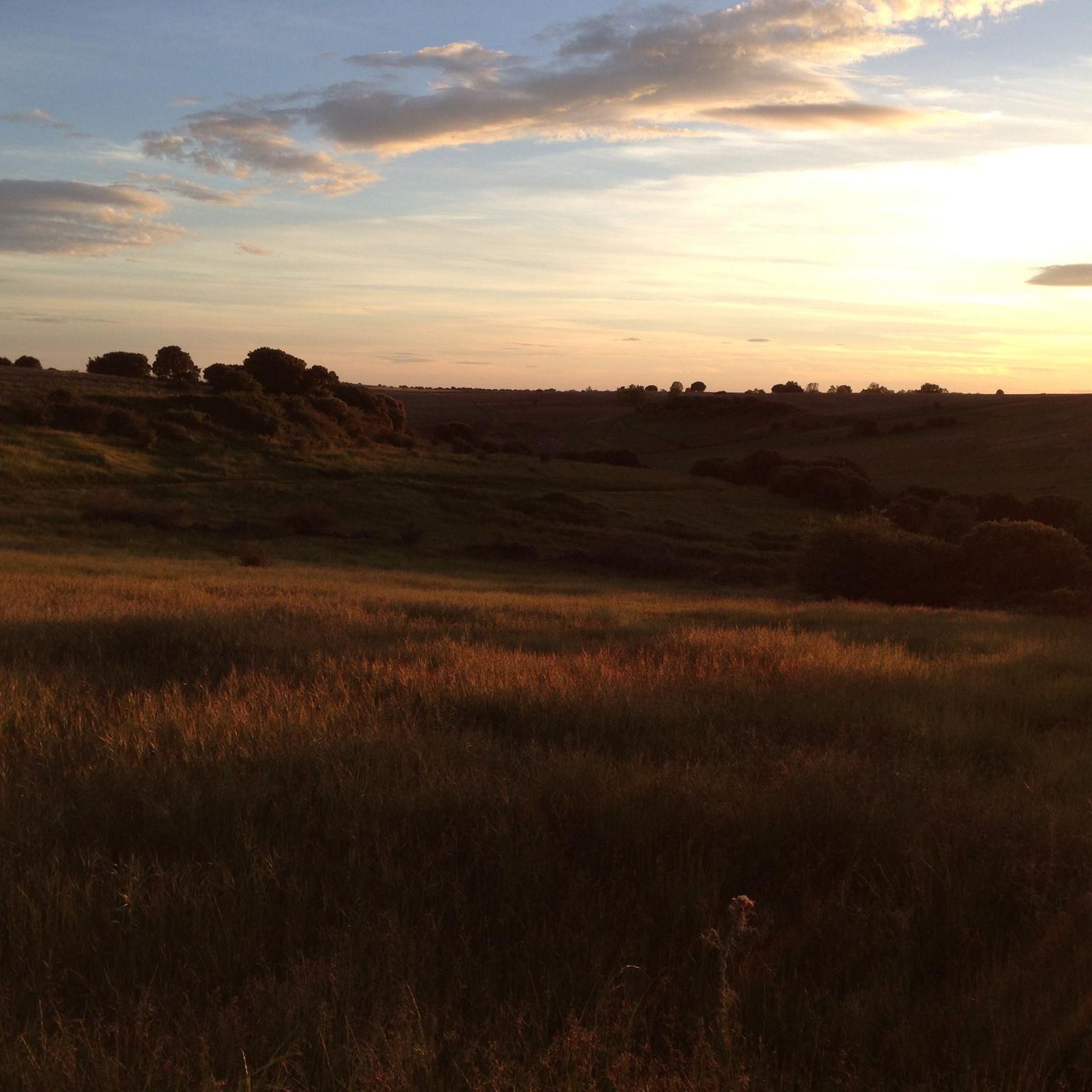
Ideal places for mountain biking and hiking routes
1
0

The climb can be a bit complicated, since there is no marked path, but you can always guide yourself by looking at the top. The views from the top are spectacular. To the east, the Sierra de Gayúbar, the Peña de Carazo and the Fort San Carlos; a little further, the Sierra de la Demanda and the Campiña as the most prominent peak. To the north, the Sierra del Mencilla, the Pico Trigaza, and the Sierra de Peñalara.
1
0
The peak bears this name thanks to its tower shape. The views are spectacular, highlighting the Sierra del Mencilla to the North, the Sierra de Cervera to the South, and that of its partner, the Muela de las Mamblas to the East.
1
0

The Cubillejo de Lara dolmen, whose official name is "Cubillejo dolmen" is a megalithic monument of the corridor tomb type that is found in the payment called Dominustecum, in Cubillejo de Lara.
0
0
It is a funerary megalithic monument of the corridor tomb type, declared an Asset of Cultural Interest in 1985. It is approximately 5,000 years old. It is made up of a circular chamber about five meters in diameter and a wide corridor about ten meters long.
4
0
Frequently Asked Questions
What unique natural features can I explore near Cuevas de San Clemente?
The region is home to significant natural features, most notably the Monumento Natural de Ojo Guareña, which is Spain's largest cave system and one of the ten largest globally. This karstic complex offers an extensive network of underground galleries. Additionally, the area includes parts of the protected natural landscape of the relict junipers of the Arlanza valley (Sabinares del Arlanza).
Are there historical natural monuments to visit around Cuevas de San Clemente?
Yes, you can explore fascinating historical sites integrated with nature. The Dolmen of Cubillejo de Lara is a funerary megalithic monument, approximately 5,000 years old, featuring a circular chamber, a wide corridor, and ancient rock carvings. Within the Ojo Guareña complex, the Cave-Hermitage of San Bernabé is a unique blend of nature and history, with archaeological sites dating back 14,000 years and impressive mural paintings.
Where can I find the best viewpoints of the surrounding landscape?
For spectacular views, consider visiting Castillejo, a summit named for its tower shape, offering vistas of the Sierra del Mencilla, Sierra de Cervera, and Muela de las Mamblas. Another excellent spot is the Alto de Gandral Geodetic Vertex, which dominates the oak forest and provides views towards Hontoria de la Cantera and its famous quarries.
What outdoor activities are available near these natural monuments?
The area around Cuevas de San Clemente is ideal for various outdoor activities. You can find numerous routes for hiking, mountain biking, and road cycling. Many routes pass by or offer access to the natural monuments, allowing you to combine sightseeing with physical activity.
Are there any family-friendly natural monuments in the area?
Yes, Quintanilla de las Viñas Park is a great option for families. It's a beautiful park situated next to a river, featuring a natural pool. It's an ideal spot for relaxed walks, picnics, and enjoying the natural surroundings, with opportunities for easy mountain biking and hiking routes nearby.
What is the best time of year to visit the natural monuments around Cuevas de San Clemente?
The best time to visit is generally during spring (April to June) and autumn (September to October). During these seasons, the weather is typically mild and pleasant, making it ideal for exploring the outdoor natural monuments and engaging in activities like hiking and cycling. Summer can be warm, while winter might bring colder temperatures and occasional snow in higher elevations.
Can I find challenging hiking trails or summits in this region?
For those seeking a challenge, the summit of La Muela offers a more demanding climb. While there isn't a marked path, the ascent provides spectacular views from the top, including the Sierra de Gayúbar, Peña de Carazo, and the Sierra de la Demanda. It's categorized as a challenging route, rewarding hikers with extensive panoramic vistas.
What kind of geological formations are prominent in the area?
The region is particularly known for its karstic geological formations, most notably the Monumento Natural de Ojo Guareña. This massive cave system showcases the effects of water erosion on soluble bedrock, creating extensive underground galleries, caves, and unique rock structures over millennia. The area's location between mountain ranges also contributes to diverse geological landscapes.
What do visitors enjoy most about the natural monuments around Cuevas de San Clemente?
Visitors frequently appreciate the diverse natural landscapes, from riverine parks to ancient geological formations and prominent summits. The blend of natural beauty with significant historical sites, such as the megalithic structures and cave hermitages, offers a unique experience. The opportunities for various outdoor activities like hiking and mountain biking amidst stunning scenery are also highly valued.
Are there any natural monuments that offer both nature and cultural insights?
Absolutely. The Cave-Hermitage of San Bernabé within the Ojo Guareña complex is a prime example. It's a fascinating site where a hermitage is integrated into the natural rock, revealing thousands of years of human history through archaeological findings and ancient mural paintings. This unique location allows visitors to experience both the grandeur of a natural cave system and profound cultural heritage.
How can I access the natural monuments, and is parking available?
Access to the natural monuments generally involves reaching the nearby villages or trailheads by car. While specific parking details for every site are not provided, many natural attractions in rural areas typically have designated parking areas or roadside parking available near popular access points. It's advisable to check local information for specific monuments before your visit.
Most popular routes around Cuevas De San Clemente
Most popular attractions around Cuevas De San Clemente

Get inspired with the komoot mobile app


Explore more
Extend your search for the best caves by checking out these guides of the top ones around Cuevas De San Clemente:
