Top 13 Natural Monuments around La Palma D'Ebre
Best natural monuments around La Palma D'Ebre are found within a region characterized by diverse natural beauty. This municipality in Catalonia, Spain, is situated near the rugged landscapes of the Serra de Montsant Natural Park and within the broader influence of the Ebro Delta Natural Park. The area offers a variety of natural features, from mountain ranges with cliffs and ravines to unique wetland ecosystems. Visitors can explore significant natural areas and historical sites integrated into the landscape.
Best natural monuments around La Palma D'Ebre
- The most popular natural monuments is Hermitage of Sant Bartomeu de Fraguerau, a religious building and historical site within a natural setting. It is a place of tranquility, founded in the 12th century and refurbished around 1970.
- Another must-see spot is Natural Arch of Montsant, a spectacular geological formation. Visitors can enjoy a particular view of the Ventadors through its arch.
- Visitors also love La Pietat Spring and Garden, a natural monument with a spring and a landscaped garden. This site, located above the Escaladei monastery, features distinctive trees visible from below.
- La Palma D'Ebre is known for its natural arches, springs, and historical hermitages integrated into the landscape. The region offers a variety of natural monuments to see and explore, from geological formations to lush oases.
- The natural monuments around La Palma D'Ebre are appreciated by the komoot community, with 25 upvotes and 69 photos shared, indicating their appeal for outdoor exploration.
Last updated: August 25, 2026
Hermitage of Sant Bartomeu de Fraguerau
Highlight • Religious Site
Translated by Google •
Tip by

Clot del Cirer
Highlight • Natural Monument
It is an oasis of greenery in the middle of the arid Serra Major, as there is usually water all year round. Contrary to many people's beliefs, in the middle of nowhere, there is a walnut tree, not a cherry tree. The cherry tree that gave the place its name died years ago and a walnut tree was planted in its place.
In the past, shepherds used to bring their flocks to drink, and the drinking troughs they prepared for their flocks are still preserved.
Translated by Google •
Tip by

Sign up now to discover places like this
Get recommendations on the best single tracks, peaks, & plenty of other exciting outdoor places.
Sign up for free
La Pietat Spring and Garden
Highlight • Natural Monument
Translated by Google •
Tip by

Natural Arch of Montsant
Highlight • Natural Monument
Translated by Google •
Tip by
Vineyards and mountains
Highlight • Viewpoint
Translated by Google •
Tip by

Sign up for free to discover even more natural monuments around La Palma D'Ebre.
Sign up for free
Already have an account?
Start today with a free account
Your next adventure awaits.
Login or Signup

Tips from the Community

Grandiose rock formation. The path to the rock arch is anything but easy, no matter which side you come from. Hiking poles could be helpful.
0
0

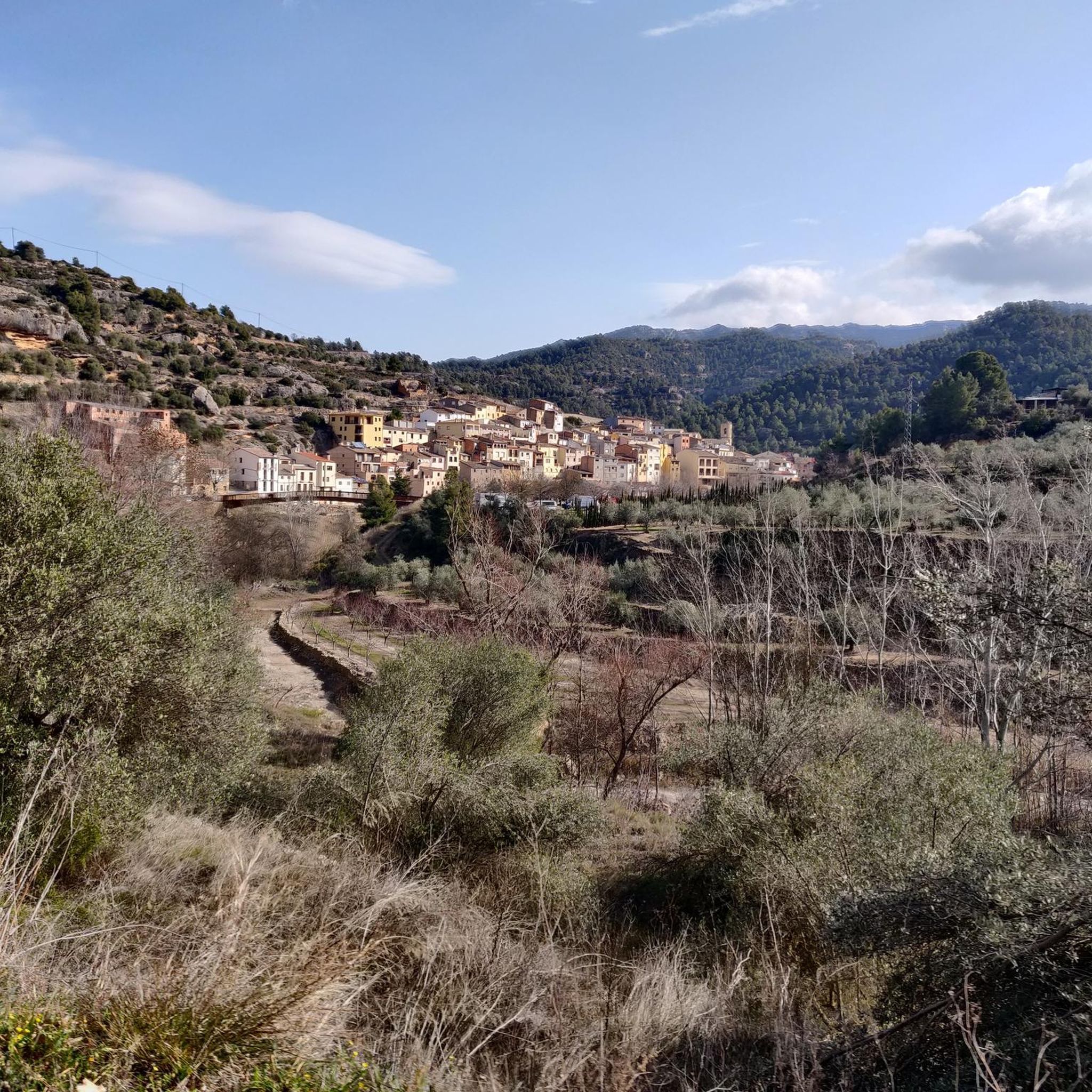
Route through the Montsant following the Camí dels Cartoixants and back through the vineyards between La Vilella Alta and Escaladei. All track with some strong ups and downs but easy enough. We have made it short, but it can be extended until Cabacés and then it is about 40 km.
0
0

Nice corner that invites you to silence and meditation
0
0

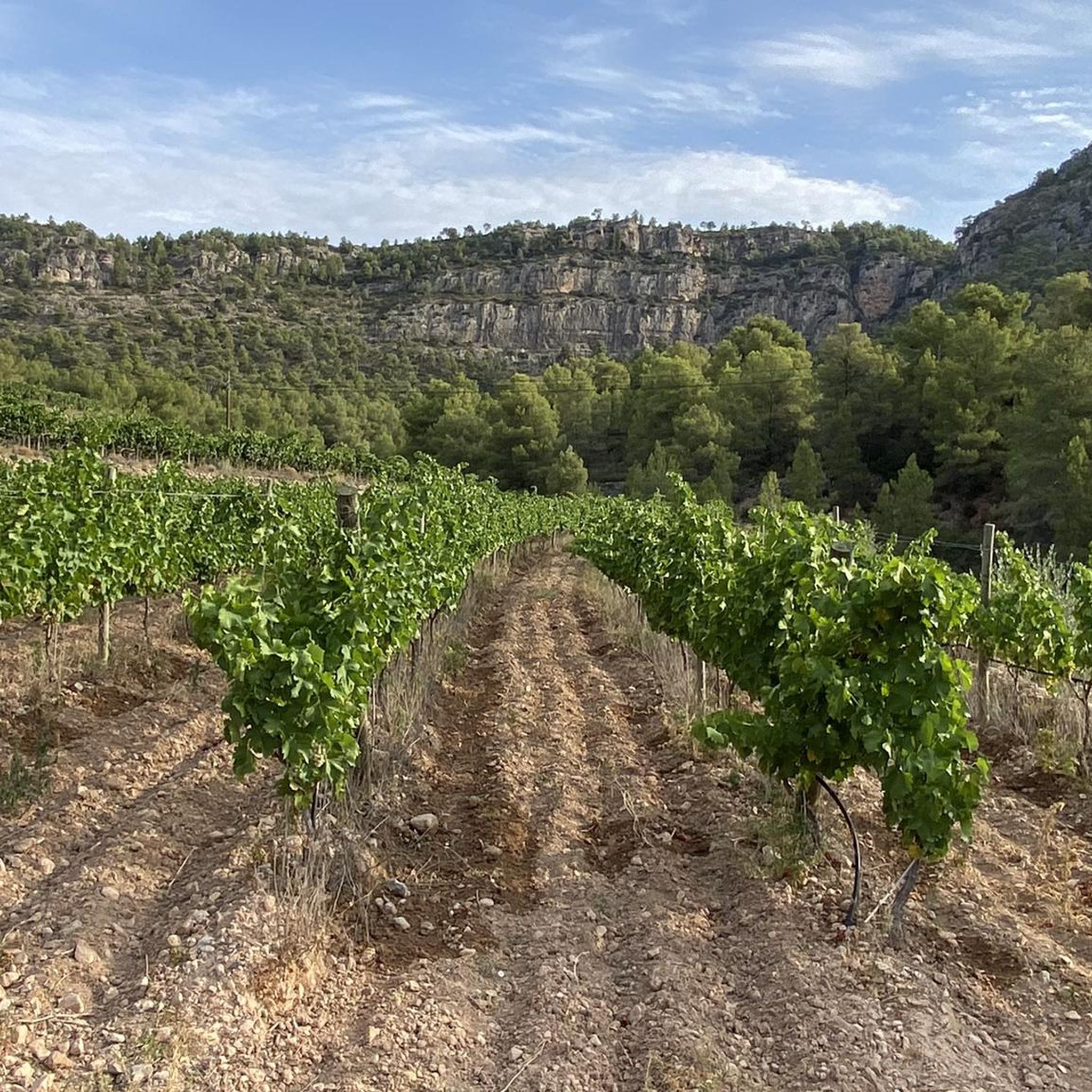
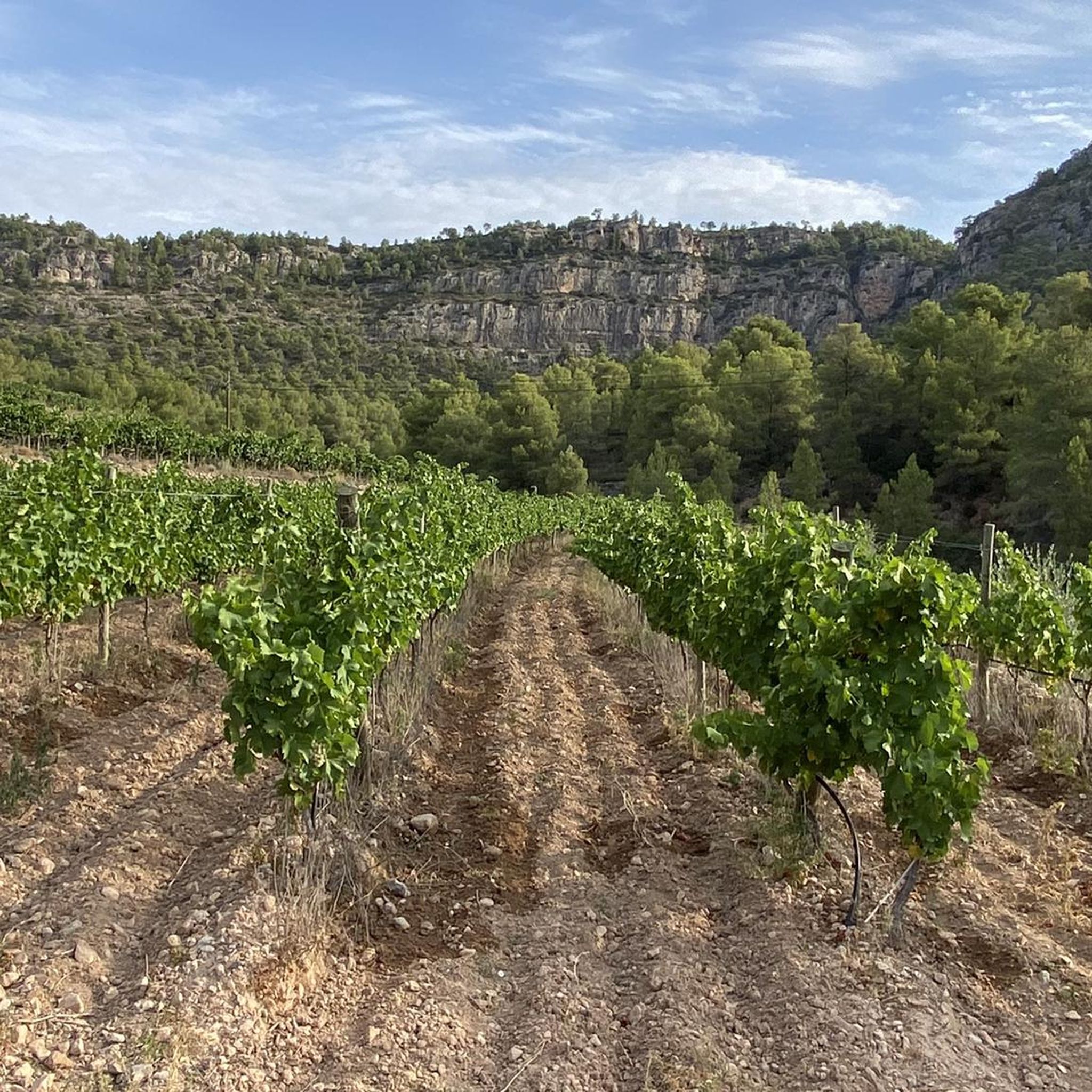
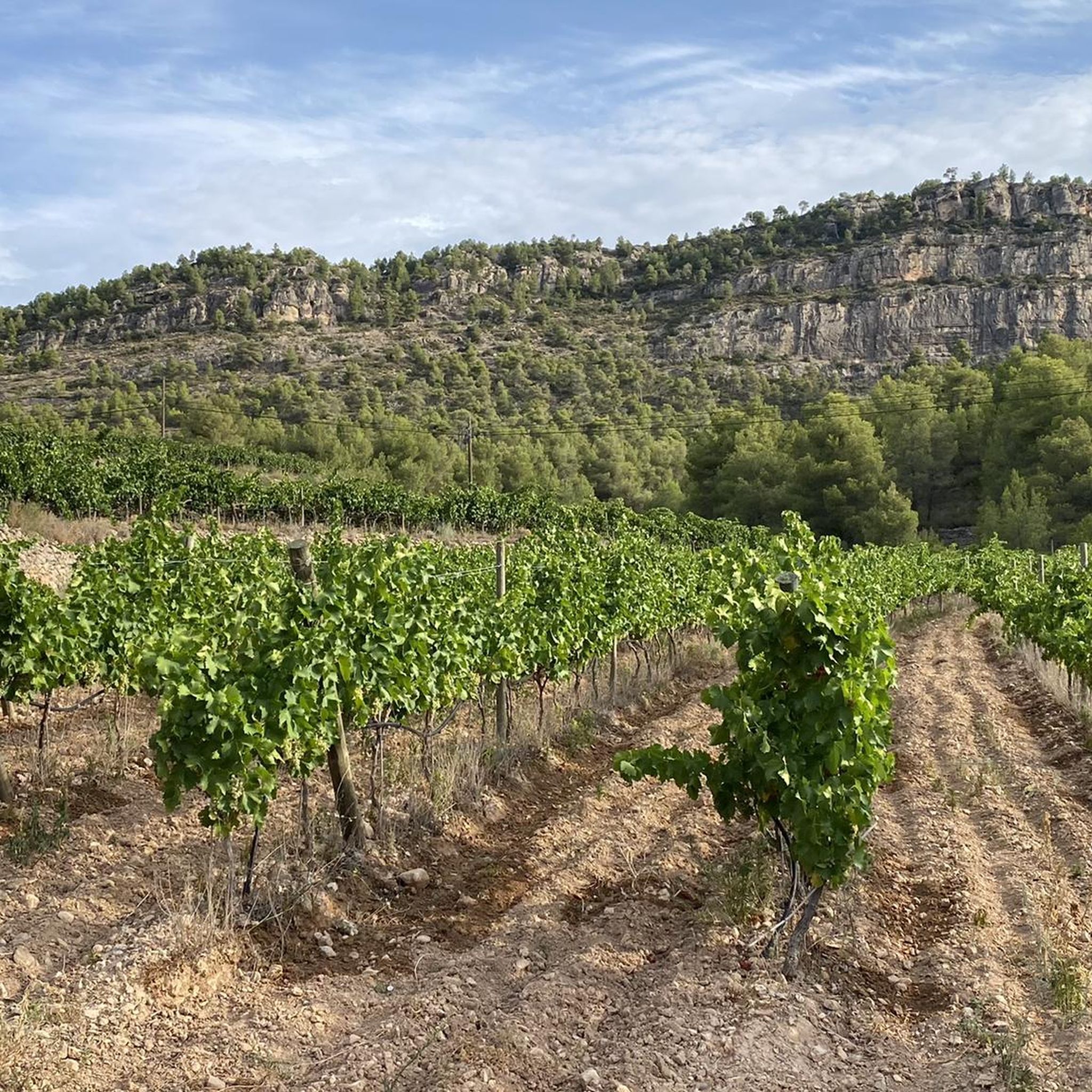
The surroundings of the Serra del Montsant natural park are full of terraces of vineyards that nourish Priorat wines. The vines grow in a very particular terrain and environment and the landscape created with the exposed cliffs is charming.
0
0

This corner of Montsant is one of the emblematic places of the Natural Park. It is located in the heart of the mountains and can be reached from La Morera de Montsant, either by the Grau de Salfores, or by the Grau de la Grallera towards the Piló dels Senyalets, and from both points to the Pi del Cugat , where you have to take a path that goes down to the Clot. It is an oasis of greenery in the middle of the arid Serra Major, as there is usually water all year round. Contrary to many people's beliefs, in the middle of nowhere, there is a walnut tree, not a cherry tree. The cherry tree that gave the place its name died years ago and a walnut tree was planted in its place. In the past, shepherds used to bring their flocks to drink, and the drinking troughs they prepared for their flocks are still preserved.
0
0
Spectacular geological formation that allows us to enjoy a particular view of the Ventadors through its arch. Essential.
0
0
This hermitage was founded by Fra Guerau Miquel, who on July 28, 1192 obtained possession of this area, where he lived since around 1160. The hermit founded two chapels, one dedicated to St. Mary and another , St. Bartholomew; but only the second lasts. In 1210, Fra Guerau ceded this territory to Pere Balb and his wife Guillema, who founded a female community in Santa Maria which, in 1215, settled in Bonrepòs. The hermitage of Sant Bartomeu first belonged to the monastery of Santa Maria de Bonrepòs, confirmed by Jaume II in 1292, and later passed into the domain of the Carthusian Monastery of Escaladei. It was plastered inside in the 18th century until it fell into disrepair. The hermit's house was attached. Around 1970, the whole was refurbished, removing the hermit's house and restoring the hermitage, works carried out by the parish of Ulldemolins.
0
0

A magical place🤩
0
0
Frequently Asked Questions
What unique natural features can I explore around La Palma D'Ebre?
The region offers diverse natural features. You can discover the rugged landscapes of the Serra de Montsant Natural Park, known for its cliffs, ravines, and gorges. A notable geological formation is the Natural Arch of Montsant, which provides a unique view of the Ventadors. Additionally, the nearby Ebro Delta Natural Park features extensive wetlands, rice fields, and lagoons.
Are there any natural monuments with historical significance in the area?
Yes, several natural monuments are intertwined with history. The Hermitage of Sant Bartomeu de Fraguerau is a religious building and historical site set within a natural landscape, founded in the 12th century. Another significant spot is the Santa Llúcia Hospital Cave, which served as a military hospital during the Spanish Civil War.
Where can I find lush green areas or water features among the natural monuments?
The Clot del Cirer, located in the Serra de Montsant Natural Park, is described as an "oasis of greenery" with water typically present year-round. It's a serene hollow protected by rocks, allowing lush vegetation to thrive. You can also visit La Pietat Spring and Garden, a landscaped area with a spring and distinctive trees visible from below the Escaladei monastery.
What outdoor activities can I do near the natural monuments around La Palma D'Ebre?
The region is excellent for various outdoor activities. You can find numerous running trails, mountain biking routes, and cycling tours. The Serra de Montsant Natural Park offers marked hiking trails and climbing opportunities, while the Ebro Delta is ideal for exploring on foot, by bike, or by canoe.
Are there family-friendly natural monuments or activities in the area?
The natural parks offer environments suitable for families. The Ebro Delta Natural Park, with its flat terrain and abundant wildlife like flamingos, is great for easy walks and birdwatching. The La Pietat Spring and Garden provides a pleasant, landscaped setting for a relaxed visit. Always check specific trail difficulties if planning hikes with children.
When is the best time to visit the natural monuments around La Palma D'Ebre?
Spring and autumn generally offer pleasant weather for exploring. The Clot del Cirer is particularly beautiful in April and May when its walnut tree blossoms. For birdwatching in the Ebro Delta, spring and autumn are also prime times due to migration. Summer can be warm, making shaded spots like the Clot del Cirer especially appealing.
What kind of wildlife can I expect to see in the natural parks?
In the Serra de Montsant Natural Park, you might spot fauna such as the greater horseshoe bat, wild cat, Spanish ibex, Bonelli's eagle, and golden eagle. The Ebro Delta Natural Park is a renowned birdwatching paradise, home to over 368 species of birds, including large populations of flamingos.
Are there any viewpoints offering panoramic views of the natural landscapes?
Yes, the Serra de Montsant Natural Park features several high points like Roca Corbatera (1,163 m), Piló dels Senyalets (1,109 m), and Cogulla (1,063 m), which offer spectacular views. The Natural Arch of Montsant also provides a unique perspective of the Ventadors.
What do visitors enjoy most about the natural monuments in this region?
Visitors appreciate the tranquility and natural beauty. The Hermitage of Sant Bartomeu de Fraguerau is noted for its peaceful atmosphere. The Clot del Cirer is cherished as an "oasis of greenery" that invites silence and meditation. The dramatic landscapes and rich ecosystems of the Serra de Montsant Natural Park are also highly valued for active exploration.
Are there opportunities for stargazing near La Palma D'Ebre?
Yes, the Serra de Montsant Natural Park has received dual certification for light and acoustic quality protection and is designated a "Starlight Tourist Destination." This makes it an excellent location for stargazing due to its minimal light pollution.
What are the main characteristics of the Serra de Montsant Natural Park?
The Serra de Montsant Natural Park is a rugged mountain range spanning over 22,837 acres, characterized by cliffs, ravines, and gorges. It boasts high biodiversity with over 1,280 species and is home to significant wildlife and monumental trees. The Montsant river flows through its perimeters, featuring the majestic Fraguerau gorge.
What makes the Ebro Delta Natural Park a significant natural area?
The Ebro Delta Natural Park is Catalonia's largest protected wetland, covering 7,736 hectares. It's a unique horizontal landscape dominated by rice fields, lagoons, and salt marshes. It's globally recognized for its exceptional birdlife, including flamingos, and features extensive natural beaches and preserved dune systems.
Most popular routes around La Palma D'Ebre
Most popular attractions around La Palma D'Ebre

Get inspired with the komoot mobile app


Explore more
Extend your search for the best caves by checking out these guides of the top ones around La Palma D'Ebre:
